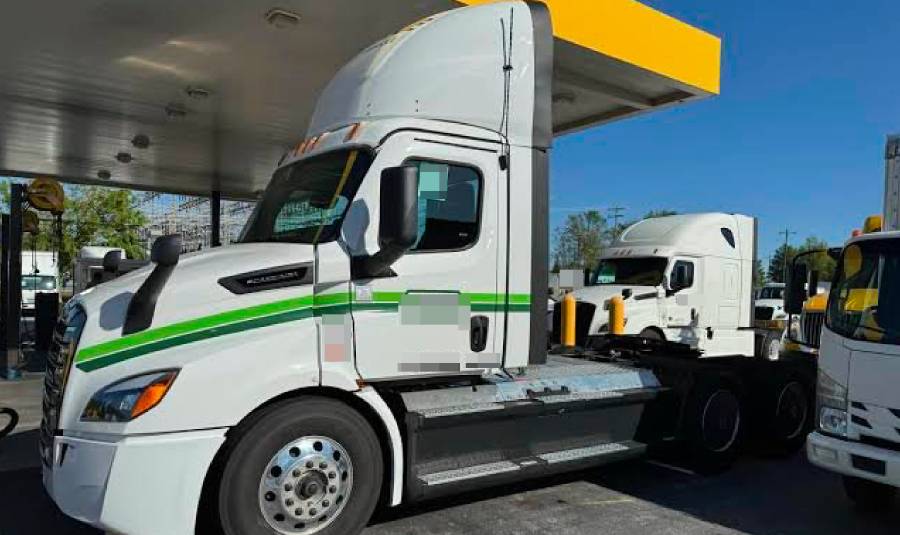
The “Manual Regeneration Not Allowed” message on a Freightliner means the truck’s engine or aftertreatment control system is preventing a driver-requested Diesel Particulate Filter (DPF) regeneration. This message does not necessarily indicate a clogged DPF or a failed component. It means the vehicle has not met the conditions required to authorize a parked regeneration at that moment.
There are three main reasons a Freightliner may reject manual regeneration: the DPF has not reached the soot level that requires regeneration, the truck does not meet the necessary operating conditions, or an active engine or aftertreatment fault is preventing the process. For example, an improperly set parking brake, an ineligible engine operating state, or certain diagnostic trouble codes can prevent a regeneration request from being accepted. The exact requirements depend on the Freightliner model, engine, and control system configuration.
Fixing the problem starts with identifying why regeneration is being denied, rather than repeatedly pressing the regeneration switch. This guide explains what the message means, which conditions can prevent parked regeneration, how to check common causes, and when professional diagnostics are necessary. It also covers the differences between automatic and parked regeneration and how to prevent recurring DPF problems.
What Does “Manual Regeneration Not Allowed” Mean on a Freightliner?
“Manual Regeneration Not Allowed” means the Freightliner’s control system has rejected a driver-requested DPF regeneration because the conditions required to authorize the process are not satisfied. The message indicates a regeneration restriction rather than confirming a mechanical failure. A Freightliner can display this message even when its Diesel Particulate Filter (DPF) and aftertreatment components are functioning normally.
The Engine Control Module (ECM) and aftertreatment controls monitor operating conditions and system status before permitting parked regeneration. Depending on the engine configuration, these checks include DPF soot loading, regeneration requests, parking brake status, transmission position, and active diagnostic trouble codes. For example, certain Detroit-powered Freightliner trucks do not permit a driver-requested parked regeneration when the DPF regeneration indicator is not illuminated.
A rejected regeneration request is different from an interrupted regeneration. A rejected request means the system never authorized the process to begin. An interrupted regeneration occurs when an authorized cycle stops before completion because operating conditions change or a system fault develops. Identifying which situation occurred helps determine whether the driver needs to correct an operating condition or investigate an aftertreatment problem.
Why Does a Freightliner Say “Manual Regeneration Not Allowed”?
A Freightliner can reject manual regeneration for three primary reasons: the DPF does not currently require regeneration, the vehicle fails to meet parked-regeneration operating conditions, or an engine or aftertreatment fault prevents authorization. Each situation requires a different response. Identifying the cause prevents unnecessary regeneration attempts and helps distinguish normal system behavior from a problem requiring repair.
Can a Freightliner Deny Manual Regen When the DPF Is Not Full?
Yes, a Freightliner can deny manual regeneration when the DPF soot level has not reached the threshold required for a driver-requested regeneration. The aftertreatment system estimates soot accumulation and determines when regeneration is necessary. The driver cannot assume that parked regeneration is available simply because the truck has been idling or operating at low speeds.
On certain Detroit engine configurations, the parked regeneration request is disabled by default until the DPF regeneration lamp illuminates. For example, a Freightliner Cascadia equipped with a compatible Detroit engine may reject a parked regen request when the system has not identified a need for that procedure. In this situation, the message can reflect normal regeneration control rather than a clogged filter.
Can Incorrect Parking Conditions Prevent a Freightliner Regen?
Yes, incorrect vehicle operating conditions can prevent a Freightliner from starting parked regeneration even when the DPF requires it. Parked regeneration involves elevated exhaust temperatures, so the control system requires specific conditions to protect the vehicle and its surroundings.
Depending on the Freightliner model and engine configuration, these requirements include an engaged parking brake, a transmission in neutral, an appropriate engine operating state, and restrictions on Power Take-Off (PTO) operation. For example, a truck may reject a regeneration request when the parking brake is released or the transmission is not in the required position.
The driver should park on a suitable surface away from combustible materials, verify the required operating conditions, and follow the vehicle’s regeneration instructions. Correcting an unmet condition can allow the request to proceed when regeneration is otherwise authorized.
Can Fault Codes or Sensor Problems Block Manual Regeneration?
Yes, certain active diagnostic trouble codes and aftertreatment sensor faults can prevent a Freightliner from authorizing manual regeneration. The engine and aftertreatment control systems use sensor readings to monitor exhaust conditions and determine whether regeneration can operate safely.
Relevant components include the DPF differential pressure sensor, exhaust gas temperature sensors, and other aftertreatment monitoring devices. A malfunctioning sensor, damaged wiring connection, or implausible reading can interfere with the information used by the control system. For example, an exhaust temperature sensor fault may prevent the system from reliably monitoring temperatures during regeneration, depending on the fault and engine calibration.
Not every active fault code blocks regeneration, and a regeneration restriction does not prove that a sensor has failed. A technician must identify the active Diagnostic Trouble Codes (DTCs), including their SPN and FMI identifiers where applicable, and follow the corresponding diagnostic procedure. Replacing sensors or clearing fault codes without confirming the underlying cause does not reliably resolve the problem.
What Conditions Must Be Met for a Freightliner Parked Regen?
A Freightliner parked regeneration requires an eligible DPF regeneration request, a properly secured vehicle, and engine operating conditions that satisfy the aftertreatment control system. The exact requirements depend on the truck’s model year, engine configuration, and regeneration control settings. Meeting the parking conditions alone does not guarantee that the system will authorize regeneration.
The DPF warning light is an important indicator of regeneration eligibility. On certain Detroit-powered Freightliner trucks, driver-requested parked regeneration is disabled by default unless the DPF regeneration lamp is illuminated. This prevents unnecessary regeneration when the filter’s estimated soot accumulation does not justify the procedure. A truck that has recently completed automatic regeneration may therefore reject another manual request.
The parking brake must be engaged, and the transmission must be in the required neutral or park position according to the vehicle’s operating instructions. Engine speed, accelerator pedal position, coolant temperature, and Power Take-Off (PTO) status can also affect regeneration eligibility. For example, releasing the parking brake or pressing the accelerator may prevent regeneration from starting or interrupt an active cycle, depending on the vehicle configuration.
Parked regeneration also requires a safe operating environment because exhaust temperatures rise substantially during the process. The truck should be parked outdoors or in an approved, adequately ventilated service area, away from dry vegetation, fuel, and other combustible materials. Drivers must follow the applicable Freightliner and engine manufacturer’s instructions rather than attempting to bypass regeneration restrictions.
How Do You Fix “Manual Regeneration Not Allowed” on a Freightliner?
To fix “Manual Regeneration Not Allowed” on a Freightliner, first determine whether regeneration is required, verify the parked-regeneration conditions, and check for active faults if the request remains unavailable. The correct solution depends on why the control system denied the request. A normal regeneration restriction does not require the same repair as a malfunctioning aftertreatment component.
Step 1: Check the DPF warning light and dashboard messages.
Inspect the instrument cluster for the DPF regeneration lamp, check engine light, stop engine warning, and other aftertreatment messages. The DPF lamp helps indicate whether the vehicle is requesting regeneration, while additional warnings may identify conditions requiring further diagnosis. If the DPF lamp is off and no other relevant warning is present, the system may not currently require parked regeneration.
A flashing DPF lamp or additional engine warning requires closer attention because warning combinations and their meanings vary by vehicle configuration. Follow the applicable operator’s manual rather than assuming that every warning can be resolved through parked regeneration.
Step 2: Verify the vehicle’s parked-regeneration conditions.
Move the truck to a safe, well-ventilated location away from combustible materials. Apply the parking brake, place the transmission in the required position, and verify the engine operating conditions specified for the vehicle. Check whether PTO operation or other equipment is affecting regeneration eligibility.
For example, a Freightliner may refuse a regeneration request when the transmission is in gear or the parking brake status does not satisfy the control system. Correcting these conditions can restore eligibility when the DPF requires regeneration and no other restriction is present.
Step 3: Request parked regeneration using the correct procedure.
Follow the regeneration instructions for the specific Freightliner model and engine. Where the truck uses a driver-operated regeneration switch, the required switch operation and confirmation indicators are defined by its control configuration.
Once regeneration is authorized, the engine may automatically adjust its speed to support the process. Monitor the dashboard indicators and allow the procedure to complete according to the manufacturer’s instructions. Do not repeatedly request regeneration when the system continues to deny permission.
How Do You Check Fault Codes When Freightliner Regen Is Not Allowed?
Check active engine and aftertreatment diagnostic trouble codes using a compatible heavy-duty diagnostic scanner or Detroit DiagnosticLink when supported by the engine configuration. Fault codes help determine whether a control system, sensor, or aftertreatment condition is preventing regeneration. They provide a more reliable diagnostic starting point than replacing components based only on the dashboard message.
Start by recording all active codes, including Suspect Parameter Number (SPN) and Failure Mode Identifier (FMI) values where available. Review the associated fault descriptions and determine which codes are relevant to regeneration authorization. For example, a DPF differential pressure sensor fault may require inspection of the sensor, pressure tubes, wiring, and related measurements before a defective component can be confirmed.
DiagnosticLink can provide additional information on supported Detroit engines, including aftertreatment status, fault details, and available service procedures. A qualified technician can use these functions to determine whether regeneration is inhibited by an active fault, an operating condition, or another control-system restriction.
Step 4: Resolve the confirmed problem before requesting regeneration again.
Repair or correct the condition identified during diagnosis, then verify that the system recognizes the corrected state. A wiring fault requires a different repair from an operating-condition restriction or excessive DPF soot accumulation. Clearing codes without correcting their causes does not establish that regeneration is safe or available.
If parked regeneration remains unavailable after the required conditions are satisfied, stop repeated attempts and arrange professional diagnosis. Severe aftertreatment warnings, engine derate, or stop-engine indications require following the manufacturer’s specific instructions. A technician may need to perform additional tests before determining whether service regeneration, DPF cleaning, or component repair is appropriate.
Can You Force a Regeneration When Freightliner Says It Is Not Allowed?
A Freightliner may support technician-initiated service regeneration, but drivers should not attempt to override a “Manual Regeneration Not Allowed” restriction. Service regeneration requires compatible diagnostic equipment, appropriate operating conditions, and confirmation that the aftertreatment system can safely complete the procedure. A rejected parked regeneration request does not automatically mean forced regeneration is necessary.
Driver-requested parked regeneration and service regeneration serve different purposes. Parked regeneration allows the vehicle to clean accumulated soot from the Diesel Particulate Filter (DPF) when the control system authorizes the process. Service regeneration is a diagnostic or maintenance procedure initiated by a qualified technician using supported equipment, such as Detroit DiagnosticLink on compatible Detroit engines. Both procedures remain subject to engine and aftertreatment safety controls.
Forcing regeneration does not repair the underlying problem when a fault is preventing the system from operating correctly. For example, a malfunctioning exhaust temperature sensor may prevent reliable temperature monitoring during regeneration. Initiating a regeneration procedure without resolving the relevant fault can create unsafe operating conditions or cause additional aftertreatment damage. Similarly, excessive soot accumulation may require professional evaluation before any regeneration attempt.
Service regeneration produces elevated exhaust temperatures that create fire and burn hazards. The procedure must be performed in an approved location with adequate ventilation and sufficient clearance from combustible materials. Technicians must follow the engine manufacturer’s diagnostic instructions and confirm that all applicable safety conditions are satisfied.
If the truck continues to display “Manual Regeneration Not Allowed,” the appropriate next step is to identify the restriction through diagnostic testing rather than bypassing control-system safeguards.
When Should You Take a Freightliner to a Mechanic for a Regen Problem?
Take a Freightliner to a qualified diesel technician when parked regeneration remains unavailable despite meeting the required operating conditions, active aftertreatment faults are present, or engine performance becomes restricted. These symptoms may indicate a problem that cannot be resolved through normal driver-operated regeneration procedures.
One important warning sign is an active check engine light accompanied by DPF or aftertreatment messages. These indicators may correspond to faults involving exhaust temperature monitoring, DPF differential pressure measurement, or other emissions-system components. For example, an active sensor circuit fault may require electrical testing, connector inspection, and verification of sensor readings before the correct repair can be identified.
Engine derate is another reason to seek professional diagnosis promptly. Derate occurs when the engine control system restricts available power or speed in response to certain operating or fault conditions. Unresolved aftertreatment problems can contribute to these restrictions, although not every derate is caused by the DPF. A truck experiencing reduced power alongside regeneration warnings requires fault-code analysis to identify the actual cause.
A persistent regeneration restriction can also indicate that the DPF needs professional evaluation. Regeneration burns accumulated soot, but it does not remove the noncombustible ash that gradually collects inside the filter. A DPF with excessive ash accumulation or another physical restriction may require specialized cleaning or replacement rather than repeated regeneration attempts.
Before visiting a repair facility, record the truck’s model year, engine model, dashboard messages, active fault codes, and circumstances under which regeneration was denied. For example, identifying a Freightliner Cascadia with a Detroit DD15 engine and providing its SPN/FMI codes helps the technician select the appropriate diagnostic procedures.
A stop-engine warning, severe aftertreatment warning, or substantial loss of engine power requires immediate attention according to the vehicle manufacturer’s instructions. Continuing to operate the truck or repeatedly attempting regeneration without identifying the problem can increase repair costs and risk additional damage.
What Is the Difference Between Automatic and Parked Regeneration on a Freightliner?
The main difference between automatic and parked regeneration on a Freightliner is how the DPF cleaning process is initiated and the operating conditions required. Automatic regeneration occurs while the truck is operating under suitable conditions, whereas parked regeneration requires the vehicle to remain stationary and meet specific safety and control-system requirements.
Automatic regeneration includes passive and active processes. Passive regeneration occurs when exhaust temperatures and operating conditions allow accumulated soot to oxidize without a separately requested cleaning cycle. Active regeneration uses engine and aftertreatment controls to increase exhaust temperatures when additional heat is needed to burn soot from the Diesel Particulate Filter. On a Freightliner Cascadia equipped with a Detroit DD15 engine, the system can manage active regeneration during normal driving when the necessary conditions are satisfied.
Parked regeneration is a stationary cleaning procedure that requires authorization from the engine and aftertreatment control systems. It is generally requested when the vehicle indicates that parked regeneration is needed or when an applicable service procedure calls for it. The driver must follow the required parking, transmission, and engine operating conditions before the system permits the process.
A Freightliner that displays “Manual Regeneration Not Allowed” may still be capable of completing automatic regeneration during normal operation. The message specifically concerns the rejected manual request and does not establish that every regeneration mode is disabled. Whether automatic regeneration remains available depends on the truck’s aftertreatment status and active faults.
Read more: Freightliner Cascadia Fifth Wheel Not Releasing: Fixes
What Happens If a Freightliner Cannot Complete DPF Regeneration?
If a Freightliner repeatedly fails to complete necessary DPF regeneration, soot can accumulate inside the filter, increase exhaust restriction, and eventually contribute to engine performance limitations. The severity depends on the estimated soot load, the underlying cause, and how long the condition remains unresolved.
The DPF captures soot particles produced during diesel combustion. Regeneration oxidizes accumulated soot to reduce filter loading and maintain acceptable exhaust flow. When required regeneration cannot occur, continued soot accumulation can increase exhaust backpressure and affect engine operation. The aftertreatment control system monitors relevant operating data and may issue additional warnings as the condition progresses.
Increasing DPF soot loading can trigger more urgent dashboard warnings and, under certain conditions, engine derate. For example, a truck that repeatedly interrupts required regeneration cycles may eventually display escalating DPF warnings or experience restricted engine performance. The exact warning sequence and derate thresholds depend on the engine calibration and vehicle configuration.
Severe soot accumulation can also make ordinary parked regeneration inappropriate. A heavily loaded DPF may require a technician to evaluate the filter and aftertreatment system before determining whether a controlled service procedure, specialized cleaning, or replacement is necessary. Attempting repeated regeneration without confirming the filter’s condition can expose the system to excessive temperatures.
A regeneration restriction does not always mean soot accumulation is increasing. When the DPF does not currently require regeneration, denying a manual request is normal control-system behavior. The important distinction is whether the truck is refusing an unnecessary regeneration or failing to perform one that the aftertreatment system requires.
How Can You Prevent Freightliner DPF Regeneration Problems?
Preventing Freightliner DPF regeneration problems requires proper engine maintenance, timely attention to aftertreatment warnings, and operating practices that support normal regeneration. These measures reduce avoidable soot accumulation and help identify developing faults before they interfere with the regeneration system.
Follow the engine manufacturer’s maintenance schedule and use the specified fluids and replacement components. Engine oil, fuel quality, air filtration, and overall combustion performance influence soot production and aftertreatment operation. For example, an engine with a malfunctioning fuel injector or excessive oil consumption may produce abnormal exhaust contamination that increases the burden on the DPF. Maintaining the engine’s combustion and lubrication systems helps protect the aftertreatment components.
Allow required regeneration cycles to complete when operating conditions permit. Frequent short trips, extended low-load operation, and repeated interruptions can make it harder for the system to maintain the exhaust temperatures needed for effective regeneration. When the vehicle requests parked regeneration, follow the appropriate procedure in a safe location instead of repeatedly postponing the request.
Investigate engine and aftertreatment fault codes promptly. Faults involving exhaust temperature sensors, differential pressure measurement, or related control components can interfere with regeneration decisions. For example, repairing a damaged sensor connector before it develops into an intermittent signal failure can prevent additional diagnostic problems. Fault codes should be diagnosed according to the applicable service information rather than cleared without repair.
Maintain the DPF according to the manufacturer’s service requirements. Regeneration removes combustible soot but does not eliminate accumulated ash from engine oil additives and other noncombustible materials. Over time, ash accumulation can increase filter restriction and require professional cleaning. The appropriate cleaning interval depends on the engine, filter configuration, operating conditions, and maintenance history.
Drivers should also monitor dashboard indicators and recognize the difference between a normal regeneration restriction and an unresolved aftertreatment problem. A Freightliner that does not currently require parked regeneration generally does not need a forced cleaning cycle. However, persistent DPF warnings, active aftertreatment faults, or repeated failures to complete required regeneration should be investigated before the condition progresses.