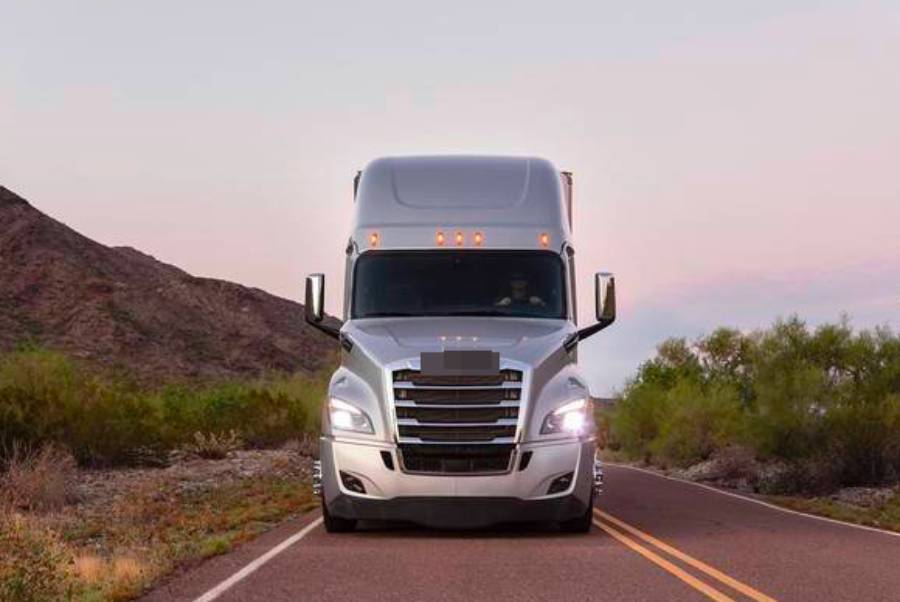
A Freightliner Cascadia losing power when accelerating is commonly associated with restricted fuel delivery, insufficient turbocharger boost, clogged air filters, engine sensor faults, or an engine derate triggered by the emissions system. These problems reduce the engine’s ability to generate the torque required for acceleration, particularly when hauling heavy loads or climbing hills.
Fuel delivery problems, including clogged fuel filters and insufficient fuel pressure, can prevent the engine from receiving enough diesel under load. Turbocharger faults and charge air leaks reduce the compressed air available for combustion, resulting in sluggish acceleration and reduced pulling power. Faults involving the diesel particulate filter (DPF), selective catalytic reduction (SCR) system, or engine control module (ECM) can also trigger power limitations designed to protect the engine or enforce emissions requirements.
The symptoms depend on the underlying fault. A Freightliner Cascadia may hesitate when the accelerator is pressed, struggle to maintain speed uphill, respond poorly to throttle input, or display warning lights and diagnostic trouble codes. Identifying whether the problem comes from a mechanical restriction, fuel delivery issue, or electronically commanded engine derate is essential before replacing components.
This guide explains the causes of Freightliner Cascadia acceleration power loss, how to diagnose the affected systems, which repairs address specific faults, and how preventive maintenance reduces the risk of recurring performance problems.
Why Is My Freightliner Cascadia Losing Power When Accelerating?
A Freightliner Cascadia loses power when accelerating primarily because of fuel delivery restrictions, turbocharger problems, air intake restrictions, engine sensor faults, or ECM-controlled engine derate. These faults limit fuel supply, reduce combustion efficiency, or restrict engine torque. Power loss becomes more noticeable during heavy acceleration, uphill driving, and hauling because the engine requires more fuel and air to maintain performance.
Can Fuel System Problems Cause Power Loss During Acceleration?
Fuel system problems cause acceleration power loss when the engine cannot receive the required amount of diesel under load. Clogged fuel filters, weak fuel pumps, contaminated diesel, and malfunctioning injectors can disrupt fuel delivery to the engine.
A restricted fuel filter reduces fuel flow, particularly when engine demand increases during acceleration. Insufficient fuel supply prevents the engine from producing the expected torque, causing hesitation, sluggish acceleration, or difficulty maintaining highway speed. Fuel pressure readings and filter restriction checks help distinguish fuel delivery problems from other engine faults.
Can Turbocharger Problems Cause Poor Acceleration?
Turbocharger problems cause poor acceleration by reducing the compressed air supplied to the engine. The turbocharger increases intake air pressure, allowing the engine to burn the required fuel efficiently and produce torque under heavy loads.
A damaged turbocharger, leaking charge air cooler, or loose intercooler hose can prevent the engine from reaching its expected boost pressure. Common symptoms include weak acceleration, reduced pulling power, and abnormal turbocharger noise. Comparing actual boost pressure with commanded values under the appropriate operating conditions helps identify boost-related problems.
Can DPF or SCR Problems Cause Engine Power Loss?
DPF and SCR system faults can cause engine power loss by triggering an ECM-controlled engine derate. The diesel particulate filter (DPF) captures soot from exhaust gases, while the selective catalytic reduction (SCR) system uses diesel exhaust fluid (DEF) to reduce nitrogen oxide emissions.
Excessive DPF soot loading, failed regeneration, DEF quality faults, and SCR system malfunctions can activate warning lights or diagnostic trouble codes. Depending on the fault and engine calibration, the ECM may limit available engine torque or vehicle speed. A severely restricted DPF can also increase exhaust backpressure and reduce engine performance.
Other causes include clogged engine air filters, faulty manifold pressure sensors, accelerator pedal position sensor problems, and electrical connection faults. These issues affect airflow measurement, engine control, or throttle response. Reading active fault codes and checking live engine data is the most reliable starting point for identifying the affected system before replacing components.
What Are the Symptoms of Freightliner Cascadia Power Loss?
The main symptoms of Freightliner Cascadia power loss include sluggish acceleration, engine hesitation, reduced pulling power, limited engine RPM, and difficulty maintaining speed under load. These symptoms occur when the engine cannot produce the requested torque or when the engine control module (ECM) restricts power output.
Sluggish acceleration is one of the most noticeable symptoms. The truck responds slowly when the accelerator pedal is pressed, particularly while merging onto highways or pulling a loaded trailer. Fuel delivery restrictions and insufficient turbocharger boost can cause this behavior because the engine cannot receive the fuel or compressed air required to increase torque. A Freightliner Cascadia may accelerate normally without a trailer but struggle when hauling heavy cargo because higher loads expose weaknesses in fuel delivery and air intake performance.
Engine hesitation and poor throttle response can indicate inconsistent fuel delivery, faulty sensor signals, or electronic engine control problems. The engine may respond unevenly to accelerator input or fail to increase RPM as expected. A malfunctioning accelerator pedal position sensor can send incorrect throttle demand information to the ECM, while fuel pressure fluctuations can interfere with engine performance during acceleration.
Reduced climbing performance is another important warning sign. A Freightliner Cascadia that loses speed on hills despite increased accelerator input may have insufficient fuel pressure, low turbo boost, or an active engine derate. Dashboard warnings, including the Check Engine light, Stop Engine light, or aftertreatment warnings, provide additional diagnostic information. However, mechanical power loss can occur without an illuminated warning light, making symptom patterns and engine data essential for identifying the cause.
How Do I Diagnose a Freightliner Cascadia That Loses Power When Accelerating?
Diagnosing Freightliner Cascadia acceleration power loss requires checking diagnostic trouble codes, inspecting fuel delivery, measuring turbocharger performance, and evaluating engine control data. The diagnostic process should begin with electronic fault identification before progressing to mechanical inspections and component testing. This approach helps distinguish fuel restrictions, air supply problems, sensor failures, and ECM-commanded power limitations.
How Do I Check Freightliner Cascadia Fault Codes?
Check Freightliner Cascadia fault codes by connecting a compatible heavy-duty diagnostic scanner to the truck’s diagnostic port and reading active and stored engine faults. Detroit Diesel DiagnosticLink is commonly used for compatible Detroit-powered Cascadia trucks, while other engine configurations require appropriate diagnostic software.
Heavy-duty diagnostic systems commonly report faults using Suspect Parameter Number (SPN) and Failure Mode Identifier (FMI) information. The SPN identifies the affected parameter or system, while the FMI describes the detected failure condition. For example, a fault associated with intake manifold pressure may direct attention toward boost pressure measurement, sensor wiring, or air delivery problems.
Record active and inactive fault codes, warning messages, and relevant operating conditions before clearing any codes. Active faults generally deserve immediate attention because they indicate conditions currently detected by the control system. However, stored faults can reveal intermittent problems that occur only during acceleration or heavy engine loading. Diagnostic codes identify where to investigate; they do not automatically prove that a particular component requires replacement.
How Do I Test Fuel Pressure and Turbo Boost?
Test fuel pressure and turbo boost by comparing measured engine parameters with the specifications for the installed engine model under the required operating conditions. Detroit DD13, DD15, and DD16 engines have configuration-specific diagnostic procedures, so the correct service information must be used.
Begin fuel system diagnosis by inspecting the fuel filters, fuel lines, and connections for restrictions, leakage, or air entering the system. Contaminated diesel and clogged filters can restrict fuel delivery when engine demand increases. If preliminary inspections do not identify the problem, a qualified technician should perform the specified fuel pressure and fuel supply tests. Low pressure under load can indicate a restricted supply circuit, pump problem, or another fuel system fault.
Turbocharger diagnosis involves inspecting charge air hoses, clamps, intercooler connections, and intake piping for damage or leaks. Escaping compressed air prevents the engine from reaching the expected intake manifold pressure. A charge air system pressure test can identify leaks that are not visible during routine inspection.
Live diagnostic data should also be examined during an appropriate engine load test. Comparing actual boost pressure with expected values helps determine whether the turbocharger and charge air system are operating correctly. Low boost readings must be interpreted alongside engine load, fuel delivery, sensor accuracy, and turbocharger control conditions before diagnosing a failed turbocharger.
How Do I Check for Engine Derate and Sensor Problems?
Check engine derate and sensor problems by reviewing active ECM faults, commanded engine torque limits, accelerator pedal readings, and aftertreatment system data. Engine derate occurs when the control system intentionally restricts engine performance in response to specific operating conditions or detected faults.
Start by checking for engine protection and emissions-related warnings. DPF regeneration problems, SCR faults, DEF system malfunctions, and certain engine protection conditions can trigger power restrictions. Diagnostic software can help determine whether the ECM is requesting reduced torque and which fault conditions are associated with the restriction.
Sensor diagnosis requires comparing live readings with expected operating behavior. Accelerator pedal position should change consistently with pedal movement, while intake manifold pressure and temperature readings should remain plausible for the current engine conditions. Erratic readings, implausible values, or intermittent signal loss can indicate sensor, wiring, connector, or control circuit problems.
Inspect accessible electrical connectors for corrosion, damaged terminals, loose connections, and wiring deterioration. Electrical faults can interrupt sensor communication and affect engine performance without producing constant symptoms. Confirm the defective circuit or component through the manufacturer’s diagnostic procedure before replacement.
The diagnostic process is complete only when testing identifies the underlying fault and confirms that the engine delivers the expected power after corrective action. A controlled verification drive or appropriate load test should confirm normal acceleration, stable engine parameters, and the absence of recurring active faults.
How Do I Fix a Freightliner Cascadia That Loses Power During Acceleration?
Fixing a Freightliner Cascadia that loses power during acceleration requires correcting the underlying fuel delivery, turbocharger, air intake, sensor, or engine derate problem identified during diagnosis. The appropriate repair depends on fault codes, fuel pressure measurements, boost pressure readings, and engine operating conditions. Replacing components without confirming the cause can increase repair costs without restoring engine performance.
How Do I Fix Fuel Delivery Problems?
Fix Freightliner Cascadia fuel delivery problems by replacing restricted fuel filters, correcting fuel supply leaks, removing contaminated fuel, or repairing confirmed fuel pump and injector faults. These repairs restore the fuel supply needed to produce engine torque during acceleration.
Start by inspecting the primary and secondary fuel filters according to the installed engine’s fuel system configuration. A clogged filter restricts diesel flow, especially when the engine demands additional fuel under heavy loads. Replace restricted filters with components that meet the engine manufacturer’s specifications. Prime the fuel system using the approved procedure to prevent air-related starting and performance problems.
Inspect fuel lines, fittings, and connections for damage, restrictions, or air leaks. Air entering the fuel supply can interrupt consistent fuel delivery and cause hesitation under acceleration. Repair damaged connections and verify that fuel supply pressure meets the applicable engine specifications.
Fuel pump and injector repairs require additional testing. A weak supply pump may fail to maintain adequate fuel delivery under load, while malfunctioning injectors can affect combustion and engine torque. Confirm these faults using the manufacturer’s diagnostic procedures before replacing expensive components. High-pressure diesel injection systems must be serviced using the specified safety precautions because pressurized fuel can cause serious injury.
How Do I Fix Turbocharger and Engine Derate Problems?
Fix turbocharger-related power loss by repairing charge air leaks, correcting boost control faults, or replacing a turbocharger only after testing confirms internal damage or malfunction. Fix engine derate problems by resolving the engine protection or aftertreatment fault responsible for the ECM’s power restriction.
Begin turbocharger repairs by examining charge air hoses, clamps, intercooler connections, and intake piping. Split hoses and loose connections allow compressed air to escape before reaching the engine. Replace damaged hoses, secure connections to the specified torque, and perform a charge air pressure test to confirm that the system holds pressure within the manufacturer’s limits.
If the charge air system is intact but boost remains insufficient, inspect the turbocharger and its control components according to the engine configuration. Problems involving turbocharger actuators, control mechanisms, or internal components can prevent the engine from achieving the required boost pressure. Confirm the failure through diagnostic testing before replacing the turbocharger assembly.
Engine derate repairs depend on the active fault. Excessive DPF soot loading may require an approved regeneration procedure after the underlying cause has been assessed. DEF quality faults, malfunctioning dosing components, and SCR system problems require targeted diagnosis and repair. A parked regeneration is not a universal solution for power loss and should only be performed when the vehicle’s diagnostic conditions and manufacturer instructions permit it.
Faulty engine sensors and electrical connections also require attention. Replace a defective manifold pressure sensor or accelerator pedal position sensor only after confirming inaccurate signals, wiring faults, or failed component tests. Repair damaged connectors and wiring where necessary, then verify that live sensor readings return to expected values.
After completing repairs, use compatible diagnostic software to confirm that the original fault is resolved and that no active engine protection or aftertreatment restriction remains. Perform an appropriate road test or controlled load test to verify normal throttle response, engine torque, and boost performance. Successful repair is confirmed by restored acceleration and normal operating data, not simply by clearing diagnostic trouble codes.
Can Engine Derate Cause a Freightliner Cascadia to Lose Power?
Yes, engine derate can cause a Freightliner Cascadia to lose power by electronically limiting engine torque, engine speed, or vehicle speed. The engine control module (ECM) activates these restrictions when specific engine protection or emissions-related faults meet programmed conditions. Unlike mechanical power loss caused by restricted fuel delivery or insufficient turbo boost, engine derate deliberately reduces available performance.
Engine derate can result from excessive engine coolant temperature, low engine oil pressure, or faults involving the diesel particulate filter (DPF), selective catalytic reduction (SCR) system, and diesel exhaust fluid (DEF) supply. The exact response depends on the engine calibration, fault severity, and applicable emissions requirements. For example, certain SCR or DEF system faults can trigger progressively restrictive inducements when the underlying problem remains unresolved.
A Freightliner Cascadia operating in derate mode may accelerate slowly, struggle to maintain highway speed, or fail to produce normal pulling power while hauling a loaded trailer. Depending on the fault, the dashboard may display a Check Engine light, Stop Engine warning, or aftertreatment-related message. However, reduced acceleration alone does not confirm engine derate because fuel restrictions and turbocharger problems can produce similar symptoms.
Confirm engine derate by reading active diagnostic trouble codes and reviewing engine torque limitation data with compatible diagnostic software. Detroit Diesel DiagnosticLink can provide relevant fault information and operating parameters on supported Detroit-powered Cascadia models. Identifying the specific restriction is necessary because an emissions-related derate requires a different repair from an engine protection response caused by overheating or inadequate oil pressure.
Restoring normal engine power requires correcting the fault responsible for the restriction. This may involve repairing a defective DEF dosing component, addressing DPF regeneration problems, correcting sensor faults, or resolving an engine protection condition. Clearing diagnostic codes without repairing the underlying problem does not provide a reliable solution, and the restriction may remain active or return.
Can I Drive a Freightliner Cascadia That Is Losing Power?
A Freightliner Cascadia with unexplained power loss should not continue normal commercial operation until the cause and severity of the problem are assessed. Mild acceleration problems may allow the truck to reach a nearby safe stopping location, but severe power loss, overheating, abnormal engine noise, or a Stop Engine warning requires immediate attention.
Loss of engine power creates a significant driving hazard when merging onto highways, climbing steep grades, or transporting heavy loads. A truck that cannot maintain sufficient speed may obstruct traffic or become difficult to maneuver safely. Continuing to operate under heavy engine load can also worsen mechanical problems, particularly when inadequate lubrication, overheating, or turbocharger damage is involved.
Stop the truck as soon as it is safe when a Stop Engine warning appears, engine temperature rises abnormally, oil pressure becomes unsafe, or acceleration deteriorates severely. Move to a safe location, follow the vehicle’s warning instructions, and shut down the engine when required. Do not continue driving simply because the engine still runs.
When the truck displays a Check Engine warning without severe symptoms, inspect the available diagnostic information and follow the manufacturer’s operating guidance before deciding whether further movement is appropriate. An emissions-related derate may impose vehicle speed restrictions that make continued highway operation unsafe, even when the engine is not experiencing immediate mechanical damage.
Contact a qualified diesel technician when the cause cannot be identified through basic inspections or when the truck has active engine protection faults. Towing or roadside repair is the safer option when the vehicle cannot maintain safe operating performance. The decision to continue driving should depend on warning severity, engine condition, and traffic safety rather than the amount of power remaining.
Read more: Manual Regeneration Not Allowed Freightliner: Fixes
How Much Does It Cost to Fix Freightliner Cascadia Power Loss?
Fixing Freightliner Cascadia power loss can cost approximately $150 for a relatively simple fuel filter service to several thousand dollars for major turbocharger or aftertreatment repairs. The final cost depends on the failed component, engine configuration, diagnostic labor, replacement parts, and repair facility. Detroit DD13, DD15, and DD16 engines may require different components and service procedures, affecting the total repair expense.
The following table provides broad, illustrative U.S. repair budget ranges rather than verified current shop quotes. Actual estimates should be obtained from a qualified heavy-duty diesel repair facility.
| Repair Type | Estimated Cost (USD) |
|---|---|
| Fuel filter replacement | $150–$400 |
| Fuel supply system repair | $300–$1,500+ |
| Charge air hose or connection repair | $150–$600 |
| Turbocharger replacement | $2,000–$5,000+ |
| Engine sensor replacement | $200–$700 |
| DPF cleaning or service | $300–$1,000+ |
| Major DPF or SCR system repair | $1,500–$6,000+ |
Fuel filter replacement is generally less expensive than major engine component repairs because it involves routine service parts and relatively limited labor. However, persistent low fuel pressure after filter replacement may indicate a defective supply pump, damaged fuel lines, or another fuel delivery problem requiring additional testing.
Turbocharger repairs vary considerably in cost. Replacing a damaged charge air hose is typically less expensive than replacing a complete turbocharger assembly. A failed turbocharger may also require inspection of the intake system, lubrication supply, and charge air cooler to identify related damage or contamination before the truck returns to service.
Aftertreatment repairs can become expensive when DPF, SCR, or DEF system components require replacement. A regeneration-related problem does not automatically mean the DPF must be replaced. Technicians should evaluate soot loading, ash accumulation, sensor operation, and the underlying fault before recommending cleaning or replacement.
Professional diagnosis is essential for controlling Freightliner Cascadia repair costs. Confirming the failed system before purchasing parts reduces unnecessary replacements and helps prevent recurring power loss. Fleet operators should also consider vehicle downtime and lost operating revenue when comparing repair options.
How Can I Prevent My Freightliner Cascadia From Losing Power Again?
Prevent Freightliner Cascadia acceleration power loss by maintaining the fuel delivery system, inspecting turbocharger components, servicing the air intake system, and addressing engine or aftertreatment faults promptly. Preventive maintenance reduces the likelihood of fuel restrictions, boost leaks, and engine derate conditions that interfere with acceleration.
Fuel system maintenance begins with replacing fuel filters at the intervals specified for the installed engine and operating conditions. Detroit-powered Cascadia trucks require filters that meet the applicable fuel system specifications. Using clean diesel, draining water separators when required, and inspecting fuel lines for leaks or damage help protect fuel pumps and injectors from contamination and restricted flow.
Turbocharger maintenance requires regular inspection of charge air hoses, clamps, intercooler connections, and intake piping. Cracked hoses and loose connections allow compressed air to escape, reducing available boost pressure during acceleration. Inspecting these components during scheduled service helps identify deterioration before it causes noticeable power loss. Maintaining the correct engine oil specification and service interval also supports turbocharger lubrication and durability.
Air intake maintenance is equally important because restricted airflow limits engine performance. Inspect the engine air filter restriction indicator where equipped and replace the filter according to the manufacturer’s service criteria. Check the intake housing and ductwork for damage, loose connections, or contamination that could interfere with airflow or allow unfiltered air into the engine.
DPF and SCR system maintenance helps prevent emissions-related engine derate. Use DEF that meets the required quality specification, maintain the aftertreatment system according to manufacturer guidance, and respond promptly to regeneration or emissions warnings. Repeatedly interrupting required regeneration events or ignoring active aftertreatment faults can contribute to operational restrictions.
Regular diagnostic inspections provide another way to identify developing engine performance problems. Reviewing stored fault codes, monitoring abnormal fuel pressure or boost readings, and investigating changes in acceleration can reveal problems before they cause a breakdown. Maintenance intervals and diagnostic thresholds should follow the specific Freightliner Cascadia model year, engine configuration, and applicable service documentation.
A consistent maintenance program helps preserve engine torque, reliable acceleration, and vehicle availability while reducing the risk of unexpected repair expenses.