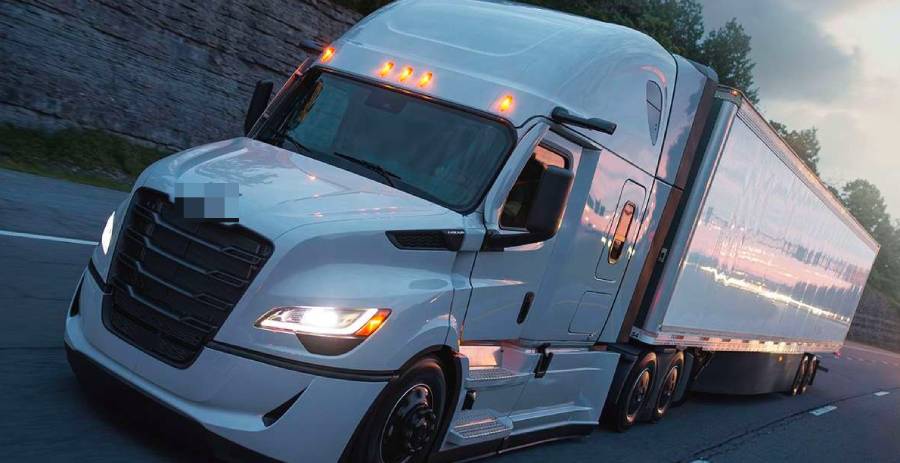
A Freightliner won’t finish regen when the diesel particulate filter (DPF) regeneration process is interrupted, the exhaust system cannot maintain the required conditions, or an aftertreatment fault prevents the cycle from completing. The most common causes include active fault codes, low exhaust temperatures, faulty DPF pressure sensors, fuel dosing problems, and excessive soot accumulation. These problems can prevent the system from burning off trapped soot, leaving the DPF warning light illuminated or causing repeated regeneration attempts.
Freightliner trucks equipped with Detroit DD13, DD15, DD16, or Cummins engines use electronically controlled aftertreatment systems to manage DPF regeneration. During an active regeneration, the system raises exhaust temperatures to oxidize accumulated soot. If the engine control module (ECM) or aftertreatment control module (ACM) detects a condition that prevents safe or effective regeneration, the process may stop before completion. A regeneration that runs longer than expected can also indicate insufficient exhaust heat, restricted exhaust flow, or inaccurate sensor readings.
Fixing an incomplete Freightliner regen starts with identifying whether the cycle was interrupted, inhibited by an active fault, or unable to reduce soot loading. This guide explains the causes, warning signs, diagnostic checks, and corrective actions needed to restore proper DPF regeneration.
Why Won’t My Freightliner Finish a Regen?
A Freightliner won’t finish a regen because the diesel particulate filter (DPF) system cannot maintain the conditions required to burn off accumulated soot or complete the regeneration cycle. The primary reasons are active aftertreatment faults, insufficient exhaust temperature, incorrect sensor readings, fuel dosing failures, and excessive soot loading. Each problem affects either the regeneration process itself or the engine control system’s ability to manage it.
During active DPF regeneration, the engine control module (ECM) and aftertreatment control module (ACM), depending on the engine configuration, manage exhaust temperatures and monitor aftertreatment performance. The system must generate enough heat to oxidize soot trapped inside the filter while maintaining safe operating conditions. When exhaust temperatures remain too low or a critical sensor reports abnormal readings, regeneration may be interrupted or fail to reduce soot loading sufficiently.
A Freightliner regen that stops after several minutes is not necessarily experiencing the same problem as one that continues for an unusually long time. An interrupted regen may result from an active fault or a change in parked regeneration conditions, such as releasing the parking brake. A prolonged regen may indicate inadequate exhaust heat, excessive soot accumulation, or a problem with the system’s ability to verify regeneration progress.
The first diagnostic step is to determine whether regeneration was canceled, blocked by an active fault, or unable to complete despite continued operation. This distinction helps identify the affected system before replacing components or attempting another regeneration.
What Causes a Freightliner Regen to Stop Before Completion?
There are five primary causes of a Freightliner regen stopping before completion: active fault codes, low exhaust temperatures, faulty sensors, fuel dosing problems, and excessive DPF soot loading. These conditions can interrupt the regeneration process, prevent sufficient soot oxidation, or cause the control system to restrict further regeneration.
1. Active fault codes. The ECM or ACM can inhibit or terminate regeneration when it detects a fault that affects aftertreatment operation. Examples include exhaust temperature sensor circuit faults, fuel dosing system faults, and certain DPF pressure monitoring faults. Not every diagnostic trouble code prevents regeneration; the effect depends on the specific SPN/FMI code, engine calibration, and fault status.
2. Low exhaust temperatures. Active regeneration requires elevated exhaust temperatures to oxidize soot inside the DPF. If the system cannot produce or maintain sufficient heat, soot removal becomes ineffective. Problems involving the diesel oxidation catalyst (DOC), exhaust leaks, or fuel dosing system can prevent the exhaust from reaching the required operating conditions.
3. Faulty sensor readings. The aftertreatment system relies on exhaust temperature sensors and DPF differential pressure measurements to monitor regeneration conditions. Incorrect readings can cause the control system to misinterpret filter loading, exhaust temperature, or regeneration performance.
4. Fuel dosing problems. On systems using an aftertreatment fuel doser, fuel is introduced into the exhaust stream to generate heat through oxidation in the DOC. A restricted doser, failed dosing valve, or fuel supply problem can prevent sufficient temperature increases. The regeneration cycle may continue without effectively burning soot or terminate when the system detects inadequate performance.
5. Excessive DPF soot loading. A heavily loaded DPF increases exhaust restriction and can exceed the soot threshold permitted for normal regeneration. At sufficiently high soot levels, the control system may restrict regeneration to prevent uncontrolled temperature increases and filter damage.
Can a Faulty DPF Pressure Sensor Stop Regen?
A faulty DPF differential pressure sensor can prevent a Freightliner from completing regeneration when its readings interfere with soot load estimation or trigger an aftertreatment fault. The sensor measures the pressure difference across the DPF, providing information about exhaust restriction that the control system uses alongside other operating data.
As soot accumulates inside the filter, exhaust flow resistance generally increases. The differential pressure sensor detects this change, although the measured pressure also depends on exhaust flow and engine operating conditions. A sensor that reports inaccurate pressure can make the filter appear more or less restricted than it actually is.
Three common problems affect DPF differential pressure measurements: a defective sensor, blocked pressure tubes, and damaged or leaking pressure lines. For example, a pressure tube obstructed by soot or condensation can produce an inaccurate reading even when the sensor itself is functional. Electrical connector damage or wiring faults can also interrupt the signal.
Diagnosis requires comparing differential pressure readings with expected values under the manufacturer’s specified operating conditions. Technicians should inspect the pressure tubes, wiring, and connectors before replacing the sensor. A high differential pressure reading alone does not confirm that the DPF needs replacement because exhaust flow, ash accumulation, and measurement faults can produce similar symptoms.
Can Excessive Soot Loading Prevent Regen Completion?
Excessive soot loading can prevent Freightliner DPF regeneration when the estimated soot level exceeds the control system’s permitted regeneration threshold. High soot accumulation increases exhaust restriction and creates a risk of excessive heat during regeneration. The system may therefore inhibit normal or parked regeneration and require a manufacturer-approved service procedure.
Soot builds up when the DPF captures particulate matter faster than regeneration removes it. Repeatedly interrupted regeneration cycles, prolonged low-load operation, and unresolved engine or aftertreatment faults can contribute to this condition. For example, a truck that repeatedly begins parked regeneration but shuts down the cycle before completion may continue accumulating soot until normal regeneration is restricted.
Soot and ash accumulation require different corrective actions. Soot consists primarily of combustible particulate material that can be oxidized during successful regeneration. Ash consists of noncombustible residues, including material originating from engine oil additives, that remain inside the filter. Regeneration does not remove accumulated ash, so a filter with excessive ash loading may require professional cleaning or replacement.
The appropriate repair depends on the DPF soot load estimate, differential pressure readings, active fault codes, and manufacturer-defined service limits. When soot loading exceeds the permitted threshold, repeatedly initiating parked regeneration is not an appropriate solution. A qualified diesel technician must determine whether controlled service regeneration, DPF cleaning, or replacement is required.
How Can You Tell If a Freightliner Regen Has Failed?
A Freightliner regen has likely failed when the regeneration cycle ends without reducing DPF soot loading, the DPF warning remains active, or the truck repeatedly requests another regeneration. The five main warning signs are persistent DPF alerts, premature regeneration shutdown, unusually long regeneration cycles, active aftertreatment fault codes, and engine power derating. These symptoms indicate that the regeneration process needs further evaluation, although no single symptom confirms failure.
1. Persistent DPF warning light. A DPF warning that remains illuminated after a regeneration attempt can indicate that soot loading has not decreased enough to satisfy the system’s requirements. The warning may also remain active because of an unresolved aftertreatment fault. The exact meaning depends on the truck’s warning indicators and engine configuration.
2. Regen stops before completion. A parked regeneration that ends unexpectedly without a completion message may have been interrupted by an operating condition or system fault. Releasing the parking brake, changing certain engine operating conditions, or triggering a regeneration-inhibiting fault can terminate the process.
3. Regen takes longer than expected. An extended regeneration cycle can indicate that exhaust temperatures are insufficient or that soot oxidation is progressing slowly. Regeneration duration varies with engine configuration, soot loading, and operating conditions, so elapsed time alone cannot establish whether the process has failed.
4. Active aftertreatment fault codes. Diagnostic trouble codes associated with exhaust temperature sensors, DPF pressure monitoring, or fuel dosing can identify conditions affecting regeneration. A check engine light or malfunction indicator may accompany these faults, depending on their severity.
5. Engine derate or reduced power. A Freightliner may limit engine performance when aftertreatment faults or excessive soot loading reach certain thresholds. Derating can occur alongside repeated regeneration failures and requires prompt diagnosis to prevent further operating restrictions.
The most reliable confirmation comes from checking the regeneration status, active fault codes, and DPF soot load data with compatible diagnostic equipment. A regeneration indicator turning off does not necessarily mean the cycle failed because the system may have completed regeneration normally.
How Do You Diagnose a Freightliner That Won’t Finish Regen?
To diagnose a Freightliner that won’t finish regen, identify the engine and aftertreatment configuration, retrieve diagnostic fault codes, check DPF soot loading, evaluate sensor readings, and determine why the regeneration cycle stopped. This sequence separates electrical faults, operating-condition problems, and physical DPF restrictions before repair work begins.
The diagnostic procedure differs between Freightliner trucks equipped with Detroit and Cummins engines. Detroit-powered trucks commonly use Detroit DiagnosticLink, while compatible Cummins applications use Cummins INSITE. These tools provide access to engine and aftertreatment data, including fault information, regeneration status, and available soot load measurements.
How Do You Check Freightliner Regen Fault Codes?
To check Freightliner regen fault codes, connect a compatible heavy-duty diagnostic tool to the vehicle’s diagnostic connector, identify the engine control system, and retrieve active and stored diagnostic trouble codes. The fault information helps determine whether an electronic, mechanical, or aftertreatment condition is preventing regeneration.
Heavy-duty diesel diagnostic systems commonly identify faults using Suspect Parameter Number (SPN) and Failure Mode Identifier (FMI) combinations. The SPN identifies the affected parameter or component, while the FMI describes the detected failure condition. Both values are necessary because the same SPN can represent different problems depending on the FMI.
For example, an exhaust temperature sensor may generate a fault related to an electrical circuit problem or an implausible temperature reading. These conditions require different diagnostic procedures. A circuit fault directs attention toward the sensor, wiring, and connectors, while an implausible reading may require comparing multiple exhaust temperature measurements under specified operating conditions.
Follow these four diagnostic checks:
- Retrieve active fault codes. Identify faults currently detected by the ECM or ACM, particularly those affecting aftertreatment operation.
- Review stored fault codes. Check historical faults and available event information to identify intermittent problems associated with interrupted regeneration.
- Identify regeneration restrictions. Use the diagnostic software to determine whether an active fault or operating condition is inhibiting regeneration.
- Verify the fault before repair. Follow the engine manufacturer’s diagnostic procedure and confirm the underlying problem before clearing codes or replacing components.
An active fault code does not automatically prove that regeneration is prohibited. The technician must check the specific fault’s effect on regeneration using the appropriate engine service information.
How Do You Check DPF Soot Load and Pressure Readings?
To check Freightliner DPF soot load and pressure readings, use compatible diagnostic software to examine the estimated soot level and differential pressure across the filter. These measurements help determine whether regeneration is necessary, whether the DPF is excessively restricted, and whether the pressure monitoring system is functioning correctly.
DPF soot load is an estimated value calculated by the engine control system using available operating and aftertreatment information. It represents accumulated combustible particulate matter rather than a direct physical measurement of all material inside the filter. The reported value may be expressed differently depending on the engine manufacturer and diagnostic software.
DPF differential pressure measures the pressure difference between the inlet and outlet sides of the filter. A restricted filter generally produces greater pressure drop at a given exhaust flow rate. However, pressure readings change with engine speed, exhaust mass flow, and operating conditions, so measurements must be compared under equivalent test conditions.
Three diagnostic findings deserve particular attention:
- High soot load with elevated differential pressure: This combination supports the possibility of significant DPF restriction, although sensor accuracy and ash accumulation must also be evaluated.
- High differential pressure with a low soot estimate: This mismatch may indicate ash accumulation, a pressure sensing problem, or another exhaust restriction.
- Unstable or implausible pressure readings: These readings may indicate blocked sensor tubes, damaged wiring, leaking pressure lines, or a defective differential pressure sensor.
Inspect the sensor tubing and electrical connections before concluding that the DPF is blocked. A pressure sensor problem can produce misleading restriction measurements and lead to unnecessary filter replacement.
After checking soot load and differential pressure, evaluate exhaust temperature readings during the manufacturer’s approved diagnostic procedure. Compare available upstream and downstream temperature measurements to determine whether the system is generating and maintaining the heat required for regeneration. Abnormal readings may indicate sensor faults, exhaust leaks, DOC performance problems, or fuel dosing issues.
Finally, review the recorded regeneration termination reason and parked regeneration conditions. Depending on the vehicle configuration, parking brake status, transmission position, engine conditions, and active faults can affect regeneration permission. Do not repeatedly initiate parked or service regeneration when the diagnostic system indicates excessive soot loading or an unsafe operating condition.
How Do You Fix a Freightliner That Won’t Finish Regen?
To fix a Freightliner that won’t finish regen, identify and correct the fault preventing the DPF system from completing regeneration. The five main corrective actions are restoring parked regeneration conditions, repairing faulty sensors, resolving exhaust temperature problems, correcting fuel dosing faults, and addressing excessive DPF soot or ash accumulation. The appropriate repair depends on diagnostic fault codes, aftertreatment data, and the engine manufacturer’s service requirements.
1. Restore the required parked regeneration conditions. A parked regen may stop when the truck no longer meets the conditions required by its engine control system. Park the truck in a safe, well-ventilated outdoor location away from combustible materials, engage the parking brake, and follow the vehicle’s specified transmission and engine operating requirements. Check the instrument cluster for regeneration restrictions or warning messages. Do not restart regeneration until the cause of an unexpected shutdown has been identified.
2. Repair faulty exhaust and DPF sensors. Inspect the exhaust gas temperature sensors, DPF differential pressure sensor, electrical connectors, and associated wiring when diagnostic data indicates a measurement problem. Damaged wiring, corroded connectors, or obstructed pressure tubes can produce incorrect readings that interfere with regeneration. Compare sensor measurements with manufacturer specifications before replacing components. After completing the repair, verify that the sensor reports plausible values and that the original fault is no longer active.
3. Correct insufficient exhaust temperature. A Freightliner cannot effectively burn accumulated DPF soot when the exhaust system fails to generate the heat required for active regeneration. Check for exhaust leaks, abnormal temperature sensor readings, DOC performance problems, and fuel dosing faults. For example, an exhaust leak upstream of a temperature measurement point can affect exhaust conditions and contribute to misleading diagnostic results. Repair the confirmed defect before attempting another regeneration.
4. Repair aftertreatment fuel dosing problems. On systems equipped with an exhaust fuel doser, a restricted dosing nozzle, faulty dosing valve, or fuel supply problem can prevent sufficient heat generation in the DOC. Technicians should inspect the dosing system and perform the manufacturer’s specified functional tests using compatible diagnostic equipment. Replace or repair defective components only after confirming the cause. Do not manually introduce fuel into the exhaust system or bypass dosing controls.
5. Address excessive DPF soot or ash accumulation. Check the estimated soot load, differential pressure, and applicable regeneration restrictions before deciding whether the DPF requires service. A filter with manageable soot loading may be eligible for an approved regeneration procedure after the underlying fault is corrected. A severely restricted filter or one containing excessive ash may require removal, professional cleaning, or replacement.
After completing the necessary repairs, verify regeneration operation using the appropriate manufacturer-approved procedure. Confirm that relevant fault codes remain inactive, sensor readings are plausible, and the control system reports successful regeneration. Clearing fault codes without correcting the underlying problem does not restore DPF performance.
When Does a Freightliner DPF Need Professional Cleaning?
A Freightliner DPF needs professional cleaning when accumulated ash or persistent internal restriction prevents the filter from operating within manufacturer specifications and regeneration cannot restore acceptable performance. Cleaning may also be required when diagnostic testing confirms that the filter remains excessively restricted after the underlying engine and aftertreatment faults have been corrected.
DPF regeneration removes combustible soot through oxidation, but it does not eliminate noncombustible ash. Ash gradually accumulates from engine oil additives, normal engine wear, and other inorganic residues. As ash occupies space within the filter, exhaust restriction can increase and the filter’s effective soot storage capacity can decrease. Repeated regeneration cannot reverse this type of accumulation.
Three findings can indicate that professional DPF cleaning is necessary.
- Persistent exhaust restriction. Differential pressure remains above the manufacturer’s acceptable range under specified test conditions, even after successful regeneration. This finding requires verification of pressure sensor accuracy and exhaust flow conditions before attributing the restriction to ash.
- Excessive ash accumulation. The filter has reached its specified ash service limit, or inspection and diagnostic testing indicate substantial noncombustible deposits. Ash-related restriction requires physical removal of deposits rather than another regeneration cycle.
- Repeated regeneration problems after confirmed repairs. The truck continues experiencing incomplete regeneration despite corrected sensor faults, proper exhaust temperatures, and functioning fuel dosing components. Additional inspection may reveal ash restriction, internal filter damage, or another unresolved aftertreatment problem.
Professional DPF cleaning generally involves removing the filter, inspecting its condition, and using equipment designed to extract trapped soot and ash. Depending on the filter design and service provider, approved cleaning methods may include controlled pneumatic cleaning, thermal treatment, or other manufacturer-compatible procedures. The cleaned filter should undergo appropriate inspection and flow or restriction testing before reinstallation.
Cleaning is not suitable for every damaged DPF. A filter with cracked ceramic material, melted substrate sections, or other structural damage may require replacement. Reinstalling a damaged filter can leave exhaust restriction problems unresolved and compromise aftertreatment performance.
The final repair decision should follow the engine and aftertreatment manufacturer’s service limits. Excessive soot loading must be evaluated separately from ash accumulation because attempting forced regeneration on a severely overloaded DPF can produce dangerous exhaust temperatures and damage the filter.
How Long Should a Freightliner Parked Regen Take?
A Freightliner parked regen typically takes approximately 20–60 minutes, although the actual duration depends on the engine model, DPF soot load, exhaust temperature, and aftertreatment operating conditions. A regeneration cycle that exceeds this range does not automatically indicate failure, but repeated extended cycles can signal an unresolved DPF or exhaust system problem.
Three factors primarily influence Freightliner parked regeneration duration. Soot accumulation determines how much trapped particulate matter must be oxidized. Exhaust temperature affects how efficiently the system burns soot during regeneration. Aftertreatment system condition determines whether the fuel dosing system, sensors, and DOC can maintain the operating conditions needed to complete the process.
For example, a Freightliner Cascadia equipped with a Detroit DD15 engine may require more time to complete parked regeneration when the DPF contains substantial soot than when the filter has a relatively low soot load. The regeneration controller adjusts engine operation and monitors aftertreatment conditions throughout the cycle. Exact completion times vary by engine calibration and vehicle configuration.
A parked regen that continues beyond 60 minutes warrants checking the vehicle’s regeneration status and warning messages rather than assuming the process has failed. Persistent DPF warnings, active fault codes, or repeated regeneration requests provide stronger evidence of a problem than elapsed time alone.
Do not interrupt an active parked regen solely because it has exceeded an estimated duration. Follow the vehicle manufacturer’s instructions, maintain a safe operating area, and seek professional diagnosis when the system reports a fault or repeatedly fails to complete regeneration.
Can You Drive a Freightliner That Won’t Complete Regen?
You can drive a Freightliner that won’t complete regen only when the truck’s warning status, engine performance, and manufacturer instructions permit continued operation. A failed regeneration does not always require an immediate shutdown, but excessive soot loading, active aftertreatment faults, or engine derating can make continued driving inappropriate.
A DPF regeneration request without severe warnings generally indicates that the filter needs regeneration rather than confirming a mechanical failure. Depending on the vehicle configuration, the truck may permit regeneration while driving under suitable operating conditions or require a parked regeneration. Follow the instrument cluster instructions and avoid repeatedly interrupting required regeneration cycles.
An illuminated check engine light or persistent DPF warning requires additional attention. These warnings may indicate an unresolved sensor fault, incomplete regeneration, or increasing soot accumulation. Continued operation can allow soot loading to rise until the engine control system imposes additional restrictions. Retrieve the relevant fault codes and arrange diagnosis promptly rather than relying on extended highway driving to resolve the problem.
Engine derate, severe DPF warnings, or a stop-engine warning indicate a more serious operating condition. Engine derating reduces available power and can affect the truck’s ability to maintain speed, accelerate, or operate safely under load. A stop-engine warning requires following the vehicle manufacturer’s shutdown instructions as soon as the truck can be stopped safely.
Driving with an unresolved regeneration problem can increase exhaust restriction, contribute to additional soot accumulation, and eventually require more extensive aftertreatment repairs. The risk depends on the underlying fault and the severity of the DPF restriction.
If the Freightliner repeatedly fails parked regeneration, do not attempt to clear the problem by driving continuously without checking fault codes and regeneration restrictions. A qualified diesel technician should determine whether the truck can be operated safely, requires controlled service regeneration, or needs DPF cleaning or another repair.
Read more: Freightliner Inverter Not Working? Causes & Fixes
How Can You Prevent Freightliner Regen Problems?
To prevent Freightliner regen problems, maintain the DPF and aftertreatment system, correct engine faults promptly, use manufacturer-approved engine oil, and allow regeneration cycles to complete under suitable operating conditions. These practices reduce excessive soot accumulation, protect aftertreatment components, and lower the risk of repeated regeneration failures.
1. Complete regeneration cycles when required. Repeatedly interrupting active or parked regeneration can allow soot to accumulate faster than the DPF removes it. Follow the instrument cluster instructions when a parked regeneration is requested. During parked regen, maintain the operating conditions specified by the manufacturer and avoid shutting down the engine before the system indicates completion, unless a safety issue requires immediate shutdown.
2. Address aftertreatment fault codes promptly. Faults involving exhaust temperature sensors, DPF pressure sensors, fuel dosing components, and related control systems can interfere with regeneration. An unresolved sensor problem may cause inaccurate soot load calculations or prevent the controller from confirming suitable regeneration conditions. Retrieve diagnostic trouble codes and repair confirmed faults before they contribute to additional DPF restriction.
3. Use the correct engine oil and fuel. Freightliner trucks equipped with Detroit or Cummins diesel engines require lubricants that meet the applicable engine manufacturer’s specifications. Using the specified low-ash engine oil helps limit noncombustible deposits inside the DPF. Use the required ultra-low sulfur diesel fuel to protect the emissions control system and support proper aftertreatment operation.
4. Maintain the engine and exhaust system. Engine problems that increase particulate emissions can accelerate DPF soot accumulation. Examples include malfunctioning fuel injectors, air intake restrictions, and certain EGR system faults. Exhaust leaks, damaged sensor wiring, and fuel dosing defects can also reduce regeneration effectiveness. Inspect these systems according to the manufacturer’s maintenance schedule and repair identified problems before they cause repeated regeneration failures.
5. Follow the recommended DPF service schedule. DPF maintenance requirements depend on engine configuration, operating conditions, and accumulated service hours or mileage. Long-term ash accumulation gradually reduces the filter’s available soot storage capacity because regeneration cannot burn away inorganic deposits. Follow the applicable Detroit or Cummins maintenance recommendations and use differential pressure measurements, diagnostic data, and filter inspection results to determine whether cleaning is necessary.
Operating conditions also influence regeneration frequency. Trucks used for extended idling, low-speed deliveries, or short trips may experience fewer opportunities for effective passive regeneration than trucks operating under sustained engine loads. Drivers should follow the manufacturer’s recommended regeneration procedures rather than attempting to compensate for unfavorable operating conditions by repeatedly forcing regeneration.
When Should You Take a Freightliner to a Diesel Technician for Regen Problems?
Take a Freightliner to a qualified diesel technician when regeneration repeatedly fails, active aftertreatment faults prevent completion, engine power becomes restricted, or diagnostic data indicates excessive DPF soot loading. These conditions require more than a routine parked regeneration because the underlying problem may involve electronic controls, exhaust temperature management, or physical filter restriction.
Repeated failed regeneration attempts are a primary reason to seek professional diagnosis. A truck that starts parked regen but repeatedly stops before completion may have an intermittent sensor fault, fuel dosing problem, or regeneration-inhibiting condition. Continuing to initiate regeneration without identifying the cause can increase soot accumulation and delay the necessary repair.
Active aftertreatment fault codes require specialized diagnostic procedures when they affect regeneration permission or performance. A technician can use Detroit DiagnosticLink, Cummins INSITE, or another compatible diagnostic system to inspect fault details, monitor live sensor readings, and perform manufacturer-approved component tests. This process helps distinguish electrical faults from actual DPF restrictions.
Excessive soot loading or engine derating requires prompt attention because the control system may restrict regeneration to protect the DPF from overheating. When soot accumulation exceeds the permitted regeneration threshold, a technician must determine whether an approved service regeneration is allowed or whether the filter requires removal and cleaning. Forced regeneration must not be attempted when the manufacturer’s diagnostic procedure prohibits it.
Persistent exhaust restriction after regeneration can indicate ash accumulation, internal DPF damage, or inaccurate differential pressure measurements. Professional inspection can establish whether the filter needs cleaning, replacement, or additional sensor testing. Replacing the DPF without identifying the cause of the restriction can result in unnecessary repair costs and recurring problems.
Before visiting a repair facility, record the truck’s model year, engine model, active warning messages, fault codes if available, and the circumstances under which regeneration stopped. For example, noting that a Freightliner Cascadia with a Detroit DD15 repeatedly terminates parked regen after reaching elevated engine idle speed provides more useful diagnostic context than reporting that the truck will not regenerate.
A technician should confirm the underlying fault, complete the necessary repairs, and verify successful regeneration before returning the truck to normal service. This approach addresses the cause of incomplete regeneration rather than temporarily clearing the warning indicators.