A Freightliner inverter may stop working because of low battery voltage, a blown fuse, a tripped circuit breaker, loose electrical connections, excessive power demand, or overheating. These problems can prevent the inverter from turning on, interrupt AC power to sleeper cab outlets, or cause the unit to shut down while operating. Identifying the exact symptom is the first step toward finding the correct solution.
The power inverter converts DC electricity from the truck’s battery system into AC power for appliances such as microwaves, televisions, and laptop chargers. When the inverter stops supplying electricity, the problem may originate from the battery, wiring, protective devices, connected appliances, or the inverter itself. For example, an inverter that shuts off when a microwave starts may be experiencing an overload or a voltage drop under load.
To fix a Freightliner inverter that is not working, start by checking the battery voltage, inverter fault indicators, fuses, circuit breakers, and connected electrical loads. The correct troubleshooting procedure depends on the truck model, inverter manufacturer, and installation configuration. This guide explains the common causes of inverter failure, how to diagnose power supply and AC output problems, and which repairs can restore reliable operation.
Why Is My Freightliner Inverter Not Working?
A Freightliner inverter may stop working for five main reasons: low battery voltage, a blown fuse or tripped circuit breaker, loose electrical connections, excessive electrical load, or overheating. Each fault affects the inverter differently, causing symptoms such as failure to start, unexpected shutdowns, warning alarms, or loss of AC power.
Low battery voltage is a common cause of inverter shutdown. Freightliner truck inverters require a stable DC power supply within the manufacturer’s specified operating range. When battery voltage falls below the inverter’s low-voltage cutoff threshold, the protection circuit shuts down AC output to prevent excessive battery discharge. A weak battery, discharged battery bank, or voltage drop across undersized or damaged cables can trigger this condition, particularly when high-power appliances are operating.
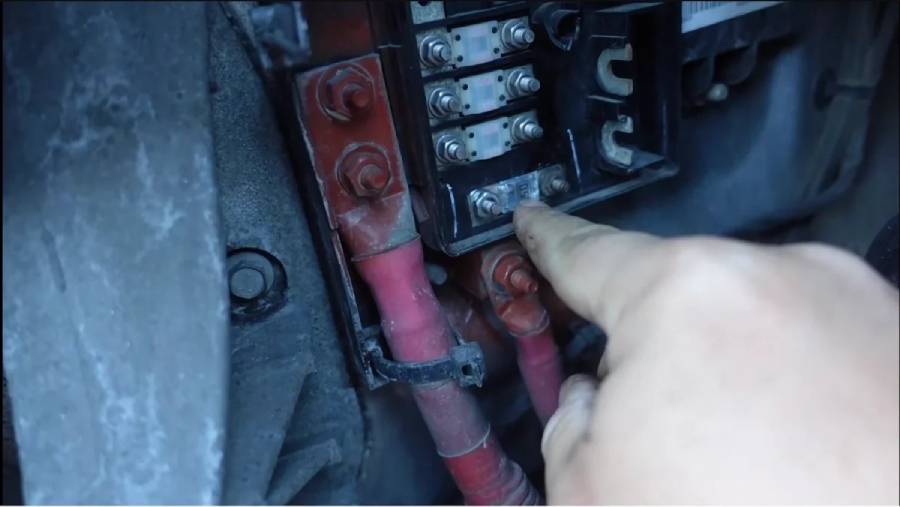
A blown fuse or tripped circuit breaker can interrupt electricity between the truck’s battery system and the inverter. These protective devices disconnect power when excessive current or an electrical fault occurs. A blown DC fuse may leave the inverter completely unresponsive, while a tripped AC output breaker may allow the inverter to remain powered without supplying electricity to connected outlets. The location and rating of these devices depend on the truck’s electrical configuration and inverter installation.
Loose or corroded electrical connections increase resistance and cause voltage drops under load. For example, a poorly secured battery cable may supply enough power for the inverter’s control panel but fail to maintain adequate voltage when a microwave starts. Damaged cables, overheated terminals, and deteriorated grounding connections can produce similar symptoms.
Overloading and overheating activate the inverter’s internal protection systems. An appliance may exceed the inverter’s continuous wattage rating or demand excessive startup current. Restricted ventilation, blocked cooling openings, or a malfunctioning cooling fan can also cause thermal shutdown. These conditions may cause the inverter to restart after cooling or after the electrical load is removed.
| Possible cause | Common symptom | First diagnostic check |
|---|---|---|
| Low battery voltage | Inverter shuts down or displays a low-voltage warning | Measure DC input voltage |
| Blown fuse or tripped breaker | No power or no AC output | Inspect the appropriate protective device |
| Loose electrical connection | Intermittent operation or shutdown under load | Inspect accessible cables and terminals |
| Inverter overload | Shutdown when an appliance starts | Compare appliance demand with inverter capacity |
| Overheating | Shutdown after extended operation | Check ventilation and cooling fan operation |
How Do You Troubleshoot a Freightliner Inverter That Has Stopped Working?
To troubleshoot a Freightliner inverter, check its fault indicators, verify the battery power supply, inspect protective devices, and test AC output with the electrical load removed. This sequence helps distinguish an external electrical problem from an internal inverter failure. Before beginning, park the truck safely, turn off connected appliances, and consult the documentation for the installed inverter.
Start by observing the inverter’s display, indicator lights, and audible alarms. A low-voltage warning points toward the battery supply, while an overload or temperature warning indicates a different operating condition. Record any displayed fault code before resetting the unit. If the inverter has no lights or display activity, prioritize checking its DC power supply and associated protection devices.
How Do You Check Whether the Inverter Is Receiving Battery Power?
Check whether the inverter is receiving battery power by measuring DC voltage at its input terminals and comparing the reading with the manufacturer’s specified operating range. This test determines whether sufficient electrical power reaches the inverter rather than simply confirming that the truck batteries contain a charge.
Many Freightliner sleeper-cab inverter installations use a nominal 12-volt DC supply, although the actual voltage requirements depend on the installed equipment. A healthy, fully charged 12-volt lead-acid battery typically measures approximately 12.6–12.8 volts at rest. However, battery voltage alone does not confirm that the inverter receives adequate power during operation.
A qualified person can use a properly rated digital multimeter to compare battery voltage with voltage at the inverter’s DC input while following the manufacturer’s testing instructions. A substantial voltage difference under load indicates resistance in the supply circuit, potentially caused by loose terminals, damaged cables, or inadequate cable sizing. High-current inverter connections can create serious short-circuit and arc hazards, so exposed-terminal testing should not be attempted without appropriate electrical training.
For example, a truck battery may measure 12.6 volts at rest, but the inverter input voltage may drop sharply when a high-wattage appliance starts. This indicates that the battery, cable connections, or supply circuit requires further testing before the inverter is considered defective.
How Do You Check the Freightliner Inverter Fuse or Circuit Breaker?
Check the Freightliner inverter fuse or circuit breaker by identifying the correct protective device, inspecting its condition, and verifying whether it has interrupted electrical power. The inverter’s DC protection may be installed near the battery bank or elsewhere along the supply circuit, depending on the vehicle and installation.
Use the Freightliner electrical documentation and inverter manufacturer’s manual to identify the appropriate fuse or breaker. Do not assume that the truck’s standard cabin fuse panel contains the main inverter fuse. High-capacity inverters commonly require dedicated DC circuit protection because they draw substantial current from the battery system.
A blown fuse must be replaced only with a component of the specified type and rating after the underlying fault has been identified. Similarly, a tripped circuit breaker should not be repeatedly reset without investigating the cause. Repeated protection trips may indicate damaged wiring, a short circuit, excessive electrical load, or an internal inverter fault.
After confirming the DC supply and protective devices, check whether the inverter produces AC power. Disconnect connected appliances, verify that the inverter is enabled, and inspect its output status. Test a confirmed inverter-powered outlet using a known-working, low-power appliance. If the inverter indicates normal operation but the outlet remains unpowered, the problem may involve an AC output breaker, outlet wiring, transfer equipment, or an internal output fault.
If battery voltage, protective devices, and external connections are functioning correctly but the inverter still fails to produce AC power, professional diagnosis is required. Internal inverter components and AC circuits can retain hazardous electrical energy even after the unit is switched off.
How Do You Fix a Freightliner Inverter That Is Not Working?
To fix a Freightliner inverter that is not working, identify the fault, reset the inverter when appropriate, restore adequate battery voltage, correct damaged electrical connections, or reduce excessive appliance loads. The correct repair depends on the inverter’s fault indicators and the results of the electrical tests. Replacing the inverter without checking its external power supply can leave the original problem unresolved.
Start by disconnecting appliances from the inverter-powered outlets and checking the control panel for fault messages. A low-voltage warning requires battery and wiring inspection, while an overload warning indicates that the connected equipment may exceed the inverter’s rated capacity. An overheating warning requires checking ventilation and cooling operation. Resolve the indicated fault before attempting to restart the inverter.
How Do You Reset a Freightliner Power Inverter?
Reset a Freightliner power inverter by removing connected electrical loads, switching the inverter off, and restarting it according to the installed inverter manufacturer’s instructions. Freightliner trucks can have different factory-installed or aftermarket inverter models, so there is no single reset procedure that applies to every truck.
First, turn off and unplug appliances connected to inverter-powered outlets. Record any displayed error code, then use the inverter’s designated power switch or remote control to shut down the unit. Follow the manufacturer’s specified shutdown or reset procedure before switching it back on. Some inverter models require a particular button sequence or fault-clearance procedure rather than a simple power cycle.
After restarting the inverter, check whether its display shows normal operation and whether AC power has returned. Reconnect a low-power appliance first to confirm that the inverter operates without triggering another fault. If the unit immediately shuts down or displays the same warning, investigate the underlying electrical problem instead of repeatedly resetting it.
A reset cannot repair a blown fuse, damaged wiring, defective battery, or failed internal inverter component. It can restore operation after certain temporary protection events, provided the condition that triggered the shutdown has been corrected.
For an inverter experiencing low input voltage, restore the battery supply before restarting the unit. Check the battery’s state of charge, inspect accessible terminals for corrosion, and confirm that the charging system is operating correctly. A battery that maintains normal voltage without a load but drops excessively when appliances start may require load testing or replacement.
Loose or damaged electrical connections must also be corrected. High-resistance connections restrict current flow and generate heat, potentially causing repeated low-voltage shutdowns. A qualified technician should inspect and repair damaged high-current cables, terminals, and grounding connections using components that meet the inverter manufacturer’s specifications.
If the inverter shuts down because of excessive electrical demand, reduce the connected load until both continuous power consumption and startup surge remain within the inverter’s rated limits. For example, a microwave labeled with 1,000 watts of cooking output may require substantially more electrical input power. Its actual input rating must be checked before determining whether the inverter can operate it safely.
An overheating inverter requires a different correction. Remove the electrical load, allow the unit to cool, and inspect accessible ventilation openings for obstructions. Verify that the cooling fan operates as specified by the manufacturer. Do not cover ventilation openings or install the inverter in an enclosed space without adequate airflow.
Once the identified problem has been corrected, test the inverter with a small electrical load before reconnecting larger appliances. Monitor the control panel for warning indicators and confirm that the connected equipment operates normally.
If the inverter continues to malfunction despite a verified DC power supply, functional protective devices, acceptable electrical loads, and adequate ventilation, have the unit inspected by a qualified technician. Internal inverter repairs involve hazardous electrical components and should not be attempted by an untrained truck owner.
Why Does My Freightliner Inverter Turn On but Have No AC Output?
A Freightliner inverter may turn on without producing AC power because of a tripped output circuit breaker, an inactive operating mode, faulty outlet wiring, or an internal inverter failure. The illuminated control panel confirms that the inverter’s control electronics receive power, but it does not guarantee that electricity reaches the truck’s AC outlets.
An inverter can remain powered while its AC output is disabled by a protection circuit. For example, an electrical overload or short circuit may trip the inverter’s AC output breaker without shutting down the entire unit. Check the inverter display for fault indicators and inspect the accessible output breaker according to the manufacturer’s instructions. Reset a tripped breaker only after the connected load and potential electrical fault have been checked.
An inverter operating in standby or power-saving mode may also appear functional without continuously supplying AC electricity. Certain inverter models use a search mode that detects connected electrical loads before activating full AC output. A laptop charger or another low-power device may not draw enough electricity to trigger this function. Check the inverter’s operating mode and use the manufacturer’s instructions to determine whether power-saving settings are affecting output.
Faulty outlet wiring or electrical transfer equipment can interrupt power between the inverter and the sleeper cab outlets. Some Freightliner configurations include multiple AC power sources, such as an onboard inverter and external shore power. The outlet receiving electricity depends on the truck’s electrical distribution system and installed transfer equipment. An outlet that works with shore power but not with the inverter may indicate an inverter output or transfer-system problem rather than a defective appliance.
To identify the affected component, disconnect connected appliances and confirm that the inverter is enabled. Test a known-working, low-power appliance in an outlet verified as inverter-powered. If one outlet works while another remains unpowered, the problem is more likely within the affected outlet circuit. If all inverter-fed outlets remain without power, the inverter’s output protection, transfer equipment, or internal circuitry requires further inspection.
An inverter that receives adequate DC voltage and displays normal operating status but consistently fails to deliver AC power may have an internal output-stage fault. A qualified technician should verify the output circuit and inverter condition before replacement. Do not open the inverter housing or test exposed AC terminals without appropriate electrical qualifications.
Why Does My Freightliner Inverter Keep Shutting Off?
A Freightliner inverter that repeatedly shuts off is typically responding to low input voltage, excessive electrical load, overheating, or an intermittent power connection. These conditions activate protective circuits designed to prevent damage to the inverter, battery system, and connected equipment. The timing of each shutdown helps identify which fault is responsible.
Low-voltage shutdown occurs when the inverter’s DC input falls below its programmed cutoff threshold. A truck battery may provide sufficient voltage to start the inverter but fail to maintain that voltage when an appliance draws substantial current. For example, starting a microwave can produce a voltage drop that triggers the inverter’s low-voltage protection. Check battery condition and input voltage under load to determine whether the problem originates from the battery or its electrical connections.
Overload protection shuts down the inverter when connected appliances demand more power than the unit can safely deliver. Electrical devices with motors, compressors, or heating elements can create substantial operating loads or startup surges. A refrigerator compressor, for example, may require more power during startup than during normal operation. Compare the appliances’ input wattage and startup requirements with the inverter’s continuous and surge ratings. Disconnecting high-demand appliances can help identify whether excessive load causes the shutdown.
Overheating causes another form of automatic shutdown. Inverters generate heat during DC-to-AC conversion, and their cooling systems must dissipate that heat to maintain safe operating temperatures. Blocked ventilation openings, dust accumulation, inadequate installation clearance, or a defective cooling fan can raise internal temperatures until thermal protection activates. An inverter that operates normally when cool but shuts down after extended use may have a ventilation or cooling problem.
Intermittent electrical connections can produce similar symptoms. A loose battery terminal, damaged power cable, or corroded connection may temporarily interrupt the inverter’s DC supply. Electrical resistance at a poor connection also increases voltage drop when current demand rises. This explains why an inverter may function with a laptop charger but shut down when a higher-power appliance starts.
The shutdown pattern provides useful diagnostic evidence:
| Shutdown symptom | Likely cause | Recommended check |
|---|---|---|
| Shuts off when a microwave starts | Overload or voltage drop | Check appliance wattage and DC input voltage |
| Shuts off after extended operation | Overheating | Inspect ventilation and cooling fan |
| Shuts off when battery charge is low | Low-voltage protection | Test battery condition and input voltage |
| Shuts off intermittently under changing loads | Loose connection or unstable DC supply | Inspect supply cables and terminals |
| Shuts off immediately with a fault warning | Protection fault or internal failure | Record the fault code and consult the inverter manual |
Repeated inverter shutdowns should be diagnosed rather than bypassed through frequent resets. If the unit continues shutting down after the battery supply, electrical connections, appliance loads, and ventilation have been checked, professional testing is necessary to determine whether an internal component has failed.
Where Is the Power Inverter Located in a Freightliner Truck?
The power inverter in a Freightliner truck is commonly installed in or near the sleeper compartment, although its exact location depends on the truck model, model year, and electrical configuration. In Freightliner Cascadia sleeper trucks, the inverter may be mounted beneath a bunk, inside a storage compartment, or in another designated electrical equipment area. Aftermarket installations may use different mounting locations.
To locate the inverter, start by checking the truck’s owner’s manual and electrical system documentation. Look for a rectangular electrical unit with heavy DC power cables, AC output connections, ventilation openings, and a manufacturer’s identification label. Some installations also include a remote control panel mounted inside the sleeper cab, allowing drivers to operate the inverter without accessing the main unit.
The inverter’s remote control panel is not necessarily located next to the inverter itself. A control panel mounted near the sleeper’s dashboard or bunk may connect to an inverter installed elsewhere in the truck. Following the manufacturer’s documented equipment layout is more reliable than assuming every Freightliner Cascadia uses the same installation position.
Before inspecting the inverter, park the truck safely, turn off connected appliances, and follow the manufacturer’s electrical isolation instructions. Avoid removing protective covers or touching exposed wiring. If the inverter cannot be located through accessible compartments and documentation, a Freightliner service technician can identify its installation position using the truck’s configuration and electrical diagrams.
Can a Bad Battery Cause a Freightliner Inverter to Stop Working?
Yes, a weak, discharged, or defective truck battery can cause a Freightliner inverter to stop working by allowing DC input voltage to fall below the inverter’s minimum operating threshold. The inverter depends on a stable electrical supply to convert battery power into AC electricity. When input voltage becomes insufficient, its low-voltage protection system may shut down output to prevent excessive battery discharge.
Battery condition affects inverter performance most noticeably when electrical demand increases. A battery with reduced capacity or high internal resistance may display an acceptable voltage while resting but experience a substantial voltage drop under load. For example, a 12-volt lead-acid battery measuring approximately 12.6 volts at rest may still be unable to support a high-wattage appliance if its condition has deteriorated. A resting voltage measurement alone cannot confirm battery health.
The electrical current required by an inverter increases as the connected AC load increases. A 1,000-watt AC load supplied through a 12-volt inverter operating at 90% efficiency requires approximately 93 amperes of DC input current. This substantial current demand explains why weak batteries, undersized cables, and high-resistance connections can cause voltage drops and unexpected inverter shutdowns.
Battery-related inverter failures can also result from charging-system problems. If the truck’s alternator or associated charging equipment fails to maintain adequate battery charge, the inverter may operate temporarily before shutting down as battery voltage decreases. Trucks equipped with separate auxiliary battery systems require additional checks because the inverter may draw power from a battery bank that is not directly represented by the dashboard’s main battery indication.
To determine whether the battery is responsible, measure its resting voltage and have its condition tested under an appropriate load. Compare battery voltage with the voltage reaching the inverter during operation. A significant difference between these measurements suggests resistance or a fault in the connecting cables, terminals, or protective devices. If voltage drops excessively at the battery itself, the battery’s charge level, capacity, and overall condition require further evaluation.
Replacing the inverter will not solve a problem caused by an inadequate battery supply. Restore proper battery charge, repair defective electrical connections, or replace a battery confirmed to be faulty before considering inverter replacement. A qualified truck technician should also verify charging-system performance when repeated battery discharge or low-voltage shutdowns occur.
Read more: How to Reset Freightliner Caution Lights: Full Guide
How Can You Prevent Freightliner Inverter Problems?
Prevent Freightliner inverter problems by maintaining the truck’s battery system, inspecting electrical connections, controlling appliance power consumption, and keeping the inverter properly ventilated. These preventive measures reduce the risk of low-voltage shutdowns, electrical overloads, overheating, and premature component failure.
Battery maintenance is essential for reliable inverter operation. Check battery charge levels, inspect accessible terminals for corrosion, and investigate repeated low-voltage warnings. A weak battery may supply enough electricity to activate the inverter’s control panel but fail when a high-wattage appliance starts. Trucks equipped with auxiliary battery banks require attention to those batteries as well as the main starting batteries. Maintaining a functional charging system helps prevent repeated inverter shutdowns caused by insufficient DC power.
Electrical connections should remain secure, clean, and free from visible damage. Loose terminals and corroded cable connections increase electrical resistance, producing voltage drops and excessive heat under heavy loads. During routine maintenance, inspect accessible wiring for damaged insulation, discoloration, and signs of overheating. Have qualified technicians inspect and repair high-current connections rather than attempting adjustments while the electrical system is energized.
Keeping connected appliances within the inverter’s rated capacity prevents overload-related shutdowns. Check the electrical input wattage of microwaves, refrigerators, televisions, and other devices before operating them simultaneously. A 1,500-watt inverter, for example, cannot continuously support appliances drawing a combined 1,800 watts. Motor-driven appliances may also require additional startup power, making the inverter’s surge rating important when determining compatible equipment.
Proper ventilation prevents excessive internal temperatures. Keep cooling openings unobstructed, maintain the installation clearances specified by the inverter manufacturer, and check for dust accumulation around accessible vents. Cooling fans should operate according to the inverter’s temperature-control design. Repeated thermal warnings indicate that airflow, ambient temperature, electrical loading, or the cooling system requires inspection.
Regularly checking inverter warning indicators helps identify developing problems before complete failure occurs. Record recurring fault codes, investigate unexpected shutdowns, and address changes in operating behavior promptly. These practices improve inverter reliability and reduce interruptions to sleeper cab electrical equipment.
When Should You Replace a Freightliner Power Inverter?
Replace a Freightliner power inverter when qualified testing confirms an internal failure that cannot be repaired safely or economically. Before replacing the unit, verify that the battery supply, DC wiring, protective devices, connected appliances, and AC distribution system are functioning correctly. Problems in these external components can produce the same symptoms as a defective inverter.
An inverter may require replacement when it consistently fails to produce AC output despite receiving the correct DC input voltage and operating under acceptable load conditions. Repeated internal fault warnings, confirmed output-stage damage, or failure to restart after the underlying protection condition has been resolved can also justify replacement. However, these symptoms alone do not prove that the inverter is defective because wiring and external electrical equipment may produce similar faults.
Repair costs, equipment age, parts availability, and warranty coverage determine whether repair or replacement is the better option. A repairable cooling fan or control component may not justify replacing the entire inverter, particularly when manufacturer-approved replacement parts are available. Conversely, extensive internal circuit damage may make replacement more practical than component-level repair.
A replacement inverter must match the truck’s electrical system and the power requirements of its connected appliances. Verify the following specifications before selecting a replacement:
- DC input voltage: Match the inverter to the truck’s battery system and manufacturer-approved voltage range.
- Continuous output wattage: Select a rating sufficient for the combined operating power of connected appliances.
- Surge capacity: Confirm that the inverter can support the startup demand of compatible motors and compressors.
- AC output specifications: Match the required output voltage, frequency, and waveform to the connected equipment.
- Installation compatibility: Verify mounting space, ventilation requirements, cable sizing, circuit protection, and any existing remote-control or transfer-system connections.
For example, replacing a 1,500-watt inverter with a 2,000-watt model does not automatically increase the truck’s available electrical capacity. The battery bank, DC cables, fuses, circuit breakers, and charging system must also support the replacement unit’s maximum current requirements. Installing a higher-capacity inverter without evaluating these components can create overheating and electrical safety hazards.
Professional installation is recommended when replacing a Freightliner inverter connected to high-current DC wiring or integrated sleeper cab AC circuits. A qualified technician can verify electrical compatibility, install the required protective devices, and test the system under an appropriate load. After installation, confirm that the inverter operates normally, supplies stable AC power, and does not display recurring fault warnings.