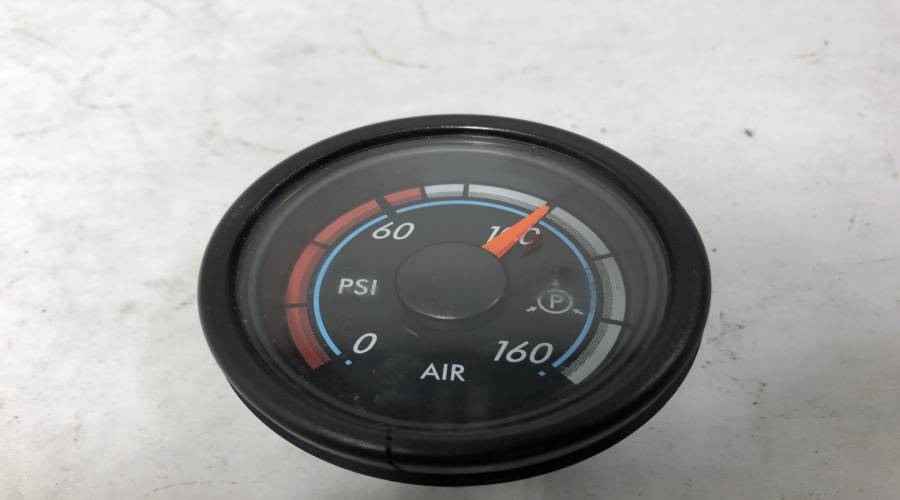
Freightliner air pressure gauge problems are commonly caused by a faulty air pressure sensor, damaged wiring, instrument cluster malfunctions, or actual pressure loss in the air brake system. These problems can cause the gauge to remain at zero, display incorrect PSI readings, fluctuate unexpectedly, or stop responding while the truck is running. Identifying whether the fault originates from the gauge or the air brake system is essential because inaccurate readings can conceal dangerous pressure conditions.
Freightliner trucks use air pressure gauges to monitor compressed air in the primary and secondary brake circuits. The air compressor builds pressure in the system, while pressure sensors and dashboard instruments allow drivers to monitor its condition. A defective sensor or electrical connection can produce misleading readings even when actual system pressure is normal. Conversely, air leaks, compressor failures, or governor problems can cause genuine pressure loss that requires immediate attention.
Diagnosing a Freightliner air pressure gauge problem starts with checking both pressure readings, observing low-air warnings, and verifying actual system pressure using an appropriate test gauge. This guide explains the common symptoms, underlying causes, diagnostic procedures, repair methods, and safety precautions for Freightliner trucks, including Cascadia and M2 models.
What Are the Common Symptoms of a Freightliner Air Pressure Gauge Problem?
The most common symptoms of a Freightliner air pressure gauge problem are a gauge stuck at zero, fluctuating pressure readings, inaccurate PSI readings, intermittent gauge operation, and inconsistent readings between the primary and secondary air systems. These symptoms can indicate electrical malfunctions, defective pressure sensors, or actual problems within the truck’s compressed air system.
A gauge stuck at zero indicates that the instrument is not displaying pressure, even when the air compressor is operating. A defective pressure sensor, disconnected wiring harness, or instrument cluster failure can prevent the gauge from receiving or displaying pressure information. However, a zero reading can also indicate that the air system has lost pressure. The actual pressure must be verified before assuming the gauge is defective.
Fluctuating pressure readings occur when the gauge needle or digital display changes unexpectedly. Normal pressure variations happen as the compressor cycles and the driver applies the brakes. However, rapid or irregular fluctuations unrelated to brake applications or compressor operation can indicate loose electrical connections, sensor signal instability, or air leakage. Comparing the dashboard reading with an independent pressure measurement helps distinguish electrical faults from genuine pressure changes.
Incorrect PSI readings occur when the displayed pressure differs from the actual pressure inside the air system. For example, a dashboard gauge might indicate 80 PSI while an approved external test gauge measures 120 PSI at the corresponding circuit. This discrepancy suggests a problem with the pressure sensor, signal wiring, or instrument display rather than insufficient compressed air.
Intermittent gauge operation occurs when the pressure reading disappears, freezes, or returns without a corresponding change in system pressure. Vibration, corroded connectors, damaged wiring, and internal instrument cluster faults can interrupt electrical signals. The problem may appear while driving over uneven roads or after changes in electrical load.
Different primary and secondary gauge readings can also raise concerns, although the two circuits do not always display identical pressures. Each circuit supplies and stores compressed air for designated brake-system functions. A persistent or unexplained pressure difference requires inspection to determine whether the cause is normal system operation, an air leak, or a faulty pressure measurement.
What Causes Freightliner Air Pressure Gauge Problems?
Five major fault categories cause Freightliner air pressure gauge problems: defective pressure sensors, damaged electrical wiring, instrument cluster failures, air system leaks, and compressor-related malfunctions. The first three interfere with pressure measurement or display, while the remaining two affect the actual compressed air available to the braking system.
1. Faulty air pressure sensor
A faulty air pressure sensor can cause a Freightliner gauge to display zero, remain at a fixed value, or report incorrect pressure. On electronically monitored systems, a pressure transducer converts compressed air pressure into an electrical signal that the vehicle’s electronic controls or instrument cluster use to display a PSI reading.
Internal sensor damage, moisture intrusion, or electrical failure can distort or interrupt this signal. For example, a sensor that produces an incorrect output at 120 PSI may cause the dashboard to display substantially less pressure despite normal air system operation. Sensor output must be compared with the manufacturer’s specifications and an independently verified pressure reading before replacement.
2. Damaged wiring or electrical connectors
Damaged wiring can interrupt communication between the pressure sensor, electronic control modules, and dashboard display. Open circuits, short circuits, corroded terminals, and loose connectors can produce inaccurate or intermittent readings.
Freightliner trucks operate under continuous vibration, temperature changes, and exposure to moisture. These conditions can damage electrical connections over time. For example, corrosion inside a sensor connector may create an unstable electrical connection, causing the gauge reading to disappear or change unexpectedly. Wiring inspection should include connector condition, circuit continuity, and the relevant power, ground, or communication signals.
3. Instrument cluster malfunction
An instrument cluster malfunction can prevent accurate air pressure information from appearing on the dashboard even when the sensor and air system operate correctly. Depending on the truck’s model and year, the problem may involve a defective gauge mechanism, internal cluster electronics, or communication between vehicle control modules.
A cluster-related fault becomes more likely when independent testing confirms normal air pressure and the sensor signal is correct, but the dashboard continues displaying an incorrect value. Additional symptoms, such as other gauges freezing or dashboard communication faults, can support this diagnosis. However, the cluster should not be replaced until its power supply, wiring, communication, and configuration have been checked.
4. Air leaks in the brake system
Air leaks cause genuine pressure loss rather than simply producing incorrect gauge readings. Compressed air can escape through damaged hoses, loose fittings, leaking valves, air tanks, or other pneumatic components. The compressor must then operate more frequently to maintain system pressure.
For example, a leak in one air circuit may cause its pressure reading to fall faster than the other circuit when the brakes are applied or the engine is stopped. A continuous hissing sound, excessive compressor cycling, or an abnormal pressure drop can indicate leakage. The affected circuit should be inspected using manufacturer-approved air leakage tests.
5. Air compressor or governor malfunction
An air compressor malfunction can prevent the braking system from reaching its specified operating pressure. The compressor generates compressed air, while the governor controls compressor loading and unloading according to system pressure.
A worn compressor, defective governor, restricted air delivery path, or related system fault can cause slow pressure buildup or pressure that fails to reach the specified cut-out level. For example, if both primary and secondary gauges show low pressure and independent testing confirms insufficient air supply, the compressor and its control system require inspection.
The essential diagnostic distinction is whether the gauge displays incorrect pressure or the air brake system actually has insufficient pressure. Replacing a sensor will not repair an air leak or compressor failure, while repairing pneumatic components will not correct a defective electrical display. A systematic diagnosis prevents unnecessary component replacement and helps identify safety-critical brake system faults.
How Do You Troubleshoot a Freightliner Air Pressure Gauge Problem?
Troubleshooting a Freightliner air pressure gauge problem involves checking the primary and secondary pressure readings, verifying actual air system pressure, testing the pressure sensor, and inspecting the wiring and instrument cluster. The diagnostic process must establish whether the dashboard displays incorrect information or the braking system has genuinely lost pressure.
Begin with the truck parked on a level surface, the parking brakes applied, and the wheels secured against movement. Observe the dashboard gauges, low-air warning indicators, and compressor pressure buildup. Do not operate the truck on public roads when air pressure is insufficient, the low-air warning remains active, or the pressure indication cannot be verified. Testing pressurized components requires the appropriate equipment and manufacturer-approved procedures.
How Do You Check the Primary and Secondary Air Pressure Gauges?
Check the primary and secondary air pressure gauges by observing their readings during compressor pressure buildup and comparing their behavior with the truck manufacturer’s specifications. Freightliner trucks equipped with dual-circuit air brakes use separate pressure indications to monitor the compressed air available in the two service brake circuits.
With the vehicle secured, start the engine and allow the compressor to build pressure while monitoring both gauges. Many heavy-duty truck air systems operate with compressor cut-in and cut-out pressures around 100–125 PSI, although actual settings depend on the vehicle configuration. Both gauges should respond to pressure changes in their respective circuits. A gauge that remains at zero while the other increases requires further investigation, but the difference alone does not prove an instrument failure.
Observe whether the low-air pressure warning light and audible alarm operate consistently with the displayed readings. Under applicable U.S. air brake requirements, low-pressure warnings generally must activate before service reservoir pressure falls below 60 PSI. A warning that remains active despite apparently normal gauge readings requires independent pressure verification and inspection of the warning circuit.
An approved external pressure gauge provides a more reliable basis for distinguishing display faults from actual air pressure problems. A dashboard reading that differs substantially from verified pressure at the corresponding circuit indicates a possible sensor, wiring, or instrument cluster malfunction. If both measurements confirm low pressure, the air supply and brake system require diagnosis before the vehicle returns to service.
How Do You Test a Freightliner Air Pressure Sensor?
Test a Freightliner air pressure sensor by comparing its electrical output with independently measured air pressure and the manufacturer’s specified sensor characteristics. A functioning pressure transducer produces an output that corresponds to the pressure applied to its sensing port.
First, identify the correct sensor using the truck’s model, production year, VIN, and service documentation. Sensor locations and electrical configurations differ between Freightliner Cascadia, M2, and older truck platforms. Some systems transmit pressure information through electronic control modules rather than a direct connection between the sensor and dashboard gauge.
Inspect the sensor connector for corrosion, damaged terminals, loose connections, and moisture intrusion. A sensor with a damaged connector may produce intermittent readings even when its internal measuring element remains functional. Electrical testing should then confirm the specified power supply, ground connection, and signal behavior using a suitable multimeter or diagnostic scanner.
For example, a sensor may use a voltage signal that changes as air pressure increases. If verified system pressure rises but the sensor output remains fixed outside the manufacturer’s expected range, the sensor or its electrical circuit may be defective. The exact voltage range and pin assignments must come from the applicable Freightliner service information rather than an assumed universal specification.
Compare sensor data reported by the diagnostic system with the dashboard reading when supported by the vehicle’s electronic architecture. If the sensor reports the correct pressure but the dashboard displays an incorrect value, the fault may exist in the instrument cluster or communication network. Sensor replacement is justified only after its supply, ground, signal circuit, and pressure input have been verified.
How Do You Check the Wiring and Instrument Cluster?
Check Freightliner air pressure gauge wiring and the instrument cluster by inspecting electrical connections, verifying circuit integrity, and identifying communication or display faults. Damaged wiring can interrupt accurate pressure information even when the sensor and compressed air system are operating normally.
Start by examining the accessible wiring harness between the pressure sensor and the associated electronic control system. Look for broken insulation, crushed wires, corroded connectors, loose terminals, and damage near mounting brackets or areas exposed to vibration. A loose connection may cause the pressure reading to disappear intermittently, while a short circuit can produce an incorrect or fixed reading.
Use the manufacturer wiring diagram to identify the correct circuits before conducting electrical measurements. Continuity and resistance checks must be performed only under the conditions specified in the service procedure, with the circuit appropriately isolated. Testing an energized electronic control circuit using an unsuitable resistance setting can damage components or produce misleading results.
Next, use a compatible heavy-duty diagnostic scanner to check for relevant fault codes and inspect available live pressure data. Freightliner electronic systems may communicate through vehicle networks such as SAE J1939, depending on the model and production year. Communication faults can prevent the instrument cluster from receiving valid pressure information even when the sensor itself is functional.
If the wiring, sensor signals, and independently measured pressure are correct, inspect the instrument cluster for display failures, power supply problems, and communication faults. For example, a dashboard gauge that remains at 60 PSI while diagnostic data and an independent gauge both confirm 120 PSI suggests a display or cluster processing problem. The cluster should be repaired, configured, or replaced only after the associated electrical and communication systems have been ruled out.
A complete diagnosis ends with confirming that both pressure indications respond correctly to actual pressure changes and that the low-air warning system operates according to the vehicle’s specifications. Any unresolved discrepancy requires further inspection before the truck returns to service.
How Do You Fix a Freightliner Air Pressure Gauge That Is Not Working?
Fixing a Freightliner air pressure gauge that is not working requires repairing or replacing the component responsible for the incorrect pressure reading. The appropriate repair depends on whether the problem originates from the pressure sensor, electrical wiring, instrument cluster, or compressed air system. Confirming the fault before replacing components prevents unnecessary repairs and ensures that the air brake system remains safe.
Replace a faulty air pressure sensor. A defective pressure sensor must be replaced when testing confirms that its output does not match actual system pressure despite correct electrical supply and wiring conditions. Identify the replacement sensor using the truck’s VIN, model year, and manufacturer parts information. Before removing a sensor connected to the pneumatic system, secure the vehicle and depressurize the affected circuit according to the applicable service procedure. Install the replacement using the specified sealing method and tightening torque. After installation, restore system pressure, check for air leaks, and confirm that the dashboard reading matches independently measured pressure.
Repair damaged wiring and electrical connectors. Wiring repairs are necessary when inspection identifies broken conductors, corroded terminals, loose connectors, or damaged insulation affecting pressure signal transmission. Replace damaged terminals or wiring sections using manufacturer-approved materials and repair methods. For example, a corroded connector that intermittently interrupts the sensor signal may require terminal replacement rather than a new pressure sensor. After completing the repair, verify circuit integrity and confirm that the gauge responds correctly as pressure changes.
Repair or replace a malfunctioning instrument cluster. Instrument cluster repair becomes necessary when the pressure sensor, wiring, and vehicle communication system operate correctly but the dashboard continues displaying inaccurate readings. Depending on the cluster design, the repair may involve replacing a defective display component, repairing internal electronics through a qualified service provider, or installing a replacement cluster. Some Freightliner configurations require electronic programming or vehicle-specific configuration after cluster replacement. Verify compatibility and complete the required setup before returning the truck to service.
Repair air leaks and compressor-related faults. Actual low air pressure requires pneumatic system repairs rather than replacement of the dashboard gauge. Inspect the affected circuit for leaking fittings, damaged air lines, defective valves, or air reservoir problems. If the compressor cannot build pressure to the manufacturer’s specified range, inspect the compressor, governor, air dryer, and associated delivery components. For example, a leaking air line may cause pressure to fall even though the gauge accurately reports the loss. Safety-critical air brake repairs should be performed by qualified personnel using approved procedures.
After any repair, verify pressure buildup, compressor cut-in and cut-out operation, air leakage limits, gauge accuracy, and low-pressure warning functionality according to the vehicle’s service specifications. A gauge that displays normal pressure does not independently confirm that every air brake component operates correctly. The truck should return to service only after the underlying fault has been resolved and the required brake system checks have passed.
How Can You Tell Whether the Freightliner Air Pressure Gauge or Air Brake System Is Faulty?
The most reliable way to distinguish a faulty Freightliner air pressure gauge from an air brake system problem is to compare the dashboard reading with actual pressure measured at the corresponding air circuit. If independently verified pressure is normal but the dashboard reading is incorrect, the problem is likely associated with pressure measurement, electrical signal transmission, or the instrument cluster. If both readings confirm insufficient pressure, the pneumatic system requires further diagnosis.
A defective gauge or pressure sensor typically produces readings that do not correspond to actual pressure changes. For example, the dashboard may remain at zero while an approved external gauge confirms that the air reservoir contains 120 PSI. This discrepancy indicates that the displayed information is unreliable. Inspecting the sensor output, electrical connections, and instrument cluster helps identify the responsible component.
An actual air brake system fault produces measurable pressure abnormalities. Air leaks can cause pressure to decrease while the compressor is not supplying air, whereas compressor or governor faults can prevent the system from reaching its specified operating pressure. These conditions may affect one or both pressure circuits depending on the location and nature of the failure.
The following table summarizes five diagnostic scenarios.
| Dashboard Gauge Behavior | Possible Cause | Recommended Diagnostic Action |
|---|---|---|
| Gauge remains at zero while independently verified pressure is normal | Faulty pressure sensor, wiring, or instrument cluster | Test sensor output and electrical circuits |
| Gauge shows low PSI and independent measurement confirms low pressure | Air leak, compressor fault, or governor problem | Inspect pneumatic components and pressure buildup |
| Gauge fluctuates while independently measured pressure remains stable | Intermittent sensor signal or electrical connection | Inspect connectors, wiring, and sensor output |
| Primary and secondary gauges show significantly different readings | Circuit-specific pressure loss or measurement fault | Verify actual pressure in both circuits |
| Gauge displays normal pressure but the low-air warning remains active | Warning circuit, sensor, communication, or display fault | Verify actual pressure and diagnose warning system |
A single symptom does not confirm a specific component failure. For example, a primary gauge showing lower pressure than the secondary gauge may indicate an air leak in the primary circuit, but it may also result from an inaccurate pressure sensor. Independent pressure measurements and manufacturer-specific diagnostic information are necessary to establish the cause.
Do not operate a Freightliner truck with an unresolved air pressure indication problem or an active low-air warning. Air brakes depend on sufficient compressed air for proper service brake operation, and pressure loss can eventually cause spring brakes to apply. The fault must be identified, repaired, and verified before normal vehicle operation resumes.
What Is the Normal Air Pressure for a Freightliner Truck?
Normal air pressure for many Freightliner trucks equipped with air brakes is approximately 100–125 PSI during typical compressor operation, although the specified operating range varies by model, year, and air system configuration. The air compressor builds pressure in the reservoirs, while the governor controls when the compressor begins and stops supplying compressed air.
The compressor cut-in pressure is the point at which the governor signals the compressor to resume building air pressure. Cut-out pressure is the upper threshold at which the compressor stops actively supplying air. For example, a system configured with a cut-in pressure near 100 PSI and a cut-out pressure near 125 PSI will normally show pressure increasing between those values during compressor operation. These figures are illustrative, and the correct specifications must be obtained from the vehicle’s service documentation.
Freightliner trucks with dual-circuit air brake systems have primary and secondary pressure gauges that monitor separate service brake circuits. Both gauges generally increase as the compressor charges the system, but their readings do not have to remain identical at every moment. Brake applications, circuit demand, and system configuration can produce temporary differences. Persistent pressure loss, failure to build pressure, or readings outside the manufacturer’s specified range require investigation.
Low-air pressure warnings provide an additional safety indication. Under applicable U.S. requirements for air-braked vehicles, the warning system must activate before service reservoir pressure drops below 60 PSI. However, the warning activation point and normal compressor operating range serve different purposes. A truck showing 90 PSI may be above the low-pressure warning threshold while still being below its specified compressor cut-in or normal operating range.
Drivers should evaluate pressure readings against the manufacturer’s specifications rather than relying on a single universal PSI value. Pressure buildup time, governor operation, reservoir leakage, and warning system performance are also important indicators of air brake system condition.
Is It Safe to Drive a Freightliner With a Faulty Air Pressure Gauge?
A Freightliner truck should not be driven with an unresolved air pressure gauge malfunction because the driver cannot reliably confirm the pressure available to the air brake system. Even when the compressor and brake components appear to operate normally, an inaccurate gauge can conceal pressure loss or prevent the driver from recognizing a developing air system problem.
Air brakes depend on compressed air to operate the service braking system. When pressure falls below the required operating level, braking performance can be compromised, and continued pressure loss can cause spring parking or emergency brakes to apply. An unexpected spring brake application can create a serious hazard, particularly when the truck is moving or carrying a heavy load.
A gauge stuck at zero does not automatically mean the air reservoirs are empty. The problem may originate from a defective pressure sensor, damaged wiring, or instrument cluster failure. However, the opposite situation is equally important: a gauge stuck at a normal reading can conceal genuine pressure loss. Neither condition should be treated as safe without independent pressure verification and appropriate brake system testing.
A low-air pressure warning light or audible alarm requires immediate attention. If the warning activates while driving, the driver should follow the vehicle manufacturer’s emergency instructions and bring the truck to a safe stop as soon as conditions permit. The vehicle must not resume normal operation until the cause has been identified and corrected.
Before returning a repaired truck to service, a qualified technician should verify actual reservoir pressure, pressure buildup, compressor governor operation, air leakage limits, gauge response, and low-pressure warning functionality. The inspection should follow the applicable Freightliner service procedures and commercial vehicle brake requirements.
The safest approach is to treat any unverified air pressure reading as a potential brake system safety issue. Confirming the actual pressure and restoring reliable dashboard monitoring are necessary before the truck returns to normal operation.
How Much Does It Cost to Fix a Freightliner Air Pressure Gauge Problem?
The cost of fixing a Freightliner air pressure gauge problem depends on the failed component, truck model, diagnostic labor, and replacement parts. A damaged electrical connector generally requires a different repair than a defective pressure sensor or instrument cluster. The total expense also increases when the apparent gauge malfunction is caused by an underlying air brake system fault.
Air pressure sensor replacement involves the cost of the sensor, labor to access and install it, and testing to confirm accurate pressure readings. Sensor prices vary according to the part number, manufacturer, and vehicle configuration. Some sensors are accessible without extensive disassembly, while others require additional labor to reach the mounting location or safely depressurize the connected air circuit.
Electrical wiring repairs depend on the location and extent of the damage. Replacing a corroded connector or repairing a short section of wiring generally involves less work than tracing an intermittent fault through a larger wiring harness. For example, a damaged sensor connector may be repaired without replacing the entire harness, provided the remaining wiring passes the required electrical tests.
Instrument cluster repair or replacement can involve additional expenses because the cluster contains electronic components responsible for displaying vehicle operating information. Replacement may require vehicle-specific configuration, software programming, or calibration. A qualified repair service may be able to address an internal cluster fault without replacing the complete assembly, depending on the design and availability of repairable components.
Air system repairs have a wider cost range because the underlying failure may involve a leaking fitting, damaged air line, pressure governor, compressor, or another pneumatic component. Replacing a small leaking fitting is a different repair from replacing a compressor assembly. Diagnostic testing is necessary to identify the failed component before an accurate estimate can be prepared.
Repair prices should be confirmed using the truck’s VIN, current parts quotations, and local commercial vehicle labor rates. A written estimate should separate diagnostic charges, replacement parts, labor, and any required programming or post-repair testing. Replacing components without confirming the cause can increase costs without resolving the pressure gauge problem.
Read more: Freightliner Won’t Finish Regen: Causes and Fixes
How Do You Prevent Freightliner Air Pressure Gauge Problems?
Preventing Freightliner air pressure gauge problems requires regular inspection of electrical connections, pressure monitoring components, and the compressed air system. Preventive maintenance reduces the risk of undetected sensor failures, wiring deterioration, and pneumatic faults that can produce abnormal dashboard readings.
Inspect pressure sensor connectors and wiring harnesses during scheduled maintenance. Look for loose terminals, damaged insulation, corrosion, moisture intrusion, and wiring that rubs against nearby components. Freightliner trucks experience continuous vibration and temperature changes during operation, which can gradually weaken electrical connections. Securing damaged harness supports and repairing deteriorated connectors helps maintain reliable pressure signal transmission.
Monitor primary and secondary air pressure behavior during routine vehicle inspections. Observe whether both circuits build pressure correctly, whether the compressor reaches its specified cut-out pressure, and whether unusual pressure loss occurs. For example, a circuit that repeatedly loses pressure faster than expected may indicate a developing air leak rather than a defective dashboard gauge. Abnormal readings should be investigated before the underlying problem becomes more severe.
Maintain the air dryer and compressed air system according to the manufacturer’s service schedule. The air dryer removes moisture from compressed air before it reaches downstream components. Excessive moisture can contribute to corrosion, freezing in cold conditions, and malfunctioning pneumatic valves. Air dryer cartridge replacement, reservoir draining where required, and inspection of air lines help protect the system from moisture-related failures.
Investigate intermittent gauge faults promptly. A gauge that occasionally freezes, displays zero, or changes unexpectedly may have an unstable electrical connection or failing pressure sensor. Intermittent symptoms can become more difficult to reproduce once the vehicle reaches a workshop. Recording the conditions under which the problem occurs, including engine operation, pressure readings, warning indicators, and relevant diagnostic fault codes, can help technicians identify the cause.
Follow the Freightliner maintenance schedule and verify repairs after servicing. Maintenance intervals vary according to truck model, operating conditions, and installed components. After any work involving pressure sensors, electrical wiring, or pneumatic components, confirm that the gauges display accurate readings and that the low-air pressure warning system functions correctly. Consistent inspection and early fault detection help maintain reliable pressure monitoring.
Do Freightliner Cascadia and M2 Trucks Have the Same Air Pressure Gauge Problems?
Freightliner Cascadia and M2 trucks can experience similar air pressure gauge symptoms, but their sensor locations, instrument clusters, wiring arrangements, and diagnostic procedures are not necessarily identical. Both platforms may develop inaccurate readings from defective pressure sensors, damaged electrical connections, instrument failures, or actual air brake pressure problems. However, the correct troubleshooting method depends on the truck’s model year and installed air brake configuration.
Freightliner Cascadia air pressure gauge problems may involve electronic pressure monitoring, instrument cluster communication, or faults within the vehicle’s electrical architecture. Depending on the model year, pressure information can be processed through electronic control systems before appearing on the dashboard. A communication fault may therefore affect the displayed pressure even when the pneumatic system and pressure sensor are functioning correctly. Technicians should use the applicable wiring diagrams, diagnostic software, and fault-code information to identify the affected circuit.
Freightliner M2 air pressure gauge problems can involve pressure sensors, electrical connections, dashboard instruments, and pneumatic components. The M2 platform includes multiple vehicle configurations, so pressure monitoring arrangements differ across production years and applications. A troubleshooting procedure developed for one M2 configuration should not be assumed to apply to every truck in the series. Identifying the correct sensor and its electrical connections requires vehicle-specific service information.
Older Freightliner models, including Columbia and Century Class trucks, may use different instrument designs and electrical architectures from newer Cascadia vehicles. Consequently, sensor locations, connector pin assignments, communication methods, and instrument replacement procedures can differ. A component that appears similar across two trucks is not necessarily interchangeable.
The most reliable approach is to identify the truck using its VIN, model year, engine configuration, and applicable service documentation before testing or replacing components. Regardless of model, the fundamental diagnostic sequence remains the same: verify actual air pressure, inspect the pressure measurement system, test electrical connections, and confirm instrument operation. This approach separates genuine air brake system faults from inaccurate dashboard readings without relying on assumptions about component compatibility.