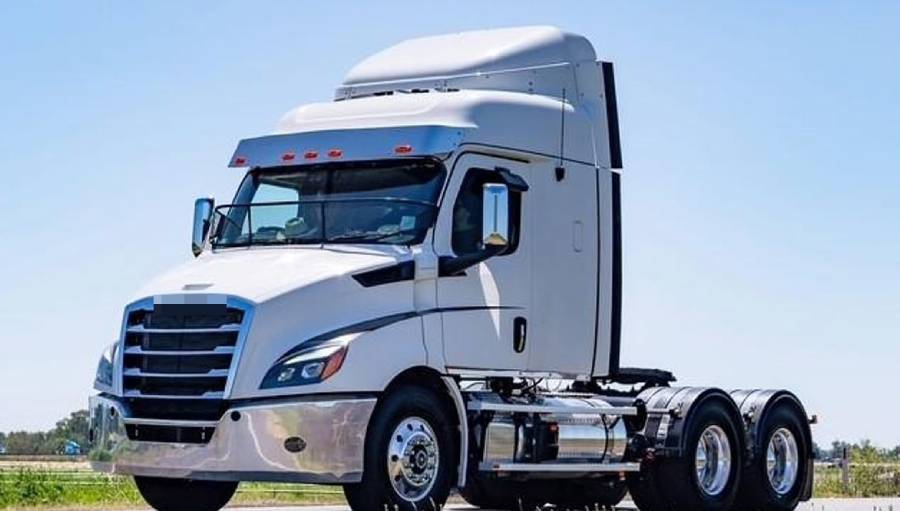
Freightliner Cascadia fuel pressure problems occur when the fuel system fails to deliver, maintain, or accurately regulate the pressure required for proper engine operation. The most common potential causes include clogged fuel filters, failing fuel pumps, faulty fuel pressure sensors, air entering the fuel lines, and excessive fuel injector leakage. These problems can affect Freightliner Cascadia trucks equipped with Detroit DD13, DD15, and DD16 engines, although the specific fuel system components and diagnostic requirements vary by engine model and generation.
The main symptoms of Freightliner Cascadia fuel pressure problems include hard starting, engine stalling, rough idling, reduced acceleration, and loss of engine power. Low fuel supply pressure can restrict the amount of diesel reaching the high-pressure pump, while insufficient fuel rail pressure can prevent the injection system from delivering the required fuel quantity. A malfunctioning pressure sensor can also produce inaccurate readings, making it necessary to distinguish actual pressure loss from an electrical or control-system fault.
Diagnosing these problems requires checking diagnostic trouble codes, inspecting fuel filters and supply lines, and comparing actual fuel pressure with manufacturer-specified values. This guide explains the symptoms, underlying causes, diagnostic procedures, repair options, and preventive maintenance practices for Freightliner Cascadia fuel pressure problems.
What Are the Symptoms of Fuel Pressure Problems in a Freightliner Cascadia?
The five main symptoms of Freightliner Cascadia fuel pressure problems are hard starting, engine stalling, rough idling, loss of engine power, and poor acceleration. These symptoms develop when the fuel system cannot maintain the pressure or fuel flow required for consistent diesel injection. Their severity depends on the affected component, engine operating conditions, and whether the problem occurs in the low-pressure supply circuit or high-pressure common rail system.
Hard starting or extended cranking occurs when the fuel system cannot establish sufficient pressure for normal injection during engine startup. Restricted fuel filters, air entering the fuel supply lines, excessive injector leakage, and malfunctioning fuel pumps can contribute to this condition. A Freightliner Cascadia equipped with a Detroit DD15 engine may require several additional seconds of cranking or fail to start when actual fuel rail pressure remains below the level required for injection. However, extended cranking can also result from electrical or mechanical faults unrelated to fuel pressure.
Engine stalling and rough idling can indicate unstable fuel delivery or significant pressure fluctuations. When fuel pressure drops below the engine’s operating requirements, the injection system may struggle to maintain consistent combustion. This can produce uneven engine speed, noticeable vibration, or unexpected shutdowns. For example, a restricted fuel filter may allow sufficient fuel flow at idle but fail to support increased demand during acceleration, causing the engine to hesitate or stall.
Loss of engine power and poor acceleration occur when fuel delivery cannot meet engine load requirements. Insufficient fuel supply pressure can limit the high-pressure pump’s ability to maintain commanded rail pressure, reducing the fuel available for combustion. Drivers may notice sluggish throttle response, difficulty climbing hills, or reduced pulling power while hauling heavy loads. The engine control system may also limit performance when it detects certain fuel system faults.
Fuel pressure problems can also trigger a check engine light, diagnostic trouble codes, or engine protection warnings. Depending on the engine configuration and fault, diagnostic software may identify pressure regulation errors or differences between commanded and actual fuel rail pressure. These indicators help narrow the diagnostic process, but they do not independently confirm whether the underlying problem involves a fuel pump, pressure sensor, injector, or restricted fuel supply.
What Causes Fuel Pressure Problems in a Freightliner Cascadia?
The six main causes of Freightliner Cascadia fuel pressure problems are clogged fuel filters, failing fuel pumps, faulty fuel pressure sensors, air entering the fuel system, leaking fuel injectors, and malfunctioning fuel pressure control components. These faults disrupt fuel delivery, pressure generation, or pressure regulation in Detroit DD13, DD15, and DD16 engines. Identifying the underlying cause requires distinguishing low-pressure fuel supply problems from faults affecting the high-pressure common rail injection system.
Clogged fuel filters restrict diesel flow and reduce the fuel available to the engine, particularly during acceleration or heavy-load operation. Dirt, rust particles, microbial contamination, and water-related debris can accumulate in the filtration system, increasing resistance to fuel flow. As the restriction becomes more severe, the supply system may struggle to deliver enough fuel to the high-pressure pump. For example, a Freightliner Cascadia may idle normally but experience reduced power when climbing hills because fuel demand exceeds the flow available through the restricted filter.
Failing fuel pumps cause pressure problems when they cannot deliver the required fuel volume or generate sufficient pressure. The low-pressure supply pump transfers diesel from the tank through the fuel delivery circuit, while the high-pressure pump supplies pressurized fuel for common rail injection. A malfunctioning supply pump can starve the high-pressure system, whereas internal wear or damage in the high-pressure pump can prevent rail pressure from reaching its commanded value. These failures can produce extended cranking, engine hesitation, stalling, or reduced power under load.
Faulty fuel pressure sensors interfere with the engine control system’s ability to monitor fuel pressure accurately. The engine control module uses pressure sensor feedback to evaluate fuel system operation and manage injection-related controls. A damaged sensor, corroded connector, or wiring fault can produce inaccurate or intermittent pressure readings. For example, an electrical fault may cause the diagnostic system to report an implausible pressure value even when mechanical fuel delivery remains adequate. Sensor-related faults must therefore be distinguished from genuine pressure loss before replacing fuel system components.
Air entering the fuel system disrupts fuel delivery and can prevent the system from maintaining stable supply conditions. Air intrusion can occur through damaged fuel lines, loose fittings, deteriorated seals, or improperly installed fuel filters. Because air is compressible, trapped air can interfere with priming and consistent fuel delivery, particularly during engine startup. A Freightliner Cascadia that loses fuel prime after sitting overnight may have an air leak in the supply circuit, although the exact source must be confirmed through inspection and appropriate testing.
Leaking fuel injectors can contribute to insufficient fuel rail pressure when excessive internal leakage prevents the high-pressure system from maintaining the required pressure. Common rail injectors use precisely controlled internal components to regulate fuel delivery into the combustion chambers. Wear or internal sealing defects can allow excessive fuel to return through the injector’s return circuit. When leakage exceeds the system’s compensating capacity, actual rail pressure may remain below the commanded value, resulting in hard starting, poor acceleration, or reduced engine performance. Injector leakage testing must follow the procedures specified for the particular Detroit engine and injection system.
Malfunctioning fuel pressure control components can cause unstable, excessively low, or improperly regulated fuel pressure. Depending on the engine generation, the fuel system uses metering and pressure-control mechanisms to regulate fuel delivery and rail pressure. A sticking control valve, electrical circuit fault, or malfunctioning fuel metering component can prevent the system from responding correctly to changes in engine load. For example, actual rail pressure may fail to follow commanded pressure during acceleration, even when the fuel filters and supply pump are functioning correctly.
Fuel pressure problems can also result from multiple faults occurring simultaneously. A contaminated fuel supply may restrict the filters while accelerating wear in fuel system components. Similarly, a weak supply pump may cause symptoms that resemble high-pressure pump failure. A reliable diagnosis requires checking fuel supply conditions, reviewing diagnostic trouble codes, and comparing actual operating data with the specifications for the exact engine model and fuel system configuration.
How Do You Diagnose Freightliner Cascadia Fuel Pressure Problems?
Diagnosing Freightliner Cascadia fuel pressure problems involves five main steps: retrieving diagnostic trouble codes, inspecting fuel supply components, testing low-pressure fuel delivery, monitoring fuel rail pressure, and verifying the condition of fuel system components. These procedures help distinguish fuel restrictions, pump failures, sensor malfunctions, and injector-related pressure losses. Detroit DD13, DD15, and DD16 engines have different fuel system configurations, so pressure specifications and testing procedures must match the engine model and generation.
How Do You Check Fuel Pressure Fault Codes on a Freightliner Cascadia?
Fuel pressure fault codes can be checked using a compatible heavy-duty diagnostic scanner or Detroit DiagnosticLink software on supported Detroit-powered Freightliner Cascadia trucks. The diagnostic tool communicates with the engine control module to retrieve active and inactive diagnostic trouble codes, identify affected systems, and display relevant operating data. Faults involving fuel rail pressure, fuel pressure sensors, or pressure regulation provide useful starting points for troubleshooting.
Technicians should record each diagnostic trouble code, its failure mode identifier, and the operating conditions associated with the fault. For example, a code indicating that actual fuel rail pressure is lower than commanded pressure may point toward insufficient fuel supply, high-pressure pump problems, excessive injector leakage, or pressure regulation faults. The code identifies the detected operating condition rather than proving that a specific component has failed. Reviewing live pressure readings and following the corresponding manufacturer diagnostic procedure helps narrow the cause.
How Do You Test Low-Pressure Fuel Supply on a Freightliner Cascadia?
Testing low-pressure fuel supply requires inspecting the fuel delivery circuit and measuring fuel pressure or flow at manufacturer-approved testing points. The inspection begins with verifying adequate fuel in the tank, checking fuel filter condition, examining supply lines for damage, and identifying loose connections or potential air leaks. These checks help locate restrictions or supply faults before more complex high-pressure system testing.
A qualified technician can use approved pressure-testing equipment to evaluate fuel supply performance under the operating conditions specified in the engine service manual. Pressure readings must be compared with the correct specifications for the engine and fuel system. A pressure drop during increased fuel demand may indicate a restricted filter, damaged supply line, or weak supply pump. If supply pressure meets specifications but rail pressure remains insufficient, further investigation of the high-pressure system is required.
Air intrusion should also be investigated when the engine experiences extended cranking, intermittent stalling, or loss of fuel prime. Technicians can inspect filter seals, fuel line connections, and other approved service points for evidence of leakage. Any air-removal or priming procedure must follow the engine manufacturer’s instructions to avoid introducing additional air or damaging fuel system components.
How Do You Check Fuel Rail Pressure on a Detroit DD15 Engine?
Fuel rail pressure on a Detroit DD15 engine is checked by comparing actual rail pressure with commanded rail pressure using compatible diagnostic software. The engine control module monitors fuel pressure through the common rail pressure sensor and adjusts fuel system operation according to engine demand. Comparing these values during cranking, idling, and approved operating tests helps determine whether the system is maintaining the pressure required for proper fuel injection.
Actual rail pressure that remains below commanded pressure may indicate inadequate low-pressure fuel supply, high-pressure pump malfunction, excessive injector leakage, or a pressure-control fault. For example, if rail pressure increases normally at idle but cannot follow commanded pressure under load, the technician should investigate fuel delivery capacity and high-pressure system performance. A pressure reading that changes erratically or appears inconsistent with engine operation may require inspection of the pressure sensor, wiring, and related electrical connections.
Fuel pump and pressure sensor faults must be distinguished through diagnostic testing rather than symptoms alone. A malfunctioning pump affects the system’s ability to deliver or pressurize fuel, while a defective sensor or electrical circuit can report inaccurate pressure information. Technicians should compare available sensor data, inspect electrical connections, verify low-pressure supply conditions, and perform manufacturer-approved component tests before replacing parts.
High-pressure common rail systems present a serious safety hazard because pressurized diesel fuel can penetrate the skin and cause severe injuries. Never loosen high-pressure fuel lines to check pressure or identify leaks while the system is operating or pressurized. Fuel rail pressure diagnosis and component testing must follow Detroit Diesel service procedures, including the required depressurization and safety precautions.
How Do You Fix Freightliner Cascadia Fuel Pressure Problems?
Fixing Freightliner Cascadia fuel pressure problems requires replacing restricted fuel filters, repairing fuel supply leaks, replacing defective pumps or sensors, correcting injector leakage, or repairing malfunctioning pressure control components. The correct repair depends on the fault identified during diagnosis. Detroit DD13, DD15, and DD16 engines use different fuel system configurations, so replacement parts, installation procedures, and pressure specifications must match the engine model and generation.
Replacing clogged fuel filters restores fuel flow when excessive filter restriction causes insufficient fuel delivery. Technicians should inspect the primary and secondary filtration components, identify contamination, and replace restricted filters with parts that meet the engine manufacturer’s specifications. During installation, filter housings, seals, and connections must be checked for damage that could allow air to enter the system. The fuel system must then be primed according to the applicable Detroit Diesel service procedure. For example, a Cascadia experiencing reduced power under heavy loads because of restricted fuel filters should regain normal fuel delivery once the restriction is removed, provided no additional fuel system faults are present.
Repairing or replacing a failing fuel pump is necessary when diagnostic testing confirms that the pump cannot maintain the required fuel supply or pressure. A defective low-pressure supply pump may need replacement if it cannot deliver adequate fuel under specified operating conditions. High-pressure pump failures require more extensive inspection because internal wear or mechanical damage can introduce metallic debris into the fuel system. When contamination is present, technicians must inspect affected components and follow the manufacturer’s contamination repair procedure rather than replacing the pump alone. Installing a new pump without addressing contaminated fuel lines, rails, or injectors can result in repeated component failure.
Replacing a faulty fuel pressure sensor corrects inaccurate pressure feedback when testing confirms an internal sensor defect. Before replacement, technicians should inspect the sensor connector, wiring harness, electrical supply, and signal circuit for corrosion, damaged insulation, loose terminals, or intermittent connections. Electrical faults can produce incorrect pressure readings even when the sensor itself is functional. Once the defective component or circuit is repaired, diagnostic data should be reviewed to confirm that pressure readings respond correctly to changes in engine operating conditions. Sensor removal from a high-pressure circuit must follow the manufacturer’s depressurization procedure.
Repairing air leaks in the fuel supply system restores consistent fuel delivery and prevents repeated loss of prime. Common repair points include damaged fuel lines, deteriorated seals, loose fittings, and improperly seated fuel filter components. Technicians should locate the source of air intrusion and repair or replace the affected parts before priming the system. For example, a damaged filter housing seal may allow air to enter the fuel circuit while the truck is parked, causing extended cranking during the next startup. Replacing the seal and completing the approved priming procedure addresses the underlying problem rather than temporarily removing trapped air.
Correcting injector leakage and fuel pressure regulation faults requires component-specific testing. Excessive internal injector leakage can prevent the common rail system from maintaining sufficient pressure, particularly during engine startup or increased fuel demand. Technicians should perform the manufacturer-approved injector diagnostic procedure before replacing an injector. Similarly, a malfunctioning fuel metering or pressure control component should be repaired or replaced only after confirming that its mechanical operation or electrical control is defective. These repairs require particular attention to fuel cleanliness because contamination can damage precision components within the injection system.
Verifying fuel pressure after repairs confirms whether the underlying problem has been resolved. Technicians should check for fuel leaks, verify proper starting and idling, review active diagnostic trouble codes, and compare actual fuel pressure with commanded values under the appropriate test conditions. A controlled road test may also be necessary to confirm normal acceleration and engine performance under load. The repair is considered successful when fuel pressure meets the applicable manufacturer specifications, the original symptoms no longer occur, and the relevant faults do not return during verification.
Do Freightliner Cascadia DD13 and DD15 Engines Have the Same Fuel Pressure Problems?
Freightliner Cascadia trucks equipped with Detroit DD13 and DD15 engines can experience similar fuel pressure problems, including restricted fuel filters, failing fuel pumps, faulty pressure sensors, air intrusion, and excessive injector leakage. Both engine families use electronically controlled diesel fuel injection systems, but their fuel system designs, component specifications, and diagnostic requirements vary by engine generation. These differences affect how technicians identify pressure faults and select replacement parts.
Detroit DD13 fuel pressure problems can originate from insufficient low-pressure fuel supply, high-pressure pump malfunctions, or faults affecting fuel pressure regulation. Restricted filters and air entering the supply circuit can reduce fuel delivery, while internal leakage or pressure control failures can prevent the injection system from maintaining the required operating pressure. For example, a DD13 engine that starts normally but loses power under heavy acceleration may have a fuel supply restriction that becomes apparent only when fuel demand increases. Technicians must compare measured pressure and flow against the specifications for the engine’s exact configuration.
Detroit DD15 fuel pressure problems involve similar failure mechanisms, but diagnostic procedures must account for the DD15’s specific fuel system generation. Depending on the model year, the engine may use different fuel injection components, pressure sensors, and fuel delivery arrangements. A DD15 experiencing extended cranking or reduced power may have inadequate fuel supply, excessive injector leakage, or a high-pressure pump fault. Detroit DiagnosticLink can help technicians evaluate applicable fault codes and compare commanded fuel rail pressure with actual pressure on supported common rail configurations.
The main diagnostic difference between DD13 and DD15 engines is the need to follow engine-specific fuel system specifications and service procedures. Fuel pressure targets, approved test locations, component arrangements, and diagnostic routines cannot be assumed to be identical across engine families or production years. The same principle applies to Detroit DD16 engines. Before testing or replacing components, technicians should identify the engine model, model year, serial number, and fuel system configuration to ensure that the correct procedures and parts are used.
Read more: Freightliner Cascadia Battery Voltage Problems & Fixes
How Much Does It Cost to Repair Freightliner Cascadia Fuel Pressure Problems?
Freightliner Cascadia fuel pressure repair costs depend on the failed component, engine configuration, replacement parts, diagnostic labor, and extent of fuel system damage. Replacing a restricted fuel filter is generally less expensive than repairing a high-pressure fuel pump or multiple injectors because filter service requires fewer components and less labor. Major fuel system repairs become more expensive when contamination spreads through the injection system and requires additional cleaning or component replacement.
The following table summarizes the main repair categories and factors that determine their costs. Exact prices require current quotes from repair facilities or parts suppliers for the specific truck.
| Repair type | Main cost factors | Repair complexity |
|---|---|---|
| Fuel filter replacement | Primary and secondary filters, labor, priming | Low |
| Fuel pressure sensor replacement | Sensor, electrical diagnosis, installation | Low to moderate |
| Fuel line or seal repair | Replacement lines, seals, leak detection, labor | Low to moderate |
| Low-pressure fuel pump replacement | Pump assembly, accessibility, labor | Moderate |
| High-pressure fuel pump replacement | Pump, labor, contamination inspection, related repairs | High |
| Fuel injector replacement | Injector quantity, testing, installation, calibration requirements | High |
Fuel filter and sensor repairs generally involve lower labor requirements when the affected components are accessible and the fault has already been identified. However, a pressure sensor fault caused by damaged wiring may require additional electrical troubleshooting before the repair can be completed. Similarly, replacing a fuel filter may not resolve low fuel pressure if contamination has also damaged the supply pump or restricted other fuel system components.
High-pressure fuel pump and injector repairs carry greater financial risk because they involve precision fuel injection components and potentially extensive diagnostic work. A mechanically damaged high-pressure pump can distribute metallic particles through connected fuel system components, requiring inspection and additional repairs according to manufacturer procedures. Injector replacement costs also increase when several injectors fail or specialized testing is necessary. Repairing the confirmed fault and addressing its underlying cause reduces the risk of repeated failures and additional downtime.
For fleet operators and owner-operators, total repair expenses also include vehicle downtime, towing, and lost operating revenue when a truck cannot complete its scheduled work. Obtaining an itemized estimate that separates diagnostic labor, replacement parts, and additional fuel system repairs helps determine the full financial impact. Comparing estimates from qualified heavy-duty diesel repair facilities is especially important before authorizing high-pressure pump or injector replacement.
How Can You Prevent Fuel Pressure Problems in a Freightliner Cascadia?
Preventing Freightliner Cascadia fuel pressure problems requires regular fuel filter replacement, clean diesel fuel, fuel line inspections, and early diagnosis of fuel system faults. These maintenance practices help protect the low-pressure supply circuit and high-pressure injection components from restrictions, contamination, and premature wear. Detroit DD13, DD15, and DD16 engines require maintenance procedures appropriate to their specific configurations and operating conditions.
Replacing fuel filters at the recommended service intervals helps maintain consistent fuel flow and prevents excessive restrictions in the supply system. Filter replacement schedules depend on the engine model, maintenance program, fuel quality, and operating environment. Trucks operating in dusty environments or using contaminated fuel may require additional inspections or earlier filter replacement. For example, a restricted fuel filter can reduce fuel delivery during heavy acceleration even when the engine operates normally at idle. Using manufacturer-approved filters and following the correct installation and priming procedures also reduces the risk of air intrusion.
Maintaining diesel fuel cleanliness protects fuel pumps, injectors, and pressure control components from contamination-related damage. Water, dirt, rust particles, and microbial growth can restrict fuel filters, accelerate internal component wear, and interfere with precise fuel injection. Drivers and maintenance technicians should obtain diesel from reliable suppliers, inspect fuel storage conditions, and drain water separators according to the applicable maintenance instructions. Contaminated fuel should be investigated before replacing damaged injection components because remaining debris can cause repeated failures.
Inspecting fuel lines, fittings, and seals helps identify leaks and air intrusion before they cause starting difficulties or unstable fuel delivery. Maintenance inspections should include checking accessible supply lines for cracks, abrasion, loose connections, and signs of diesel leakage. Fuel filter housings and sealing surfaces also require attention after filter replacement. For example, a deteriorated seal on the suction side of the fuel system can allow air to enter without producing an obvious external fuel leak, leading to loss of prime after the truck remains parked.
Monitoring engine performance and diagnostic trouble codes allows developing fuel pressure problems to be identified before they cause major breakdowns. Drivers should report extended cranking, intermittent hesitation, unexpected stalling, and reduced pulling power. Fleet maintenance technicians can use compatible diagnostic equipment to investigate relevant fault codes and compare fuel pressure data with manufacturer specifications. Identifying a supply restriction or electrical fault early can prevent unnecessary component replacement and reduce the risk of prolonged engine downtime.
Following an engine-specific preventive maintenance schedule provides the most reliable foundation for fuel system protection. Maintenance records should document fuel filter replacements, contamination incidents, fuel system repairs, and recurring diagnostic faults. These records help technicians recognize repeated problems and distinguish isolated component failures from ongoing fuel quality or supply system issues. Consistent maintenance reduces avoidable fuel pressure failures and supports reliable Freightliner Cascadia operation.