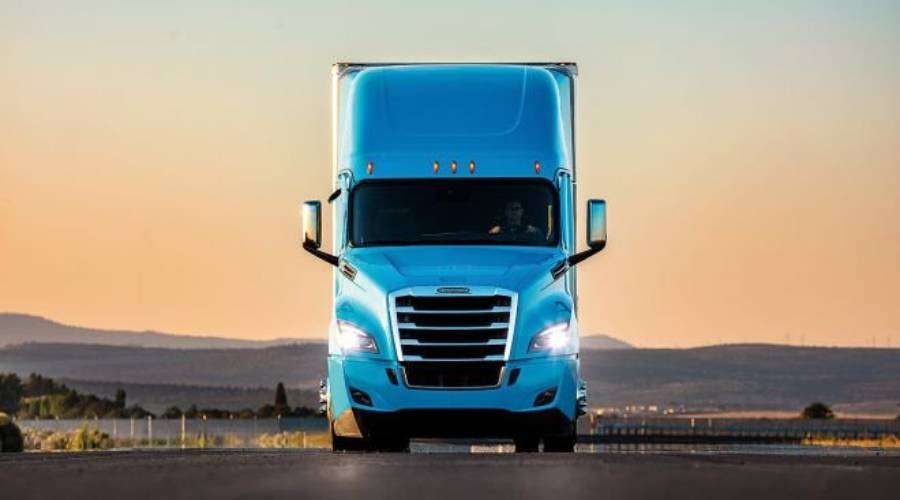
Freightliner Cascadia battery voltage problems are commonly associated with weak batteries, failing alternators, corroded battery terminals, loose electrical connections, and excessive electrical loads. These issues can cause slow engine cranking, dashboard voltage warnings, intermittent electrical failures, and unexpected battery discharge. Identifying the underlying cause requires checking both the battery condition and the truck’s charging system.
A fully charged 12-volt lead-acid battery typically measures approximately 12.6–12.8 volts at rest, while charging voltage is generally higher when the engine is running. However, actual readings depend on battery condition, temperature, electrical demand, and the truck’s charging system configuration. Voltage readings outside the expected operating range may indicate insufficient charging, excessive resistance, or battery deterioration.
Freightliner Cascadia electrical systems also experience voltage problems when damaged wiring, poor ground connections, or parasitic electrical loads interfere with normal power distribution. A battery that repeatedly loses charge may not be defective if another electrical component continues drawing power while the truck is parked.
This guide explains the symptoms, causes, diagnostic procedures, and repair options for Freightliner Cascadia battery voltage problems. It also covers normal voltage readings, battery testing, alternator troubleshooting, overnight battery drain, and preventive maintenance to help identify electrical faults before they lead to starting failures or unexpected downtime.
What Are the Signs of Freightliner Cascadia Battery Voltage Problems?
The most common signs of Freightliner Cascadia battery voltage problems include slow engine cranking, low battery voltage warnings, flickering dashboard lights, intermittent electrical failures, and difficulty starting the engine. These symptoms occur when the batteries cannot supply sufficient electrical power or the charging system fails to maintain the required voltage during operation.
A low battery voltage warning is one of the clearest indicators of an electrical system problem. The warning may appear when battery voltage falls below a monitored threshold or the charging system cannot maintain adequate electrical output. Depending on the model year and electrical configuration, the truck may display a voltage-related warning message or illuminate a battery warning indicator. However, a warning alone cannot determine whether the problem originates from the batteries, alternator, wiring, or electrical connections.
Slow engine cranking is another common symptom. The starter motor requires substantial electrical current to turn the diesel engine, and weak batteries or high-resistance connections can reduce the voltage available during starting. For example, a Cascadia with deteriorating batteries may crank slowly after sitting overnight but start more easily after the batteries have been recharged. Similar symptoms can result from corroded terminals or damaged battery cables, making electrical testing necessary before replacing components.
Flickering dashboard lights and intermittent electrical failures can also indicate unstable voltage. These symptoms may become more noticeable when headlights, the HVAC blower, or other electrical accessories increase system demand. Repeated voltage warnings, sudden electrical shutdowns, or starting failures require prompt diagnosis, particularly when the symptoms occur while driving.
What Is the Normal Battery Voltage for a Freightliner Cascadia?
Normal Freightliner Cascadia battery voltage depends on whether the engine is running, the battery’s state of charge, and the electrical load. Cascadia trucks commonly use a nominal 12-volt electrical system with multiple batteries connected in parallel. A healthy, fully charged lead-acid battery generally measures approximately 12.6–12.8 volts at rest, while charging voltage is typically higher when the alternator is operating.
What Should Battery Voltage Be With the Engine Off?
A fully charged 12-volt lead-acid battery should typically measure approximately 12.6–12.8 volts with the engine off, after the battery has rested and surface charge has dissipated. Lower readings indicate a reduced state of charge, although battery chemistry, temperature, and recent electrical activity affect the measurement.
The following table provides approximate resting voltage values for conventional 12-volt flooded lead-acid batteries at moderate temperatures.
| Battery Voltage | Approximate State of Charge |
|---|---|
| 12.6–12.8V | Fully charged |
| 12.4V | 75% charged |
| 12.2V | 50% charged |
| 12.0V | 25% charged |
| 11.9V or lower | Severely discharged |
These values are general reference points rather than Freightliner-specific diagnostic limits. AGM batteries may have different resting voltage characteristics, and voltage measurements taken immediately after charging or under electrical load cannot be interpreted using the same table.
A battery bank that consistently measures around 12.2 volts after resting requires further evaluation. However, resting voltage alone cannot confirm battery failure because a discharged but otherwise healthy battery may recover after proper charging. A battery load test or conductance test helps determine whether the batteries can deliver sufficient starting current.
What Should Battery Voltage Be While the Engine Is Running?
Freightliner Cascadia charging voltage commonly falls around 13.5–14.8 volts when the engine is running, although the actual target depends on the alternator, battery temperature, electrical demand, and charging system configuration. Some charging systems intentionally adjust voltage during operation, so a reading outside this general range does not automatically indicate a defective alternator.
The alternator supplies electrical power while the engine runs and replenishes energy consumed during starting. Its voltage regulator controls charging output to maintain appropriate system voltage. When the alternator or regulator malfunctions, the battery bank may receive insufficient charging current or experience excessive charging voltage.
For example, a Cascadia showing approximately 12.2 volts at the battery terminals while running may have a charging system problem, particularly if the voltage continues decreasing under electrical load. However, this reading should be evaluated alongside alternator output, operating conditions, and the manufacturer’s specifications before concluding that the alternator has failed.
Charging voltage that remains excessively high can also indicate a regulation or sensing problem. Prolonged overcharging may accelerate battery deterioration, increase electrolyte loss in flooded batteries, and damage electrical components. Measuring voltage at both the battery terminals and appropriate charging circuit test points helps distinguish alternator problems from voltage losses caused by cables or connections.
What Causes Freightliner Cascadia Battery Voltage Problems?
The six main causes of Freightliner Cascadia battery voltage problems are weak batteries, alternator failure, corroded battery terminals, poor ground connections, parasitic electrical drain, and voltage regulator faults. These problems interfere with electrical power storage, charging, or distribution, resulting in low voltage, unstable readings, or excessive charging voltage.
The underlying cause depends on when the voltage problem occurs. Low voltage after overnight parking often indicates discharged batteries or excessive electrical drain, while voltage that continues dropping with the engine running suggests a charging system fault. Voltage fluctuations during periods of high electrical demand may indicate excessive resistance in battery cables, ground connections, or charging circuits.
How Can Weak Batteries Cause Low Voltage?
Weak or aging batteries cause low voltage when they lose the capacity to store electrical energy or deliver sufficient current under load. Freightliner Cascadia trucks commonly use multiple 12-volt batteries connected in parallel to provide the high starting current required by their diesel engines. When battery capacity deteriorates, the battery bank may struggle to maintain adequate voltage during engine starting or extended accessory operation.
Battery deterioration occurs through several mechanisms, including sulfation, internal corrosion, repeated deep discharge, and exposure to extreme temperatures. Sulfation develops when lead sulfate crystals accumulate on battery plates, particularly when batteries remain partially discharged for extended periods. This reduces the active plate surface area and limits the battery’s ability to accept and deliver electrical energy.
For example, a Cascadia battery bank may measure 12.6 volts after charging but experience a substantial voltage drop when the starter motor engages. This indicates that an acceptable resting voltage does not necessarily mean the batteries can supply sufficient starting current. Individual battery testing is important because a defective battery within a parallel battery bank can affect overall performance.
How Does a Failing Alternator Affect Battery Voltage?
A failing alternator causes Freightliner Cascadia battery voltage problems by reducing or interrupting the electrical power supplied to the batteries and vehicle systems while the engine runs. When alternator output cannot meet electrical demand, the batteries supply the remaining power and gradually discharge.
Alternator problems can result from worn internal components, damaged diodes, defective voltage regulation, belt drive problems, or electrical connection failures. A malfunctioning rectifier diode can reduce charging output and introduce excessive alternating-current ripple into the electrical system. Meanwhile, a slipping drive belt can prevent the alternator from maintaining the required output under demanding operating conditions.
For example, a Cascadia may initially display normal charging voltage but experience a gradual voltage decline after the headlights, HVAC blower, and other electrical accessories are activated. This behavior may indicate insufficient alternator output, although high-resistance wiring and poor connections can produce similar symptoms.
Alternator faults can also cause excessive charging voltage. A defective regulator or voltage-sensing circuit may allow charging voltage to rise beyond the battery manufacturer’s recommended limits. Sustained overcharging accelerates battery deterioration and can damage electrical components. Alternator output, voltage regulation, and wiring integrity should therefore be tested before replacing the alternator.
Can Bad Battery Connections Cause Voltage Problems?
Corroded battery terminals, loose cable connections, and damaged ground wires can cause voltage drops by increasing electrical resistance between the batteries and vehicle components. These faults restrict current flow even when the batteries and alternator are functioning correctly.
Corrosion forms when moisture, contaminants, or battery electrolyte residues react with terminal materials. The resulting deposits interfere with metal-to-metal contact and increase resistance. Loose terminals create similar problems because reduced contact pressure limits the effective conductive surface. Under high electrical loads, these connections can generate heat and cause significant voltage loss.
For example, a Cascadia may have fully charged batteries but crank slowly because a corroded ground connection restricts current flow to the starter motor. A voltage drop test across the affected connection can reveal excessive resistance that a simple battery voltage measurement may not detect.
Poor ground connections can also produce intermittent dashboard warnings, unstable voltage readings, and electrical component malfunctions. Inspecting battery terminals, chassis grounds, engine ground straps, and charging circuit connections helps identify these problems before unnecessary component replacement.
Two additional causes deserve attention: parasitic electrical drain and voltage regulator faults. Parasitic drain occurs when electrical devices continue consuming excessive current after the truck is parked and its control modules have entered their normal sleep states. Sleeper accessories, aftermarket electronics, or malfunctioning modules may contribute to overnight battery discharge.
Voltage regulator faults affect how charging voltage is controlled. Incorrect regulation or faulty voltage sensing can produce undercharging or overcharging, depending on the failure. Because charging system designs vary across Freightliner Cascadia model years, diagnostic results should be compared with the specifications for the truck’s particular electrical configuration.
How Do You Diagnose Freightliner Cascadia Battery Voltage Problems?
Diagnosing Freightliner Cascadia battery voltage problems requires testing battery voltage, alternator charging output, electrical connections, and parasitic current draw. A digital multimeter provides the basic measurements needed to identify low voltage, charging failures, and excessive resistance. Battery load testing and specialized diagnostic equipment may be necessary when voltage readings alone cannot identify the fault.
The diagnostic process should begin with a visual inspection of the battery bank, terminals, cables, and ground connections. Look for corrosion, loose connections, damaged insulation, swollen battery cases, or signs of overheating. Perform electrical measurements with the truck securely parked, the parking brake applied, and appropriate protective equipment in place. Keep tools and clothing away from moving engine components, and never disconnect battery cables while the engine is running.
How Do You Test Battery Voltage With a Multimeter?
To test Freightliner Cascadia battery voltage, set a digital multimeter to DC voltage and measure directly across the battery’s positive and negative terminals with the engine off. Allow the batteries to rest after charging or engine operation so that surface charge does not distort the reading.
Follow these four steps:
- Turn off the engine and unnecessary electrical accessories.
- Set the multimeter to the DC voltage range appropriate for a 12-volt battery.
- Place the red probe on the positive battery terminal and the black probe on the negative terminal.
- Record the voltage and compare it with the expected resting voltage for the battery type.
A fully charged conventional 12-volt lead-acid battery typically measures approximately 12.6–12.8 volts at rest. A reading near 12.2 volts indicates a substantially reduced state of charge, while a reading below 12.0 volts suggests significant discharge. These values are approximate and depend on battery chemistry, temperature, and measurement conditions.
For Cascadia trucks equipped with multiple batteries, test each battery individually when practical and according to the manufacturer’s isolation procedures. A defective battery can affect the entire parallel battery bank. Resting voltage should also be supplemented with a load test or conductance test because a battery may display acceptable voltage but fail to deliver adequate starting current.
How Do You Check Alternator Charging Voltage?
To check Freightliner Cascadia alternator charging voltage, measure battery terminal voltage with the engine running and compare the result with the charging system’s specified operating range. Many conventional 12-volt charging systems operate around 13.5–14.8 volts, but the expected reading varies with temperature, electrical load, alternator control strategy, and vehicle configuration.
Start the engine and allow it to stabilize at idle. Measure voltage across the battery bank, then activate electrical accessories such as headlights and the HVAC blower to observe how the charging system responds to increased demand.
A charging system that maintains voltage within its specified operating range is generally functioning as expected under the tested conditions. If voltage remains near the battery’s resting voltage and continues declining while the engine runs, the alternator may not be supplying sufficient power. However, the same symptom can result from damaged charging cables, poor grounds, or a faulty voltage-sensing circuit.
A voltage drop test helps distinguish these faults. Measure voltage across the positive charging cable and relevant ground connections while the circuit carries electrical current. Excessive voltage loss indicates resistance in the tested cable or connection. Compare results with the vehicle manufacturer’s specifications rather than relying on a single universal voltage drop limit.
How Do You Test for Parasitic Battery Drain?
Testing for parasitic battery drain involves measuring electrical current consumed after the Freightliner Cascadia is parked and its electronic control modules have entered their normal sleep states. Excessive current draw can discharge the battery bank overnight even when the alternator and batteries function correctly during driving.
Begin by switching off unnecessary accessories, securing the vehicle, and allowing the electrical system to complete its normal shutdown sequence. The required waiting period and acceptable standby current depend on the truck’s model year, sleeper equipment, and installed electronics.
A suitable DC current clamp can measure battery cable current without disconnecting the circuit, provided the instrument has adequate low-current resolution. Position the clamp around the appropriate conductor and account for all battery paths in a multi-battery system. Disconnecting battery cables to install an inline ammeter can wake electronic modules, interrupt essential circuits, or damage the meter if excessive current flows.
If standby current exceeds the vehicle’s specified limit, investigate circuits using manufacturer-approved diagnostic procedures. Common sources include aftermarket electronics, sleeper accessories, malfunctioning control modules, and electrical devices that fail to shut down.
For example, a truck that starts normally after a long drive but repeatedly develops low battery voltage after overnight parking may have excessive standby current or batteries with reduced storage capacity. Measuring parasitic draw and testing battery condition separately helps distinguish these problems.
The final diagnosis should connect the voltage measurements with the truck’s operating symptoms. Low resting voltage with normal charging output suggests battery discharge or deterioration, while falling voltage during engine operation points toward insufficient charging or excessive electrical demand. Abnormal voltage loss across cables indicates connection resistance, and excessive standby current suggests an electrical drain that requires circuit-level investigation.
How Do You Fix Freightliner Cascadia Battery Voltage Problems?
Fixing Freightliner Cascadia battery voltage problems requires repairing or replacing the electrical component responsible for low voltage, unstable charging, or excessive battery discharge. The appropriate solution depends on diagnostic results and may involve replacing weak batteries, repairing battery connections, correcting ground faults, or restoring alternator output.
Begin with the simplest confirmed faults before replacing expensive components. Corroded terminals should be cleaned, loose connections secured to manufacturer-specified torque values, and damaged cables repaired or replaced. Battery connections must be serviced using the correct isolation procedure for the truck’s electrical configuration. Electrical repairs should be followed by voltage measurements under operating conditions to confirm that the original problem has been resolved.
When Should You Replace the Batteries?
Replace Freightliner Cascadia batteries when testing confirms that they cannot maintain adequate charge or deliver the required starting current after proper charging. Low resting voltage alone does not establish battery failure because a healthy but discharged battery may recover once the charging system or electrical drain problem has been corrected.
Battery replacement is justified when a fully charged battery fails a manufacturer-approved load or conductance test, shows physical damage, or repeatedly loses usable capacity despite normal charging conditions. A battery that develops an internal short or defective cell can also reduce the performance of other batteries connected in parallel.
For example, a Cascadia equipped with four parallel-connected 12-volt batteries may experience slow cranking even when three batteries remain serviceable. A deteriorated battery can reduce the performance of the battery bank, making individual testing necessary. When replacement is required, verify battery type, capacity, cold cranking amps, and compatibility with the remaining batteries. Replacing the complete set may be appropriate when the batteries are similarly aged or the manufacturer specifies matched batteries.
Before installing replacement batteries, inspect the terminals, cables, mounting hardware, and charging system. Follow the Freightliner service procedure for battery disconnection and reconnection, including any requirements for battery disconnect switches and electronic modules. After installation, confirm that the battery bank receives appropriate charging voltage and that no excessive standby current remains.
How Do You Fix Alternator and Charging System Problems?
Alternator and charging system problems are fixed by correcting the component or circuit responsible for insufficient or excessive charging voltage. Depending on the diagnostic findings, repairs may involve replacing a defective alternator, repairing charging cables, correcting voltage-sensing faults, or restoring proper drive belt operation.
An alternator should not be replaced solely because battery voltage is low. First, verify that the alternator receives the required electrical connections and mechanical drive, then test its output under appropriate operating conditions. Damaged cables, loose terminals, and high-resistance ground connections can prevent charging current from reaching the batteries even when the alternator itself functions correctly.
For example, an alternator may produce acceptable voltage at its output terminal while the battery bank receives significantly lower voltage. This difference indicates a possible voltage loss along the charging circuit. Repairing the affected cable or connection can restore charging performance without replacing the alternator.
A defective voltage regulator or voltage-sensing circuit requires further diagnosis when charging voltage remains outside the manufacturer’s specified range. Some alternators contain integrated regulators, while charging control arrangements vary by Cascadia model year and equipment configuration. Repairs should follow the applicable Freightliner and alternator manufacturer’s procedures.
After completing charging system repairs, measure battery voltage with the engine off and running, then repeat the charging test with electrical accessories operating. Confirm that voltage remains appropriate for the operating conditions and that the original warning or symptom does not return. A successful repair must restore reliable battery charging and eliminate the underlying electrical fault, rather than temporarily raising battery voltage through external charging alone.
Why Does Freightliner Cascadia Battery Voltage Drop While Driving?
Freightliner Cascadia battery voltage drops while driving when the charging system cannot supply enough electrical power to maintain battery charge and support vehicle electrical loads. The primary causes include insufficient alternator output, loose charging connections, damaged wiring, poor ground connections, and excessive electrical demand. However, temporary voltage changes can also occur during normal charging system operation.
The alternator supplies electrical power to the truck while the engine runs. When alternator output falls below the combined demand of the vehicle’s electrical systems, the batteries provide the remaining current. This causes battery voltage to decline as stored energy is consumed. A failing alternator, defective voltage regulator, or slipping drive belt can contribute to this condition, particularly when electrical demand increases.
For example, a Cascadia may display approximately 14.2 volts during normal driving but gradually drop toward 12.4 volts when the headlights, HVAC blower, and additional accessories are operating. A sustained voltage decline under these conditions may indicate insufficient charging output. However, the reading must be evaluated against the truck’s charging strategy and operating conditions before identifying an alternator failure.
High-resistance electrical connections can produce similar symptoms. Corroded battery terminals, damaged charging cables, and loose ground straps restrict current flow between the alternator, battery bank, and electrical components. These faults become more noticeable when current demand increases because voltage loss across a resistive connection rises with electrical current. A voltage drop test performed under load can identify the affected circuit.
Voltage fluctuations do not always indicate a defective charging system. Alternator regulation, battery temperature, engine speed, and changing electrical loads can affect measured voltage. The important distinction is whether the system maintains sufficient charging performance under the conditions specified by the manufacturer.
A persistent battery voltage warning, steadily declining voltage, or repeated electrical interruptions while driving requires prompt attention. If the charging system stops supplying power, the truck may eventually lose essential electrical functions as the batteries discharge. The driver should arrange a safe stop and professional diagnosis rather than continue operating until the electrical system fails.
Why Does a Freightliner Cascadia Battery Lose Voltage Overnight?
A Freightliner Cascadia battery loses voltage overnight because of parasitic electrical drain, reduced battery capacity, incomplete charging, or internal battery deterioration. These problems become apparent after extended parking because the alternator is no longer replenishing the energy consumed by electrical accessories and electronic control modules.
Parasitic electrical drain occurs when components continue drawing excessive current after the truck has been shut down. Freightliner Cascadia trucks may have sleeper accessories, aftermarket electronic equipment, communication devices, and control modules that consume electrical power while parked. Some standby consumption is normal, but excessive current draw can discharge the battery bank before the next engine start.
For example, an unintended continuous 2-amp electrical load consumes approximately 20 amp-hours over 10 hours of parking. This represents a substantial additional demand, particularly when the batteries are already partially discharged or have reduced usable capacity. Actual starting performance depends on battery condition, temperature, and the current required by the starter motor.
Weak batteries can also lose usable voltage overnight without an abnormal external electrical load. Aging batteries experience reduced capacity and may develop increased internal self-discharge. Repeated deep discharge, sulfation, and internal cell deterioration accelerate these problems. A battery bank may appear adequately charged immediately after driving but fail to deliver sufficient starting current the following morning.
Incomplete charging is another possible cause. Short driving periods, prolonged accessory operation, or charging system faults may prevent the batteries from reaching an adequate state of charge before the truck is parked. In this situation, overnight voltage loss may reflect an already depleted battery bank rather than an excessive parasitic load.
To identify the cause, measure battery voltage after the truck has rested, evaluate individual battery condition, and test standby current after the electronic modules enter their normal sleep states. Compare the results with the specifications for the truck’s electrical configuration. Excessive standby current indicates a potential parasitic drain, while normal standby current combined with poor battery performance points toward battery deterioration or insufficient charging.
Correcting overnight battery drain requires repairing the faulty circuit, managing accessory loads, or replacing batteries that fail appropriate capacity and starting-current tests. Recharging the batteries without identifying the underlying cause may temporarily restore starting performance, but it will not prevent repeated discharge.
How Long Do Freightliner Cascadia Batteries Last?
Freightliner Cascadia batteries generally last 3–5 years under favorable operating conditions, although actual service life depends on battery type, charging performance, operating temperature, and discharge cycles. Commercial trucks operating in extreme temperatures or frequently powering electrical accessories while parked may experience shorter battery life.
Battery lifespan is strongly influenced by depth of discharge and charging consistency. Repeated deep discharges accelerate sulfation in lead-acid batteries, reducing their ability to store energy and deliver starting current. High temperatures increase internal chemical degradation, while low temperatures reduce available starting power and increase the electrical demand required to crank a diesel engine.
For example, a Cascadia operating long highway routes with a properly functioning charging system may maintain battery performance longer than a truck that frequently makes short trips and powers sleeper accessories without adequate recharging. Vibration, loose battery mounting hardware, and corroded terminals can further accelerate deterioration by damaging internal components or increasing electrical resistance.
The clearest indicators that Freightliner Cascadia batteries need replacement are failed load tests, reduced starting performance, repeated discharge after proper charging, and visible battery damage. A battery that measures normal resting voltage may still have insufficient cold cranking capacity to start the engine reliably. Testing each battery individually helps identify weak units within a parallel battery bank.
Battery age should guide inspection frequency rather than serve as the sole replacement criterion. Batteries approaching the end of their expected service life should receive more frequent condition assessments, particularly before winter operation or extended trips. Replacement decisions should follow battery test results and the manufacturer’s specifications.
Read more: Freightliner Cascadia Starter Relay Location Guide
How Can You Prevent Freightliner Cascadia Battery Voltage Problems?
Preventing Freightliner Cascadia battery voltage problems requires regular battery inspections, charging system testing, clean electrical connections, and effective management of electrical loads. These maintenance practices reduce the risk of unexpected battery discharge, charging failures, and voltage-related starting problems.
Inspect battery terminals, cables, and ground connections during routine maintenance. Look for corrosion, loose fasteners, damaged insulation, and signs of overheating. Corrosion increases electrical resistance and can restrict charging current or starter motor performance. Clean affected connections using approved procedures and tighten terminals to the manufacturer’s specified torque values.
Monitor battery voltage and charging performance periodically, especially when starting difficulties or dashboard voltage warnings appear. A fully charged conventional 12-volt lead-acid battery typically measures approximately 12.6–12.8 volts at rest, while charging voltage depends on the alternator control strategy and operating conditions. Record measurements under consistent conditions to identify changes that may indicate battery deterioration or charging system faults.
Electrical load management is particularly important for Cascadia trucks equipped with sleeper accessories and aftermarket equipment. Refrigerators, inverters, lighting, and communication devices can consume substantial battery energy while the engine is off. Use the truck’s approved battery protection features and avoid operating high-demand accessories beyond the available battery capacity.
For trucks parked for extended periods, follow the manufacturer’s storage recommendations and use a compatible battery maintainer when appropriate. A properly configured maintainer helps compensate for normal standby consumption and battery self-discharge without subjecting the batteries to uncontrolled charging.
Preventive maintenance should also include periodic battery condition testing and charging system inspections. Identifying weak batteries, excessive voltage drops, or abnormal standby current before they cause starting failures reduces unexpected downtime and helps maintain reliable electrical performance throughout the truck’s service life.
How Much Does It Cost to Fix Freightliner Cascadia Battery Voltage Problems?
Freightliner Cascadia battery voltage repair costs depend on the faulty component, the number of batteries requiring replacement, labor rates, and the truck’s model year. Minor repairs involving battery terminals or electrical connections generally cost less than replacing a complete battery bank or alternator. Accurate pricing requires identifying the underlying electrical fault before selecting replacement parts.
The following table provides illustrative repair budget ranges in US dollars. These are planning estimates, not verified current market quotations or Freightliner dealer prices.
| Repair Type | Estimated Cost (USD) |
|---|---|
| Battery diagnostic testing | $50–$150 |
| Single commercial truck battery replacement | $150–$350 |
| Four-battery replacement | $600–$1,400 |
| Battery terminal cleaning or connection repair | $50–$200 |
| Alternator replacement, including labor | $500–$1,500 |
| Electrical wiring or ground repair | $100–$500+ |
Battery replacement costs depend on battery chemistry, cold cranking amps, capacity, and the number of batteries installed. For example, replacing four batteries costs substantially more than replacing one defective unit. However, technicians must evaluate the condition and compatibility of the remaining batteries before deciding whether individual or complete battery bank replacement is appropriate.
Alternator replacement costs vary according to alternator specifications, parts availability, and labor requirements. Electrical wiring repairs are less predictable because identifying intermittent faults or damaged connections may require additional diagnostic time.
The most cost-effective repair begins with accurate electrical testing rather than replacing components based only on dashboard warnings or low voltage readings. A battery load test, charging system inspection, and voltage drop measurements can distinguish battery deterioration from alternator faults or connection resistance. Confirming the cause before purchasing parts helps avoid unnecessary repairs and repeated vehicle downtime.