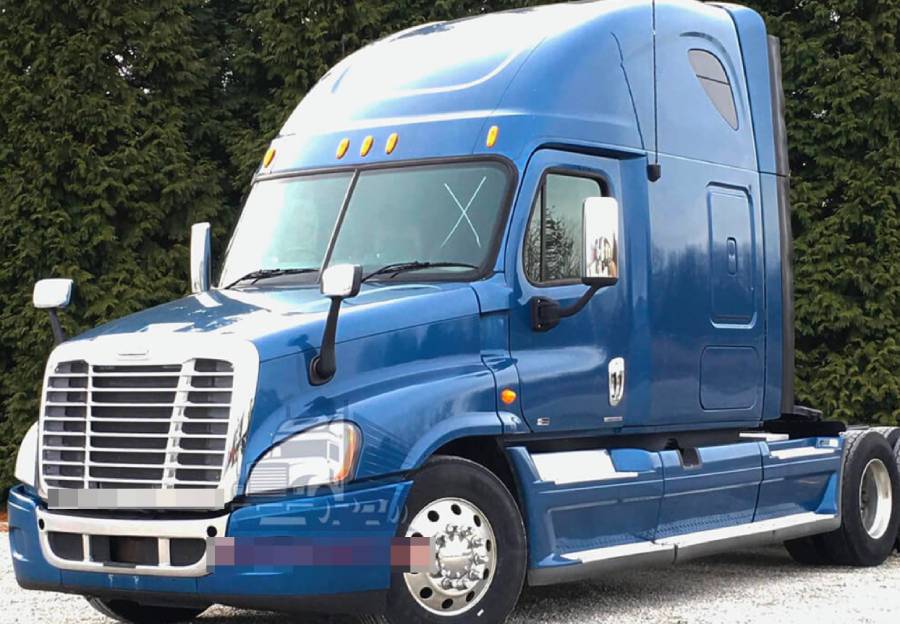
A Freightliner that shuts off while driving usually has a problem with the fuel delivery system, electrical power supply, engine sensors, ECM circuit, or engine protection system. The shutdown pattern helps narrow down the cause. A truck that gradually loses power before stalling points toward a different problem than an engine that shuts off instantly without warning.
Pay attention to four symptoms when the problem occurs: whether the engine loses power first, whether the dashboard stays on, whether the engine starts again immediately, and whether a Check Engine or Stop Engine warning appears. For example, gradual power loss can indicate restricted fuel delivery, while an immediate shutdown with the dashboard still powered can point toward an engine-management or electrical circuit problem. A Freightliner that shuts off after warming up and starts again later can indicate an intermittent electrical or sensor fault.
Do not continue normal driving if the engine repeatedly shuts off on the road. An unexpected loss of engine power creates a safety risk, and restarting the truck does not confirm that the underlying problem has been resolved. The sections below explain the main causes, symptoms, diagnostic sequence, and repairs for a Freightliner that keeps shutting off while driving.
Why Does a Freightliner Shut Off While Driving?
A Freightliner can shut off while driving because of 5 main problems: restricted fuel delivery, electrical power interruption, failed engine-position sensors, ECM power or circuit faults, and an engine-protection shutdown. The way the engine stops provides an important diagnostic clue. Gradual loss of power before the engine dies is more consistent with a fuel-delivery problem, while an abrupt shutdown can indicate loss of an electrical supply or a critical engine-management signal.
Fuel delivery should be checked when the engine hesitates, runs rough, or loses power before shutting down. A diesel engine needs a continuous supply of clean fuel at the required pressure. A restricted fuel filter, failing fuel pump, contaminated fuel, air entering a fuel line, or another restriction can reduce that supply. As fuel delivery falls below what the engine requires, combustion becomes unstable and the engine can eventually stall.
Electrical interruption can shut the engine down more abruptly because the engine-management system depends on continuous electrical power. Loose battery connections, poor grounds, damaged wiring, failing relays, blown fuses, or interrupted ECM power can stop engine operation even when fuel remains available. The dashboard behavior is useful here. If both the engine and major electrical systems lose power at the same time, the main power supply and connections deserve immediate attention. If the dashboard remains powered, the diagnosis can be narrowed toward engine-specific circuits and components.
Crankshaft and camshaft position sensors are also relevant because the ECM uses engine-position information to control engine operation. A sensor, connector, or related wiring fault can interrupt that information and cause the engine to stall. Intermittent electrical components can also fail after reaching operating temperature and begin working again after cooling, which helps explain why some Freightliners shut off while driving but restart later.
ECM-related shutdowns require a distinction between a failed module and a problem supplying the module. A suspected ECM problem does not automatically mean the ECM itself needs replacement. The ECM depends on stable power, grounds, connectors, wiring, and sensor inputs. These circuits should be tested before replacing an expensive control module.
An engine-protection condition is another possible cause. The engine-management system can respond to critical operating conditions such as abnormal oil pressure or excessive coolant temperature, depending on the engine and vehicle configuration. Warning indicators and stored fault information are especially important when the shutdown is preceded by a Check Engine or Stop Engine warning.
Can a Fuel System Problem Cause a Freightliner to Shut Off?
Yes. A fuel system problem can cause a Freightliner to lose power and shut off when the engine no longer receives the required fuel supply. The most relevant problems include a restricted fuel filter, insufficient fuel delivery, contaminated fuel, air intrusion, and faults within the fuel-supply system. These failures are particularly important when the truck loses power progressively rather than switching off instantly.
A restricted fuel filter illustrates the mechanism. The engine requires more fuel as load increases, such as during acceleration or climbing a grade. A partially restricted system may provide enough fuel at idle or light load but fail to maintain adequate delivery under heavier demand. The driver can therefore experience reduced power, hesitation, or stalling while driving even though the engine previously appeared to run normally.
Fuel-system diagnosis should confirm the restriction or delivery problem instead of assuming the filter or pump is responsible. Inspect the fuel supply, filter condition, visible lines, connections, and signs of contamination or air intrusion. Pressure and delivery testing may then be required when basic inspection does not identify the failure.
Can an Electrical Problem Cause a Freightliner to Shut Off?
Yes. An electrical fault can shut a Freightliner off suddenly by interrupting power or a signal required for engine operation. Relevant components include battery terminals, ground connections, wiring harnesses, connectors, fuses, relays, ECM power circuits, and engine-position sensor circuits.
Loose or corroded connections are particularly important with intermittent shutdowns. Vehicle movement and vibration can temporarily break an already weak electrical connection, cutting power to a critical circuit. The connection can then make contact again, allowing the engine to restart and making the fault appear unpredictable.
The same principle applies to sensor circuits. A crankshaft position sensor, camshaft position sensor, connector, or associated wiring can develop an intermittent fault that removes information required by the engine-management system. Heat can also change the behavior of a failing electrical component, so a shutdown that consistently occurs after the engine has been running for a specific period provides useful diagnostic evidence.
Electrical diagnosis should therefore start with the power supply, grounds, connectors, wiring condition, and available fault information before expensive components are replaced. Replacing the ECM or individual sensors without confirming the failed circuit can leave the original shutdown problem unresolved.
What Symptoms Help Identify Why a Freightliner Keeps Shutting Off?
The most useful symptoms are whether the Freightliner loses power before shutting off, shuts off instantly, keeps dashboard power, or starts again after the shutdown. These patterns help separate fuel-delivery problems from electrical, sensor, and engine-management faults. The timing of the failure also matters because a problem that appears only after the engine warms up can indicate a different failure mechanism than a stall that occurs under heavy engine load.
A Freightliner that gradually loses power before shutting off should be checked for a fuel-delivery problem first. Restricted fuel flow can prevent the engine from receiving enough fuel as demand increases. The truck may hesitate, respond poorly to the accelerator, run unevenly, or lose pulling power before the engine stops. A restricted fuel filter, inadequate fuel supply, air intrusion, or another fuel-system restriction can produce this pattern because the engine may receive enough fuel at low demand but not enough during acceleration or under load.
An engine that shuts off instantly without gradually losing power points more strongly toward an interruption of a critical electrical supply or engine-management signal. For example, a poor ground, damaged connector, failing relay, interrupted ECM power circuit, or loss of an engine-position signal can stop engine operation rapidly. The distinction is important because replacing fuel-system components is unlikely to solve a shutdown caused by an intermittent electrical circuit.
Dashboard behavior provides another diagnostic clue. If the Freightliner engine shuts off but the dash stays on, the truck still has electrical power to at least part of the vehicle. This makes a complete loss of battery power less likely and shifts attention toward engine-specific power circuits, fuel delivery, sensors, ECM inputs, and related wiring. The exact circuit still needs to be tested because an illuminated dashboard does not prove that the ECM is receiving stable power.
A different diagnostic path is required when the dashboard and other electrical systems lose power with the engine. Battery connections, main grounds, power distribution connections, and related electrical circuits become more relevant in this situation. Loose connections can work normally at one moment and lose contact because of vibration or movement while the truck is being driven.
Warning lights should also be recorded when the shutdown occurs. A Check Engine or Stop Engine warning before the engine dies can indicate that the engine-management system detected a fault or critical operating condition. The warning itself does not identify the failed component, but it provides context that can be combined with stored diagnostic information and the symptoms observed immediately before the shutdown.
Why Does a Freightliner Shut Off and Start Back Up?
A Freightliner that shuts off and starts back up usually has an intermittent problem rather than a failure that permanently prevents the engine from operating. Relevant causes include unstable electrical connections, intermittent relays or power circuits, engine-position sensor faults, and ECM power or signal interruptions. The temporary nature of the failure explains why the truck can operate normally again even though the underlying problem remains.
A loose electrical connection demonstrates how this happens. A damaged connector, weak ground, or compromised section of wiring can maintain contact during normal operation but temporarily disconnect because of vibration, movement, or temperature changes. Engine operation stops when the affected circuit loses continuity. The circuit can reconnect moments later, allowing the engine to restart without any component being repaired.
Temperature can also reveal an intermittent fault. A Freightliner that repeatedly shuts off after warming up but restarts after sitting should be diagnosed for heat-related electrical or sensor problems as well as engine-protection conditions. An electrical component can behave normally when cold and fail after its temperature rises. After the component cools, its electrical characteristics can change again and allow the engine to restart.
Engine-position sensor circuits deserve attention when the shutdown is sudden and the truck subsequently restarts. The ECM relies on crankshaft and camshaft position information for engine operation. An intermittent loss of the required signal can therefore stop the engine while leaving other vehicle electrical systems powered. The sensor, connector, associated wiring, and signal should be evaluated together instead of assuming that the sensor itself has failed.
Repeated restarting should not be treated as evidence that the Freightliner has fixed itself. An intermittent shutdown can return without warning because restarting the engine does not repair the connection, circuit, sensor, or fuel-delivery problem that caused the stall. Record when the shutdown occurs, engine temperature, vehicle load, dashboard behavior, warning lights, and whether the engine restarts immediately or only after a waiting period. These details create a failure pattern that makes the next diagnostic steps more precise.
How Do You Diagnose a Freightliner That Shuts Off While Driving?
Diagnose a Freightliner that shuts off while driving by checking the shutdown pattern, warning lights and fault codes first, followed by the fuel system, electrical connections, engine sensors, and ECM power circuits. This sequence uses the evidence produced by the failure before moving to component testing. It also reduces unnecessary parts replacement because each inspection either confirms a possible cause or narrows the diagnosis to the next system.
Start by documenting exactly what happens when the engine shuts off. Record whether the truck loses power gradually or stops instantly, whether the dashboard remains powered, whether a Check Engine or Stop Engine warning appears, and whether the engine restarts immediately. Also note engine temperature, vehicle speed, engine load, and how long the truck had been operating. For example, a shutdown that repeatedly occurs after the engine reaches operating temperature provides different diagnostic evidence than a stall that occurs primarily while accelerating or climbing a grade.
Check the fuel system when the Freightliner loses power, hesitates, or runs poorly before stalling. Inspect the available fuel supply, fuel condition, filter condition, lines, connections, and signs of leakage or air intrusion. A fuel restriction can become more noticeable under load because engine fuel demand increases. If visual and basic inspections do not identify the problem, fuel pressure or delivery testing may be required to determine whether the engine is receiving the required supply.
Inspect the electrical system closely when the shutdown is immediate or intermittent. Battery terminals and ground connections should be secure and free of conditions that create excessive resistance. Wiring harnesses and connectors should be inspected for loose connections, damaged insulation, corrosion, heat damage, rubbing, and other physical defects. Fuses, relays, and relevant power circuits should also be checked when they supply the ECM or another component required for engine operation.
The relationship between dashboard power and engine power helps narrow this inspection. If the dashboard loses power with the engine, investigate the main electrical supply and distribution connections. If the dashboard remains on while the engine stops, focus more closely on engine-specific circuits, sensor signals, ECM power and grounds, and fuel delivery. Dashboard power alone does not prove that every engine-management circuit is receiving the correct voltage.
Sensor testing becomes more relevant when the engine shuts off suddenly but other electrical systems continue operating. Crankshaft and camshaft position sensor circuits should be evaluated when the symptoms or diagnostic information point toward loss of engine-position data. Inspect the connector and wiring as part of the same diagnosis because replacing a sensor will not correct a damaged wire, poor connection, or unstable electrical supply.
ECM diagnosis should come later in the sequence. Verify ECM power, grounds, connectors, relevant wiring, and required input signals before concluding that the control module itself has failed. An ECM that temporarily loses its power supply can produce an engine shutdown even though the module is functional. Testing the circuit first separates an ECM failure from a failure affecting the ECM.
Which Freightliner Fault Codes Should You Check?
Check active and stored fault codes that correspond with the time and symptoms of the shutdown rather than replacing a component simply because its circuit appears in a code. Diagnostic codes help identify the system, circuit, signal, or operating condition that requires further testing. They are most useful when combined with the shutdown pattern and other evidence from the truck.
Start with active codes because they represent faults the control system currently detects. Stored or previously active codes are also important for intermittent shutdowns because the condition may disappear after the truck restarts. A fault that occurs for only a few seconds can still leave diagnostic information that directs attention toward an electrical circuit, sensor signal, fuel-related condition, or another monitored system.
Interpret each code in context. A code associated with a sensor does not automatically prove that the sensor itself is defective. The same fault can result from the sensor, connector, wiring, power supply, ground, or another condition affecting the signal. For example, replacing a sensor without checking a damaged connector can leave the truck with exactly the same intermittent shutdown.
Compare fault information with the physical symptoms before choosing the next test. A relevant code combined with an immediate engine shutdown and an illuminated dashboard provides stronger diagnostic direction than an old stored code with no relationship to the current failure. Likewise, critical warnings that appear immediately before shutdown deserve priority because they can indicate an operating condition that requires the truck to be stopped rather than repeatedly restarted.
The diagnostic process should therefore move from symptom and fault-code evidence to circuit or system testing, and from confirmed testing to repair. This approach identifies the failed system more reliably than replacing the fuel filter, sensors, relays, or ECM one component at a time until the shutdown disappears.
How Do You Fix a Freightliner That Shuts Off While Driving?
Fix a Freightliner that shuts off while driving by repairing the fuel, electrical, sensor, or ECM-related problem confirmed during diagnosis. The correct repair depends on the failure pattern and test results rather than the symptom alone. Replacing multiple components without confirming the cause can increase repair costs while leaving an intermittent shutdown unresolved.
Repair a fuel-related shutdown by correcting the restriction or supply problem identified during testing. A restricted fuel filter should be replaced according to the applicable service procedure, while contaminated fuel requires correction of the contamination source and affected fuel supply. Air entering the fuel system requires inspection of lines, fittings, seals, and connections. A fuel pump or other delivery component should be replaced only when testing confirms that it cannot maintain the required fuel supply.
Repair an electrical shutdown by restoring a stable electrical path to the affected circuit. Loose battery terminals and ground connections require cleaning, tightening, or repair as appropriate. Damaged wiring, corroded connectors, defective relays, and compromised power connections require repair or replacement when testing identifies them as the source of the interruption. This is especially important for intermittent shutdowns because a connection can test normally when stationary but lose continuity because of vibration, heat, or vehicle movement.
A confirmed crankshaft or camshaft position sensor fault requires attention to both the sensor and its circuit. Inspect the connector, wiring, power supply, ground, and signal path before replacing the component. Replace the sensor when diagnosis confirms the sensor itself is defective, not simply because a fault code references its circuit. This prevents a damaged wire or connector from being mistaken for a failed sensor.
ECM-related repairs follow the same principle. Verify the ECM power supply, grounds, connectors, wiring, and relevant input signals before considering module replacement. Repair a poor ECM ground or interrupted power circuit when that is the confirmed cause. Actual ECM replacement may require configuration or programming appropriate to the truck and engine, making it different from replacing a conventional electrical component.
Clear or address relevant fault information after the repair according to the applicable diagnostic procedure, then verify that the original operating condition no longer causes the shutdown. A successful restart in the shop is not sufficient evidence by itself. The repair should resolve the failure pattern that originally caused the Freightliner to stall.
Is It Safe to Keep Driving When a Freightliner Shuts Off While Driving?
No. It is not safe to continue normal driving when a Freightliner repeatedly shuts off while driving. An unexpected engine shutdown removes propulsion and can leave the driver unable to maintain speed when merging, climbing a grade, crossing an intersection, or traveling in highway traffic. The risk increases when the truck is carrying a heavy load or when surrounding traffic provides little room to react.
Restarting the engine does not make continued operation automatically safe. An intermittent electrical connection, sensor fault, fuel-delivery restriction, or ECM power interruption can disappear temporarily and return without warning. For example, a loose electrical connection may restore contact after the truck stops and disconnect again when vibration resumes.
Move the truck to a safe location when a shutdown occurs and traffic conditions allow it. Activate the hazard warning lights and observe relevant warning indicators. A Check Engine or Stop Engine warning, abnormal temperature indication, abnormal oil-pressure indication, smoke, unusual noise, fluid loss, or repeated stalling provides additional reason to stop operating the vehicle until the cause is identified.
Avoid performing roadside inspections in an unsafe traffic location. Fuel, electrical, and engine-management diagnosis can require access to components that should not be inspected while the truck is exposed to moving traffic. Roadside safety takes priority over identifying the failed component immediately.
When Should You Tow the Freightliner Instead of Driving It?
Tow or obtain appropriate roadside assistance when the Freightliner repeatedly shuts off, cannot remain running, displays a critical engine warning, overheats, shows an abnormal oil-pressure condition, or has a serious unresolved electrical problem. These conditions create either an immediate driving risk or the possibility of additional mechanical damage.
Repeated shutdown is particularly important even when the engine restarts. A truck that has stalled several times has demonstrated that the failure is still active. Continuing to drive because each restart succeeds does not address the underlying problem and creates another opportunity for the engine to shut off in a less controllable situation.
A Stop Engine warning or evidence of a critical operating condition should also be treated differently from a minor stored fault. Engine-protection warnings can be associated with conditions where continued operation risks damage. Follow the applicable Freightliner and engine manufacturer’s procedures for the specific warning and engine configuration rather than repeatedly restarting the truck.
Towing is also appropriate when diagnosis requires equipment or testing that cannot be performed safely at the roadside. Intermittent ECM power faults, wiring failures, fuel-pressure problems, and difficult sensor-signal faults may require professional diagnostic equipment. The goal is not merely to make the Freightliner start again; the goal is to identify and correct the condition that caused it to shut off while driving.
Read more: Freightliner Cranks but Won’t Start: Causes & Fixes
How Can You Prevent a Freightliner From Shutting Off Again?
Prevent a Freightliner from shutting off again by maintaining the fuel system, inspecting critical electrical connections, correcting stored faults, and repairing intermittent problems before they cause another stall. Preventive maintenance cannot eliminate every unexpected component failure, but it can reduce shutdowns caused by restrictions, deteriorated connections, damaged wiring, and unresolved engine-management faults.
Keep the fuel system maintained according to the applicable service schedule. Fuel filters should be replaced at the specified intervals rather than being left in service until a noticeable loss of power develops. Fuel quality also matters because contamination can affect fuel delivery and damage components within the system. If the truck repeatedly loses power under load, diagnose the condition instead of assuming it is normal behavior for a high-mileage vehicle.
Inspect battery terminals, ground connections, wiring harnesses, and electrical connectors during routine maintenance. Diesel trucks operate with continuous vibration, temperature changes, moisture, and road contamination, all of which can contribute to connection and wiring problems over time. Pay particular attention to loose connections, corrosion, damaged insulation, harness rubbing, heat damage, and connectors that do not lock securely.
Treat intermittent shutdowns as active faults even when the Freightliner currently runs normally. A truck that shut off once because of a poor connection or intermittent sensor circuit can operate normally between failure events. Recording the conditions surrounding each shutdown, including engine temperature, load, dashboard behavior, warning lights, and restart time, makes an intermittent problem easier to reproduce and diagnose.
Address relevant fault codes instead of repeatedly clearing them. Stored diagnostic information can preserve evidence from a failure that is no longer active after the engine restarts. Use the code together with symptoms and circuit testing to determine why the fault was recorded. Clearing the code without correcting its cause removes useful diagnostic information but does not repair the truck.
A repaired Freightliner should also be verified under conditions relevant to the original complaint. If the shutdown occurred after the engine became hot, verification should determine whether the problem returns at operating temperature. If it occurred primarily under load, the repair should address the system that failed under increased demand. Prevention is most effective when maintenance and repair target the conditions that actually caused the previous shutdown.
When Should You Take a Freightliner to a Diesel Mechanic?
Take a Freightliner to a qualified diesel technician when the shutdown repeats, a critical warning appears, fault codes cannot be resolved through basic inspection, or diagnosis requires fuel-pressure, electrical-signal, ECM, or network testing. These problems require more than replacing the component that appears most likely to be responsible.
Professional diagnosis is particularly valuable for intermittent electrical failures. A loose connector or damaged wire may operate correctly while the truck is stationary and fail only after heat, vibration, or movement changes the circuit. Electrical testing and diagnostic data can help determine whether the interruption originates from a sensor circuit, ECM power supply, ground, relay, wiring harness, or another part of the engine-management system.
Fuel-system problems also require professional testing when basic inspection does not reveal the cause. A clean-looking filter or an engine that starts normally does not establish that fuel delivery remains adequate under load. Testing the applicable fuel system can determine whether the engine is receiving the required supply when operating conditions change.
ECM replacement should be considered only after the supporting circuits have been evaluated. A module that loses power or ground can appear to fail even when the ECM itself remains functional. Testing power, grounds, connectors, wiring, and relevant inputs before replacing the module reduces the risk of an expensive repair that does not solve the shutdown.
Seek professional assistance promptly when the truck displays a Stop Engine warning, repeatedly stalls in traffic, develops an overheating or abnormal oil-pressure condition, or cannot remain running reliably. These symptoms can involve both road safety and the possibility of additional engine damage.
A Freightliner that shuts off while driving should be considered repaired only after the underlying fault has been identified, corrected, and verified. A successful restart or several miles of normal operation does not prove that an intermittent failure is gone. Confirming the cause is what separates a completed repair from a temporary return to operation.