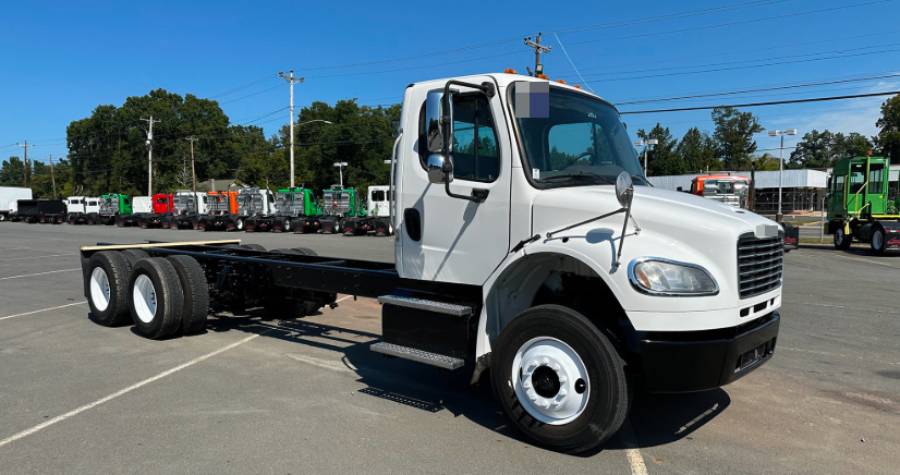
Freightliner M2 transmission problems include hard shifting, gear slipping, delayed engagement, overheating, and failure to shift into gear. These issues can result from low transmission fluid, worn clutch components, faulty sensors, damaged wiring, or internal mechanical failures. The specific causes depend on the truck’s transmission type, operating conditions, and maintenance history.
The Freightliner Business Class M2 uses different transmission configurations, including Allison automatic transmissions and Eaton manual or automated manual systems. Allison transmissions rely on hydraulic pressure, electronic controls, and internal clutch assemblies to manage gear changes. Eaton manual and automated manual transmissions use different clutch and gear-selection mechanisms, making their failure symptoms and repair procedures distinct.
Transmission problems often develop through recognizable warning signs. For example, delayed engagement in an automatic transmission may indicate insufficient hydraulic pressure, while a truck that remains in neutral may have an electrical, clutch actuator, or gear-selection fault. Ignoring these symptoms can increase component wear, cause unexpected downtime, and lead to more expensive repairs.
This guide explains the most common Freightliner M2 transmission problems, their underlying causes, diagnostic procedures, and repair options. It also covers transmission types, repair costs, and preventive maintenance practices to help truck owners and fleet operators identify faults and make informed repair decisions.
What Are the Most Common Freightliner M2 Transmission Problems?
The most common Freightliner M2 transmission problems include hard shifting, transmission slipping, delayed gear engagement, overheating, and unusual transmission noises. These symptoms indicate potential problems with hydraulic pressure, electronic controls, clutch components, or internal gears. The exact failure mechanism depends on whether the truck uses an Allison automatic, Eaton manual, or Eaton automated manual transmission.
1. Hard Shifting. Hard shifting occurs when the transmission changes gears with excessive force, causing noticeable jerking, jolting, or abrupt vehicle movement. In Allison automatic transmissions, possible causes include incorrect hydraulic pressure, malfunctioning shift solenoids, or inaccurate sensor signals. Eaton automated manual transmissions can experience harsh gear changes when clutch actuators malfunction or clutch calibration becomes incorrect. Repeated hard shifting places additional stress on drivetrain components and should be investigated before mechanical damage develops.
2. Transmission Slipping. Transmission slipping occurs when engine speed increases without a corresponding increase in vehicle speed. In an Allison automatic transmission, worn internal clutch assemblies, insufficient hydraulic pressure, or deteriorated transmission fluid can contribute to slipping. In manual and automated manual configurations, a worn or improperly engaging clutch can produce similar symptoms. For example, a Freightliner M2 climbing a hill under load may experience rising engine RPM without the expected acceleration when the transmission or clutch cannot transfer engine torque effectively.
3. Delayed Gear Engagement. Delayed engagement occurs when an automatic transmission takes longer than expected to respond after the driver selects Drive or Reverse. Potential causes include low fluid levels, hydraulic pressure loss, valve body problems, or electronic control faults. A truck that hesitates before moving after selecting Drive requires inspection because delayed engagement can indicate deteriorating transmission performance. On Eaton automated manual systems, delayed gear selection may instead involve clutch actuation or gear-selection controls.
4. Transmission Overheating. Transmission overheating occurs when operating temperatures exceed the transmission manufacturer’s specified limits. Heavy loads, prolonged low-speed operation, inadequate cooling, and fluid-related problems can contribute to excessive heat. High temperatures accelerate transmission fluid degradation and can damage seals, friction materials, and other internal components. For example, a heavily loaded Freightliner M2 operating in stop-and-go traffic may experience elevated transmission temperatures when cooling capacity is insufficient for the operating conditions.
5. Unusual Transmission Noises. Grinding, whining, rattling, or clunking noises can indicate transmission or drivetrain problems. Grinding during gear selection may point to clutch disengagement or internal gear-related faults in manual transmissions, while whining can result from bearing wear or hydraulic-system problems. However, similar noises can originate from driveshaft joints, differential components, or other drivetrain parts. Identifying when the noise occurs—during acceleration, shifting, idling, or deceleration—helps determine whether the transmission is responsible.
These five symptoms provide the starting point for Freightliner M2 transmission diagnosis. The correct repair depends on identifying the underlying fault rather than replacing components based on symptoms alone.
What Causes Freightliner M2 Transmission Problems?
Freightliner M2 transmission problems result from six main causes: low transmission fluid, contaminated fluid, faulty shift solenoids, defective sensors, damaged wiring, and worn mechanical components. These failures interfere with hydraulic pressure, electronic communication, or mechanical power transfer. Allison automatic transmissions are particularly dependent on hydraulic and electronic control systems, while Eaton manual and automated manual transmissions also rely on clutch operation and mechanical gear engagement.
1. Low Transmission Fluid. Low transmission fluid can cause shifting problems in Allison automatic transmissions because hydraulic pressure is required to engage internal clutch assemblies and control gear changes. Fluid loss typically results from leaking seals, damaged transmission cooler lines, loose connections, or deteriorated gaskets. When the fluid level falls below the manufacturer’s specified operating range, the transmission may experience delayed engagement, slipping, or overheating. For example, a leaking transmission cooler line can gradually reduce fluid volume until the truck struggles to engage Drive or Reverse. Fluid levels must be checked using the procedure specified for the installed transmission model.
2. Contaminated or Deteriorated Transmission Fluid. Contaminated transmission fluid can reduce lubrication quality and interfere with hydraulic control components. Heat exposure, oxidation, moisture intrusion, and internal component wear contribute to fluid deterioration. In automatic transmissions, debris can affect valve body passages and solenoid operation, while degraded fluid may reduce the protection provided to bearings, gears, and clutch assemblies. Darkened fluid, a burnt odor, or visible metallic particles can indicate conditions requiring further inspection. However, fluid color alone does not establish whether a transmission needs replacement.
3. Faulty Transmission Shift Solenoids. Faulty shift solenoids can disrupt gear changes in Allison automatic transmissions by interfering with electronically controlled hydraulic circuits. The transmission control module commands solenoids to regulate fluid flow and clutch application during shifting. An electrical failure, damaged solenoid circuit, or hydraulic malfunction can prevent the intended gear change and trigger a transmission fault code. For example, a solenoid circuit fault may cause the control system to restrict transmission operation to protect internal components. Proper diagnosis requires checking fault codes, electrical circuits, and applicable manufacturer test procedures before replacing a solenoid.
4. Defective Transmission Sensors. Transmission sensors provide operating information used to determine gear selection, shift timing, and system protection. Input speed sensors, output speed sensors, and temperature sensors are examples of components used in electronically controlled transmissions. When a sensor sends incorrect or missing information, the control module may calculate gear ratios incorrectly, interrupt shifting, or activate a protective operating mode. For instance, an intermittent output speed sensor signal can prevent the controller from accurately comparing transmission input and output speeds. Diagnostic testing should distinguish sensor failure from wiring faults or mechanical conditions producing similar symptoms.
5. Damaged Wiring and Electrical Connections. Damaged wiring can interrupt communication between transmission components and electronic control modules. Freightliner M2 trucks operate in environments where vibration, moisture, road debris, and temperature changes can affect electrical connections. Corroded terminals, loose connectors, damaged insulation, or broken wires can create intermittent electrical faults. These problems may cause unpredictable shifting, transmission warning messages, or failure to engage a gear. A fault that appears only after driving over rough roads, for example, may indicate an intermittent harness connection rather than an internal transmission failure.
6. Worn Clutch and Internal Mechanical Components. Mechanical wear can cause transmission slipping, abnormal noises, and loss of power transfer. In Eaton manual and automated manual transmissions, clutch friction material gradually wears through repeated engagement, particularly during frequent starts, heavy-load operation, and low-speed maneuvering. Excessive clutch wear can reduce torque transfer and produce slipping under acceleration. In Allison automatic transmissions, worn internal clutch packs, damaged bearings, or other mechanical failures can cause similar performance problems through different mechanisms. Continued operation with a confirmed mechanical fault can spread debris through the transmission and increase repair complexity.
Identifying the actual cause requires matching the symptoms with the installed transmission type, diagnostic fault information, fluid condition, and component test results. A hard-shifting Freightliner M2 does not automatically need a transmission rebuild; the fault may originate from a sensor, electrical connection, hydraulic control component, or clutch system.
Why Is a Freightliner M2 Transmission Not Shifting Gears?
A Freightliner M2 transmission may stop shifting gears because of faulty speed sensors, transmission control faults, damaged wiring, hydraulic pressure problems, or malfunctioning clutch and shift actuators. These failures can prevent the transmission from selecting the correct gear, completing a shift, or transferring engine power to the drivetrain. The underlying cause depends on the installed transmission, since Allison automatic transmissions use electronically controlled hydraulic systems, while Eaton automated manual transmissions use electronically controlled clutch and gear-selection mechanisms.
A transmission that refuses to shift may also be responding to a detected fault rather than experiencing complete mechanical failure. Electronic transmission controllers monitor operating conditions and can restrict gear selection when certain faults occur. Depending on the transmission model and fault severity, the truck may remain in a limited gear range, refuse a requested shift, or prevent gear engagement. Retrieving transmission fault codes and checking the manufacturer’s diagnostic procedures helps determine whether the problem originates from an electrical, hydraulic, or mechanical component.
Why Does a Freightliner M2 Transmission Get Stuck in Gear?
A Freightliner M2 transmission can get stuck in gear when the transmission control system cannot complete a commanded shift or a mechanical component prevents normal gear engagement. Common causes include faulty speed sensors, electrical circuit failures, hydraulic control problems, and shift actuator malfunctions. In Allison automatic transmissions, incorrect sensor information or hydraulic control faults can interfere with clutch application and gear changes. In Eaton automated manual transmissions, a malfunctioning shift actuator or clutch control system can prevent the transmission from moving between gears.
The symptoms depend on the failure mechanism. For example, a truck that remains in a low gear despite increasing engine speed may be operating under a transmission protection strategy. A truck that attempts to shift but produces grinding noises or fails to complete the gear change may have a clutch disengagement or mechanical engagement problem. Diagnostic fault codes, transmission operating data, and the conditions under which the failure occurs help distinguish these faults. Drivers should avoid forcing gear changes or continuing to operate a truck that cannot shift safely.
Why Does a Freightliner M2 Transmission Stay in Neutral?
A Freightliner M2 transmission may remain in Neutral because the control system cannot confirm the conditions required for gear engagement or the transmission cannot mechanically engage the selected gear. Potential causes include faulty gear-selection signals, damaged wiring, insufficient hydraulic pressure in an automatic transmission, and clutch or shift actuator faults in an automated manual transmission. The transmission controller may also inhibit engagement when it detects a fault that prevents safe operation.
For example, an Eaton automated manual transmission may refuse to engage a driving gear when the clutch actuator fails to complete the required movement or the controller cannot verify gear-selection status. An Allison automatic transmission may experience a no-drive condition when hydraulic pressure is insufficient to apply the necessary internal clutch assemblies. Although both conditions can leave the truck unable to move, their diagnostic procedures and repair requirements differ substantially.
Diagnosing a transmission stuck in Neutral begins with verifying the selected gear, checking dashboard warnings, and retrieving available transmission fault codes. Technicians should then inspect the relevant electrical circuits, control inputs, and transmission-specific components according to manufacturer procedures. A truck that unexpectedly loses drive or cannot engage a gear should be secured in a safe location and professionally inspected before returning to service.
How Do You Diagnose Freightliner M2 Transmission Problems?
Diagnosing Freightliner M2 transmission problems requires five primary checks: identifying the transmission model, inspecting transmission fluid, retrieving fault codes, testing electrical components, and evaluating mechanical operation. These checks help distinguish hydraulic failures, electronic control problems, and internal mechanical damage before replacing expensive components. The diagnostic procedure must match the installed transmission because Allison automatic and Eaton manual or automated manual transmissions use different operating systems.
Start by identifying the transmission manufacturer and model through the vehicle identification information, transmission identification plate, or service documentation. Record the symptoms, including when shifting problems occur, which gears are affected, and whether warning indicators appear. For example, a transmission that shifts normally when cold but develops delayed engagement after reaching operating temperature may require different tests than one that refuses to engage any gear immediately after startup. Technicians should also inspect for external leaks, damaged wiring, and loose electrical connections before performing advanced diagnostics.
How Do You Check Freightliner M2 Transmission Fluid?
To check Freightliner M2 transmission fluid, identify the transmission model, follow its specified temperature and operating conditions, and verify the fluid level using the manufacturer’s approved procedure. Allison automatic transmissions may use a dipstick or an electronic fluid-level checking function, depending on the model and configuration. Eaton manual and automated manual transmissions generally require different inspection methods, including checking lubricant levels through designated service openings.
For an Allison automatic transmission equipped with a dipstick, the correct checking procedure depends on the transmission series and its service instructions. Some procedures require the engine to idle, the transmission to be in Neutral, and the fluid to reach a specified operating temperature. Checking fluid under incorrect conditions can produce misleading readings because fluid volume changes with temperature. The transmission should be parked securely, and technicians must follow the manufacturer’s safety requirements before accessing components.
Inspect the fluid for evidence of contamination, overheating, or abnormal wear. A burnt odor, visible metallic particles, or fluid mixed with coolant can indicate conditions requiring further diagnosis. Low fluid levels may result from leaking seals, cooler lines, or transmission connections. However, adding fluid without identifying the source of a leak does not resolve the underlying problem. Use only the fluid specification approved for the installed transmission, since Allison automatic transmission fluid requirements differ from those of Eaton manual and automated manual units.
How Do You Read Freightliner M2 Transmission Fault Codes?
To read Freightliner M2 transmission fault codes, connect a compatible heavy-duty diagnostic scan tool, access the transmission control system, and retrieve active and stored diagnostic trouble codes. Suitable diagnostic equipment must support the truck’s electronic communication system and the installed transmission controller. Depending on the configuration, technicians may use Allison DOC, Eaton ServiceRanger, or compatible diagnostic software to access transmission-specific information.
Diagnostic trouble codes identify detected operating abnormalities rather than automatically confirming a failed component. For example, a speed sensor circuit fault may result from a defective sensor, damaged wiring, corroded terminals, or an interrupted electrical connection. Similarly, a shift solenoid-related fault can involve the solenoid itself, its electrical circuit, or associated control components. Technicians should record the complete fault code, its status, and available operating data before clearing any diagnostic information.
After retrieving the codes, follow the transmission manufacturer’s troubleshooting procedures to test the affected circuits and components. Electrical diagnosis may include checking connector condition, wiring continuity, supply voltage, ground connections, and sensor signals where specified. Mechanical and hydraulic diagnosis may require pressure testing, clutch operation checks, or transmission-specific functional tests. For instance, a no-shift condition accompanied by an actuator fault on an Eaton automated manual transmission should direct attention toward the clutch or gear-selection control system rather than automatic-transmission hydraulic components.
Stop operating the truck when the transmission unexpectedly loses drive, repeatedly disengages gears, produces severe mechanical noises, or displays a critical overheating warning. Continued operation under these conditions can create a safety hazard and increase internal damage. Once the fault is identified and repaired, technicians should verify normal gear engagement, confirm that relevant fault codes do not return, and perform an appropriate operational test before releasing the truck for service.
How Do You Fix Freightliner M2 Transmission Problems?
Fixing Freightliner M2 transmission problems involves correcting fluid-related faults, repairing electrical connections, replacing defective sensors or solenoids, servicing clutch components, or repairing internal transmission damage. The appropriate solution depends on the confirmed failure, transmission model, and condition of the affected components. Minor electrical and maintenance-related problems may require targeted repairs, while severe mechanical damage can require a transmission rebuild or replacement.
Before beginning repairs, technicians should identify the installed transmission and review its diagnostic fault codes, fluid condition, and operating symptoms. Allison automatic transmissions require different repair procedures from Eaton manual and automated manual transmissions. For example, an Allison transmission with a confirmed solenoid circuit failure may need electrical or solenoid repairs, while an Eaton automated manual transmission that cannot engage a gear may require clutch actuator diagnosis and calibration. Replacing components without confirming the cause can leave the original problem unresolved.
How Do You Fix Minor Freightliner M2 Transmission Problems?
Minor Freightliner M2 transmission problems are repaired by addressing fluid leaks, correcting improper fluid levels, repairing damaged wiring, and replacing confirmed faulty electronic components. These repairs generally do not require complete transmission disassembly, although component accessibility and labor requirements vary by transmission model.
Transmission fluid service is appropriate when fluid replacement is due under the manufacturer’s maintenance schedule or when diagnosis identifies a fluid-related issue that service can correct. Technicians must use the specified fluid type, replace filters where required, and follow the correct filling procedure. For example, an Allison automatic transmission with a leaking cooler connection may require repairing the connection, restoring the proper fluid level, and verifying hydraulic operation. However, a fluid change cannot restore worn clutch friction material or repair damaged internal gears.
Electrical repairs involve inspecting transmission wiring harnesses, connectors, sensors, and control circuits. Corroded terminals, damaged wires, and loose connections can interrupt signals between the transmission controller and operating components. When testing confirms a defective speed sensor or shift solenoid, replacing the affected component may restore normal operation. Fault codes should be checked again after repairs, and the transmission should be tested under appropriate operating conditions to confirm that the original symptoms have disappeared.
Eaton automated manual transmissions may also require clutch actuator repair, clutch adjustment, or calibration procedures. A malfunctioning actuator can prevent proper clutch disengagement and interfere with gear selection. After replacing applicable clutch or actuator components, technicians must perform the manufacturer-specified calibration or learning procedure when required. Incorrect calibration can cause harsh engagement, incomplete shifts, or continued transmission fault warnings.
When Does a Freightliner M2 Transmission Need Rebuilding or Replacement?
A Freightliner M2 transmission needs rebuilding or replacement when confirmed internal mechanical damage prevents reliable operation and targeted component repairs are insufficient. Conditions that may justify major repairs include severely worn clutch assemblies, damaged gears, failed bearings, extensive internal contamination, or recurring hydraulic failures caused by internal component deterioration. The decision depends on the transmission’s condition, available replacement parts, repair cost, and expected service life.
A transmission rebuild involves disassembling the unit, inspecting internal components, replacing damaged or worn parts, and restoring the assembly to the applicable service specifications. In an Allison automatic transmission, rebuilding may involve internal clutch assemblies, seals, bearings, and hydraulic control components. Eaton manual and automated manual transmission repairs may involve gears, synchronizer components where fitted, shafts, bearings, and other mechanical assemblies. The required work depends on the specific transmission design and inspection findings.
Transmission replacement is an alternative when internal damage is extensive, rebuilding is economically impractical, or a suitable remanufactured unit offers better value. For example, a transmission containing widespread metallic debris from a major bearing or gear failure may require extensive internal repairs. Installing a compatible remanufactured transmission can reduce repair complexity, although total downtime depends on parts availability and installation requirements. Replacement units must match the truck’s transmission configuration and applicable electronic controls.
Before approving a rebuild or replacement, truck owners should request a written diagnosis and compare repair estimates, warranty coverage, parts availability, and expected downtime. Technicians should also identify external causes that could damage the repaired transmission, including cooling-system restrictions, contaminated cooler circuits, or unresolved electrical faults.
A successful Freightliner M2 transmission repair must eliminate the original failure and restore reliable shifting under normal operating conditions. After major repairs, technicians should complete required programming or calibration, verify fluid levels, inspect for leaks, and conduct appropriate operational testing. Confirming that diagnostic faults do not return helps reduce the risk of repeated transmission failures.
Which Transmission Types Are Used in Freightliner M2 Trucks?
Freightliner M2 trucks use three main transmission types: Allison automatic transmissions, Eaton manual transmissions, and Eaton automated manual transmissions. Transmission availability depends on the truck’s model year, engine, vehicle configuration, and intended application. These transmission systems use different methods to control gear changes, which directly affects their failure symptoms, diagnostic procedures, and maintenance requirements.
Allison Automatic Transmissions
Allison automatic transmissions are used in numerous Freightliner Business Class M2 configurations, particularly trucks designed for delivery, utility, vocational, and other commercial applications. Depending on the vehicle configuration, Allison 1000, 2000, and 3000 Series transmissions are among the units associated with the M2 platform. These transmissions use a torque converter, hydraulically operated clutch assemblies, and electronic controls to manage gear engagement and shifting.
Allison transmission problems commonly involve hydraulic pressure, electronic control components, fluid condition, or internal clutch wear. For example, a malfunctioning shift solenoid can interfere with hydraulic clutch application, resulting in abnormal shifting or restricted transmission operation. Proper diagnosis requires identifying the exact Allison model because fluid specifications, diagnostic procedures, and internal components differ between transmission series.
Eaton Manual Transmissions
Eaton manual transmissions have been offered in Freightliner M2 configurations requiring direct driver control over gear selection. These transmissions use a driver-operated clutch and mechanical gear-selection system rather than the electronically controlled hydraulic shifting mechanisms found in Allison automatics. Their operation depends on proper clutch disengagement, gear engagement, and lubrication of internal mechanical components.
Common problems include clutch slipping, difficult gear engagement, grinding during shifts, and abnormal bearing noises. For example, a worn clutch may allow engine RPM to increase without transferring the expected torque to the drivetrain. A clutch that fails to disengage completely can also make gear selection difficult. Diagnosing these symptoms requires inspecting clutch operation, linkage components, lubricant condition, and internal transmission wear.
Eaton Automated Manual Transmissions
Eaton automated manual transmissions combine a mechanical transmission with electronically controlled clutch and gear-selection functions. Certain Freightliner M2 configurations have used Eaton automated manual systems, including applicable UltraShift models. Unlike conventional manual transmissions, these systems automate shifting through electronic controls and actuators, reducing the need for direct driver clutch operation.
Automated manual transmission problems can involve clutch actuators, gear-selection actuators, speed sensors, wiring, or electronic control faults. For example, a faulty clutch actuator may prevent the transmission from engaging a driving gear, leaving the truck in Neutral despite a gear-selection request. Some repairs also require manufacturer-specified clutch calibration or electronic setup procedures to restore normal operation.
Identifying the exact transmission model is essential before diagnosing Freightliner M2 transmission problems. Owners and technicians can use the transmission identification plate, vehicle build records, or manufacturer service information to confirm the installed unit. This prevents incorrect fluid selection, incompatible replacement parts, and unnecessary repairs based on procedures intended for a different transmission type.
Read more: Freightliner Cascadia Fault Codes: Meanings & Fixes
How Much Does It Cost to Repair a Freightliner M2 Transmission?
Freightliner M2 transmission repair costs depend on the transmission model, damaged components, labor requirements, and whether the unit needs minor repairs, rebuilding, or complete replacement. Electrical repairs and routine transmission service generally cost less than internal mechanical repairs because they require less disassembly. Allison automatic, Eaton manual, and Eaton automated manual transmissions also have different parts and labor requirements.
The final repair estimate should include diagnostic labor, replacement components, transmission fluid, applicable programming or calibration, and operational testing. Commercial truck repair rates vary by location and service provider, while specialized transmission components can increase the total expense. Fleet operators should also consider vehicle downtime because an out-of-service truck can create additional operating costs beyond the repair invoice.
How Much Do Minor Freightliner M2 Transmission Repairs Cost?
Minor Freightliner M2 transmission repairs can range from a few hundred dollars to more than $1,000, depending on the component and labor involved. These are broad budgeting estimates rather than verified model-specific prices. Common repairs include transmission fluid service, sensor replacement, electrical wiring repairs, and certain solenoid-related repairs. The final cost depends on the installed transmission, component accessibility, and the extent of diagnostic testing required.
Transmission fluid and filter service costs vary according to fluid capacity, approved lubricant specifications, and filter configuration. Allison automatic transmissions may require different fluid quantities and service procedures from Eaton manual or automated manual transmissions. For example, servicing a transmission with a larger fluid capacity and multiple filters generally involves greater material costs than servicing a smaller unit. Repairing a fluid leak can also increase the expense when damaged seals, cooler lines, or connections require replacement.
Electrical repairs depend on whether the problem involves an accessible sensor, damaged connector, wiring harness, or internal transmission component. Replacing an external speed sensor may require relatively limited labor, while repairing an intermittent wiring fault can involve extensive circuit testing. Solenoid repairs may also require additional disassembly, depending on the Allison transmission model and component location. A complete diagnostic assessment helps prevent unnecessary parts replacement and repeated labor charges.
How Much Does a Freightliner M2 Transmission Rebuild or Replacement Cost?
A Freightliner M2 transmission rebuild or replacement can cost several thousand dollars, with major repairs potentially exceeding $10,000, depending on the transmission model, internal damage, replacement unit, and labor requirements. These figures are general planning ranges, not confirmed quotations for a specific Freightliner M2 configuration. A reliable estimate requires identifying the transmission model and obtaining pricing from a qualified commercial transmission repair facility.
A transmission rebuild involves disassembly, inspection, replacement of damaged internal components, reassembly, and testing. Costs increase when the repair requires clutch assemblies, gear sets, shafts, bearings, hydraulic components, or extensive internal cleaning. For example, rebuilding an Allison automatic transmission with significant internal clutch damage may involve different parts and labor than repairing an Eaton manual transmission with damaged gears and bearings.
Complete replacement involves installing a compatible new, remanufactured, or used transmission. Remanufactured units are rebuilt to defined specifications and may include warranty coverage, while used transmissions have different histories and warranty conditions. The total replacement expense also includes removal, installation, fluid, related components, and any required electronic setup. Core charges and refundable deposits may affect the initial invoice when purchasing a remanufactured transmission.
Truck owners should compare the total cost of rebuilding and replacement rather than focusing only on the transmission purchase price. A rebuild may be economical when internal damage is limited and replacement parts are readily available. Replacement may offer better value when the existing transmission has extensive damage or a compatible remanufactured unit provides suitable warranty protection.
The most reliable way to estimate Freightliner M2 transmission repair costs is to obtain a diagnosis and itemized quotation for the exact transmission model. The estimate should identify required parts, labor hours, warranty terms, and expected downtime. This allows owners and fleet managers to compare repair options without committing to an unnecessary transmission replacement.
How Can You Prevent Freightliner M2 Transmission Problems?
Preventing Freightliner M2 transmission problems requires following the correct maintenance schedule, using approved transmission fluid, controlling operating temperatures, avoiding excessive drivetrain stress, and addressing early warning signs. These practices reduce preventable wear in hydraulic systems, clutch assemblies, bearings, gears, and electronic transmission components. Maintenance requirements differ between Allison automatic, Eaton manual, and Eaton automated manual transmissions, so the installed transmission model determines the appropriate service procedures.
Follow the Manufacturer’s Transmission Maintenance Schedule
Freightliner M2 transmission fluid and filter service intervals depend on the transmission model, lubricant specification, operating conditions, and duty cycle. Allison automatic transmissions have model-specific maintenance requirements that differ from those of Eaton manual and automated manual units. Trucks operating in frequent stop-and-go traffic, heavy vocational service, or demanding temperature conditions may require different maintenance schedules from vehicles operating primarily on highways.
For example, a Freightliner M2 used for urban delivery experiences frequent acceleration, braking, and gear changes, placing different demands on its transmission than a truck operating at steady highway speeds. Owners should consult the applicable Allison or Eaton maintenance documentation rather than applying a universal mileage-based service interval to every Freightliner M2.
Use the Correct Transmission Fluid and Maintain Proper Fluid Levels
Using manufacturer-approved transmission fluid helps protect internal components and maintain the operating characteristics required by the transmission design. Allison automatic transmissions depend on fluid for hydraulic control, lubrication, and heat transfer, while Eaton manual and automated manual transmissions have different lubrication requirements. Using an incompatible fluid can affect component protection and transmission operation.
Transmission fluid levels should be checked according to the manufacturer’s specified procedure. Low fluid levels in an Allison automatic transmission can interfere with hydraulic pressure and increase operating temperatures. External leaks around cooler lines, seals, fittings, and transmission connections should be repaired promptly. Fluid inspection should also identify contamination, abnormal debris, or signs of overheating that warrant further diagnosis.
Prevent Transmission Overheating
Transmission overheating can accelerate fluid deterioration and damage internal components. Maintaining the transmission cooling system, respecting vehicle load ratings, and monitoring operating temperatures help reduce thermal stress. In automatic transmissions, inadequate cooling or excessive heat generation can affect fluid performance and internal clutch durability.
For example, a heavily loaded Freightliner M2 operating in repeated stop-and-go conditions may place greater thermal demands on its transmission than the same truck traveling at a consistent highway speed. Drivers should respond to transmission temperature warnings according to the vehicle manufacturer’s instructions. Repeated overheating requires inspection of the cooling system, fluid condition, and underlying operating or mechanical faults.
Avoid Driving Habits That Increase Transmission Wear
Proper driving practices reduce unnecessary stress on transmission and clutch components. Drivers should avoid exceeding the truck’s rated operating limits, forcing gear changes, or using excessive throttle to overcome engagement problems. On manual transmissions, incomplete clutch disengagement and prolonged clutch slipping can accelerate friction material wear. Automated manual transmissions also require operating practices consistent with their clutch and gear-selection systems.
For example, holding a loaded truck stationary on an incline using engine throttle instead of the service brake can create excessive clutch heat in applicable manual or automated manual configurations. Drivers should follow the transmission manufacturer’s hill-start and low-speed maneuvering instructions to minimize clutch wear.
Inspect Early Transmission Warning Signs
Early diagnosis helps prevent minor transmission faults from developing into more extensive failures. Warning signs include delayed engagement, harsh shifting, unexpected gear changes, fluid leaks, unusual noises, overheating warnings, and transmission-related fault messages. These symptoms should be documented and investigated before the truck returns to demanding service.
A Freightliner M2 that occasionally hesitates during gear selection, for example, may have an intermittent electrical connection, sensor problem, or developing clutch-related fault. Recording the operating conditions and retrieving diagnostic fault codes can help technicians identify the cause before the problem becomes more severe.
Consistent maintenance and early fault detection are the most effective practical measures for reducing avoidable Freightliner M2 transmission problems. Truck owners and fleet operators should maintain service records, follow transmission-specific maintenance requirements, and arrange professional diagnosis when abnormal shifting or warning indicators appear. These practices support reliable transmission operation and reduce the risk of unexpected vehicle downtime.