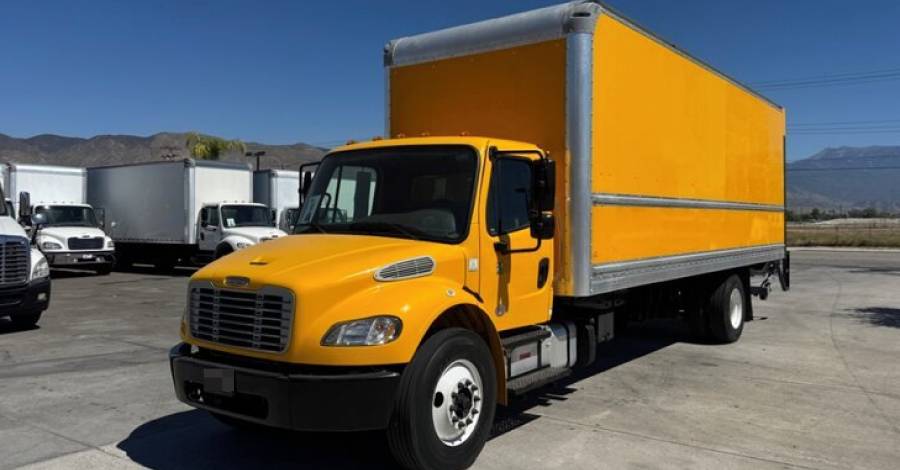
The Freightliner M2 Range Inhibit warning means the transmission control system is preventing a requested gear change because specific operating conditions have not been met. This warning commonly appears on Freightliner M2 trucks equipped with Allison automatic transmissions when the transmission cannot safely engage the selected gear. High engine RPM, vehicle speed, transmission operating conditions, or electrical faults may contribute to the problem.
The Range Inhibit indicator does not automatically mean the transmission is damaged. The transmission control module (TCM) monitors operating parameters and determines whether a requested shift is permitted. For example, selecting Drive or Reverse while engine speed is too high may cause the system to inhibit gear engagement until acceptable conditions are restored. However, persistent warnings accompanied by shifting difficulties may indicate problems involving transmission sensors, electrical connections, or control-system components.
Fixing Freightliner M2 Range Inhibit starts with identifying why the transmission rejected the shift request. Initial checks include engine idle speed, gear selection conditions, transmission fluid condition, and stored diagnostic trouble codes. This guide explains the warning’s meaning, common causes, symptoms, diagnostic procedures, repair options, and driving safety considerations to help truck owners and technicians determine the appropriate next steps.
What Does Range Inhibit Mean on a Freightliner M2?
Range Inhibit on a Freightliner M2 means the transmission control module (TCM) has temporarily blocked a requested gear selection or shift because the required operating conditions have not been satisfied. This function protects the transmission from potentially damaging gear engagements. It is commonly associated with Allison automatic transmissions installed in Freightliner M2 trucks, including the M2 106 and M2 112.
The transmission control system continuously monitors inputs such as engine speed, vehicle speed, selected gear, and transmission operating conditions. When a driver requests Drive or Reverse, the TCM evaluates whether the shift can occur within programmed limits. If the conditions are unsuitable, the system inhibits the shift and activates the Range Inhibit indicator. For example, selecting Reverse while the truck is still moving forward may prevent the transmission from engaging the requested range.
A Range Inhibit warning does not necessarily indicate transmission failure. The indicator can appear during normal transmission protection and disappear once acceptable shift conditions are restored. However, a warning that remains active or repeatedly appears during normal operation requires further investigation. Faulty sensor signals, electrical communication problems, or transmission control faults may interfere with proper gear selection.
The distinction between normal range inhibition and a transmission malfunction depends on the circumstances surrounding the warning. A brief indication following an inappropriate shift request differs from a persistent warning accompanied by an inability to engage Drive or Reverse. Identifying this difference helps determine whether the truck requires an operating adjustment or a technical diagnosis.
What Causes the Range Inhibit Warning on a Freightliner M2?
The Freightliner M2 Range Inhibit warning can result from three main categories of conditions: prohibited shift requests, transmission operating problems, and electrical or control-system faults. The exact cause depends on the installed Allison transmission model, its control calibration, and the conditions present when the warning appears. Identifying the triggering condition is essential because Range Inhibit is a transmission control response rather than a diagnosis of a specific failed component.
Can High Engine RPM or Vehicle Speed Trigger Range Inhibit?
High engine RPM or an incompatible vehicle speed can trigger Range Inhibit when the driver requests a gear change outside the transmission’s permitted operating limits. Allison automatic transmissions use programmed shift-inhibit logic to prevent gear engagements that could damage internal components or create unsafe vehicle movement.
For example, attempting to shift from Neutral into Drive while the engine is operating above the permitted engagement speed may cause the TCM to reject the request. Similarly, selecting Reverse while the truck is moving forward can activate range inhibition because the requested direction conflicts with vehicle movement. The transmission may remain in its current range until acceptable conditions are established.
The appropriate response is to bring the truck to a complete stop when changing direction, apply the service brake, allow the engine to return to normal idle, and select the intended gear according to the transmission’s operating instructions. The exact engagement limits vary by transmission model and calibration.
Can Transmission Fluid Problems Cause Range Inhibit?
Transmission fluid problems can contribute to shifting difficulties and transmission faults associated with Range Inhibit, although low fluid level or high fluid temperature does not automatically activate the warning on every Allison transmission. The relationship depends on the transmission model, the fault detected, and its programmed response.
Allison automatic transmissions rely on transmission fluid for hydraulic pressure, lubrication, and heat transfer. Insufficient fluid can disrupt hydraulic operation, while excessive fluid temperature can affect transmission performance and trigger protective strategies. Contaminated or deteriorated fluid can also contribute to internal component wear and inconsistent shifting.
For example, a Freightliner M2 experiencing delayed gear engagement alongside transmission-related fault codes may require inspection of fluid level, fluid condition, and operating temperature. Fluid level must be checked using the procedure specified for the installed Allison transmission, since measurement conditions and temperature requirements differ between models. A fluid problem should be confirmed through inspection and diagnostic evidence rather than assumed from the Range Inhibit indicator alone.
Can Faulty Sensors, Wiring, or the TCM Cause Range Inhibit?
Faulty transmission sensors, damaged wiring, or TCM-related problems can cause Range Inhibit when the control system receives incorrect operating information or detects a fault that restricts gear selection. The TCM depends on reliable electrical signals to evaluate transmission conditions and authorize requested shifts.
Transmission-related sensors provide information about operating parameters such as rotational speed and temperature. Damaged wiring, corroded connectors, loose electrical connections, or communication faults can interrupt these signals. When the TCM cannot verify the conditions required for a shift, its programmed fault response may prevent the requested gear from engaging.
For example, an intermittent electrical connection in a transmission wiring harness may produce inconsistent shifting behavior and stored diagnostic trouble codes. A driver may notice that the Range Inhibit warning appears repeatedly even when the engine is idling normally and the truck is stationary. Reading active and historical transmission fault codes helps identify whether an electrical or control-system issue is involved.
A defective TCM is another possible cause, but it should not be considered the primary suspect without supporting diagnostic evidence. Sensor faults, wiring damage, power supply problems, and communication errors can produce similar symptoms. Technicians should verify the relevant circuits and fault information before considering TCM replacement.
What Symptoms Can Occur With Freightliner M2 Range Inhibit?
The most common symptoms associated with Freightliner M2 Range Inhibit are rejected gear selections, failure to engage Drive or Reverse, the transmission remaining in Neutral, and repeated Range Inhibit warnings. These symptoms occur when the transmission control module (TCM) prevents a requested shift or when an underlying fault interferes with normal gear engagement. The exact symptoms depend on the installed Allison transmission and the operating conditions that trigger the warning.
One noticeable symptom is the truck remaining in Neutral after the driver selects Drive or Reverse. The gear selector may register the requested range, but the transmission does not engage it because the TCM has determined that the required conditions are not satisfied. For example, attempting to select Drive while engine RPM is above the permitted engagement threshold can result in a rejected shift. The driver may see the Range Inhibit indicator while the truck remains stationary.
Repeated Range Inhibit warnings during normal shifting conditions can indicate a problem that requires diagnosis. The warning may appear intermittently, disappear after the operating conditions change, and return during a later gear selection. This behavior can occur when electrical connections, sensor signals, or transmission control inputs are inconsistent. However, the warning alone cannot identify which component is responsible.
Additional symptoms may include delayed gear engagement, an illuminated Check Transmission indicator, or stored transmission diagnostic trouble codes (DTCs). These symptoms do not always occur together, and their presence does not confirm internal transmission damage. Recording when the warning appears, which gear was selected, whether the truck was moving, and whether other warning indicators were active provides useful information for identifying the underlying cause.
How Do You Diagnose Range Inhibit on a Freightliner M2?
Diagnosing Freightliner M2 Range Inhibit requires checking shift conditions, inspecting transmission fluid, retrieving transmission fault codes, and testing relevant electrical components. The diagnostic process should begin with operating conditions that can normally inhibit a shift before progressing to component-level testing. This sequence helps distinguish transmission protection behavior from electrical, hydraulic, or control-system faults.
The first step is to identify the transmission model and record the conditions under which the warning appears. Freightliner M2 trucks can have different Allison transmission configurations, and diagnostic procedures vary by model and calibration. Technicians should document the selected gear, engine RPM, vehicle speed, warning indicators, and any changes in transmission behavior before performing further tests.
How Do You Check Transmission Fluid and Shift Conditions?
Check transmission shift conditions by verifying that the truck is stationary when changing direction, the engine is operating at the permitted idle speed, and the requested gear is appropriate for the vehicle’s operating state. The TCM evaluates these conditions before allowing certain gear engagements. A shift request made outside programmed limits may activate Range Inhibit without indicating a mechanical defect.
Park the truck on a level surface, secure it against unintended movement, and follow the manufacturer’s instructions for the installed transmission. When changing between Drive and Reverse, bring the vehicle to a complete stop, apply the service brake, and allow the engine to return to normal idle before selecting the intended range. If the warning disappears and the transmission engages normally, the original shift request may have been inhibited because of operating conditions. A warning that persists under permitted conditions requires additional diagnosis.
Transmission fluid inspection helps identify hydraulic or temperature-related problems that may accompany shifting difficulties. Allison automatic transmissions depend on correctly specified fluid at the proper level to maintain hydraulic pressure, lubricate components, and control operating temperature. Low fluid level, fluid leakage, or abnormal fluid condition can contribute to transmission problems, although these findings do not independently establish the cause of Range Inhibit.
Inspect the transmission and surrounding components for visible leaks, then check fluid level using the procedure specified for the installed Allison transmission. Some models support an electronic fluid-level check, while others require a particular manual inspection procedure. Fluid temperature, engine operating state, and vehicle position can affect measurement accuracy. Use the specified transmission fluid and correct any verified level or condition problems before evaluating whether additional faults remain.
How Do You Read Allison Transmission Fault Codes?
Read Allison transmission fault codes using a compatible diagnostic tool, such as Allison DOC, to identify active or previously recorded faults that may be associated with Range Inhibit. Transmission diagnostic trouble codes provide information about detected electrical, mechanical, hydraulic, and control-system abnormalities. However, not every Range Inhibit event generates a fault code because some shift-inhibit conditions are part of normal transmission operation.
Connect the diagnostic equipment through the truck’s supported diagnostic interface and establish communication with the transmission control module. Retrieve active and historical fault codes, record their descriptions and available diagnostic details, and review the operating conditions associated with each fault. Active codes indicate faults currently recognized by the control system, while historical codes document previously detected conditions that may help investigate intermittent problems.
For example, a stored fault related to a transmission speed signal may direct the technician toward sensor data, wiring integrity, or signal communication. A fault involving transmission control communication requires a different diagnostic approach. The exact interpretation must follow the Allison diagnostic documentation for the installed transmission and its control-system configuration.
Do not clear transmission fault codes before recording and evaluating them. Clearing codes can remove useful diagnostic information without correcting the underlying problem. After completing a verified repair, technicians can follow the applicable diagnostic procedure to clear eligible codes and confirm whether the fault returns. If Range Inhibit continues without relevant fault codes, further investigation of operating conditions and live transmission data may be necessary.
How Do You Inspect Transmission Sensors and Wiring?
Inspect transmission sensors and wiring by checking electrical connectors, harness condition, power supply, ground circuits, and sensor signals associated with the stored faults or observed symptoms. The TCM relies on accurate electrical inputs to determine whether a requested shift is permitted. Damaged wiring or unreliable signals can interfere with transmission control and may cause repeated gear-selection problems.
Begin with a visual inspection of accessible transmission wiring and connectors after securing the vehicle and following the appropriate electrical safety procedures. Look for damaged insulation, loose connector locks, corrosion, moisture intrusion, and harness sections exposed to excessive heat or vibration. Wiring routed near the transmission can experience mechanical stress, making connector condition and harness protection important inspection points.
For example, an intermittent connection affecting a transmission speed sensor circuit may cause inconsistent speed information to reach the TCM. Depending on the transmission calibration and detected fault, the control system may restrict certain transmission functions. Technicians should compare live sensor readings with expected operating values and use the applicable wiring diagram to determine whether the problem originates in the sensor, connector, harness, or control circuit.
Electrical testing should follow manufacturer specifications rather than relying on visual inspection alone. A connector may appear undamaged while having excessive resistance, poor terminal contact, or an intermittent open circuit. Qualified technicians can use appropriate diagnostic equipment to check circuit continuity, voltage, and signal integrity where the manufacturer’s procedure permits those tests.
TCM replacement should be considered only after related sensors, wiring, power supply, ground connections, and communication circuits have been evaluated. A control module may appear faulty when an external electrical problem prevents it from receiving reliable information. Confirming the actual failure prevents unnecessary component replacement and reduces the risk of the Range Inhibit warning returning after repair.
How Do You Fix Range Inhibit on a Freightliner M2?
Fixing Freightliner M2 Range Inhibit requires correcting the operating condition or transmission fault that prevents the requested gear from engaging. The appropriate repair depends on whether the warning results from an improper shift request, a transmission fluid problem, an electrical malfunction, or a control-system fault. A Range Inhibit warning alone does not identify a failed component, so repairs should follow the results of the diagnostic process.
Correcting improper shift conditions is the first step when Range Inhibit appears during gear selection. Bring the truck to a complete stop before changing between Drive and Reverse, apply the service brake, and allow the engine to return to its normal idle speed. Select the intended gear according to the transmission manufacturer’s operating instructions. For example, a shift request rejected because engine RPM exceeds the permitted engagement threshold may be accepted once engine speed returns to the allowable range. Do not repeatedly force gear selections when the warning remains active.
Transmission fluid problems require correction when inspection confirms an improper fluid level, leakage, contamination, or another fluid-related fault. Allison automatic transmissions depend on the specified transmission fluid to support hydraulic operation, lubrication, and temperature control. Repair confirmed leaks, adjust fluid level using the correct measurement procedure, and replace fluid or filters when required by the applicable service instructions. Adding fluid without verifying the level can create an overfill condition and additional transmission problems. Fluid service should not be treated as a guaranteed Range Inhibit repair unless diagnostic findings establish a connection.
Electrical repairs should target the specific sensor, connector, or wiring circuit identified during diagnosis. Damaged wiring can interrupt signals used by the transmission control module to evaluate shift conditions. Repair compromised harness sections, correct poor electrical connections, and replace defective sensors only after testing confirms the fault. For example, a transmission speed sensor circuit with an intermittent connection may require connector repair rather than sensor replacement. After the repair, verify that the TCM receives accurate operating information and that the transmission responds correctly to permitted shift requests.
Professional transmission service is necessary when Range Inhibit persists despite correct operating conditions and verified external components. A qualified technician can evaluate active fault codes, live transmission data, hydraulic operation, control-module communication, and applicable calibration requirements. Internal transmission repairs or TCM replacement should be performed only when supported by diagnostic evidence. Once the underlying issue has been corrected, confirm normal gear engagement and check whether related fault codes or warning indicators return.
How Do You Reset the Range Inhibit Warning on a Freightliner M2?
The Freightliner M2 Range Inhibit warning may clear automatically when the operating conditions preventing a shift are corrected. A normal shift-inhibit event does not necessarily require a diagnostic reset because the transmission control module can permit the requested range once the relevant conditions satisfy its programmed requirements. However, persistent warnings associated with active transmission faults require diagnosis and repair rather than repeated reset attempts.
To address a warning caused by an improper shift request, safely stop the truck, apply the service brake, and allow the engine to return to normal idle. Follow the installed transmission’s operating instructions before selecting the intended gear again. For example, Range Inhibit triggered by an attempted direction change while the vehicle is moving may disappear once the truck is stationary and the transmission permits the requested selection. If the transmission still refuses to engage, stop attempting repeated shifts and investigate the cause.
Clearing diagnostic trouble codes does not repair the condition responsible for Range Inhibit. Compatible diagnostic equipment, including Allison DOC, can retrieve transmission fault information and perform supported diagnostic functions. After a confirmed repair, a technician can clear eligible stored codes according to the manufacturer’s procedure. Active faults may remain or return immediately when the underlying electrical, hydraulic, or control-system problem has not been corrected.
Disconnecting the battery or repeatedly cycling the ignition should not be used as a substitute for transmission diagnosis. These actions do not establish why a shift was inhibited and may disrupt useful diagnostic information or other vehicle systems. If Range Inhibit remains active, the truck cannot engage the requested gear, or additional transmission warnings appear, the appropriate next step is to inspect the relevant fault codes and operating data.
A successful Range Inhibit repair is confirmed by normal transmission operation, not simply by the warning light turning off. The transmission should accept permitted gear selections, engage the requested range correctly, and operate without recurring related faults. Verification should follow the applicable Allison service procedure and be performed under safe operating conditions.
Can You Drive a Freightliner M2 With the Range Inhibit Warning On?
You should not continue driving a Freightliner M2 with an active Range Inhibit warning until you confirm that the transmission has engaged the intended gear and is operating normally. The warning can indicate a normal transmission protection function, but it can also accompany faults that prevent proper gear engagement. Whether the truck can be operated safely depends on the conditions triggering the warning, the transmission’s response, and any additional symptoms.
A temporary Range Inhibit indication does not automatically require transmission repair. For example, selecting Reverse while the truck is still moving forward may cause the transmission control module to reject the shift. Once the vehicle stops and the driver selects the appropriate gear under permitted operating conditions, the warning may disappear. If the transmission engages normally and no other faults are present, the original event may have resulted from normal shift-inhibit logic rather than a mechanical failure.
Stop operating the truck and request professional assistance when Range Inhibit persists, the transmission cannot engage the requested gear, or unexpected shifting behavior occurs. These symptoms may indicate an electrical, hydraulic, or control-system problem requiring further diagnosis. A truck that remains in Neutral despite selecting Drive cannot be assumed ready to move, while unpredictable gear engagement can create a safety hazard during vehicle operation.
Additional warning indicators, unusual transmission noises, fluid leaks, or abnormal transmission temperatures strengthen the need for inspection. If the warning appears while driving, maintain control of the vehicle and move to a safe stopping location when conditions permit. Do not attempt repeated gear changes, disconnect electrical components, or perform transmission resets while the vehicle is moving.
The safest operating decision is based on confirmed transmission behavior rather than the warning indicator alone. If the transmission does not respond correctly or a serious fault remains active, arrange professional diagnosis or towing instead of attempting to continue the trip.
How Much Does It Cost to Fix Range Inhibit on a Freightliner M2?
The cost of fixing Freightliner M2 Range Inhibit depends on the underlying cause, required diagnostic labor, replacement components, and transmission model. A warning caused by an improper shift request may require no parts or repair, while electrical faults, sensor failures, or internal transmission problems can involve substantial service expenses. The warning itself does not establish a specific repair cost.
Diagnostic labor is often the first expense when the warning persists under normal operating conditions. A technician may need to retrieve Allison transmission fault codes, inspect wiring connections, review live sensor data, and perform electrical or hydraulic tests. The total diagnostic charge depends on workshop labor rates, fault complexity, and the time needed to reproduce an intermittent problem. A recurring warning without a clear fault code may require more investigation than a fault associated with a confirmed damaged connector.
Electrical repairs are generally less extensive than major internal transmission repairs when the problem is limited to an accessible connector or wiring circuit. Repairing a corroded terminal or damaged harness section involves different labor and parts requirements than replacing a transmission sensor or control module. TCM replacement can also require configuration or programming procedures appropriate to the installed transmission. Component replacement should follow diagnostic confirmation to avoid unnecessary expenses.
Major transmission repairs involve additional costs when testing identifies internal hydraulic or mechanical damage. Labor requirements, replacement-part availability, and transmission specifications influence the final estimate. However, Range Inhibit does not automatically mean the Allison transmission needs rebuilding or replacement. Normal shift-inhibit conditions and external electrical faults can produce the warning without requiring internal transmission repairs.
To obtain an accurate repair estimate, identify the installed Allison transmission model and provide the repair shop with recorded fault codes, warning conditions, and observed shifting symptoms. Request an itemized estimate that separates diagnostic labor, replacement parts, additional service procedures, and repair labor. Comparing the estimate with the confirmed diagnostic findings helps determine whether the proposed repair addresses the actual cause of Range Inhibit.
Read more: Freightliner M2 Electrical Problems: Causes & Fixes
How Can You Prevent Range Inhibit Problems on a Freightliner M2?
Preventing Freightliner M2 Range Inhibit problems requires proper transmission maintenance, correct gear-selection practices, and early diagnosis of electrical or control-system faults. Although normal shift-inhibit events cannot and should not be disabled, preventive maintenance helps reduce transmission problems that may cause persistent warnings. The most effective approach combines scheduled Allison transmission service with operating practices that keep gear changes within the manufacturer’s permitted conditions.
Regular transmission maintenance helps prevent shift-related problems by maintaining proper hydraulic operation, controlling operating temperature, and identifying component deterioration before it causes transmission faults. Freightliner M2 trucks equipped with Allison automatic transmissions require maintenance based on the installed transmission model, fluid specification, operating conditions, and manufacturer service intervals.
Transmission fluid level and condition are important maintenance priorities. Insufficient fluid can interfere with hydraulic pressure, while contaminated or deteriorated fluid can contribute to component wear and abnormal transmission operation. Inspect the transmission for leaks, check fluid level using the specified procedure, and replace fluid and filters according to the applicable Allison maintenance schedule. Severe operating conditions, including frequent stop-and-go driving or heavy-duty service, may affect maintenance requirements.
Electrical system inspections help identify faults that can interfere with transmission control signals. Examine accessible wiring harnesses, electrical connectors, and mounting points for corrosion, damaged insulation, loose connections, and exposure to excessive heat or vibration. For example, a deteriorating connector near the transmission may initially cause intermittent communication problems before developing into a persistent fault. Repairing confirmed electrical damage helps maintain reliable communication between transmission components and the TCM.
Transmission fault codes should also be investigated when warning indicators or abnormal shifting behavior appear. Early diagnosis can identify sensor, communication, or operating problems before additional symptoms develop. Maintenance cannot eliminate every Range Inhibit event because the system is designed to reject certain shift requests, but it can reduce preventable faults that interfere with normal gear engagement.
What Driving Habits Help Avoid Unnecessary Range Inhibit Warnings?
Proper gear-selection habits help avoid unnecessary Range Inhibit warnings by keeping transmission shift requests within the operating limits programmed into the TCM. Drivers should follow the Allison transmission operating instructions for selecting Drive, Reverse, and Neutral, particularly during low-speed maneuvering and frequent direction changes.
Bring the truck to a complete stop before shifting between forward and reverse ranges, apply the service brake, and allow engine speed to return to the permitted idle range before requesting gear engagement. For example, attempting to select Reverse while the Freightliner M2 is still rolling forward may cause the transmission to reject the request. Waiting until the vehicle is stationary allows the TCM to evaluate the shift under appropriate operating conditions.
Drivers should also avoid increasing engine speed to force engagement when the transmission remains in Neutral. Repeated shift requests do not correct an active transmission fault and can create unsafe vehicle movement if a gear subsequently engages. When Range Inhibit appears during normal operation, record the circumstances and arrange diagnosis if the warning persists or returns.
Consistent driving practices, routine maintenance, and timely fault investigation support reliable transmission operation. The objective is not to prevent the transmission’s protective logic from functioning, but to minimize avoidable shift requests and mechanical or electrical problems that can trigger unwanted warnings.
What Other Freightliner M2 Transmission Warnings Can Appear With Range Inhibit?
Other transmission-related indications that may appear alongside Freightliner M2 Range Inhibit include the Check Transmission warning and diagnostic fault information displayed or retrieved through the transmission control system. These indications serve different purposes. Range Inhibit identifies a restricted shift request, while a Check Transmission warning generally indicates that the transmission control system has detected a condition requiring attention. The exact warning behavior depends on the installed transmission and vehicle configuration.
A Check Transmission warning may accompany electrical, hydraulic, mechanical, or control-system faults detected by the TCM. For example, a fault affecting transmission speed information may trigger a diagnostic code and cause the control system to restrict certain transmission functions. However, a Check Transmission warning does not automatically mean the transmission has suffered internal mechanical damage. The stored fault information must be evaluated to determine which system requires inspection.
Transmission diagnostic trouble codes provide more specific information than the Range Inhibit indicator alone. Allison transmission diagnostics can identify detected faults involving sensor signals, electrical circuits, communication, or transmission operation. Active codes help technicians investigate current problems, while historical codes provide information about previously detected conditions. The relationship between a particular fault code and Range Inhibit must be verified using the diagnostic documentation for the installed transmission.
For example, a Freightliner M2 that repeatedly displays Range Inhibit while refusing to engage Drive may require both a review of the shift conditions and an examination of stored transmission fault codes. If the TCM reports a relevant electrical fault, technicians can inspect the associated circuit instead of immediately replacing transmission components. If no fault code is present, the investigation should continue with operating conditions, live data, and the applicable Allison troubleshooting procedures.
Understanding the differences between Range Inhibit, Check Transmission warnings, and diagnostic fault codes helps truck owners and technicians select the correct troubleshooting approach. A comprehensive Freightliner M2 transmission problems guide can provide additional information about delayed gear engagement, transmission warning indicators, and related diagnostic procedures without treating every shifting symptom as the same failure.