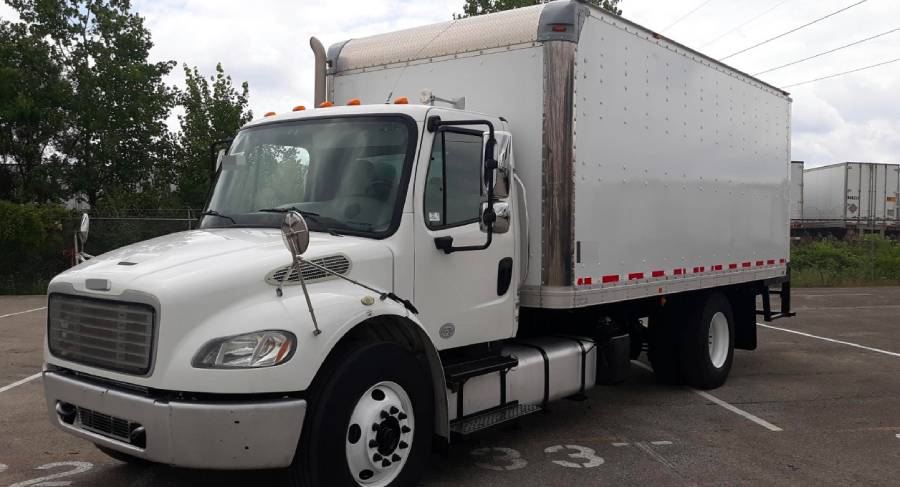
The most common Freightliner M2 106 problems involve engine performance, diesel emissions systems, transmission shifting, electrical components, air brakes, and cooling systems. These issues can cause reduced engine power, hard starting, warning lights, delayed gear engagement, air pressure loss, and overheating. The exact problems depend on the truck’s model year, engine configuration, mileage, operating conditions, and maintenance history.
Engine-related problems include fuel delivery restrictions, turbocharger malfunctions, and cooling system failures. Freightliner M2 106 trucks equipped with diesel aftertreatment systems can also experience diesel particulate filter (DPF) regeneration failures, diesel exhaust fluid (DEF) system faults, and engine derating. Electrical problems involving damaged wiring, poor ground connections, or faulty control modules can disrupt dashboard instruments and vehicle operation. Trucks equipped with Allison automatic transmissions may experience shifting difficulties caused by fluid, electronic, or internal mechanical faults.
Identifying Freightliner M2 106 problems requires examining symptoms, retrieving diagnostic trouble codes, and testing the affected components before replacing parts. This guide explains the major problem categories, their underlying causes, diagnostic procedures, repair options, and maintenance practices. It also examines repair costs, long-term reliability, and the mechanical conditions buyers should inspect before purchasing a used Freightliner M2 106.
What Are the Most Common Freightliner M2 106 Problems?
The most common Freightliner M2 106 problem categories involve engine performance, diesel emissions, transmission operation, electrical systems, air brakes, and cooling components. These systems experience different types of mechanical wear, electrical faults, and maintenance-related failures. The specific failure risks depend on the truck’s engine, transmission, model year, mileage, and operating conditions.
The following table summarizes six major problem categories and their typical warning signs.
| Problem Category | Common Symptoms | Potential Causes |
|---|---|---|
| Engine problems | Power loss, rough idling, hard starting | Fuel restrictions, injector faults, turbocharger problems |
| DPF and DEF problems | Check engine light, failed regeneration, engine derate | DPF soot accumulation, DEF dosing faults, sensor failures |
| Transmission problems | Hard shifting, delayed engagement, slipping | Low fluid pressure, control module faults, internal wear |
| Electrical problems | Dashboard malfunctions, intermittent power loss, starting issues | Damaged wiring, corroded connections, faulty modules |
| Air brake problems | Low air pressure, air leaks, frequent compressor cycling | Damaged air lines, leaking valves, compressor problems |
| Cooling system problems | Engine overheating, coolant loss, temperature warnings | Radiator restrictions, coolant leaks, thermostat failure |
Engine and emissions problems can directly affect vehicle performance and availability. A restricted fuel filter reduces fuel delivery under load, while an emissions-related fault can trigger an engine derate that limits available power. These conditions may produce similar symptoms but require different diagnostic procedures. Reading engine fault codes and checking fuel pressure or aftertreatment data helps distinguish between them.
Electrical and transmission problems can also interfere with normal truck operation. Corroded connectors, damaged wiring, or unstable power supplies can disrupt communication between electronic control modules. Transmission problems may originate from fluid pressure, electronic controls, or internal mechanical damage. Because the M2 106 uses interconnected electronic systems, a warning displayed by one component does not always mean that component has failed.
Air brake and cooling system faults require particular attention because they affect operational safety and engine protection. A persistent low-air-pressure warning indicates that the braking system requires immediate inspection, while overheating can cause severe engine damage when operation continues. Identifying the affected system before replacing components reduces unnecessary repairs and helps prevent additional failures.
What Engine Problems Affect the Freightliner M2 106?
Freightliner M2 106 engine problems include loss of power, hard starting, rough idling, overheating, and abnormal exhaust smoke. These symptoms can result from fuel system restrictions, defective sensors, turbocharger faults, cooling system failures, or emissions-related operating restrictions. The M2 106 has been offered with different diesel engine configurations, including Cummins and Detroit engines, so diagnostic procedures and replacement components must match the installed engine.
Loss of engine power can occur when the engine receives insufficient fuel or cannot maintain the required intake air pressure. A clogged fuel filter restricts fuel flow, especially during acceleration or heavy loads. Turbocharger problems, leaking charge-air connections, and faulty boost pressure sensors can also reduce engine performance. For example, a truck that accelerates normally without cargo but struggles on hills may have a fuel delivery restriction or an air system fault. However, similar power loss can result from an emissions-related derate, making diagnostic fault codes essential for identifying the actual cause.
Hard starting and rough idling are associated with problems in the fuel delivery, electrical starting, and engine management systems. Weak batteries or excessive voltage drop can prevent the starter from achieving adequate cranking speed. Air entering the fuel system, restricted fuel filters, or injector problems can interfere with fuel delivery and combustion. A truck that requires extended cranking after sitting overnight should be checked for battery condition, cranking speed, fuel supply integrity, and stored engine fault codes before fuel injectors or other expensive components are replaced.
Engine overheating occurs when the cooling system cannot remove heat at the rate produced during operation. Low coolant levels, radiator restrictions, malfunctioning thermostats, water pump problems, and cooling fan faults can contribute to excessive temperatures. For example, overheating during prolonged climbs may indicate inadequate airflow through the radiator or insufficient cooling capacity under heavy engine loads. Coolant leaks, damaged hoses, and contaminated radiator surfaces should be inspected alongside fan operation and thermostat performance. Continued operation with an overheating engine can damage cylinder head gaskets and other internal components.
Abnormal exhaust smoke provides additional information about possible engine faults. Persistent black smoke may indicate incomplete combustion caused by inadequate intake air or excessive fuel delivery. White smoke can result from unburned fuel during cold operation, although persistent white exhaust may indicate a more serious combustion or coolant-related problem. Blue smoke generally suggests that engine oil is entering the combustion process. Exhaust appearance alone cannot confirm a failed component, particularly on trucks equipped with modern exhaust aftertreatment systems.
Diagnosing Freightliner M2 106 engine problems should begin with retrieving active and stored diagnostic trouble codes, checking fluid levels, and reviewing maintenance records. Technicians can then perform targeted tests such as fuel pressure measurement, charge-air leak testing, battery voltage checks, and cooling system pressure testing. Repairing the verified underlying fault rather than replacing parts based only on symptoms helps reduce downtime and prevents recurring engine problems.
What DPF and DEF Problems Occur on the Freightliner M2 106?
Freightliner M2 106 DPF and DEF problems include failed regeneration, excessive soot accumulation, DEF dosing faults, NOx sensor malfunctions, and engine derating. These problems affect trucks equipped with diesel exhaust aftertreatment systems designed to control particulate matter and nitrogen oxide emissions. When the system detects a malfunction, the engine control module may activate warning lights, restrict engine performance, or require service before normal operation can resume.
The diesel particulate filter (DPF) captures soot from engine exhaust, while the selective catalytic reduction (SCR) system uses diesel exhaust fluid (DEF) to reduce nitrogen oxide emissions. These systems perform different functions but depend on sensors, electronic controls, and appropriate operating conditions. A malfunction in either system can generate diagnostic trouble codes and affect truck availability.
Why Does the Freightliner M2 106 Have DPF Regeneration Problems?
Freightliner M2 106 DPF regeneration problems occur when accumulated soot cannot be burned off effectively or when a system fault prevents the regeneration process from completing. Common contributing factors include repeated short trips, extended low-load operation, exhaust temperature sensor faults, excessive engine-out soot production, and restrictions within the exhaust aftertreatment system.
DPF regeneration requires sufficient exhaust temperature to oxidize accumulated soot. During passive regeneration, exhaust temperatures produced by normal engine operation support soot oxidation. Active regeneration uses engine management strategies to raise exhaust temperatures when operating conditions require additional heat. Trucks operating primarily at low speeds or idling for extended periods may struggle to complete regeneration because exhaust temperatures and operating conditions are less favorable.
Failed regeneration can produce DPF warning lights, increased regeneration requests, reduced engine power, and elevated exhaust backpressure. For example, a Freightliner M2 106 used for frequent urban deliveries may experience interrupted regeneration cycles when the engine is repeatedly shut down before the process finishes. However, recurring regeneration problems can also indicate faulty sensors, fuel injection issues, or excessive soot production rather than driving conditions alone.
Diagnosing DPF problems requires checking stored fault codes, soot-load estimates, exhaust temperature readings, and differential pressure measurements. A restricted DPF may require an approved cleaning procedure or replacement, depending on its condition. Forced regeneration should only be performed when permitted by the engine manufacturer’s diagnostic procedure because excessive soot loading or unresolved engine faults can create unsafe exhaust temperatures or damage aftertreatment components.
What Causes Freightliner M2 106 DEF System Faults?
Freightliner M2 106 DEF system faults can result from contaminated DEF, defective dosing components, failed sensors, damaged wiring, or SCR system malfunctions. These problems interfere with the controlled delivery of diesel exhaust fluid and the chemical reactions required to reduce nitrogen oxide emissions.
The DEF system delivers a measured quantity of fluid into the exhaust stream upstream of the SCR catalyst. Heat converts the DEF solution into ammonia, which reacts with nitrogen oxides inside the catalyst to produce nitrogen and water. The engine management system monitors operating conditions and emissions-related sensor signals to determine whether the aftertreatment system is functioning correctly.
A defective DEF pump or dosing valve can prevent the correct quantity of fluid from reaching the exhaust. Contaminated fluid, crystallized deposits, and damaged electrical connections can also disrupt operation. For example, a truck displaying a DEF warning despite having sufficient fluid may have a DEF quality sensor, level sensor, dosing, or wiring problem rather than an empty tank.
DEF and SCR faults can trigger engine derating when the emissions control system detects conditions that require an inducement response. Depending on the engine calibration and fault, the truck may display warning messages, limit available power, or impose additional operating restrictions. The specific response varies by engine, model year, and emissions configuration.
Repairing DEF system problems begins with retrieving the relevant diagnostic codes and checking DEF quality, fluid delivery, sensor readings, and electrical connections. Replacing a NOx sensor or DEF pump without confirming the failed component can lead to unnecessary repair costs. Emissions components should be repaired according to the applicable manufacturer procedures rather than bypassed or disabled.
What Transmission Problems Occur on the Freightliner M2 106?
Freightliner M2 106 transmission problems include harsh shifting, delayed gear engagement, slipping, failure to select a gear, and transmission warning messages. These symptoms can result from fluid-related issues, electronic control faults, damaged wiring, hydraulic pressure problems, or internal mechanical wear. The correct diagnostic approach depends on the installed transmission, including whether the truck uses an Allison automatic or another available transmission configuration.
Harsh shifting and delayed engagement can occur when transmission hydraulic pressure or electronic shift control does not operate as intended. In an automatic transmission, hydraulic pressure engages internal clutch assemblies while electronic controls determine shift timing and operating strategy. Low fluid levels, incorrect fluid specifications, restricted filters, and defective control components can interfere with these functions.
For example, an Allison-equipped Freightliner M2 106 that hesitates before engaging Drive may have a fluid pressure problem, a selector communication fault, or an internal transmission issue. The technician should check transmission fluid according to the manufacturer’s specified procedure, retrieve transmission fault codes, and evaluate operating data before determining whether mechanical repairs are necessary.
Transmission slipping occurs when the transmission cannot maintain the intended relationship between engine speed and vehicle speed under load. Worn clutch components, insufficient hydraulic pressure, or internal sealing problems can contribute to this condition. A truck that experiences rising engine RPM without a corresponding increase in road speed may be showing signs of slipping, although torque converter operation and commanded gear changes must also be considered during diagnosis.
Failure to engage a gear can result from electronic communication problems, shift selector faults, low hydraulic pressure, or internal mechanical damage. Modern electronically controlled transmissions exchange operating information with the engine and other vehicle control modules. Damaged wiring or interrupted communication can therefore prevent normal gear selection even when the transmission’s internal mechanical components remain functional.
Transmission warning messages and abnormal shifting should be investigated before continued heavy-load operation. Repeated slipping can generate excessive heat and accelerate internal clutch wear, while low fluid levels may reduce lubrication and hydraulic pressure. Drivers should stop operating the truck when it cannot engage gears safely, loses drive unexpectedly, or displays a serious transmission fault.
Diagnosing Freightliner M2 106 transmission problems requires identifying the installed transmission, retrieving fault codes, checking fluid condition, and evaluating electronic and hydraulic operation. Technicians may inspect wiring connections, monitor commanded and actual gear data, or perform pressure tests according to the transmission manufacturer’s service instructions. Minor faults may be resolved through wiring repairs, fluid service, or replacement of a defective external component, while significant internal damage can require transmission removal and overhaul.
What Electrical Problems Affect the Freightliner M2 106?
Freightliner M2 106 electrical problems include dashboard malfunctions, intermittent power loss, starting failures, faulty wiring connections, and electronic control module communication errors. These issues can affect the instrument cluster, engine management system, transmission controls, and other electronically monitored components. Common contributing factors include battery deterioration, corroded connectors, damaged wiring harnesses, poor ground connections, and power distribution faults.
Dashboard malfunctions can cause gauges to stop responding, warning lights to illuminate unexpectedly, or the instrument cluster to lose communication with other vehicle systems. The Freightliner M2 106 uses electronic control modules that exchange operating information through vehicle communication networks, including J1939. When a power supply, ground circuit, or communication connection fails, the dashboard may display incomplete information or multiple warning messages. For example, intermittent gauge readings accompanied by communication fault codes may indicate a wiring or network problem rather than simultaneous failures of several sensors.
Starting-related electrical problems can result from weak batteries, defective starter connections, excessive circuit resistance, or malfunctioning starting components. Diesel engines require sufficient cranking speed to establish the conditions necessary for combustion. Corroded battery terminals and loose ground connections increase electrical resistance, reducing the voltage available to the starter motor. A Freightliner M2 106 that cranks slowly or produces repeated clicking sounds during starting should undergo battery testing, voltage drop measurements, and starter circuit inspection before the starter is replaced.
Wiring harness damage and connector corrosion can produce intermittent faults that become more noticeable during vibration, wet weather, or temperature changes. Commercial trucks operate in environments where road moisture, debris, and repeated chassis movement expose electrical connections to mechanical and environmental stress. Damaged insulation can create short circuits, while loose terminals and corroded contacts interrupt electrical signals. For example, a truck that occasionally loses communication with its transmission control module may have a damaged connector or wiring fault rather than a defective transmission.
Power distribution components can also contribute to electrical failures. Depending on model year and configuration, the Freightliner M2 106 uses electronic modules and distribution circuits to control or supply power to vehicle functions. Faults involving the bulkhead module, applicable power distribution modules, fuses, relays, or associated wiring may interrupt multiple electrical functions. However, several components failing at once do not automatically confirm a defective control module because a shared power or ground connection can produce similar symptoms.
Diagnosing Freightliner M2 106 electrical problems requires checking battery voltage, charging system performance, circuit continuity, ground connections, and communication fault codes. Technicians should identify which components share an affected circuit and perform voltage drop or signal testing under the conditions that reproduce the fault. Replacing damaged connectors, repairing wiring, or restoring proper grounding can resolve electrical problems without replacing expensive electronic modules.
What Brake and Suspension Problems Affect the Freightliner M2 106?
Freightliner M2 106 brake and suspension problems include low air pressure, air system leaks, compressor malfunctions, worn suspension bushings, defective shock absorbers, and air spring failures on equipped trucks. These problems can reduce braking system reliability, affect vehicle stability, accelerate tire wear, and increase maintenance costs. Their severity depends on the affected component, vehicle load, and operating conditions.
What Causes Low Air Pressure on the Freightliner M2 106?
Low air pressure on the Freightliner M2 106 can result from leaking air lines, defective valves, compressor problems, air dryer faults, or excessive air consumption. The air brake system depends on compressed air stored in reservoirs to operate the service brakes and maintain sufficient pressure for normal vehicle operation. When the system loses air faster than the compressor can replace it, reservoir pressure decreases and low-air warnings may activate.
Air leaks are a common diagnostic concern because multiple components contain pressurized connections and seals. Damaged air hoses, loose fittings, leaking brake chambers, and defective valves can allow compressed air to escape. For example, a truck that loses reservoir pressure while parked may have a leak in a brake chamber, air line, valve, or another connected air circuit. Technicians can isolate the affected circuit and perform approved leakage tests to locate the source rather than replacing components based only on audible air loss.
Air compressor and pressure regulation faults can prevent the system from building or maintaining the required pressure. The compressor supplies compressed air, while the governor controls compressor loading and unloading according to system pressure. A malfunctioning governor, compressor defect, or restriction in the air supply system can interfere with normal pressure recovery. Air dryer problems can also introduce moisture-related complications, including corrosion, valve malfunction, and freezing in cold operating conditions.
Low air pressure is a safety-critical condition. Drivers should stop in a safe location when a low-air-pressure warning activates and should not continue operating the truck until the braking system has been evaluated and restored to safe operating condition. The exact pressure thresholds and inspection procedures must follow the vehicle’s applicable brake system specifications. Continuing to operate with inadequate air pressure can compromise braking performance and lead to automatic spring brake application.
Diagnosing low air pressure requires checking reservoir pressure, compressor recovery, governor operation, air dryer condition, and system leakage. Qualified technicians should perform the applicable air brake inspection and repair procedures because incorrect adjustments or component replacement can affect braking safety.
What Causes Freightliner M2 106 Suspension Problems?
Freightliner M2 106 suspension problems can result from worn bushings, damaged shock absorbers, weakened springs, loose mounting components, and leaking air springs on trucks equipped with air suspension. These faults can produce excessive vibration, uneven tire wear, abnormal vehicle height, poor handling, and instability under load.
Worn suspension bushings and mounting components allow excessive movement between suspension parts and the chassis. Commercial trucks experience repeated loading, road impacts, and vibration, which place mechanical stress on these connections. As rubber bushings deteriorate or mounting hardware loosens, suspension geometry and axle positioning can change. For example, a truck that develops uneven tire wear or pulls to one side may require inspection of suspension bushings, axle alignment, steering components, and tire condition.
Defective shock absorbers reduce the suspension’s ability to control spring movement. Shock absorbers dampen oscillations after the wheels encounter bumps or uneven pavement. When their damping performance deteriorates, the truck may bounce excessively, experience reduced ride stability, or develop irregular tire wear. Visible fluid leakage, damaged mounting points, and excessive suspension movement can indicate that further shock absorber inspection is necessary.
Trucks equipped with air suspension can also experience air spring leaks, height control valve faults, and damaged air supply connections. Air springs support the vehicle using pressurized air, while height control valves regulate suspension height as loads change. A leaking air spring can cause one side of the truck to sit lower than the other, especially after the vehicle has been parked. Incorrect ride height can affect driveline angles, suspension travel, and handling characteristics.
Diagnosing Freightliner M2 106 suspension problems requires inspecting bushings, springs, shock absorbers, mounting hardware, ride height, and tire wear patterns. Air suspension components should be checked for leakage and proper height control operation where fitted. Replacing worn components and correcting alignment or ride height according to manufacturer specifications helps restore handling stability and prevents additional tire and suspension damage.
How Do You Diagnose Freightliner M2 106 Problems?
Diagnosing Freightliner M2 106 problems requires identifying the symptoms, retrieving diagnostic trouble codes, inspecting the affected system, and testing components before replacing parts. The truck’s electronic control modules monitor engine performance, transmission operation, emissions equipment, and other vehicle functions. Diagnostic information helps technicians distinguish mechanical failures from electrical and communication problems.
The first step is to document the conditions under which the problem occurs. Engine power loss during acceleration may indicate a fuel delivery restriction, turbocharger problem, or emissions-related derate. A starting failure accompanied by slow cranking suggests a different diagnostic path involving batteries, electrical connections, and starter performance. Recording warning messages, operating temperature, engine load, and fault occurrence helps narrow the investigation.
Diagnostic trouble codes (DTCs) provide information about faults detected by the vehicle’s electronic control systems. Many Freightliner M2 106 configurations use the SAE J1939 communication protocol, which identifies faults through Suspect Parameter Numbers (SPNs) and Failure Mode Identifiers (FMIs). An SPN identifies the affected parameter or component, while an FMI describes the type of detected abnormal condition. For example, a fault involving an exhaust temperature sensor may indicate an electrical signal problem rather than confirming that the sensor itself has failed.
Technicians can retrieve fault information using compatible commercial truck diagnostic equipment and the appropriate engine, transmission, or vehicle diagnostic software. Depending on the installed components, tools may include Detroit Diesel DiagnosticLink, Cummins INSITE, or Allison DOC. These applications support functions such as reading active and inactive faults, monitoring operating parameters, and performing manufacturer-approved diagnostic tests.
Physical inspection and component testing are necessary to confirm the cause of a diagnostic fault. A low fuel pressure fault may require checking fuel filters, supply restrictions, and pressure readings. An electrical communication fault may require measuring circuit voltage, inspecting connectors, and testing wiring continuity. Replacing a component based solely on a fault code can leave the original problem unresolved when the actual cause is damaged wiring, inadequate power supply, or another connected component.
The final diagnostic step is to verify that the repair has corrected the original condition. Technicians should repeat the relevant operating test, confirm that monitored parameters meet manufacturer specifications, and check whether active faults return. Fault codes should only be cleared according to the applicable service procedure after the underlying problem has been addressed.
How Much Does It Cost to Fix Freightliner M2 106 Problems?
Freightliner M2 106 repair costs depend on the failed component, engine and transmission configuration, labor requirements, and whether the repair involves cleaning, adjustment, component replacement, or major mechanical work. Minor electrical or sensor repairs generally require less labor than engine rebuilding or transmission replacement. However, an accurate estimate requires a confirmed diagnosis because similar symptoms can originate from components with substantially different replacement costs.
The following table identifies common repair categories and the factors that determine their costs. Exact prices must be confirmed using current parts quotations and labor estimates for the truck’s specific configuration.
| Repair Category | Typical Repair Work | Main Cost Factors |
|---|---|---|
| Engine and fuel system | Fuel filter replacement, injector repair, turbocharger service | Engine model, parts, diagnostic labor |
| DPF system | Regeneration diagnosis, DPF cleaning or replacement | Filter condition, cleaning method, replacement parts |
| DEF and SCR system | Sensor, pump, dosing valve, or related component repair | Fault location, emissions configuration, parts availability |
| Transmission | Fluid service, electronic repair, internal overhaul | Transmission model, damage severity, labor hours |
| Electrical system | Wiring repair, connector replacement, module diagnosis | Fault accessibility, circuit complexity, replacement module |
| Air brake system | Air line, valve, compressor, or air dryer repair | Failed component, labor, safety inspection |
| Cooling system | Thermostat, hose, radiator, or water pump replacement | Engine configuration, component accessibility, coolant requirements |
Engine repair costs increase significantly when a fault damages major mechanical components. Replacing a restricted fuel filter is a relatively limited service operation, while replacing a turbocharger or repairing internal engine damage requires more extensive labor and expensive components. For example, prolonged operation with an overheating engine can turn a cooling system repair into a cylinder head or head gasket repair.
DPF and DEF repair expenses vary according to whether the problem can be corrected through maintenance or requires component replacement. A DPF with recoverable soot or ash accumulation may be suitable for an approved cleaning procedure, while a physically damaged filter may require replacement. Similarly, a DEF warning caused by a damaged electrical connector can be less expensive to resolve than a failure involving the dosing system or SCR catalyst.
Transmission repairs have a similarly wide range of complexity. Fluid service or external electrical repairs are generally less extensive than rebuilding a transmission with damaged internal clutch assemblies. Diagnostic testing is particularly important because harsh shifting does not automatically indicate internal transmission failure.
Labor charges and vehicle downtime also affect the total ownership cost of Freightliner M2 106 repairs. Commercial truck service rates differ by location, repair facility, and required expertise. Fleet operators must also consider lost operating time, towing expenses, and replacement vehicle costs when a truck cannot complete its scheduled work.
Obtaining a written repair estimate after diagnostic testing provides a more reliable cost basis than using a generic price for an entire problem category. The estimate should identify required parts, expected labor hours, additional service materials, and any necessary post-repair testing.
How Can You Prevent Common Freightliner M2 106 Problems?
Preventing common Freightliner M2 106 problems requires regular engine maintenance, fuel system inspections, emissions system monitoring, electrical checks, and air brake servicing. Preventive maintenance reduces the risk of avoidable breakdowns by identifying worn components, fluid contamination, and developing faults before they interrupt vehicle operation. Maintenance intervals must follow the specifications for the installed engine, transmission, and vehicle configuration.
Engine maintenance should focus on lubrication, fuel filtration, air intake condition, and cooling system performance. Engine oil and filters must be replaced according to the manufacturer’s service schedule because contaminated or degraded oil accelerates wear in lubricated components, including bearings and turbochargers. Fuel filters should also be serviced at the specified intervals to prevent restricted fuel delivery and protect fuel injection components. For example, a truck operating in dusty environments requires particular attention to air filter condition and intake system sealing because abrasive particles entering the engine can increase internal wear.
DPF and DEF system maintenance helps prevent emissions-related warnings and engine derating. Operators should use DEF that meets ISO 22241 requirements, protect it from contamination, and follow the engine manufacturer’s regeneration instructions. Repeatedly interrupted regeneration cycles can contribute to soot accumulation, particularly during low-speed operation and extended idling. Monitoring regeneration frequency, exhaust-related fault codes, and changes in engine performance helps identify developing aftertreatment problems before operating restrictions occur.
Electrical system inspections should include battery condition, charging system performance, ground connections, and exposed wiring harnesses. Loose terminals and corroded connectors increase electrical resistance, which can cause voltage drops and intermittent electronic faults. Inspecting wiring near the engine, chassis, and areas exposed to road debris helps identify damaged insulation and deteriorating connections. For example, repairing a corroded ground connection can prevent recurring dashboard communication errors and starting difficulties without requiring control module replacement.
Air brake and cooling system inspections are essential for safe operation and engine protection. Drivers should perform the required pre-trip air brake checks, while qualified technicians should inspect air lines, valves, compressors, and air dryers according to applicable service procedures. Cooling system maintenance should include checking coolant condition, inspecting hoses and connections, and verifying radiator and fan operation. Detecting a coolant leak or abnormal air pressure loss early reduces the likelihood of a more serious failure during operation.
Maintenance records should document service dates, mileage, engine hours, replaced components, and recurring fault codes. A maintenance program based on manufacturer requirements, operating conditions, and inspection findings provides a stronger basis for preventing failures than mileage alone. Trucks used for frequent stop-and-go deliveries, heavy loads, or extended idling may require different service attention from vehicles operating primarily on highways.
Read more: Freightliner M2 No Power: Causes and Fixes
Is the Freightliner M2 106 a Reliable Truck?
The Freightliner M2 106 can provide reliable commercial service when its engine, transmission, emissions equipment, and chassis systems receive appropriate maintenance. Its long-term reliability depends on the installed powertrain, vehicle age, operating conditions, maintenance history, and previous repairs. A well-maintained truck used within its rated operating limits presents a different ownership risk from a vehicle with neglected service, unresolved fault codes, or repeated overheating.
Engine and transmission condition are major factors in Freightliner M2 106 reliability. The model has been offered with different Cummins and Detroit diesel engines, along with multiple transmission configurations. These powertrains have distinct maintenance requirements and component designs, so reliability cannot be evaluated accurately from the truck’s model designation alone. For example, two M2 106 trucks with similar mileage may have substantially different mechanical conditions if one has documented oil changes, cooling system maintenance, and transmission service while the other has incomplete maintenance records.
Emissions aftertreatment reliability is influenced by the truck’s operating cycle and maintenance condition. Trucks used for frequent short-distance deliveries or extended idling may encounter operating conditions that make DPF regeneration more difficult. Faulty exhaust sensors, DEF dosing components, or excessive engine-out soot can also affect aftertreatment performance. A truck that repeatedly experiences regeneration failures or emissions-related derating requires diagnosis of the underlying cause rather than repeated fault-code clearing.
Mileage alone does not determine how long a Freightliner M2 106 will remain serviceable. Engine hours, idle time, payload, road conditions, and maintenance quality influence component wear. A delivery truck with extensive idling may accumulate substantial engine operating hours despite relatively low mileage, while a highway-operated truck may accumulate mileage more quickly under steadier engine loads. Evaluating both mileage and engine hours provides a more complete picture of vehicle usage.
Repair history also helps determine whether a truck is likely to remain dependable. Repeated electrical faults, coolant loss, transmission warnings, or air system leaks can indicate unresolved mechanical or maintenance problems. Conversely, documented repairs supported by diagnostic results and successful follow-up testing provide stronger evidence that the affected systems have been restored to proper operation.
The Freightliner M2 106’s overall reliability should be assessed through its maintenance records, mechanical condition, diagnostic history, and intended workload rather than an unsupported mileage lifespan or reliability rating. Buyers and fleet operators should prioritize trucks with consistent service documentation, properly functioning emissions systems, stable engine temperatures, normal transmission operation, and air brake systems that meet inspection requirements. These factors provide a practical basis for evaluating long-term operating reliability and potential repair expenses.
What Should You Check Before Buying a Used Freightliner M2 106?
Before buying a used Freightliner M2 106, inspect six major areas: engine condition, transmission operation, emissions equipment, electrical systems, air brakes, and maintenance history. These inspections help identify existing mechanical problems, estimate potential repair expenses, and determine whether the truck is suitable for its intended workload. A professional pre-purchase inspection is particularly important for vehicles with high engine hours, incomplete service records, or recurring diagnostic faults.
Engine condition should be evaluated through a cold-start test, visual inspection, and diagnostic scan. The engine should start without excessive cranking, maintain stable idle operation, and respond normally to acceleration. Check for coolant leaks, oil contamination, abnormal exhaust smoke, and unusual mechanical noises. Inspect the turbocharger connections, cooling system components, and fuel delivery system for visible deterioration. For example, persistent white exhaust after the engine reaches operating temperature may indicate a combustion or coolant-related problem requiring further testing.
Transmission operation should be checked during gear engagement and a controlled road test. An Allison automatic transmission should engage the selected gear and shift according to its operating conditions without unexplained delays, abnormal slipping, or persistent warning messages. Harsh shifts or delayed engagement may indicate hydraulic pressure problems, electronic control faults, or internal wear. The transmission fluid should be inspected using the manufacturer’s specified procedure, and stored transmission fault codes should be reviewed before purchase.
DPF and DEF system condition is especially important when evaluating diesel-powered trucks equipped with modern emissions aftertreatment equipment. Review active and stored fault codes, regeneration history where available, and any records of DPF cleaning or aftertreatment repairs. Repeated regeneration failures, unresolved DEF warnings, or engine derating can indicate problems involving exhaust sensors, dosing components, or the particulate filter. A truck with recently cleared fault codes but no supporting repair documentation warrants additional diagnostic testing.
Electrical and air brake systems require separate functional inspections. Check dashboard gauges, warning indicators, lighting, battery connections, and electronic communication faults. Intermittent electrical problems may originate from damaged wiring or poor ground connections that are not immediately visible. The air brake system should undergo the applicable pressure buildup, leakage, warning-device, and functional tests performed by a qualified inspector. Air leaks, inadequate pressure recovery, or malfunctioning brake components must be corrected before the vehicle is placed into service.
Maintenance records and vehicle usage history provide essential context for evaluating mechanical condition. Review oil changes, fuel filter replacements, cooling system service, transmission maintenance, and documented emissions repairs. Compare odometer mileage with engine hours because extended idling can produce significant engine wear without a corresponding increase in road mileage. Buyers should also verify the vehicle identification number, check applicable recall information, and investigate any history of major accidents or structural repairs.
A used Freightliner M2 106 should undergo a professional inspection before the purchase is finalized. The strongest purchasing candidate is a truck with documented maintenance, no unresolved safety-critical faults, normal powertrain operation, and repair costs that fit the buyer’s operating budget. Identifying problems before purchase reduces the risk of unexpected downtime and provides a more reliable basis for negotiating the vehicle’s price.