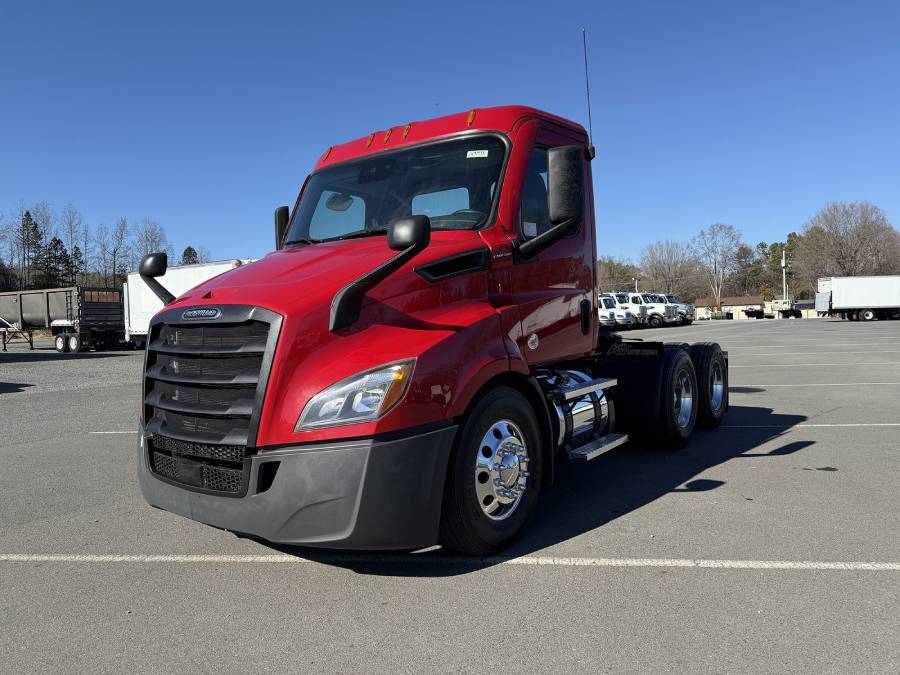
The Freightliner Cascadia fifth wheel air unlock not available issue occurs when the truck’s air-operated fifth-wheel release function cannot be activated. This condition may result from unmet operating requirements, insufficient air pressure, a faulty release switch, a defective solenoid valve, or a mechanically stuck fifth-wheel locking mechanism. Identifying the cause requires checking the truck’s operating conditions before inspecting pneumatic, electrical, and mechanical components.
The fifth-wheel air-unlock system uses compressed air to operate a release mechanism that allows the tractor to disconnect from the trailer. Depending on the Cascadia model year and installed fifth-wheel equipment, the system may require specific parking brake, transmission, or vehicle-speed conditions before permitting release. A malfunction in the control circuit or air-release mechanism can also prevent the system from responding to the driver’s command.
Troubleshooting should begin with the required operating conditions and available air pressure, followed by inspection of the release controls, solenoid valve, air lines, and fifth-wheel locking components. This guide explains the potential causes, diagnostic procedures, repair options, and safety precautions needed to address the problem without bypassing critical coupling safeguards.
What Does “Fifth Wheel Air Unlock Not Available” Mean on a Freightliner Cascadia?
“Fifth Wheel Air Unlock Not Available” indicates that the Freightliner Cascadia cannot currently activate its air-operated fifth-wheel release function. The condition may occur when the truck does not meet the required release conditions or when a pneumatic, electrical, or mechanical fault interferes with the unlocking process. The exact meaning depends on the vehicle’s model year, fifth-wheel configuration, and control system.
The fifth-wheel air-unlock system uses compressed air to operate a release actuator connected to the locking mechanism. When the driver activates the air-unlock control, the system must permit the release command and deliver sufficient air pressure to the actuator. The actuator then moves the release linkage to disengage the fifth-wheel locking mechanism. A failure at any stage can prevent the fifth wheel from unlocking.
An unavailable air-unlock function is different from a fifth wheel that receives a release command but remains mechanically locked. An unavailable function may indicate a control restriction or system fault, while a mechanical release failure can occur even when the pneumatic actuator operates. For example, a faulty electrical connection may prevent the solenoid valve from receiving a command, whereas excessive pressure between the trailer kingpin and locking jaws may prevent the release mechanism from moving freely.
The condition does not automatically indicate a damaged fifth-wheel assembly. Drivers should first confirm the manufacturer’s required uncoupling conditions and check for other observable symptoms before attempting repairs. The trailer must remain properly secured throughout troubleshooting to prevent unintended movement or separation.
What Causes Freightliner Cascadia Fifth Wheel Air Unlock Not Available?
The Freightliner Cascadia fifth wheel air unlock not available issue has five main potential causes: unmet operating conditions, insufficient air pressure, a faulty air-unlock switch or solenoid, mechanical binding, and electronic control faults. Each cause affects a different stage of the release process, from authorizing the driver’s command to physically disengaging the fifth-wheel locking mechanism.
Incorrect operating conditions should be checked first because the air-unlock function may be restricted by vehicle safety logic. Depending on the model year and installed equipment, the system may monitor parking brake status, transmission position, or vehicle speed before allowing a release command. A faulty input from one of these systems may also prevent unlocking even when the truck appears correctly positioned.
Electronic control problems represent another possible cause on vehicles equipped with electronically managed release functions. Damaged wiring, corroded connectors, or incorrect control signals can interrupt communication between the release switch and the components responsible for activating the system. The applicable control logic must be confirmed using the vehicle’s electrical documentation.
Can Low Air Pressure Prevent the Fifth Wheel From Unlocking?
Low air pressure can prevent a Freightliner Cascadia fifth wheel from unlocking because the pneumatic release actuator requires sufficient pressure to move the release linkage. When the available pressure falls below the actuator’s operating requirement, the mechanism may fail to move or may not complete its release stroke.
The fifth-wheel air-release circuit receives compressed air from the truck’s pneumatic system. Air travels through the applicable control valve and supply lines before reaching the actuator. Leaking fittings, damaged hoses, restricted air passages, or a malfunctioning valve can reduce the pressure delivered to the release mechanism. For example, a partially damaged air line may allow the truck’s main air-pressure gauges to show normal readings while restricting pressure at the fifth-wheel actuator.
Low pressure can also result from a broader compressed-air system problem. However, normal dashboard air-pressure readings do not guarantee that sufficient pressure reaches the fifth-wheel release actuator. A qualified technician can compare the pressure at the relevant circuit with the specifications for the installed equipment to determine whether the problem originates in the air supply, control valve, or actuator.
Can a Faulty Air-Unlock Switch or Solenoid Cause the Problem?
A faulty air-unlock switch or solenoid valve can prevent the fifth-wheel release mechanism from receiving the command or compressed air needed to unlock. The switch initiates the driver’s release request, while the solenoid valve, where fitted, controls airflow to the pneumatic actuator.
A defective switch may fail to generate the required electrical signal when activated. Worn contacts, loose terminals, damaged wiring, and connector corrosion can interrupt the control circuit. For example, moisture entering an electrical connector may cause intermittent contact, allowing the air-unlock function to operate during one attempt but fail during another.
A malfunctioning solenoid valve can produce similar symptoms even when the switch operates correctly. An open solenoid coil, electrical supply problem, or internally stuck valve can prevent the valve from changing position. As a result, compressed air may not reach the release actuator despite adequate system pressure.
Electrical diagnosis should establish whether the release command reaches the valve and whether the valve operates as specified. A clicking sound alone does not confirm proper airflow or mechanical release. Technicians should use the appropriate wiring diagram and component specifications before replacing a switch or solenoid.
Can a Stuck Fifth-Wheel Mechanism Prevent Air Unlock?
A stuck fifth-wheel locking mechanism can prevent the air-unlock system from releasing the trailer even when the pneumatic actuator receives sufficient air pressure. Mechanical resistance can stop the release linkage from moving through its required travel, leaving the locking jaws engaged around the trailer kingpin.
Mechanical binding can develop from inadequate lubrication, corrosion, damaged linkage components, or excessive loading against the locking jaws. The fifth-wheel release mechanism contains moving components that must operate within the manufacturer’s specified clearances. Dirt accumulation and worn components can increase friction and interfere with normal release operation.
Kingpin loading is another potential source of resistance. When the tractor and trailer place excessive longitudinal force against the locking mechanism, the release linkage may become difficult to operate. For example, an improperly positioned trailer can place pressure against the locking jaws, preventing them from disengaging even when the release actuator moves.
A mechanical release problem must be distinguished from an unavailable electronic release command. Actuator movement without successful unlocking points toward a possible linkage or locking-mechanism problem, whereas no actuator response may indicate a pneumatic or electrical fault. Inspect the fifth-wheel assembly according to the installed manufacturer’s service instructions, and never force the release mechanism or bypass safety interlocks to separate the trailer.
How Do You Troubleshoot Freightliner Cascadia Fifth Wheel Air Unlock Not Available?
Troubleshooting the Freightliner Cascadia fifth wheel air unlock not available issue requires checking operating conditions, air supply, electrical controls, and mechanical release components in sequence. Start with the truck’s required uncoupling conditions before testing individual components. This approach helps distinguish a release command blocked by operating conditions from a pneumatic or electrical malfunction.
The diagnostic process should follow two stages. First, verify that the tractor and trailer are safely positioned and that the vehicle meets the manufacturer’s release requirements. Second, investigate the pneumatic and electrical circuits if the air-unlock function remains unavailable. The exact procedures depend on the Cascadia model year and installed fifth-wheel equipment.
What Should You Check Before Attempting to Unlock the Fifth Wheel?
Before attempting to unlock the fifth wheel, verify the parking brake, vehicle position, transmission status, trailer support, and available air pressure. These checks help establish safe uncoupling conditions and identify operating restrictions that may prevent the air-unlock command from being accepted.
Park the tractor and trailer on firm, level ground, apply the required parking brakes, and secure the combination against unintended movement. Confirm that the trailer landing gear is positioned according to the manufacturer’s uncoupling procedure before initiating release. A trailer that is not properly supported can drop or shift when the fifth-wheel locking mechanism disengages.
Next, verify the vehicle’s operating status. Depending on the Cascadia configuration, the air-unlock control may require the vehicle to be stationary, the parking brake to be applied, or the transmission to be in a specified position. Check the applicable operator’s manual rather than assuming these requirements are identical across all model years.
Inspect the instrument cluster for low-air-pressure warnings or other relevant alerts. The truck’s primary and secondary air-pressure gauges provide an initial indication of compressed-air system status, although they do not directly confirm pressure at the fifth-wheel release actuator.
Finally, observe how the system responds when the release command is operated under the documented conditions. A displayed unavailable message, an absent actuator response, and an actuator that moves without releasing the locking mechanism represent different diagnostic symptoms. Record the exact warning text and observed behavior before proceeding.
How Do You Test the Air-Unlock System for Pneumatic and Electrical Faults?
Testing the fifth-wheel air-unlock system involves verifying air delivery to the release actuator, checking the electrical command circuit, and confirming the mechanical response. Pneumatic and electrical testing should be performed by a qualified technician using the correct service information for the vehicle and fifth-wheel assembly.
Begin with the pneumatic circuit. Inspect accessible air lines, fittings, and connections for visible damage, loose connections, or signs of leakage. A damaged supply line can restrict airflow or prevent the actuator from developing enough force to operate the release linkage. For example, an air leak near the release actuator may cause the system to respond weakly despite normal pressure elsewhere in the truck.
A technician can then measure pressure at the appropriate test point and compare the reading with the fifth-wheel equipment manufacturer’s specifications. This determines whether compressed air reaches the actuator at the required pressure when a valid release command is issued. The circuit must be secured and depressurized as specified before disconnecting pneumatic components.
Next, examine the electrical control circuit. Use the applicable wiring diagram to identify the release switch, connectors, power supply, ground connections, and solenoid valve. Electrical testing should establish whether the switch generates the expected command and whether that command reaches the controlled component. A valid command at the solenoid without proper valve operation suggests a different fault from a missing command signal.
For electronically controlled configurations, compatible diagnostic software can help identify relevant fault codes and monitor release-permission inputs. A parking-brake status input that disagrees with the actual vehicle condition, for example, may explain why the control system rejects an unlocking request. Diagnostic findings must be interpreted against the specific vehicle configuration rather than treated as universal Cascadia fault behavior.
Finally, inspect the mechanical release components for visible damage, corrosion, or restricted linkage movement. If the actuator receives the correct command and air pressure but the fifth wheel remains locked, the release linkage or locking mechanism requires further inspection. Do not force the release handle, bypass control interlocks, or work beneath an unsupported trailer. Any functional release test must follow the manufacturer’s safe uncoupling procedure.
How Do You Fix Freightliner Cascadia Fifth Wheel Air Unlock Not Available?
Fixing the Freightliner Cascadia fifth wheel air unlock not available issue requires correcting the operating condition, pneumatic fault, electrical malfunction, or mechanical obstruction identified during diagnosis. The appropriate repair depends on which part of the release system fails. Replacing components without confirming the cause can leave the original problem unresolved.
1. Restore the Required Operating Conditions
Start by confirming that the truck meets the fifth-wheel release requirements specified for its model year and equipment configuration. The vehicle must be stationary and secured, with the parking brake and transmission in the positions required by the manufacturer’s uncoupling procedure. An incorrect operating condition can prevent an electronically controlled air-unlock system from accepting the release command.
If the system remains unavailable despite the correct operating conditions, inspect the relevant control inputs. For example, a defective parking-brake status switch or damaged signal circuit may prevent the control system from recognizing that the parking brake is applied. Correcting the input fault can restore release authorization without replacing the fifth-wheel mechanism.
2. Repair Air Supply Problems and Pneumatic Leaks
Restore the required air supply when testing confirms insufficient pressure at the fifth-wheel release actuator. The repair may involve replacing damaged air lines, correcting leaking fittings, removing restrictions, or repairing a defective pneumatic control valve.
A leaking air connection can prevent the actuator from receiving enough pressure to complete its release stroke. For example, a damaged fitting near the fifth-wheel assembly may allow compressed air to escape whenever the release command is activated. Replacing the defective fitting and verifying pressure at the actuator can resolve the air-delivery problem.
Use replacement components that meet the vehicle and fifth-wheel manufacturer’s specifications. Pneumatic repairs must include appropriate leak testing and functional verification. Repairs involving shared vehicle air systems require particular care because improper work can affect other air-operated equipment, including safety-critical systems.
3. Replace Faulty Electrical Controls or Solenoid Components
Repair the electrical circuit when diagnostic testing identifies a failed air-unlock switch, damaged wiring, corroded connector, or defective solenoid valve. Each component should be evaluated against the applicable wiring diagram before replacement.
A release switch that fails to produce the required command may need replacement. Damaged wires or loose terminals should be repaired using approved electrical methods that protect the circuit against moisture, vibration, and corrosion. If the switch and wiring operate correctly but the solenoid valve fails its specified electrical or pneumatic tests, replacing the defective valve may restore air delivery to the actuator.
Electronic control faults require additional verification. A technician should inspect relevant fault codes, control inputs, and circuit conditions before replacing electronic modules. Clearing a fault code does not repair the underlying malfunction if the defective component or incorrect input remains present.
4. Correct Mechanical Binding in the Fifth-Wheel Assembly
Repair mechanical binding when the release actuator operates correctly but the fifth-wheel locking mechanism remains engaged. Inspect the release linkage, locking jaws, pivot points, and related components according to the installed fifth-wheel manufacturer’s service instructions.
Inadequate lubrication, corrosion, worn components, and excessive kingpin loading can interfere with release movement. For example, accumulated dirt and hardened grease around a release linkage can increase resistance and prevent normal operation. Cleaning and lubricating approved points may restore movement when no component damage is present.
Damaged locking jaws, bent linkage components, or worn release mechanisms require professional evaluation and repair or replacement according to the fifth-wheel manufacturer’s specifications. Do not attempt to free a jammed mechanism by striking components, forcing the release handle, or bypassing safety devices.
5. Verify the Repair Before Returning the Truck to Service
A successful repair must restore the release command, pneumatic actuator response, and mechanical locking function. Confirm that the original symptom has been resolved and that the system operates according to the applicable manufacturer’s procedure.
After any repair involving the fifth-wheel locking assembly, the coupling must be inspected and verified secure before driving. The locking jaws, release handle position, and trailer connection should meet the fifth-wheel manufacturer’s inspection requirements. A repaired air-unlock function does not establish that the trailer is safely coupled without these checks.
If the system continues to report that air unlock is unavailable, further diagnosis is necessary. Repeatedly activating the release control or replacing additional components without testing can create unnecessary repair costs and introduce safety risks.
What Should You Do If the Freightliner Cascadia Fifth Wheel Still Will Not Unlock?
If the Freightliner Cascadia fifth wheel still will not unlock after basic troubleshooting, stop repeated release attempts and have a qualified technician inspect the pneumatic, electrical, and mechanical systems. A persistent failure may indicate an unresolved control fault, insufficient actuator pressure, or mechanical binding that requires specialized diagnostic equipment.
Keep the tractor and trailer secured while investigating the problem. Apply the appropriate parking brakes, prevent unintended vehicle movement, and ensure the trailer is properly supported before any authorized uncoupling procedure. Do not disconnect air lines, force the release handle, or bypass electrical safety interlocks to make the fifth wheel unlock. These actions can cause unexpected trailer movement or damage the locking mechanism.
Record the truck’s model year, exact dashboard warning, air-pressure readings, and response when the release control is activated. For example, a solenoid that clicks without actuator movement suggests a different diagnostic path from a system that displays an unavailable message without accepting the command. This information helps technicians isolate the affected circuit.
Contact an authorized Freightliner service center or a qualified heavy-duty truck technician when the cause cannot be identified through approved checks. If manual release is supported by the installed fifth-wheel assembly, follow its manufacturer’s procedure rather than using an improvised method.
How Can You Verify That the Fifth-Wheel Air-Unlock Problem Is Fixed?
Verify the repair by confirming that the air-unlock command operates correctly, the pneumatic actuator responds as specified, and the fifth-wheel locking mechanism completes its intended movement. A disappearing warning message or an audible solenoid click alone does not confirm that the entire release system functions correctly.
Begin by checking that the original fault condition is no longer present and that the truck recognizes the required release conditions. During an authorized functional test, verify that the control valve delivers air to the actuator and that the release linkage moves without abnormal resistance. Any pressure measurements or component tests must follow the specifications for the installed equipment.
After the release mechanism has been tested, inspect the fifth-wheel assembly for damaged components, air leaks, loose connections, and improper linkage movement. When the tractor and trailer are recoupled, verify that the locking jaws fully engage the kingpin and that the release handle and locking indicators are in their specified positions.
Do not return the truck to service until the fifth-wheel coupling has passed the manufacturer’s required safety inspection. A successful repair must restore both reliable air-unlock operation and secure trailer retention.
How Does the Freightliner Cascadia Fifth-Wheel Air-Unlock System Work?
The Freightliner Cascadia fifth-wheel air-unlock system uses compressed air to operate a release actuator that disengages the fifth-wheel locking mechanism. Depending on the truck’s model year and installed equipment, the system may include a dashboard release switch, electronic control inputs, a pneumatic solenoid valve, air supply lines, and a mechanical release linkage.
The unlocking process begins when the driver activates the fifth-wheel release control under the required operating conditions. On electronically controlled configurations, the control system evaluates the applicable release-permission inputs before allowing the command to proceed. Once authorized, the pneumatic control valve directs compressed air to the release actuator, which moves the linkage connected to the fifth-wheel locking mechanism.
The release actuator converts pneumatic pressure into mechanical movement. This movement operates the release linkage, allowing the locking mechanism to disengage from the trailer kingpin when the coupling is correctly positioned and unloaded according to the manufacturer’s procedure. Air pressure initiates the release mechanism, but successful unlocking also depends on the mechanical condition of the fifth wheel. A binding linkage or damaged locking component can prevent release even when the actuator receives adequate air pressure.
The fifth-wheel air-release circuit is separate in function from the trailer service and emergency brake connections, although the systems may draw compressed air from the truck’s broader air supply. Component locations, control logic, and actuator arrangements vary among Cascadia configurations and fifth-wheel manufacturers. The correct service documentation must be used to identify the installed system.
Read more: Freightliner Won’t Crank? Causes and Fixes
A Freightliner Cascadia fifth wheel may support manual release when the air-unlock function is unavailable, but the procedure depends on the installed fifth-wheel model and its release mechanism. Manual-release capability should be confirmed using the fifth-wheel manufacturer’s operating instructions rather than assumed from the truck model alone.
Some air-operated fifth-wheel assemblies incorporate mechanical release provisions that allow authorized manual operation. However, the location, design, and required operating procedure differ between manufacturers and equipment configurations. A conventional release handle or emergency release feature must not be treated as interchangeable with another manufacturer’s mechanism.
Before any manual release attempt, the tractor and trailer must be secured against unintended movement. The trailer landing gear must provide appropriate support, and the coupling must be positioned according to the manufacturer’s uncoupling instructions. Improper support or excessive force against the locking jaws can create hazardous conditions when the mechanism disengages.
Do not force a stuck release handle, bypass a safety interlock, or use improvised tools to disengage the locking mechanism. If the manual-release procedure is unclear or the fifth wheel remains mechanically bound, a qualified heavy-duty truck technician should inspect the assembly.
After an authorized manual release, the air-unlock fault still requires diagnosis. Manual operation does not repair a defective solenoid, damaged air line, electrical control problem, or malfunctioning actuator. The release system and fifth-wheel locking mechanism must be inspected and verified before the truck returns to normal service.
How Can You Prevent Freightliner Cascadia Fifth-Wheel Air-Unlock Problems?
Preventing Freightliner Cascadia fifth-wheel air-unlock problems requires regular inspection, proper lubrication, pneumatic system maintenance, and early detection of electrical or mechanical faults. These maintenance practices reduce the risk of release failures caused by corrosion, air leaks, damaged components, and restricted movement within the fifth-wheel locking mechanism.
Inspect and lubricate the fifth-wheel assembly according to the manufacturer’s maintenance schedule. The locking jaws, release linkage, pivot points, and other specified moving components require inspection for wear, contamination, and mechanical damage. Insufficient lubrication increases friction between moving surfaces, while accumulated dirt and hardened grease can restrict release movement. For example, corrosion around a release linkage can prevent the pneumatic actuator from completing its normal stroke. Use the lubricant type and application intervals specified by the installed fifth-wheel manufacturer.
Maintain the pneumatic system to prevent air-pressure loss and actuator malfunctions. Inspect accessible air hoses, fittings, and connections for abrasion, cracking, corrosion, and leakage. Damaged air lines can reduce pressure delivered to the release actuator even when the truck’s primary air system maintains normal operating pressure. Moisture contamination can also affect pneumatic valves, making proper air-dryer maintenance and approved compressed-air system servicing important for reliable operation.
Check electrical connections and release controls for early signs of malfunction. Loose connectors, damaged wiring insulation, and moisture intrusion can interrupt signals between the air-unlock switch, electronic controls, and solenoid valve. For example, a corroded solenoid connector may cause intermittent release operation before the circuit fails completely. Inspect exposed wiring during scheduled maintenance and repair damaged components using manufacturer-approved procedures.
Follow the correct coupling and uncoupling procedures to minimize mechanical stress on the locking mechanism. Excessive kingpin loading, improper trailer positioning, and attempts to release the fifth wheel under tension can increase resistance against the locking jaws. Confirm that the tractor and trailer are correctly positioned and secured before operating the release control. Never force the mechanism when normal release movement is restricted.
Finally, investigate intermittent air-unlock failures before they develop into complete system malfunctions. Delayed actuator movement, inconsistent switch response, unusual air leakage, or repeated release warnings indicate conditions that require inspection. Preventive maintenance cannot eliminate every fifth-wheel air-unlock failure, but it helps identify deteriorating components before they interfere with safe trailer uncoupling.