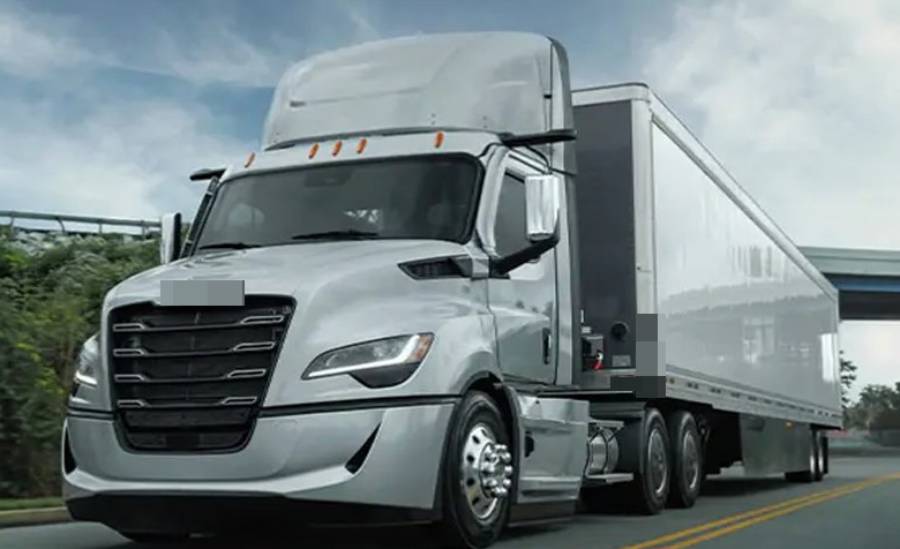
Freightliner Cascadia engine derate occurs when the engine control system reduces available power or limits vehicle speed in response to an engine protection fault or emissions system malfunction. Common causes include diesel exhaust fluid (DEF) system problems, diesel particulate filter (DPF) restrictions, selective catalytic reduction (SCR) faults, engine overheating, and low oil pressure. The severity of the derate depends on the detected fault, engine configuration, and applicable control strategy.
A Freightliner Cascadia experiencing engine derate may display a check engine light, stop engine warning, or aftertreatment system message. Drivers may notice reduced acceleration, limited engine torque, difficulty climbing hills, or restricted vehicle speed. Certain emissions-related faults can eventually trigger a 5 mph speed limitation, while critical engine protection warnings may require the truck to be stopped immediately to prevent damage.
Fixing Freightliner Cascadia engine derate requires identifying and correcting the underlying fault rather than simply clearing diagnostic trouble codes. Technicians use SPN/FMI fault codes, engine operating data, and diagnostic software such as Detroit DiagnosticLink to determine whether the problem involves the DEF system, DPF, SCR components, or engine protection systems.
This guide explains the symptoms, causes, fault codes, diagnostic procedures, and repair options for Freightliner Cascadia engine derate, including when continued driving is unsafe and how to reduce the risk of recurring problems.
What Does Engine Derate Mean on a Freightliner Cascadia?
Engine derate on a Freightliner Cascadia means the engine control system intentionally reduces available engine torque or vehicle performance to protect critical components or enforce emissions-related operating restrictions. The engine control module (ECM) monitors operating conditions and communicates with other vehicle control modules to detect faults that require reduced engine output. A derate can affect acceleration, pulling power, and vehicle speed without completely shutting down the engine.
Freightliner Cascadia trucks equipped with Detroit DD13, DD15, or DD16 engines use electronic engine management systems to monitor parameters such as coolant temperature, oil pressure, and exhaust aftertreatment performance. When a monitored condition exceeds a calibrated limit or an emissions-related fault meets specific criteria, the control system can activate a derate. For example, excessive coolant temperature can trigger an engine protection response that reduces available power to limit further heat buildup.
There are two major categories of engine derate: engine protection derate and emissions-related derate. Engine protection derates respond to conditions that threaten engine reliability, including overheating and certain lubrication system faults. Emissions-related derates result from qualifying failures involving components such as the diesel exhaust fluid (DEF) system, selective catalytic reduction (SCR) system, or diesel particulate filter (DPF). Depending on the fault and applicable emissions control strategy, the truck may experience progressive power reduction or a severe vehicle speed restriction.
Engine derate is different from an engine shutdown. A derated Freightliner Cascadia may continue running with reduced performance, while a critical protection fault can require immediate engine shutdown. The exact response depends on the engine calibration, model year, and active diagnostic trouble codes.
What Are the Symptoms of Freightliner Cascadia Engine Derate?
The main symptoms of Freightliner Cascadia engine derate are reduced engine power, weak acceleration, limited vehicle speed, and dashboard warning messages. These symptoms occur when the engine management system restricts available torque or activates an operating limitation in response to a detected fault. Their severity depends on the affected system and the derate strategy.
Reduced engine power is a common symptom. A Freightliner Cascadia may accelerate more slowly, struggle to maintain highway speed, or lose pulling performance while climbing hills. These changes become especially noticeable when hauling heavy loads because the engine cannot deliver its normal available torque. A truck that previously maintained speed on a grade may require a lower gear or experience a significant reduction in road speed.
Dashboard warnings provide additional evidence of an active derate condition. The check engine light can indicate an engine or emissions-related fault, while the stop engine warning signals a condition that requires urgent attention. Depending on the truck’s configuration, the instrument cluster may also display messages related to engine derate, DEF quality, aftertreatment malfunction, or remaining operating time before a more severe restriction. These messages help identify the affected system but do not replace fault-code diagnosis.
Vehicle speed limitation is another symptom associated with certain emissions-related derates. Some Freightliner Cascadia configurations can enter a severe inducement condition that restricts vehicle speed to approximately 5 mph when qualifying aftertreatment faults remain unresolved and the applicable trigger conditions are met. This restriction is distinct from a general reduction in engine torque and should not be assumed to occur with every derate fault.
A Freightliner Cascadia displaying a stop engine warning, critically low oil pressure, or severe overheating symptoms should be stopped safely as soon as possible. Continuing to operate the truck under these conditions can cause substantial engine damage. For less critical derate warnings, drivers should record the dashboard messages, retrieve the active SPN/FMI fault codes, and arrange diagnosis before the problem progresses.
What Causes Freightliner Cascadia Engine Derate?
The main causes of Freightliner Cascadia engine derate are DEF system malfunctions, DPF restrictions, SCR system faults, defective NOx sensors, engine overheating, and low engine oil pressure. These conditions trigger different engine protection or emissions-related control strategies that reduce available engine torque or restrict vehicle speed. The exact response depends on the Detroit engine model, emissions configuration, fault severity, and active diagnostic trouble codes.
Diesel exhaust fluid (DEF) system problems can trigger an emissions-related derate when the aftertreatment control system detects conditions that prevent proper SCR operation. Common problems include insufficient DEF, contaminated fluid, defective DEF quality or level sensors, and malfunctioning DEF pumps or dosing valves. DEF is injected into the exhaust stream to support the SCR system’s conversion of nitrogen oxides (NOx) into nitrogen and water. When the system detects a qualifying failure, it can initiate a progressive inducement that eventually limits engine performance or vehicle speed. Adding DEF resolves a low-fluid condition but does not repair defective sensors, dosing components, or contaminated fluid.
Diesel particulate filter (DPF) restrictions can cause engine derate when excessive soot accumulation or an aftertreatment malfunction prevents normal exhaust system operation. The DPF captures particulate matter from diesel exhaust and periodically removes accumulated soot through regeneration. Failed or incomplete regeneration cycles allow soot loading to increase, potentially raising exhaust backpressure and triggering protective operating restrictions. Problems involving exhaust temperature sensors, differential pressure sensors, or regeneration controls can contribute to this condition. A parked regeneration may address certain soot-loading faults, but it cannot repair a damaged filter or defective aftertreatment component.
Selective catalytic reduction (SCR) system faults can activate derate when the emissions control system detects inadequate NOx conversion or another qualifying malfunction. The SCR system depends on accurate DEF dosing, suitable exhaust temperatures, functioning sensors, and an effective catalyst. A defective DEF dosing valve, exhaust leak, or deteriorated SCR catalyst can interfere with emissions performance. The control system monitors operating conditions and diagnostic results to determine whether an inducement is required. SCR efficiency faults therefore require system-level diagnosis rather than automatic catalyst replacement.
Faulty NOx sensors can contribute to engine derate because they provide exhaust emissions measurements used to monitor SCR performance. Freightliner Cascadia aftertreatment configurations use NOx sensor information to evaluate emissions-control operation. Sensor failures, damaged wiring, connector corrosion, or communication problems can produce diagnostic faults that affect aftertreatment monitoring. However, an abnormal NOx reading does not automatically indicate a defective sensor. Technicians must distinguish sensor malfunctions from actual emissions-system problems before replacing components.
Engine overheating can trigger an engine protection derate when coolant temperature exceeds the engine control system’s calibrated operating limits. Common underlying causes include coolant leaks, restricted radiator airflow, thermostat problems, cooling fan malfunctions, and inadequate coolant circulation. High engine temperature increases thermal stress on components such as cylinder heads, pistons, and turbochargers. The control system may reduce available engine torque to limit heat generation. Continued operation during severe overheating can cause major engine damage, making immediate attention necessary when critical temperature warnings appear.
Low engine oil pressure is another serious engine protection condition that can lead to reduced power or an engine shutdown response. Insufficient oil pressure prevents adequate lubrication of critical components, including crankshaft bearings, camshaft bearings, and turbocharger assemblies. Potential causes include low oil level, oil pump problems, internal engine wear, and lubrication system restrictions. A defective oil pressure sensor or electrical fault can also generate an incorrect pressure reading. Drivers should not assume a low-pressure warning is a sensor problem without confirming actual oil pressure.
Electrical and communication faults can also contribute to engine derate. Damaged wiring harnesses, loose connectors, unstable sensor signals, and communication failures between control modules can interfere with engine or aftertreatment monitoring. These problems may produce intermittent warnings or persistent fault codes, depending on the affected circuit. Accurate diagnosis requires checking active SPN/FMI codes and relevant operating data to identify the fault responsible for the derate.
The correct repair depends on the underlying fault, not the derate warning alone. DEF-related faults require fluid and dosing-system checks, DPF faults require soot-loading and regeneration analysis, and engine protection faults require verification of critical operating conditions. Identifying the fault category before replacing components prevents unnecessary repairs and helps restore normal engine operation safely.
What Fault Codes Can Trigger Freightliner Cascadia Engine Derate?
Freightliner Cascadia engine derate can be triggered by diagnostic faults involving the DEF system, SCR performance, DPF soot loading, exhaust sensors, engine coolant temperature, and engine oil pressure. These faults are identified through diagnostic trouble codes (DTCs), commonly represented by Suspect Parameter Numbers (SPNs) and Failure Mode Identifiers (FMIs). The complete code combination helps technicians identify the affected system, the type of malfunction, and the diagnostic procedure required.
An SPN identifies a monitored parameter or component, while an FMI describes the type of failure detected. For example, an FMI may indicate that a signal is outside its normal operating range, that a voltage is too high or too low, or that a component is not responding correctly. The same SPN can appear with different FMIs, representing different failure conditions. Therefore, diagnosing engine derate requires interpreting the complete SPN/FMI combination rather than relying on the SPN alone.
The following table lists diagnostic parameters commonly associated with systems that can contribute to Freightliner Cascadia engine derate.
| SPN | Diagnostic Parameter | Possible Relationship to Engine Derate |
|---|---|---|
| 5246 | Aftertreatment SCR operator inducement severity | Indicates an emissions-related inducement condition |
| 3364 | Aftertreatment DEF quality | DEF quality faults can contribute to SCR inducement |
| 1761 | Aftertreatment DEF tank level | Low DEF level can initiate emissions-related operating restrictions |
| 3719 | Aftertreatment DPF soot load | Excessive soot loading can require regeneration or additional diagnosis |
| 3216 | Aftertreatment intake NOx | Sensor or emissions-monitoring faults can affect SCR operation |
| 3226 | Aftertreatment outlet NOx | Sensor or SCR performance faults can contribute to inducement |
| 110 | Engine coolant temperature | Excessive temperature can trigger engine protection |
| 100 | Engine oil pressure | Low pressure can trigger critical engine protection responses |
These SPNs identify monitored parameters or fault categories, not guaranteed causes of derate. The associated FMI, active fault status, engine calibration, and model year determine the meaning and required response. For example, SPN 5246 identifies an SCR inducement condition but does not independently reveal whether the underlying problem involves DEF quality, dosing performance, NOx sensing, or another aftertreatment fault.
An active fault code is more diagnostically significant than a historical code when identifying the current derate condition. Active codes indicate faults currently detected by the control system, while stored or previously active codes provide information about earlier malfunctions. However, intermittent electrical failures and recurring aftertreatment problems may require technicians to examine both categories. Diagnostic software can also display occurrence counts, operating conditions, and additional fault information that helps distinguish the initiating problem from secondary warnings.
How Do You Diagnose Freightliner Cascadia Engine Derate?
Diagnosing Freightliner Cascadia engine derate requires retrieving fault codes, identifying the affected system, examining live operating data, and confirming the underlying malfunction before performing repairs. Detroit-powered Cascadia trucks can be diagnosed using compatible heavy-duty diagnostic equipment, including Detroit DiagnosticLink where supported. The diagnostic process should begin with dashboard warnings and active fault information rather than replacing components based on symptoms alone.
How Do You Read Freightliner Cascadia Engine Fault Codes?
To read Freightliner Cascadia engine fault codes, connect a compatible heavy-duty diagnostic tool to the vehicle’s diagnostic connector and establish communication with the appropriate control modules. Record all active and previously active SPN/FMI combinations, including their descriptions and available occurrence information. The diagnostic tool must support the truck’s communication protocol and engine configuration to provide reliable results.
Detroit DiagnosticLink allows qualified technicians to access diagnostic information for supported Detroit engine and aftertreatment systems. Depending on the vehicle configuration and software capabilities, technicians can review fault status, monitor operating parameters, and perform authorized diagnostic tests. For example, an active aftertreatment inducement code accompanied by DEF quality or dosing faults directs attention toward the SCR system rather than the engine’s mechanical components.
Fault codes should be evaluated in relation to the symptoms and operating conditions recorded when the problem occurred. A coolant temperature fault accompanied by overheating warnings requires cooling-system inspection, while an SCR inducement code accompanied by DEF-related faults requires aftertreatment diagnosis. Clearing codes before recording diagnostic information can remove useful evidence without correcting the malfunction.
How Do You Check the DEF, DPF, and SCR Systems?
Checking the DEF, DPF, and SCR systems requires inspecting fluid condition, reviewing aftertreatment sensor data, and identifying faults that prevent normal exhaust emissions control. These systems operate together, but each has distinct components and failure mechanisms that require specific diagnostic checks.
Begin with the DEF system by checking the fluid level, verifying that the fluid meets the required specification, and inspecting the tank, supply lines, and dosing components for visible damage or leaks. DEF used in SCR systems must meet ISO 22241 requirements. Contaminated or unsuitable fluid can interfere with dosing and emissions performance. A low DEF warning should be investigated alongside the reported tank level and related fault codes because a defective level sensor can produce misleading information.
Next, evaluate the DPF system using available soot-load data, regeneration history, exhaust temperature readings, and differential pressure information. Excessive soot accumulation can result from incomplete regeneration, unsuitable operating conditions, or faults affecting exhaust temperature control. A high soot-load indication does not automatically mean the filter must be replaced. Technicians must determine whether regeneration is permitted, whether the filter is physically restricted, and whether another malfunction is preventing normal operation. Forced regeneration should only be performed when the applicable service procedure and safety conditions permit it.
SCR diagnosis focuses on DEF dosing, NOx sensor operation, exhaust temperature, and catalyst performance. Compare relevant upstream and downstream NOx measurements under the operating conditions specified by the diagnostic procedure. An abnormal reading may indicate a sensor malfunction, insufficient DEF delivery, an exhaust leak, or reduced SCR conversion efficiency. Sensor values must be interpreted alongside operating conditions because SCR performance varies with exhaust temperature and engine load.
Engine protection parameters should also be checked when aftertreatment faults do not explain the derate. Review coolant temperature, engine oil pressure, and related sensor information. If actual oil pressure is suspected to be critically low or the engine is severely overheating, stop operation and follow the appropriate service procedure before continuing diagnosis.
The diagnosis is complete when the underlying fault has been confirmed through fault-code interpretation, operating data, and component-specific testing. Repairing the verified cause and confirming normal system operation are necessary before determining whether the derate has been resolved.
How Do You Fix Freightliner Cascadia Engine Derate?
To fix Freightliner Cascadia engine derate, identify the active fault, repair the malfunctioning engine or aftertreatment component, and verify that the control system has removed the operating restriction. The repair procedure depends on whether the derate originates from the DEF system, SCR system, DPF, or an engine protection condition. Clearing diagnostic trouble codes without correcting the underlying malfunction does not provide a reliable repair.
Begin by reviewing the active SPN/FMI fault codes and relevant operating data. Inspect the affected components, perform the diagnostic tests specified for the engine configuration, and correct confirmed failures. After completing the repair, use compatible diagnostic software to verify system operation and complete any required fault-clearing or inducement recovery procedures.
Fixing a DEF or SCR-related engine derate requires restoring proper DEF supply, correcting confirmed sensor or dosing faults, and verifying that the SCR system operates within its specified parameters. Common repair targets include contaminated DEF, defective DEF pumps, malfunctioning dosing valves, damaged wiring, and failed NOx sensors.
Start by checking the DEF level and fluid condition. Refill the tank with DEF meeting ISO 22241 specifications when the fluid level is low. If contamination is confirmed, the affected fluid must be removed and the DEF system inspected and serviced according to the manufacturer’s procedure. Adding fresh DEF to contaminated fluid does not reliably correct the problem because contaminants may remain in the tank, lines, pump, or dosing components.
Inspect the DEF delivery system when diagnostic data indicates inadequate dosing or pressure. A defective pump can prevent the system from delivering the required fluid, while a blocked or malfunctioning dosing valve can interfere with DEF injection into the exhaust stream. Technicians should examine supply lines, electrical connections, pressure readings, and applicable dosing test results before replacing components.
NOx sensor faults require a separate diagnostic check. Inspect the sensor wiring, connectors, communication status, and available measurement data. A failed sensor can interfere with SCR monitoring, but an abnormal NOx reading may also result from poor DEF dosing, exhaust leaks, or insufficient catalyst performance. Replace the sensor only after testing confirms that it is defective.
After completing the repair, perform the applicable SCR verification procedure using compatible diagnostic equipment. Some emissions-related inducements require specific operating conditions, successful system monitoring, or an authorized service routine before the restriction is removed. A repaired DEF or SCR component does not guarantee immediate derate removal until the control system confirms that the relevant fault conditions have been resolved.
Fixing a DPF-related engine derate requires correcting the condition responsible for excessive soot loading, exhaust restriction, or failed regeneration. The appropriate repair may involve an authorized regeneration procedure, sensor repair, filter cleaning, or component replacement, depending on the diagnostic findings.
Check the DPF soot-load estimate, exhaust differential pressure, temperature sensor readings, and regeneration history. Excessive soot accumulation can develop when regeneration cycles are repeatedly interrupted or when another engine or aftertreatment fault prevents regeneration from completing. For example, a malfunctioning exhaust temperature sensor can interfere with regeneration control and contribute to increasing soot load.
A parked or service regeneration may restore normal DPF operation when soot loading is within the manufacturer’s permitted range and all required conditions are satisfied. However, regeneration is not appropriate for every DPF fault. Excessive soot accumulation, certain active faults, or physical filter damage can make regeneration ineffective or unsafe. A filter with substantial ash accumulation may require professional cleaning or replacement because regeneration burns soot but does not remove accumulated inorganic ash.
Engine protection derates require repairs directed at the affected mechanical system. For overheating, inspect the coolant level, radiator, thermostat, cooling fan, water pump, and related components. Repair coolant leaks, restore proper coolant circulation, or replace confirmed defective components before returning the truck to service. Severe overheating requires the engine to be stopped safely rather than operated continuously under reduced power.
Low oil pressure requires immediate attention because inadequate lubrication can damage bearings, turbochargers, and other moving components. Stop the engine safely when a critical oil pressure warning appears. Check the oil level and inspect for visible leaks, then verify actual oil pressure using the manufacturer-approved diagnostic procedure. Repair the confirmed cause, such as a lubrication system malfunction or defective pressure sensor, before restarting or operating the engine.
After repairing the underlying fault, verify engine derate removal using diagnostic software and the applicable manufacturer service procedure. Confirm that critical operating parameters are normal, review active fault status, and complete any required system tests or inducement recovery routines. Clear diagnostic codes only when appropriate, then confirm that the original malfunction does not return under the specified verification conditions.
A Freightliner Cascadia should not be returned to normal service solely because a warning light disappears. Successful repair requires evidence that the affected system operates correctly and that the engine no longer has an active restriction. Emissions-system bypasses, unauthorized control-module modifications, and disabling engine protection functions are not valid repair methods.
Can You Drive a Freightliner Cascadia With Engine Derate?
You can drive a Freightliner Cascadia with certain noncritical engine derate conditions, but continued operation depends on the active fault, dashboard warnings, and severity of the power restriction. A moderate derate may allow the truck to reach a safe service location, while critical engine protection faults require the driver to stop immediately. Driving with an unresolved derate can increase the risk of breakdowns, unsafe acceleration, and additional mechanical damage.
Reduced engine torque affects the truck’s ability to accelerate, climb hills, and maintain highway speed under load. A loaded Freightliner Cascadia may struggle to merge into traffic or maintain sufficient speed on steep grades. These limitations create safety concerns even when the engine continues running. Drivers should avoid demanding operating conditions and arrange professional diagnosis rather than assuming the truck can complete its scheduled route.
A Freightliner Cascadia with an active stop engine warning, critically low oil pressure, or severe overheating should be stopped safely as soon as possible. These conditions can indicate an immediate risk of engine damage. Pull over at a safe location, follow the vehicle’s warning instructions, and shut down the engine when required. Do not continue driving simply because the truck can still move.
Certain emissions-related faults can trigger progressively more restrictive operating conditions, including a 5 mph vehicle speed limitation on applicable configurations. This restriction is associated with specific aftertreatment inducement strategies rather than every engine derate event. The timing and severity depend on the engine calibration, emissions regulations, and detected malfunction. A truck approaching a severe speed restriction should be directed to an appropriate repair facility before the limitation makes normal road operation impractical.
Roadside assistance or towing is the safest option when engine warnings indicate a critical fault or the truck cannot maintain a safe operating speed. For less severe conditions, the driver should record the warning messages and fault codes, contact a qualified service provider, and follow the manufacturer’s operating guidance. A derate should not be ignored because continued operation can allow the original fault to worsen.
How Much Does It Cost to Fix Freightliner Cascadia Engine Derate?
Freightliner Cascadia engine derate repair costs depend on the underlying fault, replacement parts, diagnostic labor, and engine configuration. Minor problems involving DEF level or electrical connections generally require less extensive service than DPF replacement, SCR catalyst repairs, or major engine protection failures. Engine derate itself is not a replaceable component, so there is no single repair price that applies to every truck.
Diagnostic testing is the first expense in many derate repairs. A technician must retrieve active SPN/FMI fault codes, examine operating data, and perform component-specific tests to determine the cause. Diagnostic charges vary by repair facility, labor rate, required testing time, and access to manufacturer-specific software. Complex intermittent faults can require additional testing compared with a clearly identified fluid-level problem.
The following table summarizes common repair categories and their main cost factors.
| Repair Category | Typical Repair Work | Main Cost Factors |
|---|---|---|
| DEF system | Fluid replacement, pump or dosing component repair | Fluid contamination, parts, labor |
| NOx sensor | Sensor testing and confirmed replacement | Sensor type, location, diagnostic time |
| DPF system | Regeneration, professional cleaning, or filter replacement | Soot or ash loading, filter condition |
| SCR system | Dosing repairs, sensor repairs, or catalyst replacement | Failed component, parts availability |
| Cooling system | Leak repair, thermostat, fan, or water pump replacement | Component accessibility, labor |
| Oil pressure system | Pressure verification and lubrication system repair | Mechanical damage, repair complexity |
A DEF refill or minor connection repair generally involves fewer components than replacing an SCR catalyst or repairing internal engine damage. DPF cleaning and replacement also differ substantially in labor and parts requirements. However, a lower-cost repair should not be selected until diagnostic testing confirms the failed component.
Repair estimates should include diagnostic labor, replacement parts, applicable taxes, and any required system verification procedures. Additional expenses may include towing, mobile service charges, and truck downtime. For owner-operators, lost operating time can represent a significant indirect cost, particularly when the derate prevents the truck from completing a scheduled delivery.
The most effective way to control Freightliner Cascadia engine derate repair costs is to diagnose the root cause before replacing parts. Accurate fault-code interpretation and component testing help avoid unnecessary sensor, DEF pump, or aftertreatment replacements. Requesting an itemized estimate after diagnosis also allows truck owners to compare repair options based on confirmed failures rather than assumptions.
Read more: Freightliner Cascadia Losing Power: Causes & Fixes
Can Freightliner Cascadia Engine Derate Clear Itself?
Freightliner Cascadia engine derate can clear automatically in certain conditions, but persistent engine protection faults and emissions-related inducements generally require the underlying problem to be corrected. Automatic recovery depends on the fault type, engine calibration, and whether the control system detects that normal operating conditions have been restored. A disappearing warning light does not necessarily mean the original malfunction has been permanently resolved.
Temporary engine protection derates may be removed when the monitored parameter returns to an acceptable range. For example, an engine experiencing elevated coolant temperature may recover available power after the temperature decreases, provided the control system permits recovery and no critical fault remains active. However, recurring overheating indicates an unresolved cooling system problem that requires diagnosis. Low oil pressure warnings demand immediate attention rather than waiting for the derate to clear.
Emissions-related derates follow different recovery requirements. A Freightliner Cascadia experiencing SCR inducement because of low DEF may recover after the tank is refilled and the system recognizes an acceptable fluid level. Other faults involving DEF quality, dosing performance, NOx sensors, or SCR efficiency may require successful diagnostic monitoring, specified operating conditions, or manufacturer-authorized service procedures before the restriction is removed.
Clearing diagnostic trouble codes is not the same as clearing an engine derate. Deleting stored fault information does not repair defective components or guarantee that the control system will restore normal engine performance. Active faults can immediately return when the system detects the same malfunction. Some derate conditions also remain in effect until specific recovery requirements are satisfied.
A Freightliner Cascadia that repeatedly enters engine derate should undergo diagnostic testing even when normal power temporarily returns. Technicians should examine active and previously active SPN/FMI codes, relevant operating data, and fault occurrence information to identify intermittent failures. Confirming that the underlying fault has been corrected is the most reliable way to prevent repeated power restrictions.
How Do You Prevent Freightliner Cascadia Engine Derate?
Preventing avoidable Freightliner Cascadia engine derate requires proper DEF handling, regular aftertreatment maintenance, cooling and lubrication system inspections, and early diagnosis of warning messages. These practices reduce the likelihood of faults that trigger engine protection or emissions-related restrictions. Preventive maintenance cannot eliminate every sensor failure or mechanical malfunction, but it helps identify developing problems before they cause significant operating limitations.
Maintaining DEF quality is essential for reliable SCR operation. Use diesel exhaust fluid that meets ISO 22241 specifications, keep DEF storage containers clean, and prevent contamination from diesel fuel, water, dirt, or incompatible materials. DEF should be stored according to the supplier’s temperature and shelf-life recommendations. Drivers should also monitor the DEF level and refill the tank before low-fluid warnings progress into an emissions-related inducement.
DPF maintenance helps reduce derates associated with excessive soot accumulation and unsuccessful regeneration. Follow the applicable Detroit maintenance schedule, address regeneration warnings promptly, and investigate faults that prevent normal regeneration. Repeatedly interrupted regeneration cycles can contribute to soot buildup, while accumulated ash requires periodic service according to the engine’s maintenance requirements. A DPF with excessive ash cannot be restored through regeneration alone because ash is not combustible under normal regeneration conditions.
Cooling system inspections help prevent temperature-related engine protection events. Check coolant levels when the engine is cool, inspect hoses and connections for leaks, and monitor radiator condition and cooling fan operation. A malfunctioning thermostat, restricted radiator, or coolant circulation problem can cause overheating under heavy loads or high ambient temperatures. Repairing these problems before engine temperature reaches critical limits reduces the risk of power reduction and mechanical damage.
Lubrication system maintenance is equally important. Use engine oil that meets the applicable Detroit specification, follow the recommended oil and filter service intervals, and investigate unusual oil consumption or pressure warnings. Insufficient lubrication can damage critical components, including engine bearings and turbochargers. Oil pressure warnings should be treated as potential mechanical protection faults rather than routine maintenance reminders.
Early fault-code diagnosis is one of the most effective ways to reduce recurring Freightliner Cascadia engine derate problems. A check engine light or aftertreatment warning may appear before a more restrictive operating condition develops. Recording dashboard messages, retrieving SPN/FMI codes, and repairing confirmed faults promptly can prevent certain problems from escalating. Maintenance records also help technicians identify recurring sensor failures, regeneration issues, and other developing faults.
Freightliner Cascadia owners should follow the maintenance schedule specified for their truck’s model year, engine configuration, and operating conditions. Trucks operating under heavy loads, extended idling, or demanding duty cycles may require particular attention to aftertreatment performance and engine operating parameters. Consistent maintenance and accurate diagnostics support reliable engine performance while reducing avoidable downtime.