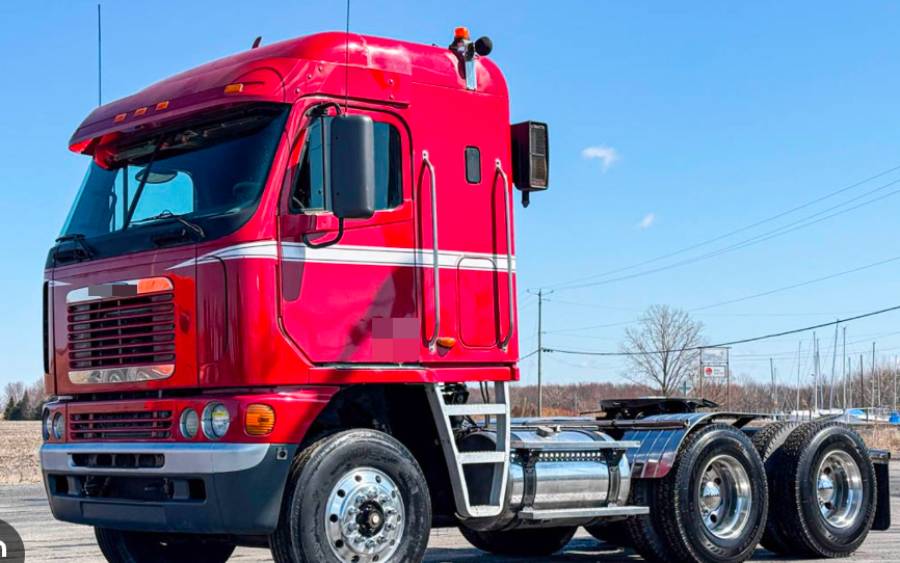
The Freightliner Cascadia DPF filter efficiency too low warning indicates that the engine’s aftertreatment monitoring system has detected a problem with diesel particulate filter (DPF) performance. This fault can result from a cracked or damaged DPF, a malfunctioning particulate matter sensor, exhaust leaks, or other issues affecting the aftertreatment system. The exact cause depends on the engine configuration and diagnostic fault codes.
A DPF efficiency fault does not automatically mean the filter is clogged or needs replacement. A damaged filter can allow excessive soot particles to pass through the exhaust, while faulty sensors or related components can produce misleading readings. Depending on the active fault codes and their severity, the truck may display a check engine light, trigger additional aftertreatment warnings, or experience reduced engine power.
Fixing low DPF efficiency requires identifying the underlying cause before performing regeneration, cleaning, or replacement. Technicians typically begin by retrieving fault codes with Detroit DiagnosticLink, inspecting the exhaust system, evaluating sensor data, and checking the filter’s physical condition. This guide explains the causes, symptoms, diagnostic procedures, repair options, and preventive maintenance practices for DPF efficiency problems on Freightliner Cascadia trucks.
What Does DPF Filter Efficiency Too Low Mean on a Freightliner Cascadia?
DPF filter efficiency too low on a Freightliner Cascadia means the engine control system has detected particulate filtration performance below the expected threshold. The diesel particulate filter captures soot particles produced during combustion, preventing them from passing through the exhaust system. When the aftertreatment monitoring system detects excessive particulate matter downstream of the filter, it may register a filtration efficiency fault.
On Freightliner Cascadia trucks equipped with Detroit DD13, DD15, or DD16 engines, DPF performance is monitored through the engine’s aftertreatment control system. Depending on the model year and emissions configuration, the system uses information from components such as the particulate matter sensor, exhaust temperature sensors, and DPF differential pressure sensor. The engine control module evaluates these signals under specific operating conditions to identify abnormal aftertreatment performance.
Low DPF filtration efficiency is different from excessive DPF restriction. A restricted filter contains accumulated soot or ash that increases resistance to exhaust flow, typically resulting in elevated differential pressure. Low filtration efficiency, however, indicates that the filter may not be capturing particulate matter effectively. For example, a cracked DPF substrate can allow soot to pass through the filter even when exhaust backpressure remains within an acceptable range.
A DPF efficiency warning does not confirm that the filter itself has failed. Exhaust leaks, sensor malfunctions, and other aftertreatment problems can affect diagnostic results. Technicians must identify the active fault code and verify the relevant sensor readings before determining whether the problem requires component repair, DPF cleaning, or filter replacement.
What Causes DPF Filter Efficiency Too Low on a Freightliner Cascadia?
The three primary areas to investigate when a Freightliner Cascadia reports low DPF filtration efficiency are filter damage, faulty aftertreatment sensors, and exhaust system leaks. These problems can either allow excessive particulate matter to pass through the diesel particulate filter or interfere with the monitoring system’s ability to evaluate filtration performance. Excessive soot production, ash accumulation, and unresolved engine faults can also contribute to DPF deterioration.
Identifying the cause requires distinguishing between a filter that cannot retain soot and a monitoring system that reports inaccurate information. Replacing the DPF without confirming the failure can leave the original problem unresolved, particularly when a defective sensor or an upstream engine condition is responsible.
Can a Damaged DPF Cause Low Filter Efficiency?
A cracked, melted, or structurally damaged DPF can cause low filtration efficiency by allowing soot particles to bypass the filter’s porous ceramic walls. A functioning DPF forces exhaust gases through these walls, where particulate matter is trapped while cleaned gases continue through the exhaust system. Damage to the internal substrate creates an alternative path that reduces filtration effectiveness.
DPF substrate damage can develop from excessive thermal stress, uncontrolled soot combustion, physical impact, or prolonged exposure to abnormal engine operating conditions. For example, excessive soot accumulation followed by unusually high regeneration temperatures can contribute to localized overheating and cracking. Once the ceramic substrate develops a significant crack, regeneration cannot restore its filtration capability.
A damaged DPF may also show normal differential pressure readings because exhaust gases can pass through the damaged section with less resistance. Technicians should therefore evaluate filter integrity rather than relying exclusively on pressure measurements. Visible soot deposits downstream of the filter can indicate particulate breakthrough, although further inspection is necessary to confirm the source.
Can Faulty Sensors Trigger a DPF Efficiency Fault?
Faulty particulate matter sensors and related electrical components can trigger DPF efficiency faults by providing inaccurate information to the aftertreatment monitoring system. On compatible Detroit Diesel configurations, the downstream particulate matter sensor helps detect soot passing through the DPF. The engine control module uses this information to assess filtration performance under defined operating conditions.
Sensor failures can result from damaged wiring, corroded connectors, electrical circuit faults, contamination, or internal sensor malfunction. For example, an intermittent wiring connection may disrupt the particulate matter sensor signal and generate diagnostic faults even when the DPF substrate remains intact. The resulting fault code depends on the sensor failure mode and engine calibration; not every sensor fault is classified as low filtration efficiency.
DPF differential pressure and exhaust temperature sensors also provide important information about aftertreatment operating conditions. A malfunctioning differential pressure sensor can produce misleading restriction readings, while inaccurate temperature measurements can interfere with regeneration control. These failures should be diagnosed separately from confirmed filtration-efficiency faults.
Technicians should inspect electrical connections, retrieve related fault codes, and compare live sensor data against Detroit Diesel diagnostic specifications before replacing any sensor.
Can Exhaust Leaks Cause Low DPF Efficiency?
Exhaust leaks can contribute to DPF efficiency diagnostic problems by changing exhaust flow conditions or interfering with aftertreatment sensor measurements. Their effects depend on the leak’s location relative to the DPF, particulate matter sensor, and other monitoring components.
Leaks around exhaust connections, damaged gaskets, cracked housings, or loose clamps can disrupt the intended exhaust path. For example, a leak near a sensor installation point may alter the conditions under which exhaust gases reach the sensor. A leak that allows exhaust to bypass the DPF can also reduce effective particulate filtration. However, an ordinary external exhaust leak does not automatically establish that soot is passing through the filter.
Technicians should inspect the exhaust piping, DPF housing, clamps, and sealing surfaces for visible damage or soot deposits. Exhaust leak testing should follow the manufacturer’s service procedures because aftertreatment components operate at high temperatures.
Other contributing conditions include excessive engine-out soot and accumulated DPF ash. Faulty fuel injectors, combustion problems, and certain air-management faults can increase particulate production, placing additional demands on the filter and regeneration system. Ash from engine oil additives and other noncombustible materials gradually accumulates inside the DPF and cannot be removed through normal regeneration. Although ash buildup primarily causes restriction rather than low filtration efficiency, prolonged abnormal operating conditions can contribute to filter damage.
The correct repair depends on confirming whether the fault originates from the DPF substrate, monitoring components, exhaust system, or an underlying engine problem.
What Are the Symptoms of Low DPF Filter Efficiency on a Freightliner Cascadia?
The main symptoms associated with low DPF filter efficiency on a Freightliner Cascadia are a check engine light, aftertreatment warning messages, and possible engine power reduction. However, these symptoms depend on the active fault codes, engine calibration, and severity of the aftertreatment problem. A truck with a damaged DPF may initially operate normally because filtration efficiency does not directly determine engine power.
The check engine light is one of the most common indicators of an aftertreatment malfunction. When the engine control module detects a DPF efficiency problem under the required monitoring conditions, it stores a diagnostic fault code and may illuminate the malfunction indicator lamp (MIL). The dashboard warning alone does not identify the failed component, so technicians must retrieve the active codes to determine whether the problem involves filtration performance, sensors, or another part of the emissions system.
Engine derate or reduced power can occur when an aftertreatment fault triggers an engine protection or emissions-related inducement strategy. Depending on the fault and vehicle configuration, the driver may notice weaker acceleration, limited engine torque, or reduced operating performance. However, low DPF efficiency does not automatically cause derate, and power restrictions may result from additional faults occurring alongside the filtration warning.
Other warning signs include repeated aftertreatment fault notifications, unsuccessful regeneration events, or abnormal exhaust system readings. These conditions are not exclusive to low DPF efficiency and may indicate separate problems involving soot accumulation, exhaust temperature control, or regeneration performance.
A Freightliner Cascadia can also develop a DPF efficiency fault without noticeable changes in engine operation. The most reliable way to identify the problem is to read the diagnostic fault codes and evaluate the corresponding aftertreatment data, rather than relying on dashboard symptoms alone.
Which Fault Codes Are Associated With DPF Efficiency Problems on a Freightliner Cascadia?
DPF efficiency problems on a Freightliner Cascadia are identified through diagnostic fault codes associated with particulate filtration, aftertreatment sensors, and exhaust system performance. The exact codes depend on the Detroit engine model, emissions configuration, and software calibration. A dashboard message indicating low DPF efficiency should therefore be verified using the complete fault code rather than interpreted as a confirmed filter failure.
Freightliner Cascadia trucks with Detroit DD13, DD15, or DD16 engines use diagnostic systems that report faults through Suspect Parameter Numbers (SPNs) and Failure Mode Identifiers (FMIs). The SPN identifies the affected parameter or system, while the FMI describes the detected failure condition. Together, these values help technicians determine which diagnostic procedure applies.
The following table identifies fault-code categories relevant to DPF troubleshooting.
| Fault Code or Category | Description | Recommended Diagnostic Check |
|---|---|---|
| SPN 3251 | DPF differential pressure-related parameter; exact fault depends on FMI | Inspect pressure sensor readings, sensing tubes, and exhaust restriction |
| DPF filtration efficiency faults | Particulate filtration performance below the monitored threshold | Inspect DPF integrity and verify particulate matter sensor operation |
| Particulate matter sensor faults | Sensor circuit, communication, or measurement problems | Check sensor wiring, connectors, and diagnostic data |
| Exhaust temperature sensor faults | Abnormal temperature measurements or sensor circuit failures | Compare exhaust temperature readings and inspect electrical connections |
| DPF regeneration faults | Regeneration incomplete, inhibited, or unsuccessful | Check soot loading, regeneration conditions, and related active faults |
SPN 3251 is associated with DPF differential pressure and should not automatically be interpreted as a filtration efficiency fault. Its meaning depends on the accompanying FMI and applicable Detroit diagnostic documentation. A restriction-related fault indicates a different diagnostic condition from a confirmed failure to retain particulate matter.
Technicians should retrieve both active and inactive fault codes using Detroit DiagnosticLink or a compatible heavy-duty diagnostic scanner. DiagnosticLink provides access to engine fault information and relevant aftertreatment operating data. Recording the complete SPN/FMI combination, fault status, occurrence count, and available operating conditions helps establish when the problem occurred and whether other faults contributed to it.
Related fault codes should be evaluated together because sensor failures, abnormal exhaust temperatures, and regeneration problems can affect aftertreatment operation. For example, an active particulate matter sensor circuit fault may require electrical diagnosis before the system can reliably evaluate DPF filtration performance.
The correct diagnostic procedure must match the truck’s engine serial number, emissions system configuration, and software calibration. Technicians should consult the applicable Detroit Diesel troubleshooting documentation before replacing components or performing service procedures. Clearing fault codes without correcting the underlying condition does not resolve the problem and may result in the warning returning when the diagnostic monitor runs again.
How Do You Diagnose DPF Filter Efficiency Too Low on a Freightliner Cascadia?
Diagnosing DPF filter efficiency too low on a Freightliner Cascadia requires five main steps: retrieving fault codes, checking aftertreatment sensor data, inspecting exhaust leaks, evaluating DPF condition, and verifying the root cause. The diagnostic sequence helps distinguish actual filtration failure from sensor malfunctions and other aftertreatment problems. Technicians should follow the Detroit Diesel troubleshooting procedure applicable to the truck’s engine serial number and emissions configuration.
Start by connecting Detroit DiagnosticLink or a compatible heavy-duty diagnostic scanner to the vehicle’s diagnostic port. Retrieve all active and inactive fault codes, including their SPN/FMI combinations, occurrence counts, and available operating data. Record related particulate matter sensor, exhaust temperature, differential pressure, and regeneration faults before clearing any codes. An active sensor fault may need to be resolved before filtration efficiency can be evaluated accurately.
Next, inspect the exhaust system for visible leaks, damaged connections, loose clamps, and soot deposits around the DPF housing. Pay particular attention to connections near aftertreatment sensors and areas where exhaust could bypass the filter. Perform inspections with the exhaust system sufficiently cooled, and use manufacturer-approved leak testing procedures when visual inspection cannot confirm the condition.
How Do You Check DPF Sensors and Exhaust System Readings?
Check DPF sensors by comparing live diagnostic readings with the expected values for the engine’s current operating conditions. Important measurements include DPF differential pressure, exhaust gas temperatures, particulate matter sensor status, and available regeneration data. Sensor readings must be interpreted according to engine speed, exhaust flow, temperature, and the diagnostic test conditions specified by Detroit Diesel.
The DPF differential pressure sensor measures the pressure difference across the filter. Excessive differential pressure under specified operating conditions can indicate exhaust restriction caused by soot or ash accumulation. However, normal differential pressure does not prove that the DPF is filtering correctly. A cracked substrate may allow exhaust gases to pass through with relatively little resistance while permitting particulate matter to escape.
Inspect the differential pressure sensor’s electrical connector and sensing tubes for damage, blockage, disconnection, or contamination. Compare pressure readings with the engine stopped and during applicable diagnostic operating conditions. A reading that fails to respond appropriately to changes in exhaust flow may indicate a sensor, tubing, or electrical problem. Use the manufacturer’s specifications rather than a universal pressure threshold because acceptable values vary by engine configuration and test conditions.
Exhaust temperature sensors should also be evaluated for plausible readings and proper response to changing operating conditions. Temperature information is essential for regeneration management and aftertreatment diagnostics. Where a particulate matter sensor is installed, inspect its wiring, connectors, and diagnostic status using the applicable service procedure. A sensor that reports an electrical or internal malfunction must be diagnosed before its measurements are used to judge DPF integrity.
How Do You Determine Whether the DPF Is Damaged or Clogged?
Determine whether the DPF is damaged or clogged by evaluating exhaust restriction, filter integrity, and evidence of particulate matter passing through the filter. These conditions require different repairs because cleaning removes accumulated material but cannot restore a cracked or melted ceramic substrate.
A clogged DPF typically develops increased exhaust restriction as soot or noncombustible ash accumulates inside the filter channels. Differential pressure readings, regeneration history, and service records help identify this condition. Soot accumulation may be reduced through an approved regeneration procedure when the system meets the required operating conditions. Ash accumulation requires an appropriate off-vehicle cleaning process or filter replacement, depending on the filter’s condition and service specifications.
A damaged DPF, by contrast, may show evidence of particulate breakthrough without excessive restriction. Soot deposits downstream of the filter, abnormal particulate matter measurements, or visible substrate damage can support further investigation. However, these observations must be evaluated together because no single measurement conclusively identifies every type of filter failure.
When the diagnostic procedure indicates possible internal damage, remove and inspect the DPF according to the manufacturer’s service instructions. Check for cracked filter channels, melted ceramic material, broken substrate sections, or other structural defects. Specialized filter inspection and testing equipment may be required to confirm damage that is not visible externally.
The final diagnosis should identify the failed component and any condition that caused the failure. For example, replacing a cracked DPF without correcting an injector malfunction that produces excessive soot can expose the replacement filter to the same damaging operating conditions. Complete the diagnosis by confirming the root cause before authorizing cleaning, regeneration, sensor replacement, or DPF replacement.
How Do You Fix DPF Filter Efficiency Too Low on a Freightliner Cascadia?
Fixing DPF filter efficiency too low on a Freightliner Cascadia requires repairing the component responsible for the filtration fault, which may involve sensor replacement, exhaust leak repair, DPF cleaning, or DPF replacement. The correct repair depends on diagnostic results because low filtration efficiency does not automatically indicate a clogged filter. Technicians should resolve related engine and aftertreatment faults before performing final verification.
Repair or replace faulty aftertreatment sensors. A malfunctioning particulate matter sensor can interfere with the system’s ability to monitor soot passing through the DPF. Inspect the sensor’s wiring harness, electrical connectors, and diagnostic status before replacing it. Damaged wiring or corroded terminals should be repaired according to manufacturer specifications. If diagnostic testing confirms an internal sensor failure, install a compatible replacement and complete any required initialization or service procedures using Detroit DiagnosticLink.
Repair exhaust leaks and damaged connections. Leaks around the DPF housing, exhaust joints, clamps, or sensor mounting points can interfere with aftertreatment operation and diagnostic measurements. Inspect the affected connections for cracks, damaged gaskets, loose fasteners, and soot deposits. Replace defective sealing components or repair damaged exhaust sections using approved procedures. Confirm that the exhaust system is properly sealed before repeating the relevant diagnostic tests.
Clean the DPF when excessive soot or ash accumulation is confirmed. DPF cleaning is appropriate when the filter is structurally intact but contains deposits that restrict exhaust flow. Soot accumulation may be addressed through an approved regeneration procedure when the engine meets the required conditions and no active faults prohibit regeneration. Noncombustible ash requires specialized off-vehicle cleaning because normal regeneration cannot burn it away. Professional DPF cleaning methods may include controlled air cleaning and other manufacturer-approved processes designed to remove accumulated deposits without damaging the ceramic substrate.
However, cleaning does not repair a filter that has lost its ability to capture particulate matter. A DPF with cracked channels or melted ceramic material may continue allowing soot to pass through even after accumulated deposits have been removed. Cleaning should therefore be selected based on confirmed restriction or ash loading rather than the low-efficiency warning alone.
Replace the DPF when testing confirms irreversible substrate damage or filtration failure. Cracked, melted, or broken filter channels can allow exhaust particles to bypass the filtration surfaces. A replacement filter must match the vehicle’s engine and aftertreatment configuration. Before installation, technicians should investigate conditions that contributed to the original failure, including excessive engine-out soot, abnormal regeneration temperatures, and unresolved fuel injection problems. Correcting these conditions helps prevent damage to the replacement filter.
After completing the repair, use Detroit DiagnosticLink to perform the applicable post-repair procedures and verify that related sensor readings are within the manufacturer’s specified operating ranges. Clear fault codes only when directed by the service procedure, then complete the required operating or diagnostic conditions to confirm that the fault does not return. Some aftertreatment monitors require specific temperatures, engine loads, or drive-cycle conditions before their results can be evaluated.
A successful DPF efficiency repair must correct the underlying fault and confirm normal aftertreatment monitoring, not simply turn off the dashboard warning. If the same fault returns after repair, repeat the diagnostic procedure and investigate unresolved sensor, exhaust, or engine-related problems before replacing additional components.
Can a Parked Regeneration Fix DPF Filter Efficiency Too Low?
A parked regeneration can help resolve DPF problems caused by excessive soot accumulation, but it cannot repair a damaged filter or directly correct a confirmed filtration efficiency failure. Regeneration raises exhaust temperatures to burn trapped soot and reduce filter restriction. However, it does not restore cracked ceramic channels, repair faulty particulate matter sensors, or eliminate exhaust leaks.
On a Freightliner Cascadia equipped with a Detroit DD13, DD15, or DD16 engine, parked regeneration is intended to reduce accumulated soot when the aftertreatment system requests or permits the procedure. During regeneration, exhaust temperatures increase to oxidize soot trapped inside the DPF. This process improves exhaust flow when soot loading is responsible for excessive restriction, but it does not remove noncombustible ash or restore damaged filtration surfaces.
A parked regeneration should only be performed when the applicable Detroit Diesel diagnostic procedure confirms that regeneration is necessary and permitted. Technicians must check active fault codes, soot loading information, exhaust temperature sensor operation, and regeneration conditions before starting the process. Performing repeated forced regenerations without identifying the underlying problem can expose the aftertreatment system to unnecessary thermal stress.
For example, a DPF with excessive soot accumulation but an intact ceramic substrate may benefit from a successful regeneration. In contrast, a filter with cracked internal channels can continue releasing particulate matter after regeneration because the physical damage remains unchanged.
If the DPF efficiency warning persists after an approved regeneration, technicians should investigate filter integrity, particulate matter sensor operation, and related aftertreatment faults. Regeneration is a soot-removal procedure, not a universal repair for low DPF filtration efficiency.
Can You Drive a Freightliner Cascadia With a DPF Efficiency Fault?
You may be able to drive a Freightliner Cascadia with a DPF efficiency fault temporarily, but continued operation depends on the active fault codes, dashboard warnings, and engine operating conditions. A low filtration efficiency fault does not always cause immediate engine performance problems. However, ignoring the warning can allow an underlying aftertreatment problem to remain unresolved and may lead to additional emissions-related faults.
If the truck displays a steady check engine light without reduced power or other critical warnings, it may remain operational while the driver arranges diagnostic service. However, normal engine performance does not confirm that the DPF is functioning correctly. A cracked filter can allow excessive particulate matter to pass through the exhaust even when the engine runs normally. The vehicle’s operating status and applicable service instructions should determine whether continued driving is appropriate.
Driving becomes more restrictive when the fault is accompanied by engine derate, severe aftertreatment warnings, or additional engine problems. Depending on the Detroit engine calibration and active diagnostic codes, the engine control system may limit torque or vehicle speed under certain emissions-related fault conditions. Reduced acceleration, escalating warnings, or abnormal exhaust temperatures require prompt attention. A red stop-engine warning, overheating, or another critical condition requires following the manufacturer’s shutdown instructions rather than continuing the trip.
Continuing to operate with an unresolved DPF problem can also increase repair costs. For example, an engine fault that produces excessive soot may accelerate filter loading and contribute to repeated regeneration problems. If the DPF substrate is already damaged, further operation will not restore its filtration capability.
The safest approach is to retrieve the active fault codes and determine the severity of the problem before continuing normal operation. Drivers should arrange professional diagnosis promptly and avoid repeated regeneration attempts or extended driving solely to clear the warning. A qualified technician can determine whether the truck can be moved safely to a repair facility or requires immediate service.
Read more: Freightliner Cascadia Engine Brake Not Working? Fixes
How Much Does It Cost to Fix DPF Efficiency Too Low on a Freightliner Cascadia?
The cost to fix DPF filter efficiency too low on a Freightliner Cascadia depends on whether the problem requires sensor repair, exhaust leak repair, professional DPF cleaning, or complete filter replacement. Minor electrical or sealing problems generally cost less to repair than a damaged DPF assembly. Final pricing depends on the truck’s model year, Detroit engine configuration, replacement part specifications, and local labor rates.
The following table outlines the main repair categories and factors affecting their costs. Exact prices require current parts quotes and labor estimates from a qualified diesel repair facility.
| Repair Type | Main Cost Factors |
|---|---|
| Diagnostic inspection | Labor time, fault-code analysis, sensor testing, and exhaust inspection |
| Particulate matter sensor replacement | Sensor price, labor, and required diagnostic procedures |
| Exhaust leak repair | Leak location, replacement gaskets, clamps, piping, and labor |
| Professional DPF cleaning | Filter removal, cleaning method, inspection, and reinstallation |
| DPF replacement | Filter assembly, installation labor, and required service procedures |
| Additional engine repairs | Injector, combustion, or other faults contributing to DPF damage |
DPF replacement is generally one of the most expensive repair options because it involves a specialized emissions-control component and substantial service labor. The replacement assembly must match the truck’s aftertreatment configuration. Additional costs may arise when technicians discover damaged exhaust connections, failed sensors, or underlying engine problems during inspection.
Professional DPF cleaning is generally less expensive than replacing the complete filter assembly when the existing substrate remains structurally intact. However, cleaning is not a suitable alternative when inspection confirms cracked or melted filter channels. Paying for cleaning in that situation can increase total repair expenses without resolving the filtration fault.
Diagnostic testing is an essential part of controlling repair costs. For example, replacing a DPF when the actual problem is a faulty particulate matter sensor can result in unnecessary parts and labor expenses while leaving the warning unresolved. Confirming the failed component before authorizing repairs is the most effective way to avoid unnecessary DPF replacement costs.
Truck owners should request an itemized repair estimate that separates diagnostic labor, replacement parts, DPF servicing, and post-repair verification. Comparing estimates from qualified diesel repair facilities can help identify the appropriate repair without sacrificing the accuracy of the diagnosis.
How Can You Prevent DPF Efficiency Problems on a Freightliner Cascadia?
Preventing DPF efficiency problems on a Freightliner Cascadia requires maintaining proper engine combustion, addressing aftertreatment faults promptly, inspecting exhaust components, and following the recommended DPF maintenance schedule. These practices help protect the filter’s ceramic substrate, maintain accurate sensor readings, and reduce operating conditions that contribute to premature filter deterioration.
Maintain the engine’s fuel injection and air intake systems. Faulty fuel injectors, restricted air filters, and turbocharger-related problems can increase soot production by disrupting the combustion process. Excessive soot places additional demands on the DPF and can increase regeneration frequency. For example, an injector that delivers fuel improperly may produce more particulate matter than the aftertreatment system normally handles. Correcting combustion-related faults reduces unnecessary soot accumulation and helps protect the filter from excessive thermal stress.
Follow the manufacturer’s DPF cleaning and maintenance intervals. Detroit Diesel specifies aftertreatment maintenance requirements according to engine configuration, operating conditions, and service application. Although regeneration burns accumulated soot, it does not eliminate noncombustible ash deposited inside the filter. Over time, ash accumulation increases exhaust restriction and may require professional cleaning. Following the applicable maintenance schedule helps prevent excessive restriction and supports normal aftertreatment operation.
Inspect exhaust connections and aftertreatment sensors during routine maintenance. Loose clamps, damaged gaskets, deteriorated wiring, and corroded electrical connectors can interfere with exhaust system performance and diagnostic accuracy. Technicians should inspect the DPF housing, exhaust piping, particulate matter sensor connections, and differential pressure sensing lines when servicing the aftertreatment system. Repairing these problems early reduces the risk of recurring diagnostic faults.
Use engine oil and diesel fuel that meet the applicable Detroit Diesel specifications. Approved low-ash engine oil helps control the accumulation of noncombustible material inside the DPF. Fuel quality also affects combustion performance and aftertreatment reliability. Using unsuitable lubricants or contaminated fuel can increase deposits and contribute to additional engine and emissions-system problems.
Address repeated regeneration failures and active engine fault codes without delay. Frequent regeneration requests, incomplete regeneration cycles, and persistent aftertreatment warnings indicate conditions that require investigation. Repeatedly initiating parked regeneration without correcting the underlying cause can expose the system to unnecessary thermal stress. Instead, technicians should review fault codes, regeneration history, sensor readings, and engine operating conditions to identify the problem.
Preventive maintenance cannot eliminate every DPF failure, particularly damage caused by unexpected component defects or severe operating conditions. However, consistent engine maintenance, timely fault diagnosis, and proper aftertreatment servicing reduce avoidable DPF problems and help extend filter service life.