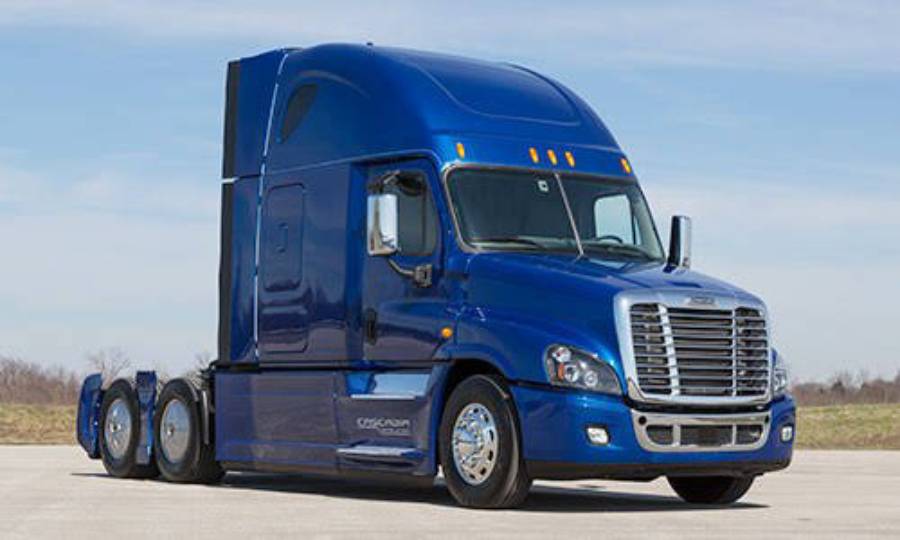
A Freightliner Cascadia engine brake not working can result from a faulty engine brake switch, damaged wiring, defective brake solenoids, incorrect sensor signals, or engine control system faults. The engine brake may also remain inactive when specific operating conditions are not met, even when its mechanical components are functioning correctly. Identifying the exact cause requires checking the brake controls, engine operating conditions, and diagnostic fault information before replacing any components.
Freightliner Cascadia trucks equipped with Detroit DD13, DD15, or DD16 engines use electronically controlled compression-release braking to help slow the vehicle without relying entirely on the service brakes. When this system fails, drivers may experience a complete loss of engine braking, reduced braking power, or intermittent operation. These symptoms can indicate different electrical, mechanical, or control-related problems.
Diagnosing the problem starts with verifying the engine brake switch settings, accelerator pedal input, and operating conditions. If these checks do not reveal the cause, inspecting electrical connections and retrieving diagnostic trouble codes can help isolate the fault. This guide explains the common causes of Freightliner Cascadia engine brake failure, how to diagnose each problem, and the appropriate repairs to restore normal braking performance.
Why Is My Freightliner Cascadia Engine Brake Not Working?
A Freightliner Cascadia engine brake may stop working because of a faulty engine brake switch, damaged wiring, defective brake solenoids, incorrect sensor inputs, or engine control system faults. The system may also fail to activate when the truck does not meet the operating conditions required for engine braking. These problems can prevent the engine controller from activating the compression-release brake, reducing the truck’s ability to slow down without using the service brakes.
On Freightliner Cascadia trucks equipped with Detroit DD13, DD15, or DD16 engines, engine brake operation depends on electronic control signals and mechanical components working together. The engine controller evaluates inputs such as accelerator pedal position, engine speed, and selected braking level before commanding engine braking. A missing or incorrect input can prevent activation even when the brake solenoids and internal engine components are functional.
Engine brake symptoms help narrow down the cause. A brake that never activates may indicate a control input, electrical circuit, or activation restriction. Intermittent braking can point to loose connections or inconsistent switch signals. An engine brake that activates but produces weak braking force may require inspection of operating conditions, braking levels, or mechanical components.
What Are the Most Common Causes of Freightliner Cascadia Engine Brake Failure?
There are six main categories of Freightliner Cascadia engine brake problems, each affecting a different part of the braking system.
- Faulty engine brake switch: A damaged switch or incorrect switch signal can prevent the controller from recognizing the driver’s braking request. The brake may fail completely or operate only at certain settings.
- Damaged wiring or connectors: Corroded terminals, broken wires, and loose electrical connections can interrupt communication or electrical power between control components. These faults may cause intermittent or complete engine brake failure.
- Defective engine brake solenoids: Engine brake solenoids control the hydraulic actuation used by the compression-release braking mechanism. An electrical or mechanical solenoid failure can prevent the affected braking mechanism from operating correctly.
- Incorrect sensor or driver input signals: Accelerator pedal, clutch, and other applicable vehicle inputs influence engine brake activation. For example, an accelerator pedal signal that incorrectly indicates throttle demand may prevent the controller from enabling engine braking.
- Engine control system faults: Problems involving the Motor Control Module (MCM), Common Powertrain Controller (CPC), or their communication and configuration can interfere with engine brake commands. A stored diagnostic trouble code may help identify the affected circuit or control function.
- Unmet engine brake activation conditions: Engine speed, transmission status, selected braking mode, and other operating parameters determine when engine braking is permitted. The system may remain inactive without any failed components when these conditions are not satisfied.
The most effective diagnostic approach is to verify engine brake operating conditions and control inputs before testing solenoids or internal engine components. This sequence helps distinguish an electronic activation problem from a mechanical failure and reduces unnecessary component replacement.
What Should You Check First When a Freightliner Cascadia Engine Brake Stops Working?
When a Freightliner Cascadia engine brake stops working, check the engine brake switch, accelerator pedal position, engine RPM, transmission operating conditions, and diagnostic fault codes first. These initial checks help determine whether the engine brake is being prevented from activating or whether an electrical or mechanical component has failed. Start with stationary inspections before conducting any operational tests.
Check the engine brake switch settings. Locate the engine brake controls and confirm that the system is enabled. Depending on the Cascadia model year and configuration, the truck may have multiple engine braking levels. Select the available settings and observe whether the braking response changes during normal operation. If the brake works at one setting but not another, the problem may involve switch inputs, control commands, or components associated with a particular braking level. A switch that feels normal can still have an electrical fault, so its signal may need verification using diagnostic software.
Verify accelerator pedal operation. The engine brake generally activates when the accelerator pedal is released and the required operating conditions are satisfied. The engine controller uses accelerator position information to determine whether the driver is requesting engine power or deceleration. A faulty accelerator pedal sensor or incorrect position signal can prevent engine brake activation. Diagnostic software can confirm whether the controller recognizes the pedal as fully released.
Check engine RPM and operating conditions. Compression-release braking depends on engine speed, and braking effectiveness changes across the operating range. Engine braking may be restricted below certain engine speeds or under specific engine operating conditions. Verify that the engine is operating within the manufacturer’s permitted range rather than assuming the system has failed because braking feels weak at low RPM. Engine temperature and active protection strategies may also affect operation, depending on the engine calibration.
Inspect transmission and cruise control conditions. Engine brake behavior depends partly on transmission configuration and vehicle control settings. On trucks equipped with automated transmissions, transmission control strategies may influence engine braking during gear changes or downhill operation. Cruise control settings can also change when and how engine braking is requested. Confirm that the selected operating mode supports the expected braking response.
Check dashboard warnings and diagnostic trouble codes. Look for check engine lights, engine protection warnings, or other relevant indicators. Retrieve active and stored diagnostic trouble codes using equipment compatible with Detroit Diesel control systems. Codes associated with engine brake circuits, switch inputs, accelerator signals, or controller communication can help identify the affected system. However, the absence of a warning light does not confirm that every engine brake component is functioning correctly.
Inspect accessible wiring and electrical connectors. With the truck safely parked, the engine switched off, and the vehicle secured against movement, visually examine accessible engine brake control wiring for damaged insulation, loose connectors, corrosion, or signs of overheating. Pay particular attention to wiring exposed to vibration, moisture, and engine heat. Do not disconnect engine-mounted components or perform electrical measurements without following the applicable service procedure.
If the engine brake remains inoperative after these checks, the next step is to compare the controller’s requested engine brake operation with the actual electrical and mechanical response. This requires a more detailed diagnostic process to isolate the fault before replacing components.
How Do You Diagnose a Freightliner Cascadia Engine Brake That Is Not Working?
To diagnose a Freightliner Cascadia engine brake that is not working, verify the engine brake command, inspect the electrical circuits, test the brake solenoids, and check engine control system data. The objective is to determine whether the failure originates from an incorrect control signal, a defective electrical component, or a mechanical problem inside the engine. Detroit DD13, DD15, and DD16 engines share similar diagnostic principles, but component locations, circuit specifications, and testing procedures vary by engine version.
Begin by identifying the failure pattern. A completely inactive engine brake suggests that the controller may not be receiving or executing the activation request. Intermittent operation can indicate unstable electrical connections or inconsistent sensor signals. Weak braking despite a valid activation command may indicate a mechanical problem or an operating condition that limits braking performance. These symptoms guide the diagnostic sequence but do not independently confirm a failed component.
How Do You Check Engine Brake Solenoids and Wiring?
Engine brake solenoids and wiring should be checked for electrical faults, damaged connections, and incorrect circuit operation. The solenoids control hydraulic actuation within the compression-release braking mechanism. When a solenoid fails to respond to the controller’s command, the associated braking function may become weak or inoperative.
Start with a visual inspection of accessible wiring harnesses and connectors. Look for damaged insulation, loose terminals, corrosion, oil contamination, and wiring that has rubbed against engine components. Electrical connections exposed to engine vibration and heat can develop intermittent faults that interrupt solenoid operation. A connector with damaged terminals may prevent the solenoid from receiving the required electrical signal even when the controller is functioning correctly.
Next, verify the solenoid circuits using the electrical diagnostic procedures specified for the engine serial number. A qualified technician can check circuit continuity, resistance, shorts to ground, and shorts to power using the appropriate equipment. An open circuit may indicate a broken wire or disconnected component, while an out-of-specification resistance measurement may indicate a solenoid or harness problem. Exact resistance limits and connector pin assignments must come from the applicable Detroit service documentation.
Mechanical inspection becomes necessary when the controller commands engine braking and the electrical circuits test correctly, but the expected braking response is absent. Internal problems involving solenoid actuation, hydraulic oil passages, or valve train components can interfere with compression-release braking. These inspections require engine-specific procedures because incorrect handling of internal braking components can damage the engine.
How Can Detroit DiagnosticLink Help Identify Engine Brake Problems?
Detroit DiagnosticLink helps diagnose Freightliner Cascadia engine brake problems by retrieving fault codes, monitoring controller inputs, and displaying available engine brake operating parameters. The software communicates with compatible Detroit electronic control systems and allows technicians to examine information that cannot be confirmed through a visual inspection alone.
Connect compatible diagnostic equipment through the vehicle’s diagnostic interface and identify the installed engine and controller configuration. Retrieve active and inactive diagnostic trouble codes from the relevant control modules. Codes involving engine brake control circuits, accelerator pedal inputs, communication faults, or engine operating restrictions provide starting points for further testing. Each code must be interpreted using the correct troubleshooting procedure because a fault code identifies a detected condition rather than automatically confirming which component needs replacement.
Live data provides additional information about the engine brake activation sequence. Depending on the controller and software configuration, technicians can monitor the engine brake switch request, accelerator pedal position, engine speed, and available engine brake command or status parameters. For example, if the engine brake switch is enabled but the controller does not recognize the request, the diagnostic process should focus on the switch input, associated wiring, and control logic before investigating internal engine components.
When the controller recognizes the braking request but does not command activation, check the applicable operating conditions, active faults, and controller restrictions. If the controller issues the expected command but braking remains ineffective, investigate the relevant output circuits and mechanical braking components. This distinction prevents unnecessary replacement of functioning switches, solenoids, or control modules.
DiagnosticLink functions and available tests depend on the engine model, controller software, and vehicle configuration. Perform only manufacturer-supported tests under their specified conditions. Solenoid activation tests, electrical measurements, and internal engine inspections should be handled by qualified technicians using the appropriate Detroit service information.
How Do You Fix a Freightliner Cascadia Engine Brake That Is Not Working?
To fix a Freightliner Cascadia engine brake that is not working, repair or replace the component responsible for the confirmed failure, then verify that the engine brake operates correctly. Common repairs include replacing a defective engine brake switch, repairing damaged wiring, replacing a failed engine brake solenoid, or correcting control system faults. The appropriate repair depends on diagnostic findings rather than the symptoms alone.
Start with the least invasive repair supported by the diagnostic results. An incorrect switch signal requires inspection of the switch and its electrical circuit, while an open solenoid circuit requires testing the associated wiring and solenoid. Engine control faults may require correcting sensor inputs, communication problems, or configuration issues. Mechanical repairs should only begin after the electronic controls and electrical circuits have been verified.
How Do You Fix Engine Brake Switch and Wiring Problems?
Fix engine brake switch problems by replacing a confirmed defective switch and repairing any damaged electrical connections. A switch that fails to transmit the selected braking level can prevent the controller from activating the engine brake or recognizing certain settings.
Before replacing the switch, verify its input using compatible diagnostic software or the manufacturer-specified electrical test. If the controller does not recognize the selected switch position, inspect the switch connector and related wiring. Replace the switch only when testing confirms that the component is defective. Use a replacement compatible with the truck’s model year and electrical configuration.
Damaged engine brake wiring requires a different repair approach. Broken conductors, corroded terminals, and loose connectors can interrupt control signals or solenoid circuits. Repair damaged sections using manufacturer-approved wiring procedures, terminals, and connectors. Wiring routed near the engine must also be secured against vibration, abrasion, and excessive heat to prevent repeated failures.
After completing the repair, verify that the controller recognizes the engine brake switch positions and that the affected electrical circuits operate within specification. Clear relevant fault codes only after correcting their causes, then check whether any active faults return.
When Should You Replace an Engine Brake Solenoid?
Replace an engine brake solenoid when diagnostic testing confirms an electrical or mechanical failure that prevents proper solenoid operation. A defective solenoid can interrupt the hydraulic actuation required for compression-release braking, reducing or eliminating the braking contribution of the affected mechanism.
Electrical testing should confirm whether the solenoid circuit meets the specifications for the installed Detroit engine. An open winding, an internal electrical fault, or a solenoid that fails an applicable manufacturer-approved functional test may justify replacement. However, damaged wiring or connector problems can produce similar symptoms, so the complete circuit must be checked before removing the solenoid.
Solenoid replacement on Detroit DD13, DD15, and DD16 engines may require access to internal engine components. The exact procedure depends on the engine design and serial number. A qualified diesel technician should follow the applicable Detroit service instructions for component removal, installation, adjustment where required, and tightening specifications.
After replacing the solenoid, verify the electrical circuit and use the available diagnostic functions to confirm that the engine controller can command the braking system correctly. Inspect for related faults before returning the vehicle to service.
Verify engine brake performance after every repair. Confirm that the original fault is no longer active, inspect repaired connections, and check that the engine brake responds to the appropriate control settings. A qualified operator should perform any necessary road test under controlled, safe conditions while following the manufacturer’s operating instructions. Do not rely on an unverified engine brake for downhill speed control. Successful repair requires both correct electronic operation and the expected braking response.
Why Is My Freightliner Cascadia Engine Brake Weak Instead of Completely Inoperative?
A Freightliner Cascadia engine brake may feel weak because of low engine RPM, an incorrect braking level, restricted engine brake activation, or a fault affecting part of the compression-release braking system. Unlike a completely inoperative engine brake, a weak engine brake still produces some retarding force but does not deliver the expected deceleration. Identifying whether the reduced performance is caused by operating conditions or a component failure is essential before attempting repairs.
Low engine RPM is a common reason for reduced engine braking performance. Compression-release engine brakes generate retarding power by using the engine’s compression process to absorb energy from the drivetrain. Their braking effectiveness generally increases with engine speed within the manufacturer’s approved operating range. For example, a Freightliner Cascadia descending a grade in a high gear at low RPM may experience noticeably less engine braking than the same truck operating in a suitable lower gear at a higher permitted RPM. Drivers should follow the applicable Detroit engine operating limits and transmission guidance rather than exceeding safe engine speeds to increase braking force.
An incorrect engine brake level can also produce weaker braking than expected. Freightliner Cascadia configurations with selectable engine braking levels allow drivers to adjust the amount of retarding force. A lower setting provides less braking than the maximum available setting under comparable conditions. If the engine brake operates normally at one level but fails to produce the expected response at another, the switch input, controller commands, and relevant brake components should be inspected. Diagnostic software can help determine whether the controller recognizes each selected level.
Electrical or mechanical faults may reduce braking force without disabling the entire system. A defective solenoid, damaged electrical circuit, or internal braking mechanism problem can prevent part of the compression-release system from operating correctly. For example, if a fault prevents an applicable engine brake stage from activating, the remaining functional stages may still provide some braking. The resulting performance depends on the engine configuration and the components affected.
Vehicle operating conditions can also change perceived engine braking strength. Transmission gear selection, vehicle load, road gradient, and engine speed all influence how effectively engine braking controls vehicle speed. A heavily loaded truck descending a steep grade requires greater retarding force than an unloaded truck on level ground, even when the engine brake is functioning correctly.
To diagnose weak engine braking, compare the response at the available braking levels under appropriate operating conditions, then inspect controller data and relevant fault codes. If the selected settings and operating conditions are correct but braking remains weaker than expected, a qualified diesel technician should investigate the electrical and mechanical braking components. Avoid relying on reduced engine braking performance when descending steep grades until the problem has been resolved.
How Does the Engine Brake Work on a Freightliner Cascadia?
The Freightliner Cascadia engine brake works by using a compression-release braking mechanism to slow the engine and drivetrain without relying entirely on the service brakes. On Cascadia trucks equipped with Detroit DD13, DD15, or DD16 engines, the engine brake uses electronically controlled components to release compressed air from the engine cylinders at specific points in the compression cycle. This process converts vehicle kinetic energy into engine braking resistance, helping control truck speed during deceleration and downhill driving.
The engine brake operates through coordination between the driver’s brake controls, the engine management system, and the mechanical braking components. When the driver enables engine braking and releases the accelerator, the engine controller evaluates operating conditions such as engine speed, selected braking level, and relevant vehicle inputs. If the required conditions are satisfied, the controller commands the appropriate engine brake components to activate.
Engine braking reduces the workload on the service brakes during prolonged deceleration. This is particularly useful when a loaded Freightliner Cascadia travels downhill, where continuous service brake application can generate excessive heat and contribute to brake fade. However, the engine brake is a supplemental braking system and does not replace the service brakes.
How Does a Detroit Diesel Compression-Release Brake Work?
A Detroit Diesel compression-release brake slows the truck by releasing compressed air from the engine cylinders near the end of the compression stroke, preventing much of the energy used to compress that air from being returned to the crankshaft during expansion. This creates negative engine torque that resists drivetrain rotation and helps reduce vehicle speed.
During normal engine operation, the pistons compress air inside the cylinders, and combustion produces the force needed to drive the crankshaft. When compression-release braking is activated, the braking mechanism opens the appropriate exhaust valves near the end of the compression stroke. Releasing the compressed air prevents the engine from recovering much of the energy used during compression, producing a retarding effect instead of driving power.
The braking mechanism uses electronically controlled solenoids and hydraulic actuation to operate the required valve train components. The engine controller determines when braking is permitted and which braking level should be applied. Depending on the engine configuration, different braking settings change the amount of available retarding force.
For example, when a Freightliner Cascadia descends a long grade with the accelerator released and the engine brake enabled, the compression-release mechanism absorbs energy transmitted through the drivetrain. Selecting an appropriate gear helps maintain engine speed within the recommended braking range, allowing the engine brake to provide effective deceleration.
Understanding this operating sequence also helps explain engine brake failures. A faulty switch or incorrect sensor input can prevent the controller from requesting braking, while damaged wiring, defective solenoids, or mechanical faults can prevent the commanded braking action from occurring. Separating these control and mechanical functions is essential for accurate troubleshooting.
Read more: Freightliner Cascadia Cranks but Won’t Start: Fixes
How Can You Prevent Freightliner Cascadia Engine Brake Problems?
To prevent Freightliner Cascadia engine brake problems, inspect electrical connections, maintain the engine according to Detroit Diesel service requirements, and address engine brake faults before they develop into complete failures. Preventive maintenance helps protect the electrical controls, hydraulic actuation components, and mechanical systems responsible for compression-release braking.
Inspect engine brake wiring and connectors during routine maintenance. Engine vibration, heat, moisture, and road contaminants can damage wiring harnesses and electrical terminals over time. Check accessible connectors for corrosion, loose terminals, damaged insulation, and signs of overheating. Secure wiring away from moving components and high-temperature surfaces. Repairing a damaged connector early can prevent intermittent engine brake operation or complete loss of an electrical control circuit.
Follow the recommended engine oil and filter maintenance schedule. Detroit Diesel compression-release braking systems use engine oil pressure for hydraulic actuation, making proper lubrication and oil condition important to reliable operation. Use engine oil that meets the applicable Detroit specifications and follow the service intervals for the engine model and operating conditions. Incorrect oil specifications, inadequate oil pressure, or neglected maintenance can interfere with hydraulic component operation and contribute to engine wear.
Investigate intermittent engine brake problems promptly. Delayed activation, inconsistent braking levels, or occasional loss of braking performance may indicate developing electrical or mechanical faults. Record when the symptoms occur, including engine speed, selected braking level, and operating conditions. Retrieve relevant diagnostic trouble codes and investigate recurring faults instead of repeatedly clearing them without correcting the underlying problem.
Verify engine brake operation after related engine or electrical repairs. Maintenance involving engine wiring, control modules, valve train components, or relevant sensors can affect engine brake operation if connections or settings are disturbed. Confirm that the controller recognizes the engine brake switch and that the system responds correctly under manufacturer-approved operating conditions.
Consistent inspections and timely repairs reduce the likelihood of preventable engine brake failures. However, maintenance cannot eliminate every electrical or mechanical fault. A qualified technician should investigate any persistent reduction in braking performance before the truck is operated in conditions that require dependable supplemental braking.
When Should You Take a Freightliner Cascadia to a Diesel Mechanic for Engine Brake Repair?
Take a Freightliner Cascadia to a qualified diesel mechanic when the engine brake remains inoperative after basic checks, diagnostic trouble codes indicate electrical or control system faults, or internal engine brake components require inspection. These problems often require Detroit-compatible diagnostic equipment, specialized testing procedures, and access to engine components that cannot be safely inspected through routine maintenance.
Persistent engine brake failure requires professional diagnosis. If the engine brake switch is enabled, the accelerator is released, and the required operating conditions are satisfied but the system still does not activate, a technician should inspect the controller inputs and electrical circuits. Detroit DiagnosticLink can help identify relevant fault codes, monitor engine brake commands, and determine whether the problem involves electronic controls or mechanical components.
Internal engine brake problems require specialized repair procedures. Defective solenoids, hydraulic actuation faults, and valve train problems may require removal of engine components and precise inspection or adjustment. Incorrect installation or adjustment can damage the braking mechanism or affect engine operation. A technician familiar with Detroit DD13, DD15, or DD16 engines should perform these repairs using the service information applicable to the engine serial number.
Unexpected braking behavior also requires immediate attention. An engine brake that activates unpredictably, produces abnormal mechanical noises, or repeatedly loses braking force may indicate a fault that affects vehicle control. Stop operating the truck if its braking performance cannot be maintained safely, and arrange professional inspection before returning it to service.
Professional diagnosis is especially important when multiple fault codes appear, previous repairs have not resolved the problem, or the engine brake operates inconsistently across braking levels. Confirming the underlying cause before replacing components helps prevent unnecessary repair costs and ensures that the engine brake provides the expected supplemental braking performance.