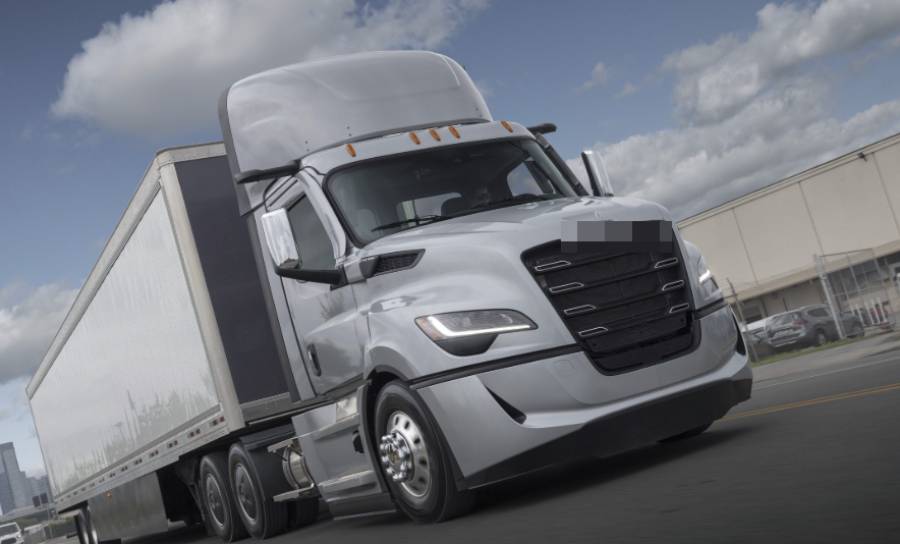
The most common Freightliner Cascadia problems involve engine performance, DEF and DPF systems, DT12 transmission operation, electrical components, cooling systems, and air brakes. These issues can cause engine power loss, dashboard warning lights, hard shifting, overheating, and unexpected downtime. The symptoms and repair requirements vary depending on the truck’s model year, engine configuration, mileage, and maintenance history.
Freightliner Cascadia trucks equipped with Detroit DD13 or DD15 engines can experience fuel delivery problems, coolant leaks, and emissions-related power reductions. The diesel exhaust fluid (DEF) and diesel particulate filter (DPF) systems can also develop faults that trigger warning messages or engine derating. Trucks equipped with the Detroit DT12 automated manual transmission may experience shifting difficulties associated with clutch actuators, electronic controls, or calibration issues. Electrical faults, including weak batteries, damaged wiring, and faulty connections, can create additional starting and communication problems.
Identifying the underlying cause is essential because similar symptoms can originate from different components. For example, reduced engine power may result from a fuel system restriction or an emissions-related derate, each requiring a different diagnostic approach. This guide explains common Freightliner Cascadia problems, their symptoms, likely causes, diagnostic methods, repair options, and preventive maintenance practices.
What Are the Most Common Freightliner Cascadia Problems?
The most common Freightliner Cascadia problem categories include engine performance issues, DEF and DPF system faults, transmission malfunctions, electrical failures, cooling system leaks, air pressure problems, and HVAC failures. These problems affect different vehicle systems and can result in reduced engine power, increased fuel consumption, unexpected warning lights, or unplanned downtime. Their occurrence depends on the truck’s model year, mileage, operating conditions, and maintenance history.
The following table summarizes seven major problem categories, their typical symptoms, and possible causes.
| Problem Category | Common Symptoms | Possible Causes |
|---|---|---|
| Engine problems | Power loss, rough idling, poor acceleration | Fuel restrictions, turbocharger faults, sensor failures |
| DEF and DPF problems | Check engine light, regeneration issues, engine derate | DEF dosing faults, NOx sensor failures, DPF soot accumulation |
| Transmission problems | Hard shifting, delayed gear engagement, failure to select gears | Clutch actuator faults, calibration issues, electronic control failures |
| Electrical problems | Starting difficulties, intermittent warning lights, electrical component failures | Weak batteries, damaged wiring, poor grounding |
| Cooling system problems | Engine overheating, coolant loss, temperature warnings | Radiator leaks, thermostat faults, water pump problems |
| Air brake and air system problems | Low air pressure warnings, slow pressure buildup, audible air leaks | Air compressor faults, leaking air lines, air dryer problems |
| HVAC problems | Weak air conditioning, inconsistent cabin temperature, reduced airflow | Refrigerant leaks, blower motor failures, faulty temperature controls |
Engine and emissions system problems deserve particular attention because they can directly affect truck performance and availability. Detroit DD13 and DD15 engines rely on electronic controls and emissions equipment to maintain proper operation. A malfunctioning NOx sensor, DEF dosing component, or DPF regeneration system can trigger diagnostic fault codes and, under certain conditions, an engine power derate. However, a derate warning does not automatically identify the defective component; the stored fault codes and supporting diagnostic tests must be evaluated.
Transmission and electrical problems can also produce overlapping symptoms. For example, low battery voltage or unstable electrical connections may interfere with electronic transmission controls, resulting in shifting or gear engagement complaints that resemble mechanical transmission failures. Identifying whether a problem originates in the transmission, electrical supply, or control system helps prevent unnecessary component replacement.
Cooling and air system faults require prompt attention because they can affect engine protection and vehicle safety. Persistent overheating can damage engine components, while insufficient air pressure can compromise braking performance. HVAC failures primarily affect cabin comfort and driver working conditions, although windshield defrosting problems can also reduce visibility.
These seven categories provide a practical starting point for Freightliner Cascadia troubleshooting. They represent major diagnostic areas rather than a verified ranking of failure frequency. Accurate diagnosis requires matching the truck’s symptoms with its configuration, diagnostic fault codes, service history, and component inspection results.
What Engine Problems Can Occur in a Freightliner Cascadia?
Freightliner Cascadia engine problems include loss of power, overheating, oil leaks, rough idling, and abnormal fuel consumption. These symptoms can develop in trucks equipped with Detroit DD13 and DD15 diesel engines due to fuel system restrictions, turbocharger malfunctions, cooling system failures, or defective engine sensors. The severity depends on the affected component, operating conditions, and how quickly the problem is diagnosed.
Engine performance problems do not always indicate internal mechanical damage. Modern Detroit diesel engines use electronic control systems to regulate fuel injection, turbocharger operation, and engine protection functions. A faulty sensor or restricted fuel filter can cause noticeable performance changes without requiring major engine repairs. However, persistent overheating, low oil pressure, or severe mechanical noises require immediate attention to prevent extensive engine damage.
What Causes a Freightliner Cascadia to Lose Engine Power?
A Freightliner Cascadia can lose engine power because of restricted fuel delivery, insufficient turbocharger boost, faulty engine sensors, or electronically commanded power reduction. These conditions interfere with the engine’s ability to produce the torque required for acceleration and heavy-load operation. Drivers may notice sluggish acceleration, reduced pulling power on hills, or difficulty maintaining highway speeds.
Fuel delivery problems are a potential cause of reduced engine performance. A clogged fuel filter restricts diesel flow to the injection system, particularly when fuel demand increases under heavy loads. Air entering the fuel system or inadequate fuel supply pressure can produce similar symptoms. Technicians diagnose these conditions by inspecting fuel filters, checking for leaks, and measuring fuel system pressure according to Detroit engine service procedures.
Turbocharger-related faults can also reduce engine output. Detroit DD13 and DD15 engines depend on turbocharging to supply sufficient compressed air for combustion. Charge-air cooler leaks, damaged intake hoses, or turbocharger control problems can reduce available boost pressure. For example, a leaking charge-air connection may cause poor acceleration under load because the engine receives less compressed air than expected.
Electronic engine protection can produce power loss even when the engine’s mechanical components remain functional. Faults involving exhaust aftertreatment, coolant temperature, or other monitored operating parameters may trigger a power derate. Technicians should retrieve diagnostic fault codes and compare actual sensor readings with specified operating values before replacing components.
Why Does a Freightliner Cascadia Engine Overheat?
A Freightliner Cascadia engine overheats when the cooling system cannot remove heat at the rate the engine produces it. Common causes include insufficient coolant, radiator restrictions, thermostat malfunctions, cooling fan problems, and water pump failures. Overheating is particularly concerning during heavy hauling, prolonged climbs, and high ambient temperatures because these conditions increase the cooling system’s workload.
Coolant leaks reduce the system’s ability to transfer heat from the engine to the radiator. Leaks may develop around hoses, radiator connections, expansion tanks, or water pump seals. A truck that repeatedly requires coolant refilling should be inspected for external leakage and, when necessary, internal coolant loss. A cooling system pressure test helps locate leaks that are not visible during a routine inspection.
Thermostat and cooling fan malfunctions can also cause elevated engine temperatures. A thermostat that fails to open properly restricts coolant circulation through the radiator, while inadequate fan operation reduces heat removal when airflow is limited. For example, an engine that overheats during slow traffic but operates at normal temperatures on the highway may have a cooling airflow or fan-control problem.
Drivers should stop operating the truck safely when engine temperature reaches a critical warning level. Continuing to drive with severe overheating can damage cylinder head components, gaskets, and other engine parts. The cooling system must be allowed to cool before inspection, and a hot pressurized coolant reservoir should never be opened.
Oil leaks are another engine problem that requires attention, even when overheating is not present. Engine oil may escape through deteriorated gaskets, seals, oil lines, or connections around engine-mounted components. The appropriate repair depends on locating the exact source rather than assuming that visible oil accumulation identifies the failed part.
Regular oil level checks, scheduled filter replacement, coolant inspections, and prompt investigation of warning messages help identify developing engine problems. Maintenance intervals should follow the recommendations for the truck’s specific Detroit engine, operating conditions, and service configuration.
What DEF and DPF Problems Affect Freightliner Cascadia Trucks?
Freightliner Cascadia DEF and DPF problems include diesel exhaust fluid dosing failures, NOx sensor malfunctions, excessive soot accumulation, incomplete DPF regeneration, and selective catalytic reduction (SCR) system faults. These problems can trigger check engine lights, emissions system warnings, reduced engine performance, and engine derate conditions. Trucks equipped with Detroit DD13 and DD15 engines use electronically controlled aftertreatment systems to reduce exhaust emissions and maintain compliance with applicable emissions standards.
The diesel particulate filter (DPF) captures soot particles from engine exhaust, while the SCR system uses diesel exhaust fluid (DEF) to reduce nitrogen oxide emissions. These components perform different functions but operate within the same exhaust aftertreatment system. A malfunction in one component can affect overall system performance and generate diagnostic fault codes. For example, excessive soot accumulation may prevent normal DPF operation, while a defective DEF dosing component can reduce SCR efficiency.
What Causes Freightliner Cascadia DEF System Faults?
Freightliner Cascadia DEF system faults can result from contaminated diesel exhaust fluid, defective DEF pumps, blocked dosing components, faulty sensors, or electrical connection problems. These conditions prevent the SCR system from delivering or monitoring the correct amount of DEF required for exhaust treatment. Common symptoms include DEF warning messages, illuminated malfunction indicators, and emissions-related diagnostic fault codes.
DEF quality is essential for proper SCR operation. Automotive-grade DEF must meet ISO 22241 specifications and contains 32.5% high-purity urea in deionized water. Contamination from diesel fuel, dirt, or unsuitable storage containers can damage dosing components or interfere with SCR performance. DEF also freezes at approximately 12°F (-11°C), although properly functioning vehicle systems are designed to manage freezing and thawing during cold-weather operation.
DEF pump and dosing valve problems can prevent the correct amount of fluid from reaching the exhaust stream. The dosing system depends on controlled fluid pressure, electrical signals, and accurate operating information. A malfunctioning pump may produce inadequate pressure, while a blocked dosing valve can restrict DEF delivery. Technicians diagnose these faults by reviewing stored diagnostic codes and performing manufacturer-specified pressure, dosing, and electrical tests.
NOx sensor failures are another potential source of SCR system warnings. These sensors measure nitrogen oxide levels in the exhaust and provide feedback used to monitor aftertreatment performance. Incorrect sensor readings can cause the control system to report an SCR efficiency problem even when the catalyst itself is not defective. Replacing the SCR catalyst without first checking sensor operation, DEF delivery, and related fault codes can result in unnecessary repair costs.
DPF problems involve a different mechanism. The filter collects soot during engine operation and periodically requires regeneration to oxidize accumulated particles. Regeneration problems can develop when operating conditions do not allow sufficient exhaust temperatures, when regeneration is repeatedly interrupted, or when engine and aftertreatment faults prevent the process from completing.
A DPF that accumulates excessive soot may generate regeneration warnings or require service intervention. Ash accumulation also increases with service life and cannot be eliminated through normal regeneration. Depending on the filter’s condition and manufacturer specifications, professional cleaning or replacement may be necessary. Forced regeneration should only be performed when the required diagnostic and safety conditions are satisfied.
Why Does a Freightliner Cascadia Enter Derate Mode?
A Freightliner Cascadia enters engine derate mode when its electronic control systems command reduced engine output in response to certain faults or operating conditions. Emissions-related derates can be associated with SCR performance problems, DEF system malfunctions, or aftertreatment faults. Engine protection functions can also reduce power in response to conditions such as excessive coolant temperature. The warning sequence and level of power reduction depend on the vehicle configuration, applicable emissions requirements, and specific fault.
An emissions-related derate may begin with dashboard warnings before progressing to more restrictive operating conditions. For example, a persistent SCR fault can produce diagnostic messages and eventually limit vehicle performance when the fault remains unresolved. However, a check engine light or DEF warning does not automatically mean that an immediate derate will occur. The specific diagnostic code and control strategy determine the required response.
Diagnosing a derate requires retrieving active and stored fault codes with compatible diagnostic equipment, such as Detroit Diesel DiagnosticLink. Technicians use the reported codes, sensor measurements, and manufacturer troubleshooting procedures to identify whether the problem involves DEF delivery, NOx sensor feedback, DPF operation, wiring, or another monitored system. SPN and FMI information helps identify the reported fault condition but does not always establish which component has failed.
The correct repair addresses the underlying fault rather than simply clearing the warning message. Replacing a failed sensor, repairing damaged wiring, correcting DEF delivery, or servicing the DPF may resolve the condition when testing confirms that component as the cause. Fault-code clearing alone does not repair an active malfunction, and an emissions-related derate should not be bypassed by disabling required aftertreatment equipment.
Preventive maintenance helps reduce avoidable DEF and DPF problems. Drivers should use DEF that meets ISO 22241, prevent contamination during refilling, respond promptly to aftertreatment warnings, and follow the regeneration and service procedures specified for their truck. Maintaining the engine’s fuel, air intake, and lubrication systems also supports aftertreatment performance because abnormal combustion conditions can increase soot production and exhaust system workload.
What Transmission Problems Occur in a Freightliner Cascadia?
Common Freightliner Cascadia transmission problems include hard shifting, delayed gear engagement, failure to select gears, clutch actuator malfunctions, and transmission control faults. These issues are particularly relevant to trucks equipped with the Detroit DT12 automated manual transmission, which uses electronic controls and automated clutch operation to manage gear changes. Transmission problems can cause jerking during acceleration, unexpected neutral conditions, dashboard warning messages, or difficulty moving the truck from a stop.
The Detroit DT12 combines a mechanically geared transmission with electronically controlled shifting and clutch engagement. Unlike a conventional automatic transmission with a torque converter, the DT12 relies on actuators and control software to coordinate engine torque, clutch operation, and gear selection. A malfunction involving these systems can affect shifting even when the transmission’s internal gears remain mechanically sound. For example, unstable electrical voltage or incorrect clutch position feedback may interrupt the gear engagement process.
Why Does a Freightliner Cascadia DT12 Transmission Shift Hard?
A Freightliner Cascadia DT12 transmission can shift hard because of clutch wear, actuator malfunctions, incorrect clutch calibration, electronic control faults, or mechanical transmission problems. Hard shifting occurs when clutch engagement, engine torque reduction, and gear selection are not properly synchronized. Drivers may experience sudden jolts, delayed shifts, rough gear changes, or excessive vibration during low-speed operation.
Clutch actuator problems are one possible cause of rough shifting. The actuator controls clutch engagement and disengagement according to commands from the transmission control system. If the actuator cannot reach the required position or provide accurate feedback, the transmission may struggle to complete a smooth gear change. A technician can evaluate actuator operation using compatible diagnostic software and manufacturer-specified tests.
Clutch wear can produce similar symptoms. Friction material gradually wears during normal operation, and excessive wear can affect engagement characteristics. Trucks that frequently operate in stop-and-go traffic, maneuver under heavy loads, or experience repeated low-speed clutch engagement may place additional demands on the clutch system. However, rough shifting alone does not confirm clutch wear because electronic and actuator faults can produce comparable symptoms.
Incorrect calibration can also affect DT12 shifting performance. The transmission control system relies on learned clutch engagement parameters and component position information to coordinate shifts. Following certain component replacements or service operations, manufacturer-specified calibration procedures may be necessary. Calibration should not be treated as a universal repair, since mechanical damage or an active electrical fault must be corrected before the transmission can operate properly.
Failure to engage a gear is another significant DT12 complaint. The driver may select Drive or Reverse while the transmission remains in Neutral or displays a transmission-related warning. Potential causes include inadequate system voltage, damaged wiring, actuator faults, unsuccessful clutch engagement, or transmission control problems. These conditions require different repairs, making fault-code analysis essential before replacing transmission components.
Electrical supply problems deserve attention during transmission diagnosis. The DT12 depends on stable voltage and communication between electronic control modules. Weak batteries, poor ground connections, or damaged wiring can disrupt transmission commands and sensor feedback. For example, a voltage drop during engine starting or low-speed operation may contribute to intermittent control faults without indicating internal gearbox damage.
Diagnosing Freightliner Cascadia transmission problems begins with identifying the exact operating condition and retrieving active and stored diagnostic fault codes. Technicians should inspect battery voltage, charging system performance, wiring connections, and transmission-related sensor data before performing component-specific tests. Detroit DiagnosticLink and applicable service procedures can help identify actuator faults, clutch-related conditions, and control system communication problems.
Repair requirements depend on the confirmed cause. Electrical faults may require wiring or connector repairs, while a defective actuator may require replacement followed by the appropriate setup procedure. A worn clutch or damaged internal transmission component requires more extensive mechanical work. Replacing expensive transmission assemblies without verifying the source of the malfunction can lead to unnecessary repair costs.
Preventive maintenance includes following the specified transmission lubricant service schedule, inspecting for leaks, maintaining the battery and charging system, and investigating shifting abnormalities before they worsen. Drivers should also follow Detroit’s operating recommendations for the DT12, particularly during low-speed maneuvering and heavy-load operation. Persistent gear engagement failures, unexpected neutral conditions, or severe shifting problems warrant professional inspection before the truck returns to service.
What Electrical Problems Affect Freightliner Cascadia Trucks?
Common Freightliner Cascadia electrical problems include battery discharge, alternator failures, damaged wiring harnesses, poor ground connections, intermittent dashboard warnings, and electronic control module communication faults. These issues can affect engine starting, lighting, transmission operation, and other electronically controlled systems. Electrical malfunctions may appear intermittently because vibration, moisture, temperature changes, and fluctuating voltage can influence circuit performance.
Freightliner Cascadia trucks use interconnected electronic control modules to manage engine operation, transmission functions, vehicle electronics, and safety systems. These modules exchange information through vehicle communication networks, including Controller Area Network (CAN) connections. A damaged communication wire, corroded connector, or unstable power supply can interrupt data transmission between modules. For example, a wiring fault may trigger multiple dashboard warnings even when the individual components associated with those warnings remain functional.
Battery and charging system problems are important causes of electrical malfunctions. Cascadia trucks generally use a 12-volt electrical system with multiple batteries to support engine starting and vehicle accessories. Weak batteries, loose terminals, or excessive resistance in battery cables can prevent sufficient current from reaching the starter motor. Alternator faults can also cause battery voltage to decline while the engine operates, eventually affecting electronic controls and electrical accessories.
Wiring harness damage is another potential source of intermittent electrical failures. Engine vibration, road debris, moisture exposure, and repeated movement can damage insulation or electrical connectors. Corrosion increases resistance at connection points, while exposed conductors may create short circuits. Technicians locate these faults through visual inspection, circuit testing, voltage-drop measurements, and manufacturer wiring diagrams rather than replacing components based solely on dashboard symptoms.
Why Does a Freightliner Cascadia Fail to Start?
A Freightliner Cascadia may fail to start because of discharged batteries, defective starter components, poor electrical connections, fuel delivery problems, or electronic control faults. The diagnostic approach depends on whether the engine fails to crank, cranks without starting, or starts and immediately stalls. These conditions indicate different potential failure points and should not be treated as the same problem.
A no-crank condition occurs when the starter does not rotate the engine after the driver attempts to start the truck. Possible causes include insufficient battery voltage, damaged battery cables, starter motor failure, starter control circuit faults, or an unmet transmission starting condition. For example, a truck with weak batteries may produce clicking sounds or dim dashboard lights when the starter is activated because the available electrical power is insufficient.
A crank-no-start condition occurs when the starter rotates the engine but combustion does not begin. This problem may involve inadequate fuel supply, fuel system air intrusion, sensor malfunctions, or engine control faults. A restricted fuel filter can limit the fuel reaching the engine, while a defective engine position sensor may prevent the control system from receiving information required for proper injection timing. Diagnostic fault codes and fuel system measurements help distinguish these causes.
Intermittent starting problems can result from electrical connections that lose continuity under certain operating conditions. Corroded battery terminals, loose ground straps, and damaged wiring may function normally at one moment and fail after vibration or temperature changes. Voltage-drop testing during the starting attempt can identify excessive resistance that a simple static voltage measurement might not reveal.
Dashboard warning lights provide additional information about electrical and electronic faults. The check engine light, battery warning indicator, ABS warning, and other vehicle messages identify systems requiring attention, but they do not always identify the defective component. For example, several warning lights appearing together may indicate a shared power supply or communication problem rather than multiple unrelated component failures.
The Common Powertrain Controller (CPC) is another component relevant to certain Freightliner Cascadia electrical and communication problems. Depending on the vehicle configuration, the CPC participates in coordinating powertrain-related functions and communication between control systems. Power supply faults, wiring problems, or internal controller failures can produce communication errors and operating restrictions. However, a CPC-related diagnostic code does not automatically confirm that the controller requires replacement.
Electrical troubleshooting should begin with battery condition, charging voltage, cable integrity, ground connections, and stored diagnostic fault codes. Technicians can then examine individual circuits and communication networks using compatible diagnostic equipment and manufacturer service information. This sequence helps separate electrical supply problems from sensor, actuator, and control module failures.
Preventive maintenance includes keeping battery terminals clean and secure, inspecting wiring harnesses for abrasion, protecting connectors from moisture, and testing the charging system when voltage-related symptoms appear. Electrical modifications should follow the manufacturer’s approved procedures because improperly installed accessories can overload circuits or interfere with vehicle electronics. Persistent starting failures, repeated communication faults, or electrical problems affecting critical vehicle systems require professional diagnosis before continued operation.
What Cooling System Problems Affect Freightliner Cascadia Trucks?
Common Freightliner Cascadia cooling system problems include coolant leaks, radiator restrictions, thermostat failures, water pump malfunctions, and cooling fan control issues. These faults can cause excessive engine temperatures, repeated coolant loss, low coolant warnings, and reduced cooling performance under heavy loads. Freightliner Cascadia trucks equipped with Detroit DD13 and DD15 engines rely on a pressurized liquid cooling system to maintain appropriate operating temperatures during extended highway driving and demanding hauling conditions.
Coolant leaks are a primary concern because insufficient coolant reduces the system’s ability to transfer heat away from the engine. External leaks can develop around radiator connections, coolant hoses, expansion tanks, water pump seals, and other cooling system components. Drivers may notice coolant puddles beneath the truck, dried coolant residue around fittings, or a gradually declining coolant level. For example, a deteriorated hose connection may leak only when the cooling system reaches operating temperature and pressure, making the problem difficult to identify during a cold visual inspection.
Radiator restrictions and thermostat malfunctions can also interfere with coolant temperature regulation. The radiator transfers heat from circulating coolant to the surrounding air, while the thermostat regulates coolant flow according to engine temperature. A radiator blocked by dirt, debris, or damaged fins may struggle to dissipate heat during demanding operating conditions. Similarly, a thermostat that remains closed or does not open sufficiently can restrict coolant circulation, causing engine temperatures to rise even when the coolant reservoir contains an adequate amount of fluid.
Water pump problems affect coolant circulation throughout the engine and radiator. A failing pump may develop bearing noise, coolant leakage around its seals, or reduced pumping performance. However, these symptoms do not always occur together, and coolant loss alone does not confirm water pump failure. Technicians should inspect the pump, associated connections, and cooling system operation before determining whether replacement is necessary.
Cooling fan problems can produce temperature increases when the truck operates at low speeds or under heavy engine loads. Depending on the vehicle configuration, fan operation is controlled through electronic commands and associated mechanical or pneumatic components. A malfunctioning fan clutch, control circuit, or related component can prevent the fan from providing sufficient airflow through the radiator. For example, a truck that maintains normal engine temperature at highway speeds but becomes excessively hot during prolonged idling may require inspection of fan operation and radiator airflow.
Freightliner Cascadia trucks can also lose coolant without showing an obvious external leak. Possible explanations include small leaks that evaporate on hot engine surfaces, pressure-dependent leaks, or internal coolant loss. Internal leakage may involve components such as the EGR cooler or engine sealing surfaces, depending on the engine configuration and failure condition. Unexplained coolant consumption should be investigated rather than repeatedly corrected by adding more coolant.
Cooling system pressure testing is an effective method for identifying leaks that are not visible during routine inspection. A technician uses appropriate equipment to pressurize the system within the manufacturer’s specified limits and checks whether pressure decreases. Additional inspections may include examining hoses and fittings, testing the coolant reservoir cap, evaluating thermostat operation, and checking for evidence of internal leakage. These procedures help identify the actual fault before replacing expensive cooling system components.
Cooling system maintenance should follow the specifications for the truck’s engine and coolant formulation. Detroit engines require coolant that meets the applicable manufacturer requirements, and incompatible coolant products should not be mixed without verifying compatibility. Drivers should inspect coolant levels when the engine is cool, monitor temperature warnings, and address leaks promptly. A truck displaying a critical overheating warning or experiencing rapid coolant loss should be stopped safely and inspected before continued operation. Never remove a coolant pressure cap while the system is hot, as escaping pressurized coolant can cause severe burns.
What Air Brake and Air System Problems Affect Freightliner Cascadia Trucks?
Common Freightliner Cascadia air brake and air system problems include air pressure loss, slow pressure buildup, air compressor malfunctions, air dryer failures, leaking air lines, and anti-lock braking system (ABS) faults. These problems can trigger low air pressure warnings, reduce braking performance, and prevent the truck from operating safely. Because heavy-duty trucks depend on compressed air to operate their service brakes, maintaining adequate air pressure is essential for vehicle control.
Air leaks are a major cause of pressure loss in Freightliner Cascadia pneumatic systems. Compressed air travels through reservoirs, valves, hoses, fittings, and brake chambers before reaching the components responsible for brake application. A damaged air line, loose fitting, defective valve, or leaking brake chamber can allow compressed air to escape. Drivers may notice audible hissing, repeated air compressor cycling, or pressure gauges dropping faster than expected. For example, a leaking brake chamber diaphragm can cause air loss during brake application, while a damaged supply line may leak continuously.
Air compressor problems can prevent the system from building or maintaining the pressure required for normal operation. The compressor supplies compressed air to the vehicle’s reservoirs, while the governor and associated controls regulate compressor loading and unloading. A worn compressor, defective governor, or restriction in the air delivery system can contribute to slow pressure buildup. However, excessive air leakage elsewhere in the system can produce similar symptoms even when the compressor operates correctly. Technicians should evaluate compressor performance and system leakage before replacing the compressor.
Air dryer malfunctions can introduce additional problems by allowing excessive moisture to remain in the compressed air system. The air dryer removes moisture and contaminants before compressed air enters the storage reservoirs. When its desiccant cartridge, purge valve, or related components fail, water can accumulate in the system. In freezing conditions, moisture may form ice that restricts air passages or interferes with valve operation. Regular air dryer servicing and inspection of reservoir moisture levels help identify these conditions before they affect braking performance.
Freightliner Cascadia trucks may also display ABS warning lights when the electronic braking system detects a fault. Potential causes include wheel speed sensor problems, damaged wiring, faulty electrical connections, or ABS control system malfunctions. A wheel speed sensor provides information about wheel rotation so the ABS controller can detect conditions associated with wheel lockup. Incorrect signals may disable ABS functionality and illuminate the warning indicator, even when conventional service braking remains available. However, the actual braking condition must be assessed rather than assuming that an ABS warning is harmless.
Low air pressure warnings require immediate attention because insufficient system pressure can compromise braking operation. The truck’s warning devices alert the driver when pressure falls below specified operating thresholds. Continued pressure loss can lead to automatic spring brake application as reservoir pressure decreases. Drivers should stop in a safe location and follow the vehicle manufacturer’s emergency procedures when a low air pressure warning activates. A truck with inadequate air pressure, uncontrolled leakage, or compromised braking performance must not be driven until the defect has been corrected.
Diagnosing air system problems requires checking reservoir pressure, pressure buildup time, air leakage, compressor operation, and the condition of pneumatic components. Technicians may perform air loss tests with the service brakes released and applied to identify leaks under different operating conditions. ABS faults require compatible diagnostic equipment to retrieve codes and evaluate wheel speed sensor signals, wiring, and electronic control components. All measurements and acceptable limits should follow the service procedures applicable to the truck’s configuration.
Preventive maintenance includes inspecting air lines for abrasion, checking fittings and brake chambers for leaks, servicing the air dryer according to manufacturer recommendations, and monitoring air pressure behavior during pre-trip inspections. Drivers should also verify that low pressure warning devices function correctly and that the braking system meets applicable inspection requirements. Brake chambers and spring brake assemblies contain components under substantial mechanical force, so their disassembly and repair should be performed only by qualified personnel using approved procedures.
What HVAC Problems Occur in Freightliner Cascadia Trucks?
Common Freightliner Cascadia HVAC problems include weak air conditioning, refrigerant leaks, blower motor failures, inconsistent cabin temperatures, and malfunctioning temperature controls. These issues affect the heating, ventilation, and air conditioning system responsible for maintaining comfortable driving and sleeping conditions. HVAC problems can also interfere with windshield defrosting and defogging, reducing visibility during cold or humid weather.
Freightliner Cascadia air conditioning problems often involve refrigerant loss, compressor malfunctions, condenser airflow restrictions, or electrical control faults. The air conditioning system circulates refrigerant through the compressor, condenser, expansion device, and evaporator to remove heat from cabin air. When refrigerant leaks from a hose, seal, or connection, cooling performance decreases because the system cannot maintain the required operating conditions. Drivers may notice warm air from the vents, reduced cooling during hot weather, or an air conditioner that operates intermittently.
Compressor problems can also prevent the air conditioning system from cooling properly. The compressor circulates refrigerant and maintains the pressure difference required for heat transfer. Mechanical wear, internal damage, or an electrical control fault can prevent normal compressor operation. For example, an air conditioning system that produces warm air despite normal blower operation may have a compressor control problem, inadequate refrigerant charge, or another refrigerant circuit fault. Technicians must check system pressures, electrical commands, and operating conditions to identify the cause.
Condenser restrictions reduce the system’s ability to release heat into the surrounding air. Road debris, dirt, and damaged condenser fins can restrict airflow, particularly during prolonged operation in dusty environments. Poor condenser airflow may cause reduced cooling performance when the truck is stationary or moving slowly. Inspecting the condenser and associated cooling airflow components helps distinguish airflow restrictions from refrigerant or compressor problems.
Blower motor failures create a different set of symptoms. The blower motor pushes conditioned air through the HVAC ducts and cabin vents. A defective motor, damaged wiring, blown fuse, or malfunctioning blower speed controller can reduce airflow or stop it completely. For example, a blower that operates only at certain speed settings may indicate a problem with the speed control circuit rather than the refrigerant system. If no air comes from the vents, the blower electrical circuit should be inspected before investigating refrigerant pressure.
Cabin temperature control problems may involve blend door actuators, temperature sensors, or HVAC control modules. Blend doors regulate how air passes through heating and cooling components before entering the cabin. When an actuator fails or a door becomes stuck, the system may deliver hot air despite a low temperature setting or produce inconsistent temperatures between vents. Diagnostic procedures should verify actuator movement and control signals before replacing the HVAC control panel.
Freightliner Cascadia sleeper configurations may also include separate climate control equipment for the sleeping compartment. Depending on the truck’s model year and installed equipment, sleeper cooling or heating may operate through the main HVAC system or an auxiliary climate control system. A sleeper-specific temperature complaint therefore requires identification of the installed system before diagnosis. A fault in an auxiliary unit does not necessarily indicate a problem with the dashboard air conditioning system.
HVAC diagnosis should begin by separating airflow problems from temperature control and refrigerant circuit problems. Weak airflow points toward blower motors, cabin air filters, duct restrictions, or air distribution controls. Normal airflow with inadequate cooling requires inspection of refrigerant system operation, compressor controls, and condenser performance. Heating complaints may involve coolant circulation through the heater core, temperature blend doors, or related controls.
Preventive maintenance includes inspecting cabin air filters, keeping condenser surfaces free of excessive debris, checking visible HVAC wiring, and addressing changes in cooling performance before complete system failure. Refrigerant leaks should be located and repaired rather than repeatedly adding refrigerant without identifying the cause. Refrigerant recovery, charging, and sealed-system repairs require appropriate equipment and qualified service personnel. Drivers should also confirm that windshield defrosting and defogging functions operate correctly before driving in conditions where visibility depends on them.
How Can You Diagnose Freightliner Cascadia Problems?
To diagnose Freightliner Cascadia problems, identify the symptoms, retrieve diagnostic fault codes, inspect the affected vehicle systems, and perform component-specific tests. The diagnostic process should distinguish mechanical failures from electrical faults, sensor malfunctions, and electronically commanded operating restrictions. Freightliner Cascadia trucks equipped with Detroit DD13 or DD15 engines and DT12 transmissions use electronic control systems that record diagnostic information when monitored operating conditions fall outside expected parameters.
An effective diagnosis begins with identifying when and how the problem occurs. Drivers should note dashboard warning messages, unusual sounds, changes in engine performance, and the operating conditions associated with the fault. For example, engine power loss during acceleration may indicate a fuel delivery or turbocharger problem, while reduced power accompanied by an emissions warning may indicate an aftertreatment-related derate. These symptoms provide diagnostic direction but do not independently confirm which component has failed.
Initial inspections should include engine oil and coolant levels, visible fluid leaks, battery condition, wiring connections, and other accessible components associated with the reported symptoms. Maintenance records also help identify recurring faults, overdue service, and recently replaced parts. A truck that develops starting problems immediately after electrical repairs, for instance, should have the affected connections and circuits inspected before unrelated components are replaced.
How Do You Read Freightliner Cascadia Fault Codes?
Freightliner Cascadia fault codes can be read using compatible heavy-duty diagnostic equipment connected to the truck’s diagnostic interface. Depending on the vehicle configuration, diagnostic information may be available through the instrument cluster, a compatible scan tool, or manufacturer-specific software such as Detroit Diesel DiagnosticLink. The diagnostic system identifies monitored faults and provides information that technicians use to determine which tests are required.
Many heavy-duty vehicle diagnostic messages use Suspect Parameter Number (SPN) and Failure Mode Identifier (FMI) information. The SPN identifies the parameter or system associated with the reported condition, while the FMI describes the type of abnormal condition detected. For example, an FMI may indicate that a measured value is above or below its expected operating range, or that an electrical signal has an abnormal voltage. The complete fault information, including the reporting control module, must be interpreted using documentation applicable to the truck.
A diagnostic fault code identifies a detected condition rather than necessarily identifying a failed component. An engine sensor-related code may result from a defective sensor, damaged wiring, poor electrical connections, or an actual operating condition outside the specified range. Replacing the sensor without checking the circuit and related measurements may leave the original problem unresolved.
Technicians should distinguish active fault codes from previously recorded faults. Active codes indicate conditions currently detected by the control system, while stored or inactive codes provide information about faults detected earlier. Reviewing both categories can help identify intermittent electrical problems or recurring operating conditions. Freeze-frame information and other available diagnostic records may provide additional context, depending on the control module and diagnostic software.
Detroit DiagnosticLink supports diagnostic functions for applicable Detroit powertrain systems, including reading fault information, monitoring operating parameters, and performing supported service tests. Technicians can compare live measurements with manufacturer specifications to evaluate fuel pressure, temperature readings, electrical signals, and aftertreatment operation. Certain component tests and calibration procedures require specific operating conditions, equipment, or service authorization.
A systematic troubleshooting process should follow five steps:
- Identify the symptoms: Record warning messages, operating conditions, and changes in vehicle behavior.
- Retrieve fault codes: Read active and stored diagnostic information from the relevant control modules.
- Inspect related components: Check wiring, connectors, fluid levels, visible damage, and maintenance history.
- Perform diagnostic tests: Measure electrical signals, pressures, temperatures, or actuator operation according to service procedures.
- Verify the repair: Confirm that the original fault has been corrected and that the system operates normally under appropriate test conditions.
Professional diagnosis is necessary when a Freightliner Cascadia develops persistent overheating, severe engine power loss, transmission engagement failures, or safety-critical braking problems. These conditions may require specialized equipment and can create additional damage or safety hazards if the truck continues operating. Low air pressure warnings, uncontrolled coolant loss, and critical engine protection messages should be addressed before returning the vehicle to service.
Clearing fault codes without repairing the underlying problem is not a reliable diagnostic solution. An unresolved malfunction can cause the warning to return and may continue affecting engine performance, emissions compliance, or vehicle safety. Accurate troubleshooting requires confirming the cause, completing the appropriate repair, and verifying normal operation using the procedures specified for the truck’s model year and equipment configuration.
How Much Does It Cost to Repair Common Freightliner Cascadia Problems?
Freightliner Cascadia repair costs depend on the failed component, replacement parts, labor requirements, diagnostic complexity, and truck configuration. Minor repairs involving sensors, electrical connections, or coolant hoses generally require less labor than major engine, transmission, or exhaust aftertreatment repairs. The total expense also varies between independent heavy-duty repair shops, authorized Freightliner service centers, and mobile repair providers.
The following table identifies common repair categories and the factors that determine their costs. Exact prices require current parts quotations and labor estimates for the specific truck.
| Repair Category | Typical Repair Work | Main Cost Factors |
|---|---|---|
| Engine | Fuel system repairs, oil leak repairs, turbocharger replacement | Component accessibility, engine configuration, labor hours |
| DEF and DPF system | DEF pump replacement, NOx sensor replacement, DPF cleaning | Diagnostic requirements, parts prices, filter condition |
| DT12 transmission | Clutch actuator replacement, calibration, clutch repair | Component costs, programming, transmission removal |
| Electrical system | Battery replacement, alternator repair, wiring repairs | Number of batteries, circuit complexity, diagnostic time |
| Cooling system | Radiator replacement, water pump repair, hose replacement | Parts availability, coolant requirements, labor accessibility |
| Air brake system | Air compressor repair, air dryer service, air line replacement | Pneumatic component costs, inspection requirements |
| HVAC system | Compressor replacement, refrigerant leak repair, blower motor replacement | Refrigerant service, component location, electrical diagnosis |
Labor charges are a major factor in Freightliner Cascadia repair expenses. Heavy-duty diesel repairs frequently require specialized diagnostic equipment, manufacturer-specific procedures, and access to components located within crowded engine compartments. A relatively inexpensive sensor may require extensive troubleshooting to confirm the failure, while a more expensive but easily accessible component may take less time to replace. Repair estimates should therefore separate diagnostic labor, replacement parts, installation labor, and additional service charges.
Engine repairs can become particularly expensive when a fault damages multiple components. For example, replacing a leaking coolant hose is substantially less complex than repairing an engine that has suffered internal damage from prolonged overheating. Similarly, correcting a fuel filter restriction involves different parts and labor requirements than replacing a damaged high-pressure fuel system component. Early diagnosis helps prevent minor faults from developing into more extensive repairs.
DEF and DPF repair costs depend on whether the problem involves a sensor, dosing component, wiring circuit, or the aftertreatment assembly itself. A failed NOx sensor may require replacement and diagnostic verification, while a heavily ash-loaded DPF may require professional cleaning or replacement. Technicians should confirm the cause of an emissions fault before recommending major aftertreatment components because several different failures can produce similar dashboard warnings.
DT12 transmission repairs also vary considerably in complexity. Electrical connection repairs and certain calibration procedures involve different labor requirements from clutch replacement or internal transmission repairs. A truck experiencing delayed gear engagement may have a voltage-related control problem rather than a damaged gearbox. Performing electrical and electronic diagnostics before mechanical disassembly can prevent unnecessary transmission repair expenses.
Unexpected downtime increases the total financial impact of Freightliner Cascadia problems beyond the repair invoice. Owner-operators may lose revenue while the truck is unavailable, while fleet operators may incur towing charges, replacement vehicle expenses, or delivery disruptions. A repair completed quickly with an available replacement part may have a lower overall business impact than a less expensive repair requiring several days of parts procurement.
Truck owners should request an itemized estimate that identifies the diagnosed fault, recommended repair, parts, labor, and warranty coverage. Comparing estimates is most useful when repair shops propose the same scope of work and use components of comparable quality. Maintenance records, manufacturer warranty information, and applicable recall coverage should also be reviewed before authorizing major repairs.
Preventive maintenance and early fault detection are practical ways to control long-term repair expenses. Regular inspections can identify fluid leaks, deteriorating electrical connections, and abnormal system operation before secondary damage occurs. However, preventive maintenance does not eliminate every component failure, so repair budgets should account for unexpected mechanical and electronic problems as trucks accumulate mileage.
Are Freightliner Cascadia Trucks Reliable?
Freightliner Cascadia trucks can provide reliable long-distance transportation when properly maintained, but their dependability depends on engine configuration, mileage, operating conditions, and maintenance history. The Cascadia is designed for commercial trucking applications, including highway freight transportation and fleet operations. However, its engine, transmission, emissions equipment, and electronic systems require regular servicing to maintain consistent performance and minimize unexpected breakdowns.
Maintenance history is one of the most important factors when evaluating Freightliner Cascadia reliability. Trucks that receive scheduled oil changes, fuel filter replacements, cooling system inspections, and aftertreatment maintenance are better positioned to avoid preventable mechanical failures. For example, replacing a restricted fuel filter before it causes significant fuel delivery problems can help prevent power loss and unnecessary strain on related components. Conversely, neglected maintenance can allow minor problems to develop into more expensive repairs.
Engine configuration also influences long-term ownership considerations. Freightliner Cascadia trucks equipped with Detroit DD13 and DD15 engines share certain design and maintenance characteristics, but their operating demands can differ according to horsepower ratings, vehicle specifications, and freight applications. A truck regularly hauling heavy loads through mountainous terrain experiences different engine and cooling system demands from one operating primarily on level highways. Reliability comparisons should therefore account for duty cycle rather than relying on mileage alone.
The Detroit DT12 automated manual transmission introduces another factor in Cascadia reliability. Its electronically controlled clutch and shifting mechanisms depend on properly functioning actuators, sensors, electrical connections, and transmission control software. A truck with consistent transmission maintenance and correctly performed service procedures is less likely to experience avoidable problems associated with neglected components. Nevertheless, actuator failures, clutch wear, and electronic faults can still occur as the vehicle accumulates operating hours and mileage.
Exhaust aftertreatment systems also affect overall dependability. DPF regeneration, DEF dosing, SCR operation, and NOx sensor monitoring are essential functions on emissions-equipped Cascadia trucks. Faults in these systems can cause warning messages, engine derates, and unplanned service visits even when the engine’s internal mechanical components remain functional. Maintaining the fuel and air intake systems, using compliant DEF, and addressing emissions warnings promptly can reduce the risk of avoidable aftertreatment complications.
High mileage does not automatically indicate that a Freightliner Cascadia is unreliable. Commercial trucks are designed for extensive service, but component condition depends on operating hours, maintenance quality, driving conditions, and previous repairs. Two trucks with similar odometer readings may have significantly different mechanical conditions. For example, a highway-operated Cascadia with documented maintenance and consistent operating temperatures may show less wear in certain components than a truck subjected to frequent idling, repeated short trips, and irregular servicing.
Reliability assessments should also distinguish individual component failures from widespread manufacturing defects. Owner complaints can identify recurring symptoms, but they do not establish how frequently a problem occurs across all Cascadia trucks. Manufacturer service bulletins describe recognized service conditions or repair procedures, while safety recalls address specific defects affecting identified vehicles. These sources provide different types of evidence and should not be treated as interchangeable measures of overall reliability.
For used Freightliner Cascadia buyers, a professional pre-purchase inspection provides more useful information than a general reliability rating alone. The inspection should include engine performance, transmission operation, stored diagnostic fault codes, cooling system condition, air brake performance, and evidence of previous repairs. Reviewing service records and checking the vehicle identification number for applicable recalls can also reveal maintenance gaps and unresolved safety issues.
Overall, Freightliner Cascadia reliability is best evaluated through the condition and service history of the individual truck rather than an unsupported ranking of the model as a whole. A well-maintained Cascadia can remain suitable for demanding commercial operations, while neglected engine, emissions, transmission, or electrical problems can lead to significant downtime and repair expenses.
Read more: Freightliner M2 Box Truck Common Problems & Fixes
Which Freightliner Cascadia Model Years Have Reported Problems?
Freightliner Cascadia problems have been reported across multiple model years, but the types of faults and affected components vary by vehicle generation, engine configuration, and production specifications. Reported concerns include engine performance issues, emissions system faults, transmission malfunctions, electrical problems, and safety-related component defects. However, no single model year can be identified as the least reliable without comparing verified failure data, vehicle populations, and operating conditions.
The distinction between earlier Cascadia models and the New Cascadia generation is important when evaluating reported problems. Freightliner introduced the redesigned New Cascadia for the 2018 model year, incorporating changes to vehicle electronics, aerodynamics, driver assistance technology, and powertrain integration. These design differences mean that a problem reported on an earlier truck may involve different components or diagnostic procedures from a similar symptom on a newer model.
Earlier Freightliner Cascadia trucks, including models produced before the 2018 redesign, can experience age-related deterioration involving wiring connections, cooling system components, pneumatic equipment, and exhaust aftertreatment systems. As these vehicles accumulate mileage and operating hours, component wear and previous maintenance practices become increasingly important. For example, an older truck with repeated coolant leaks may require inspection of deteriorated hoses, seals, and connections rather than assuming the problem originates from a model-year-specific manufacturing defect.
New Cascadia models introduced for 2018 use updated vehicle electronic architecture and integrated control systems. Electrical and communication complaints on these trucks require diagnostic procedures appropriate to their specific modules and wiring configurations. Engine and transmission concerns must also be evaluated according to the installed Detroit powertrain and software specifications. A transmission warning on a newer Cascadia, for instance, does not necessarily have the same cause as a shifting complaint on an earlier truck.
Owner complaints, technical service bulletins, and safety recalls provide different levels of evidence about Freightliner Cascadia problems. Owner complaints describe individual experiences and can help identify symptoms worth investigating, but they do not establish a statistically reliable failure rate. Technical service bulletins provide manufacturer guidance for recognized service conditions, diagnostic procedures, or repairs. Safety recalls identify specific defects or noncompliance conditions affecting designated vehicle populations and may require corrective action.
The National Highway Traffic Safety Administration (NHTSA) maintains vehicle safety recall and complaint records for trucks sold in the United States. Owners can search these records by model year or vehicle identification number (VIN) to identify applicable safety information. A VIN-based recall search is particularly important because a recall may affect only certain production dates, equipment configurations, or component batches rather than every truck from the same model year.
Comparing reported problems between model years also requires considering vehicle age and accumulated use. An older Cascadia may have more recorded repairs simply because it has operated for more years, while a newer truck may not yet have accumulated enough mileage to reveal long-term wear patterns. Differences in fleet size, maintenance schedules, and reporting activity can further influence complaint totals. Therefore, the number of complaints alone should not be interpreted as proof that one model year is more failure-prone than another.
For buyers comparing used Freightliner Cascadia model years, the most useful evaluation combines recall history, documented maintenance, diagnostic fault records, and a physical inspection. Particular attention should be given to engine operation, aftertreatment performance, DT12 transmission behavior where equipped, electrical system condition, and air brake functionality. A truck with complete service documentation and no unresolved safety defects may represent a better purchase than a newer vehicle with neglected maintenance.
Ultimately, identifying problematic Freightliner Cascadia model years requires verified, year-specific evidence rather than general owner reports or assumptions based on vehicle age. Checking official recall records and evaluating the condition of the individual truck provides a stronger basis for purchasing and maintenance decisions.
How Can You Prevent Common Freightliner Cascadia Problems?
Preventing common Freightliner Cascadia problems requires scheduled maintenance, routine vehicle inspections, timely fault diagnosis, and proper operating practices. The most important preventive measures include maintaining engine lubrication, monitoring cooling system performance, servicing exhaust aftertreatment components, inspecting electrical connections, and checking air brake system operation. These practices help reduce avoidable breakdowns and identify developing faults before they cause extensive component damage.
Engine maintenance is essential for reducing mechanical wear and preventing performance problems. Freightliner Cascadia trucks equipped with Detroit DD13 and DD15 engines require oil and filter changes according to manufacturer specifications and operating conditions. Engine oil lubricates moving components, removes heat, and helps control contamination. Operating with degraded oil, insufficient lubrication, or restricted filters can accelerate wear in critical components such as bearings and turbochargers. Maintenance intervals should be determined using the applicable Detroit service documentation rather than a single mileage recommendation for every Cascadia configuration.
Fuel system maintenance also helps prevent engine power loss and starting difficulties. Fuel filters remove contaminants before diesel reaches sensitive injection components, while water separation equipment helps limit moisture-related damage. Restricted filters can reduce fuel delivery under heavy engine loads, causing poor acceleration or reduced performance. Replacing filters at the specified intervals and investigating fuel contamination can reduce these risks. Technicians should follow the correct priming procedures after fuel system service to prevent air-related starting problems.
Cooling system inspections help prevent overheating and coolant loss. Drivers should monitor coolant levels, inspect hoses and radiator connections, and investigate unusual temperature readings. Coolant condition and formulation must meet the requirements of the installed engine because improper coolant chemistry can contribute to corrosion and component deterioration. For example, a small coolant leak around a hose connection can develop into substantial coolant loss during extended highway operation if it remains uncorrected.
Proper DEF and DPF maintenance helps reduce emissions-related faults and engine derates. Diesel exhaust fluid should meet ISO 22241 specifications and be stored in clean, appropriate containers to prevent contamination. Drivers should respond to DEF quality warnings, regeneration messages, and aftertreatment fault indicators rather than continuing operation with unresolved faults. DPF regeneration should follow the vehicle’s operating instructions, and any required filter cleaning should be performed according to manufacturer service procedures. Excessive soot accumulation can also indicate an underlying engine or fuel system problem that requires diagnosis.
Transmission maintenance is particularly important for Cascadia trucks equipped with the Detroit DT12 automated manual transmission. Owners should follow the specified transmission lubricant service schedule, inspect for leaks, and investigate abnormal shifting behavior. The transmission’s electronic controls depend on stable electrical power and correctly functioning actuators. Maintaining the battery and charging system can therefore help prevent certain control-related transmission complaints. Persistent hard shifting or delayed gear engagement should be diagnosed before continued operation causes additional wear.
Electrical system inspections should focus on battery terminals, ground connections, wiring harnesses, and charging system performance. Corrosion and loose connections increase electrical resistance, potentially causing voltage drops and intermittent control module faults. Wiring routed near moving components or exposed to road debris should be checked for damaged insulation and insecure mounting. For example, repairing an abraded wiring harness before conductors become exposed can prevent short circuits and communication failures.
Air brake maintenance requires particular attention because pneumatic faults can directly affect vehicle safety. Pre-trip inspections should include verifying adequate air pressure buildup, checking for unusual air leaks, and confirming that warning devices function correctly. Air dryer servicing, inspection of brake chambers, and examination of pneumatic lines should follow applicable maintenance and inspection requirements. Any condition involving inadequate air pressure or compromised braking performance must be corrected before the truck returns to service.
What Should You Inspect Before Buying a Used Freightliner Cascadia?
Before buying a used Freightliner Cascadia, inspect its engine, transmission, exhaust aftertreatment system, electrical components, cooling system, air brakes, and maintenance records. A professional pre-purchase inspection should evaluate the truck’s mechanical condition and electronic diagnostic history rather than relying exclusively on its appearance or odometer reading. This is especially important for high-mileage commercial trucks because previous operating conditions and maintenance practices significantly influence component wear.
Engine condition should be evaluated through a cold-start inspection, operating checks, and a review of maintenance history. A cold start can reveal starting difficulties, unusual engine noises, excessive exhaust smoke, or irregular idling that may be less noticeable after the engine reaches operating temperature. Inspectors should also check for external oil leaks, coolant contamination, abnormal fluid consumption, and evidence of previous repairs. A road test under appropriate operating conditions helps assess engine response, acceleration, and temperature stability.
Transmission operation should be checked during both low-speed maneuvering and normal driving. On trucks equipped with the DT12, the transmission should engage the selected gear and complete shifts without persistent abnormal delays, severe jolts, or unexpected neutral conditions. Diagnostic fault history can reveal previous clutch actuator, transmission control, or gear engagement problems. A smooth test drive alone does not establish that the transmission is free of defects, particularly when intermittent faults are present.
The DEF and DPF systems should be inspected for active warning messages, stored diagnostic codes, and signs of improper repairs. Technicians should evaluate aftertreatment-related operating data and investigate evidence of repeated regeneration problems or unresolved SCR faults. A truck that currently operates without an illuminated warning light may still have inactive fault codes documenting previous emissions system issues. The inspection should also verify that required emissions equipment remains installed and functional.
Electrical and cooling system inspections provide additional information about the truck’s condition. Battery testing, charging system measurements, and wiring inspections can identify problems that affect starting and electronic control operation. Cooling system checks should include visible leaks, coolant condition, hose integrity, and evidence of overheating. Repeated coolant additions or unexplained fluid loss warrant further investigation before purchase.
Air brake system condition is a critical part of any used Freightliner Cascadia inspection. The inspector should evaluate air pressure buildup, leakage, brake component condition, and applicable safety requirements. Brake chamber defects, damaged air lines, or inadequate air pressure can make a truck unsafe regardless of its engine or transmission condition. Qualified technicians should inspect components that require specialized brake service procedures.
Buyers should also review service invoices, engine operating hours, previous repair records, and outstanding safety recalls. The vehicle identification number can be used to check applicable recall information through the National Highway Traffic Safety Administration. Comparing maintenance records with the truck’s mileage and operating hours helps identify gaps in servicing or inconsistencies in its reported history.
A comprehensive pre-purchase inspection cannot guarantee that a Freightliner Cascadia will remain free of mechanical problems. However, it can identify existing defects, reveal maintenance concerns, and provide a more accurate basis for estimating immediate repair needs. Combining professional inspection results with documented service history is one of the most effective ways to reduce the risk of unexpected expenses when purchasing a used Cascadia.