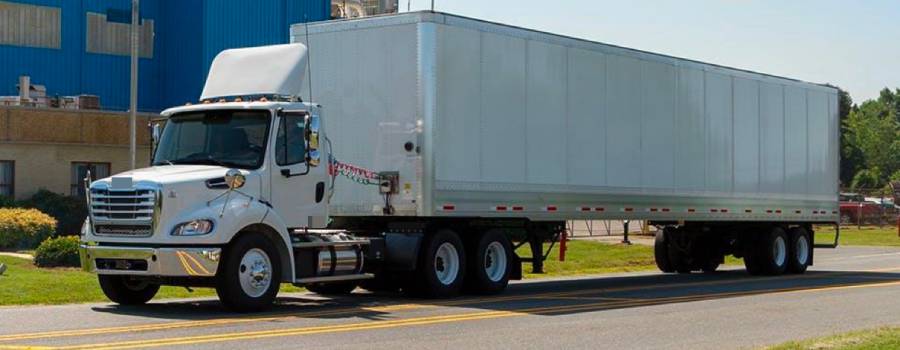
The Freightliner M2 112 can experience engine performance issues, transmission malfunctions, emissions system faults, electrical failures, and air brake problems. These issues can cause reduced engine power, hard shifting, dashboard warning lights, unexpected shutdowns, and increased maintenance costs. The severity and causes of these problems depend on the truck’s model year, engine configuration, mileage, operating conditions, and maintenance history.
Engine problems can involve fuel delivery restrictions, cooling system failures, or faulty sensors, while transmission issues may result from mechanical wear, fluid problems, or electronic control faults. Trucks equipped with diesel emissions systems can also experience diesel particulate filter (DPF) regeneration issues, diesel exhaust fluid (DEF) system warnings, and engine derating. Electrical faults involving wiring connections, batteries, or control modules can further complicate troubleshooting. Not every Freightliner M2 112 experiences these failures, and identifying the affected system is essential before replacing components.
This guide examines Freightliner M2 112 problems, including their symptoms, potential causes, diagnostic procedures, and repair options. It also covers repair cost considerations, reliability factors, preventive maintenance, and what to inspect before purchasing a used Freightliner M2 112.
What Are the Most Common Freightliner M2 112 Problems?
The main Freightliner M2 112 problem areas include engine performance, transmission operation, diesel emissions systems, electrical components, air brakes, cooling, and steering or suspension. These systems can develop faults as components wear, electrical connections deteriorate, or maintenance requirements are missed. The specific problems depend on the truck’s model year, engine, transmission, mileage, and operating conditions.
The following table summarizes potential Freightliner M2 112 problems, their symptoms, and likely causes. It is a diagnostic overview rather than a verified ranking of failure frequency.
| Problem Area | Common Symptoms | Potential Causes |
|---|---|---|
| Engine | Power loss, rough idle, hard starting | Fuel restrictions, sensor faults, air intake problems |
| Transmission | Hard shifting, delayed engagement, slipping | Fluid issues, electronic faults, internal wear |
| DPF and DEF systems | Regeneration warnings, engine derate | Exhaust restrictions, sensor failures, DEF system faults |
| Electrical system | Intermittent warnings, starting failures | Weak batteries, damaged wiring, poor ground connections |
| Air brakes | Low air pressure, air leaks, brake warnings | Compressor faults, leaking air lines, air dryer problems |
| Cooling system | High coolant temperature, overheating | Coolant leaks, thermostat faults, restricted radiator |
| Steering and suspension | Excessive play, vibration, uneven tire wear | Worn joints, bushings, alignment problems |
Engine and emissions faults deserve particular attention because they can reduce available power and interrupt commercial operations. For example, an engine derate may be triggered by an emissions-related fault rather than mechanical engine damage. Identifying the underlying diagnostic trouble codes helps distinguish these conditions before repairs begin.
Transmission, electrical, and air brake problems also require system-specific diagnosis. Hard shifting does not automatically indicate internal transmission failure, just as an ABS warning does not necessarily mean the entire braking system has failed. However, low air pressure or compromised braking performance is a safety-critical condition that requires stopping the vehicle and arranging qualified inspection.
What Engine Problems Can Affect the Freightliner M2 112?
Freightliner M2 112 engine problems can include reduced power, hard starting, rough operation, overheating, and unexpected shutdowns. These symptoms may result from fuel delivery restrictions, air intake faults, cooling system defects, electronic control issues, or emissions-related power limitations. The correct diagnostic procedure depends on the installed engine and its electronic control system.
Engine performance problems should be investigated using operating symptoms, maintenance records, diagnostic trouble codes, and component testing. For example, a truck that loses power under heavy acceleration may have a fuel supply restriction, an air intake problem, or an active engine derate. Replacing the turbocharger or fuel injectors without confirming the cause can create unnecessary repair costs.
Why Does a Freightliner M2 112 Lose Engine Power?
A Freightliner M2 112 can lose engine power because of restricted fuel delivery, insufficient intake air, turbocharger control problems, faulty sensors, or engine protection and emissions-related derating. These conditions interfere with the engine’s ability to produce the requested torque or cause its electronic controls to limit output.
Fuel delivery restrictions can reduce the amount of fuel reaching the injection system, particularly under heavy loads. A clogged fuel filter, contaminated fuel, or a supply-side restriction may cause hesitation, poor acceleration, or reduced pulling power. Air intake restrictions and charge-air leaks can also reduce performance by limiting the oxygen available for combustion. Depending on the engine configuration, these faults may produce boost-pressure or fuel-pressure diagnostic codes.
Engine derating requires a different diagnostic approach because the engine control module intentionally restricts performance when specified fault conditions occur. Emissions system faults, abnormal operating temperatures, and certain sensor failures can trigger power limitations. For example, a truck displaying an emissions warning alongside reduced acceleration should be checked for active fault codes before assuming that the turbocharger has failed.
Diagnosis should begin with the dashboard warnings, engine fault codes, fuel filter condition, intake piping, and visible leaks. Technicians can then compare actual fuel pressure, boost pressure, and sensor readings against the specifications for the installed engine. The repair should address the confirmed cause, such as replacing a restricted filter, repairing a charge-air leak, or correcting an emissions system fault.
What Causes a Freightliner M2 112 Engine to Overheat?
Freightliner M2 112 engine overheating can result from coolant loss, restricted radiator airflow, thermostat malfunction, water pump problems, or inadequate cooling fan operation. These faults prevent the cooling system from transferring engine heat effectively, especially during heavy hauling, prolonged idling, or operation in high ambient temperatures.
Low coolant levels are an important initial concern because insufficient coolant reduces the system’s ability to absorb and transfer heat. Coolant may escape through damaged hoses, radiator connections, seals, or other leaking components. A thermostat that fails to open correctly can restrict coolant circulation, while a malfunctioning water pump may reduce flow through the engine and radiator. External debris blocking the radiator or charge-air cooler can further reduce heat rejection.
Cooling fan problems can produce overheating that becomes more noticeable at low road speeds or while idling. At higher speeds, airflow through the radiator increases, but stationary operation depends more heavily on fan performance. For example, a truck that overheats in traffic but maintains normal temperature on the highway may require inspection of its fan controls, airflow restrictions, and cooling system operation.
Drivers should stop safely and shut down the engine when overheating warnings or severe temperature increases indicate a risk of engine damage. The cooling system must be allowed to cool before inspection, and a hot pressurized coolant cap must never be opened. A qualified technician should check coolant level, pressure-test the system, inspect radiator airflow, and verify thermostat, water pump, and fan operation before returning the truck to service.
Hard starting is another engine-related concern. Weak batteries, starter circuit faults, fuel supply restrictions, and engine sensor problems can prevent reliable starting. The initial inspection should establish whether the engine cranks normally, cranks slowly, or fails to crank at all, because each symptom points toward a different diagnostic pathway.
What Transmission Problems Can Occur on the Freightliner M2 112?
Freightliner M2 112 transmission problems can include hard shifting, delayed gear engagement, slipping, unusual noises, and failure to select a gear. These symptoms may result from low transmission fluid pressure, worn internal components, faulty sensors, electrical control problems, or clutch-related defects. The causes depend on whether the truck uses an automatic, automated manual, or conventional manual transmission.
Hard shifting and delayed engagement are important symptoms to investigate. On trucks equipped with an Allison automatic transmission, incorrect fluid levels, degraded fluid, hydraulic pressure problems, or electronic control faults can affect gear changes. The transmission control module relies on sensor information to determine shift timing and operation. Incorrect signals or hydraulic faults can produce harsh shifts, delayed engagement, or abnormal transmission behavior.
Transmission slipping occurs when the transmission fails to maintain the expected relationship between engine speed and vehicle speed. In an automatic transmission, worn clutch packs, inadequate hydraulic pressure, or internal mechanical damage can cause engine RPM to increase without a corresponding increase in road speed. On manual or automated manual configurations, clutch wear or engagement problems can produce similar symptoms. However, engine power loss can sometimes be mistaken for transmission slipping, making accurate diagnosis essential.
Electrical faults can also interfere with transmission operation. Damaged wiring, poor electrical connections, faulty speed sensors, and communication problems between control modules may cause shifting irregularities or prevent gear engagement. For example, an intermittent transmission speed sensor signal can affect shift scheduling or trigger a transmission fault warning.
Diagnosing Freightliner M2 112 transmission problems should begin with identifying the installed transmission model and retrieving its diagnostic trouble codes. Technicians should inspect fluid condition and level using the manufacturer’s specified procedure, check for leaks, and evaluate electrical connections. Further testing may include hydraulic pressure measurements, sensor verification, and transmission operation under controlled conditions.
Transmission repairs range from correcting fluid leaks and replacing faulty sensors to repairing clutch components or rebuilding damaged internal assemblies. Continued operation with severe slipping, grinding noises, or repeated engagement failures can increase internal damage and repair costs. Trucks showing these symptoms should receive professional inspection before returning to demanding service.
What DPF and DEF Problems Can Affect the Freightliner M2 112?
Freightliner M2 112 trucks equipped with DPF and DEF emissions systems can experience incomplete regeneration, exhaust restrictions, DEF delivery faults, sensor malfunctions, and engine derating. These problems interfere with exhaust aftertreatment operation and may activate dashboard warnings, reduce engine performance, or restrict vehicle speed. The applicable components and diagnostic procedures depend on the truck’s model year, engine, and emissions configuration.
The diesel particulate filter (DPF) captures soot from engine exhaust, while selective catalytic reduction (SCR) systems use diesel exhaust fluid (DEF) to reduce nitrogen oxide emissions. Both systems depend on sensors, electronic controls, and appropriate operating conditions. A failure in one component can affect overall emissions performance, making fault-code analysis essential before replacing expensive parts.
Why Does a Freightliner M2 112 Have DPF Regeneration Problems?
Freightliner M2 112 DPF regeneration problems can result from excessive soot accumulation, interrupted regeneration cycles, faulty exhaust temperature sensors, differential pressure sensor problems, or engine operating conditions that prevent successful regeneration. These conditions interfere with the process used to burn accumulated soot inside the diesel particulate filter.
DPF regeneration requires the exhaust aftertreatment system to reach and maintain suitable operating temperatures. Trucks operating primarily on short routes, at low engine loads, or with frequent engine shutdowns may have fewer opportunities to complete regeneration. When soot accumulates faster than the system can remove it, exhaust backpressure can increase and trigger DPF-related warnings.
Sensor faults can also disrupt regeneration. Exhaust temperature sensors provide information needed to monitor regeneration conditions, while differential pressure sensors help the control system assess restriction across the filter. Incorrect readings may prevent regeneration, cause unnecessary regeneration requests, or produce misleading fault indications. For example, a damaged pressure sensor hose can affect the measured pressure difference without the DPF itself being the primary cause.
A restricted DPF can contribute to reduced engine performance and emissions-related derating. However, repeated regeneration problems may originate upstream from the filter. Fuel injection faults, air intake restrictions, excessive oil consumption, and other combustion problems can increase soot production. Cleaning or replacing the DPF without correcting the underlying cause may allow the restriction to return.
DPF troubleshooting should begin with active fault codes, soot-load information, exhaust temperature readings, and differential pressure measurements. Technicians should inspect relevant sensors, pressure lines, and exhaust components before determining whether a manufacturer-approved regeneration, professional cleaning, or filter replacement is appropriate. Forced regeneration should only be performed under the specified service conditions because exhaust temperatures can become extremely high.
What Causes DEF System Warning Lights on a Freightliner M2 112?
Freightliner M2 112 DEF warning lights can be triggered by low DEF levels, contaminated fluid, defective level or quality sensors, DEF pump problems, dosing system faults, or SCR-related malfunctions. These conditions can prevent the emissions system from delivering or monitoring the correct amount of diesel exhaust fluid.
The DEF system stores and delivers a urea-based solution to the exhaust aftertreatment system, where it supports the SCR process. Proper operation requires suitable DEF quality, sufficient fluid supply, functioning delivery components, and accurate sensor feedback. Problems with these components can trigger warning messages even when the DEF tank contains fluid.
DEF contamination is one potential cause of emissions system faults. Diesel fuel, dirt, or other foreign substances entering the DEF tank can interfere with dosing components and compromise fluid quality. DEF crystallization around leaking connections or dosing components may also contribute to restrictions. In cold conditions, DEF can freeze at approximately 12°F (-11°C), but properly functioning systems are designed with thawing provisions. Freezing alone does not establish that a component has failed.
Faulty sensors and delivery components create additional diagnostic challenges. A defective DEF level sensor may report an incorrect fluid level, while a malfunctioning pump or dosing valve can prevent the system from delivering the required quantity. SCR-related faults may also involve nitrogen oxide sensors or other aftertreatment components. For example, a truck with adequate DEF but a persistent emissions warning may require sensor testing rather than additional fluid.
DEF and SCR faults can lead to engine derating when the control system detects conditions that require an emissions-related inducement. Depending on the applicable engine calibration and regulations, the truck may experience reduced torque, limited vehicle speed, or other operating restrictions. These limitations should not be bypassed because doing so can violate emissions requirements and leave the underlying fault unresolved.
Diagnosis should include reading engine and aftertreatment fault codes, checking DEF level and quality, inspecting electrical connections, and testing the fluid delivery system according to manufacturer procedures. Repairs may involve correcting contaminated fluid, replacing a failed sensor, repairing a DEF line, or servicing a defective pump or dosing component. Confirming the actual failure before replacing the complete DEF system helps avoid unnecessary expense.
What Electrical Problems Can Occur on the Freightliner M2 112?
Freightliner M2 112 electrical problems can include intermittent dashboard warnings, starting failures, malfunctioning lights, sensor communication faults, and unexpected electronic system shutdowns. These issues may result from weak batteries, alternator malfunctions, damaged wiring harnesses, corroded connectors, poor ground connections, or faulty electronic control modules. Electrical failures can affect several vehicle systems simultaneously because the engine, transmission, braking, and dashboard electronics depend on a stable power supply and reliable communication.
Battery and charging system faults are important causes of electrical problems. A weak battery may produce slow cranking, repeated starting difficulties, or low-voltage warnings. A malfunctioning alternator can prevent the batteries from receiving sufficient charging current while the engine runs. Low system voltage can also interfere with electronic control modules, producing warning messages that do not necessarily indicate separate mechanical failures. For example, multiple dashboard warnings appearing alongside dimming lights may point toward a shared power supply or grounding problem.
Wiring harness damage and poor electrical connections can cause intermittent faults that are difficult to reproduce. Commercial trucks experience vibration, temperature changes, moisture exposure, and repeated movement around engine and chassis components. Over time, these conditions can contribute to insulation damage, loose terminals, and connector corrosion. A damaged wire supplying an engine sensor may produce inconsistent readings, while a poor ground connection can disrupt communication between electronic modules.
Dashboard warning lights provide another indication of potential electrical or mechanical problems. Freightliner M2 112 trucks use electronic monitoring systems to report faults involving the engine, transmission, ABS, and other vehicle components. However, an illuminated warning light does not automatically mean the associated component has failed. A sensor circuit fault, low voltage, damaged connector, or communication interruption may activate the warning without a mechanical defect in the monitored system.
Diagnosing Freightliner M2 112 electrical problems should begin with battery condition, charging voltage, ground connections, wiring inspection, and diagnostic trouble codes. Technicians should verify voltage and circuit integrity under the appropriate operating conditions rather than relying exclusively on visual inspection. When several electronic systems report faults simultaneously, checking shared power supplies and communication circuits can help identify the underlying problem before individual sensors or control modules are replaced.
What Air Brake Problems Can Affect the Freightliner M2 112?
Freightliner M2 112 air brake problems can include low air pressure, excessive air leakage, slow pressure buildup, air compressor faults, and ABS warning lights. These conditions may result from leaking air lines, defective valves, compressor problems, air dryer malfunctions, or damaged wheel-speed sensor circuits. Because air brakes are essential to commercial truck safety, pressure warnings and abnormal braking behavior require immediate attention.
Low air pressure is a serious concern because the braking system depends on compressed air to operate correctly. The engine-driven air compressor supplies air to storage reservoirs, while pressure controls regulate system operation. Air leaks from hoses, fittings, valves, or brake chambers can cause pressure to fall faster than the compressor can restore it. A truck that takes unusually long to build air pressure may have a compressor performance problem, excessive leakage, or a fault in the pressure control system.
Air dryer problems can also affect braking system reliability. The air dryer removes moisture from compressed air before it enters the storage reservoirs. When moisture control is inadequate, water can accumulate inside the system, contributing to corrosion and valve problems. In freezing conditions, accumulated moisture can interfere with air flow or component operation. For example, repeated moisture accumulation in the reservoirs may indicate that the air dryer requires inspection or servicing.
ABS warning lights indicate that the anti-lock braking system has detected a fault. Potential causes include damaged wheel-speed sensors, incorrect sensor gaps, corroded electrical connectors, wiring damage, or ABS control module problems. The ABS uses wheel-speed information to help prevent wheel lockup during braking. When the system detects an electrical or sensor fault, anti-lock functionality may become unavailable even though conventional service braking remains operational. However, the actual braking condition must be verified rather than assumed from the warning light alone.
Freightliner M2 112 air brake diagnosis should include air pressure buildup, system leakage, compressor operation, air dryer condition, and ABS fault codes. Qualified technicians should compare pressure readings and leakage test results with the specifications for the truck’s installed brake system. ABS-related faults require inspection of wheel-speed sensor signals, electrical connections, and relevant control circuits before replacing components.
Drivers should not continue operating a Freightliner M2 112 with an active low-air-pressure warning, inadequate air pressure, or compromised braking performance. The vehicle should be stopped safely and inspected by a qualified commercial-vehicle technician. Brake system repairs and functional testing must be completed before the truck returns to service because unresolved air pressure or braking faults can increase stopping risks and lead to loss of vehicle control.
How Do You Diagnose Freightliner M2 112 Problems?
Diagnosing Freightliner M2 112 problems requires identifying the symptoms, retrieving diagnostic trouble codes, inspecting affected components, and testing the suspected system before replacing parts. A systematic approach helps distinguish mechanical failures from electrical faults, sensor malfunctions, and emissions-related restrictions. The correct diagnostic procedure depends on the truck’s model year, engine, transmission, and electronic control configuration.
The first step is to document when the problem occurs. Engine power loss during acceleration may indicate fuel delivery restrictions, intake air problems, or an active engine derate. Hard shifting can point toward transmission hydraulic or electronic control faults, while multiple dashboard warnings appearing simultaneously may indicate unstable electrical voltage or communication problems. Recording operating conditions, warning messages, and recent maintenance work helps narrow the possible causes.
A visual inspection should follow the initial symptom assessment. Technicians should check fluid levels, visible leaks, battery terminals, electrical connectors, wiring harnesses, and damaged hoses. For example, a loose charge-air connection can cause reduced engine power and boost-related fault codes without requiring turbocharger replacement. Similarly, a corroded ground connection can trigger several electronic warnings even when the monitored components are functioning correctly.
Component testing should confirm the suspected failure before repairs begin. Depending on the symptoms, this may involve measuring fuel pressure, testing charging voltage, inspecting transmission fluid condition, monitoring exhaust pressure, or evaluating cooling system operation. Diagnostic results should be compared with the manufacturer’s specifications for the installed components. Safety-critical problems involving brakes, steering, or severe overheating require professional inspection before the truck returns to service.
How Do You Read Freightliner M2 112 Fault Codes?
Freightliner M2 112 fault codes are read using a compatible heavy-duty diagnostic scanner connected to the truck’s diagnostic interface. The scanner communicates with electronic control modules and retrieves information about detected faults. Depending on the vehicle configuration, diagnostic data may include engine, transmission, ABS, and emissions system faults.
Many heavy-duty truck systems use SAE J1939 diagnostic information, including Suspect Parameter Numbers (SPNs) and Failure Mode Identifiers (FMIs). The SPN identifies the affected parameter or monitored function, while the FMI describes the detected failure condition. For example, a fault may indicate that a sensor signal is outside its expected operating range, but the code alone does not establish whether the sensor, wiring, connector, or monitored system has failed.
Technicians should record active and previously stored codes, operating conditions, and available diagnostic data before clearing faults. An active code indicates a currently detected condition, while a previously active code can provide evidence of an intermittent problem. Manufacturer-specific diagnostic information is necessary to interpret certain faults accurately because identical symptoms may have different causes across engine and transmission configurations.
After identifying the relevant codes, technicians should follow the appropriate troubleshooting procedures and verify the suspected component through testing. Clearing a fault code without correcting its cause does not repair the vehicle. Once repairs are completed, the affected system should be tested again to confirm normal operation and determine whether the fault returns.
How Much Does It Cost to Fix Freightliner M2 112 Problems?
Freightliner M2 112 repair costs depend on the failed component, labor requirements, diagnostic complexity, parts availability, and the truck’s engine or transmission configuration. Minor electrical repairs and routine component replacements generally involve less labor than major engine, transmission, or emissions system repairs. However, the final cost cannot be determined accurately until the underlying fault and required repair procedure are confirmed.
The following table compares repair categories and the factors that influence their costs. It does not provide fixed prices because verified, configuration-specific repair quotations are not available for this article.
| Repair Category | Potential Repairs | Main Cost Factors |
|---|---|---|
| Engine | Fuel system repairs, sensor replacement, cooling system service | Component accessibility, diagnostic time, engine configuration |
| Transmission | Sensor replacement, leak repair, clutch service, internal rebuilding | Transmission type, internal damage, labor requirements |
| DPF system | Sensor replacement, professional DPF cleaning, filter replacement | Soot or ash loading, filter condition, required testing |
| DEF system | DEF pump, dosing valve, sensor, or line repairs | Component cost, diagnostic complexity, parts availability |
| Electrical system | Battery replacement, wiring repair, alternator replacement | Circuit complexity, harness accessibility, troubleshooting time |
| Air brakes | Air line repair, compressor service, air dryer replacement | Failed components, brake system configuration, safety testing |
| Cooling system | Radiator, thermostat, hose, or water pump replacement | Parts cost, coolant service, labor accessibility |
Major engine and transmission repairs can represent substantial ownership expenses because they may require extensive disassembly, specialized equipment, and replacement of expensive internal components. For example, replacing an external transmission sensor is a different repair from rebuilding a transmission with damaged clutch assemblies or internal gears. Likewise, repairing a coolant hose is substantially less involved than correcting engine damage caused by prolonged overheating.
Emissions system repairs can also become expensive when diagnosis leads to major component replacement. A DPF warning may originate from a pressure sensor, damaged sensor tubing, excessive soot production, or a restricted filter. Replacing the entire DPF before identifying the actual cause can create unnecessary costs. DEF system faults require similar care because a warning may involve fluid quality, wiring, sensors, pumps, or SCR-related components.
Labor rates and vehicle downtime are additional ownership cost factors. Commercial truck repair facilities may charge different rates based on location, technician specialization, and the equipment required. A truck that remains out of service can also create operational expenses through missed deliveries, replacement vehicle arrangements, or scheduling disruptions. These indirect costs should be considered separately from the repair invoice.
The most reliable way to estimate Freightliner M2 112 repair costs is to obtain a written diagnosis and an itemized repair quote. The estimate should identify replacement parts, labor hours, diagnostic charges, applicable taxes, and any additional testing required. Comparing quotes from qualified commercial truck repair facilities can help owners evaluate repair options without sacrificing necessary safety or emissions system work.
Is the Freightliner M2 112 a Reliable Truck?
The Freightliner M2 112 can be a reliable commercial truck when its engine, transmission, emissions systems, and chassis components receive appropriate maintenance. However, reliability depends on the truck’s configuration, operating conditions, accumulated mileage, and service history. There is no single reliability rating that accurately represents every Freightliner M2 112 because trucks used for regional hauling, construction, and specialized commercial applications experience different mechanical demands.
Engine and transmission condition are major factors in long-term reliability. Trucks operating under heavy loads, frequent stop-and-go conditions, or extended idling may experience different wear patterns from vehicles used primarily for highway transportation. Repeated high-temperature operation can place additional stress on cooling components, while frequent low-load operation may create challenges for diesel particulate filter regeneration on emissions-equipped models. Following the maintenance requirements for the installed powertrain helps reduce the risk of preventable failures.
Electrical system condition and maintenance history also influence dependability. Aging wiring harnesses, corroded connectors, weak batteries, and charging system faults can cause intermittent failures that interrupt commercial operations. For example, a truck with several unrelated dashboard warnings may have a shared voltage or grounding problem rather than multiple independent component failures. Maintaining electrical connections and investigating recurring fault codes can prevent minor defects from developing into prolonged downtime.
A Freightliner M2 112’s maintenance records provide stronger evidence of its condition than mileage alone. Records showing scheduled fluid changes, cooling system service, emissions repairs, transmission maintenance, and completed safety inspections help establish how the truck has been maintained. A higher-mileage truck with documented service and verified mechanical condition may present fewer immediate concerns than a lower-mileage vehicle with neglected maintenance or unresolved faults.
Do Freightliner M2 112 Problems Vary by Model Year?
Freightliner M2 112 problems can vary by model year because engine options, emissions equipment, electronic controls, and transmission configurations have changed across production periods. These differences affect which components are installed, which diagnostic procedures apply, and what types of failures owners need to investigate. A problem associated with one engine or emissions configuration should not automatically be attributed to every M2 112.
Emissions equipment is an important example. Trucks built under different emissions requirements may use different exhaust aftertreatment components and control strategies. DPF-equipped vehicles require particulate filter monitoring and regeneration, while configurations using SCR and DEF introduce additional fluid delivery, dosing, and emissions sensor components. These systems create different maintenance requirements and diagnostic pathways depending on the applicable model year and engine certification.
Electronic system changes can also influence troubleshooting. Differences in control modules, sensors, wiring arrangements, and diagnostic software may require different service procedures. For example, a fault code associated with an emissions sensor must be interpreted using the documentation for the truck’s installed engine and aftertreatment system rather than a generic procedure intended for another model year.
No specific Freightliner M2 112 model year should be classified as the worst or most reliable without comparable failure data. Owners and buyers should review the vehicle identification number (VIN), engine serial number, maintenance records, applicable recalls, and manufacturer service information. These records provide a more useful basis for assessing individual truck reliability than unsupported model-year rankings.
Read more: Freightliner M2 106 Problems: Causes & Fixes
How Can You Prevent Freightliner M2 112 Problems?
Preventing Freightliner M2 112 problems requires scheduled engine maintenance, transmission servicing, cooling system inspections, electrical checks, emissions system care, and regular brake system testing. Preventive maintenance helps identify worn components, fluid deterioration, leaks, and developing electrical faults before they cause breakdowns. Service intervals should follow the applicable Freightliner and component manufacturer recommendations because maintenance requirements vary by engine, transmission, duty cycle, and operating environment.
Daily inspections provide the first opportunity to detect developing problems. Drivers should check for visible fluid leaks, abnormal warning lights, damaged hoses, unusual engine noises, and changes in braking performance. Commercial vehicle inspections should also cover tires, steering components, suspension condition, and air brake operation. For example, an air pressure system that takes longer than normal to build pressure may indicate a leak or compressor-related problem that requires attention before the truck returns to service.
Maintenance records should document completed services, replaced components, diagnostic findings, and recurring symptoms. Tracking these details helps owners identify patterns that may not be obvious during a single inspection. Repeated coolant loss, recurring low-voltage warnings, or frequent DPF regeneration requests should trigger investigation rather than repeated temporary repairs.
What Maintenance Checks Help Prevent Engine Problems?
Freightliner M2 112 engine problems can be reduced through regular oil and filter service, fuel system maintenance, cooling system inspections, and air intake checks. These procedures support lubrication, combustion efficiency, temperature control, and reliable engine operation. The correct service intervals and fluid specifications depend on the installed engine and its operating conditions.
Engine oil and filters should be replaced according to the engine manufacturer’s maintenance schedule. Oil provides lubrication and helps control wear and heat within moving components. Operating with degraded oil, incorrect viscosity, or insufficient oil pressure can increase the risk of internal engine damage. Heavy-duty applications involving extended idling, dusty environments, or demanding loads may require maintenance adjustments specified by the manufacturer.
Fuel system maintenance is equally important because diesel injection components depend on clean fuel and adequate supply pressure. Replacing fuel filters at the specified intervals and addressing water contamination can help prevent fuel restrictions and injection system damage. For example, a partially restricted fuel filter may produce reduced power under load before causing more severe operating problems.
Cooling system inspections should include coolant level, hose condition, radiator cleanliness, visible leaks, and cooling fan operation. Coolant concentration and condition must meet the installed engine’s specifications. A leaking hose or restricted radiator can contribute to overheating, especially during heavy hauling or prolonged low-speed operation. Correcting these issues early helps protect the engine from temperature-related damage.
How Can You Reduce Electrical and Emissions Problems?
Freightliner M2 112 electrical and emissions problems can be reduced by maintaining battery and charging systems, protecting wiring connections, using specification-compliant DEF, and addressing aftertreatment warnings promptly. These practices help preserve electronic control reliability and reduce the risk of emissions-related operating restrictions.
Electrical maintenance should include battery testing, charging system checks, terminal cleaning, and inspection of wiring harnesses exposed to vibration, moisture, or heat. Loose ground connections and corroded terminals can create voltage drops that interfere with multiple electronic systems. For example, correcting a deteriorated battery ground may resolve intermittent warning messages that otherwise appear to involve unrelated control modules.
Emissions system maintenance requires attention to operating conditions and fluid quality. Trucks equipped with DPF systems need appropriate regeneration opportunities and timely investigation of repeated regeneration warnings. Excessive idling or frequent short trips can make regeneration more difficult under certain conditions. Owners should follow the engine manufacturer’s instructions for regeneration and investigate persistent warnings instead of repeatedly forcing regeneration without identifying the cause.
DEF-equipped trucks require fluid meeting the applicable ISO 22241 quality standard. DEF should be stored in clean, compatible containers and protected from contamination. Introducing diesel fuel, coolant, or other substances into the DEF tank can damage dosing components and disrupt SCR operation. Owners should also inspect visible DEF leaks and arrange diagnosis when fluid level, quality, or emissions warnings persist.
Preventive maintenance is most effective when inspections, diagnostic findings, and service records are used together. Following the correct maintenance schedule, repairing confirmed faults promptly, and monitoring recurring symptoms can reduce avoidable downtime and support the Freightliner M2 112’s long-term operating reliability.
What Should You Check Before Buying a Used Freightliner M2 112?
Before buying a used Freightliner M2 112, inspect the engine, transmission, emissions system, electrical components, air brakes, steering, suspension, and maintenance records. These checks help identify existing mechanical problems, unresolved diagnostic faults, and potential repair expenses. A pre-purchase inspection should also verify the truck’s model year, engine configuration, mileage, operating hours, and previous commercial use.
Maintenance history is one of the most useful indicators of a used truck’s condition. Buyers should request records of engine oil changes, transmission servicing, cooling system repairs, DPF maintenance, DEF system repairs, and brake inspections. Incomplete records do not automatically indicate poor maintenance, but they make it harder to verify whether critical services were performed. For example, a truck with repeated overheating repairs but no documented cooling system diagnosis may require further investigation before purchase.
Engine and transmission operation should be evaluated during a cold start, stationary inspection, and supervised road test. The engine should start without abnormal cranking behavior, excessive smoke, persistent warning lights, or unusual mechanical noises. During the road test, buyers should observe acceleration, engine temperature, shifting behavior, and power delivery under appropriate operating conditions. Delayed gear engagement, noticeable slipping, unexpected power reduction, or recurring warning messages require additional diagnosis.
Electrical and emissions systems also deserve attention because faults may not be visible during a basic mechanical inspection. A compatible heavy-duty diagnostic scanner should be used to retrieve active and previously stored fault codes from the available control modules. Trucks equipped with DPF and DEF systems should be checked for regeneration-related warnings, aftertreatment faults, and evidence of unresolved engine derating. A recently cleared fault history or temporarily inactive warning light does not establish that the underlying system is functioning correctly.
Air brake and chassis inspections are essential before purchasing a used Freightliner M2 112. A qualified technician should evaluate air pressure buildup, leakage, compressor operation, brake components, steering linkage, suspension wear, and tire condition. Uneven tire wear may indicate alignment or suspension problems, while excessive steering play can signal worn mechanical components. Any low-air-pressure warning, compromised braking performance, or significant steering defect should be resolved before the vehicle is operated.
Buyers should also verify the vehicle identification number (VIN), ownership documentation, applicable safety recalls, and available repair history. The VIN can help identify the truck’s original configuration and support a more accurate review of manufacturer service information. However, modifications, replacement engines, and aftermarket equipment may change the components currently installed.
A professional pre-purchase inspection is the most effective way to evaluate the mechanical condition of a used Freightliner M2 112. The inspection should produce a written report identifying confirmed defects, recommended repairs, safety concerns, and components requiring further testing. Buyers can use these findings to request repair estimates, negotiate the purchase price, or reject a truck with excessive mechanical risk.
The purchase decision should be based on the truck’s verified condition, maintenance history, intended workload, and expected repair expenses rather than mileage or model year alone. A Freightliner M2 112 with documented maintenance, satisfactory diagnostic results, and a clean safety inspection provides a stronger basis for purchase than a similar truck with unresolved faults or an incomplete service history.