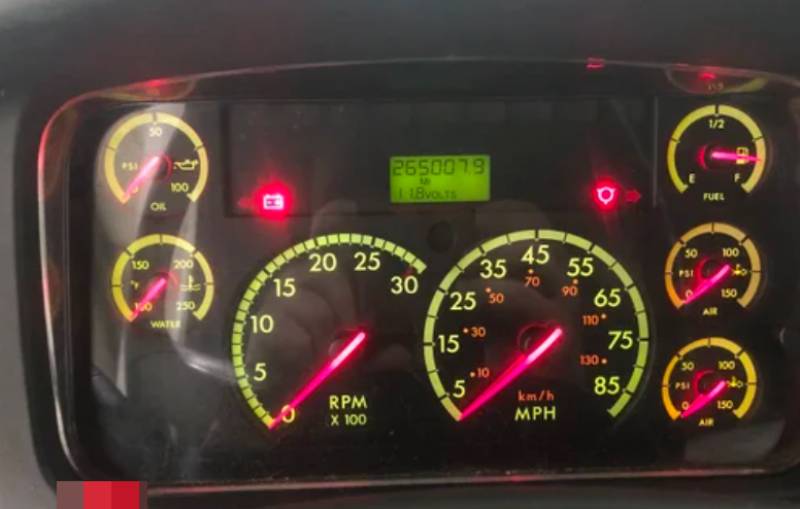
A Freightliner M2 fuel gauge that is not working, stays on empty or full, or displays inaccurate fuel levels may indicate a faulty fuel sending unit, damaged wiring, poor electrical connections, or an instrument cluster malfunction. These problems prevent drivers from accurately monitoring the fuel remaining in the tank and increase the risk of unexpected fuel depletion.
The Freightliner M2 fuel gauge relies on information from the fuel level sending unit to display the amount of fuel in the tank. A worn sensor, corroded connector, damaged wiring harness, or faulty dashboard component can interrupt this process and produce incorrect readings. For example, a gauge that remains on empty after refueling may indicate a sender or circuit fault rather than an actual lack of fuel.
Troubleshooting a Freightliner M2 fuel gauge involves checking the displayed symptoms, inspecting electrical connections, testing the fuel sending unit, and verifying instrument cluster operation. The correct diagnostic procedure depends on the truck’s model year, fuel tank configuration, and electrical system. This guide explains common fuel gauge problems, their causes, diagnostic methods, repair options, replacement procedures, and factors affecting repair costs.
How Does the Freightliner M2 Fuel Gauge Work?
The Freightliner M2 fuel gauge displays the amount of fuel remaining in the tank using information from a fuel level sending unit. The sending unit measures fuel level, while the vehicle’s electrical system transmits this information to the instrument cluster. The gauge then displays the estimated fuel quantity, allowing drivers to monitor fuel availability during operation.
The fuel level sending unit is typically installed in the fuel tank and uses a float connected to a sensing mechanism. As the fuel level rises or falls, the float changes position. In a resistance-based sending unit, this movement changes electrical resistance, producing a signal corresponding to the fuel level. For example, refueling raises the float and changes the sender output, allowing the dashboard gauge to indicate a higher fuel level.
The instrument cluster receives fuel level information through the vehicle’s electrical system and converts it into a dashboard reading. Depending on the Freightliner M2 model year and configuration, the signal may travel through dedicated wiring or be processed by an electronic control module before reaching the gauge. A damaged sender, interrupted circuit, or malfunctioning cluster can therefore prevent the displayed fuel level from matching the actual fuel quantity.
Fuel gauge accuracy also depends on sender compatibility, tank geometry, and signal processing. Fuel tanks are not always uniform in shape, so float movement does not necessarily correspond to a perfectly linear change in fuel volume. The vehicle’s gauge system accounts for its intended tank and sender configuration. Installing an incompatible sending unit can result in incorrect readings even when the replacement component operates normally.
What Are the Common Freightliner M2 Fuel Gauge Problems?
The four common Freightliner M2 fuel gauge problems are a gauge stuck on empty, a gauge stuck on full, fluctuating readings, and inaccurate fuel level indications. These symptoms can result from a defective fuel sending unit, damaged electrical wiring, loose connectors, or instrument cluster faults. Identifying the specific symptom helps narrow down the affected components before electrical testing begins.
Why Is the Freightliner M2 Fuel Gauge Stuck on Empty?
A Freightliner M2 fuel gauge stuck on empty may indicate a faulty fuel level sending unit, an interrupted electrical circuit, or an instrument cluster problem. The gauge can continue displaying an empty tank even after refueling because the fuel level information is not reaching the display correctly.
A damaged sender mechanism may fail to register float movement as fuel quantity changes. Corroded connectors, broken wires, and poor electrical connections can also interrupt the sender signal. For example, a gauge that remains on empty immediately after filling the tank should prompt an inspection of the sender circuit before replacing the dashboard gauge.
Why Is the Freightliner M2 Fuel Gauge Stuck on Full?
A Freightliner M2 fuel gauge stuck on full indicates that the displayed fuel level is not responding correctly to changes in the tank. Potential causes include a malfunctioning sending unit, an electrical circuit fault, an incompatible sender, or incorrect signal processing.
A fuel sender with a mechanically jammed float may continue reporting a high fuel level as fuel is consumed. Electrical faults can produce similar symptoms, although the resulting gauge position depends on the vehicle’s circuit design. For example, a truck that continues displaying a full tank after substantial fuel consumption requires sender output and wiring checks to determine whether the problem originates inside the tank or elsewhere in the gauge system.
Why Does the Freightliner M2 Fuel Gauge Fluctuate?
A fluctuating Freightliner M2 fuel gauge can result from intermittent electrical connections, worn sender components, or fuel movement inside the tank. The difference between normal fuel movement and an electrical malfunction depends on when and how the gauge reading changes.
Fuel movement during acceleration, braking, and cornering can temporarily affect the float position. However, sudden changes from full to empty while the truck is stationary are more consistent with a signal or component problem. A worn sender contact, loose connector, or damaged wiring harness can produce intermittent readings as vibration affects electrical continuity.
Inaccurate readings that remain consistently higher or lower than the actual fuel level may also indicate sender calibration or compatibility problems. The fuel sending unit must match the truck’s fuel tank and electrical configuration to provide reliable information to the instrument cluster.
What Causes a Freightliner M2 Fuel Gauge to Stop Working?
A Freightliner M2 fuel gauge can stop working because of three main faults: a defective fuel level sending unit, damaged electrical wiring, or a malfunctioning instrument cluster. Each fault disrupts a different part of the fuel level monitoring system, resulting in inaccurate readings, an unresponsive gauge, or intermittent operation.
A faulty fuel level sending unit is one possible cause of fuel gauge failure. The sending unit contains a float mechanism that responds to changes in fuel quantity. In resistance-based designs, a movable contact changes the electrical output as the float moves. Over time, worn contacts, mechanical damage, or a stuck float can prevent the sender from reporting the correct fuel level. For example, a float trapped near the bottom of the tank may cause the gauge to indicate empty even when fuel is available.
Damaged wiring and poor electrical connections can interrupt communication between the fuel sending unit and the instrument cluster. The fuel level circuit depends on reliable connections to transmit sensor information. Corroded terminals, loose connectors, broken conductors, and damaged insulation can produce open circuits, short circuits, or intermittent signals. Wiring damage near the fuel tank is particularly important to inspect because the harness is exposed to road debris, moisture, and vehicle vibration. A loose connector may cause the gauge reading to change suddenly while driving over uneven roads.
An instrument cluster malfunction can also prevent the Freightliner M2 fuel gauge from displaying accurate information. Depending on the truck’s electrical architecture, the cluster may receive fuel level data directly or through an electronic control module. Internal electronic faults, power supply problems, or communication failures can interfere with the displayed reading even when the sending unit operates correctly. For example, a fuel gauge that remains unresponsive despite verified sender signals and circuit integrity may indicate a cluster-related fault.
Identifying the actual cause requires testing the fuel sending unit, inspecting electrical connections, and checking instrument cluster operation. Replacing the gauge without confirming the defective component can leave the original problem unresolved.
How Do You Troubleshoot a Freightliner M2 Fuel Gauge?
To troubleshoot a Freightliner M2 fuel gauge, verify the actual fuel level, inspect the wiring and connectors, test the fuel sending unit, and check the instrument cluster. This diagnostic sequence helps identify whether the problem originates in the fuel tank, electrical circuit, or dashboard display before replacing components.
Start by confirming that the fuel tank contains a known amount of fuel and observing the gauge with the ignition in the appropriate operating position. Record whether the gauge stays on empty, remains full, fluctuates, or fails to respond after refueling. Check for related dashboard warnings or diagnostic trouble codes using compatible diagnostic equipment. The exact testing procedure depends on the truck’s model year, electrical architecture, and fuel tank configuration.
How Do You Check Freightliner M2 Fuel Gauge Wiring?
To check Freightliner M2 fuel gauge wiring, inspect the fuel sending unit connector, wiring harness, and associated ground connections for physical damage or electrical faults. Broken conductors, corroded terminals, loose connectors, and damaged insulation can interrupt the fuel level signal.
Locate the fuel sending unit wiring using the vehicle-specific service diagram. With the ignition switched off and the circuit made safe, inspect accessible connectors for moisture, corrosion, bent terminals, and loose connections. Pay particular attention to wiring near the fuel tank, where vibration and road debris can damage the harness.
Use a digital multimeter to check circuit continuity and resistance according to the manufacturer’s diagnostic procedure. Continuity tests should be performed only on isolated, de-energized circuits. For example, an open circuit between the sender connector and its designated control module or instrument cluster terminal indicates a wiring fault that requires further inspection. Avoid applying external voltage to sender or module terminals because incorrect testing can damage electronic components.
How Do You Test the Freightliner M2 Fuel Sending Unit?
To test a Freightliner M2 fuel sending unit, measure its electrical output and compare the results with the specifications for the truck’s exact sender and fuel tank configuration. A resistance-based sender should produce an output corresponding to the float position, while other designs may require a different testing method.
Identify the sender part number and obtain the applicable Freightliner service information before disconnecting or measuring the circuit. For a resistance-based unit, an authorized test may involve measuring resistance across specified sender terminals with the circuit disconnected. The expected readings and their relationship to fuel level must come from the correct service documentation.
For example, a sender that produces an open-circuit reading throughout its specified operating range may have an internal electrical failure. However, a single resistance measurement cannot confirm sender condition without knowing the expected value and actual float position. Fuel tank removal or sender extraction should be reserved for procedures that require it and performed with appropriate fuel-system safety precautions.
How Do You Tell if the Fuel Gauge or Sending Unit Is Bad?
To distinguish a faulty Freightliner M2 fuel gauge from a defective sending unit, compare the sender output with the signal received by the instrument cluster or control module. This separates a fuel measurement problem from a wiring or display problem.
If the sender output falls outside the manufacturer’s specifications, investigate the sending unit and its mechanical operation. If the sender output is correct but the signal does not reach the receiving module, inspect the wiring harness and connectors. If the correct fuel level information reaches the instrument cluster but the gauge displays an incorrect reading, investigate the cluster, its power supply, and any applicable communication or configuration faults.
For example, a truck with a verified sender output and intact wiring but an unresponsive dashboard gauge requires further instrument cluster diagnosis rather than immediate sender replacement. A compatible diagnostic tool can help confirm whether the relevant electronic module is receiving plausible fuel level information.
Complete troubleshooting by comparing the displayed fuel level with a known fuel quantity after the identified fault has been corrected. This verification confirms whether the repair restored normal gauge operation.
How Do You Fix a Freightliner M2 Fuel Gauge That Is Not Working?
To fix a Freightliner M2 fuel gauge that is not working, repair damaged electrical connections, replace a defective fuel sending unit, or address instrument cluster faults based on diagnostic test results. The correct repair depends on which component is preventing accurate fuel level information from reaching the dashboard display.
Repairing damaged wiring or connectors restores fuel gauge operation when the problem originates in the electrical circuit. Inspect the wiring harness between the fuel sending unit and the receiving module for broken wires, corroded terminals, and loose connections. Replace damaged terminals or wiring sections using automotive-grade materials and the manufacturer’s recommended repair methods. For example, a corroded connector near the fuel tank may interrupt the sender signal, causing the gauge to remain on empty or fluctuate. Repairing the connection and confirming circuit integrity can restore accurate readings without replacing the sending unit.
Replacing the fuel level sending unit is necessary when testing confirms an internal sensor or float mechanism failure that cannot be repaired reliably. A worn resistance element, damaged float, or mechanically stuck sender can prevent the system from detecting changes in fuel quantity. Select a replacement unit compatible with the truck’s model year, fuel tank configuration, and original part number. Installation may require accessing the fuel tank opening, replacing the sender seal, and checking for fuel leaks. Because diesel fuel systems present fire and contamination hazards, tank-related repairs must follow the applicable service procedures.
Instrument cluster repair or replacement is appropriate when the sender and wiring operate correctly but the dashboard gauge fails to display valid fuel level information. Check the cluster’s power supply, ground connections, communication signals, and diagnostic information before replacing it. Some cluster faults require specialized electronic repair or configuration after replacement.
After completing the repair, verify that the gauge responds correctly to a known fuel level and remains stable during normal operation. A successful repair must correct the original symptom rather than simply restore temporary gauge movement.
How Do You Replace a Freightliner M2 Fuel Gauge?
To replace a Freightliner M2 fuel gauge, identify the defective component, select a compatible replacement, and follow the manufacturer’s installation procedure. The dashboard fuel gauge and fuel level sending unit are separate components, so replacing one will not correct a failure in the other.
Before purchasing replacement parts, verify the truck’s VIN, model year, instrument cluster configuration, and fuel tank specifications. Use the original equipment part number or an approved equivalent to confirm compatibility. For example, a replacement sending unit designed for a different tank depth or electrical resistance range may produce inaccurate readings even when installed correctly.
How Do You Replace a Freightliner M2 Fuel Level Sending Unit?
To replace a Freightliner M2 fuel level sending unit, disconnect the electrical connection, access the sender mounting location, remove the defective unit, and install a compatible replacement. The exact procedure depends on the fuel tank design and available service access.
Park the truck on a level surface, secure it against movement, and follow the manufacturer’s electrical isolation and fuel-system safety procedures. Clean the area surrounding the sender opening to prevent debris from entering the tank. Remove the sender using the specified service method, taking care not to damage the float mechanism or tank opening.
Install the replacement sending unit with the correct seal and mounting hardware. Ensure the float moves freely within the intended tank configuration and that electrical connectors are securely attached. Follow the manufacturer’s tightening specifications and inspect the installation for fuel leaks before returning the truck to service.
How Do You Verify the Fuel Gauge After Replacement?
To verify a Freightliner M2 fuel gauge after replacement, compare the dashboard reading with a known fuel quantity and confirm that the gauge responds correctly to fuel level changes. This test helps determine whether the replacement resolved the original problem.
Turn the ignition to the appropriate operating position and allow the instrument cluster to complete its normal initialization. Check for warning messages or diagnostic trouble codes related to the fuel level system. Compare the displayed reading with the actual fuel quantity, accounting for any normal gauge response delay.
For example, adding a measured quantity of diesel fuel should produce a corresponding change in the displayed level when the increase is sufficient to register. If the gauge remains inaccurate, recheck sender compatibility, electrical connections, and instrument cluster operation before replacing additional components.
How Much Does It Cost to Fix a Freightliner M2 Fuel Gauge?
The cost to fix a Freightliner M2 fuel gauge depends on the failed component, replacement part price, diagnostic labor, and repair complexity. Repairing a loose electrical connection generally costs less than replacing a fuel level sending unit or instrument cluster because it requires fewer parts and less disassembly.
Fuel level sending unit replacement costs vary according to the truck’s model year, fuel tank configuration, and part manufacturer. Original equipment manufacturer (OEM) components and aftermarket alternatives may differ in price, availability, and compatibility. Labor costs also depend on how easily the technician can access the sender. A unit mounted in an accessible tank opening requires less disassembly than one obstructed by surrounding vehicle components.
Wiring repairs are priced according to the location and extent of electrical damage. Replacing a corroded connector or repairing a short section of wiring generally requires fewer labor hours than tracing an intermittent fault through the vehicle’s wiring harness. For example, a visible broken wire near the fuel tank may be repaired directly, while an intermittent signal loss may require additional circuit testing to locate the damaged connection.
Instrument cluster replacement can increase the total repair cost because the assembly may require specialized parts, diagnostic equipment, or electronic configuration. Before authorizing replacement, confirm that the sending unit, wiring, power supply, and communication circuits operate correctly. Request an itemized estimate separating diagnostic charges, replacement parts, and labor. Comparing estimates from qualified diesel truck repair facilities helps determine the appropriate repair cost without replacing functioning components.
Do Freightliner M2 Fuel Gauges Differ by Model Year?
Freightliner M2 fuel gauges can differ by model year, instrument cluster design, electrical architecture, and fuel tank configuration. These differences affect how fuel level information is transmitted, how gauge problems are diagnosed, and which replacement components are compatible with a particular truck.
The Freightliner Business Class M2 family includes models such as the M2 106 and M2 112, which have been produced with different dashboard configurations and electrical systems. Depending on the production year and vehicle specifications, fuel level information may be transmitted through dedicated sensor wiring or processed by an electronic control module before reaching the instrument cluster. Consequently, a troubleshooting procedure or wiring diagram for one Freightliner M2 configuration may not apply to another.
Fuel tank specifications also influence sending unit compatibility and gauge accuracy. Trucks equipped with different tank capacities, shapes, or mounting arrangements may require different sender assemblies. For example, installing a sending unit designed for a different tank depth can prevent the float from measuring the intended fuel range, resulting in inaccurate dashboard readings.
Before diagnosing or replacing a Freightliner M2 fuel gauge, identify the vehicle using its VIN and confirm the applicable instrument cluster, fuel tank, and sending unit part numbers. Freightliner service documentation and VIN-specific parts information provide the appropriate reference for electrical testing and component selection.
Read more: Freightliner M2 Transmission Problems: Causes & Fixes
How Can You Prevent Freightliner M2 Fuel Gauge Problems?
To prevent Freightliner M2 fuel gauge problems, regularly inspect electrical connections, protect the fuel sending unit wiring, monitor gauge accuracy, and address unusual readings before they develop into complete failures. Preventive maintenance reduces the risk of electrical faults and helps identify deteriorating components before they interrupt fuel level monitoring.
Inspecting the fuel gauge wiring harness and connectors helps prevent signal interruptions caused by corrosion, vibration, and physical damage. Wiring near the fuel tank is exposed to road debris, moisture, and movement during vehicle operation. Check accessible connectors for loose terminals, damaged insulation, and corrosion during routine maintenance. For example, repairing a deteriorated connector before its terminals lose electrical contact can prevent intermittent fuel gauge readings.
Monitoring fuel gauge behavior helps identify sending unit problems before the gauge stops responding. Compare dashboard readings with known fuel quantities during refueling and observe whether the indicated level changes consistently as fuel is consumed. A gauge that repeatedly shows incorrect levels after refueling may indicate sender wear, a sticking float, or an electrical signal problem. Recording these symptoms provides useful diagnostic information for maintenance technicians.
Maintaining the fuel tank and surrounding components also protects the fuel level monitoring system. Inspect tank mounting hardware, wiring supports, and nearby components for damage that could affect the sending unit or its electrical connections. Use replacement parts compatible with the vehicle’s original fuel tank and instrument cluster configuration. Addressing damaged wiring and inaccurate readings promptly helps maintain reliable fuel monitoring and reduces the risk of unexpected fuel depletion.
Can You Drive a Freightliner M2 With a Faulty Fuel Gauge?
You can drive a Freightliner M2 with a faulty fuel gauge if the truck operates normally and no other fuel system problems are present, but doing so increases the risk of running out of diesel unexpectedly. A malfunctioning gauge prevents the driver from accurately determining the remaining fuel quantity, making fuel management less reliable during long trips or commercial operations.
Unexpected fuel depletion is the primary risk of operating a Freightliner M2 with an inaccurate fuel gauge. Running out of diesel can cause the engine to stall, interrupt deliveries, and leave the truck stranded. Depending on the engine and fuel system, restoring operation after fuel depletion may require additional priming procedures. For example, a gauge stuck on full may lead a driver to continue operating without realizing that the tank is nearly empty.
Tracking fuel consumption provides a temporary way to estimate the remaining fuel supply until the gauge is repaired. Record the quantity of diesel added during refueling, monitor the distance traveled, and calculate fuel usage using the truck’s established consumption history. However, fuel consumption changes with payload, terrain, driving conditions, and engine operation, so mileage-based estimates cannot guarantee the remaining fuel quantity.
Schedule fuel gauge repairs promptly and avoid relying on an inaccurate dashboard reading for trip planning. If the malfunction occurs alongside engine performance problems, fuel leaks, or additional electrical warnings, have the truck inspected before continuing operation.