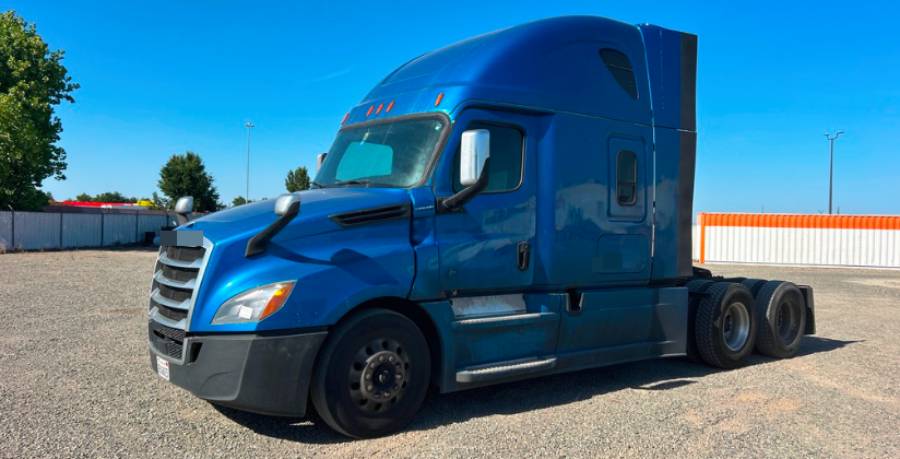
The Freightliner Cascadia blower motor powers the HVAC fan that circulates air through the truck’s cabin heating and air conditioning system. When the blower motor fails, drivers may experience weak airflow, a fan that stops working, intermittent operation, or unusual noises behind the dashboard. These problems can affect cabin comfort and make it harder to maintain a suitable driving environment.
However, not every blower motor problem requires replacing the motor itself. A blown fuse, damaged wiring, a faulty blower motor speed controller, or restricted airflow can produce similar symptoms. Identifying the actual cause before replacing any components helps prevent unnecessary repairs and additional parts costs.
This guide explains how the Freightliner Cascadia blower motor works, which symptoms indicate a potential failure, and what causes common blower motor problems. It also covers basic diagnostic procedures, replacement considerations, and how to choose a compatible replacement part for your truck. Because HVAC configurations can vary by model year, verifying the vehicle identification number (VIN) and the applicable service information is essential before ordering parts or beginning repairs.
Whether you are a truck owner, fleet maintenance professional, or diesel technician, this guide will help you understand the blower motor system and determine the appropriate next steps when airflow problems occur.
What Does a Freightliner Cascadia Blower Motor Do?
The Freightliner Cascadia blower motor powers the cabin ventilation fan, moving air through the heating, ventilation, and air conditioning (HVAC) system. This airflow allows the system to distribute heated or cooled air throughout the truck’s cabin. When the blower motor operates correctly, drivers can adjust fan speed to maintain comfortable cabin temperatures and improve windshield defogging.
The blower motor works with several HVAC components, including the blower fan, heater core, evaporator, air ducts, and fan speed control system. The fan draws air into the HVAC housing and pushes it through the selected airflow path. Depending on the operating mode, the air may pass through the heater core for heating or the evaporator for cooling before entering the cabin through the vents.
The blower motor and blower fan perform different functions. The blower motor converts electrical energy into rotational movement, while the blower fan uses that movement to circulate air. Some replacement products include both components in one assembly, while others may require separate parts. Checking the replacement part specifications helps determine which configuration is required for a particular Freightliner Cascadia.
The blower motor also supports windshield defrosting and defogging by delivering air through the HVAC system. If the motor stops operating, the system may produce little or no airflow even when the heating or air conditioning controls are switched on. However, a lack of airflow does not automatically indicate motor failure because electrical faults, control problems, or airflow restrictions can produce similar symptoms.
What Are the Symptoms of a Bad Freightliner Cascadia Blower Motor?
A failing Freightliner Cascadia blower motor can produce four common symptoms: no airflow, weak airflow, intermittent operation, and unusual fan noise. These symptoms help identify a potential problem, but further inspection is necessary to distinguish motor failure from faults elsewhere in the HVAC system.
No airflow from the vents is one of the clearest warning signs. The fan may remain completely silent when the HVAC controls are activated, even when the temperature and fan settings are adjusted. A failed motor can cause this condition, but a blown fuse, damaged wiring, a faulty speed controller, or a power supply problem can also prevent the fan from operating. Checking the electrical circuit before replacing the motor helps avoid unnecessary parts replacement.
Weak airflow at high fan settings may indicate that the blower motor has lost performance or that the fan assembly is obstructed. Worn motor components can reduce the fan’s ability to move air, while a restricted cabin air filter or blocked air passage can limit airflow even when the motor continues to run. Comparing airflow at different fan settings and inspecting accessible air passages helps narrow down the cause.
Intermittent blower operation occurs when the fan works at some times but stops unexpectedly at others. The motor may restart after the controls are adjusted, or airflow may disappear during normal operation. Worn internal motor components, loose electrical connectors, damaged wiring, or a malfunctioning speed controller can cause this behavior. Inspecting the connector and testing the electrical supply under the conditions in which the fault occurs can help identify the responsible component.
Unusual noises from the blower assembly can indicate mechanical wear or foreign objects inside the fan housing. Grinding may suggest worn bearings or internal motor damage, while rattling can result from loose components or debris near the fan. A squealing noise may also indicate mechanical friction. The source of the sound should be identified before replacing the assembly because removing the obstruction or correcting a loose component may resolve the problem without installing a new motor.
Recognizing these symptoms provides a starting point for troubleshooting, not a definitive diagnosis. The next step is to identify the underlying cause by checking the electrical supply, control components, wiring, and airflow path before deciding whether the Freightliner Cascadia blower motor needs replacement.
What Causes a Freightliner Cascadia Blower Motor to Fail?
A Freightliner Cascadia blower motor can stop working because of electrical faults, worn internal components, damaged wiring, or restricted airflow. However, a blower motor that does not operate correctly is not necessarily defective. Identifying the source of the problem requires checking the motor and the HVAC components that supply power, regulate fan speed, and control airflow.
Electrical Fuse and Relay Problems
A blown HVAC fuse can interrupt the electrical supply to the blower motor, causing the fan to stop working completely. A faulty relay, where used in the applicable circuit, can also prevent the motor from receiving power. These problems may produce symptoms similar to a failed motor, making electrical inspection an important first step in troubleshooting.
A fuse typically opens when excessive current flows through the circuit. Replacing a blown fuse without identifying the reason it failed can allow the same problem to return. If a replacement fuse blows again, the circuit may have a short circuit, an overloaded motor, or another electrical fault that requires further diagnosis. Always use the fuse rating specified for the truck’s particular electrical configuration.
Blower Motor Resistor and Speed Controller Failure
The blower motor resistor or electronic speed controller regulates fan operation, depending on the HVAC design. A fault in this component can prevent the fan from operating at certain speeds or cause irregular airflow. For example, if the fan works at one setting but not at others, the control circuit deserves attention alongside the motor itself.
The exact symptoms depend on the system installed in the vehicle. Some configurations use resistors to control fan speed, while others use electronic control modules. A technician should consult the correct wiring diagram and test the relevant circuit before concluding that the motor needs replacement.
Worn Motor Components and Damaged Wiring
Internal mechanical wear can reduce blower motor performance over time. Worn bearings, damaged internal components, or excessive friction can cause unusual noises, inconsistent operation, or complete motor failure. A motor that struggles to rotate may also draw abnormal current, so repeated fuse failures should not be treated as an isolated fuse problem.
Damaged wiring and loose electrical connectors can interrupt power or create excessive resistance in the circuit. Corrosion, overheated terminals, and loose connections may cause the fan to stop intermittently or operate inconsistently. Inspecting the wiring harness and connector for visible damage can help identify these faults before a replacement motor is installed.
Restricted Airflow and Cabin Air Filter Problems
A restricted cabin air filter or obstructed air passage can reduce the amount of air entering or leaving the HVAC system. In this situation, the blower motor may continue running even though airflow from the vents is weak. This distinction matters because replacing a functioning motor will not correct a blocked airflow path.
Inspect the filter and accessible HVAC air passages according to the truck’s maintenance instructions. If airflow remains weak after an obstruction has been ruled out, further testing can determine whether the motor, fan assembly, or speed control system is responsible.
The correct repair depends on the cause of the failure. Checking the fuse, electrical connections, speed controller, motor condition, and airflow path in a logical order helps prevent unnecessary parts replacement and supports a more reliable repair.
How Do You Diagnose a Freightliner Cascadia Blower Motor Problem?
Diagnosing a Freightliner Cascadia blower motor problem requires checking the HVAC controls, electrical supply, wiring, and motor assembly before replacing any components. A systematic inspection helps distinguish a failed blower motor from a blown fuse, faulty speed controller, loose connector, or restricted airflow. The correct diagnostic procedure depends on the truck’s model year and HVAC configuration, so use the applicable wiring diagram and service information.
Check the HVAC Controls and Fuse
Start by turning on the HVAC system and testing the available fan speed settings. Record whether the blower operates at every setting, only at certain speeds, intermittently, or not at all. Also check whether the heating and air conditioning controls respond normally. These observations help narrow down the possible cause before any parts are removed.
Next, locate the appropriate blower motor fuse using the vehicle’s fuse diagram or service documentation. Inspect the fuse for signs of failure and replace it only with the specified type and rating. A visual inspection alone may not reveal every electrical fault, so further testing may be necessary if the fuse appears intact but the blower remains inoperative. If the replacement fuse fails again, investigate the underlying electrical problem instead of repeatedly replacing the fuse.
Inspect the Blower Motor Wiring and Connectors
Inspect accessible wiring and electrical connectors for corrosion, loose terminals, damaged insulation, discoloration, or signs of overheating. A poor electrical connection can interrupt the power supply and cause the blower motor to stop working intermittently. Heat-damaged connectors may also indicate excessive resistance or abnormal current in the circuit.
Before disconnecting components, follow the manufacturer’s instructions for isolating electrical power. Use the wiring diagram to identify the correct motor terminals and circuit connections. Avoid guessing connector pin assignments because electrical layouts can differ between Freightliner Cascadia configurations.
Test the Electrical Supply and Speed Controller
A digital multimeter can help determine whether the blower motor receives the expected electrical supply when the HVAC controls request fan operation. The test points, expected readings, and testing conditions must come from the correct service documentation. If the circuit does not provide the specified supply, investigate the fuse, wiring, power distribution, and control components before condemning the motor.
If the electrical supply is correct but the motor does not operate, the motor or its mechanical assembly may be defective. However, electronic speed controllers and control signals must also be evaluated when the vehicle uses them. A fault in the control circuit can prevent a functioning motor from receiving the correct operating command.
Determine Whether the Motor Needs Replacement
Replace the blower motor only after the diagnostic results indicate that the motor itself has failed. For example, a motor that receives the correct specified power and control input but fails to rotate may have an internal electrical or mechanical defect. Abnormal noise, excessive friction, or inconsistent operation can provide additional evidence of motor deterioration.
If the motor operates normally during testing, investigate other causes of weak airflow, including a restricted filter, obstructed air passages, or HVAC control problems. Documenting the symptoms and test results before ordering parts also helps ensure that the replacement matches the actual fault.
Safety is essential during electrical diagnosis. Follow the truck manufacturer’s service procedures, use appropriate test equipment, and avoid bypassing fuses or connecting wires directly without an approved procedure. If the circuit shows signs of overheating, repeated fuse failure, or complex electronic control faults, have a qualified truck technician complete the diagnosis.
How Do You Replace a Freightliner Cascadia Blower Motor?
Replacing a Freightliner Cascadia blower motor involves identifying the correct assembly, disconnecting the electrical supply, removing the existing motor, and testing the replacement after installation. The exact removal procedure and motor location depend on the truck’s model year and HVAC configuration. Before starting the repair, consult the appropriate service manual to confirm the access procedure, mounting hardware, and replacement part requirements.
What Tools and Replacement Parts Do You Need?
Prepare the replacement blower motor, the required hand tools, and the service information for the specific Freightliner Cascadia. Depending on the installation, the job may require screwdrivers, sockets, trim removal tools, and a suitable work light. Check whether the replacement includes the blower fan or whether the fan must be transferred from the original assembly.
Verify the replacement part number against the truck’s VIN, model year, and HVAC configuration before disassembly. Compare the electrical connector, mounting points, and other relevant specifications with the original component. Confirming compatibility in advance reduces the risk of discovering that the replacement does not fit after the old motor has been removed.
How Do You Remove the Old Blower Motor?
Begin by parking the truck safely, switching off the ignition, and following the manufacturer’s procedure for isolating electrical power. Allow components to cool where necessary and identify the correct blower motor location using the service documentation. Do not assume that every Cascadia model uses an identical access panel or mounting arrangement.
Remove the necessary covers or access panels according to the service manual. Locate the blower motor electrical connector and disconnect it using the specified procedure. Avoid pulling directly on the wires because doing so can damage the terminals or wiring harness.
Remove the mounting fasteners that secure the blower motor assembly, supporting the component as it is released. Carefully withdraw the assembly without damaging nearby wiring, ducts, or HVAC housing components. Inspect the removed motor, fan, connector, and surrounding housing for visible wear, debris, corrosion, or heat damage. If the original failure resulted from an electrical fault or an obstruction, address that problem before installing the replacement.
How Do You Install and Test the Replacement Blower Motor?
Compare the new blower motor with the original assembly before installation. Check the mounting configuration, connector design, fan arrangement, and part identification. If the fan must be transferred to the replacement motor, follow the manufacturer’s instructions rather than improvising a removal or installation method.
Position the replacement assembly correctly and secure it using the specified mounting hardware and tightening requirements. Reconnect the electrical connector and reinstall any covers or components removed during access. Restore electrical power according to the vehicle manufacturer’s procedure.
Switch on the HVAC system and test the available fan speed settings. Confirm that the blower starts consistently, produces the expected airflow, and operates without unusual grinding, rattling, or squealing noises. Check the heating, cooling, and defrost airflow functions as appropriate for the vehicle’s equipment.
If the replacement motor does not operate correctly, do not immediately assume that the new component is defective. Recheck the electrical connection, fuse, control circuit, and compatibility of the replacement part. Persistent problems may indicate an unresolved electrical fault or another HVAC component failure.
A successful blower motor replacement requires both correct installation and functional testing. Verifying the original fault, using a compatible assembly, and addressing the underlying cause help reduce repeat repairs and unnecessary downtime.
How Do You Choose the Correct Freightliner Cascadia Blower Motor Replacement?
Choosing the correct Freightliner Cascadia blower motor replacement requires verifying the truck’s model year, vehicle identification number (VIN), HVAC configuration, and original part number. Two trucks with the same model name may use different components depending on their production specifications or installed HVAC equipment. Confirming compatibility before purchasing helps prevent installation problems, electrical mismatches, and unnecessary downtime.
How Do You Verify Blower Motor Compatibility by VIN and Model Year?
Start by identifying the truck’s VIN and model year. Use these details to search an authorized Freightliner parts catalog or consult a qualified parts supplier who can identify the correct blower motor for the vehicle. The VIN helps narrow the search to the applicable vehicle configuration, but the final part selection should still be confirmed against the catalog’s fitment information.
Next, compare the original blower motor’s part number with the proposed replacement. Check the connector shape, mounting points, fan assembly, and relevant electrical specifications. A component that looks similar to the original motor may not be compatible with the truck’s HVAC system. If the original part number has been superseded, confirm that the newer number is an approved replacement for the specific vehicle.
If the original motor is damaged or its identification label is unreadable, use the VIN and the manufacturer’s parts documentation rather than relying on appearance alone. A qualified supplier can help verify the correct assembly before an order is placed.
Should You Choose an OEM or Aftermarket Blower Motor?
OEM and aftermarket blower motors offer different purchasing considerations. An OEM replacement is supplied through the original equipment manufacturer’s parts channel or an approved parts program. An aftermarket replacement is produced by another manufacturer and may offer an alternative price or availability advantage. Neither category should be selected without checking compatibility and product quality.
OEM parts can simplify identification when the original part number and vehicle application are clearly documented. Buyers should still verify the exact fitment and any applicable part supersessions. Aftermarket parts can also be suitable when the manufacturer explicitly lists the correct Freightliner Cascadia application and provides reliable product specifications.
Compare the warranty, supplier reputation, return policy, expected service life, and availability of technical support. For a commercial truck, the total cost includes more than the purchase price. An incompatible part or an unreliable replacement can increase labor expenses and vehicle downtime if the repair must be repeated.
Which Part Number and Connector Details Should You Confirm?
Before ordering, verify the manufacturer’s part number, connector configuration, mounting arrangement, and applicable electrical specifications. Check whether the product includes the blower motor alone or a complete motor-and-fan assembly. This distinction affects both compatibility and the amount of work required during installation.
Review the supplier’s fitment list carefully. A listing that mentions Freightliner Cascadia generally does not establish compatibility with every model year or HVAC configuration. If the product description omits important specifications, request confirmation from the supplier before completing the purchase.
Also confirm the return conditions for electrical components, warranty coverage, and whether the supplier requires the original part number for verification. Keep the VIN, original part identification, and replacement product details available when contacting the parts department.
The best replacement blower motor is the one verified for the truck’s exact configuration and supported by reliable fitment information. Checking these details before purchase reduces the likelihood of ordering the wrong component and helps make the repair more efficient.
Read more: Freightliner Cascadia Won’t Shut Off: Causes & Fixes
How Can You Prevent Premature Freightliner Cascadia Blower Motor Failure?
Preventing premature Freightliner Cascadia blower motor failure starts with maintaining proper airflow, inspecting electrical connections, and addressing unusual HVAC behavior before it develops into a larger problem. Regular inspections help identify restricted air passages, loose connectors, and early signs of mechanical wear. Although maintenance cannot eliminate every component failure, it can reduce avoidable strain and help identify problems before they cause extended truck downtime.
Inspect the cabin air filter and accessible HVAC air passages according to the maintenance schedule and equipment specifications for the truck. A restricted filter or blocked intake can reduce airflow even when the blower motor continues running. Replacing the filter when required and removing accessible obstructions help maintain airflow through the HVAC system. Filter location and service intervals vary by vehicle configuration, so follow the applicable maintenance documentation.
Pay attention to changes in blower motor noise and performance. Grinding, rattling, intermittent operation, or progressively weaker airflow can indicate a developing mechanical, electrical, or airflow problem. Recording when the symptom occurs, including the fan setting and HVAC operating mode, provides useful information for diagnosis. Investigating these changes early can help prevent an initially minor issue from becoming a more extensive repair.
Electrical connections also deserve attention during appropriate maintenance inspections. Look for damaged insulation, corrosion, loose connectors, and signs of overheating when the relevant components are accessible. Electrical problems should be investigated using the correct wiring diagram and service procedure rather than by repeatedly replacing fuses or connectors without identifying the cause.
If a blower motor has already failed, determine why it stopped working before installing a replacement. A new motor may experience the same problem if an underlying wiring fault, restricted airflow, or defective control component remains unresolved.
Consistent inspection and prompt troubleshooting are the most practical ways to reduce avoidable blower motor problems. Following the manufacturer’s maintenance recommendations and correcting the underlying cause of a failure helps support reliable HVAC operation throughout the truck’s service life.
When Should You Contact a Truck HVAC Technician?
You should contact a qualified truck HVAC technician when a Freightliner Cascadia blower motor problem persists after basic checks, when electrical components show signs of damage, or when diagnosis requires vehicle-specific testing procedures. Professional inspection helps identify the actual cause of the failure and reduces the risk of damaging other HVAC components during repair.
One important warning sign is a fuse that repeatedly blows after replacement. A recurring fuse failure can indicate a short circuit, excessive current draw, damaged wiring, or another electrical fault. Installing a higher-rated fuse or repeatedly replacing the same fuse does not correct the underlying problem and can create a safety hazard. A technician can inspect the circuit and perform the necessary electrical tests using the correct wiring diagram.
You should also seek professional assistance if you notice burnt wiring, melted connectors, unusual heat around electrical components, or a persistent burning smell. These symptoms may indicate overheating or an electrical connection problem that requires prompt attention. Switch off the affected system and follow the vehicle manufacturer’s safety procedures rather than continuing to operate a potentially damaged circuit.
Professional diagnosis is also appropriate when the blower motor receives an apparently correct electrical supply but still fails to operate, or when the fault involves an electronic speed controller or HVAC control module. Modern vehicle electrical systems may require specialized diagnostic equipment and model-specific service information. Guessing connector pin assignments or bypassing control circuits can lead to further damage.
Finally, contact a qualified technician if the replacement motor does not resolve the original problem. The underlying fault may involve the wiring, control system, fan assembly, or airflow path rather than the motor itself. A systematic inspection can prevent repeated parts replacement and unnecessary labor costs.
Professional diagnosis is most valuable when the fault is electrical, intermittent, safety-related, or unresolved after basic troubleshooting. For commercial truck operators, identifying the correct repair early can also reduce avoidable downtime and help return the vehicle to reliable service.