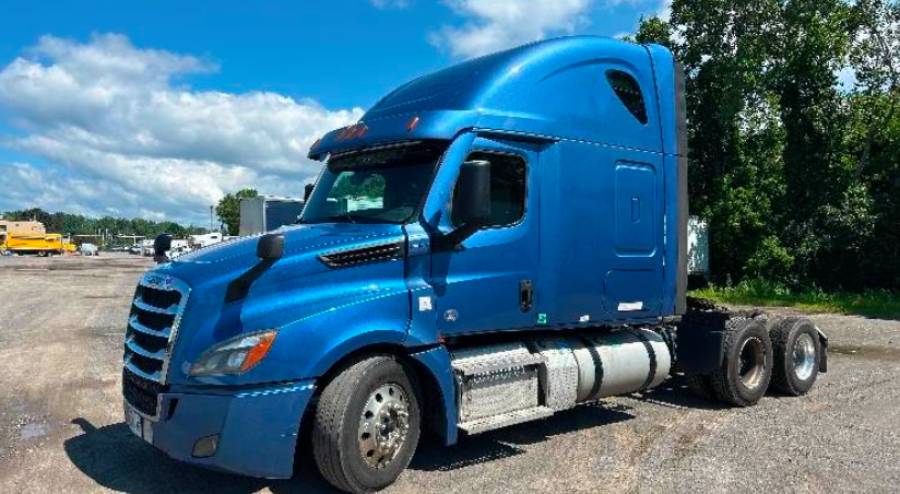
The Freightliner Cascadia AC compressor is a key component of the truck’s air conditioning system, responsible for compressing and circulating refrigerant to maintain a comfortable cabin temperature. It raises refrigerant pressure and temperature, allowing heat to be released through the condenser before the refrigerant absorbs heat from the cabin. A malfunctioning compressor can reduce cooling performance, increase driver discomfort, and lead to additional damage within the air conditioning system.
Common signs of a failing Freightliner Cascadia AC compressor include warm air from the vents, unusual noises, refrigerant leaks, and inconsistent cooling. These symptoms do not always indicate compressor failure. Low refrigerant levels, electrical faults, damaged compressor clutches, and restricted condensers can produce similar problems. Identifying the actual cause requires checking system pressures, mechanical components, and electrical controls before replacing the compressor.
This guide explains how the Freightliner Cascadia AC compressor works, the symptoms and causes of compressor failure, and the steps involved in diagnosing and replacing a faulty unit. It also covers replacement costs, compressor compatibility across truck configurations, and preventive maintenance practices that help protect the air conditioning system.
What Does the AC Compressor Do in a Freightliner Cascadia?
The Freightliner Cascadia AC compressor compresses and circulates refrigerant through the truck’s air conditioning system, allowing heat to be removed from the cabin. The compressor draws in low-pressure refrigerant vapor from the evaporator and compresses it into high-pressure, high-temperature vapor. This pressure increase allows the refrigerant to release heat through the condenser before returning to the evaporator to absorb more heat from the cabin air.
The AC compressor operates as part of a closed refrigerant circuit that includes the condenser, expansion device, evaporator, and connecting refrigerant lines. After leaving the compressor, hot refrigerant vapor enters the condenser, where it releases heat and changes into a high-pressure liquid. The refrigerant then passes through an expansion device that reduces its pressure and temperature. Inside the evaporator, it absorbs heat from cabin air before returning to the compressor as low-pressure vapor. This cycle continues while the air conditioning system operates.
In a Freightliner Cascadia, compressor operation depends on the truck’s HVAC controls, refrigerant pressure monitoring, and compressor configuration. Some compressors use an electromagnetic clutch to engage the compressor shaft, while other designs use different capacity-control mechanisms. The exact configuration varies by model year and installed compressor. When the compressor cannot maintain the required pressure difference, the air conditioning system loses cooling capacity even when the blower motor continues delivering air through the dashboard vents.
What Are the Symptoms of a Bad Freightliner Cascadia AC Compressor?
The most common symptoms of a bad Freightliner Cascadia AC compressor are warm air from the vents, unusual compressor noises, refrigerant or oil leaks, intermittent cooling, and mechanical seizure. These symptoms indicate a possible compressor problem, but they can also result from faults elsewhere in the air conditioning system. Identifying the specific symptom helps determine which components require inspection.
Warm air from the AC vents is a common indication that the refrigeration system is not removing enough heat from the cabin. A worn or internally damaged compressor may fail to generate the pressure difference required for effective cooling. However, low refrigerant charge, condenser airflow restrictions, and electrical control problems can produce the same result. If the blower operates normally but the air remains warm, checking refrigerant pressures and compressor operation helps distinguish these causes.
Unusual noises from the compressor area can indicate mechanical wear or damaged components. Grinding noises may result from deteriorating pulley bearings or internal compressor damage, while squealing can originate from a slipping drive belt or a failing pulley assembly. On clutch-equipped compressors, clicking or rattling may also occur when clutch components are worn or engagement is unstable. Noise should be traced to its source before replacing the compressor because nearby belt-driven accessories can produce similar sounds.
Refrigerant and oil leaks can occur around the compressor shaft seal, housing joints, or refrigerant line connections. Because compressor lubricant circulates with the refrigerant, an oily residue near these locations may indicate a leak. However, residue alone does not confirm the leak source. Technicians use electronic leak detectors or compatible leak-detection methods to locate escaping refrigerant. Continued refrigerant loss can reduce cooling performance and interfere with proper compressor lubrication.
Intermittent cooling occurs when the AC system alternates between producing cold and warm air. On clutch-equipped compressors, an electrical connection problem, unstable clutch operation, or a protective pressure cutoff can interrupt compressor engagement. Refrigerant charge problems and control-system faults can cause similar behavior. Comparing compressor operation with pressure readings and electrical commands during the malfunction helps identify whether the compressor itself is responsible.
Compressor seizure is a serious mechanical failure in which internal components become unable to rotate normally. Insufficient lubrication, internal wear, or contamination can contribute to this condition. A seized compressor may cause belt squealing, clutch slippage, or drive-belt damage, depending on the installed configuration. If the compressor is mechanically locked, continued operation can damage associated drive components. The system should be inspected for internal debris before a replacement compressor is installed.
Why Does a Freightliner Cascadia AC Compressor Fail?
A Freightliner Cascadia AC compressor can fail due to refrigerant loss, insufficient lubrication, internal component wear, system contamination, or excessive operating temperatures. These conditions interfere with the compressor’s ability to maintain refrigerant pressure and circulate lubricant. Mechanical damage often develops gradually, although severe lubrication loss or internal seizure can cause sudden failure.
Low refrigerant charge can contribute to compressor damage by reducing the circulation of lubricant throughout the air conditioning system. Refrigerant carries compressor oil through the circuit, allowing it to return to internal moving components. When a leak reduces refrigerant flow, oil circulation may become inadequate, increasing friction and wear. Refrigerant leaks commonly develop at hose connections, O-ring seals, compressor shaft seals, and other pressurized joints. Low refrigerant pressure can also trigger protective controls that prevent compressor operation.
Incorrect compressor lubrication is another cause of premature failure. The compressor requires the manufacturer-specified oil type and quantity to protect its bearings and internal compression components. Insufficient oil increases friction and operating temperatures, while excessive oil can reduce cooling efficiency and affect refrigerant circulation. Using incompatible oil may also compromise lubrication performance. During compressor replacement, technicians must account for oil remaining in other system components rather than automatically adding the compressor’s full system oil capacity.
Internal wear and contamination can damage the compressor’s pistons, scroll elements, valves, or bearings, depending on its design. Normal operation creates repeated mechanical loads, while inadequate lubrication accelerates deterioration. Metal particles from a failing compressor can enter the refrigerant circuit and accumulate in the condenser, expansion device, or connecting lines. Installing a new compressor without addressing this contamination increases the risk of another failure.
Excessive operating temperatures can further accelerate compressor deterioration. Restricted condenser airflow, cooling fan problems, or an overcharged refrigerant system can increase discharge pressure and compressor workload. For example, debris blocking the condenser reduces heat rejection, forcing the compressor to operate against higher pressure under comparable conditions. Sustained high discharge temperatures can degrade lubricant and place additional stress on internal components.
Why Is the Freightliner Cascadia AC Compressor Not Engaging?
A Freightliner Cascadia AC compressor may not engage because of low refrigerant pressure, electrical faults, clutch problems, or an HVAC control-system restriction. The cause depends on the compressor design and the truck’s control strategy. On clutch-equipped systems, the pulley may rotate with the engine while the compressor shaft remains stationary. Other compressor configurations require different checks, so a stationary or continuously rotating pulley does not independently establish whether the compressor is operating correctly.
Can Low Refrigerant Pressure Prevent Compressor Engagement?
Low refrigerant pressure can prevent a Freightliner Cascadia AC compressor from engaging when the control system detects pressure below its permitted operating range. This protective function reduces the risk of operating the compressor under conditions that may compromise refrigerant and lubricant circulation.
Refrigerant pressure typically decreases when the system loses charge through a leak. Common leak locations include hose fittings, service ports, condenser connections, and compressor seals. When a pressure sensor or switch reports an unacceptable condition, the HVAC or engine control system may disable compressor operation. The exact cutoff thresholds depend on the installed air conditioning system and its control calibration.
Technicians should verify the refrigerant charge and inspect for leaks before attempting to restore compressor operation. Static pressure readings alone cannot establish whether the system contains the correct refrigerant mass because pressure also depends on temperature. A complete assessment may require electronic pressure data, operating pressure measurements, and refrigerant recovery and weighing with appropriate equipment.
Adding refrigerant without identifying the underlying problem can result in an incorrect charge or leave an existing leak unresolved. Bypassing pressure protection is also unsafe because it removes a safeguard designed to protect the compressor and refrigerant circuit.
How Do Electrical Problems Affect the AC Compressor?
Electrical problems can prevent the Freightliner Cascadia AC compressor from receiving the command or power required for operation. Faults may occur in wiring, connectors, fuses, control modules, pressure sensors, or the compressor clutch circuit on applicable systems.
A damaged electrical connector or corroded terminal can interrupt current flow to an electromagnetic clutch. When the clutch coil does not receive the required electrical supply, it cannot generate the magnetic force needed to couple the pulley to the compressor shaft. A failed clutch coil, excessive clutch air gap, or damaged clutch components can also prevent engagement even when the control command is present.
The HVAC control system may deliberately inhibit compressor operation when operating conditions fall outside its programmed limits. Refrigerant pressure faults, sensor failures, or certain engine operating conditions can cause this response. Consequently, the absence of voltage at a compressor connector does not always indicate a broken wire or failed relay. It may reflect a control-module decision to keep the compressor disabled.
Electrical diagnosis should begin by confirming the AC request, checking relevant fault codes, and reviewing available pressure sensor data. Technicians can then inspect wiring continuity, connector condition, and electrical supply using the correct Freightliner wiring diagram. On clutch-equipped systems, comparing the commanded clutch state with actual clutch operation helps distinguish an electrical control fault from a mechanical clutch failure.
Replacing the compressor without verifying these electrical conditions may leave the original cooling problem unresolved, particularly when the compressor itself remains mechanically functional.
How Do You Diagnose a Bad Freightliner Cascadia AC Compressor?
Diagnosing a bad Freightliner Cascadia AC compressor requires checking mechanical operation, refrigerant pressures, electrical controls, and cooling performance. These inspections help distinguish internal compressor failure from refrigerant leaks, clutch problems, and other HVAC system faults. A compressor should only be replaced after testing confirms that it cannot operate or maintain the pressure difference required for effective cooling.
Begin by inspecting the compressor housing, refrigerant connections, drive belt, and pulley for visible damage. Oil residue around compressor seals or hose fittings may indicate refrigerant leakage, while damaged pulleys and worn belts can interfere with compressor operation. With the engine running and the AC requested, a technician can observe clutch engagement on applicable systems and check for abnormal noises. Moving components must be inspected from a safe distance.
Next, verify that the HVAC system is requesting compressor operation. Diagnostic software can help identify fault codes, refrigerant pressure readings, and compressor control commands where supported. If the compressor does not operate despite an appropriate command, electrical and mechanical checks are necessary before determining whether the compressor has failed.
How Do You Test AC System Pressure?
Testing Freightliner Cascadia AC system pressure requires measuring the high-pressure and low-pressure sides of the refrigerant circuit with suitable service equipment. These readings help technicians evaluate compressor performance, refrigerant flow, and potential restrictions within the air conditioning system.
A qualified technician connects an appropriate manifold gauge set or refrigerant service machine to the designated service ports. With the system operating under the manufacturer’s specified test conditions, the technician records suction pressure, discharge pressure, ambient temperature, and vent temperature. The readings must be compared with service specifications for the installed refrigerant and HVAC configuration.
A compressor that operates but produces insufficient pressure separation may have worn internal components or damaged valves. However, similar readings can result from low refrigerant charge, an expansion device fault, or other system conditions. High discharge pressure can indicate inadequate condenser airflow, excessive refrigerant charge, or restrictions in the high-pressure circuit. Pressure readings therefore require interpretation alongside temperature measurements and system operating conditions.
Refrigerant must not be vented into the atmosphere during testing or servicing. Technicians should use equipment compatible with the specified refrigerant and follow applicable recovery and handling requirements.
How Do You Confirm an AC Compressor Has Failed?
A Freightliner Cascadia AC compressor is confirmed faulty when mechanical inspection, electrical testing, and refrigerant system measurements identify a defect in the compressor itself. Warm air, abnormal pressure readings, or a compressor that does not engage are insufficient evidence when considered individually.
Mechanical failure can be confirmed through evidence such as a seized compressor shaft, severe internal noise, or metal debris originating from the compressor. On clutch-equipped systems, technicians must distinguish a failed clutch or pulley bearing from damage to the compressor’s internal mechanism. A defective clutch assembly does not necessarily require replacing the entire compressor when the design permits separate repair.
Electrical testing helps determine whether the compressor is receiving the required operating command. If the HVAC controller requests engagement but the clutch fails to operate, technicians can inspect the electrical supply, clutch coil, and mechanical engagement components. If the controller does not request operation, refrigerant pressure inputs, sensor faults, and control-system restrictions must be investigated before condemning the compressor.
Internal compressor failure may also be identified when the unit operates but cannot produce the expected pressure difference under verified test conditions. Before reaching this conclusion, technicians should confirm refrigerant charge, condenser airflow, expansion device operation, and relevant control settings. This process prevents unnecessary compressor replacement and helps identify problems that could damage a new unit.
When internal damage is confirmed, the refrigerant circuit should also be inspected for contamination. Metal particles and degraded lubricant can remain in the condenser, hoses, and other components after compressor failure. Depending on the system design and extent of contamination, additional component replacement or approved cleaning procedures may be necessary before installing a new compressor.
How Do You Replace a Freightliner Cascadia AC Compressor?
Replacing a Freightliner Cascadia AC compressor involves recovering the refrigerant, removing the faulty unit, installing a compatible replacement, and servicing the air conditioning system. The procedure requires refrigerant recovery equipment, a vacuum pump, manifold gauges or an AC service machine, suitable hand tools, and the correct compressor oil. Exact removal procedures, refrigerant specifications, and installation requirements depend on the truck’s model year and HVAC configuration.
Before beginning, technicians must confirm compressor failure and identify the correct replacement using the vehicle identification number (VIN) and OEM part number. Refrigerant handling must follow applicable environmental and safety regulations. The system operates under pressure, and releasing refrigerant or opening pressurized connections can cause injury. Compressor replacement should therefore be performed by technicians qualified to service heavy-duty vehicle air conditioning systems.
How Do You Remove the Old AC Compressor?
Removing the old Freightliner Cascadia AC compressor requires recovering the refrigerant, disconnecting the compressor drive and electrical connections, and detaching the refrigerant lines and mounting hardware. The engine must be switched off, secured against accidental starting, and allowed to cool before mechanical work begins.
First, recover the refrigerant using approved recovery equipment compatible with the refrigerant specified for the truck. Confirm that the system has been properly depressurized before disconnecting any refrigerant lines. Refrigerant must not be intentionally released into the atmosphere.
Next, locate the compressor and inspect the routing of the serpentine belt. Release belt tension using the appropriate procedure and remove the belt from the compressor pulley. Disconnect the compressor’s electrical connector or control connection, depending on the installed design. The refrigerant lines can then be detached after confirming that recovery is complete. Open connections should be capped promptly to prevent moisture and debris from entering the system.
Remove the compressor mounting bolts and carefully lift the unit from its mounting bracket. Inspect the removed compressor for signs of internal damage, oil leakage, or metal contamination. The condition and quantity of oil recovered from the compressor can provide useful diagnostic information, although they do not independently establish the total oil quantity remaining in the system.
If the compressor has suffered internal mechanical failure, inspect the refrigerant circuit for metal particles and contaminated lubricant. Depending on the manufacturer’s procedures, the repair may require replacing the receiver-drier or accumulator, expansion device, condenser, or other affected components. Some condenser designs cannot be cleaned effectively after severe contamination and must be replaced.
How Do You Install and Recharge a New AC Compressor?
Installing a new Freightliner Cascadia AC compressor requires verifying component compatibility, setting the correct lubricant quantity, securing the compressor, and evacuating and recharging the refrigerant system. Proper installation prevents contamination, lubrication problems, and premature failure of the replacement unit.
Begin by comparing the replacement compressor with the original unit. Confirm the OEM part number or approved cross-reference, mounting points, pulley alignment, electrical connections, and refrigerant port configuration. The replacement must also be suitable for the refrigerant and oil specified for the vehicle. Compressors that appear physically similar are not necessarily interchangeable.
Check the replacement compressor’s oil instructions before installation. Some compressors arrive prefilled, while others require oil to be added. The correct quantity depends on the compressor manufacturer’s instructions, the amount of oil remaining in the system, and which additional components were replaced. Incorrect oil quantity can reduce cooling performance or damage internal components.
Install the compressor using the specified mounting hardware and tightening torque. Replace refrigerant connection seals with compatible new seals and lubricate them according to the service instructions. Reconnect the refrigerant lines, electrical connections, and drive belt, ensuring that the belt follows the correct routing and that the pulley is properly aligned.
After installation, evacuate the refrigerant circuit using an appropriate vacuum pump and service equipment. Evacuation removes air and moisture from the system, while a vacuum-hold check helps identify significant leakage but does not replace a complete leak inspection. Any detected leaks must be repaired before charging.
Recharge the system with the exact refrigerant type and mass specified on the vehicle’s AC identification label or in the applicable service documentation. Do not determine the final charge solely from pressure readings, because refrigerant pressure changes with ambient temperature and operating conditions.
Finally, operate the air conditioning system under the manufacturer’s specified test conditions. Check compressor operation, high-side and low-side pressures, vent temperature, belt behavior, and refrigerant connections. Confirm that the system delivers consistent cooling without abnormal noise or leakage before returning the truck to service.
How Much Does Freightliner Cascadia AC Compressor Replacement Cost?
Freightliner Cascadia AC compressor replacement costs depend on the compressor model, replacement part quality, labor rates, and additional air conditioning system repairs. The total expense includes the compressor itself, installation labor, refrigerant recovery and recharge, and any components that must be replaced to restore reliable cooling. A confirmed internal compressor failure can increase repair costs if metal debris has contaminated the refrigerant circuit.
The replacement compressor is a major component of the repair cost. OEM compressors are designed to meet the specifications of particular Freightliner Cascadia configurations, while compatible aftermarket units provide alternative replacement options. Pricing varies according to compressor manufacturer, model year, engine configuration, supplier, and whether the unit is new or remanufactured. A remanufactured compressor may have a lower initial purchase price, but warranty coverage, component quality, and compatibility should also be considered.
Labor costs depend on compressor accessibility and the amount of additional service required. Technicians must recover the refrigerant, remove the drive belt and refrigerant connections, replace the compressor, evacuate the system, and recharge it to the specified capacity. Additional labor is required when a failed compressor has contaminated the condenser, expansion device, or refrigerant lines. Shop labor rates also differ between independent heavy-duty truck repair facilities and dealership service departments.
Repairing the existing compressor can cost less than replacing it when the problem is limited to a serviceable external component. For example, a defective electromagnetic clutch or pulley bearing may be repairable separately on certain compressor models. However, internal seizure, damaged compression components, or extensive contamination generally makes complete compressor replacement the more appropriate repair. The decision should be based on confirmed damage, parts availability, repair labor, and the warranty offered.
An accurate replacement estimate should itemize the compressor, labor, refrigerant service, seals, lubricant, and any additional components. Comparing complete repair estimates rather than compressor prices alone helps truck owners and fleet operators evaluate the actual cost of restoring the air conditioning system.
Read more: Freightliner Cascadia Blower Motor: Guide
Which AC Compressor Fits a Freightliner Cascadia?
The correct Freightliner Cascadia AC compressor must match the truck’s VIN-specific HVAC configuration, original equipment specifications, and compressor mounting and control requirements. Freightliner Cascadia trucks have been produced across different model years and powertrain configurations, so a compressor listed for one Cascadia may not fit another.
The vehicle identification number (VIN) is the most reliable starting point for identifying a compatible compressor. Freightliner parts catalogs and authorized parts departments can use the VIN to identify the original equipment configuration and applicable replacement part numbers. The truck’s model year, engine model, and installed HVAC equipment provide additional information, but they should not replace VIN-based verification.
The OEM compressor part number helps confirm replacement compatibility. This number may appear on the original compressor identification label or in the vehicle’s parts documentation. Aftermarket suppliers often provide cross-reference numbers that connect an OEM part to compatible replacement products. However, cross-reference information should be checked against the manufacturer’s specifications rather than treated as automatic proof of fitment.
Physical compatibility also matters. The replacement compressor must have the correct mounting arrangement, pulley diameter and alignment, refrigerant connection locations, and electrical connector configuration. Differences in clutch design, compressor displacement, or control mechanisms can prevent proper operation even when the replacement appears similar to the original unit.
Freightliner Cascadia AC compressors are not universally interchangeable between model years. Changes in engine installation, accessory drive layout, HVAC equipment, and compressor suppliers can affect compatibility. For example, a compressor intended for a particular Detroit DD15 configuration should not be assumed to fit every Cascadia equipped with that engine. The complete vehicle configuration and approved part-number cross-reference must be verified.
Before purchasing a replacement, confirm the VIN, original compressor part number, refrigerant specification, and replacement manufacturer’s application listing. These checks reduce the risk of installation problems, incorrect refrigerant connections, and unnecessary vehicle downtime.
How Can You Prevent Freightliner Cascadia AC Compressor Failure?
Preventing Freightliner Cascadia AC compressor failure requires regular refrigerant leak inspections, proper lubrication, condenser maintenance, and periodic checks of the compressor drive system. These maintenance practices reduce the risk of excessive operating pressure, inadequate lubrication, and mechanical damage. Addressing minor air conditioning problems early also helps prevent more expensive compressor repairs.
Inspecting the refrigerant system for leaks is essential because refrigerant loss can reduce lubricant circulation and interfere with compressor operation. Technicians should examine compressor seals, hose connections, service ports, and refrigerant lines for damage or oily residue. An electronic leak detector can help identify leaks that are not visible during inspection. Refrigerant should only be added after the system has been evaluated, and any recharge must follow the manufacturer’s specified refrigerant type and quantity.
Maintaining proper condenser airflow helps prevent excessive compressor discharge pressure and operating temperatures. The condenser releases heat from the refrigerant, allowing it to return to a liquid state before reaching the expansion device. Dirt, road debris, damaged fins, and cooling fan problems can reduce heat transfer efficiency. Cleaning the condenser using approved methods and checking the associated cooling components helps maintain normal refrigerant pressures, particularly during extended operation in hot weather.
Checking the compressor drive belt and pulley assembly can prevent mechanical problems that affect compressor operation. A worn belt may slip, while damaged pulley bearings can generate noise, vibration, and excessive friction. During routine maintenance, technicians should inspect belt condition, pulley alignment, and tensioner operation according to the vehicle’s service requirements. On clutch-equipped compressors, unusual clutch noise or inconsistent engagement should be investigated before additional damage develops.
Using the correct compressor oil and refrigerant protects internal components and maintains system performance. Compressor lubrication requirements vary by compressor design and refrigerant specification. Mixing incompatible lubricants or adding an incorrect oil quantity can compromise lubrication and cooling efficiency. During refrigerant system repairs, technicians should follow the applicable service instructions for oil replacement, moisture control, and refrigerant charging.
Investigating cooling problems promptly is another important preventive measure. Reduced cooling performance, intermittent compressor operation, unusual noises, and visible leakage can indicate developing system faults. Continuing to operate an air conditioning system with a known mechanical problem may increase component damage. For example, a failing compressor that releases metal particles into the refrigerant circuit can contaminate other components and increase the scope of the eventual repair.
Freightliner Cascadia owners and fleet maintenance teams should incorporate AC system inspections into their existing preventive maintenance schedules. Inspection intervals should follow the applicable vehicle and component manufacturer recommendations, with additional checks when operating conditions or symptoms justify them. Consistent maintenance helps preserve cooling performance, reduce unexpected downtime, and extend the service life of the compressor and related HVAC components.