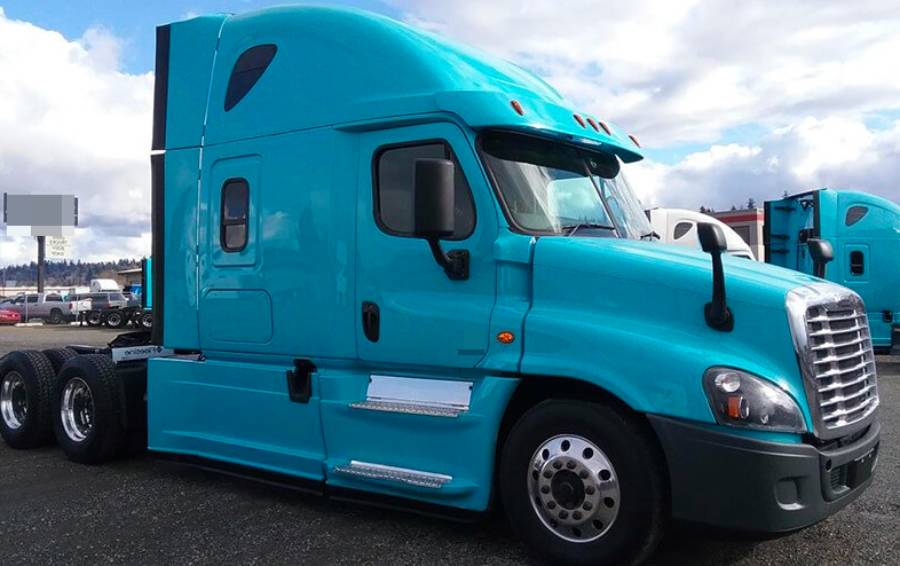
Freightliner SmartShift problems can affect gear selection, shifting speed, clutch engagement, and the truck’s ability to move into drive or reverse. The most common problems include getting stuck in neutral, failing to shift gears, hard or jerky shifts, delayed gear engagement, and intermittent shifting failures. These symptoms can originate from the electrical system, wiring and connectors, sensors, clutch components, shift or clutch actuators, or the transmission control system.
A SmartShift problem does not automatically mean the transmission itself has failed. For example, a truck that remains in neutral may have an electrical or actuator-related fault rather than internal transmission damage. Identifying the specific symptom and checking related components is therefore necessary before replacing parts or attempting major transmission repairs.
Troubleshooting should start with basic electrical and connection checks before progressing to fault codes, clutch and actuator inspection, and diagnostic scanning. A reset may resolve certain temporary control issues, but it will not repair a failed sensor, damaged wiring, worn clutch, defective actuator, or mechanical transmission problem. This guide explains the common Freightliner SmartShift problems, their likely causes, troubleshooting steps, repair options, and signs that professional diagnosis is required.
What Are the Most Common Freightliner SmartShift Problems?
The most common Freightliner SmartShift problems include getting stuck in neutral, failure to shift gears, hard or jerky shifting, delayed gear engagement, failure to engage reverse, and intermittent shifting. These problems do not always indicate internal transmission damage because SmartShift operation depends on electrical signals, control modules, sensors, clutch operation, and actuators working together.
Getting stuck in neutral is one of the most disruptive SmartShift problems because the transmission cannot engage a usable gear. The driver may select drive or reverse while the transmission remains in neutral or returns to neutral after an attempted gear change. This condition can result from inadequate electrical power, damaged wiring or connectors, incorrect sensor information, clutch engagement problems, or an actuator that cannot complete the requested shift. Diagnosis should therefore confirm which part of the shifting sequence fails instead of assuming that the transmission needs replacement.
Failure to shift gears occurs when SmartShift cannot complete an upshift, downshift, or initial gear selection. The problem may remain consistent or appear only under specific operating conditions. Because SmartShift combines electronic commands with mechanical transmission and clutch operation, a failure at either stage can interrupt the shift. Electrical faults can prevent a valid command from reaching the system, while clutch or actuator problems can prevent the transmission from physically completing that command.
Hard or jerky shifting occurs when gear changes are completed but engagement is noticeably abrupt. A harsh shift indicates that the transmission is changing gears, but the clutch engagement or shift process is not occurring smoothly. Clutch wear, actuator operation, calibration-related issues, and other drivetrain conditions should be considered when this symptom appears repeatedly. A single rough shift does not identify the failed component, so the operating conditions and any accompanying fault information should also be checked.
Delayed shifting is different from complete shift failure. The transmission eventually engages the requested gear, but there is an abnormal delay between the shift command and gear engagement. Delays can occur when the control system is waiting for the required operating conditions or when a component does not respond as expected. Electrical connections, sensors, clutch operation, and actuators are therefore relevant diagnostic areas when delayed engagement becomes persistent.
Failure to engage reverse should be treated as a specific gear-selection problem rather than proof of complete transmission failure. The truck may continue to engage forward gears while reverse does not engage, or it may return to neutral after reverse is selected. Comparing reverse operation with forward gear operation helps narrow the diagnostic scope because it establishes whether the problem affects the entire shifting system or a specific operating condition.
Intermittent shifting problems are particularly important because the SmartShift may operate normally between failures. Loose electrical connections, damaged wiring, inconsistent sensor signals, or components that fail under specific operating conditions can produce this pattern. Recording when the failure occurs—such as during startup, after the truck warms up, or during a particular gear change—provides useful diagnostic context.
What Symptoms Indicate a Freightliner SmartShift Problem?
A Freightliner SmartShift problem can be identified by abnormal gear selection, unexpected neutral, delayed engagement, rough shifts, intermittent shifting, or an inability to engage drive or reverse. The exact symptom matters because it establishes the starting point for diagnosis and helps separate electrical and control faults from clutch, actuator, or mechanical problems.
Unexpected neutral is a significant symptom because the selected gear is not being maintained or successfully engaged. If the transmission repeatedly remains in or returns to neutral, the diagnostic process should determine whether SmartShift is receiving the correct electrical supply and sensor information before evaluating clutch and actuator operation. The same symptom can have more than one root cause, so replacing a component based on the symptom alone can lead to unnecessary repairs.
Delayed engagement and rough shifting indicate a different failure pattern. Delayed engagement means the requested shift takes longer than expected, while rough shifting means the gear engages but the transition is unusually abrupt. Distinguishing these symptoms helps determine which part of the shifting process requires closer inspection.
Intermittent operation is another diagnostic clue. A SmartShift system that works normally during one drive cycle and fails during another may have a fault affected by electrical connection, component condition, or operating circumstances. Drivers should note the selected gear, truck operating condition, dashboard indications, and behavior immediately before the problem occurs. These details give a technician a more precise starting point than a general report that the transmission is “not shifting.”
Dashboard warnings and stored fault codes can provide additional evidence when a shifting symptom occurs. A fault code should be treated as diagnostic information rather than automatic proof that the named component must be replaced. The code needs to be interpreted together with the physical symptom and component testing because wiring, power supply, communication, and related components can contribute to the same malfunction.
What Causes Freightliner SmartShift Problems?
Freightliner SmartShift problems can result from electrical faults, damaged wiring or connectors, incorrect sensor signals, clutch wear, actuator problems, or transmission control faults. These components work as a connected system: the controls determine when a shift should occur, electrical circuits transmit the required signals, and the clutch and actuators physically complete the shift. A fault at any stage can cause similar symptoms, including failure to shift, unexpected neutral, delayed engagement, or rough gear changes.
The symptom alone does not reliably identify the failed component. For example, a truck stuck in neutral can have a power-supply problem that prevents proper SmartShift operation, a sensor problem that prevents the system from confirming transmission status, or an actuator problem that prevents physical gear engagement. Diagnosis should therefore follow the sequence of SmartShift operation rather than replacing the component that appears most closely related to the symptom.
Can Electrical Problems Cause Freightliner SmartShift Failure?
Electrical problems can cause Freightliner SmartShift failure because the system depends on stable power, reliable grounds, intact wiring, and secure electrical connections to control gear changes. Low voltage or an interrupted electrical circuit can interfere with communication and component operation even when the mechanical transmission itself remains functional.
Battery condition is one of the electrical areas that should be checked when a SmartShift problem appears. A weak battery, poor terminal connection, or charging-system issue can produce inadequate or unstable voltage. Because transmission controls and actuators depend on electrical power, voltage problems can contribute to inconsistent operation, failure to engage a gear, or other shifting abnormalities.
Wiring and connectors create another potential failure point. Damaged wires, loose terminals, corrosion, poor grounds, and contaminated connectors can interrupt signals between SmartShift-related components. These faults can also be intermittent. A connection may work under one operating condition and lose continuity when vibration, movement, moisture, or temperature changes affect it. This behavior helps explain why some shifting problems disappear temporarily and then return.
Electrical diagnosis should therefore occur before major components are replaced. Inspecting battery condition, terminals, grounds, fuses, wiring, and relevant connectors can identify faults that produce transmission-like symptoms without requiring internal transmission repair.
Can Clutch or Actuator Problems Cause Freightliner SmartShift Problems?
Clutch and actuator problems can cause Freightliner SmartShift problems by preventing an electronic shift command from being completed mechanically. SmartShift operation requires coordinated clutch and gear engagement, so deterioration or malfunction in these components can produce hard shifting, delayed engagement, failure to select a gear, or a transmission that remains in neutral.
A worn clutch can change how smoothly and consistently power is engaged during a shift. As clutch condition deteriorates, the driver may notice increasingly poor engagement or abnormal shifting behavior rather than an immediate total failure. The clutch should therefore be evaluated in the context of the truck’s symptoms and mechanical condition instead of being replaced solely because a shifting problem exists.
Actuators perform the physical actions requested by the transmission control system. A clutch actuator affects clutch operation, while shift actuation is involved in completing gear changes. An actuator fault can create a situation where the electronic system requests a valid shift but the mechanical action is not completed correctly. This can result in delayed shifts, failed gear engagement, or neutral when a drive gear was requested.
Sensor and control-system faults can produce similar symptoms because SmartShift also needs accurate information about operating conditions and component positions. Incorrect sensor information can prevent the system from confirming that the conditions required for a shift have been met. Control or communication faults can likewise disrupt the sequence even when the clutch and transmission are mechanically capable of operating.
For this reason, clutch or actuator replacement should follow diagnosis rather than assumption. The next step is to check the electrical system, wiring and connectors, stored fault information, and relevant mechanical components in a structured sequence to determine where the SmartShift process is failing.
How Do You Troubleshoot Freightliner SmartShift Problems?
Troubleshoot Freightliner SmartShift problems by checking the electrical supply first, inspecting wiring and connectors, reviewing fault codes, and then testing the clutch, actuators, sensors, and transmission controls. This sequence starts with faults that can affect several components simultaneously before moving to individual mechanical or electronic parts. It also reduces the risk of replacing an actuator, sensor, or clutch when the actual problem is a weak power supply or damaged connection.
Start with the battery and charging system. Check that the battery is adequately charged and inspect the terminals for looseness, corrosion, or damage. Grounds and relevant fuses should also be inspected because a poor ground or interrupted power circuit can prevent SmartShift components from operating correctly. If a shifting problem occurs primarily during startup or appears together with other electrical abnormalities, the power supply deserves particular attention.
Inspect SmartShift-related wiring and connectors after confirming that the electrical supply is stable. Look for loose connectors, corroded terminals, damaged insulation, broken wires, moisture intrusion, and wiring that has been rubbed or pinched. Intermittent faults require particular attention because vibration and movement can temporarily open or restore a damaged connection. Moving directly to component replacement without checking the circuit can leave the original problem unresolved.
The next step is to retrieve available fault information and compare it with the truck’s actual behavior. Record whether the transmission is stuck in neutral, refuses a specific gear, shifts roughly, engages slowly, or fails intermittently. The operating conditions at the time of the failure also matter. A problem that occurs only after the truck warms up, for example, provides different diagnostic context from a failure present immediately after startup.
Inspect the clutch and actuators when basic electrical checks do not identify the cause. Determine whether the system is issuing a shift command and whether the corresponding mechanical action is completed. A valid command without the expected physical response shifts the diagnostic focus toward clutch operation, actuation, related mechanical components, or the circuits controlling them.
Professional diagnostic equipment becomes necessary when basic inspection cannot isolate the fault, the same problem repeatedly returns, or the system stores transmission-related faults requiring component testing. Diagnostic scanning can provide information that a visual inspection cannot, but scan data should still be compared with the physical symptoms before a repair decision is made.
How Do You Check Freightliner SmartShift Fault Codes?
Check Freightliner SmartShift fault codes with diagnostic equipment compatible with the truck’s transmission and electronic control systems, then interpret each code together with the symptoms and circuit involved. A stored code identifies the system or condition that requires investigation; it does not automatically prove that a particular component has failed.
Begin by recording all active and stored codes before clearing anything. Active faults are particularly relevant to a problem occurring at the time of diagnosis, while stored or inactive faults can provide evidence of an intermittent condition. Record the code along with symptoms such as neutral lockout, failed gear engagement, delayed shifting, or rough shifts so the electronic information can be compared with the truck’s actual behavior.
Follow the diagnostic path associated with the fault instead of immediately replacing the component named in its description. For example, a fault associated with an actuator or sensor can also involve its power supply, ground, wiring, connector, or communication circuit. Testing those related elements establishes whether the component itself is defective or whether another part of the circuit is preventing it from operating correctly.
Do not clear codes as the first troubleshooting step. Clearing diagnostic information before recording it can remove useful evidence, especially when the SmartShift problem occurs intermittently. After the underlying fault has been identified and repaired, codes can be cleared according to the appropriate service procedure and the truck can be operated or tested again to determine whether the fault returns.
Repeated fault codes require further diagnosis rather than repeated clearing or resetting. A code that returns after being cleared indicates that the underlying condition is still present or has occurred again. At that point, diagnosis should focus on the affected circuit or system and verify the repair before the truck is returned to normal operation.
How Do You Reset a Freightliner SmartShift Transmission?
A Freightliner SmartShift reset may restore normal operation after a temporary electronic or control-related fault, but it will not repair a damaged component. Reset procedures vary by transmission configuration and model, so the correct service procedure for the specific truck and transmission should be followed rather than assuming that one reset sequence applies to every Freightliner equipped with SmartShift.
Before attempting a reset, record any active or stored fault codes and note the symptoms. This information can be important if the problem returns. Clearing codes or cycling power before recording diagnostic information can make an intermittent electrical, sensor, or actuator problem more difficult to trace.
A reset is most relevant when the system has experienced a temporary control interruption and no persistent mechanical or electrical fault remains. After the appropriate reset or power cycle, confirm whether SmartShift selects the requested gears and shifts normally. The truck should not be considered repaired simply because normal operation returns temporarily.
Do not repeatedly reset SmartShift when the same problem returns. A transmission that becomes stuck in neutral again, repeatedly fails to engage a gear, or continues generating the same fault requires diagnosis. Damaged wiring, poor electrical connections, incorrect sensor signals, clutch wear, actuator failure, and mechanical transmission problems remain after a reset because the reset does not correct their physical causes.
The same principle applies when disconnecting battery power appears to restore operation. Temporary recovery indicates that the system has changed state; it does not establish why the original failure occurred. Repeated faults should be diagnosed using the symptoms, stored fault information, electrical tests, and component inspection.
Can You Drive With Freightliner SmartShift Problems?
You should not continue normal driving with a Freightliner SmartShift problem that causes unexpected neutral, loss of gear engagement, repeated shift failures, or severe shifting abnormalities. These symptoms indicate that the transmission may not respond consistently to driver input, and the fault can worsen or leave the truck unable to select a usable gear.
The severity of the symptom determines the next action. A minor shifting irregularity that occurs once is different from a truck that repeatedly drops into neutral or refuses to engage drive or reverse. However, even an intermittent problem should be diagnosed if it returns because intermittent electrical, sensor, or actuator faults can become persistent.
Stop operating the truck when SmartShift cannot reliably engage or maintain the required gear. Continuing to drive with severe hard shifting or repeated engagement problems can also place additional stress on drivetrain components. Warning indications or recurring transmission-related fault codes provide further reason to investigate the problem before returning the truck to regular service.
A truck that temporarily operates normally after restarting or resetting the system still requires attention if the symptom has occurred more than once. Temporary recovery does not confirm that the underlying fault has disappeared. Record when the problem occurs, which gear was selected, whether warning indications appeared, and whether restarting changed the behavior. This information can make subsequent diagnosis more precise.
Professional diagnosis is the appropriate next step when gear engagement becomes unreliable or the cause cannot be established through basic electrical and visual checks. The objective is to identify the failed circuit or component before continued operation causes additional problems or the truck becomes immobilized.
How Much Does It Cost to Fix Freightliner SmartShift Problems?
The cost to fix a Freightliner SmartShift problem depends primarily on whether the fault involves the electrical system, wiring, a sensor, an actuator, the clutch, a control component, or the transmission itself. There is no single repair price that accurately represents every SmartShift problem because similar shifting symptoms can originate from components with very different parts and labor requirements.
Electrical and connection faults are generally less complex to repair when the problem is limited to a loose connection, damaged wire, poor ground, fuse, or corroded terminal. The total cost increases when diagnosis requires tracing an intermittent circuit fault because the technician may need additional labor to reproduce the problem and test the affected wiring.
Sensor-related repairs involve both diagnosis and replacement of the failed component when testing confirms that the sensor is defective. A fault code associated with a sensor should not be used as the sole reason for replacement. Its wiring, connector, power supply, ground, and related circuit should also be checked because an electrical fault can produce symptoms that resemble sensor failure.
Clutch and actuator problems can require more extensive repair. The final cost depends on the failed component, accessibility, labor time, and whether related components also require service. A truck with hard shifting, delayed engagement, or repeated gear-selection failure should therefore be diagnosed before a repair estimate is treated as reliable.
Internal transmission problems represent a different repair category because component inspection, removal, rebuilding, or replacement may be required. However, a SmartShift symptom should not automatically be classified as internal transmission failure. Electrical, control, sensor, clutch, and actuator faults should be eliminated as applicable before major transmission work is authorized.
For an accurate estimate, the repair shop should identify the root cause first and separate diagnostic labor, replacement parts, additional components, and repair labor on the estimate. This approach provides more useful information than estimating repair cost from the symptom alone.
Read more: Freightliner Accelerator Pedal Problems: Causes & Fixes
How Can You Prevent Freightliner SmartShift Problems?
Prevent Freightliner SmartShift problems by maintaining the truck’s electrical system, protecting wiring and connectors, addressing clutch or shifting abnormalities early, and following the applicable transmission maintenance schedule. Preventive maintenance cannot eliminate every component failure, but it can reduce faults caused by deteriorating connections, neglected components, and unresolved warning signs.
Keep the battery and charging system in good condition because SmartShift controls and actuators depend on reliable electrical power. Battery terminals and grounds should remain clean, secure, and free from excessive corrosion. Charging-system problems should also be corrected instead of allowing repeated low-voltage conditions to affect electronically controlled systems.
Inspect wiring and connectors when performing related transmission or electrical service. Look for damaged insulation, loose connectors, corrosion, moisture, rubbing, and wiring positioned where vibration can cause damage. Correcting a deteriorating connection before it becomes an open or intermittent circuit can prevent difficult-to-diagnose shifting failures.
Address changes in shifting behavior when they first become consistent. Hard shifts, delayed engagement, intermittent neutral conditions, and repeated difficulty selecting a gear provide diagnostic information before a complete failure occurs. Recording when these symptoms happen and retrieving fault information early can also make the underlying problem easier to isolate.
Maintain clutch and transmission components according to the service requirements for the truck’s specific transmission configuration. SmartShift is part of a larger drivetrain system, so proper operation depends on the condition and adjustment of the components it controls. Maintenance intervals and procedures should be based on the applicable Freightliner and transmission service information rather than a universal schedule.
Finally, investigate recurring fault codes instead of repeatedly clearing them. Early diagnosis prevents a temporary or intermittent SmartShift problem from being mistaken for a repaired condition. When the same shifting symptom or fault returns, identifying its electrical, control, actuator, clutch, or mechanical cause is more effective than relying on repeated resets.
When Should You Take a Freightliner SmartShift to a Repair Shop?
Take a Freightliner SmartShift to a repair shop when it repeatedly fails to engage a gear, gets stuck in neutral, produces recurring fault codes, shifts severely or unpredictably, or continues malfunctioning after basic electrical and wiring checks. These conditions require diagnostic testing because the cause may involve the clutch, actuators, sensors, control circuits, or internal transmission components.
Repeated failure to engage drive or reverse requires professional diagnosis when battery condition, power supply, grounds, fuses, wiring, and accessible connectors do not reveal the cause. A technician can use diagnostic equipment and component tests to determine whether the system is issuing the correct commands and whether the clutch and actuators are completing them. This separates an electronic control problem from a mechanical engagement problem.
Recurring fault codes are another reason to seek professional repair. A code that returns after being cleared indicates that the condition responsible for the fault remains present or has occurred again. Diagnostic testing should verify the associated wiring, connectors, power supply, grounds, sensor signals, and affected components before replacement parts are installed.
Professional diagnosis is also appropriate when SmartShift repeatedly gets stuck in neutral or operates intermittently. Intermittent failures can be difficult to isolate because the system may function normally when the truck reaches the shop. Providing information about the selected gear, operating conditions, dashboard indications, and circumstances immediately before the failure helps the technician reproduce and identify the problem.
Severe hard shifting, persistent delayed engagement, or repeated loss of gear selection should not be managed through repeated resets. A reset can change the system’s temporary operating state, but it cannot repair a worn clutch, defective actuator, damaged wiring, failed sensor, or mechanical transmission fault. Continuing to reset the system can also remove useful diagnostic information without addressing the underlying problem.
The repair decision should be based on diagnosis rather than the SmartShift symptom alone. A truck that will not shift does not automatically need a replacement transmission, just as an actuator-related fault code does not automatically prove that the actuator has failed. Testing the complete affected circuit and verifying the failed component before replacement reduces unnecessary repairs and helps ensure that the original Freightliner SmartShift problem does not return.