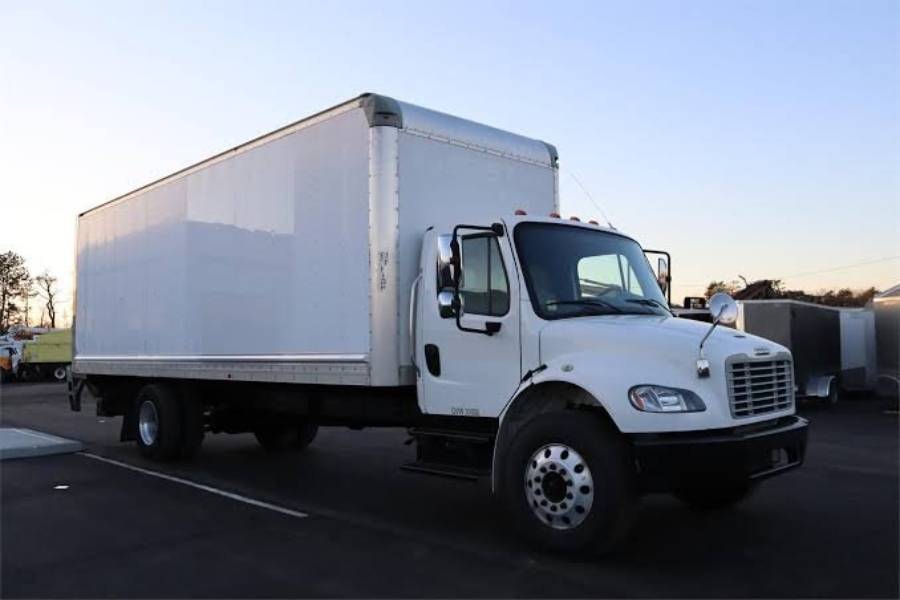
Freightliner M2 fuel pump problems can cause hard starting, engine stalling, loss of power, rough idling, and poor acceleration. These symptoms occur when the engine receives insufficient fuel or the fuel system cannot maintain the pressure required for proper combustion. Common causes include clogged fuel filters, contaminated diesel fuel, air leaks in fuel lines, electrical faults, and internal fuel pump wear.
Fuel pump problems affect Freightliner M2 trucks differently depending on their engine and fuel system configuration. Models equipped with Cummins ISB, B6.7, or L9 engines may use different fuel delivery components and diagnostic procedures than trucks powered by Detroit DD5 or DD8 engines. Identifying the engine and determining whether the problem involves the low-pressure supply system or high-pressure fuel system are essential steps before replacing any components.
Diagnosing Freightliner M2 fuel pump problems requires checking fuel filters, inspecting fuel lines, reviewing diagnostic trouble codes, and testing fuel pressure against manufacturer specifications. A failing fuel pump is not always responsible for fuel delivery symptoms, as restricted filters, faulty injectors, and fuel pressure sensor problems can produce similar conditions. This guide explains the symptoms, causes, diagnostic procedures, repair options, replacement costs, and preventive maintenance practices associated with Freightliner M2 fuel pump problems.
What Are the Common Symptoms of Freightliner M2 Fuel Pump Problems?
The most common symptoms of Freightliner M2 fuel pump problems include hard starting, engine stalling, loss of power, poor acceleration, and rough idling. These symptoms develop when the fuel delivery system cannot supply the volume or pressure required by the engine. Their severity depends on the type of fuel system fault, engine operating conditions, and whether the pump has partially deteriorated or stopped functioning.
Hard starting and extended cranking occur when the fuel system cannot establish sufficient pressure for engine startup. A Freightliner M2 with a weak fuel supply pump may require extended cranking before the engine starts, particularly after sitting overnight. Air entering the fuel lines through loose connections or damaged seals can produce similar symptoms by interrupting fuel delivery. A complete no-start condition can develop when fuel supply is interrupted or the high-pressure system cannot reach the pressure required for injection.
Engine stalling while driving can indicate an intermittent fuel supply problem. When the engine loses the fuel pressure or volume needed to maintain combustion, it may shut down unexpectedly. Stalling can occur during acceleration, climbing hills, or operating under heavy loads because these conditions increase fuel demand. However, electrical interruptions, engine protection systems, and other mechanical faults can also cause sudden shutdowns.
Loss of power and poor acceleration occur when the fuel system cannot deliver enough fuel to meet engine load requirements. A Freightliner M2 may accelerate slowly, struggle to maintain highway speed, or lose power while carrying heavy cargo. These symptoms become more noticeable during uphill driving because the engine requires additional fuel to maintain torque. Restricted fuel filters, weak supply pumps, and high-pressure fuel system faults can all contribute to inadequate fuel delivery.
Rough idling and engine hesitation can develop when fuel delivery becomes inconsistent. The engine may vibrate excessively, fluctuate in speed, or hesitate when the accelerator is pressed. Irregular fuel pressure can affect injection performance, resulting in uneven combustion. Faulty injectors, air intrusion, and fuel pressure control problems can produce similar behavior, making diagnostic testing necessary before identifying the fuel pump as the cause.
A Freightliner M2 displaying several of these symptoms should undergo fuel system inspection before pump replacement. Fuel pressure measurements, diagnostic trouble codes, and filter inspections help distinguish actual pump failure from other fuel delivery problems.
What Causes Fuel Pump Problems in a Freightliner M2?
Freightliner M2 fuel pump problems result from five main causes: contaminated diesel fuel, clogged fuel filters, air leaks in the fuel supply system, electrical faults, and internal pump wear. These conditions can reduce fuel delivery, disrupt pressure regulation, or damage pump components. Some faults directly damage the fuel pump, while others restrict its operation without causing mechanical failure.
How Does Fuel Contamination Damage the Fuel Pump?
Contaminated diesel fuel damages Freightliner M2 fuel pumps by introducing water, abrasive particles, or unsuitable substances into precision fuel system components. Diesel fuel provides lubrication for certain pump components, and contamination can reduce lubrication quality or accelerate internal wear. High-pressure fuel pumps are particularly sensitive to abrasive particles because their internal components operate with extremely tight clearances.
Water contamination can cause corrosion, reduce lubrication, and damage internal pump surfaces. Water enters diesel fuel through contaminated storage tanks, fuel handling equipment, or condensation-related accumulation. When water reaches sensitive fuel system components, it can contribute to premature wear and pressure loss.
Dirt and abrasive particles can damage pump components by creating friction between moving surfaces. Contaminants that pass through damaged, incorrect, or ineffective fuel filters may reach the pump and other fuel injection components. Progressive wear can reduce pumping efficiency and eventually prevent the fuel system from maintaining the required pressure.
Severe pump damage can also generate metallic debris that circulates through parts of the fuel system. Depending on the fuel system design, this contamination may require inspection or replacement of additional components, including fuel rails, lines, and injectors. Replacing only the damaged pump without addressing contamination can lead to repeated failures.
Can Clogged Fuel Filters or Air Leaks Cause Fuel Pump Problems?
Clogged fuel filters and air leaks can cause Freightliner M2 fuel delivery problems by restricting fuel flow or interrupting the continuous supply of diesel to the pump. Both conditions can produce symptoms similar to mechanical pump failure, including hard starting, engine hesitation, reduced power, and stalling.
Clogged fuel filters restrict the amount of diesel reaching downstream fuel system components. As dirt, sediment, and other contaminants accumulate inside the filter media, fuel flow resistance increases. A severely restricted filter can prevent the engine from receiving sufficient fuel during acceleration or heavy-load operation. On systems where the restriction occurs upstream of the supply pump, excessive inlet restriction can also contribute to cavitation and component wear.
Air leaks in fuel lines disrupt fuel delivery by allowing air to enter the suction side of the system. Damaged fuel hoses, loose fittings, deteriorated seals, and improperly installed filters are potential entry points. Air intrusion can cause extended cranking after the truck has been parked, unstable fuel pressure, and intermittent engine operation. A suction-side leak may introduce air without producing an obvious external diesel leak.
Electrical faults are another cause of fuel pump operating problems on configurations that use electrically powered or electronically controlled pump components. Damaged wiring, corroded connectors, blown fuses, defective relays, or control circuit faults can interrupt pump operation. The relevant electrical components and test procedures depend on the installed engine and fuel system.
Internal mechanical wear can also reduce fuel pump performance. Repeated exposure to contaminated fuel, inadequate lubrication, excessive inlet restriction, or prolonged operation under unfavorable conditions can damage internal pumping components. As wear progresses, the pump may lose its ability to maintain the required fuel pressure or delivery volume.
Identifying the underlying cause is essential because replacing a fuel pump will not correct a clogged filter, suction-side air leak, or defective electrical circuit. Accurate diagnosis must establish whether the pump itself has failed or another fuel system component is preventing normal operation.
How Do You Diagnose Freightliner M2 Fuel Pump Problems?
Diagnosing Freightliner M2 fuel pump problems requires checking fuel supply restrictions, measuring fuel pressure, inspecting electrical components, and reviewing engine diagnostic trouble codes. The diagnostic process should begin with basic fuel system inspections before progressing to specialized pressure and electrical tests. Because Freightliner M2 trucks use different Cummins and Detroit engines, fuel pressure specifications, testing locations, and diagnostic procedures must match the installed engine and fuel system.
Start by checking the fuel level, fuel filters, and visible fuel system components. Confirm that the tank contains sufficient diesel and inspect fuel lines, fittings, filter housings, and connections for damage or leakage. Examine the fuel filters for excessive contamination, water accumulation, or overdue maintenance. A restricted filter can reduce fuel delivery and produce symptoms similar to a failing pump, particularly during acceleration or heavy-load operation.
Next, connect a compatible diagnostic scanner to retrieve active and stored diagnostic trouble codes from the engine control module (ECM). Fuel pressure-related faults, fuel metering control faults, and pump electrical circuit faults can help narrow the investigation. Record the fault codes, engine operating conditions, and available freeze-frame data before clearing anything. A fuel pressure code does not automatically confirm pump failure because restrictions, leaks, sensors, and pressure control components can trigger related faults.
How Do You Test Fuel Pressure on a Freightliner M2?
Testing fuel pressure on a Freightliner M2 involves measuring fuel delivery pressure and comparing the results with the engine manufacturer’s specifications. The correct procedure depends on whether the truck uses a mechanically driven supply pump, an electric lift pump, or a fuel system with separate low-pressure and high-pressure stages.
Begin by identifying the engine model and fuel system configuration. Cummins ISB, B6.7, and L9 engines and Detroit DD5 and DD8 engines do not necessarily share the same pressure specifications or test connections. Use the engine serial number and manufacturer service documentation to identify the appropriate diagnostic equipment, pressure ranges, and testing procedures.
For low-pressure fuel supply testing, connect an approved fuel pressure gauge or diagnostic test adapter at the manufacturer-designated test location. Measure pressure under the operating conditions specified in the service procedure, which may include key-on, engine idle, or increased engine load. Compare the readings with the applicable minimum and operating pressure specifications. Pressure below the required range indicates a fuel delivery problem but does not independently establish that the pump has failed.
Low fuel supply pressure can result from a restricted filter, blocked pickup tube, air intrusion, or a weak supply pump. For example, pressure that drops as engine load increases may indicate that the fuel supply system cannot maintain adequate flow. A technician should inspect upstream restrictions and perform the manufacturer-approved fuel volume or restriction tests before condemning the pump.
High-pressure common-rail systems require a different diagnostic approach. A compatible diagnostic scanner can display commanded and actual fuel rail pressure during cranking, idling, and other approved test conditions. A significant difference between commanded and actual pressure can indicate a problem involving the high-pressure pump, fuel metering valve, injector leakage, pressure sensor, or low-pressure supply system.
High-pressure diesel fuel can penetrate the skin and cause severe injury. Never loosen common-rail fuel lines or fittings while the system is pressurized. High-pressure testing and component removal must follow the manufacturer’s pressure-release procedures and require appropriate professional equipment.
How Do You Check for Electrical and Fuel Supply Problems?
Checking electrical and fuel supply problems on a Freightliner M2 involves inspecting pump-related wiring, verifying electrical power and ground where applicable, testing fuel flow restrictions, and identifying air entering the fuel system. These inspections help determine whether the fuel pump is malfunctioning or another component is interrupting normal fuel delivery.
Inspect the electrical circuit when the installed fuel pump or its control components require electrical power. Examine relevant fuses, relays, wiring harnesses, and connectors for corrosion, loose terminals, damaged insulation, or broken wires. Use a digital multimeter to verify voltage and ground according to the engine manufacturer’s wiring diagram and test procedure. Voltage drop testing under load can identify excessive resistance that a basic continuity test may miss.
A pump that receives the specified electrical supply but fails to operate may have an internal fault. However, electronic control commands, safety interlocks, and engine operating conditions must also be considered. Not every Freightliner M2 fuel pump is electrically driven, so electrical testing must target the components actually installed on the vehicle.
Inspect the fuel supply system for restrictions and air intrusion. Check fuel hoses for collapsed sections, inspect fittings for looseness, and examine filter seals for improper installation or deterioration. On suction-side fuel systems, air can enter through damaged connections without leaving visible fuel on the outside of the line. Manufacturer-approved transparent-line testing or other specified air-in-fuel procedures can help identify this condition.
Fuel restriction testing can reveal problems that pressure measurements alone do not isolate. A restriction gauge connected at the specified location can help determine whether the fuel tank pickup, supply lines, or filters are obstructing fuel flow. Excessive inlet restriction can starve the supply pump and reduce fuel delivery under load.
Finally, compare all diagnostic findings before deciding whether the fuel pump requires replacement. A pump should be considered defective only after the relevant supply restrictions, air leaks, electrical faults, and control system problems have been evaluated. This diagnostic sequence reduces unnecessary component replacement and helps prevent repeated fuel system failures.
How Do You Fix Freightliner M2 Fuel Pump Problems?
Fixing Freightliner M2 fuel pump problems requires correcting the underlying fuel delivery fault, which may involve replacing clogged fuel filters, repairing fuel line leaks, restoring electrical connections, or replacing a defective fuel pump. The appropriate repair depends on diagnostic findings and the installed engine configuration. Replacing the pump without identifying the original failure can leave the symptoms unresolved or cause premature damage to the replacement component.
Replace restricted fuel filters when testing confirms inadequate fuel flow caused by contamination or excessive filter resistance. Freightliner M2 trucks use engine-specific fuel filtration arrangements that may include primary filters, secondary filters, and fuel-water separators. Install replacement filters that meet the engine manufacturer’s specifications, inspect sealing surfaces, and follow the prescribed fuel system priming procedure. Improper filter installation can introduce air into the fuel system and cause extended cranking or a no-start condition.
Repair damaged fuel lines and leaking connections when air intrusion or external fuel leakage is detected. Inspect hoses, fittings, filter housings, and sealing components to identify the source of the problem. Replace deteriorated seals, cracked hoses, and damaged connectors with compatible components. After completing repairs, prime the fuel system using the manufacturer-approved procedure and verify that fuel delivery remains stable during engine operation.
Electrical repairs are necessary when testing identifies an interruption in power, ground, or control signals to an electrically operated fuel pump or associated control component. Repair damaged wiring, clean or replace corroded terminals, and replace defective relays or fuses after determining the cause of failure. A repeatedly blown fuse requires further circuit diagnosis because installing another fuse will not correct a short circuit or overloaded component.
When Should You Replace the Freightliner M2 Fuel Pump?
A Freightliner M2 fuel pump should be replaced when diagnostic testing confirms that it cannot provide the required fuel pressure or delivery volume despite normal fuel supply conditions and proper electrical or mechanical operation. Replacement is also necessary when inspection identifies internal mechanical damage, severe leakage, or contamination-related deterioration that cannot be repaired according to the manufacturer’s procedures.
Confirm pump failure before ordering replacement parts. Low fuel pressure alone does not establish that the pump is defective. Restricted filters, blocked fuel lines, air leaks, defective pressure control components, and injector leakage can produce similar readings. The technician should compare test results with the manufacturer’s diagnostic specifications and eliminate external causes before authorizing replacement.
Fuel pump replacement procedures vary by engine and pump design. A low-pressure supply pump may have different access requirements, mounting arrangements, and priming procedures than an engine-mounted high-pressure pump. The correct replacement component must match the engine serial number, fuel system configuration, and applicable OEM part specifications.
When a high-pressure fuel pump suffers internal damage, technicians must inspect the fuel system for metallic debris. Contamination can spread to fuel rails, injectors, lines, and other components depending on the system design. Severe contamination may require additional component replacement and fuel system cleaning under the manufacturer’s repair procedure. Installing a new pump into a contaminated system can damage the replacement unit and cause another failure.
After replacement, verify fuel system integrity, complete the required priming procedure, clear applicable diagnostic codes, and confirm normal fuel pressure under approved operating conditions. A final inspection should check for leaks, abnormal engine operation, and recurring faults before returning the truck to service.
How Do Freightliner M2 Fuel Pump Problems Differ by Engine?
Freightliner M2 fuel pump problems differ by engine because Cummins and Detroit diesel engines use different fuel delivery components, pressure control systems, diagnostic specifications, and service procedures. The Freightliner M2 platform has been equipped with several engine families across different production years, so the truck model alone does not identify the correct fuel pump or diagnostic method.
The two primary engine groups to consider are Cummins-powered and Detroit-powered Freightliner M2 trucks. Each requires engine-specific troubleshooting to distinguish low-pressure fuel supply problems from high-pressure fuel injection faults.
What Fuel Pump Problems Occur on Cummins-Powered Freightliner M2 Trucks?
Cummins-powered Freightliner M2 trucks can experience fuel supply restrictions, lift or transfer pump faults, high-pressure pump problems, and fuel pressure control malfunctions. The exact components depend on the engine generation and fuel system design. Cummins ISB, B6.7, ISC, and L9 engines have been used in different Freightliner M2 configurations, but their fuel systems should not be treated as interchangeable.
Low-pressure fuel supply problems can prevent a Cummins engine from receiving sufficient diesel for normal operation. Clogged filters, air intrusion, damaged supply lines, or a malfunctioning transfer pump can cause extended cranking, reduced power, and engine stalling. These faults should be investigated before assuming that the high-pressure fuel pump has failed.
High-pressure fuel system problems can prevent the engine from achieving the rail pressure required for proper injection. Depending on the engine configuration, possible causes include high-pressure pump wear, fuel metering control faults, excessive injector return flow, and inadequate low-pressure fuel supply. A compatible diagnostic tool can compare commanded and actual rail pressure to help identify the affected system.
Cummins INSITE diagnostic software and the applicable Cummins service information can support fault-code interpretation, electronic testing, and manufacturer-approved diagnostic procedures. Fuel pressure specifications and component testing requirements must be selected using the engine model and serial number.
What Fuel Pump Problems Occur on Detroit-Powered Freightliner M2 Trucks?
Detroit-powered Freightliner M2 trucks equipped with DD5 or DD8 engines can experience low-pressure fuel supply faults, high-pressure fuel pump malfunctions, and electronic fuel pressure control problems. These engines use electronically controlled common-rail fuel injection systems that require specialized diagnostic equipment and engine-specific service procedures.
Fuel supply restrictions and air intrusion can cause hard starting, reduced engine performance, and unstable fuel delivery on Detroit-powered trucks. Contaminated filters, damaged fuel lines, and leaking connections should be inspected before replacing major fuel system components. A restriction in the low-pressure circuit can affect the fuel available to the high-pressure pump.
High-pressure fuel pump and control system faults can prevent the fuel rail from reaching the commanded pressure. Potential causes include internal pump wear, fuel metering problems, sensor faults, and excessive fuel leakage within the injection system. Diagnostic testing must distinguish these conditions because similar engine symptoms can originate from different components.
Detroit DiagnosticLink software and the appropriate Detroit service documentation can be used to retrieve diagnostic information, monitor fuel pressure parameters, and perform supported service tests. Technicians should follow the specific procedures for the installed DD5 or DD8 engine rather than applying specifications from another Detroit engine family.
For both Cummins and Detroit configurations, the engine serial number is the most reliable starting point for identifying the correct fuel pump and service procedure. The vehicle identification number (VIN), engine identification label, and manufacturer parts catalog can help confirm component compatibility. Matching replacement parts to the exact engine configuration prevents installation errors and ensures that diagnostic and repair procedures correspond to the truck’s fuel system.
Can You Drive a Freightliner M2 With a Bad Fuel Pump?
Driving a Freightliner M2 with a failing fuel pump is not recommended because inadequate fuel delivery can cause sudden engine stalling, reduced acceleration, and unexpected loss of power. A truck experiencing these symptoms may become difficult to control safely in traffic, particularly when climbing hills, merging onto highways, or transporting heavy loads. Continued operation can also increase the risk of additional fuel system damage when the pump is affected by contamination or inadequate lubrication.
A failing fuel pump can cause the engine to shut down without warning. When fuel pressure drops below the level required for injection, the engine may stall or fail to respond to accelerator input. Engine shutdown can also affect vehicle systems that depend on engine operation, including power steering assistance and air compressor output. Although heavy-duty air brake systems retain stored air pressure after an engine shutdown, continued operation without normal air pressure replenishment creates additional safety concerns.
Reduced engine power is another reason to avoid driving with suspected fuel pump failure. A Freightliner M2 may struggle to maintain speed under load or hesitate during acceleration. These conditions increase the risk of a breakdown in locations where stopping safely is difficult. Repeated operation with inadequate fuel supply can also expose certain pump components to excessive wear, especially when fuel starvation or contamination is present.
Stop operating the truck and arrange professional inspection if it repeatedly stalls, experiences severe power loss, develops a significant fuel leak, or displays an engine shutdown warning. Move the vehicle to a safe location when possible and use roadside assistance or towing rather than attempting to continue a trip with an unreliable fuel system.
How Much Does Freightliner M2 Fuel Pump Replacement Cost?
Freightliner M2 fuel pump replacement costs depend on the installed engine, pump type, replacement part, labor requirements, and extent of fuel system damage. Replacing a low-pressure fuel supply pump is generally a different repair from replacing a high-pressure common-rail pump. The latter may require additional diagnostic work, specialized procedures, and inspection of other fuel injection components.
The total repair cost consists of replacement parts, diagnostic labor, installation labor, and any additional fuel system repairs. A straightforward pump replacement may involve removing the defective component, installing a compatible replacement, priming the fuel system, and verifying correct operation. Repairs involving contaminated fuel or internal high-pressure pump damage can become substantially more expensive if injectors, fuel lines, or other components also require service.
The following table identifies the main expenses involved in Freightliner M2 fuel pump replacement. Exact prices should be obtained from current parts quotations and repair estimates matched to the engine serial number.
| Repair expense | What affects the cost |
|---|---|
| Low-pressure fuel pump | Pump design, engine compatibility, OEM or aftermarket replacement |
| High-pressure fuel pump | Engine family, pump manufacturer, component availability |
| Diagnostic labor | Required pressure tests, fault-code analysis, and electrical inspections |
| Installation labor | Pump location, component accessibility, and service procedures |
| Additional fuel system repairs | Fuel contamination, damaged injectors, fuel lines, and filters |
What Affects Freightliner M2 Fuel Pump Replacement Costs?
Five main factors affect Freightliner M2 fuel pump replacement costs: engine configuration, pump type, replacement part selection, labor requirements, and secondary fuel system damage. These factors explain why repair estimates can differ substantially between trucks within the same vehicle family.
Engine configuration determines the required replacement pump and service procedure. A Freightliner M2 equipped with a Cummins B6.7 engine may require different components and installation procedures than a truck powered by a Detroit DD8 engine. Even engines within the same manufacturer family can use different fuel system components depending on their production year and serial number.
Pump type and replacement part selection influence parts expenses. Low-pressure supply pumps and high-pressure injection pumps perform different functions and have different construction requirements. OEM replacement pumps, manufacturer-approved remanufactured units, and compatible aftermarket components may also have different prices, warranties, and availability. Replacement parts should be selected using verified engine and component identification rather than vehicle model alone.
Labor requirements depend on pump accessibility and diagnostic complexity. Some fuel pump replacements require removing surrounding components to access mounting points and fuel connections. High-pressure fuel system repairs may involve additional cleaning, inspection, calibration, or manufacturer-specified service operations. Labor rates also vary between independent diesel repair shops and authorized service facilities.
Secondary fuel system damage can significantly increase repair expenses. If a high-pressure pump fails internally and releases metallic particles into the fuel system, additional components may require inspection, cleaning, or replacement. Depending on the system design and manufacturer repair instructions, these components can include fuel rails, injectors, high-pressure lines, and fuel tanks. Replacing the pump without removing harmful contamination can result in repeated component failure.
Before approving replacement, request an itemized repair estimate that separates diagnostic charges, pump cost, installation labor, filters, and additional components. The estimate should identify the confirmed failure, the replacement part number, and the applicable warranty. This helps distinguish necessary repairs from components being replaced without diagnostic evidence.
How Long Does a Freightliner M2 Fuel Pump Last?
A Freightliner M2 fuel pump does not have a universal replacement mileage because its service life depends on engine configuration, fuel quality, maintenance practices, and operating conditions. A properly maintained fuel pump can remain operational for an extended period, while contaminated diesel, restricted fuel flow, or inadequate lubrication can cause premature failure. Cummins and Detroit fuel systems also use different pump designs, making a single mileage estimate unreliable across all Freightliner M2 trucks.
Fuel quality is a major factor affecting fuel pump longevity. Diesel fuel lubricates internal components in many fuel injection pumps, reducing friction between precision moving parts. Water, abrasive particles, and unsuitable fuel can damage these surfaces and accelerate wear. High-pressure common-rail pumps are particularly sensitive to contamination because their internal components operate under demanding pressure and clearance requirements.
Maintenance history and operating conditions also influence pump durability. Neglected fuel filters can restrict fuel flow, while damaged seals and suction-side leaks can introduce air into the supply system. Trucks operating in dusty environments, handling contaminated fuel, or experiencing repeated fuel starvation face additional risks. Following the engine manufacturer’s fuel system maintenance requirements helps reduce these conditions.
Fuel pump condition should be evaluated through operating symptoms and diagnostic measurements rather than mileage alone. Hard starting, recurring fuel pressure faults, engine hesitation, and power loss under load justify further inspection. These symptoms do not establish that the pump has reached the end of its service life, but they indicate that fuel system testing is necessary.
Read more: Freightliner M2 Engine Derate: Causes and Fixes
How Can You Prevent Freightliner M2 Fuel Pump Problems?
Preventing Freightliner M2 fuel pump problems requires five maintenance practices: replacing fuel filters at the specified intervals, using clean diesel fuel, managing water contamination, inspecting fuel system connections, and addressing fuel delivery faults promptly. These practices reduce the risk of fuel starvation, internal pump wear, and contamination-related damage.
Replace fuel filters according to the engine manufacturer’s maintenance schedule. Freightliner M2 trucks may use primary and secondary fuel filters, depending on their engine and fuel system configuration. Filters capture dirt, sediment, and other particles before they reach sensitive fuel delivery components. As contaminants accumulate, filter restriction increases and can reduce the fuel available to downstream pumps. Use filters that meet the required specifications and follow the correct installation and priming procedures.
Use clean diesel fuel from reliable suppliers to minimize contamination. Water and abrasive particles can damage pump components and interfere with fuel injection performance. Fuel storage tanks and dispensing equipment should be maintained to prevent dirt and moisture from entering the fuel supply. Fleet operators using bulk diesel storage should inspect storage conditions and follow appropriate fuel quality management procedures.
Inspect and service fuel-water separators where fitted. Water accumulation can promote corrosion and reduce lubrication in sensitive fuel system components. Check the separator according to the vehicle’s maintenance instructions and respond promptly to water-in-fuel warnings. Drain or service the separator using the approved procedure, and investigate recurring water accumulation rather than repeatedly removing water without identifying its source.
Inspect fuel lines, hoses, seals, and fittings during routine maintenance. Damaged connections can allow diesel to leak externally or permit air to enter the suction side of the fuel system. Air intrusion can cause extended cranking, unstable fuel delivery, and intermittent engine operation. Repair deteriorated components and verify that the system remains properly sealed after filter replacement or other fuel system service.
Investigate fuel pressure warnings and engine performance changes before they become severe. Hard starting, hesitation, reduced acceleration, and repeated stalling can indicate developing fuel delivery problems. Early diagnosis may identify a restricted filter, damaged electrical connection, or air leak before additional components are affected. Continuing to operate a truck with inadequate fuel supply can increase the risk of breakdowns and mechanical damage.
Preventive maintenance intervals must follow the requirements for the installed Cummins or Detroit engine. Operating conditions, fuel quality, and maintenance history can affect the appropriate service schedule. Recording filter replacements, fuel contamination incidents, diagnostic codes, and previous repairs helps fleet operators identify recurring fuel system problems.
What Other Problems Can Be Mistaken for Freightliner M2 Fuel Pump Failure?
Five fuel system problems can resemble Freightliner M2 fuel pump failure: clogged fuel filters, air intrusion, faulty fuel injectors, fuel pressure sensor faults, and fuel pressure control malfunctions. These conditions can cause hard starting, rough idling, engine stalling, and reduced power without requiring replacement of the fuel pump itself. Distinguishing them through diagnostic testing prevents unnecessary repairs.
Clogged fuel filters can produce the same power loss and starting problems as a weak fuel pump. A restricted filter reduces the amount of diesel available to downstream fuel system components, particularly when engine demand increases. For example, a Freightliner M2 that operates normally at idle but loses power while climbing a hill may have a fuel supply restriction rather than a damaged pump. Fuel restriction measurements and filter inspections help identify this condition.
Air intrusion can cause intermittent fuel delivery problems that resemble pump failure. Air entering through damaged hoses, loose fittings, or deteriorated filter seals can interrupt fuel supply and contribute to extended cranking or engine hesitation. A truck that becomes difficult to start after sitting overnight may have a suction-side leak that allows fuel to drain back or air to enter the system. Manufacturer-approved air-in-fuel testing helps distinguish this fault from inadequate pump performance.
Faulty fuel injectors can cause rough idling, hard starting, and reduced engine performance. Injectors must deliver fuel in controlled quantities at the correct time for efficient combustion. Internal injector leakage, improper injection, or mechanical damage can disrupt this process. On common-rail systems, excessive injector return flow can also prevent the rail from reaching the required pressure. Injector testing and rail pressure analysis help determine whether the problem originates from the injectors or the fuel pump.
Fuel pressure sensor faults can produce misleading pressure readings and related diagnostic codes. The engine control module uses sensor information to monitor fuel system operation and regulate injection. A defective sensor or damaged wiring can report inaccurate pressure values, potentially causing incorrect fuel control responses or triggering fault codes. Comparing sensor data with manufacturer-approved diagnostic tests helps identify inaccurate readings before replacing mechanical components.
Fuel pressure control malfunctions can prevent the system from maintaining the commanded pressure even when the pump remains mechanically functional. Depending on the engine design, a defective fuel metering valve, pressure control valve, or associated electrical circuit can interfere with fuel delivery regulation. Diagnostic software can help compare commanded pressure, actual pressure, and control system operation to narrow the cause.
The following table summarizes how common fuel system faults can be distinguished during diagnosis.
| Possible problem | Common symptoms | Recommended diagnostic check |
|---|---|---|
| Fuel pump failure | Hard starting, stalling, loss of power | Verify pump output using engine-specific pressure and flow tests |
| Clogged fuel filters | Power loss under load, hesitation | Inspect filters and measure fuel supply restriction |
| Air intrusion | Extended cranking, intermittent stalling | Inspect suction-side connections and perform approved air-in-fuel testing |
| Faulty fuel injectors | Rough idle, hard starting, poor performance | Perform manufacturer-approved injector and return-flow tests |
| Fuel pressure sensor fault | Pressure-related fault codes, irregular engine operation | Check sensor data, wiring, and diagnostic test results |
| Fuel pressure control fault | Unstable rail pressure, reduced power | Evaluate pressure control commands and actual fuel pressure |
A Freightliner M2 fuel pump should only be replaced after testing confirms that the pump cannot meet the required operating specifications and other relevant fuel system faults have been excluded. Identifying the actual cause restores reliable fuel delivery, reduces unnecessary replacement costs, and helps prevent recurring engine performance problems.