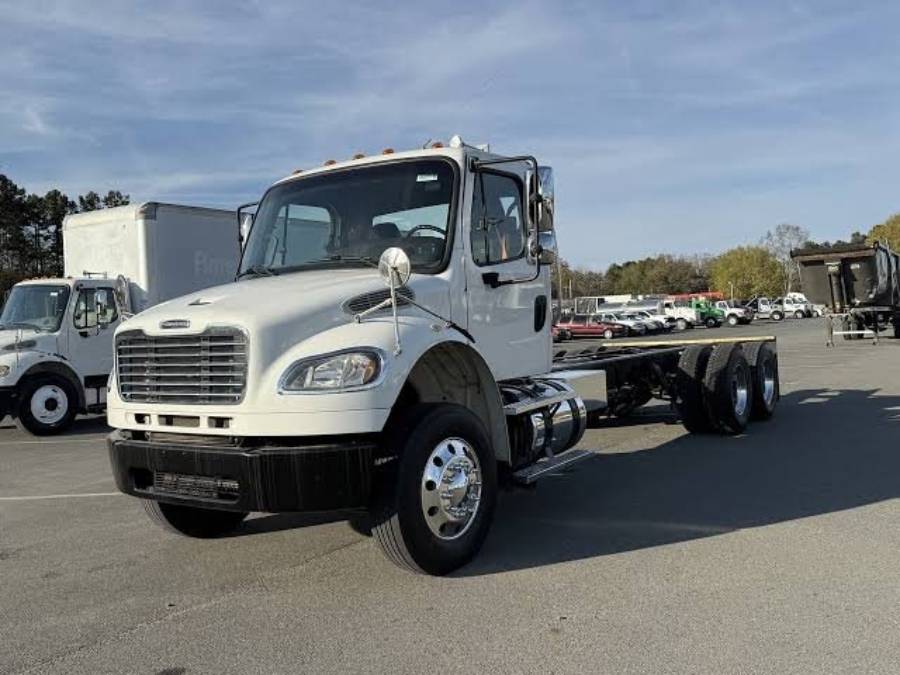
Freightliner M2 alternator problems commonly cause low charging voltage, repeated battery discharge, dim headlights, and electrical system warnings. These issues occur when the alternator fails to supply sufficient electrical power while the engine is running. However, a faulty alternator is not always responsible. Loose charging cables, corroded ground connections, worn drive belts, and defective batteries can produce similar symptoms.
The Freightliner M2 charging system relies on the alternator to power electrical components and maintain battery charge during engine operation. When alternator output drops below the vehicle’s electrical demand, the batteries must supply the remaining power. Continued operation under these conditions can drain the batteries, disrupt electronic systems, and eventually prevent the truck from restarting.
Diagnosing alternator problems requires checking battery condition, measuring charging voltage, inspecting the drive belt, and testing electrical connections. A digital multimeter helps identify abnormal voltage readings, while voltage-drop testing can reveal excessive resistance in charging cables and ground circuits. Charging specifications vary by model year, engine, and alternator configuration, so measurements must be compared with the applicable vehicle specifications.
This guide explains the symptoms, causes, diagnostic procedures, repair options, replacement costs, and preventive maintenance practices for Freightliner M2 alternator problems.
What Are the Symptoms of a Bad Freightliner M2 Alternator?
The most common symptoms of a bad Freightliner M2 alternator are battery warning lights, repeated battery discharge, dim headlights, unstable electrical performance, and intermittent charging. These symptoms develop when the alternator cannot maintain sufficient electrical output to support the truck’s electrical loads and recharge its batteries. Their severity depends on the alternator’s condition, electrical demand, and remaining battery capacity.
Battery warning lights and low voltage readings are primary indicators of a charging system problem. A Freightliner M2 may display a battery-related warning or low-voltage indication when the charging system fails to maintain the required voltage. A malfunctioning voltage regulator, damaged charging cable, or failing alternator can trigger these conditions. However, a warning light alone does not confirm alternator failure because battery defects and poor electrical connections can produce similar symptoms.
Repeated battery discharge and difficult engine starting occur when the alternator supplies less electricity than the truck consumes. During normal operation, the alternator powers electrical equipment while replenishing energy used during engine starting. When charging output becomes insufficient, the batteries gradually discharge as they supply the electrical deficit. For example, a Freightliner M2 may start normally after its batteries are externally charged but fail to restart after operating with a defective charging system. Repeated discharge can also damage the batteries and reduce their ability to hold a charge.
Dim headlights and unstable electrical accessories indicate that the electrical system may not be receiving consistent power. Headlights can become noticeably dimmer when system voltage drops, particularly when additional electrical loads such as the heater blower, work lights, or other accessories are operating. Dashboard illumination may fluctuate, and voltage-sensitive electronic components may behave unpredictably. These symptoms can also result from high-resistance connections, so electrical testing is necessary to identify the actual cause.
Intermittent charging and fluctuating voltage occur when alternator output becomes inconsistent during engine operation. Worn internal components, defective voltage regulation, loose electrical terminals, or damaged wiring can interrupt charging without causing a complete alternator failure. For example, charging voltage may appear normal immediately after engine startup but drop after the alternator reaches operating temperature. An unstable connection may also cause voltage fluctuations when engine vibration or electrical demand changes.
A Freightliner M2 showing several of these symptoms requires a complete charging system inspection. Measuring voltage at the batteries, checking alternator output, and examining electrical connections helps determine whether the problem originates inside the alternator or elsewhere in the charging circuit.
What Causes Freightliner M2 Alternator Problems?
Freightliner M2 alternator problems result from five main causes: internal component failure, voltage regulator malfunction, drive belt problems, damaged charging cables, and poor ground connections. These faults prevent the charging system from producing, regulating, or delivering sufficient electrical power. Identifying the exact cause is essential because low charging voltage does not always indicate a defective alternator.
What Causes a Freightliner M2 Alternator to Stop Charging?
A Freightliner M2 alternator can stop charging because of failed rectifier diodes, damaged internal windings, worn brushes in brush-type designs, or a malfunctioning voltage regulator. Each component performs a specific function in generating or controlling electrical output. Failure of any critical component can reduce charging capacity or interrupt electrical generation completely.
Rectifier diode failure prevents the alternator from converting alternating current into direct current correctly. The alternator generates AC electricity internally, while the truck’s batteries and electrical system require DC power. Damaged diodes can reduce available charging current and increase AC ripple in the electrical system. For example, a failed diode may allow the alternator to produce some output while preventing it from maintaining adequate voltage under heavy electrical loads.
Voltage regulator malfunction causes undercharging, overcharging, or unstable charging voltage. The regulator controls alternator field excitation to maintain the required electrical output as engine speed and electrical demand change. A regulator that supplies insufficient field current can leave the batteries undercharged, while excessive regulation output can expose batteries and electrical components to damaging voltage levels. Regulator design and control methods vary by alternator configuration, so testing must follow the applicable manufacturer’s specifications.
Internal winding and brush problems can interrupt the alternator’s electrical generation process. Damaged stator or rotor windings reduce the alternator’s ability to generate power, while worn brushes in applicable designs interfere with current delivery to the rotating field. Excessive heat, vibration, contamination, and component wear contribute to these failures. A winding fault may produce consistently low output, whereas poor brush contact can cause intermittent charging as operating temperature or vibration changes.
Can Bad Wiring or a Loose Belt Cause Alternator Problems?
Yes. Damaged wiring, poor ground connections, and loose or slipping drive belts can cause Freightliner M2 charging problems even when the alternator itself remains functional. Electrical faults interfere with current delivery, while mechanical faults prevent the alternator from rotating at the speed required to generate sufficient power.
Damaged charging cables and corroded terminals increase electrical resistance between the alternator and batteries. Excessive resistance creates voltage drop when charging current flows through the affected connection. As a result, voltage measured at the alternator output terminal may be higher than the voltage reaching the batteries. For example, a loose connection at the alternator output cable can restrict battery charging despite otherwise normal alternator operation.
Poor ground connections disrupt the return path required for proper charging system operation. Corrosion, loose mounting connections, damaged ground straps, and deteriorated cable terminals can increase resistance between the engine, chassis, and battery negative terminals. Under electrical load, this resistance produces voltage differences that interfere with charging performance. Ground-circuit voltage-drop testing helps distinguish these faults from internal alternator failure.
Loose or slipping drive belts reduce the mechanical power transferred from the engine to the alternator. The alternator depends on pulley rotation to generate electricity, so insufficient belt grip can reduce output, especially when electrical demand increases. A worn belt, weak tensioner, misaligned pulley, or damaged pulley bearing can contribute to slippage. Belt squealing, visible belt wear, and charging voltage that changes with engine speed are useful inspection clues, although none independently confirms belt failure.
These five failure categories require different repairs. Internal alternator damage generally requires component repair or alternator replacement, while external charging faults require correction of the affected belt, cable, terminal, or ground connection. Testing the complete charging circuit before replacing parts prevents unnecessary repairs and helps identify faults that could damage a replacement alternator.
How Do You Diagnose Freightliner M2 Alternator Problems?
Diagnosing Freightliner M2 alternator problems requires checking battery condition, measuring charging voltage, testing electrical connections, and verifying alternator output under load. These tests determine whether insufficient charging originates from the alternator, battery, drive system, or electrical wiring. A digital multimeter is the primary diagnostic tool, although a battery tester and charging system analyzer provide additional information when the initial measurements are inconclusive.
How Do You Test a Freightliner M2 Alternator With a Multimeter?
To test a Freightliner M2 alternator with a multimeter, measure battery voltage with the engine stopped, repeat the measurement with the engine running, and check for voltage loss across the charging cables and ground connections. The truck must be parked securely with the parking brake applied, and test leads must remain clear of moving belts, pulleys, and cooling fans.
Start by measuring battery voltage with the engine off. Set the multimeter to DC voltage and connect the red probe to the battery positive terminal and the black probe to the negative terminal. Most Freightliner M2 trucks use a nominal 12-volt electrical system. A fully charged, rested 12-volt lead-acid battery typically measures approximately 12.6–12.8 volts, while a substantially lower reading indicates reduced state of charge or a possible battery problem. Battery voltage alone cannot establish battery health because a deteriorated battery may show normal open-circuit voltage but fail under load.
Next, measure charging voltage with the engine running. Start the engine and allow it to stabilize before checking voltage at the battery terminals. Many conventional 12-volt charging systems operate around 13.8–14.8 volts under suitable conditions, but the correct range depends on alternator design, temperature, battery condition, and charging control strategy. Compare the measured voltage with the specifications for the truck’s model year and installed alternator. A reading that remains near the battery’s engine-off voltage while electrical loads are operating suggests insufficient charging, but it does not identify the failed component.
Check alternator performance under electrical load. With the engine running, switch on appropriate electrical accessories such as headlights and the heater blower, then observe system voltage. A functioning charging system should maintain output within its specified operating range when the alternator has sufficient speed and capacity. A significant voltage drop that persists under load can indicate weak alternator output, belt slippage, or excessive resistance in the charging circuit. Testing at the manufacturer’s specified engine speed is important because alternator output at idle may be lower than its rated capacity.
Measure voltage drop across the charging circuit. With the engine running and electrical loads applied, place one multimeter probe on the alternator output terminal and the other on the battery positive terminal to measure the voltage difference along the positive charging path. Repeat the test between the alternator housing or designated ground point and the battery negative terminal to evaluate the ground path. Excessive voltage drop indicates resistance in cables, terminals, or connections. Compare results with the applicable service specifications rather than relying on a universal threshold.
These measurements help separate poor alternator output from electrical power delivery problems. Direct alternator-terminal testing should only be performed when the terminals can be accessed safely. Never disconnect a battery cable while the engine is running, because doing so can produce damaging voltage transients.
How Can You Tell If the Alternator or Battery Is Bad?
To distinguish a bad Freightliner M2 alternator from a defective battery, compare battery condition with charging system performance. A weak battery may struggle to start the engine even when the alternator operates correctly, while a failing alternator can gradually discharge otherwise healthy batteries during engine operation.
A battery problem is more likely when the charging system passes its output tests but the batteries fail to retain or deliver sufficient electrical energy. Common indicators include slow cranking after the truck has been parked, reduced battery capacity, and failure during a battery conductance or load test. Each battery in a multi-battery system should be evaluated according to the battery manufacturer’s procedure because one deteriorated battery can affect the performance of the entire battery bank.
An alternator problem is more likely when the batteries pass their condition tests but charging output remains below specification during engine operation. For example, a truck may start normally with fully charged batteries but display declining system voltage while driving. If the drive belt operates correctly and charging cable voltage drop is within specification, inadequate alternator output becomes a stronger indication of internal alternator or regulator failure.
The following comparison summarizes the main diagnostic differences.
| Diagnostic condition | Battery problem | Alternator problem |
|---|---|---|
| Slow engine cranking | Common with weak or discharged batteries | Possible after prolonged undercharging |
| Battery fails a load test | Strong indication | Not direct evidence |
| Low voltage with engine running | Possible when charging demand is high | Common when output is insufficient |
| Charging output below specification | Not necessarily | Strong indication after circuit checks |
| Battery repeatedly discharges while driving | Possible with an internal battery fault | Common with insufficient charging |
| Charging voltage remains within specification | Battery fault remains possible | Major charging failure becomes less likely |
A complete diagnosis also requires inspecting the alternator drive belt, checking electrical connections, and reviewing charging-related fault codes when supported by the vehicle’s diagnostic system. Fault codes and dashboard warnings identify affected circuits or operating conditions but do not independently prove alternator failure.
The alternator should only be replaced after testing confirms inadequate output or an internal defect. If charging voltage is normal at the alternator but insufficient at the batteries, the charging cables and connections require further inspection. If charging performance meets specification but the truck continues to experience starting problems, battery condition, starter current demand, and parasitic electrical loads should be investigated before replacing the alternator.
How Do You Fix Freightliner M2 Alternator Problems?
Fixing Freightliner M2 alternator problems requires repairing the component responsible for insufficient or unstable charging. The four main repair options are replacing a defective alternator, repairing damaged electrical wiring, correcting poor ground connections, and replacing worn drive belt components. The correct repair depends on charging voltage measurements, electrical circuit tests, and mechanical inspection results.
Repair damaged charging cables and electrical connections when testing identifies excessive resistance between the alternator and batteries. Disconnect the battery negative connections according to the vehicle manufacturer’s procedure before working on the charging circuit. Inspect the alternator output cable, battery terminals, connectors, and related electrical connections for corrosion, looseness, overheating, or damaged insulation. Replace defective cables or terminals and tighten connections to the specified torque. Cleaning corrosion alone will not correct a cable with damaged conductors or excessive internal resistance.
Correct defective ground connections when voltage-drop testing reveals excessive resistance in the ground circuit. Inspect the alternator mounting points, engine ground straps, chassis grounds, and battery negative cables. Remove corrosion from approved connection surfaces, replace damaged ground straps, and secure connections according to service specifications. A properly functioning ground circuit allows charging current to return without excessive voltage loss, helping maintain stable electrical system operation.
Replace worn drive belts or defective tensioners when mechanical inspection confirms belt slippage or inadequate belt tension. Examine the belt for cracking, glazing, fraying, and contamination. Check the tensioner, pulley alignment, and pulley bearings for abnormal wear or restricted movement. A slipping belt reduces alternator rotational speed and charging capacity, particularly when electrical demand increases. Install replacement components that match the engine’s belt-drive configuration and verify correct routing and tension before operating the engine.
When Should You Replace a Freightliner M2 Alternator?
A Freightliner M2 alternator should be replaced when diagnostic testing confirms internal electrical or mechanical failure that cannot be corrected through external charging system repairs. Common replacement conditions include failed rectifier diodes, damaged windings, defective internal voltage regulation, and severe bearing damage. Replacement is also appropriate when rebuilding the alternator is impractical or costs more than installing a suitable replacement unit.
Confirm alternator failure before ordering replacement parts. Test charging output, inspect the drive belt, and verify that the positive and ground circuits meet the applicable specifications. An alternator producing insufficient output despite proper mechanical drive, electrical connections, and required control signals is a strong candidate for replacement. This diagnostic sequence prevents unnecessary replacement when the actual problem is a damaged cable or loose ground connection.
Select a replacement alternator that matches the truck’s electrical system and engine configuration. Freightliner M2 trucks use different alternator assemblies depending on model year, engine, electrical equipment, and factory specifications. Verify the original part number, voltage rating, amperage capacity, mounting arrangement, pulley design, and electrical connector configuration. An alternator with incompatible mounting points or control connections may not operate correctly even when its advertised voltage and amperage ratings appear suitable.
Follow the applicable service procedure during alternator replacement. Disconnect and secure the battery connections, remove the drive belt as instructed, disconnect the alternator wiring, and remove the mounting fasteners. Install the compatible replacement unit using the manufacturer’s specified mounting torque, belt-routing procedure, and electrical connection requirements. The exact removal sequence varies with engine layout and accessory configuration. Avoid working near energized charging terminals or rotating engine components.
Verify charging system performance after installation. Reconnect the batteries according to the service procedure, start the engine, and measure charging voltage under the specified operating conditions. Inspect belt tracking, confirm that electrical connections remain secure, and check for abnormal noise or overheating. Test the batteries and investigate any remaining charging-related warnings. A replacement alternator will not resolve recurring battery discharge when the underlying problem is excessive parasitic current, damaged wiring, or defective batteries.
Repairing the confirmed fault and completing post-repair testing restores charging system reliability while reducing the risk of repeated alternator replacement. For trucks with persistent electrical problems, additional charging circuit diagnostics should be completed before returning the vehicle to service.
Read more: Freightliner M2 Battery Not Charging: Causes & Fixes
How Much Does It Cost to Replace a Freightliner M2 Alternator?
The cost of replacing a Freightliner M2 alternator depends on four factors: alternator specifications, replacement part quality, labor rates, and additional charging system repairs. A higher-output alternator designed for commercial truck electrical demands may cost more than a lower-output unit. The total repair bill also depends on whether the truck requires only an alternator replacement or additional work on the drive belt, wiring, or batteries.
Alternator parts prices vary by manufacturer, amperage rating, and vehicle configuration. Freightliner M2 trucks are available with different engines and electrical equipment, so replacement alternators are not universally interchangeable. OEM replacement units, aftermarket alternators, and professionally remanufactured assemblies can have different prices and warranty terms. For example, a truck equipped with additional work lights, refrigeration equipment, or other electrical accessories may require a higher-output alternator than a standard configuration. Replacement parts should be selected using the original alternator part number and verified vehicle specifications rather than price alone.
Labor costs depend on alternator accessibility and the repair facility’s hourly rate. Alternator replacement involves disconnecting the batteries, removing the drive belt, disconnecting electrical cables, removing mounting hardware, and installing the replacement assembly. Trucks with restricted access around the engine or additional mounted equipment may require more labor. Independent diesel repair shops and authorized dealerships can also charge different hourly rates for the same procedure.
Additional repairs increase the total replacement cost when other charging system components are defective. A damaged belt tensioner, corroded charging cable, deteriorated battery, or defective ground connection may require replacement alongside the alternator. These repairs should be based on inspection and diagnostic results. Replacing an alternator without correcting excessive electrical resistance or belt slippage can leave the original charging problem unresolved.
An accurate Freightliner M2 alternator replacement estimate requires the truck’s model year, engine configuration, alternator part number, and local labor rate. A written estimate should separate parts, labor, diagnostic charges, and additional repairs. Comparing these items helps determine whether a remanufactured alternator, new aftermarket unit, or OEM replacement provides the best value for the truck’s operating requirements.
How Can You Prevent Freightliner M2 Alternator Problems?
Preventing Freightliner M2 alternator problems requires regular inspection of the drive belt, electrical connections, batteries, and charging system performance. These maintenance practices help identify mechanical wear, electrical resistance, and abnormal charging conditions before they cause battery discharge or unexpected vehicle downtime. Inspection intervals should follow the applicable Freightliner maintenance schedule and account for the truck’s operating environment.
Inspect the alternator drive belt and tensioner for wear or mechanical damage. The drive belt transfers engine power to the alternator, making proper belt tension and pulley alignment essential for consistent electrical generation. Check for cracks, frayed edges, glazing, contamination, and unusual belt noise. Inspect the tensioner and pulleys for excessive movement, bearing noise, or misalignment. A slipping belt can reduce alternator output under heavy electrical loads even when the alternator itself remains functional. Replace damaged components according to the engine manufacturer’s maintenance specifications.
Keep charging cables and ground connections clean and secure. Corrosion, loose terminals, and damaged wiring increase electrical resistance, creating voltage loss between the alternator and batteries. Inspect the alternator output cable, battery terminals, engine ground straps, and chassis connections for corrosion, overheating, and damaged insulation. Repair deteriorated connections and tighten fasteners to their specified torque. Trucks operating in wet, dusty, or road-salt environments require particular attention because contamination and moisture accelerate connector deterioration.
Maintain the batteries to reduce charging system stress. Weak batteries can increase charging demand and contribute to recurring electrical problems. Inspect battery terminals, verify secure mounting, and test battery condition according to the manufacturer’s recommendations. For Freightliner M2 trucks equipped with multiple batteries, evaluate each battery to identify differences in condition or capacity. Repeated deep discharge should be investigated because it can shorten battery service life and indicate an unresolved charging fault or parasitic electrical load.
Monitor charging voltage and investigate electrical warnings promptly. Periodic charging system checks help establish whether alternator output remains within the vehicle’s specified operating range. Measure voltage under appropriate engine speeds and electrical loads, then compare the results with the manufacturer’s specifications. Unexpected voltage fluctuations, persistent battery warnings, or repeated starting difficulties require further diagnosis. Early identification of abnormal charging performance can prevent complete battery discharge and reduce the risk of electrical system interruptions.
Protect the alternator from excessive heat, contamination, and unnecessary electrical demand. Alternator components generate heat during electrical production, and restricted ventilation or contamination can accelerate deterioration. Inspect the alternator housing for oil leaks, coolant contamination, and accumulated debris. Additional electrical accessories, including auxiliary lighting and specialized truck equipment, should be installed with correctly sized wiring, circuit protection, and sufficient charging capacity. Electrical loads that exceed the alternator’s available output can discharge the batteries even when the alternator operates correctly.
Consistent preventive maintenance reduces the likelihood of unexpected Freightliner M2 charging system failures. Inspecting mechanical components, maintaining electrical connections, testing battery condition, and responding to abnormal voltage readings helps preserve reliable alternator operation and minimize unplanned truck downtime.