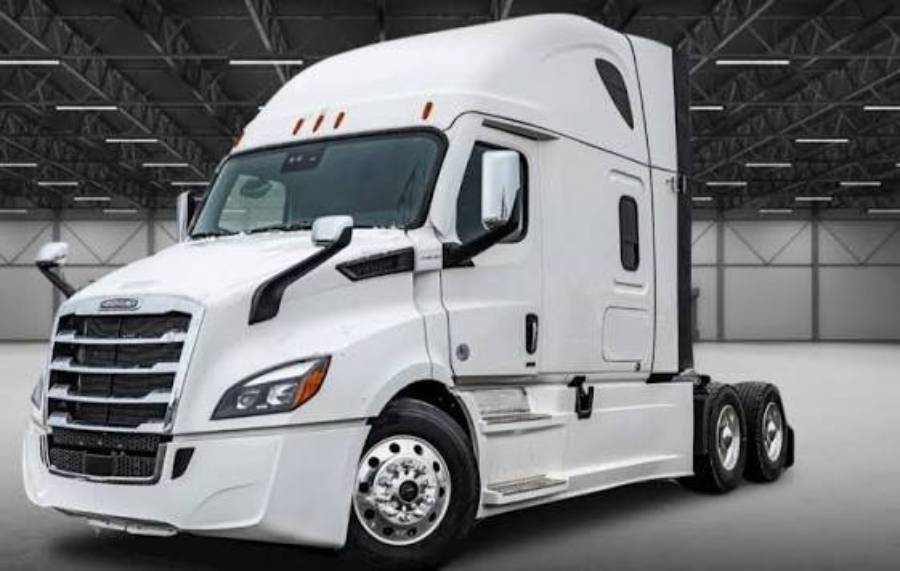
A Freightliner Cascadia that won’t shift gears may have a faulty clutch actuator, shift actuator, transmission control module (TCM), electrical connection, or internal transmission component. These problems can prevent the truck from engaging Drive or Reverse, leave the transmission stuck in Neutral, or interrupt gear changes while driving. The exact cause depends on the transmission type, operating conditions, and symptoms.
Freightliner Cascadia trucks equipped with the Detroit DT12 automated manual transmission rely on electronic controls and actuators to manage clutch operation and gear selection. A malfunctioning actuator, unstable electrical supply, or communication fault can disrupt this process even when the transmission’s mechanical components remain functional. Cascadia models equipped with Eaton Fuller or manual transmissions may experience different shifting failures that require separate diagnostic procedures.
Diagnosing a Freightliner Cascadia shifting problem starts with identifying the symptoms, checking transmission warning messages, inspecting basic electrical connections, and retrieving diagnostic trouble codes when available. These checks help distinguish electrical and control-related failures from mechanical transmission damage. This guide explains the common causes of shifting problems, how to troubleshoot them safely, which repairs may be necessary, and when professional transmission service is required.
Why Won’t a Freightliner Cascadia Shift Gears?
A Freightliner Cascadia may fail to shift gears because of five main problems: clutch actuator failure, shift actuator malfunction, transmission control faults, electrical system issues, or internal transmission damage. These failures can prevent gear engagement, interrupt automatic shifting, or leave the transmission stuck in Neutral. The underlying cause depends on whether the truck uses a Detroit DT12, Eaton Fuller automated transmission, or manual gearbox.
Clutch actuator failure can prevent an automated manual transmission from properly engaging or disengaging the clutch. The clutch actuator controls clutch movement during gear changes, allowing the transmission to select gears without a conventional clutch pedal. When the actuator fails to respond correctly, the transmission may refuse to engage Drive or Reverse, hesitate during shifts, or display a transmission warning. Clutch wear and actuator calibration problems can produce similar symptoms.
Shift actuator malfunction can stop the transmission from selecting the requested gear. In automated manual transmissions such as the Detroit DT12, the gear-selection mechanism relies on controlled actuator movement. A faulty actuator, damaged connection, or mechanical obstruction can prevent the shift from completing. The driver may notice that the gear display remains in Neutral, the requested gear does not engage, or shifting becomes inconsistent.
Transmission control faults can interfere with communication between the transmission and other vehicle systems. The transmission control module processes operating information and coordinates gear changes based on inputs such as engine speed, vehicle speed, and gear selection. Faulty sensor signals, communication errors, or control module problems can interrupt this process and trigger diagnostic trouble codes.
Electrical system issues can also prevent a Freightliner Cascadia from shifting. Weak batteries, damaged wiring, corroded connectors, blown fuses, or poor grounding can disrupt the power supply and communication required by electronically controlled transmissions. Electrical faults may cause intermittent shifting failures, especially when vibration or changing electrical loads affect an already damaged connection.
Internal transmission damage can prevent gears from engaging even when the electronic controls operate correctly. Damaged gears, bearings, or shift mechanisms can interfere with normal transmission operation. Mechanical failures may also produce unusual noises, vibration, or persistent gear engagement problems. Confirming internal damage requires professional diagnosis rather than replacing electronic components based on symptoms alone.
Why Is My Freightliner Cascadia Stuck in Neutral?
A Freightliner Cascadia stuck in Neutral typically indicates that the transmission cannot complete the conditions required to engage a forward or reverse gear. On DT12-equipped trucks, possible causes include clutch actuator problems, gear-selection faults, electrical failures, and active transmission control faults. The transmission may continue displaying N even after the driver selects Drive or Reverse.
The first distinction is whether the transmission receives the driver’s gear-selection request. Automated transmissions use selector inputs and operating conditions to determine whether gear engagement is permitted. For example, an invalid selector signal, an unmet brake-related interlock condition, or a detected transmission malfunction may prevent engagement. If the requested gear is recognized but the transmission remains in Neutral, the problem may involve the clutch actuator, shift mechanism, or another condition preventing the shift from completing.
A Freightliner Cascadia that won’t go into Drive may have a clutch control problem, gear-selection malfunction, or active fault that prevents forward gear engagement. The driver may select Drive without receiving the expected gear indication or vehicle movement. A transmission warning or diagnostic code can help narrow the cause, but the symptom alone does not identify which component has failed.
A Freightliner Cascadia that won’t go into Reverse can experience similar problems because automated transmissions depend on coordinated clutch and gear-selection operations in both directions. A failure affecting only Reverse may point toward a gear-specific selection problem, while failure to engage either Drive or Reverse suggests investigating shared electrical, control, and actuator functions first.
When the transmission remains in Neutral, park the truck in a safe location, apply the parking brake, and check the instrument cluster for transmission warnings. Confirm that the normal gear-selection procedure is being followed according to the truck’s operator manual. Do not force gear engagement, repeatedly cycle the selector in an attempt to overcome a fault, or bypass safety interlocks. If the transmission still refuses to engage a gear, retrieve the available fault codes and arrange qualified diagnostic service.
Why Is My Freightliner Cascadia Stuck in Gear?
A Freightliner Cascadia can become stuck in gear because of four main problems: a malfunctioning shift actuator, clutch disengagement failure, transmission control faults, or internal mechanical damage. These failures can prevent the transmission from completing a gear change or returning to Neutral. On trucks equipped with automated manual transmissions, the problem may occur during acceleration, deceleration, or a transition between forward and reverse gears.
A malfunctioning shift actuator can prevent the transmission from moving out of its current gear. The actuator operates the gear-selection mechanism according to commands from the transmission control system. When the actuator fails, loses electrical communication, or encounters mechanical resistance, the requested shift may not occur. For example, a Detroit DT12 transmission may remain in an engaged gear when the control system cannot complete the commanded gear-selection sequence.
Clutch disengagement failure can also prevent a Freightliner Cascadia from changing gears. Automated manual transmissions must control clutch engagement and disengagement to manage torque during shifting. A worn clutch, malfunctioning clutch actuator, or incorrect clutch position feedback can interfere with this process. The transmission may delay shifts, refuse a requested gear change, or generate a fault when the expected clutch movement does not occur.
Transmission control faults can interrupt shifting while the truck is moving. The control system relies on information from engine speed sensors, transmission speed sensors, and other electronic modules to determine when a shift can be completed. Incorrect sensor readings or communication failures can prevent the transmission from executing a gear change. Intermittent wiring faults may cause the problem to appear during vibration, temperature changes, or specific driving conditions.
Internal mechanical damage can physically restrict gear movement. Damaged shift components, bearings, or gears may prevent the transmission from disengaging the current gear or selecting another one. Grinding noises, abnormal vibration, and repeated engagement failures can indicate mechanical problems, although these symptoms do not confirm internal damage without further inspection.
A Freightliner Cascadia that stops shifting while driving requires immediate attention because unpredictable gear operation can compromise vehicle control. Move to a safe stopping location when conditions permit, avoid forcing additional shifts, and request professional assistance if the transmission cannot operate reliably. Diagnostic trouble codes and transmission operating data should be examined before determining whether the failure is electrical, mechanical, or control-related.
What Causes a Freightliner Cascadia DT12 Transmission Not to Shift?
A Freightliner Cascadia DT12 transmission may stop shifting because of clutch actuator faults, shift actuator problems, electronic control malfunctions, sensor failures, or mechanical transmission damage. The Detroit DT12 is an automated manual transmission that uses electronically controlled systems to coordinate clutch operation and gear selection. Unlike a conventional manual transmission, it performs these operations without requiring the driver to operate a clutch pedal.
During a normal gear change, the transmission control system coordinates engine torque, clutch operation, and gear selection. The clutch must release torque appropriately while the transmission changes gears, and the control system must confirm that the required operations have been completed. A fault in any part of this sequence can delay shifting, prevent gear engagement, or cause the transmission to remain in Neutral.
How Can a DT12 Clutch Actuator Cause Shifting Problems?
A faulty DT12 clutch actuator can cause shifting problems by preventing the clutch from engaging or disengaging at the required time. The actuator controls clutch movement during gear changes, while the transmission control system monitors operating conditions to coordinate shifting. If the actuator cannot achieve the required clutch position, the transmission may reject a shift or fail to engage the requested gear.
Three conditions can interfere with clutch actuator operation: actuator malfunction, incorrect position feedback, and mechanical resistance within the clutch system. An electrical or actuator fault may prevent the commanded movement, while a worn clutch or mechanical problem can interfere with normal operation even when the actuator receives the correct command.
For example, a Cascadia equipped with a DT12 may display Neutral after the driver requests Drive because the transmission cannot complete the clutch operation required for engagement. Similar symptoms can occur during upshifts or downshifts if clutch movement does not match the control system’s expectations.
Clutch actuator problems should be diagnosed using applicable Detroit transmission diagnostic procedures. A qualified technician can evaluate fault codes, commanded actuator operation, position feedback, and clutch condition. Replacing the actuator without confirming the failure may leave the original problem unresolved, particularly when damaged wiring or clutch wear produces similar symptoms.
How Can a DT12 Shift Actuator Prevent Gear Engagement?
A DT12 shift actuator can prevent gear engagement when the transmission cannot move its gear-selection mechanism into the commanded position. The shift actuator operates as part of the automated gear-selection system, allowing the transmission to change gears without direct mechanical input from the driver. A malfunction can prevent the transmission from selecting a gear, completing a shift, or confirming the selected position.
Shift actuator problems can originate from electrical faults, actuator mechanism failures, or mechanical resistance within the transmission. Damaged wiring and connectors may interrupt control signals, while internal actuator problems can prevent the required movement. Mechanical resistance in the gear-selection system can produce similar symptoms even when the electronic controls are functioning.
For example, a DT12 transmission may receive a request to engage a forward gear but remain in Neutral because the gear-selection mechanism does not reach the expected position. In another situation, the transmission may complete several shifts before an intermittent electrical connection interrupts actuator operation.
A technician should compare transmission fault codes with commanded gear positions, actual gear-position feedback, and relevant actuator operating data. Electrical circuits and mechanical operation must be evaluated before identifying the failed component. Actuator replacement or calibration should follow the manufacturer-approved procedure for the specific DT12 configuration.
Clutch actuator and shift actuator failures can produce overlapping symptoms, including delayed shifts, failure to engage Drive, and transmission warnings. The key diagnostic difference is their function: the clutch actuator controls clutch engagement, while the shift actuator controls gear selection. Identifying which operation fails is essential for determining the correct repair.
How Do You Diagnose a Freightliner Cascadia That Won’t Shift Gears?
To diagnose a Freightliner Cascadia that won’t shift gears, follow five steps: identify the shifting symptoms, inspect the electrical system, retrieve transmission fault codes, evaluate clutch and shift actuator operation, and check for mechanical transmission problems. This sequence helps distinguish electrical faults from control system malfunctions and internal mechanical failures without replacing components unnecessarily.
The diagnostic process depends on the truck’s model year and transmission configuration. Detroit DT12 automated manual transmissions require electronic diagnostics to evaluate clutch operation, gear selection, and transmission control functions. Eaton Fuller automated transmissions have different components and diagnostic procedures, while manual transmissions require additional inspection of the clutch linkage and mechanical shifting system.
What Should You Check First When a Freightliner Cascadia Won’t Shift?
The first checks should focus on transmission warnings, gear-selector operation, battery condition, and visible electrical damage. These inspections help identify common external problems before more complex transmission testing begins.
Step 1: Identify the shifting symptoms. Determine whether the truck remains in Neutral, refuses Drive or Reverse, becomes stuck in a particular gear, or shifts intermittently. Record any transmission warning messages and note whether the failure occurs during startup, acceleration, deceleration, or gear selection. For example, a truck that cannot engage either Drive or Reverse may have a shared control or clutch-related problem, while a failure affecting only one gear requires more focused investigation.
Step 2: Inspect the electrical system. Weak batteries, loose battery terminals, damaged wiring, corroded connectors, and poor grounding can interfere with electronically controlled transmission operation. Check for visible corrosion, loose connections, and damaged wiring without disconnecting energized transmission components. Battery voltage and charging-system performance should be evaluated using the specifications for the vehicle’s electrical system.
Step 3: Verify normal gear-selection conditions. Park the truck on stable ground, apply the parking brake, and follow the gear-selection procedure in the operator’s manual. Check whether the instrument cluster recognizes the requested gear and displays a transmission warning. Automated transmissions may prevent gear engagement when required operating conditions are not satisfied or when a fault has been detected.
If these initial checks do not identify the problem, the next step is to retrieve diagnostic trouble codes rather than repeatedly attempting to force the transmission into gear.
How Do You Check Freightliner Cascadia Transmission Fault Codes?
To check Freightliner Cascadia transmission fault codes, connect a compatible heavy-duty diagnostic tool, identify the transmission control system, retrieve active and inactive faults, and interpret the results using the appropriate manufacturer documentation. Fault codes provide information about detected electrical, communication, actuator, and transmission operating problems.
Step 1: Connect the diagnostic tool. Locate the vehicle’s diagnostic connector and connect a compatible heavy-duty scan tool. Freightliner Cascadia trucks use vehicle communication networks that allow diagnostic equipment to retrieve information from electronic control modules. The connector configuration and supported communication protocols depend on the model year and vehicle specification.
Step 2: Retrieve transmission-related codes. Access the transmission control system and record all available diagnostic trouble codes. Heavy-duty vehicle faults may be reported using Suspect Parameter Numbers (SPNs) and Failure Mode Identifiers (FMIs). Record the complete code information, fault status, and any available operating conditions associated with the failure.
Step 3: Identify active and inactive faults. Active faults indicate conditions currently detected by the control system, while inactive faults identify previously detected conditions that are no longer active. For example, an intermittent wiring connection may produce an inactive communication fault even when the transmission appears to operate normally during inspection.
Step 4: Compare codes with symptoms. Use the applicable diagnostic documentation to determine which circuits, components, or operating conditions require testing. A code associated with actuator performance does not automatically confirm that the actuator itself is defective. Wiring faults, incorrect sensor feedback, and mechanical resistance may produce related diagnostic conditions.
Detroit DT12-equipped trucks may require Detroit DiagnosticLink or another manufacturer-supported diagnostic solution for detailed transmission information and service functions. Record the original fault codes before clearing them because stored diagnostic information can help identify intermittent failures.
How Do You Test the Clutch and Shift Actuators?
Clutch and shift actuator testing on a Freightliner Cascadia requires checking electrical integrity, reviewing actuator command and feedback data, and performing manufacturer-approved functional tests. These procedures help determine whether the transmission control system can command the required clutch movement and gear-selection operations.
Clutch actuator testing focuses on whether the clutch responds correctly to transmission control commands. A technician can review available clutch position data, actuator-related faults, and operating conditions using compatible diagnostic equipment. If the commanded clutch position differs from the reported position, further inspection is needed to determine whether the cause involves the actuator, position feedback, electrical circuit, or clutch mechanism.
Shift actuator testing focuses on the transmission’s ability to select the requested gear. The technician compares commanded gear selection with available actual-position feedback and evaluates any related fault codes. A failure to reach the requested position may indicate an actuator malfunction, electrical problem, or mechanical obstruction within the gear-selection system.
Electrical testing should follow the manufacturer-approved circuit diagrams and specifications. Connector damage, wiring continuity problems, power supply faults, and grounding issues can interfere with actuator operation. A component should not be replaced solely because a related fault code appears.
Functional actuator tests and calibration procedures must be performed by qualified technicians using the correct service equipment. These operations can cause unexpected component movement or gear engagement if safety precautions are not followed.
When electrical controls and actuators operate correctly but shifting problems persist, the diagnostic process should move toward clutch condition and internal transmission inspection. Mechanical inspection may reveal excessive wear, damaged shift components, or other faults that cannot be confirmed through electronic fault codes alone.
What Do Freightliner Cascadia Transmission Fault Codes Mean?
Freightliner Cascadia transmission fault codes identify abnormal conditions detected by the truck’s electronic control systems. These conditions may involve transmission actuators, sensors, electrical circuits, communication networks, or operating parameters. Fault codes help technicians narrow the diagnostic process, but they do not always identify the exact component requiring replacement.
Heavy-duty trucks commonly use SAE J1939 diagnostic information, including Suspect Parameter Numbers (SPNs) and Failure Mode Identifiers (FMIs). An SPN identifies the parameter or system condition associated with a fault, while an FMI describes the type of detected abnormality. Together, these values provide more specific diagnostic information than a general transmission warning message.
For example, FMI 3 generally indicates a voltage-above-normal condition or a circuit shorted high, while FMI 4 generally indicates voltage below normal or a circuit shorted low. FMI 9 indicates an abnormal update rate, which can be associated with missing or delayed communication. The complete SPN/FMI combination, reporting module, and manufacturer documentation are required to interpret what the fault means for a specific Freightliner Cascadia.
Transmission faults are also classified by their current status. Active fault codes indicate problems presently detected by the control system, whereas inactive fault codes represent previously detected conditions. An inactive fault can still be useful when diagnosing intermittent shifting problems caused by loose electrical connections, vibration-related wiring faults, or temporary communication interruptions.
A transmission fault code should be treated as the starting point for diagnosis rather than proof of component failure. For instance, a fault involving clutch actuator performance may originate from actuator damage, inadequate electrical supply, incorrect position feedback, or mechanical resistance. Technicians must compare diagnostic information with actual component operation before selecting a repair.
The most reliable approach is to record the complete fault information, identify the installed transmission, and follow the corresponding manufacturer diagnostic procedure. This reduces unnecessary component replacement and helps determine whether the shifting failure requires electrical repair, actuator service, clutch work, or internal transmission inspection.
How Do You Fix a Freightliner Cascadia That Won’t Shift Gears?
To fix a Freightliner Cascadia that won’t shift gears, identify the confirmed fault and repair the affected electrical circuit, clutch actuator, shift actuator, transmission control system, or mechanical component. The correct repair depends on the installed transmission, diagnostic trouble codes, and results of component testing. Replacing parts without identifying the underlying failure can increase repair costs without restoring normal shifting.
Electrical problems require inspection and repair of the affected power supply, wiring, connectors, or grounding connections. Clutch and shift actuator failures may require component replacement, adjustment, or manufacturer-specified calibration. Transmission control problems require further diagnosis of sensor inputs, communication networks, and control module operation. Internal mechanical damage may require clutch service, transmission disassembly, or replacement of damaged components.
How Do You Fix Electrical Problems Affecting Transmission Shifting?
Electrical shifting problems are fixed by restoring the correct power supply, ground connections, and communication between the transmission control system and its components. Weak batteries, corroded terminals, damaged wiring, and faulty connectors can interrupt transmission operation, particularly on automated manual transmissions that depend on electronic controls.
Start by inspecting the battery terminals, accessible wiring harnesses, and visible electrical connections for corrosion, looseness, or physical damage. A weak battery or charging-system fault should be corrected when testing confirms that electrical supply is outside the vehicle’s specified operating range. Damaged connectors and wiring must be repaired using appropriate automotive electrical repair methods.
Transmission-related fuses and power circuits should also be inspected according to the vehicle’s electrical diagrams. A blown fuse may indicate an underlying short circuit rather than an isolated fuse failure. Replacing a fuse repeatedly without identifying the cause can allow electrical damage to continue.
If the electrical supply is functioning correctly, a qualified technician should evaluate transmission control communication and sensor signals. Faults involving the TCM, actuator circuits, or vehicle communication network require diagnostic equipment capable of accessing the relevant control modules. Control module replacement should only follow confirmation that external wiring, power supply, and communication faults have been ruled out.
After completing an electrical repair, the technician should verify that the original fault is no longer present and confirm normal gear engagement under appropriate test conditions.
When Does a Freightliner Cascadia Transmission Need Professional Repair?
A Freightliner Cascadia transmission needs professional repair when the truck cannot engage Drive or Reverse, remains stuck in gear, repeatedly displays transmission faults, or continues shifting incorrectly after basic checks. These symptoms may indicate actuator failures, clutch problems, electronic control malfunctions, or internal transmission damage that require specialized diagnostic equipment.
Clutch actuator and shift actuator repairs on Detroit DT12 transmissions require procedures appropriate to the installed transmission configuration. A technician may need to perform electronic functional tests, inspect mechanical operation, replace a confirmed defective component, and complete applicable calibration or adaptation procedures. Incorrect installation or calibration can prevent the transmission from operating properly.
Clutch-related repairs become necessary when testing identifies excessive wear, mechanical damage, or failure to engage and disengage correctly. A worn clutch can cause delayed engagement, shifting difficulties, or other drivability problems. The clutch assembly and related components must be inspected before determining whether adjustment, component replacement, or more extensive service is required.
Internal transmission repair may be required when damaged gears, bearings, or shift mechanisms prevent normal operation. These repairs involve specialized tools, mechanical inspection, and procedures that should be performed by qualified heavy-duty transmission technicians.
A transmission reset should not be treated as a permanent repair for an unidentified shifting problem. Cycling the ignition may change the apparent symptoms of an intermittent electronic fault, but it does not repair damaged wiring, worn clutch components, or failed actuators. The underlying problem must be diagnosed and corrected before the truck returns to normal service.
How Much Does It Cost to Fix Freightliner Cascadia Shifting Problems?
The cost to fix Freightliner Cascadia shifting problems depends on the failed component, transmission type, diagnostic labor, replacement parts, and repair complexity. Minor electrical repairs generally involve less labor and fewer expensive components than clutch replacement or internal transmission repair. However, the final cost cannot be determined accurately until the cause of the shifting failure has been confirmed.
Transmission diagnosis is usually the first expense. A repair facility may charge for fault-code retrieval, electrical circuit testing, actuator evaluation, and additional mechanical inspection. A basic diagnostic scan does not always identify the exact failure because transmission fault codes can indicate several possible causes. Intermittent problems may require additional testing to reproduce the malfunction.
Electrical repairs may involve replacing damaged wiring, corroded connectors, faulty power connections, or other electrical components. Costs vary according to component accessibility, wiring damage, and the time required to locate the fault. Repairing an accessible connector is generally less complex than tracing an intermittent fault through a transmission wiring harness.
Clutch and shift actuator repairs can be more expensive because the replacement components may require specialized labor and electronic service procedures. On Detroit DT12-equipped trucks, actuator replacement may also require manufacturer-specified calibration or adaptation. The total repair cost depends on the actuator involved, parts availability, and whether additional clutch or electrical problems are discovered.
Clutch repairs and internal transmission repairs generally involve greater mechanical labor. Clutch replacement may require transmission removal and inspection of related components. Internal transmission damage can require disassembly, replacement of damaged gears or bearings, or installation of a replacement transmission assembly.
Repair costs also vary with the truck’s model year, transmission specification, regional labor rates, parts availability, and service provider. Authorized dealerships and independent heavy-duty repair shops may use different labor rates and parts pricing. Towing expenses and vehicle downtime can further increase the total cost of a shifting failure.
Before authorizing major repairs, request a written estimate that separates diagnostic labor, replacement parts, repair labor, and any required calibration procedures. For expensive repairs, comparing a confirmed repair estimate with the cost of a replacement or remanufactured transmission can help determine the most economical solution. Exact US dollar estimates should be based on current, documented quotes for the specific transmission and repair rather than assumed price ranges.
Read more: Freightliner Cascadia DEF Light: Causes and Fixes
Can You Drive a Freightliner Cascadia With Transmission Shifting Problems?
No, you should not continue driving a Freightliner Cascadia with unreliable gear shifting. A transmission that fails to engage gears, becomes stuck in gear, or shifts unpredictably can cause a loss of propulsion and compromise vehicle control. Continuing to operate the truck may also increase damage to the clutch, actuators, or internal transmission components.
The severity of the problem depends on how the transmission behaves. A truck stuck in Neutral may be unable to move under its own power, while a transmission that stops shifting during operation may leave the vehicle in an unsuitable gear for the current road conditions. Intermittent shifting problems are also hazardous because the transmission may appear to operate normally before the failure returns.
Stop the truck in a safe location as soon as conditions permit when the transmission refuses gear changes, displays a serious transmission warning, or behaves unpredictably. Activate the hazard lights when appropriate, secure the vehicle with the parking brake, and follow the truck’s operating manual. Do not force the gear selector, bypass transmission safety controls, or attempt to drive through a persistent shifting malfunction.
A qualified technician should inspect the transmission before the truck returns to service. If the transmission cannot engage or maintain gears reliably, arrange roadside assistance or towing using procedures approved for the vehicle and transmission configuration. Incorrect towing methods can damage drivetrain components, particularly when the transmission cannot be placed in the required towing condition.
How Can You Prevent Freightliner Cascadia Transmission Shifting Problems?
To prevent Freightliner Cascadia transmission shifting problems, follow five maintenance practices: service the transmission at the specified intervals, maintain the electrical system, inspect clutch and actuator components, address diagnostic fault codes, and correct shifting abnormalities early. These measures help reduce preventable failures and identify developing problems before they interrupt truck operation.
1. Follow the manufacturer’s transmission maintenance schedule. Detroit DT12, Eaton Fuller automated transmissions, and manual gearboxes have different service requirements. Transmission fluid specifications, inspection intervals, and maintenance procedures depend on the installed transmission, model year, and operating conditions. Use the appropriate manufacturer maintenance documentation rather than applying a single service interval to every Cascadia.
2. Maintain the batteries and electrical connections. Electronically controlled transmissions depend on a stable electrical supply and reliable communication between control modules. Inspect battery terminals, grounding connections, accessible wiring harnesses, and connectors for corrosion, looseness, or damage. Correcting electrical problems early helps prevent intermittent control faults that can interfere with gear selection.
3. Inspect clutch and actuator operation. Automated manual transmissions rely on coordinated clutch movement and gear selection. Unusual engagement delays, repeated hesitation during shifts, and changes in clutch behavior may indicate developing mechanical or control problems. Qualified technicians should evaluate these symptoms using the diagnostic procedures specified for the transmission.
4. Investigate transmission fault codes promptly. Active transmission faults should be diagnosed before the truck returns to demanding service. Inactive codes also deserve attention when they correspond with intermittent shifting complaints. Recording fault information and the conditions under which it appears helps technicians identify recurring electrical, sensor, or actuator problems.
5. Address abnormal shifting before it becomes a complete failure. Delayed gear engagement, unexpected shifts, unusual transmission noises, and repeated failures to select Drive or Reverse require investigation. Continuing to operate a truck with these symptoms can allow an underlying problem to worsen. Early diagnosis can limit secondary damage and reduce unplanned downtime.
Preventive maintenance does not eliminate every transmission failure, but it reduces avoidable risks associated with neglected service, deteriorating electrical connections, and unresolved operating faults. A maintenance program based on the truck’s actual transmission configuration, duty cycle, and manufacturer recommendations provides the most reliable approach to maintaining consistent shifting performance.