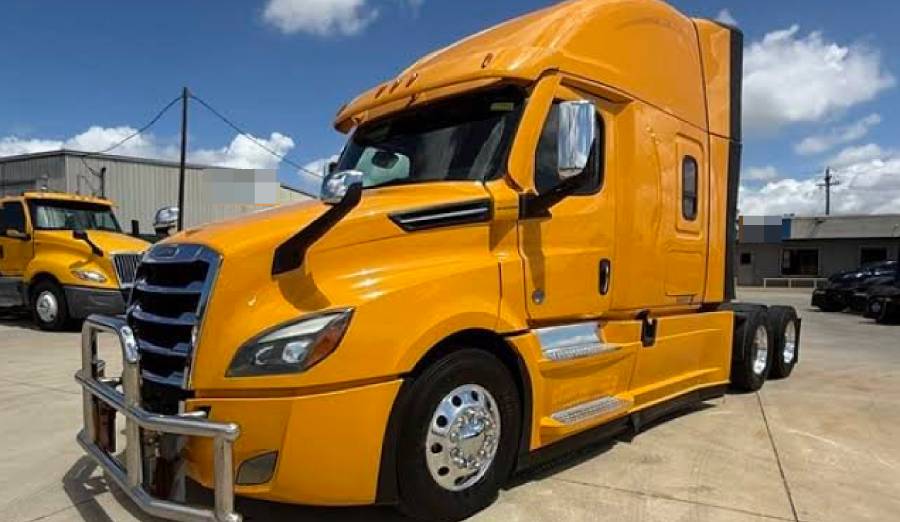
The Freightliner Cascadia transmission fault light indicates that the truck’s transmission monitoring or control system has detected a problem that requires attention. The warning may result from low battery voltage, faulty transmission sensors, damaged wiring, malfunctioning shift actuators, or clutch system problems. The exact cause depends on the truck’s model year, transmission type, and stored diagnostic trouble codes.
When the transmission fault light appears, drivers may experience delayed gear changes, difficulty engaging gears, unexpected neutral indications, or reduced driving performance. Some faults affect electronic communication without immediately preventing normal shifting, while others interfere with transmission operation. A warning accompanied by an inability to select gears, unexpected loss of drive, or a stop instruction requires the driver to pull over safely and arrange appropriate assistance.
Diagnosing a Freightliner Cascadia transmission fault requires checking the warning message, reading transmission fault codes, and inspecting the components associated with those codes. Trucks equipped with Detroit DT12 or other automated manual transmissions may require different diagnostic procedures and repair methods.
This guide explains what the transmission fault light means, the common causes and symptoms, how to diagnose and fix transmission faults, whether driving is safe, and what affects repair costs.
What Does the Transmission Fault Light Mean on a Freightliner Cascadia?
The Freightliner Cascadia transmission fault light means the truck has detected an abnormal condition in its transmission system or electronic controls. The warning can indicate problems with gear selection, clutch operation, transmission sensors, electrical connections, or communication between control modules. It does not automatically mean the transmission has suffered mechanical damage.
Freightliner Cascadia trucks equipped with automated manual transmissions use electronic control systems to coordinate gear changes. In models fitted with the Detroit DT12 transmission, the transmission control module (TCM) processes information from sensors and coordinates clutch and shift actuator operation. When the system detects a fault, it records diagnostic information and may display a warning on the instrument cluster. The exact warning message and response depend on the transmission configuration and fault severity.
A transmission fault warning can appear alongside several driving symptoms, including:
- Delayed gear engagement: The transmission takes longer than expected to select drive or reverse.
- Rough or irregular shifting: Gear changes become unusually harsh, delayed, or inconsistent.
- Failure to select a gear: The transmission does not engage the requested gear.
- Unexpected neutral indication: The gear display shows neutral when the driver expects a drive gear.
- Reduced driving performance: The truck limits certain transmission functions or cannot shift normally.
These symptoms help identify the affected system, but they do not establish the exact cause. For example, a truck that refuses to engage a gear may have an actuator problem, an electrical fault, or a control system issue. Reading the stored diagnostic trouble codes is necessary to narrow down the diagnosis.
The severity of a transmission fault also varies. A temporary communication problem may trigger a warning without immediately affecting shifting, while a clutch or gear engagement fault can prevent normal vehicle operation. Drivers should follow the instrument cluster instructions and avoid continuing to drive when the transmission cannot operate safely.
What Causes the Transmission Fault Light on a Freightliner Cascadia?
Five major fault categories can trigger a Freightliner Cascadia transmission warning: electrical power problems, faulty sensors, damaged wiring, transmission actuator malfunctions, and clutch system faults. Each category affects how the transmission receives information, processes commands, or engages gears. The actual cause must be confirmed through diagnostic codes and component testing.
1. Low Battery Voltage or Electrical Power Problems
Low battery voltage or unstable electrical power can interfere with transmission control modules and electrically operated components. Automated manual transmissions depend on reliable voltage to process sensor signals, communicate with other vehicle systems, and operate electronic controls.
A weak battery, failing alternator, loose battery terminal, or poor ground connection can disrupt these functions. For example, a voltage drop during engine starting may cause a control module to record an electrical or communication fault. Checking the battery, charging system, and power connections helps determine whether the warning originates from an electrical supply problem.
2. Faulty Transmission Sensors
Transmission sensors provide information about shaft speed, gear position, and other operating conditions. The control system uses these signals to determine when and how to perform gear changes. A missing, inaccurate, or inconsistent sensor signal can interfere with transmission operation and trigger a diagnostic fault.
For example, a faulty speed sensor may prevent the transmission controller from accurately comparing rotational speeds during a gear change. Depending on the transmission design and fault condition, the truck may experience delayed shifts, shifting restrictions, or failure to engage a requested gear. Sensor-related fault codes and live diagnostic data help distinguish a defective sensor from damaged wiring.
3. Damaged Wiring or Electrical Connectors
Damaged wiring and electrical connectors can interrupt communication between transmission components and control modules. Transmission wiring harnesses are exposed to vibration, temperature changes, moisture, and road contaminants, which can contribute to connection problems over time.
Common electrical defects include corroded connector terminals, broken wires, loose connections, and damaged insulation. For example, an intermittent connection at a transmission sensor can produce an inconsistent signal and trigger a warning during vehicle operation. Inspecting the wiring harness, connector condition, and relevant circuits helps identify electrical faults before replacing transmission components.
4. Transmission Actuator Malfunctions
Transmission actuators perform mechanical movements commanded by the transmission control system. Depending on the transmission design, these components help select gears, engage shifting mechanisms, or control clutch operation. An actuator malfunction can prevent the transmission from completing a requested operation.
For example, a shift actuator that cannot reach its commanded position may cause delayed gear engagement or prevent the transmission from selecting a gear. The underlying problem may involve the actuator itself, its electrical supply, its control circuit, or an associated mechanical component. Diagnosis requires checking the relevant fault codes and following the manufacturer’s testing procedures.
5. Clutch System Faults
Clutch system faults can trigger transmission warnings in Freightliner Cascadia trucks equipped with automated manual transmissions. These systems coordinate clutch engagement and disengagement electronically to transfer engine power and complete gear changes.
Problems involving clutch wear, clutch actuation, position feedback, or control calibration can interfere with this process. For example, a clutch that does not disengage as commanded may prevent a gear change or cause difficulty selecting a gear from a stop. However, similar symptoms can also result from actuator or electrical faults, so clutch replacement should not be recommended without confirming the cause.
The five fault categories require different diagnostic and repair procedures. A transmission fault light identifies a condition requiring investigation, not a specific failed component. The next step is to retrieve the stored diagnostic trouble codes, examine the truck’s symptoms, and test the systems associated with those codes.
How Do You Diagnose a Freightliner Cascadia Transmission Fault Light?
To diagnose a Freightliner Cascadia transmission fault light, identify the warning message, retrieve stored diagnostic trouble codes, check the electrical system, and test the components associated with the fault. The diagnostic process must account for the truck’s model year, transmission type, and operating symptoms because different transmission systems use different control components and fault detection strategies.
Start by recording the exact dashboard warning and observing how the transmission behaves. Note whether the truck has difficulty selecting drive or reverse, shifts irregularly, displays neutral unexpectedly, or refuses to engage a gear. These observations help distinguish electrical communication problems from faults involving gear selection or clutch operation. If the transmission cannot maintain a selected gear or the dashboard instructs the driver to stop, park safely before attempting further diagnosis.
Next, identify the installed transmission and retrieve its diagnostic trouble codes using a compatible diagnostic tool. Freightliner Cascadia trucks equipped with Detroit DT12 transmissions may require Detroit-compatible diagnostic software for detailed fault information and guided testing. Other transmission configurations may use different diagnostic platforms. Record active and previously stored faults before clearing any codes because the original information helps identify intermittent problems.
After retrieving the codes, inspect the electrical power supply and components identified by the diagnostic results. Battery voltage, charging performance, ground connections, wiring harnesses, and transmission connectors should be evaluated when the fault information indicates an electrical problem. Mechanical and actuator-related faults require additional testing according to the transmission manufacturer’s service procedures.
How Do You Read Freightliner Cascadia Transmission Fault Codes?
To read Freightliner Cascadia transmission fault codes, connect a compatible heavy-duty diagnostic scanner to the truck’s diagnostic connector and access the transmission control system. The scanner retrieves stored fault information that helps identify which system or operating condition triggered the warning.
Many heavy-duty vehicle diagnostic systems use SAE J1939 fault information, including Suspect Parameter Numbers (SPNs) and Failure Mode Identifiers (FMIs). An SPN identifies the parameter or system associated with a fault, while an FMI describes the detected failure condition, such as an abnormal signal, electrical problem, or unexpected operating value.
For example, a diagnostic record indicating an electrical circuit problem directs the technician toward testing the relevant power supply, wiring, and connected component. A fault associated with actuator position may require checking commanded movement and position feedback. However, an SPN/FMI combination does not always identify a failed part directly, and manufacturer-specific diagnostic information is necessary for accurate interpretation.
Record the complete fault information, including the SPN, FMI, reporting control module, fault status, and occurrence count when available. Active faults indicate conditions currently detected by the system, while previously active faults provide information about earlier events. Comparing these records with the truck’s symptoms helps determine which diagnostic tests should be performed first.
How Do You Check Transmission Sensors and Wiring?
To check Freightliner Cascadia transmission sensors and wiring, inspect the relevant electrical connections, verify circuit integrity, and compare sensor readings with manufacturer specifications. The correct testing method depends on the installed transmission and the diagnostic codes retrieved from its control system.
Begin with a visual inspection of accessible wiring harnesses and electrical connectors. Look for damaged insulation, loose terminals, corrosion, moisture intrusion, and wires rubbing against nearby components. These conditions can interrupt electrical signals or create intermittent connections, particularly when vibration or temperature changes affect the damaged area.
Next, check the electrical circuits associated with the reported fault. A qualified technician may use a digital multimeter, wiring diagram, and diagnostic software to verify power supply, ground integrity, circuit continuity, and sensor output. Electrical measurements must follow the manufacturer’s procedures because applying voltage or using an incorrect testing method can damage electronic control components.
Live diagnostic data provides another method for identifying sensor-related problems. For example, a transmission speed sensor reporting an implausible value compared with other operating data may indicate a sensor, wiring, or signal processing problem. Comparing commanded actuator positions with actual feedback values can also help identify control or mechanical faults.
Replace a transmission sensor or repair a wiring circuit only after testing confirms the defect. Clearing fault codes without correcting the underlying condition does not repair the transmission and may remove information needed for further diagnosis.
How Do You Fix a Freightliner Cascadia Transmission Fault Light?
To fix a Freightliner Cascadia transmission fault light, identify and repair the underlying electrical, sensor, actuator, or clutch system problem indicated by diagnostic testing. The appropriate repair depends on the stored fault codes, transmission configuration, and results of component inspections. Replacing parts without confirming the cause can leave the warning unresolved and increase repair costs.
Start by addressing any confirmed electrical supply problems. Low battery voltage, poor ground connections, and unstable charging system output can interfere with transmission control functions. Test the batteries and charging system under the conditions specified by the vehicle manufacturer, then repair loose terminals, damaged cables, or defective electrical components. After correcting the problem, check whether the transmission control system operates normally and whether the fault returns.
Sensor and wiring repairs require a different approach. A damaged connector may need terminal cleaning or replacement, while a broken wire requires an approved wiring repair. A transmission sensor should be replaced only when diagnostic testing confirms that its output or electrical characteristics are outside the manufacturer’s specifications. After completing the repair, verify the relevant sensor readings and confirm that the transmission responds correctly.
Mechanical and actuator-related faults require more specialized procedures. Problems involving gear selection, clutch engagement, or actuator positioning may require component replacement, adjustment, calibration, or software-guided service operations. These repairs must follow the procedures for the specific transmission installed in the truck.
How Do You Fix Electrical Transmission Faults?
Electrical transmission faults are fixed by restoring the correct power supply, ground connections, wiring continuity, and component signals. The repair begins with the circuit identified by the diagnostic trouble code rather than replacing the transmission control module or other expensive components.
For a low-voltage fault, inspect battery condition, charging system operation, power cables, and ground connections. A weak battery may require replacement, while an unstable charging system may require alternator or related circuit repairs. Confirm the electrical system meets the manufacturer’s specifications before concluding that the fault has been corrected.
For wiring-related faults, inspect the affected harness and connectors for corrosion, loose terminals, damaged insulation, or broken conductors. Repair damaged circuits using approved materials and procedures suitable for heavy-duty vehicle electrical systems. Connector repairs must restore reliable electrical contact and protect the circuit against moisture and vibration.
Sensor-related repairs should be supported by diagnostic measurements. For example, an implausible gear position signal may result from a defective sensor, damaged wiring, or an associated mechanical problem. Comparing live sensor data with expected operating conditions helps identify the actual cause before replacement.
After completing electrical repairs, use a compatible diagnostic tool to verify the circuit and check for recurring faults. Clear stored codes only when appropriate, then confirm that the transmission operates correctly under the manufacturer’s prescribed verification procedure.
When Does a Transmission Fault Require Professional Repair?
A Freightliner Cascadia transmission fault requires professional repair when it involves internal transmission components, clutch actuation, gear selection mechanisms, control module programming, or calibration procedures. These systems require specialized diagnostic equipment and technical information to identify and correct faults accurately.
Transmission actuator problems are one example. An actuator that fails to reach its commanded position may have an electrical defect, mechanical restriction, or internal failure. A technician must evaluate actuator commands, position feedback, electrical circuits, and mechanical operation before deciding whether replacement is necessary.
Clutch system faults also require specialized diagnosis. In automated manual transmissions, the control system coordinates clutch engagement with engine and transmission operation. Incorrect clutch positioning, excessive wear, or actuator problems can prevent smooth gear engagement. Depending on the transmission and repair performed, clutch-related service may require calibration or adaptation using approved diagnostic software.
Transmission control module faults should be approached carefully because communication problems, unstable voltage, and damaged wiring can produce symptoms similar to module failure. Module replacement may require programming and configuration procedures specific to the vehicle.
Professional repair is also necessary when the truck repeatedly fails to select gears, unexpectedly shifts into neutral, or cannot complete normal transmission operations. Continuing to operate the vehicle under these conditions can create safety risks and may worsen existing mechanical problems.
Can You Drive a Freightliner Cascadia With the Transmission Fault Light On?
Driving a Freightliner Cascadia with the transmission fault light on is not automatically safe; the decision depends on the warning instructions, transmission behavior, and severity of the detected fault. Some faults do not immediately prevent gear changes, while others can cause loss of drive, unexpected neutral conditions, or failure to engage a gear.
If the warning appears while driving, check the instrument cluster for additional messages and observe whether the truck responds normally. Avoid abrupt acceleration, unnecessary gear changes, and operating conditions that place additional demands on a malfunctioning transmission. Follow any instructions displayed by the vehicle’s warning system.
A truck that continues shifting normally may still have an electrical or control system fault requiring prompt diagnosis. Normal shifting alone does not establish that continued driving is safe. The stored diagnostic codes and applicable manufacturer instructions must be considered before deciding whether the vehicle can be moved to a service location.
If the transmission fails to engage a gear, unexpectedly loses drive, or displays a stop warning, pull over at the nearest safe location. Secure the vehicle and arrange professional assistance rather than attempting to continue the trip.
When Should You Stop Driving With a Transmission Fault?
Stop driving a Freightliner Cascadia when a transmission fault prevents reliable gear engagement, causes unexpected loss of drive, or produces a dashboard instruction requiring the vehicle to stop. These conditions can interfere with vehicle control and create hazards in traffic, particularly when operating a loaded truck.
Three critical warning conditions require immediate attention:
- Failure to engage or maintain a gear: The transmission cannot reliably transfer engine power to the drivetrain, preventing predictable acceleration or vehicle movement.
- Unexpected neutral or loss of propulsion: The truck loses driving power without the driver requesting neutral, creating a risk during merging, climbing, or other traffic situations.
- A stop warning or severe transmission malfunction: The instrument cluster indicates a condition requiring the driver to stop, or the transmission behaves in a way that makes continued operation unsafe.
When one of these conditions occurs, reduce speed in a controlled manner and move to a safe stopping location if the truck remains controllable. Activate hazard warning lights as appropriate, secure the vehicle, and follow applicable roadside safety procedures. Do not attempt repeated gear engagement or transmission reset procedures to force the truck back into operation.
A transmission fault can also cause restricted operation, sometimes described as limp mode or a transmission protection mode. Depending on the transmission and detected problem, the control system may limit gear selection or other functions to protect components. However, restricted operation does not guarantee that the truck can safely reach a repair facility.
The safest response to a serious transmission fault is to stop the vehicle and arrange qualified diagnosis before returning it to service. A diagnostic inspection can determine whether the problem involves an electrical connection, sensor, actuator, clutch system, or another transmission component.
How Do You Reset the Transmission Fault Light on a Freightliner Cascadia?
To reset a Freightliner Cascadia transmission fault light, correct the underlying fault and use a compatible diagnostic tool to clear stored trouble codes when required. The reset procedure depends on the truck’s model year, transmission configuration, and the type of fault detected. Clearing a warning without fixing its cause does not restore proper transmission operation.
Some transmission warnings disappear automatically after the control system determines that the fault condition is no longer present. Other faults remain stored in the system and require diagnostic software to clear their records after repairs. For example, a warning caused by a damaged electrical connector may stop appearing once the connection is repaired, although the previously recorded fault can remain in diagnostic memory.
A compatible heavy-duty diagnostic scanner allows technicians to retrieve fault information, confirm whether a problem remains active, and clear eligible stored codes. Trucks equipped with Detroit DT12 transmissions may require Detroit-compatible diagnostic software for certain service functions. The technician should preserve the original fault information before clearing codes because it provides valuable evidence for identifying recurring or intermittent problems.
Disconnecting the batteries is not a reliable transmission repair or a recommended universal reset procedure. It may interrupt electronic systems without correcting the original malfunction. Similarly, repeatedly cycling the ignition does not resolve defective sensors, damaged wiring, or mechanical transmission faults.
After completing the repair, verify that the warning remains inactive and that the transmission performs the required operating functions correctly. Follow the manufacturer’s post-repair verification procedure before returning the truck to normal service.
Read more: Freightliner Cascadia Gear Selector Not Working: Fixes
How Much Does It Cost to Fix a Freightliner Cascadia Transmission Fault?
The cost to fix a Freightliner Cascadia transmission fault depends on the failed component, diagnostic labor, transmission model, parts availability, and repair complexity. An electrical connection problem generally requires less extensive work than a failed transmission actuator, clutch assembly, or internal transmission component.
Transmission fault repair costs fall into five main categories:
- Diagnostic inspection: Labor required to retrieve fault codes, analyze operating data, and perform electrical or mechanical tests.
- Electrical system repairs: Work involving batteries, charging components, wiring harnesses, connectors, and ground connections.
- Transmission sensor replacement: Parts and labor required to replace a confirmed defective sensor and verify its operation.
- Actuator or clutch system repairs: Component replacement, mechanical adjustments, and any required calibration procedures.
- Major transmission repairs: Extensive work involving internal components, transmission removal, rebuilding, or replacement.
Diagnostic complexity has a direct effect on total repair expenses. For example, repairing an accessible corroded connector may involve limited parts and labor, while diagnosing an intermittent communication fault can require additional testing time. Actuator and clutch repairs may also require specialized tools, software-guided procedures, or transmission component removal.
Labor rates and parts prices vary by repair facility, geographic location, and vehicle configuration. Genuine replacement components, remanufactured assemblies, and compatible aftermarket parts can also have different prices and warranty terms. A precise repair estimate therefore requires the truck’s transmission identification, diagnostic results, and an itemized quotation from a qualified service provider.
Before authorizing major repairs, request a written estimate separating diagnostic labor, replacement parts, installation, calibration, and additional service charges. Confirm that the proposed repair addresses the verified fault rather than relying exclusively on the dashboard warning.
How Can You Prevent Transmission Faults on a Freightliner Cascadia?
To reduce the risk of Freightliner Cascadia transmission faults, maintain the electrical system, follow the transmission manufacturer’s service schedule, inspect vulnerable connections, and address shifting problems promptly. Preventive maintenance cannot eliminate every electronic or mechanical failure, but it helps identify developing problems before they interfere with transmission operation.
Electrical system maintenance is particularly important for trucks equipped with electronically controlled transmissions. Batteries, alternators, ground connections, and power cables must provide stable electrical power to control modules and related components. During scheduled inspections, check battery terminals for corrosion, inspect accessible cables for damage, and investigate charging system warnings before they affect other vehicle systems.
Transmission maintenance must follow the requirements for the installed gearbox. Freightliner Cascadia trucks use different transmission configurations, and their approved lubricants, service intervals, inspection procedures, and calibration requirements are not interchangeable. For a Detroit DT12 transmission, consult the applicable Detroit maintenance documentation and vehicle service information rather than applying a generic transmission fluid replacement schedule.
Wiring and connector inspections also help prevent avoidable electrical faults. Transmission harnesses operate in environments exposed to vibration, moisture, temperature changes, and road debris. Inspect accessible harness routing, protective coverings, connector seals, and mounting points during routine maintenance. Repair damaged insulation or loose connections before they cause intermittent signal failures.
Driving symptoms provide another opportunity for early fault detection. Delayed gear engagement, irregular shifting, repeated neutral indications, and unexpected transmission warnings should be investigated instead of ignored. Recording the operating conditions and retrieving diagnostic codes while the information is available can help technicians identify problems before they become more difficult to reproduce.
Fleet operators and owner-operators should also maintain service records documenting fault codes, inspections, component replacements, and completed repairs. These records help identify recurring electrical problems, repeated actuator faults, and maintenance patterns across individual trucks.
Consistent electrical inspections, transmission-specific maintenance, and early diagnostic testing are the primary preventive measures for reducing transmission fault risks. Following the manufacturer’s maintenance instructions and repairing confirmed defects promptly supports reliable transmission operation and reduces the likelihood of unexpected downtime.