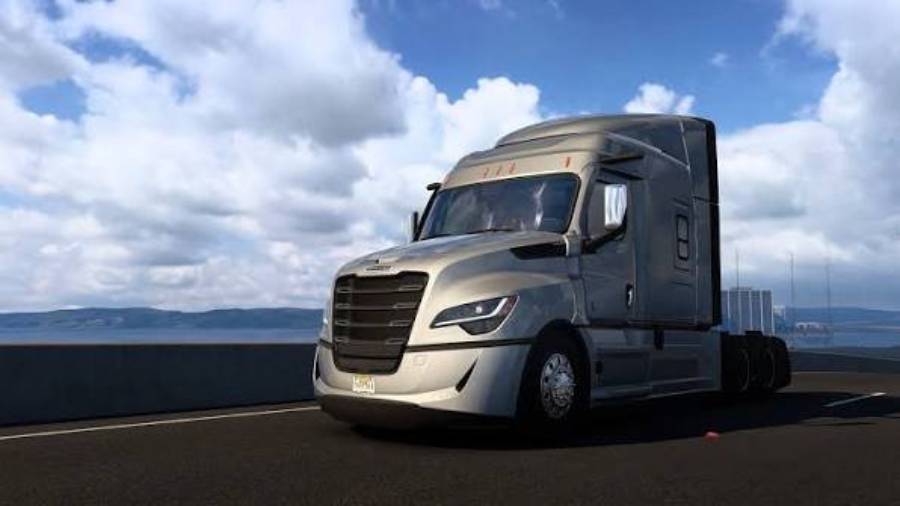
Freightliner Cascadia electrical problems commonly result from weak batteries, faulty alternators, damaged wiring, poor ground connections, blown fuses, and malfunctioning electronic control modules. These issues can cause engine starting failures, intermittent power loss, dashboard warning lights, and malfunctioning electrical accessories. Identifying the underlying cause requires checking the truck’s power supply, electrical connections, and control systems.
The Freightliner Cascadia uses an interconnected electrical system to operate essential components, including the starter, engine control modules, lighting, and instrument cluster. A weak battery or corroded ground connection can disrupt several components simultaneously, while a faulty Signal Acquisition Module (SAM) can affect specific electrical circuits. Because these symptoms can overlap, replacing components without proper testing may fail to resolve the problem.
Diagnosing Freightliner Cascadia electrical problems involves measuring battery and charging voltage, inspecting wiring and fuses, checking ground connections, and retrieving diagnostic trouble codes. The exact procedures depend on the truck’s model year and electrical configuration. This guide explains the most common electrical problems, their causes, diagnostic methods, repair solutions, and preventive maintenance practices to help truck owners and mechanics identify faults and avoid unnecessary repairs.
What Are the Most Common Freightliner Cascadia Electrical Problems?
The most common Freightliner Cascadia electrical problems include intermittent power loss, engine starting failures, dashboard warning lights, malfunctioning exterior lights, and electrical accessory failures. These problems typically involve the battery and charging system, wiring harnesses, ground connections, fuses, relays, or electronic control modules. The symptoms vary depending on which circuit loses power and whether the failure is continuous or intermittent.
Intermittent electrical power loss occurs when an unstable connection or electrical component interrupts the power supply. Loose battery terminals, corroded ground connections, and damaged wiring can cause dashboard displays to reset, cab accessories to stop working, or multiple electrical systems to fail simultaneously. For example, a deteriorated chassis ground connection can create excessive electrical resistance, producing voltage drops when high-current components operate. Power loss affecting engine operation requires immediate attention because it can compromise vehicle safety.
Engine starting failures occur when the starting system cannot deliver sufficient electrical power or the required control signal to the starter. Weak batteries, defective starter relays, damaged cables, and faulty starter motors are possible causes. A Freightliner Cascadia that produces repeated clicking sounds without cranking may have insufficient battery voltage or excessive resistance in the starter circuit. However, a no-crank condition without clicking can also indicate an interrupted starter control circuit, ignition-related fault, or electronic control issue. Battery and starter circuit testing is necessary to distinguish these failures.
Dashboard warning lights and instrument cluster malfunctions can indicate unstable electrical voltage or communication problems between electronic control modules. The Freightliner Cascadia relies on electronic communication networks to exchange operating information between vehicle systems. Faults involving power distribution, module connections, or CAN bus communication can trigger warning messages, intermittent gauge operation, or instrument cluster resets. For example, a voltage drop affecting a control module may generate multiple diagnostic trouble codes even when the associated sensors are functioning correctly. Retrieving fault codes and checking module supply voltage helps identify the underlying problem.
Lighting and electrical accessory failures commonly involve blown fuses, defective relays, damaged connectors, wiring faults, or power distribution control issues. Headlights, turn signals, interior lights, power windows, and other electrical accessories depend on individual circuits and, in certain configurations, electronic control modules such as the Signal Acquisition Module (SAM). A single malfunctioning light may indicate a localized circuit problem, while several accessories failing together suggest a shared power supply, ground connection, or control fault. Inspecting the affected circuits before replacing components prevents unnecessary repairs.
Recognizing these symptoms is the first step in diagnosing Freightliner Cascadia electrical problems. The number of affected components, the conditions under which the failure occurs, and whether the problem is intermittent or constant help narrow down the likely cause. Electrical system layouts differ between Cascadia model years, so diagnostic findings must be checked against the appropriate vehicle wiring diagrams and service information.
What Causes Electrical Problems in a Freightliner Cascadia?
Freightliner Cascadia electrical problems are primarily caused by battery and alternator failures, damaged wiring, poor ground connections, faulty power distribution components, and electronic control module malfunctions. These failures interrupt electrical power, create unstable voltage, or disrupt communication between vehicle systems. Identifying the responsible component requires examining how the electrical failure affects starting, charging, lighting, and electronic controls.
How Do Battery and Alternator Failures Cause Electrical Problems?
Battery and alternator failures cause Freightliner Cascadia electrical problems by reducing the voltage available to the starter, electronic control modules, and other electrical components. The batteries provide power for engine starting and support electrical loads, while the alternator supplies electricity and recharges the batteries when the engine is running. A failure in either component can cause starting difficulties, dashboard warnings, or electrical system interruptions.
Weak or discharged batteries cannot consistently deliver the high current required to crank a heavy-duty diesel engine. Battery deterioration, loose terminals, corrosion, and excessive electrical loads can reduce starting performance. For example, a Cascadia with insufficient battery charge may produce clicking sounds when the ignition is activated without successfully turning the starter motor. Repeated starting attempts can further discharge the batteries, making the problem more difficult to diagnose without voltage and load testing.
A faulty alternator can cause electrical problems when its output is insufficient to support vehicle electrical loads and recharge the batteries. Worn internal components, defective voltage regulation, damaged wiring, or poor connections can interrupt charging. When alternator output drops below electrical demand, the batteries begin supplying the difference, gradually reducing their available charge. This can lead to dimming lights, low-voltage warnings, and eventual electrical shutdown.
Battery and charging system tests help distinguish these failures. A fully charged conventional 12-volt lead-acid battery typically measures approximately 12.6 volts at rest, while charging voltage commonly falls around 13.5–14.8 volts in a conventional 12-volt system. Actual specifications depend on the battery type, charging strategy, and vehicle configuration. Technicians should verify the applicable Freightliner specifications before determining whether a component has failed.
How Do Wiring and Ground Connection Problems Affect the Electrical System?
Damaged wiring and poor ground connections affect the Freightliner Cascadia electrical system by increasing circuit resistance, interrupting current flow, or creating unintended electrical paths. Wiring harnesses distribute power and signals between batteries, control modules, sensors, lighting systems, and other components. When a wire or connection deteriorates, the affected circuit may stop functioning or operate intermittently.
Wiring harness damage can result from vibration, abrasion, excessive heat, moisture intrusion, or improper repairs. Heavy-duty trucks operate under conditions that expose electrical connections to repeated movement and environmental contaminants. For example, a harness rubbing against a metal bracket can gradually lose its insulation, allowing the conductor to contact the chassis. This can create a short circuit, trigger circuit protection, or cause repeated electrical failures.
Poor ground connections create excessive resistance in the return path of an electrical circuit. Corrosion, loose mounting hardware, damaged ground straps, and contaminated contact surfaces can prevent electrical components from receiving stable voltage. A deteriorated ground connection may affect multiple systems sharing the same return path, causing instrument cluster resets, intermittent lighting failures, or communication faults.
Voltage drop testing is an effective method for identifying high-resistance connections. Technicians measure the voltage difference across cables, terminals, and ground connections while the circuit operates under load. Excessive voltage drop indicates unwanted resistance that can interfere with component operation. A visual inspection alone may not reveal internal wire corrosion or damaged conductors beneath intact insulation.
How Can SAM Module Failures Cause Electrical Problems?
SAM module failures can cause Freightliner Cascadia electrical problems by disrupting power distribution, circuit switching, and control of connected electrical components. The Signal Acquisition Module (SAM) performs electrical control and distribution functions in Cascadia configurations equipped with this architecture. Depending on the vehicle generation and module arrangement, SAM-related faults may affect exterior lighting, cab accessories, and other controlled circuits.
A SAM-related electrical malfunction can originate from internal module damage, unstable power supply, poor ground connections, damaged connectors, or faults in the circuits connected to the module. For example, a lighting circuit that fails to activate may have a damaged output wire, an interrupted power supply, or a module control problem. The visible symptom alone does not establish that the SAM module itself is defective.
Moisture intrusion and connector corrosion can also interfere with electronic module operation. Corroded terminals increase electrical resistance and can interrupt power, ground, or communication signals. These conditions may produce intermittent failures that appear or disappear with changes in temperature, vibration, or moisture exposure. Inspecting connector condition and verifying circuit integrity helps distinguish external wiring problems from internal electronic faults.
Diagnosing suspected SAM module problems requires checking module supply voltage, ground integrity, relevant input and output circuits, and available diagnostic trouble codes. Module replacement should follow confirmation that the connected wiring and power distribution circuits are functioning correctly. Replacement modules may also require vehicle-specific configuration or programming.
Blown fuses and defective relays are additional causes of electrical failure. A blown fuse interrupts current to protect a circuit from excessive electrical load, while a failed relay can prevent power from reaching its intended component. Replacing a fuse without identifying the reason it opened can allow the same failure to recur. Fuse and relay locations, circuit assignments, and SAM arrangements must be verified using service information for the specific Cascadia model year and configuration.
How Do You Diagnose Freightliner Cascadia Electrical Problems?
Diagnosing Freightliner Cascadia electrical problems requires testing the battery and charging system, inspecting wiring and ground connections, checking fuses and relays, and retrieving diagnostic trouble codes. These procedures identify whether an electrical failure originates from insufficient voltage, excessive circuit resistance, damaged components, or electronic communication faults. A systematic diagnostic process prevents unnecessary replacement of batteries, alternators, and control modules.
Before testing, park the truck on a level surface, apply the parking brake, and secure the vehicle against movement. Inspect high-current electrical circuits carefully, as accidental short circuits can cause burns or equipment damage. Disconnect electrical power when required by the applicable service procedure, and never perform resistance or continuity tests on energized circuits.
How Do You Test the Battery and Charging System?
To test the Freightliner Cascadia battery and charging system, measure battery voltage, evaluate battery performance under load, and verify alternator output while the engine is running. These measurements help determine whether the electrical system receives sufficient power during engine starting and normal operation.
Begin by inspecting battery terminals for corrosion, loose connections, and damaged cables. Use a digital multimeter to measure voltage across the battery terminals with the engine off and the battery at rest. A fully charged conventional 12-volt lead-acid battery typically measures approximately 12.6 volts, while a reading near 12.2 volts indicates a substantially reduced state of charge under suitable resting conditions. Surface charge, temperature, and battery chemistry affect these readings, so voltage alone cannot confirm battery health.
Next, perform a battery load or conductance test using equipment suitable for heavy-duty truck batteries. A battery may display normal open-circuit voltage but fail to deliver sufficient current during engine cranking. Testing each battery according to the manufacturer’s instructions helps identify weak batteries within a multi-battery system.
Start the engine and measure charging voltage at the battery terminals. Conventional 12-volt charging systems commonly operate around 13.5–14.8 volts, although actual output varies with temperature, electrical demand, and charging system controls. Compare the measurement with the vehicle’s specifications. If charging voltage is abnormal, inspect alternator connections, drive components, and charging cables before concluding that the alternator requires replacement.
How Do You Check Wiring, Fuses, and Ground Connections?
To check Freightliner Cascadia wiring, fuses, and ground connections, inspect electrical circuits for physical damage, verify power delivery, and measure voltage drop across connections under load. These tests identify open circuits, short circuits, and excessive resistance that interfere with electrical component operation.
Begin with the circuit associated with the reported symptom. Inspect accessible wiring harnesses for damaged insulation, exposed conductors, loose connectors, corrosion, and signs of overheating. Pay particular attention to harness sections near moving components, mounting brackets, and areas exposed to road moisture. For example, a wire damaged by repeated contact with a metal bracket may cause an intermittent short circuit when the truck vibrates.
Check fuses using a multimeter or an appropriate circuit tester rather than relying exclusively on visual inspection. Verify that the fuse receives power and that voltage is present on both sides when the circuit should be energized. A blown fuse indicates an interrupted circuit, but repeated fuse failures suggest an unresolved short circuit or excessive electrical load. Always use the specified fuse rating and never bypass circuit protection.
Ground connections require additional testing because corrosion or loose hardware can create resistance without completely interrupting the circuit. Measure voltage drop between the component’s ground terminal and the battery negative terminal while the component operates. Excessive voltage drop indicates resistance in the ground path. Compare results with the applicable circuit specifications before repairing or replacing connections.
How Do You Diagnose Electrical Fault Codes?
To diagnose Freightliner Cascadia electrical fault codes, connect a compatible heavy-duty diagnostic scan tool, retrieve active and stored diagnostic trouble codes, and identify the affected electronic systems. Fault codes help narrow the investigation to specific circuits, sensors, control modules, or communication networks.
Freightliner Cascadia trucks use electronic diagnostic systems that can report faults through standardized identifiers such as Suspect Parameter Number (SPN) and Failure Mode Identifier (FMI). The SPN identifies the parameter or component associated with a fault, while the FMI describes the detected failure condition. Depending on the system, an FMI may indicate abnormal voltage, an open circuit, or a communication-related problem.
For example, a fault indicating voltage below the expected operating range does not automatically prove that the associated sensor or control module is defective. The actual cause may be a weak battery, damaged power wire, corroded connector, or poor ground connection. Technicians should examine the fault description, operating conditions, and related diagnostic information before selecting a repair procedure.
Electrical communication faults require checking the relevant data network and module power supplies. A Freightliner Cascadia uses electronic communication networks, including CAN-based systems, to exchange information between control modules. Damaged network wiring, incorrect termination, unstable module voltage, or faulty electronic components can interrupt communication and generate multiple diagnostic codes. Network resistance and signal testing must follow the wiring diagrams and procedures for the specific vehicle configuration.
Intermittent electrical faults require additional investigation when the system operates normally during inspection. Review stored diagnostic codes, monitor voltage while the affected circuit operates, and examine connectors or harness sections associated with the failure. Recording whether the problem occurs during engine starting, vibration, wet conditions, or high electrical demand helps identify patterns. A repair should be considered complete only after the original fault has been corrected and the affected electrical system passes an appropriate verification test.
How Do You Fix Freightliner Cascadia Electrical Problems?
Fixing Freightliner Cascadia electrical problems involves repairing faulty battery connections, replacing defective charging components, restoring damaged wiring, correcting ground faults, and resolving electronic control module failures. The correct repair depends on the results of electrical testing because similar symptoms can originate from different components. Confirming the cause before replacing parts reduces unnecessary repair costs and prevents recurring electrical failures.
Battery and alternator problems require restoring reliable electrical power to the truck’s starting and charging systems. Clean corroded battery terminals, tighten loose connections to the manufacturer’s specified torque, and replace batteries that fail appropriate load or conductance tests. When testing confirms alternator failure, inspect the charging cables, electrical connections, and drive system before installing a replacement. For example, an alternator that produces adequate voltage at its output terminal but delivers insufficient voltage to the batteries may indicate excessive resistance in the charging cable rather than an internal alternator defect. After repairs, verify battery condition and charging performance under normal electrical loads.
Damaged wiring and poor ground connections should be repaired by restoring circuit continuity and eliminating excessive electrical resistance. Replace damaged wire sections using conductors with the appropriate gauge, insulation rating, and circuit specifications. Use approved automotive electrical terminals, sealed connectors, and suitable harness protection to prevent moisture intrusion and vibration damage. Corroded ground connections should be disconnected when safe, cleaned, inspected for damaged terminals, and reassembled according to the vehicle’s service specifications. For example, repairing a high-resistance chassis ground can restore stable voltage to several electrical components sharing the same return path. Perform voltage drop testing after the repair to confirm that the connection operates correctly under load.
SAM module and electronic control problems require verifying the module’s power supply, ground connections, communication circuits, and controlled outputs before considering replacement. A malfunctioning light or accessory does not necessarily indicate a defective Signal Acquisition Module. Damaged wiring, failed circuit protection, or unstable supply voltage can produce similar symptoms. When diagnostic testing confirms an internal module failure, install a compatible replacement following the service procedure for the specific Freightliner Cascadia configuration. Some replacement modules require programming, parameter configuration, or diagnostic initialization before they operate correctly. Professional diagnostic equipment may be necessary to complete these procedures.
Blown fuses and defective relays should be replaced only after identifying the condition responsible for the failure. A fuse that opens repeatedly indicates a possible short circuit, overloaded circuit, or damaged electrical component. Inspect the associated wiring and connected loads before installing another fuse of the specified rating. A relay should be tested for proper control signals and switched output before replacement. For example, a headlight circuit that remains inoperative after fuse replacement may have a damaged connector, an open wire, or a faulty control output. Replacing the fuse alone will not correct these underlying faults.
Recurring electrical problems require investigating intermittent connections, parasitic battery drain, moisture intrusion, and wiring damage that may not appear during a basic inspection. A parasitic drain occurs when an electrical component continues drawing excessive current after the truck enters its normal shutdown state. Technicians can identify the affected circuit by measuring current draw using an appropriate meter or current clamp and following the manufacturer’s shutdown and module sleep procedures. Intermittent faults may also require monitoring voltage and diagnostic data while safely reproducing the operating conditions associated with the failure.
After completing electrical repairs, verify that the original symptoms no longer occur, the affected circuits operate correctly, and relevant diagnostic faults do not return. Test battery and charging performance, inspect repaired connections under load, and confirm that electronic control modules communicate normally. Clear diagnostic codes only after documenting the original faults and completing the necessary repairs. A successful repair restores normal electrical operation and addresses the underlying cause rather than temporarily eliminating a warning message.
Do Freightliner Cascadia Electrical Problems Vary by Model Year?
Freightliner Cascadia electrical problems vary by model year because electrical system architecture, control module configurations, wiring harnesses, and power distribution components differ between truck generations. Although battery failures, damaged wiring, and poor ground connections can affect any Cascadia, the location of electrical components and the procedures required to diagnose them depend on the vehicle’s production year and equipment configuration.
Earlier Freightliner Cascadia models, introduced for the 2008 model year, use electrical architectures that differ from the New Cascadia generation introduced for the 2018 model year. Changes to electronic controls, cab wiring, power distribution, and communication systems mean that diagnostic procedures and replacement components are not necessarily interchangeable. For example, a fuse location or SAM module connection identified in an earlier Cascadia service manual may not match the corresponding circuit in a newer truck.
Newer Freightliner Cascadia models incorporate updated electronic control systems and vehicle communication networks that support functions such as engine management, driver assistance, and cab electronics. These interconnected systems can produce multiple diagnostic trouble codes when a shared power supply, ground connection, or communication circuit fails. Consequently, technicians must determine whether several warning messages originate from separate component failures or a single underlying electrical problem.
The vehicle identification number (VIN) is essential for selecting accurate wiring diagrams, component specifications, and diagnostic procedures. Freightliner Cascadia electrical configurations can also differ according to engine selection, optional equipment, and production changes within the same model year. Using VIN-specific service information helps prevent incorrect fuse identification, incompatible module replacement, and unnecessary electrical repairs.
How Much Does It Cost to Repair Freightliner Cascadia Electrical Problems?
Freightliner Cascadia electrical repair costs depend on the failed component, diagnostic labor, replacement part prices, wiring complexity, and electronic programming requirements. Simple repairs involving accessible connections or relays generally require less labor than extensive harness repairs or electronic control module replacement. The final expense also varies according to the truck’s model year, local labor rates, and whether original equipment or compatible aftermarket parts are used.
The following figures are approximate U.S. repair budgeting ranges, not verified current quotations. Actual costs should be confirmed with a repair facility using the truck’s VIN and diagnosed fault.
| Electrical repair | Estimated total cost (USD) |
|---|---|
| Battery replacement | $200–$600 per battery |
| Alternator replacement | $500–$1,500 |
| Fuse or relay replacement | $50–$250 |
| Wiring or ground connection repair | $100–$600 |
| SAM module replacement and configuration | $800–$2,500+ |
| Complex wiring harness repair | $500–$2,000+ |
Battery and alternator repairs involve both component costs and installation labor. A battery replacement may be relatively straightforward, but trucks equipped with multiple batteries can require additional testing and replacement of more than one unit. Alternator replacement costs depend on the installed engine, alternator specification, and component accessibility. Charging cable repairs may also be necessary when voltage drop testing identifies excessive resistance.
Wiring and ground connection repairs vary considerably because locating an intermittent electrical fault can take longer than performing the physical repair. Cleaning an accessible ground connection may require limited labor, while repairing damaged conductors inside a large wiring harness involves tracing circuits, removing protective coverings, and restoring insulation. For example, a short circuit hidden behind interior panels may require several hours of diagnostic work before the damaged wire can be repaired.
SAM module and electronic control repairs can be more expensive because replacement components may require specialized diagnostic equipment and vehicle-specific programming. Before authorizing module replacement, technicians should verify the module’s power supply, ground connections, communication circuits, and associated wiring. An external wiring defect can produce symptoms resembling an internal module failure, making accurate diagnosis essential for avoiding unnecessary replacement costs.
Diagnostic labor is another important expense. Electrical troubleshooting may require voltage drop testing, fault code analysis, circuit tracing, and intermittent fault monitoring. Repair facilities may charge separately for diagnostic time, particularly when the failure cannot be reproduced immediately. Requesting an itemized estimate that separates diagnostic labor, parts, programming, and repair labor makes it easier to evaluate the proposed repair.
Read more: Freightliner Cascadia Alternator Not Charging: Fixes
How Can You Prevent Freightliner Cascadia Electrical Problems?
Preventing Freightliner Cascadia electrical problems requires regular battery maintenance, charging system inspections, wiring protection, ground connection checks, and moisture prevention. These maintenance practices reduce the risk of voltage instability, electrical shorts, intermittent power loss, and premature component failures. Preventive inspections are particularly important for heavy-duty trucks because continuous vibration, temperature changes, and exposure to road contaminants can accelerate electrical connection deterioration.
Battery maintenance helps prevent starting failures and unstable electrical voltage. Inspect battery terminals for corrosion, loose connections, damaged cables, and signs of overheating. Clean contaminated terminals using appropriate procedures and tighten connections according to manufacturer specifications. Battery testing should include voltage measurements and periodic load or conductance testing to identify deteriorating batteries before they cause starting problems. For trucks equipped with multiple batteries, evaluating individual battery condition helps identify imbalances that can reduce overall starting performance.
Charging system inspections help maintain reliable electrical power during engine operation. Check alternator output, charging cables, drive belt condition, and electrical connections according to the vehicle’s maintenance schedule. A loose charging connection or deteriorated cable can create excessive resistance, reducing the voltage delivered to the batteries. Identifying these conditions early helps prevent repeated battery discharge and electrical system interruptions.
Wiring harness and ground connection maintenance reduces intermittent electrical failures caused by vibration, abrasion, and corrosion. Inspect accessible wiring near mounting brackets, engine components, battery compartments, and chassis connections for damaged insulation or loose fasteners. Secure unsupported harness sections using approved mounting hardware and replace damaged protective coverings. Ground connections should remain clean, mechanically secure, and protected against environmental contamination. For example, repairing a loose ground strap before significant corrosion develops can prevent voltage drops affecting several electrical circuits.
Moisture prevention protects electrical connectors and electronic control components from corrosion and unintended current paths. Inspect connector seals, wiring entry points, and areas exposed to water intrusion. Replace damaged seals and repair identified leaks using vehicle-approved procedures. Avoid directing high-pressure water at electrical connectors, control modules, and exposed wiring. Moisture-related electrical problems can become intermittent as connections dry, making early inspection important.
Routine diagnostic inspections also help identify developing electrical faults. Record recurring warning messages, battery voltage abnormalities, and diagnostic trouble codes during maintenance. Comparing these findings over time can reveal charging deterioration, intermittent communication failures, or recurring circuit faults before they cause an unexpected breakdown.
When Should You Take a Freightliner Cascadia to a Professional Mechanic for Electrical Problems?
A Freightliner Cascadia should be taken to a professional mechanic when electrical failures affect safe vehicle operation, repeatedly interrupt engine starting, cause unexpected power loss, or involve electronic control modules and communication networks. These conditions require diagnostic equipment, wiring information, and technical procedures that extend beyond basic battery or fuse inspections.
Unexpected electrical shutdowns while driving require immediate attention because they may affect engine operation, lighting, instrumentation, or other safety-related systems. Drivers should move the truck to a safe location when possible and avoid continued operation until the cause has been evaluated. Burning smells, smoke, melted connectors, or visibly overheated wiring indicate a potential electrical fire hazard. In these situations, stop operating the vehicle and arrange professional assistance rather than attempting repeated restarts.
Persistent starting failures and recurring battery discharge also justify professional diagnosis when basic battery and connection checks do not identify the cause. A qualified technician can perform starter circuit voltage drop testing, charging system analysis, and parasitic current measurements. These procedures help distinguish defective components from wiring resistance, excessive electrical loads, and control circuit faults.
SAM module failures and CAN bus communication problems require specialized diagnostic procedures because multiple electronic systems can share power supplies, grounds, and communication networks. A technician with compatible diagnostic software can retrieve module-specific fault information, examine communication status, and test relevant circuits. Replacing an electronic control module without confirming its failure can increase repair expenses without resolving the original problem.
Professional assistance is also appropriate when electrical problems return after repairs. Repeated fuse failures, intermittent dashboard shutdowns, and recurring communication faults may indicate hidden wiring damage, moisture intrusion, or an unresolved power distribution issue. A complete diagnostic inspection should identify the underlying failure and verify normal operation after repairs.