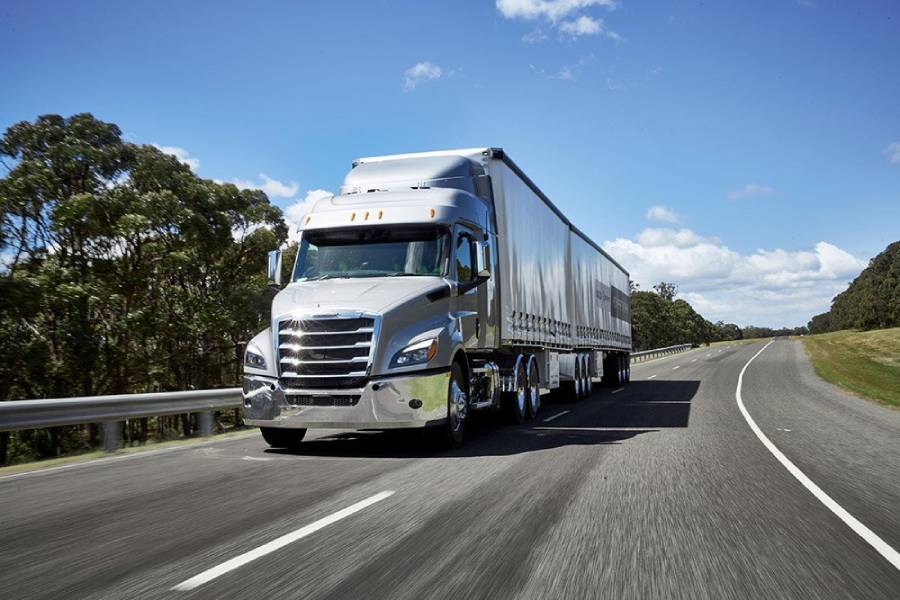
Freightliner Cascadia DD15 engine problems include fuel injector failures, turbocharger issues, low oil pressure, coolant leaks, overheating, and exhaust aftertreatment system malfunctions. These problems can cause engine power loss, rough idling, hard starting, excessive exhaust smoke, increased fuel consumption, and unexpected engine derates. The Detroit DD15 is a heavy-duty diesel engine designed for commercial trucking, but its reliability depends on proper maintenance, operating conditions, and the condition of critical engine components.
Fuel system problems can disrupt combustion and reduce engine performance, while turbocharger faults can restrict airflow and cause poor acceleration. Low oil pressure can damage internal engine components, including crankshaft bearings and other lubricated surfaces. Cooling system failures can lead to overheating, and faults involving the exhaust gas recirculation (EGR), diesel particulate filter (DPF), or selective catalytic reduction (SCR) systems can trigger warning lights and engine derates. However, similar symptoms can result from different failures, making accurate diagnosis essential before replacing parts.
This guide explains the most common Freightliner Cascadia DD15 engine problems, their symptoms, underlying causes, diagnostic procedures, and repair options. It also covers repair costs, engine reliability, expected lifespan, and preventive maintenance practices to help truck owners and fleet operators reduce breakdowns and avoid unnecessary repairs.
What Are the Most Common Freightliner Cascadia DD15 Engine Problems?
The most common categories of Freightliner Cascadia DD15 engine problems include fuel injector malfunctions, turbocharger failures, low oil pressure, coolant leaks, overheating, EGR system faults, and DPF or SCR system issues. These problems affect fuel delivery, combustion efficiency, engine lubrication, temperature regulation, and exhaust emissions. Their symptoms range from rough idling and reduced acceleration to critical engine warnings and power derates.
The following table summarizes seven major DD15 engine problem categories, their typical symptoms, potential causes, and initial diagnostic checks.
| Engine Problem | Common Symptoms | Potential Causes | Initial Diagnostic Check |
|---|---|---|---|
| Fuel injector problems | Rough idle, hard starting, misfires, excessive smoke | Injector wear, contaminated fuel, fuel delivery faults | Check fuel pressure, fault codes, and injector performance |
| Turbocharger problems | Loss of power, poor acceleration, abnormal turbo noise | Charge-air leaks, turbocharger damage, boost-control faults | Inspect charge-air piping and compare actual versus commanded boost |
| Low oil pressure and oil leaks | Oil pressure warnings, visible leaks, unusual engine noise | Worn seals, oil pump faults, internal bearing wear | Verify oil level and measure actual oil pressure |
| Engine overheating | High coolant temperature, coolant loss, engine warnings | Coolant leaks, thermostat faults, water pump problems | Inspect coolant level, cooling system, and temperature readings |
| EGR system problems | Reduced performance, fault codes, abnormal emissions behavior | EGR valve faults, cooler leaks, sensor problems | Check EGR-related codes and system operating data |
| DPF and SCR problems | Regeneration warnings, emissions faults, engine derate | Excessive soot loading, DEF dosing faults, NOx sensor failures | Retrieve aftertreatment fault codes and inspect system data |
| Engine derate and electronic faults | Reduced engine torque, warning lights, limited vehicle performance | Active protection faults, emissions-system malfunctions, sensor or wiring failures | Read active SPN/FMI codes and identify the affected system |
Fuel delivery and air-management problems directly affect DD15 engine performance. The engine relies on electronically controlled fuel injection and turbocharged airflow to maintain efficient combustion. A restricted fuel supply, malfunctioning injector, or charge-air leak can disturb the air-fuel relationship and reduce available torque. For example, a leaking charge-air connection can produce poor acceleration even when the turbocharger itself remains mechanically functional.
Lubrication and cooling system failures present greater risks of internal engine damage. Engine oil maintains a protective film between moving components, while coolant removes heat from the cylinder head, engine block, and other heat-producing areas. Insufficient oil pressure can accelerate bearing wear, and uncontrolled overheating can damage seals, gaskets, and internal engine components. A critical oil-pressure warning or stop-engine alert requires immediate attention rather than continued operation.
Exhaust aftertreatment problems can also restrict vehicle performance without indicating internal engine damage. The DD15’s emissions-control configuration may include EGR, DPF, and SCR systems that operate together to control exhaust emissions. A restricted DPF, malfunctioning NOx sensor, or DEF dosing fault can trigger diagnostic codes and an engine derate. The exact response depends on the engine generation, emissions configuration, and active fault conditions.
Identifying the affected system is the first step toward an accurate repair. Similar symptoms can have different causes: power loss may result from inadequate fuel pressure, insufficient turbocharger boost, or an electronically commanded derate. Technicians should therefore review active diagnostic codes, operating data, and physical inspection findings before replacing components.
What Causes Fuel Injector Problems in the Freightliner Cascadia DD15 Engine?
Freightliner Cascadia DD15 fuel injector problems result from internal injector wear, contaminated diesel fuel, inadequate fuel filtration, electrical faults, or abnormal fuel-system pressure. The DD15 uses electronically controlled fuel injection to deliver precisely timed quantities of diesel into the combustion chambers. When an injector fails to deliver or atomize fuel correctly, combustion becomes inconsistent, reducing engine efficiency and performance.
Rough idling, hard starting, cylinder misfires, excessive exhaust smoke, and reduced engine power are key symptoms of DD15 fuel injector problems. A malfunctioning injector can deliver too much fuel, too little fuel, or an irregular spray pattern. Insufficient fuel delivery reduces combustion energy, while poor atomization can contribute to incomplete combustion and visible smoke. For example, an injector with an internal leakage problem may struggle to maintain the required injection conditions, producing unstable engine operation.
Fuel contamination is an important cause of injector deterioration. Water, dirt, and other contaminants can damage precision injector components or interfere with their movement. Diesel injectors operate with extremely small internal clearances, making clean fuel essential for consistent injection performance. A damaged fuel filter, poor-quality fuel, or contamination introduced during maintenance can allow particles to reach sensitive fuel-system components. Internal wear can also develop with operating hours and repeated injection cycles.
Fuel-pressure and electrical problems can produce symptoms similar to a mechanically defective injector. Restricted fuel filters, supply-system faults, damaged wiring, or injector-control circuit problems can interfere with fuel delivery. Consequently, rough idling or a misfire-related fault code does not automatically establish that an injector needs replacement. The fuel supply and electronic controls must be evaluated alongside injector operation.
Diagnosing DD15 fuel injector problems requires checking fault codes, fuel-system pressure, injector electrical circuits, and cylinder performance. Technicians can use Detroit DiagnosticLink and the appropriate Detroit service procedures to review engine data and perform supported diagnostic tests. Fuel-pressure measurements help identify supply problems, while cylinder-specific testing can narrow down irregular combustion. The available tests and specifications depend on the DD15 engine generation and fuel-system configuration.
Repair depends on the confirmed cause. Replacing a restricted fuel filter or repairing damaged wiring may resolve a fuel-delivery problem without replacing an injector. A mechanically defective injector requires replacement using the applicable Detroit service procedure, including any necessary programming or calibration steps. Because DD15 fuel systems operate at hazardous pressures, high-pressure connections must not be loosened while the system is operating or pressurized.
Preventing recurring injector problems requires using fuel that meets the engine manufacturer’s specifications, replacing fuel filters at the prescribed intervals, and keeping contaminants out of the fuel system during maintenance. When injector damage is linked to contaminated fuel, the underlying contamination must be corrected before installing replacement components. Otherwise, the same condition can damage the new injector and cause repeated engine performance problems.
Why Does a Freightliner Cascadia DD15 Engine Lose Power?
A Freightliner Cascadia DD15 engine loses power because of insufficient turbocharger boost, restricted fuel delivery, air-intake problems, exhaust restrictions, or electronic engine derates. These conditions reduce the engine’s ability to produce the torque required for acceleration, climbing hills, and hauling heavy loads. Common symptoms include sluggish acceleration, reduced pulling power, inconsistent throttle response, and dashboard warning lights.
Turbocharger and charge-air system problems are major causes of DD15 engine power loss. The turbocharger compresses intake air to increase the oxygen available for diesel combustion. A damaged turbocharger, leaking charge-air cooler, loose intake connection, or defective boost-control component can reduce the air pressure reaching the cylinders. For example, a cracked charge-air hose may allow compressed air to escape under load, causing poor acceleration even when the turbocharger itself remains operational.
Fuel delivery restrictions can also reduce engine power by limiting the amount of diesel available for combustion. Clogged fuel filters, inadequate supply pressure, malfunctioning injectors, and fuel-system control faults can prevent the engine from maintaining the required fuel delivery under heavy loads. A DD15 with restricted fuel flow may idle normally but struggle to accelerate when climbing a grade because fuel demand increases with engine load.
Exhaust aftertreatment faults create another category of power-loss problems. The Motor Control Module (MCM) and associated control systems monitor engine operating conditions and emissions-related faults. Depending on the fault and engine configuration, the control system can limit available torque or engine speed to protect components or enforce emissions-system operating requirements. A DPF restriction, SCR malfunction, or other active protection fault may therefore cause significant power loss without a mechanical turbocharger failure.
What Causes Low Turbocharger Boost Pressure in a DD15 Engine?
Low turbocharger boost pressure in a DD15 engine results from charge-air leaks, intake restrictions, turbocharger damage, exhaust leaks upstream of the turbine, or boost-control faults. The turbocharger uses exhaust-gas energy to compress intake air, while the charge-air cooler reduces the temperature of the compressed air before it enters the engine. Any restriction or pressure loss in this system can reduce the air mass available for combustion.
Charge-air leaks are an important diagnostic starting point when a DD15 experiences low boost pressure. Loose clamps, damaged hoses, cracked piping, and charge-air cooler leaks allow compressed air to escape before reaching the intake manifold. The resulting pressure loss can cause reduced torque, increased fuel consumption, and abnormal air-system noise. A technician can inspect the piping and perform a charge-air system pressure test using the applicable Detroit service procedure to locate leaks.
Mechanical turbocharger problems can also reduce boost production. Damaged compressor or turbine components, excessive shaft movement, and certain actuator or control faults can interfere with turbocharger operation. However, a low-boost fault code does not confirm that the turbocharger requires replacement. Air leaks, sensor faults, exhaust restrictions, and control-system problems must be ruled out before condemning the turbocharger assembly.
How Can You Diagnose DD15 Engine Power Loss?
Diagnosing DD15 engine power loss requires retrieving active diagnostic trouble codes, reviewing engine operating data, and testing the fuel, air-intake, turbocharger, and exhaust systems. Detroit DiagnosticLink allows qualified technicians to access supported diagnostic information, monitor operating parameters, and follow troubleshooting procedures for the specific engine configuration.
The first diagnostic step is determining whether the engine is experiencing a mechanical performance problem or an electronically commanded derate. Active SPN/FMI fault codes and dashboard messages help identify faults affecting engine operation. If the control system has reduced available torque, technicians should investigate the underlying fault rather than immediately replacing fuel injectors or turbocharger components.
When no derate explains the symptoms, technicians can compare commanded and measured boost pressure, inspect the charge-air system, evaluate fuel delivery, and review relevant sensor readings. Diagnostic testing should reproduce the reported operating conditions when safe and appropriate. For example, power loss occurring only under heavy acceleration may indicate a fuel-supply restriction or boost-pressure problem that is not apparent during idle.
Repair decisions should follow the confirmed diagnostic findings. Replacing a leaking charge-air hose, correcting a fuel-pressure problem, or repairing a defective sensor may restore engine performance without major component replacement. If testing confirms internal turbocharger damage, replacement or an approved repair procedure may be necessary.
What Causes Low Oil Pressure and Oil Leaks in a DD15 Engine?
Low oil pressure and oil leaks in a Detroit DD15 engine result from insufficient engine oil, lubrication-system restrictions, oil pump problems, worn internal components, damaged seals, or leaking gaskets. Low oil pressure threatens the protective oil film between moving engine components, while external oil leaks gradually reduce the available lubricant. Both conditions require investigation because inadequate lubrication can cause accelerated wear and severe engine damage.
Low oil pressure is a critical warning condition because the DD15 depends on pressurized oil to lubricate internal components. Engine oil circulates through passages that supply crankshaft bearings, connecting rod bearings, camshaft components, and turbocharger bearings. When oil pressure falls below the required operating range, the lubricant film can become insufficient to separate moving metal surfaces. Continued operation under these conditions can cause bearing damage, overheating of lubricated components, and eventual engine failure.
The primary causes of low oil pressure include an insufficient oil level, incorrect oil viscosity, oil pump or pressure-regulation faults, internal oil leakage, and excessive bearing clearances. Oil-pressure sensor or wiring faults can also produce incorrect dashboard readings. For example, an engine with worn bearings may experience reduced oil pressure when the oil reaches operating temperature because increased internal clearances allow more oil to escape from pressurized lubrication passages.
External oil leaks commonly develop around sealing surfaces, gaskets, oil lines, and other lubricated engine connections. Potential leak locations include the oil pan sealing area, valve cover, oil filter housing, and turbocharger oil supply or return connections. A leak near the front or rear of the engine may also involve a crankshaft seal. Oil can travel along engine surfaces before dripping, so the location of an oil stain does not always identify the original leak source.
Diagnosing low DD15 oil pressure requires verifying the actual pressure before replacing lubrication-system components. Technicians should check the engine oil level, inspect for visible leaks, confirm that the correct oil specification is being used, and compare oil-pressure readings with the applicable Detroit service specifications. If a sensor or electrical fault is suspected, an independent pressure measurement using an approved test method can help determine whether the warning reflects an actual lubrication problem.
Repair procedures depend on the source of the pressure loss or leakage. Damaged gaskets, seals, and oil lines require appropriate repair or replacement, while confirmed oil pump or internal bearing problems may require extensive mechanical work. Cleaning the affected engine surfaces and inspecting the system after repair helps confirm that the original leak has been eliminated.
A critical low-oil-pressure warning requires stopping the truck safely and shutting down the engine. Adding oil without identifying the cause is not an adequate repair when pressure remains below specification. Drivers should avoid restarting or operating the engine until the lubrication problem has been assessed and safe operating conditions have been confirmed.
Preventive maintenance reduces lubrication-related failures by maintaining the correct oil level, using Detroit-approved oil specifications, and following the applicable oil and filter service intervals. Regular inspections can also identify developing leaks before substantial oil loss occurs. Tracking oil consumption and investigating unexpected changes in oil-pressure readings provides additional opportunities to detect lubrication problems before they cause major engine damage.
Why Does a Freightliner Cascadia DD15 Engine Overheat?
A Freightliner Cascadia DD15 engine overheats because of coolant leaks, thermostat malfunctions, water pump failures, radiator restrictions, cooling fan problems, or insufficient coolant circulation. These conditions prevent the cooling system from removing heat generated during combustion. Common warning signs include rising coolant temperature, low coolant warnings, coolant loss, reduced engine performance, and high-temperature alerts on the dashboard.
Coolant leaks are a major cause of DD15 engine overheating because they reduce the cooling system’s ability to transfer heat. Coolant circulates through passages in the engine block and cylinder head, absorbs combustion heat, and releases that heat through the radiator. Leaks in radiator hoses, coolant connections, the water pump, or other cooling-system components can reduce coolant volume and system pressure. For example, a leaking hose connection may cause gradual coolant loss during normal operation but lead to overheating when the truck climbs a steep grade under heavy load.
Thermostat and water pump problems can also disrupt coolant circulation. The thermostat regulates coolant flow according to engine temperature, while the water pump moves coolant through the engine and radiator. A thermostat that fails to open properly can restrict circulation, causing engine temperature to rise. A damaged water pump impeller, bearing, or drive mechanism can reduce coolant flow and produce similar symptoms. These failures require separate diagnostic checks because replacing the thermostat will not correct a defective water pump.
Radiator restrictions and cooling fan malfunctions reduce the system’s ability to release heat. Dirt, debris, and damaged radiator fins can restrict airflow through the cooling package, while internal radiator deposits can interfere with heat transfer. Cooling fan control problems may become especially noticeable during low-speed operation or prolonged idling when natural airflow through the radiator is limited. A truck that overheats in traffic but maintains normal temperature at highway speeds may require inspection of the fan operation and cooling-system airflow.
Diagnosing DD15 overheating requires checking coolant level, system pressure, temperature readings, and coolant circulation. Technicians should inspect the cooling system for external leaks, test the pressure cap and system integrity, and verify thermostat and fan operation according to the applicable Detroit service procedures. Coolant contamination, abnormal pressure buildup, or unexplained coolant loss may require further investigation of internal leaks, including EGR cooler or engine sealing problems.
Repair depends on the confirmed failure. Leaking hoses, defective thermostats, damaged water pumps, and restricted cooling components must be repaired or replaced as appropriate. The cooling system should then be filled with approved coolant, properly serviced, and checked for leaks and normal temperature regulation.
A DD15 displaying a critical overheating or stop-engine warning should be stopped safely and shut down according to the manufacturer’s instructions. Continued operation can damage cylinder head components, gaskets, and other internal engine parts. Never remove the coolant pressure cap while the system is hot or pressurized because escaping coolant and steam can cause severe burns.
What Causes EGR and DPF Problems in the DD15 Engine?
DD15 EGR and DPF problems result from carbon accumulation, exhaust flow restrictions, malfunctioning sensors, EGR valve faults, cooler leaks, and unsuccessful diesel particulate filter regeneration. These issues affect exhaust gas recirculation, particulate filtration, and engine emissions control. Depending on the engine configuration and active faults, symptoms include reduced power, increased fuel consumption, regeneration warnings, check engine lights, and engine derates.
The EGR and DPF systems perform different functions, but problems in either system can affect overall engine operation. The exhaust gas recirculation system routes a controlled portion of exhaust gas back into the intake to help reduce nitrogen oxide formation during combustion. The diesel particulate filter captures soot particles from the exhaust and removes accumulated soot through regeneration. Malfunctions involving EGR flow, exhaust temperature monitoring, or particulate filtration can interfere with emissions-system operation and trigger diagnostic faults.
EGR and DPF failures should not automatically be treated as isolated component problems. Excessive soot production, inaccurate sensor readings, combustion irregularities, and unresolved engine faults can contribute to repeated aftertreatment problems. For example, a fuel injection fault that increases soot production may accelerate DPF loading, causing regeneration problems even when the filter itself is not initially defective.
What Are the Symptoms of a Faulty DD15 EGR System?
The symptoms of a faulty DD15 EGR system include reduced engine power, irregular engine operation, increased soot production, emissions-related fault codes, and abnormal exhaust gas recirculation performance. The exact symptoms depend on whether the problem involves the EGR valve, cooler, sensors, or associated control components.
A malfunctioning EGR valve can disrupt the intended amount of exhaust gas entering the intake system. Incorrect EGR flow changes the combustion environment and may affect engine efficiency, emissions, and responsiveness. Carbon deposits or mechanical faults can interfere with valve movement, while actuator, sensor, or wiring problems can prevent the control system from regulating EGR flow correctly. A valve that does not respond as commanded may generate diagnostic trouble codes indicating an EGR performance or control problem.
EGR cooler leaks represent a different failure mechanism. The cooler transfers heat from recirculated exhaust gas to the engine cooling system. An internal leak can allow coolant to enter the exhaust gas path, potentially causing unexplained coolant loss and abnormal exhaust-system behavior. Because coolant loss can also originate from hoses, the radiator, water pump, or other components, an EGR cooler should only be replaced after testing confirms the source of the leak.
Diagnosing DD15 EGR problems requires retrieving relevant fault codes, examining commanded and actual EGR operating data where supported, and inspecting the associated components. Technicians may need to check valve movement, electrical connections, coolant-system integrity, and exhaust-related sensor readings. Cleaning or replacing an EGR component should follow the confirmed failure and the applicable Detroit service procedure rather than relying on symptoms alone.
Why Does the DD15 Diesel Particulate Filter Become Restricted?
The DD15 diesel particulate filter becomes restricted when soot accumulates faster than the exhaust aftertreatment system can remove it through regeneration or when noncombustible ash builds up over time. Excessive soot loading increases exhaust restriction and can trigger regeneration requests, warning lights, and engine performance limitations.
Incomplete or unsuccessful regeneration is a primary reason for excessive DPF soot accumulation. Regeneration raises exhaust temperatures under controlled conditions to oxidize trapped soot. Frequent short operating cycles, insufficient exhaust temperature, interrupted regeneration events, or faults involving temperature sensors and aftertreatment controls can prevent successful soot removal. For example, repeated low-load operation combined with unresolved regeneration faults can allow soot loading to increase until the system requests service intervention.
Engine-related problems can also accelerate DPF restriction. Faulty fuel injectors, air-intake restrictions, boost-pressure problems, and abnormal combustion conditions can increase particulate production. This creates additional loading that the regeneration system must manage. Repeated DPF warnings after a successful regeneration therefore require investigation of engine performance and emissions-system faults rather than repeated regeneration attempts alone.
Ash accumulation differs from soot loading because ash cannot be removed through normal regeneration. Ash originates from noncombustible material, including residues associated with engine oil consumption and other combustion byproducts. As ash accumulates, it reduces the filter’s available storage capacity and increases the need for approved DPF cleaning or replacement. The appropriate service decision depends on filter condition, operating history, and manufacturer maintenance requirements.
Diagnosing a restricted DD15 DPF requires reviewing fault codes, soot-load estimates, exhaust differential pressure, and temperature-sensor data. Technicians should determine whether the restriction results from excessive soot, accumulated ash, inaccurate sensor readings, or another exhaust-system fault. A damaged differential-pressure sensor or blocked pressure-sensing line can produce misleading readings, making component verification essential before replacing the filter.
Repair may involve correcting the underlying engine fault, repairing defective sensors, completing an approved regeneration procedure, or professionally cleaning or replacing the DPF. Forced regeneration must only be performed when permitted by the applicable diagnostic procedure and operating conditions. A severely restricted or damaged filter may require removal and service rather than continued regeneration attempts.
Preventing recurring EGR and DPF problems requires maintaining proper combustion performance, using manufacturer-approved engine oil, addressing active fault codes promptly, and following the appropriate aftertreatment maintenance schedule. Resolving the underlying cause of excessive soot or coolant contamination is essential because replacing an emissions component without correcting the original fault can lead to repeated failures.
Why Does a Freightliner Cascadia DD15 Engine Go Into Derate Mode?
A Freightliner Cascadia DD15 engine enters derate mode when its electronic control systems limit engine torque or speed in response to certain mechanical, electrical, or emissions-related faults. Common triggers include SCR system malfunctions, DEF quality or dosing problems, excessive exhaust aftertreatment restrictions, and critical engine protection conditions. Engine derate reduces available power and may restrict vehicle operation until the underlying fault is corrected.
Engine derate is a protective or emissions-related control response rather than a separate mechanical failure. The Detroit DD15 uses a Motor Control Module (MCM) and other electronic controllers to monitor engine performance and emissions-system operation. When monitored conditions exceed programmed limits or certain faults become active, the control system can reduce engine output. The severity of the restriction depends on the fault, engine generation, emissions configuration, and applicable control strategy.
DEF and SCR system faults are important causes of emissions-related derates in equipped Cascadia trucks. The SCR system uses diesel exhaust fluid to help convert nitrogen oxides into nitrogen and water within the exhaust aftertreatment system. Incorrect DEF concentration, contaminated fluid, defective dosing components, NOx sensor failures, and SCR efficiency faults can interfere with this process. For example, a malfunctioning DEF dosing system may prevent the SCR catalyst from receiving the required amount of fluid, triggering diagnostic codes and potentially an emissions-related inducement.
Mechanical protection faults can also cause engine power restrictions. Excessive coolant temperature, critically low oil pressure, and certain engine sensor or control failures can activate protection strategies. These faults must be distinguished from emissions-related derates because continued operation under a critical lubrication or overheating condition can cause severe engine damage.
Common DD15 derate warning indicators include the check engine light, stop engine light, emissions-related warnings, and messages indicating reduced engine power. Depending on the truck configuration, the instrument cluster may display additional information about the affected system. A check engine light does not always mean the engine is already derated, and an emissions warning does not identify the failed component without further diagnosis.
Troubleshooting begins by retrieving active diagnostic trouble codes and determining which controller requested the power limitation. Technicians should examine relevant SPN/FMI codes, operating conditions, and available diagnostic data using Detroit DiagnosticLink or an appropriate compatible diagnostic system. For emissions-related faults, inspection may include DEF quality, fluid level, dosing operation, NOx sensor readings, exhaust temperatures, and aftertreatment system performance.
Repair must address the confirmed cause of the derate. Replacing a defective NOx sensor, repairing a DEF supply problem, correcting an exhaust-system fault, or resolving an engine protection condition may restore normal operation after the required verification procedures are completed. Some emissions-related inducements also require specific manufacturer-defined conditions or diagnostic routines before full power is restored.
Clearing fault codes without repairing the underlying problem is not a reliable solution to DD15 engine derate. Active faults can return immediately, and certain restrictions remain until the system confirms that the malfunction has been corrected. Drivers should follow dashboard instructions and seek qualified service, particularly when a stop engine warning or severe power restriction is present.
How Can You Diagnose Freightliner Cascadia DD15 Engine Problems?
Diagnosing Freightliner Cascadia DD15 engine problems requires reading diagnostic trouble codes, reviewing live engine data, inspecting the affected components, and confirming the root cause through manufacturer-approved testing procedures. The DD15 uses electronic control systems to monitor fuel injection, air management, lubrication, cooling, and exhaust aftertreatment. Diagnostic information helps identify abnormal operating conditions, but accurate troubleshooting also requires mechanical and electrical verification.
Detroit DiagnosticLink is a primary diagnostic software platform used to troubleshoot supported Detroit DD15 engine configurations. With the appropriate communication interface and software access, technicians can retrieve fault codes, monitor operating parameters, review supported controller information, and perform available diagnostic routines. The specific functions depend on the engine generation, installed controllers, and software configuration.
An effective diagnostic process begins with the driver’s description of the problem. Technicians should determine when the symptom occurs, whether the engine is cold or at operating temperature, and whether the problem appears during acceleration, idling, or heavy-load operation. For example, a truck that loses power only while climbing hills may require fuel-pressure and boost-system testing under load, while an engine that overheats during extended idling may require closer inspection of cooling fan operation.
How Do You Read DD15 Engine Fault Codes?
DD15 engine fault codes are interpreted by identifying the Suspect Parameter Number (SPN), Failure Mode Identifier (FMI), reporting controller, and fault status. These identifiers help technicians determine which operating parameter or electrical circuit has been flagged and what type of abnormal condition the control system detected.
An SPN identifies the monitored parameter or system, while an FMI describes the reported failure mode. For example, an FMI may indicate that a measured value is above or below an expected range, that a signal is electrically abnormal, or that a component is not responding as intended. The complete code must be interpreted using the applicable Detroit diagnostic information because the same general symptom can originate from different components.
Active and inactive fault codes provide different diagnostic information. An active code indicates that the fault condition is currently detected, while an inactive code records a condition that was previously detected but is not currently active. Inactive codes remain useful when investigating intermittent problems, especially those associated with temperature changes, vibration, or operating load.
A DD15 fault code identifies a detected condition, not necessarily the component that must be replaced. For example, a boost-pressure-related fault may originate from a leaking charge-air connection, a faulty pressure sensor, an air restriction, or a turbocharger control problem. Replacing the turbocharger solely because a boost-related code appears can result in unnecessary repair costs.
Technicians should record the complete SPN/FMI combination, controller information, fault status, and relevant operating data before clearing codes. This information helps establish the circumstances of the failure and supports further testing. Manufacturer troubleshooting procedures should then be followed to determine the actual cause.
What Should You Check Before Replacing DD15 Engine Parts?
Before replacing DD15 engine parts, check the relevant fault codes, wiring connections, battery and charging-system condition, fluid levels, sensor readings, fuel supply, and air-intake components. These inspections help distinguish defective components from external conditions that produce similar symptoms.
Electrical connections and wiring should be inspected when diagnostic data indicates a sensor or actuator malfunction. Corroded terminals, damaged insulation, loose connectors, and poor ground connections can interrupt electrical signals between components and the engine control system. For example, an intermittent sensor fault caused by a damaged wiring harness may disappear temporarily after replacing the sensor, only to return when engine vibration affects the same circuit.
Fluid levels and visible leaks provide important mechanical diagnostic evidence. Low coolant levels may indicate an external cooling-system leak or an internal coolant loss problem, while low engine oil levels can contribute to lubrication warnings. Fuel contamination and restricted filters can also create operating symptoms that resemble injector or fuel pump failures. These conditions should be evaluated before replacing expensive components.
Live engine data helps confirm whether the affected system is operating within its expected range. Technicians can compare commanded and measured values for supported parameters, including boost pressure, fuel-system conditions, coolant temperature, and aftertreatment sensor readings. However, sensor data must be evaluated under the appropriate operating conditions and against the specifications for the specific DD15 configuration.
Component replacement should follow a confirmed failure rather than a fault-code description alone. A structured diagnostic process moves from fault identification to visual inspection, electrical or mechanical testing, repair, and post-repair verification. After completing the repair, technicians should confirm that the original symptoms have been resolved, applicable diagnostic tests pass, and relevant faults do not return under suitable operating conditions.
Accurate diagnosis reduces unnecessary parts replacement and helps prevent repeated breakdowns. For fleet operators, documenting fault codes, repair findings, and recurring symptoms also provides a maintenance history that can reveal developing reliability problems across multiple trucks.
How Much Does It Cost to Fix Freightliner Cascadia DD15 Engine Problems?
Freightliner Cascadia DD15 engine repair costs depend on the failed component, engine configuration, replacement parts, labor hours, and the extent of internal damage. Minor repairs involving sensors, hoses, or external seals generally cost less than fuel injector replacement, turbocharger repairs, exhaust aftertreatment service, or major engine work. Diagnostic testing is necessary to determine the repair scope before an accurate estimate can be provided.
The following table summarizes common DD15 engine repairs and the factors that influence their costs.
| Engine Problem | Typical Repair Work | Main Cost Factors |
|---|---|---|
| Fuel injector failure | Injector testing, replacement, and required calibration | Number of affected injectors, parts, labor |
| Turbocharger problems | Charge-air leak repair, actuator service, or turbocharger replacement | Failed component, turbocharger assembly, labor |
| Low oil pressure | Oil-pressure testing, oil pump repair, or internal engine work | Diagnostic complexity, bearing condition, engine damage |
| Engine oil leaks | Gasket, seal, or oil line replacement | Leak location, component accessibility, labor |
| Cooling system problems | Thermostat, water pump, radiator, or hose replacement | Replacement parts, coolant, labor |
| EGR system faults | EGR valve, cooler, or associated component repair | Component condition, accessibility, additional cooling-system work |
| DPF and SCR problems | DPF cleaning or replacement, sensor repair, DEF system service | Filter condition, emissions components, diagnostic procedures |
| Major engine damage | Cylinder head repair, internal component replacement, or engine overhaul | Extent of damage, parts availability, machine work, labor |
Labor requirements can significantly increase the total cost of DD15 engine repairs. Replacing an accessible sensor or hose involves less disassembly than repairing an internal oil leak or replacing major engine components. Repair facilities also charge different hourly labor rates, while authorized service centers and independent diesel repair shops may use different parts sourcing and pricing structures.
Major engine repairs become more expensive when a failure damages multiple components. For example, operating a DD15 with critically low oil pressure can damage crankshaft bearings and other lubricated surfaces, potentially requiring extensive disassembly or an engine overhaul. Similarly, unresolved overheating can cause damage beyond the original cooling-system fault.
Repair estimates should separate diagnostic charges, replacement parts, labor, fluids, and additional required services. Owners should request a written estimate based on confirmed diagnostic findings rather than authorizing major component replacement solely because a warning light or fault code is present. Current local quotations are necessary for reliable dollar amounts because repair prices vary by region, parts availability, and service provider.
Is the Freightliner Cascadia DD15 Engine Reliable?
The Freightliner Cascadia DD15 engine is designed for demanding commercial trucking applications, but its long-term reliability depends on maintenance quality, operating conditions, engine generation, and repair history. Proper lubrication, cooling-system maintenance, clean fuel delivery, and timely emissions-system repairs help preserve engine performance. A DD15 with documented preventive maintenance and promptly corrected faults presents a different reliability profile from an engine with repeated overheating, neglected oil changes, or unresolved fuel-system problems.
The DD15’s reliability depends heavily on the condition of its lubrication and cooling systems. Engine oil protects bearings, camshaft components, and turbocharger surfaces from excessive friction, while coolant regulates operating temperatures under sustained loads. Low oil pressure, contaminated lubricant, or repeated overheating can accelerate internal wear and reduce engine service life. For example, a truck operated with recurring coolant loss faces a greater risk of engine damage than one whose cooling-system leaks are repaired before overheating occurs.
Fuel-system and exhaust aftertreatment maintenance also influence operating reliability. Contaminated diesel can damage precision fuel-injection components, while unresolved combustion problems can increase soot production and contribute to DPF restrictions. Faults involving EGR, SCR, or DEF systems can lead to warning lights and engine derates even when the engine’s internal mechanical components remain functional. These problems affect vehicle availability and operating costs, making emissions-system condition an important part of reliability assessment.
Operating conditions help explain why DD15 engines with similar mileage can have different maintenance requirements. Long-distance highway operation, extended idling, frequent stop-and-go driving, heavy hauling, and operation in dusty environments place different demands on engine components. Engine hours, idle time, fuel consumption, and maintenance records therefore provide additional context beyond odometer mileage alone.
The model year and engine generation also matter because DD15 engines have undergone changes in emissions equipment, electronic controls, and component configurations. A problem reported on one generation should not automatically be treated as a confirmed defect affecting every Freightliner Cascadia equipped with a DD15. Reliability comparisons should identify the applicable engine generation and use documented service information rather than generalizing isolated owner complaints.
For owners evaluating DD15 reliability, maintenance records and diagnostic history provide stronger evidence than mileage alone. Records of oil and filter changes, coolant maintenance, fuel-system repairs, and emissions-related faults help reveal whether the engine has received consistent care. A professional inspection can further assess oil pressure, coolant-system integrity, fuel delivery, and active diagnostic faults.
The DD15 should therefore be evaluated according to its actual mechanical condition, service history, and operating demands. Regular maintenance and early fault diagnosis reduce avoidable failures, while neglected warning signs increase the risk of expensive repairs and unplanned downtime.
How Long Does a Freightliner Cascadia DD15 Engine Last?
A Freightliner Cascadia DD15 engine can reach approximately 1 million miles before requiring major engine work under favorable operating and maintenance conditions. However, this figure is a general longevity benchmark rather than a guaranteed service life or a universal overhaul interval. Actual engine lifespan depends on maintenance history, engine hours, operating loads, idle time, and the condition of critical mechanical components.
Proper lubrication is one of the most important factors affecting DD15 engine lifespan. Engine oil reduces friction between moving components, removes heat, and helps control wear inside the engine. Extended oil change intervals beyond the applicable maintenance requirements, incorrect oil specifications, and prolonged operation with low oil pressure can accelerate damage to bearings, camshafts, and turbocharger components. Consistent oil analysis and maintenance records can help identify developing wear before major mechanical failures occur.
Operating conditions also influence how quickly engine components deteriorate. Long-distance highway driving generally produces a different wear pattern from frequent stop-and-go operation, extended idling, and repeated heavy-load cycles. A truck with 600,000 highway miles may have fewer engine operating hours than another truck with the same mileage but extensive idling. Engine hours, fuel consumption, and duty cycle should therefore be considered alongside mileage when assessing remaining service life.
The condition of the cooling, fuel, and emissions systems also affects long-term DD15 durability. Repeated overheating can damage cylinder head components and engine seals, while contaminated fuel can accelerate injector and fuel-system wear. Unresolved EGR or DPF problems can contribute to poor operating performance and recurring downtime. Addressing these faults early reduces the likelihood that a manageable component problem will develop into a more expensive engine repair.
A DD15 approaching high mileage does not automatically require an overhaul. Engine condition should be evaluated through oil consumption, verified oil pressure, coolant loss, blow-by assessment, diagnostic history, and other manufacturer-approved inspections. These findings provide a more reliable basis for determining whether the engine can remain in service or requires major mechanical work.
Read more: Freightliner Cascadia Cummins ISX15 Problems & Fixes
How Can You Prevent Common Freightliner Cascadia DD15 Engine Problems?
Preventing common Freightliner Cascadia DD15 engine problems requires following the applicable Detroit maintenance schedule, using approved engine fluids, maintaining clean fuel delivery, inspecting the cooling system, and addressing diagnostic warnings promptly. These practices reduce the risk of lubrication failures, injector damage, overheating, turbocharger problems, and recurring exhaust aftertreatment faults.
Engine oil and filter maintenance is essential for protecting DD15 internal components. Oil change intervals depend on the engine generation, operating conditions, oil specification, and applicable Detroit service requirements. Severe operating conditions, including extensive idling or demanding duty cycles, may require different maintenance intervals from standard highway service. Owners should follow the maintenance schedule specified for their engine rather than applying a single mileage interval to every DD15 configuration.
Fuel-system maintenance helps prevent injector and fuel-pressure problems. Fuel filters remove contaminants before they reach sensitive injection components, while proper water separation reduces the risk of corrosion and fuel-system damage. Replacing filters at the required intervals, using clean diesel fuel, and inspecting the fuel system for leaks or contamination help maintain consistent fuel delivery. For example, a restricted fuel filter can reduce fuel supply under heavy load and produce symptoms that resemble a more expensive injection-system failure.
Cooling-system inspections help prevent overheating and the internal engine damage associated with excessive temperatures. Maintenance should include checking coolant level, inspecting hoses and connections, evaluating radiator condition, and monitoring coolant quality according to Detroit specifications. Using approved coolant and maintaining the correct concentration help protect cooling-system components from corrosion and deposits. Unexplained coolant loss should be investigated promptly because it may indicate an external leak, water pump problem, or internal cooling-system failure.
Turbocharger and air-intake maintenance also support reliable engine performance. Air filters should be serviced according to the applicable maintenance requirements, and intake piping should be inspected for loose clamps, damaged hoses, and leaks. Restricted airflow or charge-air pressure loss can reduce engine efficiency and increase exhaust soot production. Keeping the air-management system in good condition helps maintain proper combustion and reduces unnecessary stress on related components.
Exhaust aftertreatment maintenance requires correcting the underlying causes of recurring EGR, DPF, and SCR faults. A DPF that repeatedly requests regeneration may indicate excessive soot production, faulty temperature monitoring, or an unresolved engine performance problem. Similarly, DEF quality faults and NOx sensor problems should be diagnosed before replacing expensive SCR components. DPF ash cleaning and other aftertreatment services should follow the requirements for the specific engine and emissions configuration.
Daily inspections provide another opportunity to detect problems before they cause breakdowns. Drivers should monitor fluid levels, dashboard warnings, unusual engine noises, visible leaks, and changes in acceleration or fuel consumption. A sudden increase in coolant temperature, persistent low oil pressure, or severe power loss requires immediate attention. Continuing to operate the truck with critical warnings can turn a repairable component fault into major engine damage.
Fleet operators can strengthen preventive maintenance by recording engine hours, mileage, fault codes, service dates, fluid consumption, and recurring repairs. Comparing these records over time helps identify developing problems and schedule maintenance before unexpected failures occur. For example, repeated coolant additions between services can reveal a developing leak even when the engine has not yet triggered an overheating warning.
Consistent maintenance does not eliminate every DD15 engine failure, but it reduces avoidable damage and improves the likelihood of reliable long-term operation. The most effective approach combines manufacturer-specified service intervals, regular inspections, accurate diagnostic testing, and timely repairs whenever abnormal operating conditions appear.
What Should You Check Before Buying a Used Freightliner Cascadia With a DD15 Engine?
Before buying a used Freightliner Cascadia with a DD15 engine, check its maintenance records, engine operating hours, diagnostic fault codes, oil pressure, coolant system, fuel injection performance, and exhaust aftertreatment condition. These inspections help identify existing mechanical problems, neglected maintenance, and potential repair expenses. A qualified pre-purchase inspection is especially important for high-mileage trucks because engine condition cannot be determined from the odometer reading alone.
Maintenance history is one of the strongest indicators of a used DD15 engine’s condition. Review records for engine oil changes, fuel filter replacements, coolant maintenance, injector repairs, turbocharger service, and emissions-system work. Compare the documented service intervals with the applicable Detroit maintenance requirements. Missing records, repeated repairs for the same problem, or evidence of prolonged operation with critical warnings should prompt further investigation. For example, recurring coolant leaks accompanied by overheating complaints may indicate unresolved cooling-system problems or previous thermal damage.
A cold-start inspection helps reveal fuel delivery, combustion, and mechanical problems that may be less noticeable after the engine warms up. Observe how quickly the DD15 starts, whether it maintains a stable idle, and whether abnormal exhaust smoke or mechanical noises appear. Extended cranking, persistent rough idling, or unusual knocking can indicate problems requiring additional testing. Inspect the engine for oil leaks, coolant residue, damaged hoses, and signs of previous repairs. A clean engine compartment alone does not establish that the engine is mechanically sound.
Electronic diagnostics should be completed before making a purchase decision. Use Detroit DiagnosticLink or a compatible diagnostic system to retrieve active and inactive fault codes, review available engine operating data, and inspect relevant aftertreatment information. Pay particular attention to recurring fuel-pressure faults, boost-pressure problems, coolant-temperature warnings, and EGR, DPF, or SCR system errors. Previously cleared codes do not guarantee that a problem has been repaired, so diagnostic findings should be compared with maintenance records and actual engine performance.
A road test under appropriate operating conditions helps identify power loss, overheating, transmission-related concerns, and abnormal engine behavior. Monitor acceleration, throttle response, coolant temperature, and dashboard warnings while evaluating the truck. A DD15 that idles smoothly but struggles under load may have fuel delivery, turbocharger, or electronic derate problems. However, road-test symptoms should be confirmed through diagnostic testing before assigning a repair cost.
The final inspection should evaluate engine oil pressure against the applicable specifications, check for unexplained coolant loss, assess excessive crankcase pressure or blow-by, and examine the condition of major engine components. Buyers should also consider engine hours, idle time, maintenance consistency, and the cost of correcting documented faults. A professional diesel technician can use these findings to determine whether the truck is suitable for continued operation or requires significant repairs.
The best used Freightliner Cascadia DD15 is not necessarily the truck with the lowest mileage, but the one with verifiable maintenance, satisfactory diagnostic results, and a sound mechanical condition. Identifying expensive fuel-system, cooling, lubrication, or aftertreatment problems before purchase helps buyers negotiate accurately and avoid unexpected downtime after the truck enters service.