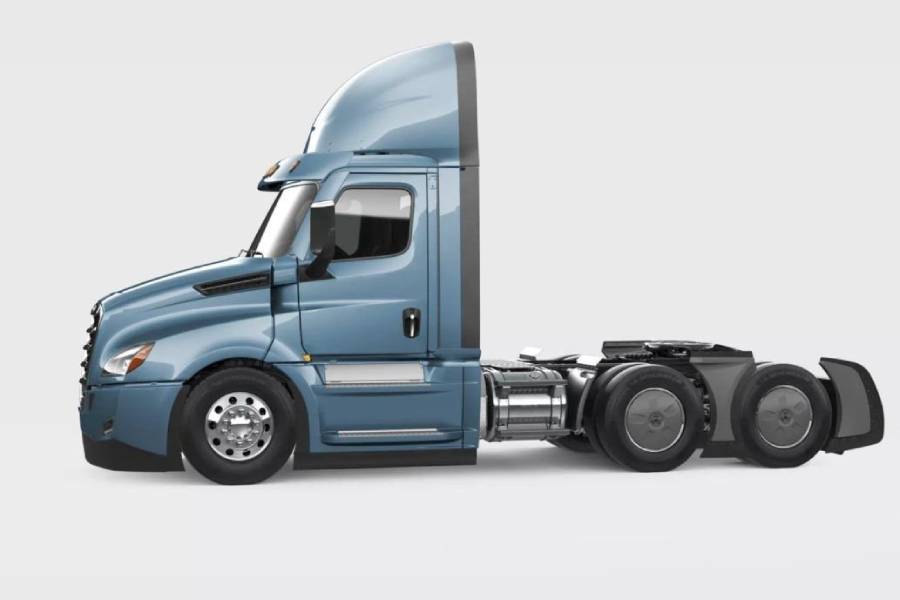
A Freightliner bunk heater may stop working because of a blown fuse, low battery voltage, damaged wiring, a faulty controller, restricted airflow, a fuel delivery problem, or a failed heater component. The first diagnostic step is to identify how the heater is failing because a heater that will not turn on has different likely causes from one that starts but produces no heat.
A Freightliner bunk heater that shows no response should first be checked for electrical power, including the fuse, battery voltage, wiring connections, and ground. If the heater powers on but does not produce heat, the problem is more likely related to fuel delivery, airflow, the blower, temperature sensing, or an internal heater component. A heater that starts normally and then shuts off requires a different diagnosis because voltage drops, interrupted fuel delivery, airflow restrictions, overheating protection, or stored faults can stop the operating cycle.
Troubleshooting the system in a fixed sequence prevents unnecessary part replacement. Start with the power supply and fuse, then inspect battery voltage, wiring, controller operation, fault codes, fuel supply, and airflow before suspecting an internal heater failure. The sections below explain each cause, how to identify the relevant symptoms, and which problems can be checked before professional diagnosis is required.
Why Is My Freightliner Bunk Heater Not Working?
A Freightliner bunk heater may stop working because of an electrical power problem, low battery voltage, faulty wiring, a controller problem, interrupted fuel delivery, restricted airflow, or a failed heater component. The exact cause depends on whether the heater has no power, turns on without producing heat, or starts and shuts down shortly afterward. Identifying that operating pattern first reduces the number of components that need to be checked.
Electrical problems should be checked first when the bunk heater does not turn on at all. A blown fuse can interrupt power to the heater or its controls, while a loose connector, corroded terminal, damaged wire, or poor ground can produce the same symptom. A fuse that blows again after replacement indicates an underlying electrical problem rather than a fuse-only failure. The circuit should be inspected for damaged wiring or another condition causing excessive current before another fuse is installed.
Low battery voltage can also prevent the bunk heater from completing its normal operating cycle. The heater requires electrical power for components such as its controller and blower, and some auxiliary heater systems also require power during their startup sequence. This means a battery may still have enough energy for certain cab accessories while the bunk heater fails to start or shuts down under load. Battery condition, terminal connections, and voltage at the heater circuit therefore need to be considered together rather than judging battery condition only by whether other electrical equipment works.
A controller, thermostat, or related control fault becomes more relevant when power is available but the heater does not respond correctly to a heat request. The control system determines when heating is requested and manages heater operation based on its inputs. A control fault can therefore result in no startup, incorrect temperature control, or an interrupted heating cycle. Visible fault information on the heater controller can help separate a control-related problem from a basic loss of electrical power.
Fuel delivery and airflow problems become stronger possibilities when a fuel-fired bunk heater powers up but cannot maintain heat. An interrupted fuel supply can prevent the heater from producing the required heat even though electrical components continue operating. Restricted air intake or exhaust flow can also interfere with operation and may cause the heater to shut down instead of continuing under abnormal conditions. These faults are particularly important when the blower operates or the heater begins its startup sequence but the sleeper compartment never receives sustained warm air.
Internal component failure should generally be considered after basic power, wiring, control, fuel, and airflow checks have been completed. Replacing the heater or individual components before completing these checks can result in unnecessary repairs because several external faults create similar symptoms. A systematic diagnosis should therefore move from accessible electrical checks toward fuel, airflow, fault information, and internal heater components.
How Do You Troubleshoot a Freightliner Bunk Heater That Is Not Working?
Troubleshoot a Freightliner bunk heater in this order: check the power supply, fuse, battery voltage, wiring and ground connections, controller and fault codes, fuel supply, airflow, and finally the heater components. Starting with the electrical system is more efficient because a loss of power can make a functioning heater appear completely defective. The exact component locations and diagnostic procedures can vary by Freightliner model, model year, and installed bunk heater.
Begin by turning on the bunk heater and observing what happens. Check whether the controller illuminates, the blower starts, the heater makes an attempt to start, or a fault message appears. No response at all points the diagnosis toward the electrical supply, fuse, wiring, ground, or controller. A blower that starts without sustained heat shifts attention toward fuel delivery, airflow, sensors, or the heater itself. A unit that starts and then shuts down indicates that power is reaching at least part of the system, so the shutdown condition needs to be identified.
Check battery condition before assuming the heater has failed. Low voltage can affect heater operation even when other sleeper-cab accessories still function. Inspect the battery terminals and relevant electrical connections for looseness, corrosion, or visible damage, then verify voltage with an appropriate meter when possible. Voltage should also be considered under load because a weak battery or high-resistance connection may appear acceptable until the heater attempts to start.
Inspect the wiring and ground connections after confirming the basic power supply. Look for loose connectors, damaged insulation, corroded terminals, overheated connections, and poor grounds along the accessible heater circuit. A connection with excessive resistance can cause a voltage drop and intermittent operation rather than a complete loss of power. This is especially relevant when the bunk heater works inconsistently or stops during startup.
How Do You Check the Freightliner Bunk Heater Fuse?
Check the Freightliner bunk heater fuse by identifying the correct heater circuit for the specific truck, removing the fuse with the circuit de-energized, and testing it for continuity or visible failure. Do not assume that every Freightliner uses the same fuse number or fuse-box location. Fuse assignments can differ by model, model year, electrical configuration, and installed heater, so the truck-specific fuse information should be used to identify the correct circuit.
A blown fuse explains a loss of electrical power, but replacing it does not necessarily fix the underlying problem. If the replacement fuse blows again, stop replacing fuses and inspect the circuit for a short, damaged wiring, a failed electrical component, or another source of excessive current. Always use the specified fuse rating rather than installing a higher-rated fuse to prevent repeated failure.
How Do You Read Freightliner Bunk Heater Fault Codes?
Read the bunk heater fault information from the installed heater controller or diagnostic interface when the system provides this function, then interpret the code using information for that specific heater system. A fault code can narrow the diagnosis to a particular operating condition, such as a power, fuel, airflow, sensor, or heater-related fault. The meaning and retrieval method should not be assumed to be identical across all Freightliner trucks because different heater systems and controllers may be installed.
Record the displayed code before attempting a reset. Clearing the fault first can remove useful diagnostic information without correcting the condition that caused the shutdown. After recording the fault, verify the related circuit or component and address the root cause. If the heater repeatedly stores the same fault after the relevant checks, deeper diagnosis may be required rather than repeated resets.
Once electrical power and control information have been checked, inspect the fuel and airflow sides of a fuel-fired bunk heater where applicable. Verify that the heater has an adequate fuel supply and that accessible intake or exhaust openings are not obstructed. If these basic checks are normal but the unit still fails, diagnosis can move to individual heater components rather than replacing parts based only on the original “not working” symptom.
Why Won’t My Freightliner Bunk Heater Turn On?
A Freightliner bunk heater that will not turn on most likely has a problem with its power supply, fuse, battery voltage, wiring, ground connection, controller, or heater startup system. When neither the controller nor heater responds, electrical supply should be checked before fuel delivery or internal heating components. A heater cannot begin its operating sequence until the control and electrical circuits receive adequate power.
Start by separating a complete no-power condition from a failed startup. If the controller display is blank and the heater produces no blower noise or other response, check the relevant fuse, battery supply, connectors, wiring, and ground. If the controller works but the heater does not start, the problem has already been narrowed because at least part of the control circuit has power. The next checks should focus on displayed faults, the heater’s electrical supply, control signals, and the conditions required for startup.
Battery voltage deserves specific attention when the heater works intermittently or refuses to start after the truck has been parked for an extended period. A weak battery can still operate lower-demand accessories while failing to maintain sufficient voltage when another electrical load starts. Loose or corroded connections can create a similar voltage drop. For this reason, checking voltage at rest alone may not identify every electrical supply problem; voltage behavior during heater startup provides additional diagnostic information.
A heater lockout or control-related fault should be considered when basic electrical checks are normal but the unit still refuses to start. Repeated unsuccessful startup attempts can result in a stored fault on heater systems that use protective shutdown logic. Resetting the heater without identifying why the startup failed can cause the same condition to return. Record available fault information first, inspect the component or operating condition associated with it, and then perform the appropriate reset procedure for the installed heater.
Why Does My Freightliner Bunk Heater Turn On but Not Produce Heat?
A Freightliner bunk heater that turns on but does not produce heat has progressed beyond a basic no-power fault, so fuel delivery, airflow, blower operation, temperature sensing, and the heater itself become more important diagnostic areas. The exact diagnosis depends on what the unit does after startup. A running blower with cold air indicates a different failure stage from a heater that attempts to produce heat and then quickly stops.
For a fuel-fired bunk heater, verify that fuel can reach the heater before assuming an internal component has failed. An interrupted fuel supply can allow the electrical portion of the system to operate while preventing normal heat production. The heater may start its blower or control sequence without establishing or maintaining the heating process. Fuel-related diagnosis should therefore consider the supply path and associated heater components rather than using blower operation as proof that the entire unit is functioning correctly.
Airflow also affects heat production and heater operation. Inspect accessible air passages and, where applicable, combustion air intake and exhaust areas for restrictions. Restricted flow can interfere with normal operation and may trigger a protective shutdown. Inside the sleeper compartment, a blower problem can also reduce or eliminate the delivery of heated air even when other parts of the heater are operating.
Temperature sensing or control problems should be considered when the heater produces heat inconsistently or appears to stop before the sleeper reaches the requested temperature. The controller relies on system inputs to determine when heating is required. An incorrect input can therefore affect the heating cycle without producing the same symptoms as a blown fuse or complete power loss.
Internal heater failure becomes a stronger possibility only after electrical power, fault information, fuel supply, airflow, and accessible control components have been checked. This diagnostic order separates external problems from component failures and reduces unnecessary parts replacement. If the heater produces no sustained heat despite passing these checks, the next step is to determine whether it starts and shuts down, because the timing of that shutdown provides another useful clue.
Read more: Freightliner Cascadia Cruise Control Not Working? Fixes
Why Does My Freightliner Bunk Heater Start and Then Shut Off?
A Freightliner bunk heater that starts and then shuts off can have low voltage, interrupted fuel delivery, restricted airflow, overheating, a sensor fault, or a protective lockout condition. Because the heater successfully begins its startup sequence, a complete loss of electrical power is less likely than it is with a heater that never responds. The timing of the shutdown provides useful information for narrowing the fault.
Check battery voltage and electrical connections first when the heater begins operating but stops during startup. Starting the heater increases electrical demand, so a weak battery or high-resistance connection can cause voltage to fall after the initial command has already been accepted. Inspect battery terminals, heater connectors, wiring, and grounds for looseness, corrosion, heat damage, or other conditions that can create voltage drop. This explains why a bunk heater may initially respond normally but fail to complete its startup cycle.
Fuel delivery becomes a key diagnostic area when a fuel-fired heater starts its blower or initial sequence but cannot maintain operation. The system needs a consistent fuel supply throughout the heating cycle. An interruption can prevent stable heat production and cause the heater to stop rather than continue operating incorrectly. If the shutdown repeatedly occurs at approximately the same stage of startup, record any available fault information before attempting further resets.
Restricted airflow can also interrupt heater operation. Inspect accessible air passages and the relevant intake and exhaust areas for obstructions. The heater depends on adequate airflow for normal operation, and an abnormal operating condition may result in protective shutdown. Overheating can produce a similar outcome because continuing to operate under excessive temperature conditions could damage the system.
Sensor or control faults become more relevant when the electrical supply, fuel delivery, and airflow appear normal. The heater uses operating inputs to control its heating cycle and determine whether normal conditions are present. Incorrect sensor information can therefore cause an early shutdown even when the mechanical condition associated with that input is normal. A stored fault code is particularly useful in this situation because it can identify which system or operating condition requires further testing.
Repeated unsuccessful starts may also leave some heater systems in a protective lockout state. A lockout should be treated as the result of a fault rather than the root cause itself. Repeatedly clearing it without correcting low voltage, fuel delivery, airflow, or another underlying problem can lead to another shutdown. Diagnose the original failure before treating a reset as the repair.
How Do You Reset a Freightliner Bunk Heater?
Reset a Freightliner bunk heater according to the procedure specified for the heater and controller installed in the truck, after recording any fault code and correcting the condition that caused the shutdown. Freightliner trucks can have different heater configurations, so one reset sequence should not be treated as universal across every model, model year, and bunk heater system.
Before resetting the system, record any fault code or message displayed by the controller. That information can identify whether the shutdown is associated with voltage, fuel delivery, airflow, a sensor, or another heater condition. Clearing the system first can remove useful diagnostic information while leaving the original problem unchanged.
After recording the fault, perform the relevant basic checks and correct the identified cause. For example, restore a poor electrical connection when voltage supply is the problem or remove an accessible airflow obstruction when restricted airflow is responsible. The correct reset procedure can then be performed using the instructions applicable to the installed heater or its service information.
Do not use repeated resets as a substitute for diagnosis. A reset clears an eligible fault condition; it does not repair a blown fuse, weak battery, damaged wire, fuel-delivery fault, blocked airflow path, defective sensor, or failed heater component. If the heater starts after a reset but soon develops the same fault again, the recurring symptom indicates that the underlying condition still requires diagnosis.
What Should You Do if the Freightliner Bunk Heater Still Does Not Work After a Reset?
If a Freightliner bunk heater still does not work after a reset, stop repeating the reset and diagnose the underlying electrical, control, fuel, airflow, or heater fault. A successful reset only restores operation when the condition responsible for the shutdown is no longer present. When the same symptom or fault returns, the heater is providing evidence that the original problem remains.
Start by checking whether the heater’s behavior changed after the reset. A completely unresponsive heater directs attention toward the power supply, fuse, battery voltage, wiring, ground, or controller. A heater that powers up but produces no heat requires more attention to fuel delivery, airflow, temperature sensing, and the heating process. A unit that starts and shuts down again should be diagnosed according to the stage at which the shutdown occurs. These operating patterns provide more diagnostic value than simply recording that the heater does not work.
Review any fault information that returns after the reset. A recurring code or message helps narrow the diagnostic path because it identifies the system or operating condition that repeatedly fails. The related wiring, connections, power supply, sensor, fuel system, airflow path, or heater component should then be tested rather than replacing unrelated parts. Record recurring codes so they remain available if professional diagnosis becomes necessary.
Recheck the electrical system even if it passed an initial visual inspection. Loose terminals, corroded connectors, poor grounds, and damaged wires can create intermittent faults that are difficult to identify without testing the circuit under operating conditions. A voltage drop during startup is particularly important because the heater may receive enough power to activate its controller but not enough to complete the heating cycle.
For a fuel-fired bunk heater, continue with fuel supply and airflow checks when electrical conditions are normal. Verify that the heater can receive fuel and that accessible air intake and exhaust paths are not restricted. If power, wiring, fuel delivery, airflow, and controller information do not reveal the cause, diagnosis has progressed beyond a basic reset and inspection. Testing individual sensors or internal heater components may then be required.
When Should a Freightliner Bunk Heater Be Repaired by a Technician?
A Freightliner bunk heater should be professionally diagnosed when the fault repeatedly returns, a fuse continues to blow, wiring is damaged, fuel or combustion problems are suspected, or internal heater components require testing. Basic inspections can identify common external problems, but electrical and fuel-fired heating systems require appropriate testing when the cause cannot be confirmed safely from accessible components.
Repeated fuse failure is one reason to stop basic troubleshooting. A fuse is designed to protect an electrical circuit, so a replacement that fails again indicates that the circuit may have an excessive-current or short-circuit condition. Installing additional fuses without locating the cause does not repair the fault. Installing a fuse with a higher rating is also not an appropriate solution because it changes the circuit protection rather than correcting the electrical problem.
Damaged wiring, melted connectors, overheated terminals, or recurring voltage problems also justify deeper electrical diagnosis. These faults can produce intermittent operation and may worsen if the affected circuit continues to operate. A technician can test the circuit under load and isolate a wiring, connection, control, or component problem instead of relying only on visible signs.
Fuel, combustion, intake, and exhaust faults require additional caution. A fuel-fired bunk heater depends on controlled fuel delivery and proper airflow to operate correctly. Do not improvise repairs to fuel or combustion components when the problem cannot be identified through normal service procedures. Persistent fuel-related faults, abnormal odors, visible fuel leakage, unusual smoke, or suspected exhaust problems should be investigated before the heater is used again.
Professional diagnosis is also appropriate when the heater repeatedly enters a fault or lockout state after the basic causes have been checked. At that point, testing may need to move to sensors, the controller, blower, fuel-related components, or other internal heater parts. Providing the technician with the symptoms, conditions under which the failure occurs, and recorded fault codes can shorten the diagnostic process and reduce unnecessary parts replacement.
How Can You Prevent Freightliner Bunk Heater Problems?
Prevent Freightliner bunk heater problems by maintaining the battery and electrical connections, keeping the heater’s air paths clear, inspecting the system before cold weather, and addressing recurring fault codes instead of repeatedly resetting them. Preventive checks cannot eliminate every component failure, but they can identify electrical, airflow, and operating problems before the heater is needed for an overnight stay in cold conditions.
Check the heater before the beginning of regular cold-weather operation rather than waiting until the sleeper cab requires heat. Turn the system on and verify that it starts, produces heat, continues operating, and responds correctly to its controls. An early test can reveal delayed startup, intermittent shutdown, unusual blower behavior, or a stored fault while there is still time to diagnose the problem.
Maintain the truck’s batteries and electrical connections because the bunk heater depends on a stable electrical supply. Inspect accessible battery terminals, heater connectors, wiring, and grounds for corrosion, looseness, damaged insulation, or signs of overheating. A connection does not have to fail completely to cause trouble. Additional electrical resistance can create voltage drop under load, resulting in intermittent startup or shutdown problems.
Keep accessible heater air passages free from obstruction. A bunk heater needs adequate airflow to distribute heat, and a fuel-fired unit also depends on the appropriate combustion air and exhaust path. Inspect accessible openings for dirt, debris, or objects that interfere with airflow. Do not modify the intake, exhaust, or other heater components as a substitute for correcting an airflow fault.
Pay attention to changes in heater behavior. Longer startup times, repeated shutdowns, intermittent heat, unusual sounds, or recurring fault messages provide early evidence that the system needs attention. Record fault information when available instead of clearing it immediately. Diagnosing a developing problem at this stage can prevent a complete heater failure when the truck is operating in colder conditions.
Does a Freightliner Bunk Heater Use the Truck Battery?
A Freightliner bunk heater uses electrical power from the truck’s battery system or the electrical supply configured for the sleeper and auxiliary equipment. Electrical power is required for heater controls and other electrically operated components, which is why battery condition and voltage are important parts of bunk heater troubleshooting. The exact electrical configuration depends on the truck and installed heater system.
A fuel-fired bunk heater still requires electricity even though fuel supplies the energy used to generate heat. Electrical power operates components involved in controlling and running the heater. As a result, “fuel-fired” does not mean that the heater can operate independently of the truck’s electrical system.
Battery condition becomes particularly important when the truck is parked and the bunk heater operates without the engine continuously replenishing the electrical system. Other sleeper accessories can also consume stored electrical energy during this period. If available voltage falls below the operating requirements of the installed heater system, the heater may refuse to start or may shut down during its operating cycle.
A weak battery is not the only cause of low voltage at the heater. Corroded terminals, loose connections, damaged wiring, or a poor ground can create resistance between the battery supply and heater. This can produce a voltage drop when the heater is under load even when the battery itself is not the primary problem. Battery voltage and the condition of the electrical circuit therefore need to be evaluated together.
Do not assume that replacing the battery will fix every low-voltage heater fault. Determine whether the battery is discharged or deteriorated and whether the relevant connections and wiring can deliver stable power to the heater. This distinction prevents unnecessary battery replacement when the actual fault is elsewhere in the electrical circuit.
Can You Sleep in a Freightliner if the Bunk Heater Is Not Working?
You should not rely on sleeping in a Freightliner without a working bunk heater when outside temperatures can make the sleeper cab dangerously cold. Whether the cab remains suitable for an overnight rest depends on the outside temperature, available alternative heating, insulation, battery condition, and the truck’s operating environment. The priority is maintaining a safe sleeper temperature rather than continuing to use a bunk heater that repeatedly faults or shuts down.
Do not keep restarting a malfunctioning fuel-fired bunk heater simply to maintain cabin heat. A heater that repeatedly shuts down, produces unusual odors or smoke, shows signs of a fuel problem, or has a suspected exhaust fault requires diagnosis before continued operation. Repeated resets do not correct the electrical, fuel, airflow, sensor, or internal component problem responsible for the failure.
Use only heating equipment designed and approved for the truck or sleeper environment. Improvised combustion heaters, open flames, cooking appliances, or other devices not designed for cabin heating introduce additional fire and combustion-gas hazards. Running the truck’s main heating system may be an alternative in some operating situations, but applicable vehicle instructions, company policies, anti-idling requirements, and local rules should be followed.
Cold-weather preparation reduces the chance of discovering a bunk heater problem after parking for the night. Test the heater before entering conditions where sleeper heat will be necessary, verify that the electrical system is in suitable condition, and investigate intermittent heater faults before departure. If the bunk heater fails in conditions where a safe sleeper temperature cannot be maintained, move to an appropriate heated location rather than depending on a malfunctioning heater.
1 thought on “Freightliner Bunk Heater Not Working: Causes & Fixes”