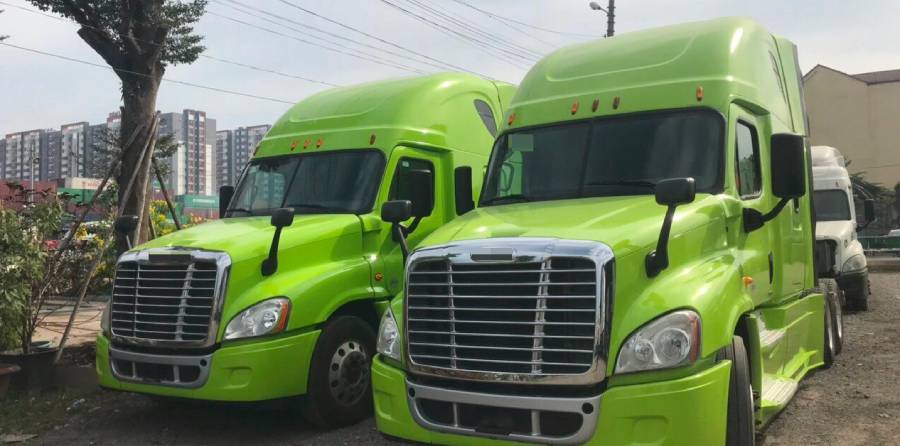
A Freightliner Cascadia battery keeps dying because of weak or damaged batteries, parasitic electrical drain, alternator problems, corroded battery connections, or excessive power consumption from sleeper cab accessories. These problems either prevent the batteries from charging properly or cause them to lose stored energy while the truck is parked.
The Freightliner Cascadia uses a battery bank to supply power for engine starting and electrical systems. When one battery deteriorates, the alternator fails to maintain sufficient charge, or electrical components continue drawing power after shutdown, the truck may experience slow cranking, repeated jump-starts, or a complete no-start condition. For example, a refrigerator, inverter, or electronic control module that continues consuming electricity overnight can discharge the batteries enough to prevent the engine from starting the next morning.
Fixing recurring battery drain requires identifying whether the problem originates in the batteries, charging system, or electrical loads. Battery voltage testing, load testing, alternator inspection, and parasitic draw measurements help isolate the underlying fault before replacing components.
This guide explains the causes of repeated Freightliner Cascadia battery failure, how to diagnose electrical problems, which repairs address each cause, and how to prevent the batteries from dying while the truck is parked.
Why Does My Freightliner Cascadia Battery Keep Dying?
A Freightliner Cascadia battery keeps dying due to six main causes: deteriorating batteries, parasitic electrical drain, alternator failure, poor electrical connections, excessive accessory loads, and battery management problems. Each cause affects the battery bank’s ability to store, receive, or maintain enough electrical energy to start the engine.
Weak or aging batteries lose their ability to hold a charge as internal components deteriorate. Repeated deep discharges, high temperatures, and vibration accelerate battery degradation. A battery may show normal voltage immediately after charging but fail to deliver sufficient current when the starter motor engages. In a Cascadia equipped with multiple 12-volt batteries connected in parallel, one defective battery can also reduce the performance of the entire battery bank.
Parasitic electrical drain occurs when electrical components continue consuming excessive power after the ignition is switched off. Electronic control modules, relays, aftermarket accessories, and improperly connected electrical equipment can create persistent current draw. For example, an unintended 2-amp load consumes approximately 24 amp-hours during a 12-hour parking period, reducing the energy available for the next engine start.
A faulty alternator or charging circuit prevents the batteries from recovering the energy consumed during engine starting and vehicle operation. Problems with the alternator, voltage regulation, charging cables, or electrical connections can leave the battery bank partially discharged. The truck may start after a jump-start but fail again because the underlying charging problem remains unresolved.
Loose or corroded battery connections increase electrical resistance between the batteries, starter, alternator, and vehicle ground. High resistance causes voltage drops during starting and charging, limiting electrical performance even when the batteries are functional. Corrosion, damaged cables, and loose ground connections can therefore produce symptoms similar to a failing battery.
Excessive sleeper cab electrical loads can discharge the batteries while the engine is off. Refrigerators, inverters, interior lighting, and other accessories consume stored energy throughout extended rest periods. Battery management or low-voltage disconnect faults can further contribute to the problem on Cascadia configurations equipped with these systems. However, low-voltage protection does not necessarily disconnect every electrical circuit.
The timing of battery failure helps narrow the diagnosis. A battery that dies overnight suggests excessive parked electrical consumption or insufficient stored charge, while repeated discharge during operation points toward charging system problems. Testing the battery bank and electrical system is necessary to identify the actual cause.
What Causes a Freightliner Cascadia Battery to Drain Overnight?
A Freightliner Cascadia battery drains overnight when electrical consumption during parking exceeds the usable energy available in the battery bank. The most relevant causes are excessive parasitic draw, sleeper cab accessory consumption, control modules that remain active, and insufficient battery charge before shutdown.
Parasitic draw is the electrical current consumed after the ignition is turned off. Modern trucks require limited standby power for functions such as electronic memory and monitoring, so some key-off current is normal. Problems arise when a relay remains energized, an accessory stays powered, or an electronic module fails to enter its intended low-power state. A continuous 3-amp draw consumes approximately 36 amp-hours over 12 hours, which can significantly reduce starting capacity when the batteries are already partially discharged.
Sleeper cab accessories create another source of overnight battery consumption. Refrigerators, power inverters, entertainment equipment, and auxiliary lighting can operate for hours while the engine is stopped. Their combined energy demand depends on operating time, power rating, and duty cycle. For example, a continuous 120-watt load supplied through a 12-volt inverter drawing 85% efficiency requires approximately 11.8 amps from the battery bank, consuming about 94 amp-hours over eight hours. Actual refrigerator consumption differs because its compressor cycles on and off.
Electronic control modules can also contribute to overnight discharge when they remain awake longer than intended. Certain vehicle systems continue operating temporarily after shutdown before entering a reduced-power state. Faulty switches, wiring problems, or communication network issues can prevent the normal shutdown sequence. Measuring battery current before these modules enter sleep mode can produce misleading results, so parasitic draw testing must follow the appropriate vehicle-specific shutdown procedure.
The low-voltage disconnect (LVD) system is designed to protect starting capability by disconnecting designated electrical loads when voltage falls below a configured threshold. On Cascadia models equipped with this feature, an LVD malfunction or an accessory connected outside the protected circuits can allow continued battery consumption. The system’s operation and protected circuits depend on the truck’s model year and electrical configuration.
Overnight discharge can also occur without an abnormal electrical load. Batteries that are deteriorated, incompletely charged, or exposed to cold temperatures may lack sufficient usable capacity for the next start. A truck parked with partially discharged batteries has less reserve energy available for normal standby consumption.
Identifying the cause requires checking the battery state of charge, measuring key-off current after the vehicle enters its intended sleep state, and examining the electrical loads operating during parking. These measurements distinguish excessive power consumption from batteries that cannot retain enough charge.
How Do You Diagnose a Freightliner Cascadia Battery That Keeps Dying?
To diagnose a Freightliner Cascadia battery that keeps dying, test the battery bank, inspect the charging system, and measure parasitic electrical draw. These three diagnostic procedures determine whether the batteries have lost capacity, receive insufficient charging current, or discharge because electrical components continue consuming power after shutdown.
Start with the battery bank because weak or partially discharged batteries can produce symptoms that resemble alternator or wiring failures. Once battery condition is established, inspect the charging circuit and measure electrical consumption with the ignition off. This sequence helps prevent unnecessary battery or alternator replacement.
How Do You Test Freightliner Cascadia Batteries?
To test Freightliner Cascadia batteries, measure their resting voltage, inspect their physical condition, and perform a battery load or conductance test. Each measurement evaluates a different aspect of battery performance, including state of charge, internal condition, and starting capability.
Begin by turning off the engine and electrical accessories. Allow the batteries to rest long enough for surface charge to dissipate, or follow the battery manufacturer’s specified testing procedure. Set a digital multimeter to DC voltage and measure across the positive and negative terminals. For a conventional 12-volt lead-acid starting battery at approximately 25°C (77°F), the following values provide general reference points.
| Resting Voltage | Approximate State of Charge |
|---|---|
| 12.6–12.8 V | Fully charged |
| 12.4 V | Approximately 75% |
| 12.2 V | Approximately 50% |
| 12.0 V | Approximately 25% |
| Below 11.9 V | Severely discharged |
These values are approximate and depend on battery chemistry, temperature, and resting conditions. They do not establish battery health by themselves.
Inspect the battery terminals, cables, and cases for corrosion, loose connections, swelling, cracks, or electrolyte leakage. Damaged connections increase resistance, while physical battery damage can indicate internal deterioration. A battery with visible swelling or leakage requires professional assessment rather than continued charging or load testing.
Next, perform a load test or electronic conductance test using equipment compatible with the installed batteries. A conventional load test evaluates voltage under a specified electrical load, while a conductance tester estimates starting capability and internal condition. Compare the results with the battery’s rated cold cranking amps (CCA) and the testing equipment manufacturer’s criteria.
Test individual batteries when the Cascadia uses a parallel battery bank. Testing only the combined bank can conceal a defective battery because healthier batteries temporarily support the weaker unit. Follow the vehicle manufacturer’s isolation procedure before disconnecting batteries, and avoid shorting terminals with tools or test equipment.
A battery that fails an appropriate test after being fully charged generally requires replacement. If every battery passes but the truck continues losing power, investigate the charging system and electrical loads.
How Do You Test the Freightliner Cascadia Charging System?
To test the Freightliner Cascadia charging system, measure battery voltage with the engine running, evaluate alternator performance under electrical load, and inspect charging circuit voltage drops. These checks determine whether the alternator and its associated wiring deliver sufficient electrical power to recharge the battery bank.
Begin with fully charged, serviceable batteries and secure the vehicle against movement. Start the engine and measure voltage at the battery bank using a digital multimeter. Many conventional 12-volt heavy-duty charging systems operate around 13.8–14.7 volts under suitable conditions, although actual voltage depends on temperature, regulator strategy, electrical demand, and vehicle configuration.
A reading near resting battery voltage while the engine is running can indicate insufficient charging, but it does not independently prove alternator failure. Some charging systems intentionally vary output according to operating conditions. Compare the measurement with the specifications for the truck’s model year and installed alternator.
Next, switch on electrical loads such as headlights, cab ventilation, and other approved accessories. Observe the charging voltage while the alternator supplies additional current. A properly functioning charging system should respond according to its control strategy without sustained voltage collapse caused by an electrical fault.
Inspect the alternator drive belt, electrical terminals, charging cables, fuses, and ground connections. A slipping belt can reduce alternator output, while loose or corroded connections create resistance that limits current delivery.
Voltage drop testing helps identify charging circuit resistance that a basic battery voltage measurement may miss. Measure voltage across the positive charging path and ground return while the circuit carries current. Excessive voltage drop indicates resistance in cables, terminals, or connections. Compare results with the applicable service specifications rather than applying a single threshold to every Cascadia configuration.
If alternator output is inadequate despite sound wiring and connections, further testing may identify a defective alternator, voltage regulator, or charging control circuit. Repair the confirmed fault before replacing batteries that have repeatedly discharged.
How Do You Check for Parasitic Battery Drain?
To check for parasitic battery drain in a Freightliner Cascadia, measure the electrical current leaving the battery bank after shutdown and identify circuits that continue drawing excessive power. This procedure distinguishes normal standby consumption from abnormal electrical loads that discharge the batteries while the truck is parked.
Park the truck safely, shut down the engine, and switch off accessories that should not operate during parking. Close doors and allow electronic control modules to complete their shutdown sequence. Some modules remain active temporarily after the ignition is switched off, so testing before the vehicle enters its intended sleep state can produce misleading readings.
Use a suitable DC current clamp or an approved current measurement setup to monitor battery current without interrupting the electrical system. A DC clamp meter capable of accurately measuring low current is useful because disconnecting the battery can reset electronic modules and change the condition being investigated.
For example, a persistent 2.5-amp electrical draw consumes approximately 30 amp-hours over 12 hours. This calculation demonstrates how an abnormal load can discharge a partially charged battery bank overnight. However, the acceptable standby current for a Freightliner Cascadia depends on its model year, installed equipment, and electrical configuration. Compare measured current with the applicable manufacturer specifications.
If excessive current remains after the vehicle reaches its normal sleep state, isolate the affected electrical circuit using the manufacturer’s diagnostic procedure. Examine sleeper accessories, relays, lighting circuits, power inverters, aftermarket equipment, and electronic modules associated with the measured load.
Removing fuses individually can sometimes help locate a faulty circuit, but it can also wake control modules, interrupt essential systems, or change the current draw being measured. Use circuit diagrams and approved diagnostic methods to avoid disturbing the electrical state unnecessarily.
Once the suspect circuit is identified, inspect its components and wiring for stuck relays, damaged insulation, incorrect accessory connections, or modules that fail to shut down. Repair the underlying fault and repeat the current measurement to confirm that standby consumption returns to the specified range.
A complete diagnosis combines battery condition, charging performance, and key-off electrical consumption. A healthy battery bank will continue losing charge if an excessive electrical load remains, while eliminating parasitic draw will not restore a battery that has already lost its starting capacity.
How Do You Fix a Freightliner Cascadia Battery That Keeps Dying?
To fix a Freightliner Cascadia battery that keeps dying, replace defective batteries, repair charging system faults, restore damaged electrical connections, and eliminate excessive parasitic drain. The correct repair depends on diagnostic results because replacing the battery alone will not resolve problems caused by insufficient charging or continuous electrical consumption.
Replace batteries that fail an appropriate load or conductance test after being fully charged. A battery with damaged internal cells, severely reduced starting capacity, or physical deterioration cannot reliably supply the current required to start a heavy-duty diesel engine. Select replacement batteries that meet the vehicle manufacturer’s specifications for cold cranking amps (CCA), reserve capacity, battery type, and physical dimensions. In a multi-battery bank, inspect every battery and follow the manufacturer’s recommendations for replacing matched batteries to avoid performance differences between units.
Repair the alternator or charging circuit when the batteries receive insufficient charging power. A defective alternator, malfunctioning voltage regulator, damaged charging cable, or poor ground connection can prevent the battery bank from recovering energy consumed during engine starting. For example, if charging voltage remains below the specified operating range after the batteries, wiring, and electrical loads have been checked, the alternator or its control circuit requires further diagnosis. Replace the alternator only after confirming that the fault originates within the unit rather than its external connections or control system.
Clean and secure battery terminals when corrosion or loose connections cause excessive electrical resistance. Disconnect and reconnect batteries according to the vehicle manufacturer’s service procedure, using appropriate personal protective equipment and insulated tools. Remove corrosion with approved battery-terminal cleaning materials, inspect cable ends for damage, and tighten connections to the specified torque. Replace cables with damaged conductors or deteriorated terminals because cleaning cannot restore their original electrical capacity.
Eliminate parasitic electrical drain by repairing the circuit responsible for excessive key-off current. Faulty relays, improperly installed accessories, damaged wiring, and electronic modules that remain active after shutdown can continuously discharge the battery bank. For example, a relay that remains closed may supply power to an accessory throughout a 10-hour parking period. Repairing or replacing the defective relay stops the unintended electrical consumption without requiring replacement of otherwise healthy batteries.
Reduce excessive sleeper cab power consumption when accessory loads exceed available battery capacity. Refrigerators, power inverters, entertainment systems, and auxiliary equipment should operate within the vehicle’s electrical capacity and approved power-management configuration. An auxiliary power unit or appropriately designed independent battery system can support extended accessory operation without unnecessarily discharging the starting batteries. On trucks equipped with low-voltage disconnect protection, verify that the system operates correctly and that applicable accessories are connected to protected circuits.
After completing repairs, fully charge the batteries and repeat the relevant diagnostic tests. Confirm that battery condition, charging performance, and key-off current meet the applicable specifications. A successful repair addresses the underlying electrical fault and restores reliable starting after the truck has been parked.
Why Does My Freightliner Cascadia Battery Keep Dying After Replacement?
A Freightliner Cascadia battery keeps dying after replacement because the original charging problem, parasitic electrical drain, poor connection, or excessive accessory load remains unresolved. A new battery restores stored electrical capacity, but it does not correct faults that prevent charging or continuously consume electricity.
An alternator or charging circuit fault can discharge newly installed batteries during normal operation. The batteries provide electrical energy for engine starting and help support the vehicle’s electrical system, while the alternator replenishes their charge when operating correctly. If alternator output is insufficient, the new batteries gradually lose stored energy. The truck may start normally immediately after replacement but develop slow cranking or a no-start condition after continued operation.
Persistent parasitic draw can discharge new batteries while the truck is parked. Replacing the battery does not stop electrical components from consuming power after shutdown. For example, an unintended 4-amp load operating for 10 hours consumes approximately 40 amp-hours from the battery bank. Repeated overnight discharge under these conditions can eventually damage the replacement batteries through deep cycling.
Incorrect battery specifications or installation problems can also cause repeated starting failures. Batteries with insufficient cold cranking capacity, incompatible characteristics, or poor terminal connections may not deliver the electrical performance required by the vehicle. In a parallel battery bank, combining batteries with substantially different capacities, ages, or conditions can create uneven performance and reduce overall reliability. Replacement batteries should match the specifications and installation requirements for the particular Cascadia configuration.
Poor ground connections and damaged battery cables can prevent reliable starting even when the replacement batteries are fully charged. High resistance in the starting circuit produces voltage drops when the starter motor demands substantial current. This condition can resemble a discharged battery because the engine cranks slowly or fails to crank. Measuring voltage drop across the starting circuit helps distinguish connection problems from insufficient battery charge.
A replacement battery that repeatedly loses charge should be tested alongside the alternator, charging cables, ground connections, and parked electrical loads. The problem is resolved only when the battery bank retains sufficient charge and the vehicle starts reliably after normal operating and parking periods.
How Long Do Freightliner Cascadia Batteries Last?
Freightliner Cascadia batteries generally last 3–5 years, although actual service life depends on battery chemistry, operating conditions, charging performance, and maintenance. Heavy-duty truck batteries experience repeated engine starts, vibration, temperature changes, and electrical loads that influence how quickly their capacity deteriorates.
Repeated deep discharges shorten battery lifespan by accelerating internal degradation. Lead-acid starting batteries are designed primarily to deliver high current for short periods rather than support prolonged electrical consumption. When sleeper cab accessories repeatedly discharge the battery bank below its recommended state of charge, sulfation and other internal changes reduce its ability to store energy. For example, a truck that regularly powers electrical accessories overnight without sufficient recharging may experience earlier battery failure than one that maintains an adequate state of charge.
Extreme temperatures also affect battery performance and durability. High temperatures accelerate chemical reactions that contribute to corrosion and water loss in applicable battery designs, while cold temperatures reduce available starting power and increase the electrical demand required to crank a diesel engine. These effects become particularly important when batteries are already aging or partially discharged.
Common signs of deteriorating batteries include slow engine cranking, frequent jump-starts, declining reserve capacity, and repeated failures during load testing. Battery age alone does not confirm failure, so replacement decisions should be based on physical condition, state of charge, and appropriate diagnostic test results.
Read more: Freightliner Cascadia Ignition Switch Problems & Fixes
How Do You Prevent Freightliner Cascadia Batteries From Dying While Parked?
To prevent Freightliner Cascadia batteries from dying while parked, maintain adequate battery charge, control sleeper cab electrical consumption, inspect battery connections, and use appropriate battery maintenance equipment during extended parking periods. These measures reduce unnecessary discharge and help preserve sufficient starting capacity.
Monitor battery state of charge before extended parking periods. A partially discharged battery bank has less reserve energy available for normal standby loads and sleeper accessories. Fully charging the batteries before prolonged parking reduces the risk of insufficient starting power. For trucks parked for several days or weeks, an approved battery maintainer can compensate for normal standby consumption when a suitable external power supply is available.
Manage sleeper cab electrical loads when the engine is off. Refrigerators, power inverters, interior lighting, and entertainment equipment consume energy that would otherwise remain available for engine starting. Turn off unnecessary accessories and monitor the total electrical demand of equipment that must remain operational. For example, a continuous 60-watt load drawing approximately 5 amps from a 12-volt battery bank consumes about 50 amp-hours during a 10-hour parking period, excluding conversion losses.
Inspect battery terminals, cables, and ground connections during routine maintenance. Loose terminals and corrosion increase electrical resistance, reducing charging efficiency and starting performance. Check for damaged insulation, deteriorated cable ends, and unsecured connections. Clean or replace defective components according to the vehicle manufacturer’s maintenance procedures to maintain reliable electrical contact.
Verify that the charging system replenishes battery energy during normal operation. Short operating periods, prolonged accessory use, and charging system faults can leave batteries below their recommended state of charge. Periodic alternator testing and battery condition checks help identify declining charging performance before the truck develops repeated starting problems.
Use the battery disconnect and low-voltage protection systems according to the truck’s electrical configuration. On Cascadia models equipped with low-voltage disconnect protection, confirm that designated accessories shut down as intended. For extended storage, follow the manufacturer’s battery isolation procedure rather than assuming that a disconnect switch removes power from every circuit. Certain vehicle systems may require continuous electrical power or specific shutdown procedures.
Preventive maintenance should also include periodic battery testing, especially before cold-weather operation or extended trips. Maintaining healthy batteries, reliable charging connections, and controlled electrical loads reduces the likelihood of overnight discharge and unexpected no-start conditions.
When Should You Call a Mechanic for a Freightliner Cascadia Battery Problem?
Call a qualified diesel mechanic when your Freightliner Cascadia repeatedly loses battery power despite charging or battery replacement, displays charging system warnings, or develops electrical faults that cannot be identified through basic testing. These symptoms can indicate alternator failure, excessive parasitic drain, damaged wiring, or electronic control system problems that require specialized diagnostic equipment.
Repeated no-start conditions require professional diagnosis when the batteries pass load testing but the engine still cranks slowly or fails to start. A technician can measure starter circuit voltage drops, inspect battery grounds, and evaluate starter motor current demand. For example, excessive resistance in a damaged ground cable can prevent sufficient current from reaching the starter even when the battery bank is fully charged.
Charging system warnings, overheating cables, burning smells, or visible electrical damage require immediate attention. These symptoms can indicate high-resistance connections, short circuits, or charging system malfunctions. Stop operating the truck in a safe location and arrange professional inspection when electrical overheating or smoke is present. Continuing to operate with damaged electrical components increases the risk of further equipment damage or fire.
Professional diagnosis is also necessary when parasitic drain persists after normal accessories have been switched off. A diesel technician with access to Freightliner-compatible diagnostic equipment and electrical wiring diagrams can investigate control modules, communication network faults, and power distribution circuits without unnecessarily replacing functional components.
The most reliable repair addresses the confirmed electrical fault rather than repeatedly replacing discharged batteries. A complete inspection should establish battery condition, charging performance, starting circuit integrity, and key-off electrical consumption before the truck returns to regular service.