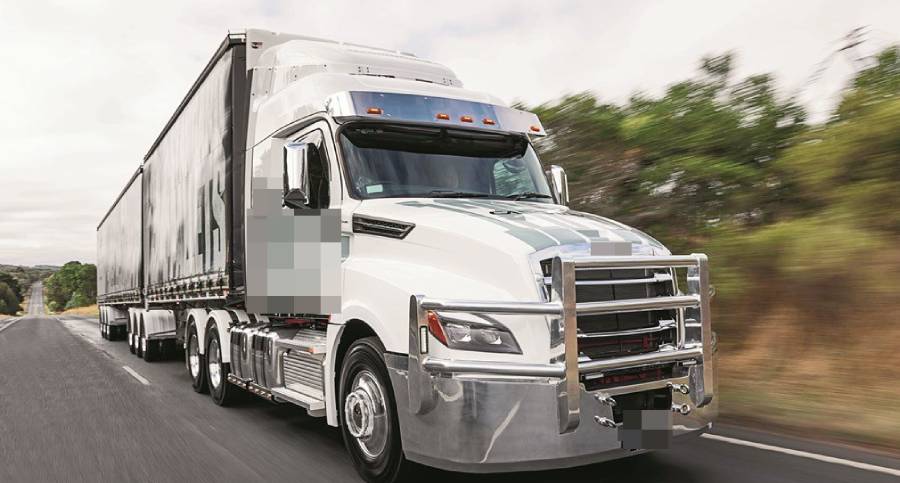
Freightliner Cascadia DPF problems commonly result from excessive soot buildup, failed regeneration cycles, faulty exhaust sensors, and ash accumulation inside the diesel particulate filter. These issues can trigger DPF warning lights, frequent regeneration requests, reduced engine performance, and engine derate. Detroit DD13, DD15, and DD16 engines use exhaust aftertreatment systems that require proper operating conditions and functioning components to maintain effective particulate filtration.
A malfunctioning DPF does not always mean the filter needs replacement. Excessive idling, interrupted regeneration cycles, incorrect differential pressure readings, and engine-related faults can prevent the system from removing accumulated soot. For example, a faulty differential pressure sensor may report an abnormal exhaust restriction even when the filter itself is not severely clogged. Identifying the underlying cause requires checking diagnostic trouble codes, exhaust pressure readings, regeneration history, and related components.
Freightliner Cascadia DPF repairs range from correcting sensor faults and completing an appropriate regeneration cycle to professional filter cleaning or replacement. The correct solution depends on the engine configuration, fault severity, and diagnostic results. This guide explains the common symptoms, causes, diagnostic procedures, repair options, and preventive maintenance practices associated with Freightliner Cascadia DPF problems.
What Are the Common Symptoms of Freightliner Cascadia DPF Problems?
The most common symptoms of Freightliner Cascadia DPF problems include DPF warning lights, frequent regeneration requests, engine derate, reduced engine performance, and increased fuel consumption. These symptoms occur when the diesel particulate filter becomes excessively restricted or the exhaust aftertreatment system cannot complete its normal regeneration process. The severity depends on soot loading, active diagnostic trouble codes, and the condition of related components.
A DPF warning light is one of the earliest indicators that the exhaust aftertreatment system requires attention. The warning may indicate accumulated soot that requires regeneration, while additional warning indicators can signal a more serious condition. On applicable Cascadia configurations, a flashing DPF indicator combined with other engine warnings may indicate escalating restrictions or unsuccessful regeneration attempts. Drivers should follow the warning instructions specified for their truck’s model year and engine configuration.
Frequent or incomplete regeneration is another indication of a DPF-related problem. Active regeneration uses elevated exhaust temperatures to oxidize accumulated soot inside the filter. Excessive idling, low-load operation, interrupted regeneration cycles, and malfunctioning exhaust temperature sensors can interfere with this process. For example, a Cascadia operating primarily in stop-and-go traffic may experience repeated regeneration requests because its driving conditions do not consistently support successful soot removal. Repeated regeneration can also indicate excessive engine-out soot production or another aftertreatment fault.
Reduced engine power and engine derate can occur when the engine control system detects certain aftertreatment faults or severe exhaust restrictions. Engine derate limits available power to protect equipment or enforce emissions-system operating requirements. Drivers may notice weaker acceleration, difficulty maintaining speed under load, or restricted engine output. However, derate is not exclusive to DPF problems; SCR, DEF, and other engine faults can produce similar symptoms.
Increased fuel consumption can accompany repeated active regeneration because some regeneration strategies use additional fuel to raise exhaust temperatures. A restricted exhaust system or an underlying engine malfunction may also reduce operating efficiency. Fuel consumption alone does not confirm a clogged DPF, but a noticeable increase combined with frequent regeneration, warning lights, or reduced performance warrants a diagnostic inspection.
What Causes DPF Problems in a Freightliner Cascadia?
Freightliner Cascadia DPF problems primarily result from excessive soot buildup, faulty exhaust sensors, and ash accumulation. These conditions interfere with exhaust filtration, regeneration control, or exhaust flow. Excessive idling, short driving cycles, engine combustion problems, and neglected maintenance can accelerate DPF-related failures. Identifying the specific cause is essential because regeneration, sensor repair, and filter cleaning address different types of problems.
How Does Excessive Soot Buildup Affect the DPF?
Excessive soot buildup restricts exhaust flow through the Freightliner Cascadia diesel particulate filter and increases exhaust backpressure. The DPF captures carbon-based particles produced during diesel combustion, while regeneration oxidizes accumulated soot to prevent excessive restriction. When soot accumulates faster than the system removes it, the engine control system may request more frequent regeneration or activate DPF-related warnings.
Incomplete regeneration is a major contributor to excessive soot accumulation. Short trips, prolonged idling, and low-load operation can prevent exhaust temperatures from reaching or maintaining the conditions required for effective regeneration. For example, a Cascadia operating primarily on short urban delivery routes may experience repeated regeneration requests when driving conditions interrupt the process. However, regeneration failure can also result from active engine faults or malfunctioning aftertreatment components.
Engine-related problems can increase soot production beyond the DPF system’s normal regeneration capacity. Faulty fuel injectors, restricted intake airflow, turbocharger problems, and exhaust gas recirculation (EGR) malfunctions can affect combustion and increase particulate emissions. Cleaning the DPF without correcting an underlying combustion problem may allow excessive soot loading to return.
Can Faulty Sensors Cause Freightliner Cascadia DPF Problems?
Faulty differential pressure sensors and exhaust temperature sensors can cause Freightliner Cascadia DPF warnings, regeneration failures, and incorrect exhaust restriction assessments. These sensors provide information used by the engine control system to monitor aftertreatment performance and manage regeneration. Incorrect readings can cause the system to misinterpret filter conditions or prevent regeneration from proceeding normally.
The DPF differential pressure sensor measures the pressure difference across the filter through connected pressure lines. A damaged sensor, blocked pressure tube, leaking connection, or electrical fault can produce inaccurate measurements. For example, a restricted pressure tube may cause an abnormal differential pressure reading even when the DPF itself is not excessively clogged. Technicians must compare sensor data with actual operating conditions before determining whether filter cleaning or replacement is necessary.
Exhaust gas temperature sensors are equally important because regeneration depends on controlled exhaust temperatures. A malfunctioning temperature sensor may report implausible values, interfere with regeneration authorization, or trigger diagnostic trouble codes. Wiring damage, corroded connectors, and sensor deterioration can contribute to these faults. Diagnosis requires checking active codes, live sensor readings, and the applicable Detroit engine service specifications.
How Does Ash Accumulation Affect DPF Performance?
Ash accumulation gradually reduces the DPF’s available filtration capacity and cannot be removed through normal regeneration. Unlike soot, which consists largely of combustible carbon particles, ash contains noncombustible residues originating from engine oil additives, engine wear, and other inorganic materials. These residues remain inside the filter after soot oxidation and progressively contribute to exhaust restriction.
Ash loading increases with engine operating hours, fuel consumption, and oil-derived residue entering the exhaust system. Excessive engine oil consumption can accelerate the process. As ash occupies space within the filter, the DPF has less capacity to store soot between regeneration events. This can contribute to shorter regeneration intervals and elevated differential pressure even when regeneration successfully removes combustible soot.
Professional DPF cleaning removes accumulated ash using equipment designed for diesel particulate filters. However, cleaning effectiveness depends on the filter’s physical condition and the type and amount of accumulated material. A filter with cracked substrates, melted internal structures, or damage that prevents it from meeting serviceability requirements may require replacement. Because regeneration does not eliminate ash, repeatedly initiating regeneration cannot resolve a filter restriction caused primarily by ash accumulation.
Why Does a Freightliner Cascadia DPF Regeneration Fail?
Freightliner Cascadia DPF regeneration fails when insufficient exhaust temperature, interrupted regeneration cycles, active engine fault codes, or malfunctioning aftertreatment components prevent the system from burning accumulated soot. Regeneration requires specific operating conditions and accurate sensor data to control exhaust temperatures. When these requirements are not met, soot continues accumulating inside the diesel particulate filter, increasing exhaust restriction and the risk of engine derate.
Low exhaust temperature is a common reason for incomplete DPF regeneration. Freightliner Cascadia trucks operating under light engine loads, excessive idling, or frequent stop-and-go conditions may not maintain the exhaust temperatures needed for effective soot oxidation. Although active regeneration can raise exhaust temperatures through controlled aftertreatment operation, repeated interruptions can prevent the process from finishing. For example, shutting down the engine during an active regeneration cycle may leave soot inside the filter and contribute to another regeneration request during subsequent operation.
Active diagnostic trouble codes can prevent the engine control system from initiating or completing regeneration. Faults involving exhaust temperature sensors, DPF differential pressure sensors, fuel dosing components, or other aftertreatment controls can interfere with regeneration authorization and temperature management. A malfunctioning exhaust temperature sensor, for instance, may provide inaccurate readings that prevent the control system from confirming safe operating conditions. The specific regeneration restrictions depend on the Detroit engine configuration and active fault conditions.
Repeated regeneration requests indicate that the DPF system is not maintaining an acceptable soot load between regeneration events. This can result from incomplete regeneration, excessive engine-out soot production, inaccurate sensor readings, or reduced filter capacity caused by ash accumulation. A Cascadia with a malfunctioning fuel injector or EGR system may produce excessive particulate matter even after a successful regeneration. Consequently, the DPF can reach its regeneration threshold again sooner than expected.
Parked regeneration may fail when required operating conditions are not satisfied or the system detects a fault that inhibits the procedure. Depending on the truck configuration, regeneration prerequisites can include appropriate engine operating conditions, parking brake engagement, transmission position, and the absence of certain active faults. A severely restricted or damaged filter may also require professional service instead of another regeneration attempt. Drivers should follow the applicable Freightliner and Detroit operating instructions because forced regeneration generates extremely high exhaust temperatures and can create fire hazards near combustible materials.
Resolving repeated DPF regeneration failures requires identifying the underlying cause rather than continuously requesting additional regeneration cycles. Technicians should examine active fault codes, regeneration history, exhaust temperature readings, differential pressure data, and engine operating conditions. Correcting sensor faults, combustion problems, or other aftertreatment malfunctions allows the regeneration system to operate as designed and reduces the likelihood of recurring DPF restrictions.
How Do You Diagnose Freightliner Cascadia DPF Problems?
To diagnose Freightliner Cascadia DPF problems, retrieve active diagnostic trouble codes, examine DPF differential pressure, review exhaust temperature readings, and inspect related aftertreatment components. These checks help distinguish a physically restricted diesel particulate filter from faulty sensors, incomplete regeneration, and engine-related malfunctions. Detroit-powered Cascadia trucks can be diagnosed using compatible professional diagnostic equipment, including Detroit Diesel DiagnosticLink, with procedures selected according to the engine model and year.
The diagnostic process should begin with active and stored fault codes before evaluating live engine data. Technicians should review soot-load estimates, regeneration history, differential pressure readings, and exhaust temperatures under the operating conditions specified by the manufacturer. Visual inspection of pressure tubes, electrical connectors, exhaust piping, and sensor wiring provides additional evidence. Replacing the DPF based only on a dashboard warning or a single pressure reading risks leaving the actual problem unresolved.
Which Fault Codes Indicate Freightliner Cascadia DPF Problems?
Freightliner Cascadia DPF-related fault codes identify conditions involving soot accumulation, exhaust restriction, regeneration performance, and aftertreatment sensor operation. Detroit engine diagnostic systems use Suspect Parameter Numbers (SPNs) and Failure Mode Identifiers (FMIs) to describe detected faults. An SPN identifies the monitored parameter or component, while an FMI describes the type of abnormal condition, such as an out-of-range signal or an unexpected operating response.
DPF-related diagnostic information can involve exhaust differential pressure, particulate filter soot loading, regeneration status, and exhaust gas temperature measurements. However, a fault code associated with the aftertreatment system does not automatically confirm a defective DPF. For example, an abnormal differential pressure signal may result from a restricted filter, a damaged pressure tube, or a faulty sensor. Similarly, a regeneration-related fault may originate from an exhaust temperature sensor or another component required for regeneration.
Technicians should use the complete SPN/FMI combination, fault status, engine serial number, and applicable Detroit troubleshooting documentation to identify the correct diagnostic procedure. Reviewing freeze-frame information and fault occurrence history can help determine whether the malfunction appears during regeneration, under engine load, or during other operating conditions. This approach prevents unnecessary component replacement and supports accurate identification of recurring DPF problems.
How Do You Check DPF Differential Pressure?
To check Freightliner Cascadia DPF differential pressure, read the pressure sensor data with compatible diagnostic software and compare the measurements with manufacturer specifications at the required engine operating conditions. Differential pressure represents the pressure difference between the exhaust entering and leaving the filter. A restricted DPF generally produces a greater pressure difference at a comparable exhaust flow rate because accumulated material reduces the available passages through the filter substrate.
Pressure readings must be evaluated alongside engine speed, exhaust flow, temperature, and regeneration status. A measurement taken at idle cannot be directly compared with one taken under higher engine load because exhaust flow changes the pressure difference across the filter. Technicians should also inspect the sensor’s pressure tubes for soot blockage, cracks, disconnections, or condensation-related restrictions. These defects can distort readings even when the filter itself remains serviceable.
Sensor plausibility testing helps distinguish actual DPF restriction from inaccurate pressure measurements. With the engine off and pressure equalized, the differential pressure reading should be consistent with the sensor’s specified baseline tolerance. Additional checks may include verifying sensor power supply, ground, signal wiring, and response under prescribed operating conditions. Any abnormal result should be evaluated using the applicable Detroit service procedure rather than a universal pressure threshold.
A confirmed high differential pressure reading requires further investigation of soot loading, ash accumulation, and possible internal filter damage. Technicians should also evaluate regeneration history and engine conditions that contribute to excessive particulate production. If the sensor and pressure lines function correctly but restriction remains outside manufacturer specifications, professional DPF cleaning or replacement may be necessary after the filter’s condition has been assessed.
How Do You Fix Freightliner Cascadia DPF Problems?
To fix Freightliner Cascadia DPF problems, identify the underlying fault and perform the appropriate repair, such as DPF regeneration, professional filter cleaning, sensor replacement, or DPF replacement. The correct solution depends on soot loading, ash accumulation, exhaust restriction, and the condition of related aftertreatment components. Regeneration removes combustible soot, while professional cleaning addresses accumulated ash and other removable deposits. Damaged filters and malfunctioning sensors require separate corrective procedures.
Repairing the root cause is essential to preventing repeated DPF failures. A clogged filter caused by excessive engine-out soot production may become restricted again after cleaning or regeneration. For example, malfunctioning fuel injectors, EGR components, or turbocharger systems can increase particulate emissions and overload the filter. Technicians should correct these contributing faults before confirming that the DPF system operates normally.
When Should You Perform a Parked DPF Regeneration?
A parked DPF regeneration is appropriate when the Freightliner Cascadia requests regeneration, the required operating conditions are satisfied, and no active fault prohibits the procedure. Parked regeneration raises exhaust temperatures to oxidize soot accumulated inside the diesel particulate filter. It is intended to restore filtration capacity when soot loading can be corrected through the approved regeneration process.
Before initiating regeneration, the driver must follow the applicable Freightliner and Detroit operating instructions. Depending on the vehicle configuration, prerequisites include placing the transmission in neutral, engaging the parking brake, and meeting specified engine operating conditions. The truck must be parked in a suitable outdoor location away from combustible materials because exhaust temperatures can become extremely high during regeneration. The driver should remain available to monitor the vehicle and respond to warnings.
Parked regeneration cannot remove noncombustible ash or repair damaged DPF components. It may also be inhibited when active diagnostic trouble codes, excessive restriction, or malfunctioning temperature sensors prevent safe operation. Repeatedly attempting regeneration without correcting these conditions can delay necessary repairs. A failed or prohibited regeneration requires further diagnosis using manufacturer-approved procedures.
When Should You Clean or Replace the DPF?
Clean the Freightliner Cascadia DPF when accumulated ash or removable deposits cause excessive restriction and the filter remains structurally serviceable. Replace it when physical damage or failed serviceability checks make cleaning ineffective or inappropriate. The decision should follow differential pressure testing, regeneration history analysis, and physical inspection rather than mileage alone.
Professional DPF cleaning typically involves removing the filter and using specialized equipment to extract accumulated ash and particulate deposits. Depending on the approved cleaning process, technicians may use controlled airflow, thermal treatment, or other equipment designed for diesel particulate filters. The cleaned filter should undergo inspection and performance testing to verify that restriction has been reduced to an acceptable level. Cleaning does not correct engine faults that originally caused excessive soot accumulation.
DPF replacement becomes necessary when the filter has cracked, melted, or otherwise damaged internal substrates that prevent reliable filtration or exhaust flow. Replacement may also be required when an approved cleaning process cannot restore the filter to manufacturer serviceability specifications. Excessive thermal exposure, prolonged operation with severe restriction, and certain engine malfunctions can contribute to filter damage.
Sensor-related problems require a different repair approach. A faulty differential pressure sensor, damaged pressure tube, or malfunctioning exhaust temperature sensor should be repaired or replaced only after diagnostic testing confirms the defect. Once repairs are completed, technicians should clear applicable fault codes according to service procedures, verify sensor readings, and confirm normal regeneration operation. Successful repair means correcting both the immediate DPF malfunction and the condition responsible for its development.
How Much Does It Cost to Fix Freightliner Cascadia DPF Problems?
The cost to fix Freightliner Cascadia DPF problems depends on the type of malfunction, required diagnostic work, replacement parts, and labor charges. A regeneration-related problem that can be resolved without removing the filter generally requires less labor than professional DPF cleaning or complete filter replacement. Repair costs also vary by model year, Detroit engine configuration, service location, and whether additional aftertreatment components need attention.
DPF cleaning is generally less expensive than replacing the complete filter assembly, provided the existing filter remains structurally sound. Professional cleaning requires removing the DPF, extracting accumulated ash and deposits, inspecting the internal substrate, and verifying that the cleaned filter meets serviceability requirements. Labor charges increase when exhaust components are difficult to access or corroded fasteners complicate removal. Some service providers also charge separately for filter testing, transportation, and reinstallation.
DPF replacement is typically the most expensive repair option because it involves a specialized emissions-control component and installation labor. The final price depends on the specific DPF assembly, whether an approved remanufactured component is available, and the truck’s aftertreatment configuration. Additional costs may arise when damaged sensors, exhaust connections, mounting hardware, or other components require replacement. A complete repair estimate should distinguish the filter price from labor and related parts.
Sensor repairs and regeneration services involve different cost factors. Replacing a differential pressure sensor or exhaust temperature sensor may require fewer labor hours than removing the DPF, but accurate diagnosis is necessary to avoid unnecessary replacement. A parked regeneration may require relatively little additional service work when the system is otherwise functioning correctly. However, regeneration cannot resolve ash accumulation, structural filter damage, or an underlying engine malfunction.
The most cost-effective repair is the one that corrects the verified cause and prevents the problem from returning. Replacing a DPF without addressing excessive soot production, oil consumption, or faulty sensor readings can lead to repeated warnings and additional expenses. Truck owners should request an itemized estimate covering diagnostics, parts, labor, filter testing, and post-repair verification before authorizing major aftertreatment repairs.
Read more: Freightliner Cascadia DEF Light On: Causes & Fixes
How Can You Prevent Freightliner Cascadia DPF Problems?
To prevent Freightliner Cascadia DPF problems, minimize unnecessary idling, allow regeneration cycles to complete, maintain the engine and exhaust aftertreatment system, and address diagnostic trouble codes promptly. These practices reduce excessive soot accumulation, support effective regeneration, and help prevent premature filter restriction. Preventive maintenance is particularly important for Cascadia trucks operating under frequent stop-and-go conditions or extended low-load operation.
Reducing excessive idling helps limit soot accumulation and incomplete regeneration. Diesel engines operating at low loads generally produce lower exhaust temperatures, which can limit passive soot oxidation inside the DPF. Trucks that spend extended periods idling may require more frequent active regeneration to control soot loading. For example, a Cascadia used for regional deliveries with frequent stops may experience different regeneration patterns than a long-haul truck operating at sustained highway speeds. Reducing unnecessary idle time and following manufacturer-recommended operating practices can help maintain effective DPF performance.
Allowing regeneration cycles to finish helps prevent repeated soot-loading problems. Drivers should recognize DPF warning indicators and follow the applicable Freightliner operating instructions when regeneration is requested. Sustained driving under suitable conditions can support regeneration, but highway operation does not guarantee that every regeneration cycle will complete. When parked regeneration is required, the procedure must be performed according to manufacturer instructions and only when the vehicle satisfies the necessary safety and operating conditions.
Regular engine maintenance reduces the risk of excessive particulate production. Fuel injectors, turbochargers, intake components, and EGR systems influence combustion quality and engine-out soot emissions. Malfunctions in these systems can increase the particulate load entering the DPF, resulting in more frequent regeneration and accelerated restriction. Using engine oil that meets the applicable Detroit specifications is also important because oil-derived inorganic residues contribute to ash accumulation that normal regeneration cannot remove.
Prompt diagnosis of aftertreatment faults prevents minor problems from developing into expensive repairs. Faulty differential pressure sensors, damaged pressure tubes, exhaust leaks, and malfunctioning temperature sensors can interfere with DPF monitoring and regeneration control. Ignoring recurring warning lights or unsuccessful regeneration attempts may allow soot loading to increase until engine derate or professional service becomes necessary. Fleet operators should track regeneration frequency, recurring fault codes, and maintenance history to identify abnormal patterns before they lead to prolonged downtime.
DPF maintenance intervals should follow the applicable Detroit engine service schedule rather than a universal mileage recommendation. Actual filter service requirements depend on engine configuration, operating conditions, oil consumption, and accumulated ash. Combining manufacturer-specified maintenance with timely fault diagnosis helps extend DPF service life and maintain reliable Freightliner Cascadia operation.
Can You Drive a Freightliner Cascadia With DPF Problems?
You can continue driving a Freightliner Cascadia with certain DPF warnings if the vehicle remains operational and the manufacturer’s instructions permit continued operation. However, severe exhaust restriction, active engine derate, or critical warning indicators may require stopping the truck and arranging professional service. The appropriate response depends on the warning severity, active diagnostic trouble codes, and the condition of the exhaust aftertreatment system.
An initial DPF regeneration warning does not necessarily mean the truck must stop immediately. The indicator may signal that accumulated soot has reached a level requiring regeneration. Depending on the Cascadia model and engine configuration, the driver may be instructed to continue operating under suitable conditions or perform a parked regeneration. Ignoring repeated regeneration requests can allow soot loading to increase and trigger additional warnings.
Driving with an active engine derate requires greater caution because available engine power may be restricted. Certain aftertreatment faults can progressively limit engine performance, reducing acceleration and the ability to maintain speed under load. A severe restriction or unresolved regeneration failure may eventually prevent normal vehicle operation. Drivers should not attempt to bypass emissions controls or repeatedly force regeneration to restore power without identifying the underlying fault.
A stop-engine warning or other critical operating condition requires following the vehicle’s immediate shutdown instructions. Continuing to operate against these warnings can increase the risk of equipment damage and unsafe roadside situations. Drivers should move to a safe location when possible, consult the applicable Freightliner operator manual, and contact a qualified diesel technician or roadside assistance provider.
The safest approach is to evaluate DPF warnings before they escalate into severe restrictions or engine derate. Prompt diagnosis of soot loading, sensor malfunctions, and regeneration failures helps prevent unnecessary downtime while protecting the Freightliner Cascadia’s exhaust aftertreatment system.