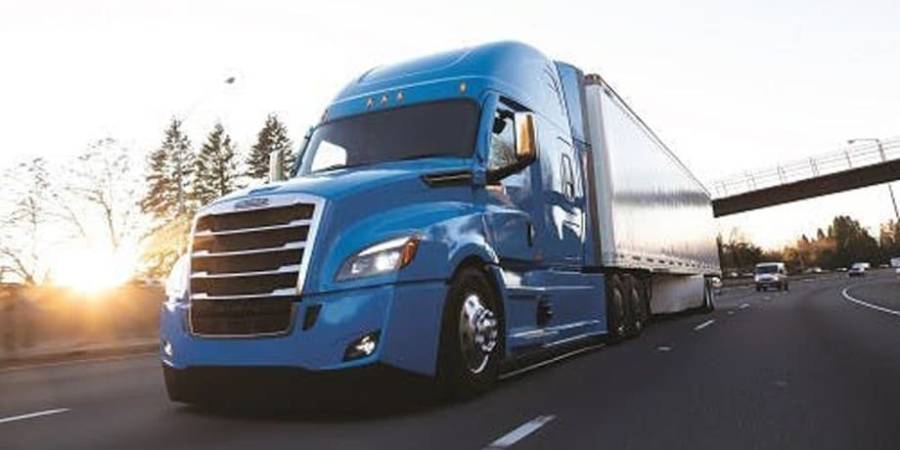
A Freightliner Cascadia can lose power while driving because of restricted fuel delivery, turbocharger problems, engine sensor failures, exhaust aftertreatment faults, or engine protection systems that limit power output. Common causes include clogged fuel filters, low fuel pressure, charge-air leaks, faulty boost pressure sensors, and diesel particulate filter (DPF) or diesel exhaust fluid (DEF) system malfunctions. These problems can reduce engine torque, limit acceleration, or trigger engine derate mode.
Power loss can occur under different driving conditions. A Freightliner Cascadia that loses power when accelerating or climbing hills may have insufficient fuel pressure or turbocharger boost. Intermittent power loss can indicate electrical connection problems, sensor faults, or inconsistent fuel delivery. When the truck loses power without a check engine light, mechanical problems and stored diagnostic fault codes still require investigation.
Identifying the cause requires checking dashboard warnings, engine fault codes, fuel system performance, turbocharger boost pressure, and aftertreatment system conditions. The correct diagnostic procedure depends on the truck’s model year, engine configuration, and symptoms. Sudden severe power loss, engine stalling, or a Stop Engine warning requires pulling over safely and assessing whether the truck needs professional service before continuing.
What Causes a Freightliner Cascadia to Lose Power While Driving?
A Freightliner Cascadia can lose power while driving due to six main problems: restricted fuel delivery, turbocharger faults, DPF or DEF system malfunctions, faulty engine sensors, engine overheating, and transmission problems. Each problem affects engine performance differently, causing symptoms such as weak acceleration, reduced torque, intermittent power loss, or engine derating.
1. Restricted Fuel Delivery
A clogged fuel filter, failing fuel pump, or restricted fuel line can reduce the amount of diesel reaching the engine. When fuel pressure falls below the engine’s operating requirements, the fuel injection system cannot consistently deliver the fuel needed to produce the requested torque. This becomes particularly noticeable during acceleration, uphill driving, or heavy hauling because these conditions increase fuel demand.
For example, a Freightliner Cascadia equipped with a Detroit DD15 engine may accelerate normally on level roads but struggle to maintain speed while climbing a hill if its fuel supply is restricted. Fuel-pressure measurements and filter inspections help determine whether insufficient fuel delivery is responsible.
2. Turbocharger and Air Intake Problems
A malfunctioning turbocharger, leaking charge-air hose, or restricted air intake can cause a Freightliner Cascadia to lose power by reducing the air available for combustion. The turbocharger compresses intake air to help the engine produce sufficient torque, especially under heavy loads.
When a charge-air hose develops a leak, compressed air escapes before reaching the intake manifold. The engine may respond with sluggish acceleration, reduced pulling power, or abnormal boost-pressure readings. Comparing actual boost pressure with expected values and inspecting the charge-air system can help locate the problem.
3. DPF and DEF System Malfunctions
Diesel particulate filter (DPF) and diesel exhaust fluid (DEF) system faults can trigger engine power limitations in Freightliner Cascadia trucks equipped with applicable emissions-control systems. The DPF captures exhaust particulate matter, while the selective catalytic reduction (SCR) system uses DEF to reduce nitrogen oxide emissions.
Excessive DPF restriction, certain SCR faults, or unresolved DEF-related problems can activate warning messages and engine derate strategies. Depending on the engine configuration and fault severity, the truck may experience reduced torque or operating restrictions. Diagnostic fault codes and aftertreatment sensor readings are necessary to identify the specific malfunction.
4. Faulty Engine Sensors or Electrical Connections
Faulty engine sensors can cause intermittent power loss by sending inaccurate or inconsistent operating data to the engine control module (ECM). The ECM uses information from components such as fuel-pressure sensors, intake manifold pressure sensors, and accelerator-pedal position sensors to control engine operation.
For example, an intermittent accelerator-pedal signal may prevent the engine from responding correctly to driver input. Damaged wiring, loose connectors, and sensor communication faults can produce similar symptoms. Diagnostic live data and electrical testing help distinguish sensor failures from mechanical problems.
5. Engine Overheating
Engine overheating can reduce Freightliner Cascadia power when the engine control system activates protective operating limits. Excessive coolant temperature can result from low coolant levels, radiator restrictions, cooling fan problems, or thermostat malfunctions.
When engine temperature exceeds specified operating limits, the ECM may reduce available engine torque to protect critical components. Drivers may notice rising temperature readings, dashboard warnings, and weaker acceleration. Continued operation during severe overheating can cause significant engine damage, making safe stopping and cooling-system diagnosis essential.
6. Transmission and Drivetrain Problems
Transmission problems can make a Freightliner Cascadia feel as though its engine is losing power even when the engine continues producing normal torque. Trucks equipped with automated manual transmissions, such as the Detroit DT12, rely on properly functioning clutch controls, gear-selection mechanisms, and transmission electronics to transfer engine output to the wheels.
A slipping clutch or transmission control fault may cause poor acceleration, delayed gear engagement, or unexpected changes in engine speed. Unlike fuel or turbocharger problems, drivetrain faults can prevent engine power from reaching the wheels efficiently. Comparing engine RPM, vehicle speed, selected gear, and transmission fault codes helps identify the source of the problem.
Why Does a Freightliner Cascadia Lose Power When Accelerating?
A Freightliner Cascadia loses power when accelerating primarily because of insufficient fuel delivery, low turbocharger boost pressure, or engine control faults that limit torque output. Acceleration increases the engine’s demand for fuel and compressed air. When either supply cannot meet the required level, the engine struggles to generate enough power to increase vehicle speed.
Fuel delivery restrictions are a major cause of acceleration-related power loss. A partially clogged fuel filter may allow enough diesel to reach the engine at idle or during steady highway driving but restrict fuel flow when the driver presses the accelerator. A weakening fuel pump or air entering the fuel system can produce similar symptoms. As engine load increases, inadequate fuel pressure prevents the injection system from maintaining the requested fuel delivery, resulting in sluggish acceleration or hesitation.
Turbocharger problems can also prevent a Freightliner Cascadia from accelerating normally. The turbocharger increases intake air pressure to support combustion under load. A leaking charge-air cooler, damaged intercooler hose, or malfunctioning turbocharger control system reduces available boost pressure. For example, a Detroit DD15 engine with a charge-air leak may maintain normal idle speed but struggle to accelerate when pulling a loaded trailer because the engine cannot achieve the expected intake manifold pressure.
Engine control faults provide another explanation. The engine control module (ECM) monitors accelerator-pedal position, fuel pressure, intake pressure, and other operating parameters to determine allowable engine torque. If a sensor provides implausible readings or a protective derate is active, the ECM may restrict torque even when the driver requests full acceleration.
The most useful diagnostic approach is to compare requested engine torque, actual fuel pressure, and boost-pressure readings under the conditions that produce the symptom. A qualified technician can use compatible diagnostic equipment to identify whether the power loss originates from fuel delivery, air supply, or electronic engine control. Road testing should only be performed when the vehicle is safe to operate.
Why Does a Freightliner Cascadia Lose Power Going Uphill?
A Freightliner Cascadia loses power going uphill when the engine cannot produce the torque required to overcome increased climbing resistance. The most relevant causes include restricted fuel delivery, insufficient turbocharger boost, excessive engine temperature, and engine derating. Uphill driving places greater demand on the engine than level-road operation, making existing performance problems more noticeable.
Climbing a grade requires additional engine power to move the combined weight of the truck, trailer, and cargo against gravity. As the vehicle’s weight and road gradient increase, the engine must generate greater torque to maintain speed. A properly functioning truck may still slow on a steep hill when the required power exceeds its available output, so reduced speed alone does not confirm a mechanical fault.
Fuel system restrictions become particularly noticeable during sustained uphill driving. A clogged fuel filter or inadequate fuel-pump performance can limit fuel delivery when the engine operates under continuous high load. For example, a loaded Freightliner Cascadia may maintain highway speed on flat terrain but progressively lose speed while climbing a long grade because the fuel system cannot sustain the required injection quantity.
Turbocharger and charge-air system faults can produce similar symptoms. When boost pressure remains below the expected range, the engine receives insufficient compressed air to support the requested power output. A leaking charge-air hose may have little noticeable effect during light-load operation but cause substantial performance loss when the truck climbs a hill with a heavy trailer.
Cooling-system performance is another important factor. Sustained climbing increases engine heat production, placing additional demand on the radiator, cooling fan, and coolant circulation system. If coolant temperature rises beyond specified limits, the ECM may activate protective measures that reduce available engine torque. This condition may be accompanied by elevated temperature readings or engine warning messages.
To identify the cause of uphill power loss, compare vehicle speed, engine RPM, selected gear, coolant temperature, fuel pressure, and turbocharger boost under load. These measurements help distinguish normal speed reduction on a steep grade from fuel restrictions, air-system faults, overheating, or an active engine derate. Persistent power loss accompanied by overheating or critical warnings requires stopping safely and investigating the fault before continuing.
Why Does a Freightliner Cascadia Lose Power Without a Check Engine Light?
A Freightliner Cascadia can lose power without a check engine light because of fuel delivery restrictions, turbocharger boost leaks, intermittent electrical faults, or mechanical problems that do not immediately trigger an engine warning. The absence of an illuminated check engine light does not confirm that the engine is operating normally. Certain faults develop gradually, occur intermittently, or remain outside the conditions required to activate a dashboard warning.
A partially clogged fuel filter is one possible cause. When the engine operates at low or moderate load, the restricted filter may still supply enough fuel to maintain normal performance. During acceleration or heavy hauling, fuel demand increases and the restriction becomes more noticeable. The engine may hesitate or lose pulling power without immediately displaying a warning. Measuring fuel supply pressure under the affected operating conditions helps determine whether a restriction exists.
Turbocharger boost leaks can also reduce engine performance without consistently illuminating the check engine light. A damaged charge-air hose, loose clamp, or leaking charge-air cooler allows compressed air to escape before entering the engine. Small leaks may cause weak acceleration or reduced climbing performance while remaining difficult to identify during routine driving. Inspecting the charge-air piping and performing an appropriate pressure test can reveal leaks that are not visible during a basic inspection.
Intermittent electrical faults provide another explanation. Loose wiring connectors, damaged sensor circuits, or inconsistent accelerator-pedal signals can temporarily disrupt engine operation. For example, a poor electrical connection may cause the engine to hesitate over rough pavement and then return to normal once the connection stabilizes. Depending on the fault and its duration, the ECM may record an inactive diagnostic code even when no warning light remains illuminated.
Mechanical and drivetrain problems can produce similar symptoms. A slipping clutch or transmission engagement problem may reduce the amount of engine power transferred to the wheels without triggering an engine-related warning. In these cases, engine RPM may increase without a corresponding rise in vehicle speed, helping distinguish drivetrain problems from reduced engine torque.
Diagnosing power loss without a check engine light requires checking stored fault codes, fuel pressure, boost pressure, electrical connections, and drivetrain behavior. A compatible diagnostic scanner can reveal active or inactive faults that are not apparent from dashboard indicators alone. Repeated power loss should be investigated even when the truck returns to normal operation.
Why Does a Freightliner Cascadia Go Into Engine Derate Mode?
A Freightliner Cascadia enters engine derate mode when the engine control module (ECM) limits available engine torque or speed in response to specified engine protection, emissions-system, or electronic control faults. Engine derating helps protect components from certain damaging operating conditions and enforces applicable aftertreatment system requirements. The resulting power reduction can make the truck accelerate slowly, struggle on hills, or operate with restricted engine performance.
The severity of an engine derate depends on the detected fault, engine calibration, emissions configuration, and operating conditions. Some faults produce a moderate reduction in available torque, while others can lead to more restrictive operating limits. A derate is therefore a control-system response to a detected condition rather than a separate mechanical component failure.
What Triggers Engine Derate on a Freightliner Cascadia?
Freightliner Cascadia engine derate can be triggered by aftertreatment system faults, excessive engine temperature, low engine oil pressure, or critical engine control problems, depending on the installed engine and protection strategy. The ECM evaluates sensor information and diagnostic conditions to determine whether engine output must be restricted.
Diesel exhaust fluid (DEF) and selective catalytic reduction (SCR) system problems are important causes of emissions-related inducement. Low DEF levels, certain DEF quality faults, malfunctioning NOx sensors, and other SCR system failures can activate warning sequences and operating restrictions. On applicable engine configurations, unresolved faults may result in progressively restrictive engine operation according to the relevant emissions-control strategy.
Diesel particulate filter (DPF) problems can also affect engine performance. The DPF captures particulate matter from diesel exhaust, while regeneration processes remove accumulated soot under suitable operating conditions. Excessive restriction or faults affecting regeneration can produce diagnostic warnings and may contribute to engine power limitations. However, not every DPF fault automatically triggers the same derate response.
Engine protection conditions provide another category of triggers. Excessive coolant temperature, critically low oil pressure, or other monitored conditions can activate protective responses intended to reduce the risk of engine damage. For example, a Freightliner Cascadia experiencing a cooling-system failure during a long uphill climb may display temperature warnings and experience reduced engine output as the control system responds to overheating.
Electronic control faults can also result in torque restrictions. The ECM depends on accurate signals from sensors monitoring engine operation. When essential information becomes unavailable or implausible, certain control strategies may limit engine output. The exact response must be confirmed through the applicable diagnostic fault codes and manufacturer service information.
How Can You Tell if a Freightliner Cascadia Is in Derate Mode?
A Freightliner Cascadia may be in engine derate mode when engine power drops noticeably and the truck displays warning indicators, diagnostic messages, or operating restrictions consistent with an ECM-commanded power limitation. Common symptoms include weak acceleration, reduced pulling power, limited engine torque, and difficulty maintaining speed under load.
Dashboard indicators provide important diagnostic information. Depending on the model year and engine configuration, the instrument cluster may display a check engine warning, Stop Engine warning, emissions-related message, or other fault notification. A Stop Engine warning indicates a potentially serious condition that requires following the manufacturer’s shutdown and safety instructions rather than continuing normal operation.
Engine behavior can help identify a possible derate. For example, a Freightliner Cascadia may continue running smoothly at idle but deliver substantially less power when the driver presses the accelerator. Unlike a fuel restriction or boost leak, an ECM-commanded derate may limit requested torque even when the fuel and air systems are physically capable of supporting greater engine output.
The most reliable way to confirm engine derate is to retrieve diagnostic fault codes and examine relevant engine control data using compatible diagnostic equipment. For supported Detroit-powered Cascadia models, Detroit DiagnosticLink can provide access to engine fault information and operating parameters. A technician can use this information to identify the triggering fault, determine whether a torque limitation is active, and select the appropriate repair procedure.
Engine derate should not be treated as a problem that can be permanently resolved by clearing fault codes or disconnecting the battery. The underlying condition must be diagnosed and corrected. When derating occurs alongside a Stop Engine warning, severe overheating, abnormal engine noise, or repeated stalling, the driver should stop in a safe location and arrange professional assistance before continuing.
How Do You Diagnose a Freightliner Cascadia That Loses Power?
To diagnose a Freightliner Cascadia that loses power while driving, check dashboard warnings, retrieve diagnostic fault codes, inspect the fuel delivery system, and test turbocharger boost pressure. These checks help determine whether reduced engine performance originates from fuel restrictions, air intake problems, electronic control faults, or an active engine derate. The diagnostic sequence should follow the truck’s symptoms and the manufacturer’s procedures for its specific engine configuration.
Begin by identifying when the power loss occurs. Record whether the truck loses power during acceleration, uphill driving, steady highway operation, or heavy hauling. Check for unusual engine noises, exhaust smoke, elevated coolant temperature, and dashboard warning messages. These observations help narrow the possible causes before mechanical testing begins.
Safety is the first priority when power loss occurs on the road. Move the truck to a safe stopping location and follow the manufacturer’s instructions for any critical warning. Do not continue operating the vehicle with a Stop Engine warning, severe overheating, or repeated stalling. Inspections involving pressurized fuel, hot exhaust components, or moving engine parts require appropriate equipment and qualified personnel.
How Do You Read Freightliner Cascadia Fault Codes?
To read Freightliner Cascadia fault codes, connect a compatible heavy-duty diagnostic scanner to the truck’s diagnostic port and retrieve active and inactive diagnostic trouble codes from the relevant electronic control modules. Fault codes identify conditions detected by the vehicle’s control systems and help direct further testing toward the affected components.
Freightliner Cascadia trucks use electronic diagnostic systems that can report faults through Suspect Parameter Number (SPN) and Failure Mode Identifier (FMI) information. An SPN identifies a monitored parameter or system, while an FMI describes the type of detected abnormal condition. Together, these values help technicians interpret problems involving sensors, fuel pressure, engine temperature, and aftertreatment components.
For example, a fault indicating an intake manifold pressure signal problem may direct attention toward the boost pressure sensor, its wiring, or the actual intake pressure. However, the code alone does not prove that the sensor has failed. A charge-air leak or another system malfunction may produce abnormal pressure readings. Diagnostic information must therefore be compared with live operating data and manufacturer troubleshooting procedures.
On supported Detroit-powered Freightliner Cascadia models, Detroit DiagnosticLink provides access to engine fault information, operating parameters, and applicable diagnostic functions. Technicians can examine recorded faults and monitor engine behavior to determine whether the ECM has commanded a torque limitation.
Record fault codes and relevant operating conditions before clearing diagnostic information. Clearing codes without correcting the underlying problem can remove useful evidence and allow the same power-loss condition to return.
How Do You Check the Fuel System for Power Loss?
To check the Freightliner Cascadia fuel system for power loss, inspect the fuel filters, verify fuel quality, check for supply restrictions or air intrusion, and measure fuel pressure using the engine manufacturer’s specified procedures. These tests determine whether the engine receives sufficient diesel fuel under different operating loads.
Start with the fuel filtration system. A clogged primary or secondary fuel filter restricts fuel flow and may cause weak acceleration, hesitation, or reduced pulling power. Inspect the filters according to the applicable maintenance procedure and review their service history. Contaminated fuel, water accumulation, and excessive debris can contribute to premature filter restriction.
Next, examine the fuel supply lines and connections for damage, leaks, or conditions that allow air to enter the system. Air intrusion can interrupt consistent fuel delivery and cause unstable engine operation. On a Detroit DD15 engine, for example, a fuel supply problem may become more noticeable when the truck accelerates or climbs a hill because fuel demand increases under load.
Fuel pressure testing provides more conclusive diagnostic information. A qualified technician should compare measured fuel pressure with the manufacturer’s specifications at the required test points and operating conditions. Pressure readings outside the specified range can indicate restrictions, supply pump problems, or other fuel system faults.
High-pressure diesel injection components require special precautions because escaping fuel can penetrate the skin and cause serious injury. Do not loosen high-pressure fuel lines while the engine is running. Fuel-system testing and repairs must follow the engine manufacturer’s safety instructions.
Fuel system repairs should be based on confirmed test results. Replacing a restricted filter may restore normal fuel delivery, but persistent low fuel pressure requires further investigation of the supply system rather than repeated filter replacement.
How Do You Test Turbo Boost Pressure?
To test turbo boost pressure on a Freightliner Cascadia, use compatible diagnostic equipment to compare actual intake manifold pressure with the expected pressure under specified engine operating conditions. Inspect the charge-air system for leaks and restrictions when measured boost is lower than expected.
The turbocharger compresses intake air to increase the amount of oxygen available for combustion. When boost pressure is insufficient, the engine may struggle to produce the requested torque during acceleration or heavy hauling. Common causes include leaking charge-air hoses, damaged intercooler connections, intake restrictions, and turbocharger control problems.
Begin with a visual inspection of the air intake and charge-air piping. Check hoses, clamps, and connections for cracks, loose fittings, or visible damage. A damaged hose can allow compressed air to escape between the turbocharger and intake manifold, reducing the pressure available to the engine.
A charge-air system pressure test can help locate leaks that are not visible during inspection. This procedure requires suitable testing equipment and the pressure limits specified by the manufacturer. Excessive test pressure can damage charge-air components, so the system should not be pressurized using an arbitrary setting.
Live diagnostic data provides additional evidence. A technician can compare measured intake manifold pressure, engine speed, load, and relevant commanded values under controlled conditions. Because intake manifold pressure may be reported as absolute pressure rather than gauge boost pressure, the correct interpretation depends on the sensor data and diagnostic software.
For example, a Freightliner Cascadia equipped with a Detroit DD15 engine may exhibit normal idle operation but reduced acceleration under load when a charge-air hose leaks. A pressure test that confirms leakage, combined with abnormal boost readings, helps establish the cause before components are replaced.
Low boost pressure does not automatically mean the turbocharger itself has failed. Fuel delivery problems, exhaust restrictions, sensor faults, and engine derating can also affect measured boost. The diagnosis must account for these related systems before recommending turbocharger replacement.
If fuel delivery and turbocharger performance are within specification, the next diagnostic priority is to investigate engine control restrictions and aftertreatment faults. Check active derate status, relevant DPF and SCR fault codes, exhaust pressure readings, and DEF system information according to the installed engine’s service procedures. This prevents unnecessary mechanical repairs when the ECM is intentionally limiting engine output.
How Do You Fix a Freightliner Cascadia That Loses Power While Driving?
To fix a Freightliner Cascadia that loses power while driving, identify and repair the underlying fuel system, turbocharger, engine control, or aftertreatment fault responsible for reduced performance. The correct repair depends on diagnostic fault codes, engine operating data, and component testing. Replacing parts without confirming the cause can increase repair costs without restoring normal engine power.
Fuel-related problems may require replacing restricted filters or repairing defective fuel supply components. Turbocharger-related problems may require sealing charge-air leaks or repairing faulty boost-control components. Engine derate problems require identifying the triggering condition and completing the appropriate repair and service procedures.
To fix fuel-related power loss in a Freightliner Cascadia, replace confirmed restricted fuel filters, correct fuel contamination, repair fuel supply leaks, or restore defective fuel system components to manufacturer specifications. The repair must address the condition preventing the engine from receiving sufficient fuel under load.
A clogged fuel filter is one of the first components to evaluate when testing confirms restricted fuel delivery. Replace the affected filter using the correct part and follow the engine manufacturer’s priming procedure. For example, a Detroit DD15 engine experiencing reduced fuel supply because of a restricted filter may regain normal acceleration after the restriction is removed and the fuel system is properly primed.
Fuel contamination requires additional attention. Water, sediment, or other contaminants can restrict filtration components and damage fuel injection equipment. Inspect the fuel supply and determine whether contaminated fuel must be removed before installing replacement filters. Replacing filters without correcting contamination can allow the problem to return.
A failing fuel supply pump or damaged fuel line requires repair when pressure testing identifies the component as the source of insufficient fuel delivery. After completing the repair, verify fuel pressure under the specified operating conditions and check for leaks. High-pressure injection system repairs should be performed by qualified diesel technicians using approved equipment.
To fix turbocharger-related power loss in a Freightliner Cascadia, repair charge-air leaks, correct intake restrictions, restore faulty boost-control components, or replace the turbocharger when testing confirms an internal failure. Low boost pressure alone does not establish that the turbocharger requires replacement.
Charge-air leaks should be repaired first when pressure testing confirms escaping compressed air. Damaged hoses, loose clamps, and leaking charge-air cooler connections can reduce intake manifold pressure and engine torque. Replace defective components with parts that meet the vehicle’s specifications, then repeat the appropriate leak test to confirm that the system holds pressure.
A restricted air filter or damaged intake component can also limit airflow. Inspect the intake system and replace components that fail the manufacturer’s service criteria. Proper airflow allows the turbocharger and engine management system to operate within their intended ranges.
Turbocharger replacement is appropriate when diagnostic testing confirms a failure that cannot be corrected through an approved repair procedure. Depending on the engine configuration, faults may involve turbocharger mechanical damage, actuator operation, or associated control components. A qualified technician should inspect the relevant lubrication, intake, and exhaust systems before installing a replacement to reduce the risk of repeated failure.
After repairs, verify boost-pressure performance using diagnostic data under the specified test conditions. Confirm that the engine responds normally to acceleration and that related diagnostic faults have been resolved.
How Do You Fix Power Loss Caused by Engine Derate?
To fix Freightliner Cascadia power loss caused by engine derate, retrieve the active diagnostic fault codes, identify the condition commanding reduced engine output, repair the affected system, and complete any required manufacturer-approved service procedures. Engine derate cannot be reliably corrected by clearing fault codes while the underlying malfunction remains active.
When derating originates from the DEF or SCR system, inspect the fault information before replacing components. Low DEF levels require the correct diesel exhaust fluid, while confirmed DEF quality, dosing, sensor, or SCR component faults require system-specific repairs. Depending on the engine and emissions configuration, the control system may require a defined sequence of checks or service procedures before normal operation is restored.
DPF-related faults require a different diagnostic approach. Excessive soot loading, abnormal differential pressure readings, or regeneration system failures can affect exhaust flow and engine operation. A technician should determine whether the filter requires an approved regeneration procedure, cleaning, or replacement. Forced regeneration must not be attempted when the manufacturer’s diagnostic conditions prohibit it, particularly when excessive restriction or other faults create a safety risk.
Engine protection derates require correcting the underlying mechanical or operating condition. For example, a derate triggered by excessive coolant temperature may require repairing a cooling fan, coolant leak, thermostat, or another confirmed cooling-system fault. Critically low oil pressure requires immediate attention because continued engine operation can cause severe internal damage.
After the repair, use compatible diagnostic equipment to confirm that the triggering fault is no longer active and that any required verification procedures have been completed. For supported Detroit-powered Cascadia models, Detroit DiagnosticLink can assist with fault diagnosis and applicable service functions.
A Freightliner Cascadia should return to normal service only after the underlying fault has been corrected and safe engine operation has been verified. Persistent derating, repeated stalling, critical warning messages, or unresolved electronic faults require further diagnosis by a qualified diesel technician rather than continued operation or attempts to bypass protective controls.
Can a Bad Fuel Filter Cause a Freightliner Cascadia to Lose Power?
Yes, a clogged fuel filter can cause a Freightliner Cascadia to lose power by restricting diesel flow to the engine, particularly during acceleration, uphill driving, or heavy hauling. A restricted filter reduces the fuel available to the injection system when engine demand increases, resulting in poor throttle response, reduced pulling power, and potentially engine stalling if the restriction becomes severe.
Fuel filters remove contaminants such as dirt, rust particles, and water from diesel fuel before they reach sensitive injection components. As contaminants accumulate, resistance to fuel flow increases. A partially restricted filter may supply enough fuel for idling and light-load operation but fail to maintain adequate delivery during sustained high engine loads.
For example, a Freightliner Cascadia equipped with a Detroit DD15 engine may operate normally on flat roads but struggle to maintain speed while pulling a loaded trailer uphill. If fuel supply pressure falls below the manufacturer’s specified range during the power-loss event, a restricted filter becomes a possible cause. Fuel pressure testing and filter inspection are necessary to distinguish this problem from a weak supply pump or other fuel system restrictions.
Replacing a fuel filter is appropriate when inspection, maintenance history, or diagnostic testing indicates restriction. Use the correct filter specification and follow the engine manufacturer’s installation and priming procedures. If power loss continues after replacement, inspect the fuel supply system for contamination, air intrusion, and pressure-related faults rather than assuming another filter replacement will resolve the problem.
Can Low DEF Cause a Freightliner Cascadia to Lose Power?
Yes, low diesel exhaust fluid (DEF) can cause a Freightliner Cascadia to experience reduced engine power or operating restrictions when the vehicle’s emissions-control system activates an applicable inducement strategy. The response depends on the truck’s model year, engine calibration, emissions configuration, and severity of the DEF-related condition.
DEF is used by the selective catalytic reduction (SCR) system to reduce nitrogen oxide emissions. The system injects DEF into the exhaust stream, where it supports chemical reactions that convert nitrogen oxides into nitrogen and water. The engine control system monitors DEF availability and relevant aftertreatment operating conditions to determine whether the system is functioning as required.
When the DEF level becomes too low, the truck may display dashboard warnings before more restrictive operating conditions occur. On applicable configurations, continued operation without correcting the condition can lead to torque or speed limitations. The exact warning sequence and inducement behavior must be determined from the vehicle’s engine and emissions-system documentation.
For example, a Freightliner Cascadia displaying a low DEF warning may continue operating initially but enter a more restrictive operating state if the fluid shortage remains unresolved and the applicable inducement conditions are met. This differs from power loss caused by a clogged fuel filter because the engine control system is intentionally restricting performance rather than experiencing insufficient diesel fuel delivery.
The correct response is to check the DEF level, use manufacturer-approved DEF that meets ISO 22241 requirements, and investigate any remaining aftertreatment fault codes. Refilling the DEF tank addresses a low-fluid condition, but it will not repair a defective DEF pump, dosing system, NOx sensor, or SCR-related fault. Persistent warnings or derating after refilling require compatible diagnostic equipment and the appropriate service procedures.
Read more: Freightliner Cascadia Won’t Shift Gears: Causes & Fixes
Can a Freightliner Cascadia Lose Power and Then Return to Normal?
Yes, a Freightliner Cascadia can temporarily lose power and then return to normal because of intermittent electrical faults, inconsistent fuel delivery, changing turbocharger performance, or engine control conditions that occur only under specific operating loads. The return of normal acceleration does not confirm that the underlying problem has been resolved.
Intermittent electrical connections are one possible cause. Engine sensors communicate operating information to the engine control module through wiring and electrical connectors. A loose connection, damaged wire, or moisture-affected terminal can interrupt a signal temporarily. Once the connection stabilizes, the engine may resume normal operation even though the electrical fault remains present.
For example, a Freightliner Cascadia may hesitate while traveling over rough pavement and regain power moments later. This symptom can indicate an intermittent wiring or connector problem, particularly when the loss of power coincides with vibration. Examining stored diagnostic codes and monitoring sensor signals can help identify an electrical fault that is not continuously active.
Fuel supply problems can also produce temporary power loss. A partially restricted fuel filter, air intrusion, or inconsistent supply pressure may affect performance during high fuel demand while allowing normal operation at lower loads. The truck may regain acceleration after the driver reduces throttle input or the operating load decreases.
Turbocharger-related faults can create similar behavior. A charge-air leak may become more noticeable at higher boost pressure, while a faulty boost-control component can produce inconsistent intake pressure. Engine performance may improve when the operating conditions change, even though the underlying air-system fault remains.
Temporary engine power limitations may also occur when monitored conditions change. However, not every engine derate automatically clears when the original triggering condition disappears. Certain faults and emissions-related inducements remain active until specified diagnostic or recovery requirements are satisfied.
Intermittent power loss should be diagnosed using stored fault codes, recorded operating conditions, and live engine data. Record when the problem occurs, including vehicle speed, engine RPM, road gradient, engine temperature, and dashboard warnings. These details help technicians reproduce the relevant conditions safely and distinguish electrical faults from fuel, boost, or engine-control problems. Repeated power loss or stalling requires prompt professional attention because the truck may lose acceleration unexpectedly in traffic.
How Can You Prevent Freightliner Cascadia Power Loss?
To prevent Freightliner Cascadia power loss, follow the manufacturer’s maintenance schedule, maintain the fuel and air intake systems, monitor engine operating conditions, and address diagnostic warnings before they develop into serious faults. Preventive maintenance reduces the risk of fuel restrictions, insufficient turbocharger boost, overheating, and aftertreatment-related engine derating.
Fuel system maintenance is essential for maintaining consistent engine performance. Replace fuel filters at the specified service intervals, use clean diesel fuel, and inspect the fuel system for leaks or contamination. Restricted filters and contaminated fuel can reduce fuel delivery under load, causing acceleration problems or engine hesitation. Maintaining proper fuel flow helps the injection system deliver the fuel required for normal torque production.
Air intake and turbocharger inspections also help prevent power loss. Check air filter condition, charge-air hoses, clamps, and intercooler connections during scheduled maintenance. Damaged hoses or loose connections can allow compressed air to escape, reducing boost pressure and engine efficiency. Inspecting these components before leaks become severe helps maintain consistent performance during acceleration and heavy hauling.
Cooling system maintenance reduces the risk of temperature-related engine protection. Check coolant levels, inspect radiator and hose condition, and verify cooling fan operation according to the manufacturer’s procedures. Maintaining proper cooling performance is particularly important for trucks operating under sustained heavy loads or in high ambient temperatures.
How Often Should You Replace Freightliner Cascadia Fuel Filters?
Freightliner Cascadia fuel filters should be replaced according to the maintenance interval specified for the installed engine and operating conditions. There is no single replacement interval that applies to every Cascadia because service requirements vary by engine model, fuel system configuration, maintenance schedule, and duty cycle.
Freightliner Cascadia trucks equipped with Detroit DD13 or DD15 engines require maintenance procedures appropriate to their engine specifications. Fuel filter replacement intervals should be verified using the applicable Detroit maintenance documentation. Trucks operating in dusty environments, using contaminated fuel, or experiencing frequent fuel system restrictions may require additional inspections and earlier service when indicated by the manufacturer’s maintenance guidance.
Fuel filter condition should also be evaluated when performance symptoms develop before the scheduled replacement interval. Weak acceleration, hesitation under load, and reduced pulling power can indicate insufficient fuel delivery. However, these symptoms do not confirm filter restriction without supporting inspection or pressure measurements.
Record fuel filter replacement dates, mileage, engine hours, and relevant maintenance findings. Consistent service records help identify recurring fuel contamination, unusually short filter service life, and developing fuel supply problems.
How Can You Prevent DPF and DEF System Problems?
To prevent Freightliner Cascadia DPF and DEF system problems, use correctly specified DEF, maintain the aftertreatment system, respond promptly to emissions-related warnings, and follow the manufacturer’s regeneration and service procedures. These practices help reduce preventable faults that can lead to engine derating or operating restrictions.
The diesel particulate filter captures soot from engine exhaust and relies on regeneration to remove accumulated particulate matter. Frequent interrupted regeneration events, unsuitable operating conditions, or faults affecting exhaust temperature management can contribute to excessive soot accumulation. Drivers should follow the vehicle’s regeneration instructions and investigate repeated regeneration warnings rather than ignoring them.
The DEF system requires fluid that meets ISO 22241 specifications. Contaminated, incorrectly stored, or unsuitable DEF can interfere with proper SCR operation and contribute to system faults. Keep the DEF tank and filling equipment clean, prevent contamination during refilling, and follow manufacturer recommendations for fluid storage and handling.
Aftertreatment sensors and related components also require attention when faults occur. Problems involving NOx sensors, exhaust temperature sensors, differential pressure sensors, or DEF dosing equipment can affect emissions-system operation. Diagnostic fault codes and system testing are necessary to identify defective components before replacement.
Preventive maintenance cannot eliminate every cause of Freightliner Cascadia power loss, but it reduces avoidable fuel, airflow, cooling, and aftertreatment problems. Combining scheduled maintenance with prompt investigation of unusual engine behavior helps maintain reliable performance and reduces the likelihood of unexpected power limitations during highway operation.