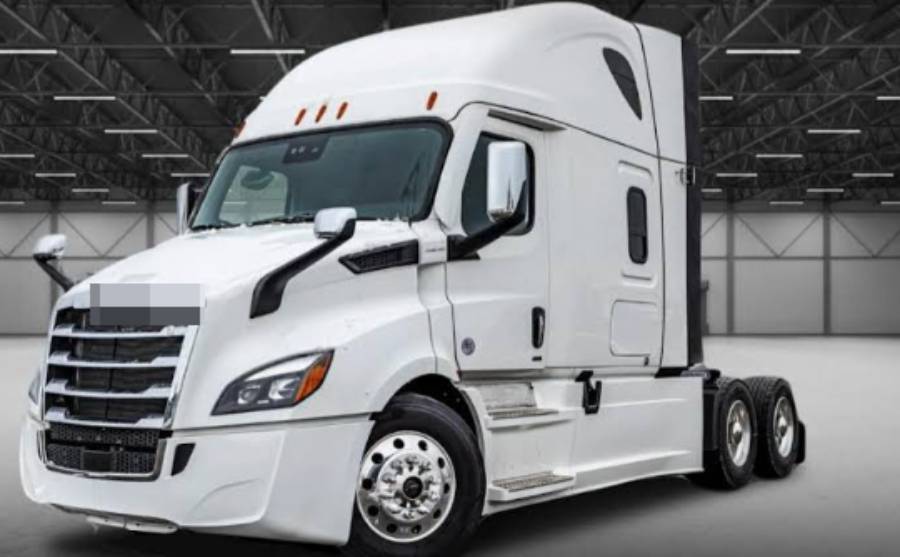
The “Manual Regeneration Not Allowed” message on a Freightliner means the truck’s engine control system is preventing a driver-requested diesel particulate filter (DPF) regeneration because the required conditions are not met or the system has detected a condition that blocks the process. This message does not automatically indicate a clogged DPF or a failed emissions component.
Freightliner trucks equipped with Detroit Diesel engines, including the DD13, DD15, and DD16, use an aftertreatment system to manage exhaust emissions. Manual or parked regeneration requires specific operating conditions, which may include an engaged parking brake, neutral transmission, appropriate engine temperature, and the absence of certain active fault codes. A regeneration request may also be rejected when the DPF soot level does not require cleaning.
Fixing the issue starts with identifying why regeneration is being denied. Drivers should check the truck’s warning indicators, regeneration inhibit settings, and applicable operating requirements before attempting another parked regeneration. Persistent problems involving exhaust temperature sensors, DPF soot accumulation, or aftertreatment faults may require professional diagnostic equipment.
This guide explains the causes of the “Manual Regeneration Not Allowed” message, how to troubleshoot regeneration problems on Freightliner trucks, and when professional repair is necessary to restore proper DPF operation.
What Does “Manual Regeneration Not Allowed” Mean on a Freightliner?
“Manual Regeneration Not Allowed” means the Freightliner’s engine control system has rejected a request to start manual or parked DPF regeneration. The message indicates that regeneration is not permitted under the truck’s current operating conditions. It does not necessarily mean the diesel particulate filter is damaged, clogged, or due for replacement.
The diesel particulate filter captures soot particles produced during combustion. As soot accumulates, the engine’s aftertreatment control system monitors filter loading and determines when regeneration is necessary. Regeneration increases exhaust temperatures to oxidize accumulated soot, reducing the filter’s soot load and helping maintain proper exhaust flow.
On Freightliner trucks equipped with Detroit Diesel engines, the engine control module (ECM) and aftertreatment controls evaluate regeneration requirements before permitting a driver-requested cycle. These requirements depend on the engine, emissions configuration, and vehicle software. A parked regeneration request may be denied when the parking brake is not engaged, the transmission is not in the required position, an inhibit setting is active, or a relevant diagnostic fault prevents the procedure.
A rejected regeneration request is not the same as a DPF malfunction. For example, a Freightliner Cascadia with a low DPF soot load may not need parked regeneration, even when the driver attempts to initiate it. In contrast, a truck displaying active aftertreatment fault codes may require diagnosis before regeneration can proceed.
The correct next step is to identify the specific reason for the rejection rather than repeatedly pressing the regeneration switch.
What Causes Manual Regeneration Not Allowed on a Freightliner?
Manual regeneration may be denied on a Freightliner because of unmet operating requirements, an active regeneration inhibit setting, insufficient DPF soot loading, or faults in the engine and aftertreatment system. The exact cause depends on the truck’s model year, engine configuration, control software, and current diagnostic status.
The following table summarizes six common conditions to investigate when a Freightliner refuses a manual regeneration request.
| Potential cause | Why regeneration may be denied | What to check |
|---|---|---|
| Parking brake not engaged | The required stationary operating condition is not satisfied | Parking brake status |
| Incorrect transmission position | The transmission is not in the position required for parked regeneration | Neutral or manufacturer-specified position |
| Engine temperature outside the permitted range | The engine has not reached the operating conditions required by its regeneration strategy | Coolant temperature and operating status |
| Regeneration inhibit setting active | A driver-operated or configured inhibit function prevents regeneration | Inhibit switch or control status |
| DPF soot load below the required threshold | The control system determines that parked regeneration is unnecessary | DPF status and soot-load information |
| Active engine or aftertreatment faults | Certain diagnostic faults prevent regeneration until the underlying problem is corrected | Active DTCs and regeneration inhibit reason |
Parking brake and transmission conditions are among the first items to verify. Parked regeneration requires the vehicle to remain stationary under the operating conditions specified by the manufacturer. If the parking brake is released or the transmission is not in the required position, the control system may refuse the request. Drivers should verify these conditions using the operator’s manual for their specific Freightliner model.
Engine temperature and regeneration inhibit settings also affect regeneration eligibility. Some regeneration strategies require the engine to reach an appropriate operating temperature before a parked cycle can begin. An active inhibit function may separately prevent regeneration in situations where elevated exhaust temperatures would create a safety concern. The required temperature range and available inhibit controls vary by vehicle configuration.
DPF soot loading determines whether regeneration is needed. When the filter contains relatively little soot, the control system may reject a manual request because regeneration is unnecessary. However, excessive soot loading can create a different problem: the system may restrict driver-requested regeneration and require a service procedure. These conditions cannot be distinguished reliably from the dashboard message alone.
Active diagnostic trouble codes can prevent regeneration even when the basic operating conditions are satisfied. Faults involving exhaust temperature measurements, DPF differential pressure sensing, or other aftertreatment controls may interfere with the system’s ability to manage regeneration safely. For example, an implausible exhaust temperature sensor reading may prevent the controller from confirming the temperatures needed for a regeneration cycle.
Because several conditions can produce the same message, drivers should identify the active fault codes and regeneration inhibit status before replacing components or requesting another regeneration.
How Do You Fix Manual Regeneration Not Allowed on a Freightliner?
To fix “Manual Regeneration Not Allowed” on a Freightliner, verify the parked regeneration requirements, check for active regeneration inhibit conditions, and resolve any faults preventing the engine control system from accepting the request. The correct solution depends on whether regeneration is unnecessary, operating conditions are incorrect, or the aftertreatment system has detected a malfunction.
Start by checking the truck’s dashboard warnings and confirming whether the DPF requires regeneration. A Freightliner with a low soot load may reject a manual regeneration request because the system does not need to clean the filter. In this situation, forcing a regeneration is unnecessary. If the dashboard indicates that regeneration is required, proceed with the operating-condition checks.
1. Engage the parking brake and verify the transmission position. Park the truck on a level, noncombustible surface in a well-ventilated outdoor location. Apply the parking brake and place the transmission in the position specified by the vehicle manufacturer, typically neutral for parked regeneration. The engine control system monitors these conditions to prevent a stationary regeneration from starting while the vehicle is improperly secured.
2. Check the engine operating temperature. Confirm that the engine has reached the temperature required for parked regeneration. A cold engine may not satisfy the regeneration strategy’s operating conditions. Allow the engine to warm up according to the manufacturer’s instructions rather than increasing engine speed manually to force the process. Exact coolant temperature requirements vary across Freightliner models and Detroit Diesel engine configurations.
3. Verify the regeneration inhibit setting. Check whether the truck has a regeneration inhibit switch or another configured control that prevents regeneration. An active inhibit setting can block a parked regeneration request even when other operating requirements are satisfied. Follow the operator’s manual to determine the correct control position. Never override an inhibit condition intended to prevent excessive exhaust temperatures in an unsafe environment.
4. Check active engine and aftertreatment fault codes. Examine the dashboard for check-engine warnings, DPF alerts, and other diagnostic indications. Certain faults involving exhaust temperature sensors, DPF differential pressure sensors, or aftertreatment controls can prevent regeneration. Record any available SPN/FMI codes before clearing faults or replacing components. A diagnostic tool compatible with the truck’s engine and control system may be required to identify the exact inhibit reason.
5. Request parked regeneration only when the system permits it. Once the required operating conditions are satisfied and no blocking faults remain, follow the manufacturer’s approved procedure to request regeneration. If the truck continues displaying “Manual Regeneration Not Allowed,” stop repeating the request and investigate the remaining inhibit condition.
These checks address common operating-related causes without modifying emissions controls or bypassing safety protections. Persistent regeneration failures require further diagnosis because a rejected request can originate from an underlying aftertreatment fault rather than an incorrect driver action.
How Do You Perform a Parked Regeneration on a Freightliner?
To perform a parked regeneration on a Freightliner, secure the truck in an approved location, satisfy the engine’s regeneration requirements, and activate the parked regeneration control according to the vehicle-specific operator’s manual. The procedure is intended to remove accumulated soot from the diesel particulate filter when the control system determines that stationary regeneration is necessary and permitted.
Before starting, move the truck away from buildings, dry vegetation, spilled fuel, and other combustible materials. Park outdoors with sufficient clearance around the exhaust outlet. Apply the parking brake, select the required transmission position, and confirm that the engine is operating within the manufacturer’s specified conditions. Do not perform parked regeneration inside an enclosed garage because exhaust gases contain carbon monoxide and the aftertreatment system generates substantial heat.
On Freightliner models equipped with a driver-operated parked regeneration switch, the request is generally initiated by operating that control as described in the owner’s manual. The required switch action and confirmation indicators depend on the truck’s model year and configuration. When the request is accepted, the engine control system manages the regeneration cycle and may automatically increase engine speed to produce the exhaust temperatures needed for soot oxidation.
A successful regeneration request does not require the driver to manually control engine speed or exhaust temperature. The ECM and aftertreatment controls regulate the process while monitoring operating conditions. The driver should remain attentive to dashboard messages and avoid interrupting the procedure unless a safety concern arises or the manufacturer instructs otherwise.
If the truck refuses to begin regeneration, displays a new fault warning, or terminates the cycle unexpectedly, record the warning information and arrange appropriate diagnosis. Do not repeatedly force regeneration or use unauthorized software to bypass emissions-system restrictions.
Parked regeneration duration varies with soot loading, engine configuration, and operating conditions. The procedure is complete when the truck’s control system indicates that regeneration has finished. Drivers should follow the applicable manufacturer instructions before returning the vehicle to normal operation.
How Do You Diagnose Freightliner DPF Regeneration Problems?
To diagnose Freightliner DPF regeneration problems, check active diagnostic trouble codes (DTCs), regeneration inhibit status, DPF soot load, and aftertreatment sensor readings. These diagnostic indicators help determine whether regeneration is blocked by an operating condition, an emissions-system fault, or excessive soot accumulation.
Start by reviewing the instrument cluster for DPF warnings, check-engine indicators, and displayed fault information. Freightliner trucks equipped with Detroit Diesel engines use electronic control systems that monitor engine operation and exhaust aftertreatment performance. When a monitored condition falls outside its permitted range, the system may record a fault code and restrict regeneration to protect the engine or emissions components.
Diagnostic trouble codes provide the starting point for identifying regeneration-related faults. Heavy-duty trucks commonly report faults using Suspect Parameter Number (SPN) and Failure Mode Identifier (FMI) combinations. The SPN identifies the affected parameter or system, while the FMI describes the type of detected failure. For example, a fault involving DPF differential pressure may indicate an implausible sensor reading, a damaged pressure line, or an exhaust restriction. The specific SPN/FMI combination must be interpreted using the applicable engine service documentation.
On supported Detroit Diesel engines, DiagnosticLink can help technicians identify regeneration inhibit conditions and examine aftertreatment operating data. Depending on the engine and software configuration, available information may include DPF soot-load estimates, exhaust temperature readings, differential pressure measurements, active faults, and regeneration status. Comparing these values with manufacturer specifications helps distinguish a genuine DPF restriction from inaccurate sensor information.
DPF soot loading is particularly important because regeneration eligibility depends partly on the filter’s calculated condition. A low soot load may indicate that parked regeneration is unnecessary, while excessive soot accumulation can require a manufacturer-approved service procedure instead of a normal driver-requested regeneration. Differential pressure readings must also be evaluated against exhaust flow and engine operating conditions rather than interpreted as isolated measurements.
A complete diagnosis identifies the condition preventing regeneration before any component is replaced. Technicians should verify sensor readings, inspect relevant wiring and connections, and follow the diagnostic procedures associated with active fault codes. Clearing codes without correcting their underlying causes does not restore reliable aftertreatment operation.
When Does a Freightliner Regeneration Problem Require Professional Repair?
A Freightliner regeneration problem requires professional diagnosis when parked regeneration remains unavailable after basic operating checks, active aftertreatment faults are present, or the truck develops escalating DPF warnings or engine derate. These conditions may indicate problems that cannot be resolved through normal driver-operated regeneration controls.
Repeated regeneration rejection is one reason to seek service. If the parking brake, transmission position, engine temperature, and regeneration inhibit settings satisfy the manufacturer’s requirements but the system still refuses the request, a technician should investigate the active fault codes and regeneration permission status. Continuing to press the regeneration switch will not correct a failed sensor or another blocking fault.
Engine derate is a more serious indication that the truck may require immediate attention. Depending on the engine and emissions configuration, unresolved aftertreatment faults or excessive DPF soot loading can trigger restrictions on engine power or vehicle operation. These restrictions are intended to protect equipment and enforce the system’s operating requirements. Drivers should follow the warnings and instructions displayed by the vehicle rather than assuming it is safe to continue driving.
Professional service is also necessary when diagnostic testing identifies defective exhaust temperature sensors, DPF differential pressure sensors, damaged wiring, or other aftertreatment components requiring repair. A severely restricted DPF may need professional cleaning, inspection, or replacement according to manufacturer specifications. Regeneration removes combustible soot but does not eliminate the noncombustible ash that gradually accumulates inside the filter.
Driving with a regeneration warning depends on the severity of the warning and the truck’s operating condition. A regeneration request rejected because soot loading is low is different from a truck displaying a stop-engine warning or severe aftertreatment fault. If a stop-engine warning appears, follow the manufacturer’s instructions and stop safely as directed. Do not attempt to clear a severe fault by driving at highway speeds or forcing regeneration.
A qualified diesel technician can use compatible diagnostic equipment to identify the underlying failure, perform the required repairs, and verify whether regeneration is permitted afterward. This approach reduces unnecessary parts replacement and helps prevent further damage to the DPF and exhaust aftertreatment system.
What Is the Difference Between Automatic and Parked Regeneration on a Freightliner?
The main difference between automatic and parked regeneration on a Freightliner is how the regeneration process starts and the operating conditions required. Automatic regeneration occurs when the engine’s aftertreatment control system determines that regeneration is necessary and suitable operating conditions are available. Parked regeneration takes place while the truck is stationary and requires an approved regeneration request or service procedure.
Automatic regeneration allows the diesel particulate filter to remove accumulated soot during normal vehicle operation. The engine control system monitors soot loading, exhaust temperatures, and other operating parameters to determine when regeneration should occur. Highway driving and sustained engine loads can help provide suitable exhaust conditions, although automatic regeneration is not guaranteed simply because the truck is traveling at highway speeds.
Parked regeneration is used when the aftertreatment system requires a stationary regeneration procedure. Depending on the Freightliner model and engine configuration, the driver may initiate the process using a dashboard switch after satisfying the required safety and operating conditions. During an accepted parked regeneration, the engine control system manages engine speed and exhaust temperature to burn accumulated soot inside the DPF.
The following table compares the two regeneration methods.
| Feature | Automatic Regeneration | Parked Regeneration |
|---|---|---|
| Initiation | Controlled automatically by the aftertreatment system | Requested through an approved driver control or service procedure |
| Vehicle condition | Occurs during suitable normal operation | Requires the truck to remain stationary |
| Driver action | Generally does not require a manual request | Requires specific preparation and an approved request |
| Engine speed | Managed according to operating conditions | May increase automatically during the procedure |
| Main purpose | Remove soot during normal operation | Remove soot through a controlled stationary process |
| Availability | Depends on soot loading and operating conditions | Depends on regeneration demand, safety conditions, and system permissions |
Neither regeneration method can correct every DPF-related fault. A defective exhaust temperature sensor, excessive ash accumulation, or a serious aftertreatment malfunction may require professional repair. If a Freightliner displays “Manual Regeneration Not Allowed,” the control system has rejected the requested manual process, but automatic regeneration may still be available if the system permits it. The exact regeneration status must be confirmed through vehicle indicators or diagnostic information.
Read more: Freightliner Cascadia vs International LT: Which Is Better?
What Do Freightliner DPF Warning Lights Mean?
Freightliner DPF warning lights indicate that the exhaust aftertreatment system requires attention, regeneration, or diagnostic service. The meaning and urgency of each warning depend on the indicator displayed, accompanying messages, and the truck’s engine and emissions configuration.
The DPF indicator is associated with soot accumulation and regeneration requirements. On applicable Detroit Diesel systems, an illuminated DPF indicator can signal that regeneration is needed, while a flashing indicator may communicate a more urgent regeneration condition. The exact interpretation must follow the vehicle’s operator manual because warning behavior differs across engine generations and software configurations.
A check-engine indicator signals that the engine or emissions control system has detected a fault requiring diagnosis. When this warning appears alongside a DPF message, the problem may involve exhaust temperature monitoring, pressure sensing, or another aftertreatment component. However, the check-engine light alone does not identify a specific failed component. Diagnostic trouble codes are necessary to determine the underlying condition.
A stop-engine warning requires a more urgent response than a routine DPF regeneration indication. On Freightliner trucks equipped with this warning system, the driver should follow the manufacturer’s instructions and stop safely when directed. Continuing operation despite a serious engine or aftertreatment warning can lead to additional damage or operating restrictions.
The following table summarizes the general meaning of common warning indicators.
| Warning indicator | General meaning | Recommended response |
|---|---|---|
| DPF indicator illuminated | Regeneration may be required | Check the operator’s manual and regeneration status |
| DPF indicator flashing | Regeneration condition may require more urgent attention | Follow the model-specific warning instructions |
| Check Engine | Engine or emissions fault detected | Retrieve and diagnose active fault codes |
| Stop Engine | Serious condition requiring prompt action | Stop safely as instructed by the manufacturer |
| Engine derate message | Engine performance or operation is being restricted | Identify the fault and follow the applicable service instructions |
Warning combinations provide more useful information than a single indicator. For example, a Freightliner displaying a DPF warning together with an active aftertreatment fault may not permit parked regeneration until the fault is corrected. In contrast, a truck without a DPF warning may reject a manual regeneration request because the filter does not require cleaning.
Drivers should monitor warning messages, record available fault codes, and respond according to the truck’s operating instructions. Ignoring repeated DPF warnings can allow soot accumulation or unresolved aftertreatment faults to progress into conditions requiring more extensive service.
How Can You Prevent Freightliner DPF Regeneration Problems?
To prevent Freightliner DPF regeneration problems, reduce unnecessary engine idling, maintain the engine and aftertreatment system, respond promptly to warning lights, and follow manufacturer-recommended regeneration procedures. These practices help control soot accumulation, maintain accurate sensor readings, and reduce the risk of regeneration interruptions.
1. Reduce excessive engine idling. Extended idling keeps engine load and exhaust temperatures relatively low, which can contribute to soot accumulation and limit opportunities for effective regeneration. Freightliner trucks operating in stop-and-go traffic, construction sites, or delivery routes may experience frequent low-load operation. Reducing unnecessary idling and maintaining suitable operating conditions helps the aftertreatment system manage soot loading. However, highway driving should not be used as a substitute for diagnosing active DPF faults.
2. Follow the recommended engine maintenance schedule. Proper engine maintenance helps limit excessive soot production. Replace engine air filters, fuel filters, and other service components according to the applicable Detroit Diesel maintenance schedule. Problems involving fuel injection, air intake restrictions, or combustion efficiency can increase particulate emissions and place additional demands on the DPF. Use engine oil that meets the manufacturer’s specifications because unsuitable oil can contribute to ash accumulation inside the filter.
3. Address DPF warning lights promptly. A DPF warning indicates that the aftertreatment system requires attention under the conditions described in the operator’s manual. Delaying a required regeneration can allow soot loading to increase until normal driver-requested regeneration is restricted. Check the warning message, follow the approved regeneration instructions, and investigate any accompanying engine or emissions fault codes. Never ignore a stop-engine warning or attempt to bypass a regeneration restriction.
4. Maintain aftertreatment sensors and related components. Exhaust temperature sensors and DPF differential pressure sensors provide information used to monitor filter conditions and control regeneration. Damaged wiring, disconnected pressure tubes, or inaccurate sensor readings can interfere with regeneration eligibility. During scheduled inspections, qualified technicians should check relevant connections and components according to manufacturer procedures. Sensor replacement should follow diagnostic confirmation rather than assumptions based on a dashboard message.
5. Follow manufacturer-specified DPF service intervals. Regeneration burns accumulated soot but does not remove all noncombustible ash from the filter. Ash gradually accumulates from sources such as lubricating oil additives and engine wear, increasing exhaust restriction over time. Professional DPF cleaning or replacement may eventually be necessary, depending on engine specifications, mileage, operating hours, and duty cycle. Detroit Diesel maintenance documentation provides the appropriate inspection and service requirements for each engine configuration.
6. Monitor recurring regeneration problems. Repeated regeneration requests, increasing regeneration frequency, or persistent aftertreatment warnings may indicate excessive soot production, inaccurate sensor measurements, or deteriorating DPF performance. Fleet operators can track fault-code history, regeneration events, operating hours, and maintenance records to identify recurring issues. Comparing these records with manufacturer specifications helps technicians determine whether the problem originates from operating conditions or a component requiring repair.
Preventive maintenance reduces regeneration-related problems but cannot guarantee that every parked regeneration request will be accepted. A Freightliner may display “Manual Regeneration Not Allowed” when regeneration is unnecessary or when the control system detects an unmet operating requirement. The most reliable approach is to maintain the engine and aftertreatment system, follow the vehicle-specific operating instructions, and diagnose active faults before attempting additional regeneration cycles.