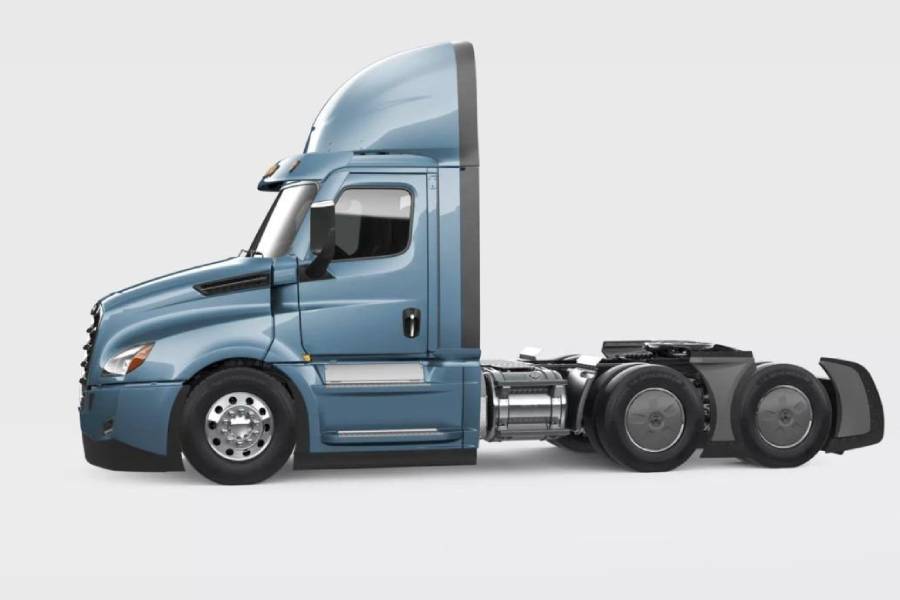
Freightliner Cascadia cruise control can stop working when the truck detects an input, electrical fault, or operating condition that prevents the system from engaging or maintaining the selected speed. Common areas to investigate include the brake or clutch input, cruise control switches, electrical power supply, wiring and connectors, vehicle-speed or ABS-related signals, and electronic control faults involving systems such as the ECM or CPC. The exact cause depends on the Cascadia model year, powertrain configuration, and symptoms present.
The way the cruise control fails provides an important diagnostic clue. A system that does not turn on at all can point toward a different problem than one that turns on but will not set a speed. Cruise control that sets normally and then disengages unexpectedly can indicate an intermittent input or electrical problem. Warning lights and diagnostic trouble codes can further narrow the possible causes.
Diagnosing the problem therefore requires checking the symptoms before replacing components. This guide explains the main causes of Freightliner Cascadia cruise control failure, how each problem affects system operation, what to inspect during troubleshooting, and which repairs may require professional diagnostic equipment.
Why Is My Freightliner Cascadia Cruise Control Not Working?
Your Freightliner Cascadia cruise control may not work when the system detects an incorrect control input, loses an electrical signal, or receives an operating condition that prevents cruise control from engaging. The problem can involve the cruise control controls, brake or clutch input, electrical circuit, wiring, vehicle-speed information, ABS-related signals, or electronic control system. Identifying how the system fails is the first step because different symptoms point toward different diagnostic paths.
Cruise control that does not turn on at all indicates that the system is not reaching the normal activation stage. In this situation, the initial inspection should focus on whether the controls respond, whether relevant electrical circuits have power, and whether warning lights or diagnostic trouble codes are present. Replacing the cruise control switch immediately is not a reliable diagnosis because another input can prevent the system from operating even when the switch itself works.
A different diagnostic path applies when cruise control turns on but will not set a speed. The system must receive the required operating information before it can maintain vehicle speed. An incorrect brake or clutch input, a problem with vehicle-speed information, or another detected fault can therefore prevent the SET command from producing the expected result. The presence of another dashboard warning can provide additional evidence about which system requires inspection.
Cruise control that engages and then disengages unexpectedly points more strongly toward an intermittent condition. For example, an unstable brake or clutch input, damaged electrical connection, or interrupted vehicle-related signal can cause the control system to cancel cruise operation. The failure pattern should therefore be documented before troubleshooting: determine whether cruise control never activates, activates but will not set, or sets and then cancels.
What Causes Freightliner Cascadia Cruise Control to Stop Working?
The main causes of Freightliner Cascadia cruise control problems fall into 6 diagnostic groups: control inputs, brake or clutch inputs, electrical power, wiring and connectors, vehicle-speed or ABS-related signals, and electronic control faults. These groups should be treated as diagnostic categories rather than proof that a particular component has failed. The truck’s model year, transmission, engine configuration, active fault codes, and exact symptoms determine which category should be checked first.
The first group involves the cruise control commands themselves. The system needs valid input from functions such as ON, SET, RESUME, and CANCEL to respond to the driver. A control or its electrical circuit that does not communicate the expected command can produce symptoms such as cruise control failing to activate or failing to set the requested speed. Testing the input is more reliable than replacing the control based only on the symptom.
The second group involves inputs designed to cancel cruise control, particularly the brake and, where applicable, clutch input. Cruise control must disengage when the driver performs an action that requires the system to release control of vehicle speed. An input that incorrectly remains in a cancellation state can therefore make the control system behave as though the brake or clutch is being applied even when the driver is attempting to engage cruise control.
The third and fourth groups are electrical power and circuit integrity. A blown fuse, loss of power, damaged wire, loose connector, corrosion, or poor electrical connection can interrupt communication between a control, sensor, and control module. Electrical faults can produce either a permanent failure or an intermittent problem. A connection that opens only because of vibration, for example, can allow cruise control to work normally at one moment and disengage at another.
The fifth group involves vehicle-speed and ABS-related information. Cruise control depends on valid vehicle operating information to regulate and maintain the selected road speed. A problem affecting a required signal can prevent the system from setting or maintaining speed, while an associated warning light or diagnostic trouble code can help identify the affected circuit. An ABS warning by itself, however, does not prove that an ABS component is the direct cause of the cruise control problem.
The sixth group involves electronic control and detected faults. The ECM, CPC, and other applicable control systems process inputs that influence whether cruise control is permitted to operate. A cruise control problem therefore does not automatically mean that an ECM or CPC has failed. The module may instead be responding correctly to an invalid input or another detected condition. Reading fault codes and checking relevant input status is necessary before diagnosing an electronic control module as defective.
How Do You Troubleshoot Freightliner Cascadia Cruise Control?
Troubleshoot Freightliner Cascadia cruise control by identifying the failure pattern first, then checking warning indicators, control inputs, brake and clutch inputs, electrical circuits, wiring, vehicle-speed signals, and diagnostic trouble codes. This sequence moves from observable symptoms toward components and electronic signals that require more advanced testing. It also reduces the risk of replacing a cruise control component before confirming that it is responsible for the failure.
Start by determining exactly what the cruise control does when you attempt to use it. Check whether the system turns on, whether the SET command responds, whether it maintains the selected speed, and whether it disengages without driver input. Note any check engine, ABS, or other warning lights that appear at the same time. An intermittent failure should also be documented because cruise control that works sometimes but unexpectedly cancels requires a different diagnostic approach from a system that remains completely inactive.
Next, inspect the basic inputs that can enable or cancel cruise operation. Confirm that the cruise control buttons respond as expected and check the brake input and clutch input where applicable. These inputs matter because cruise control is designed to cancel when the driver applies the brake or disengages the drivetrain. A circuit that incorrectly reports one of these conditions can prevent cruise control from setting even when the cruise control controls themselves are functioning.
Electrical inspection should follow if the basic operating conditions do not reveal the problem. Check the applicable fuse information for the specific Cascadia model year and configuration, then inspect accessible wiring and connectors for visible damage, loose connections, corrosion, or other signs of circuit interruption. Do not assume that replacing a blown fuse completes the repair. A fuse that fails again indicates that the circuit requires diagnosis to determine why excessive current or another electrical problem is occurring.
Diagnostic trouble codes and live input information become important when visual and basic electrical checks do not identify the cause. A suitable diagnostic tool can help determine whether the truck is receiving expected brake, clutch, vehicle-speed, and other relevant inputs. This distinction is important because a control module can disable cruise control in response to another fault without being defective itself. The diagnostic goal is to identify the incorrect input or circuit before replacing a switch, sensor, or control module.
Can a Brake Switch Stop Freightliner Cascadia Cruise Control From Working?
Yes, a brake switch or brake-related input problem can prevent Freightliner Cascadia cruise control from engaging or cause it to disengage because applying the brake is a cancellation command for cruise operation. If the control system receives a brake-applied signal when the pedal is not actually being pressed, it can treat that input as a reason to prevent or cancel cruise control.
The mechanism follows a direct sequence: the driver presses the brake, the appropriate brake input changes state, and the cruise control system releases control of vehicle speed. This is an intentional safety function during normal operation. A problem occurs when the input does not accurately represent pedal position. For example, an incorrectly adjusted or malfunctioning switch or a fault in the related circuit can make the system receive an unexpected brake status.
The failure pattern can help determine whether the brake input deserves closer inspection. Cruise control that turns on but refuses to set, cancels unexpectedly, or behaves intermittently can justify checking the brake-related input along with other possible causes. Brake-light behavior may provide an additional clue in configurations where the relevant circuits are related, but normal brake-light operation should not be treated as definitive proof that every brake input used by the vehicle’s electronic systems is correct.
Confirm the problem by testing the brake input rather than replacing the switch solely because cruise control is not working. Depending on the truck configuration, diagnosis can involve checking switch operation, circuit continuity or voltage, connector condition, and the brake status reported through compatible diagnostic equipment. If the reported brake state changes incorrectly or remains active when the pedal is released, the switch, adjustment, wiring, connector, or related circuit should be investigated.
Repair should address the confirmed fault. A defective switch may require replacement or adjustment, while damaged wiring or a poor connection requires circuit repair. After the repair, verify that the brake input changes correctly with pedal operation and confirm that cruise control engages and cancels normally. This diagnosis-before-replacement approach follows the principle that each repair action should be supported by evidence from the affected system rather than by the cruise-control symptom alone.
Can a Clutch Switch Disable Cruise Control on a Freightliner Cascadia?
Yes, a clutch switch or clutch-related input can disable cruise control on a Freightliner Cascadia configuration that uses this input for cruise cancellation. The cruise control system needs to recognize when the clutch is operated because maintaining engine power while the drivetrain is disengaged could cause engine speed to rise instead of maintaining the selected road speed. For this reason, an incorrect clutch input can prevent cruise control from setting or cause it to cancel unexpectedly.
The operating mechanism is similar to the brake input but serves a different drivetrain function. Pressing the clutch pedal disengages the engine from the transmission on an applicable manual transmission configuration. The control system responds to the clutch input by canceling cruise operation. If the switch is incorrectly adjusted, remains in the wrong state, or its electrical circuit sends an incorrect signal, the truck can behave as though the clutch pedal is being pressed when the driver attempts to use cruise control.
Symptoms can include cruise control that turns on but will not set or a system that disengages unexpectedly while driving. An intermittent switch, loose connector, or damaged circuit can also produce a failure that appears and disappears as the truck moves. These symptoms do not confirm a defective clutch switch because brake inputs, wiring faults, control switches, vehicle-speed information, and other detected conditions can produce similar cruise-control behavior.
Diagnose the clutch input before replacing the switch. Check the physical operation and adjustment of the applicable switch, inspect its connector and wiring, and use appropriate diagnostic equipment to verify the clutch status reported to the electronic control system when necessary. The reported state should correspond with actual pedal operation. An input that remains active after the clutch pedal is released provides a more specific diagnostic direction than the cruise-control symptom alone.
Repair the confirmed source of the incorrect input. This can involve adjusting or replacing a defective switch, repairing damaged wiring, or correcting a poor electrical connection. Verify both clutch-input operation and cruise-control behavior after the repair. The exact components and diagnostic procedure depend on the transmission and vehicle configuration, so a clutch switch should not be treated as a universal cause across every Freightliner Cascadia.
Can a Blown Fuse Cause Freightliner Cascadia Cruise Control Not to Work?
Yes, a blown fuse can contribute to Freightliner Cascadia cruise control failure when the affected electrical circuit supplies a component or control function required for cruise operation. Loss of electrical power can prevent a switch, input circuit, or related electronic system from operating correctly. The correct fuse and circuit must be identified for the specific truck instead of assuming that every Cascadia uses the same fuse position.
Start by checking the fuse information that applies to the truck’s model year and electrical configuration. A fuse should be inspected for continuity rather than diagnosed only by appearance when confirmation is required. If an applicable fuse is open, replace it only with the specified fuse rating. Installing a higher-rated fuse does not repair the underlying problem and removes the intended level of circuit protection.
A fuse that blows again is evidence of an electrical fault that requires further diagnosis. Possible circuit problems include a short to ground, damaged wiring, connector damage, or a component drawing abnormal current. Repeatedly installing replacement fuses can leave the original electrical problem unresolved. The correct diagnostic sequence is to identify the protected circuit, determine why the fuse opened, repair the fault, and then verify normal circuit operation.
A good fuse also does not prove that the entire cruise-control-related electrical path is functioning. Power can be present at the fuse while a damaged wire, loose connector, poor connection, or another circuit problem prevents the required signal from reaching its destination. Voltage and circuit testing may therefore be necessary when the fuse passes inspection but cruise control remains unavailable.
After repairing a confirmed fuse or circuit problem, verify more than whether the cruise control turns on. Check that the system can engage, set a selected speed, maintain operation, and cancel normally when the appropriate driver input is applied. If cruise control remains unavailable after electrical power has been confirmed, continue diagnosis instead of replacing additional components without evidence.
Can Wiring or Connector Problems Disable Freightliner Cascadia Cruise Control?
Yes, damaged wiring or poor electrical connections can disable Freightliner Cascadia cruise control by interrupting the power, ground, or signal path required for the system to operate. Common electrical conditions to investigate include broken wires, loose connectors, terminal damage, corrosion, and poor connections. These faults can prevent cruise control from engaging completely or create intermittent operation that changes with vibration, temperature, or movement of the wiring harness.
An electrical circuit must maintain a reliable connection between its components for the control system to receive accurate information. For example, a switch can operate mechanically while a damaged wire prevents its electrical signal from reaching the relevant control system. The same principle applies to inputs that influence cruise engagement or cancellation. Replacing the switch in this situation would leave the actual wiring fault unresolved.
Intermittent cruise control is an important reason to investigate wiring and connectors. A partially damaged conductor or loose terminal may maintain contact while the truck is stationary but temporarily lose continuity as the vehicle moves. The result can be cruise control that sets normally and then cancels without an intentional brake, clutch, or cruise-control command. An intermittent electrical connection can also make the problem difficult to reproduce during a stationary inspection.
Inspect accessible wiring for abrasion, damaged insulation, stretched sections, moisture intrusion, corrosion, and connector damage. Connector terminals should be checked for conditions that prevent secure electrical contact. A visual inspection is useful for obvious damage, but it cannot confirm every circuit fault. Electrical testing may be required to verify power, ground, continuity, voltage drop, or signal behavior at the affected circuit.
Repair should restore the electrical path rather than temporarily bypass the symptom. Damaged wiring requires an appropriate electrical repair, while loose, contaminated, or damaged terminals may require connector service or replacement. After the circuit is repaired, verify the relevant input and operate cruise control under suitable conditions to confirm that the original failure no longer occurs.
Can a Vehicle Speed or ABS Signal Affect Freightliner Cascadia Cruise Control?
Yes, a vehicle-speed or applicable ABS-related signal can affect Freightliner Cascadia cruise control because the system needs valid vehicle operating information to determine whether cruise control can engage and maintain the selected speed. A missing, implausible, or interrupted required signal can prevent cruise control from setting or contribute to unexpected disengagement.
Vehicle-speed information is fundamental to cruise operation. After the driver selects a speed, the control system must compare the truck’s operating information with the requested condition and adjust operation accordingly. If the required speed information is unavailable or inconsistent, the system may be unable to regulate vehicle speed reliably. The symptom can therefore appear as a SET command that does not work or cruise control that disengages after initially engaging.
ABS-related faults require more careful interpretation. An ABS warning light appearing at the same time as a cruise-control problem is useful diagnostic evidence, but it does not prove that the ABS itself is the direct cause. The correct question is whether the detected fault affects information or operating conditions that the truck uses for cruise-control functionality. Fault codes and diagnostic data can help establish that relationship.
Diagnosis should begin by checking the dashboard for ABS or other warning indicators and retrieving relevant diagnostic trouble codes when available. A technician can then evaluate vehicle-speed information and other applicable inputs through compatible diagnostic equipment. If the displayed or reported speed signal is missing, unstable, or inconsistent with actual vehicle operation, the associated sensor, wiring, connector, or signal path requires further testing.
Do not replace a speed sensor or ABS component solely because cruise control is not working. Similar symptoms can originate from brake or clutch inputs, wiring faults, electrical supply problems, control switches, or another electronic condition. Confirm the affected signal first, identify where it is being lost or distorted, repair the confirmed fault, and then verify normal cruise-control operation.
Can ECM or CPC Faults Cause Freightliner Cascadia Cruise Control Problems?
Yes, faults involving the ECM, CPC, or the signals processed by these electronic control systems can affect Freightliner Cascadia cruise control operation. However, cruise control failure does not by itself prove that an ECM or CPC is defective. A control module can prevent cruise operation because it receives an input or detects a vehicle condition that does not satisfy the requirements for engaging or maintaining cruise control.
Electronic control systems evaluate information from multiple vehicle functions before allowing cruise control to operate. Inputs related to driver commands, braking, clutch operation where applicable, vehicle speed, and other operating conditions can influence the decision. If one required input reports an unexpected state, the control logic can prevent the system from setting a speed even though the cruise-control buttons and control module are functioning correctly.
Diagnostic trouble codes provide a more useful starting point than replacing an electronic module based on symptoms alone. Relevant codes can identify a circuit, communication problem, input fault, or other condition that requires investigation. Diagnostic equipment can also be used to compare reported input states with actual vehicle conditions. For example, an input shown as active when the corresponding control is not being operated can direct the diagnosis toward that input circuit rather than toward the ECM or CPC itself.
Communication and electrical problems should also be eliminated before diagnosing a control module as faulty. Damaged wiring, poor connectors, loss of power or ground, and incorrect signals can prevent electronic systems from exchanging or processing the information required for cruise operation. These faults can create symptoms that resemble a module problem while requiring a circuit repair instead.
Replace or repair an ECM, CPC, or another electronic control component only after testing supports that diagnosis. The correct sequence is to retrieve applicable fault information, verify relevant inputs and circuits, identify the actual failure, complete the repair, and confirm normal cruise-control operation. This process avoids unnecessary module replacement when the electronic controller is responding correctly to a problem elsewhere in the truck.
Why Does Freightliner Cascadia Cruise Control Keep Disengaging?
Freightliner Cascadia cruise control can keep disengaging when the system intermittently receives a cancellation input, loses a required electrical or vehicle signal, or detects a condition that no longer permits cruise operation. This symptom differs from cruise control that never engages because the system initially satisfies the conditions needed to set a speed and loses one of those conditions afterward.
An intermittent brake or clutch input is one area to investigate. Cruise control is designed to cancel when an applicable cancellation input is activated. A switch, adjustment problem, connector fault, or unstable circuit can therefore cause the system to receive a brief cancellation command even when the driver does not intentionally disengage cruise control. The short duration of the signal can make the failure difficult to identify without monitoring input status.
Wiring and connector faults can create a similar pattern. Truck vibration can affect a loose terminal, damaged conductor, or poor electrical connection and temporarily interrupt a required signal. Cruise control may operate normally until the circuit loses contact, at which point the system disengages. This explains why an intermittent wiring problem can be more difficult to diagnose than a circuit that has failed completely.
Unstable vehicle operating information or another detected electronic fault can also result in cruise cancellation. Check whether an ABS, check engine, or other warning indicator appears when the cruise control disengages. Retrieve applicable diagnostic trouble codes and examine relevant live data when the problem cannot be identified through basic inspection. The timing of a warning or signal change relative to the cruise-control cancellation can provide important diagnostic evidence.
Record the conditions under which the failure occurs before replacing parts. Note whether cruise control disengages after hitting bumps, operating a pedal, changing road speed, or when a warning light appears. A repeatable pattern helps isolate the responsible input or circuit. Once the fault is confirmed, repair the affected switch, wiring, connector, signal source, or other diagnosed component and verify that cruise control can maintain the selected speed without unexpected cancellation.
How Do You Fix Freightliner Cascadia Cruise Control That Is Not Working?
Fix Freightliner Cascadia cruise control by identifying the failed input, circuit, signal, or component first and repairing that confirmed fault. The correct repair can involve adjusting or replacing a switch, restoring electrical power, repairing wiring or connectors, correcting a vehicle-signal problem, or resolving an electronic fault. Replacing cruise-control components without diagnosis can leave the original problem unchanged because several different faults can produce the same symptom.
Start with the component or circuit supported by the troubleshooting results. A brake or clutch input that reports the wrong state requires inspection of the switch, its adjustment where applicable, connector, and associated wiring. Replace or adjust the switch only when testing confirms that it is responsible for the incorrect input. After the repair, verify that the reported input changes correctly when the pedal is operated and released.
Repair an electrical problem according to the specific circuit failure. Replace a blown fuse with the specified rating after determining why it failed, especially when the fuse has opened repeatedly. Repair damaged conductors, loose terminals, corroded connections, and connector damage when testing identifies them as the source of signal or power loss. A replacement fuse should not be treated as a complete repair when an underlying short or circuit fault remains.
Vehicle-speed, ABS-related, and electronic faults require diagnosis of the affected signal before parts are replaced. A diagnostic trouble code can identify the system or circuit requiring investigation, but it does not always prove that the component named or associated with the code has failed. Test the related sensor or input, wiring, connectors, electrical supply, and signal path as required to locate the actual failure.
Module replacement should come late in the diagnostic process. An ECM or CPC can receive an incorrect input from another circuit and respond by preventing cruise operation even though the module itself works correctly. Confirm power, grounds, communication, relevant inputs, and associated circuits before diagnosing an electronic control unit as defective. Programming or configuration requirements should also be considered when a control module actually requires replacement.
Complete the repair by testing the original symptom rather than simply confirming that a warning light has disappeared. Verify that cruise control turns on, accepts the SET command, maintains the selected speed, responds correctly to RESUME when applicable, and cancels when the appropriate driver input is applied. Successful verification confirms that the repair corrected the operating problem instead of only changing one diagnostic condition.
How Do You Reset Freightliner Cascadia Cruise Control After a Repair?
Resetting Freightliner Cascadia cruise control is not a universal repair procedure because the required post-repair process depends on the fault, model year, configuration, and electronic system involved. Fix the underlying problem first. Clearing a fault or cycling electrical power without repairing a defective switch, damaged circuit, incorrect input, or failed component does not eliminate the source of the cruise-control problem.
The post-repair sequence should follow 4 stages: repair the confirmed fault, clear applicable diagnostic information when required, verify the corrected input or circuit, and test cruise-control operation. For example, repairing an incorrect brake input should be followed by confirming that the electronic system recognizes the brake as released when the pedal is released. The goal is to establish that the condition preventing cruise operation has actually been removed.
Diagnostic trouble codes may require clearing after the underlying fault has been corrected, depending on the system and type of code. Other conditions can change status after the vehicle completes the required operating checks. Use vehicle-specific diagnostic information rather than assuming that disconnecting the battery or performing a generic sequence will reset every Cascadia cruise-control problem.
Avoid using battery disconnection as a substitute for diagnosis. Removing power may clear or alter some temporary information, but it cannot repair a damaged wire, malfunctioning switch, unstable connector, incorrect sensor signal, or other physical fault. It can also complicate troubleshooting when useful diagnostic information is lost before the original problem has been identified.
The final step is an operational test under appropriate driving conditions. Confirm that the cruise control activates, sets the requested speed, maintains operation, and cancels normally through the intended driver controls. If the system still does not work after the diagnosed fault has been repaired, continue troubleshooting for another active input, circuit problem, fault code, or operating condition rather than repeatedly attempting a generic reset.
When Should You Take a Freightliner Cascadia to a Technician for Cruise Control Problems?
Take a Freightliner Cascadia to a qualified technician when cruise control remains unavailable after basic checks, repeatedly disengages, produces persistent fault codes, or requires electrical and electronic testing beyond a visual inspection. Professional diagnosis is especially appropriate when the problem involves multiple vehicle systems because cruise control operation can depend on inputs and signals originating outside the cruise-control switches themselves.
Persistent diagnostic trouble codes are one reason to obtain professional diagnosis. A fault code identifies a system, circuit, or detected condition that requires investigation, but replacing a component based only on the code can lead to an incorrect repair. A technician with compatible diagnostic equipment can examine relevant input states and circuit information to determine whether the problem originates from a switch, sensor, wiring connection, signal path, or another electronic condition.
Repeated electrical failures also require deeper testing. A fuse that blows again after replacement, wiring that shows signs of overheating, or a circuit that repeatedly loses power indicates an underlying electrical problem. The circuit may require continuity, voltage, voltage-drop, or other electrical testing to locate the fault. Continuing to replace a fuse without identifying why it fails does not correct the source of the problem.
Intermittent cruise-control disengagement can also justify professional diagnosis when basic inspection finds no obvious cause. The fault may occur only while the truck is moving, vibrating, or operating under specific conditions. Monitoring brake, clutch, vehicle-speed, and other applicable electronic inputs can help identify a signal that changes at the same time cruise control disengages. This provides stronger diagnostic evidence than replacing parts until the symptom disappears.
Professional service is also appropriate before replacing an ECM, CPC, or another expensive electronic component. Power supply, grounds, wiring, connectors, communication, and relevant inputs should be verified before a control module is condemned. Module replacement may also involve configuration or programming requirements depending on the truck and component. Completing these diagnostic steps first reduces unnecessary parts replacement and helps ensure that the repair addresses the actual failure.
How Can You Prevent Freightliner Cascadia Cruise Control Problems?
Prevent Freightliner Cascadia cruise control problems by maintaining the electrical connections and related vehicle systems that provide the inputs required for cruise operation and by addressing warning signs before they develop into persistent faults. Not every cruise-control failure is preventable, but early attention to electrical damage, intermittent symptoms, warning indicators, and related control problems can reduce the chance that a minor fault develops into a complete loss of cruise operation.
Inspect accessible wiring and connectors during routine maintenance, particularly when there are signs of abrasion, loose routing, moisture intrusion, corrosion, or previous electrical repairs. Truck vibration and environmental exposure can contribute to connector and wiring problems over time. Correcting visible damage before a conductor or terminal loses reliable contact can prevent intermittent signals that interfere with cruise-control operation.
Investigate brake and clutch-related abnormalities when they first appear. Cruise control relies on accurate cancellation inputs, so a switch or circuit that begins reporting an inconsistent state can affect system operation. Intermittent cruise cancellation should not be ignored simply because the system begins working again. Recording when the symptom occurs can make the underlying problem easier to reproduce and diagnose.
Address ABS, engine, and other relevant warning indicators rather than treating cruise-control failure as an isolated problem. A warning light does not automatically identify the component responsible for cruise-control loss, but it can indicate a detected condition that deserves diagnosis. Retrieving applicable fault information while the problem is present can preserve evidence that helps identify the affected system or circuit.
Use vehicle-specific service information when replacing fuses, testing circuits, or diagnosing electronic components. Freightliner Cascadia configurations vary by model year, powertrain, transmission, and installed equipment, so a fuse location, circuit layout, or diagnostic procedure for one truck should not automatically be applied to another. Correct identification of the truck and affected system makes both preventive maintenance and troubleshooting more reliable.
Cruise-control maintenance ultimately depends on maintaining the systems that supply its operating information. Keeping electrical circuits in good condition, repairing intermittent inputs, responding to warning indicators, and diagnosing recurring faults early provides a more effective preventive strategy than replacing cruise-control components on a fixed schedule.