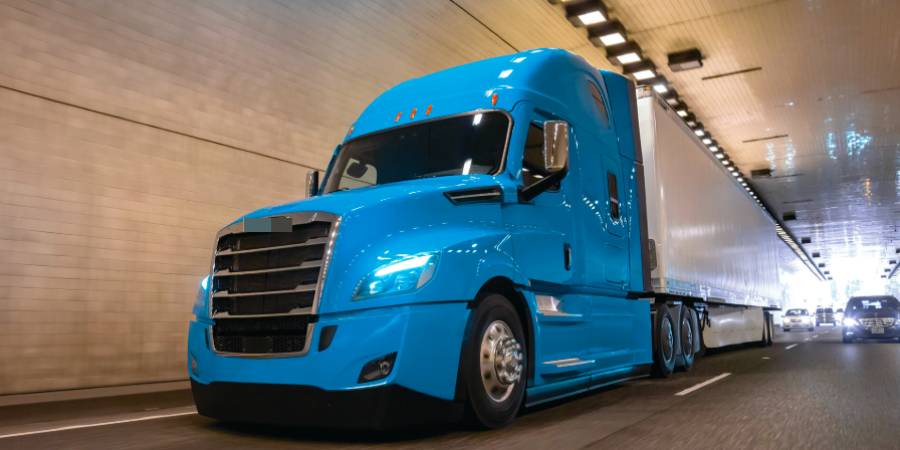
A Freightliner Cascadia that cranks but won’t start usually has a problem with fuel delivery, engine control signals, electrical power, or the mechanical conditions required for diesel combustion. The starter motor turns the engine, but the engine cannot begin running independently because one or more starting requirements are not met.
Fuel system problems include clogged fuel filters, air trapped in fuel lines, inadequate fuel pressure, and faulty fuel delivery components. Electrical problems, such as poor ECM connections, low voltage during cranking, or defective crankshaft and camshaft position sensors, can also prevent the engine from starting. The exact cause depends on the truck’s engine configuration, operating conditions, and recent maintenance history.
Diagnosing a Freightliner Cascadia crank-no-start condition requires checking fuel availability, battery voltage, cranking speed, diagnostic trouble codes, and engine sensor data. Detroit DD13, DD15, DD16, and Cummins X15 engines share basic diesel starting requirements, but their fuel systems and diagnostic procedures differ.
This guide explains the causes of a Freightliner Cascadia that cranks but won’t start, how to identify the faulty system, which repairs address specific failures, and when professional diesel engine diagnostics are necessary.
Why Does a Freightliner Cascadia Crank but Not Start?
A Freightliner Cascadia cranks but does not start when the starter motor rotates the engine, but the engine cannot establish combustion. A diesel engine requires sufficient cranking speed, compression, fuel delivery, and correctly timed fuel injection to start. A failure in any of these conditions can prevent the engine from running, even when the starter operates normally.
The starting system and engine management system perform different functions. The starter rotates the crankshaft, while the engine control module (ECM) uses sensor information to manage fuel injection. Therefore, normal cranking does not confirm that the fuel system, engine sensors, or ECM is functioning correctly.
What Are the Most Common Causes of a Freightliner Cascadia No-Start Condition?
There are six main categories of problems that can cause a Freightliner Cascadia to crank without starting: restricted fuel delivery, air in the fuel system, inadequate injection pressure, faulty engine position signals, electrical control failures, and mechanical engine problems.
- Restricted fuel delivery: Clogged fuel filters, contaminated diesel, or a faulty supply pump can prevent sufficient fuel from reaching the injection system.
- Air in the fuel system: Air entering through leaking connections or improper fuel system priming can interrupt fuel delivery, particularly after fuel filter replacement.
- Inadequate injection pressure: Fuel pressure regulation problems or injection system failures can prevent the engine from receiving the fuel required for combustion.
- Faulty engine position signals: Missing or incorrect crankshaft or camshaft position information can interfere with the ECM’s ability to control injection timing.
- Electrical control failures: Low voltage during cranking, damaged wiring, poor grounds, or interrupted ECM power can prevent proper engine operation.
- Mechanical engine problems: Insufficient compression or internal timing problems can prevent combustion despite normal starter operation.
The symptoms associated with these failures help narrow the diagnosis.
| Observed symptom | Possible cause | Initial diagnostic check |
|---|---|---|
| Engine cranks after fuel filter replacement | Air in the fuel system | Check priming procedure and fuel connections |
| Engine cranks after losing power while driving | Restricted fuel delivery or supply failure | Inspect fuel supply and diagnostic data |
| Engine cranks with engine speed signal faults | Crankshaft sensor or wiring problem | Check fault codes and live RPM |
| Engine cranks with intermittent electrical warnings | ECM power or wiring fault | Inspect voltage, grounds, and connections |
| Engine cranks unusually fast | Possible compression or mechanical problem | Check mechanical condition |
These symptoms identify possible failure categories rather than confirming a defective component. A reliable diagnosis requires matching the observed symptoms with engine-specific fault codes, live operating data, and appropriate system tests before replacing parts.
Can Fuel System Problems Cause a Freightliner Cascadia to Crank but Not Start?
Fuel system problems can cause a Freightliner Cascadia to crank but not start by preventing sufficient diesel fuel from reaching the engine’s injectors at the required pressure. The three main fuel-related causes are restricted fuel flow, air entering the fuel system, and inadequate fuel pressure. Each problem interrupts fuel delivery differently, but all can prevent the engine from establishing combustion.
Clogged fuel filters restrict diesel flow between the fuel tank and the engine’s injection system. Dirt, sediment, microbial contamination, and accumulated debris can obstruct the filter media, reducing the fuel available during starting. A severely restricted filter can cause extended cranking, hard starting, or engine shutdown. For example, a Cascadia that loses power under load before developing a no-start condition may have a fuel supply restriction. However, these symptoms can also indicate other fuel system failures, so filter restriction must be verified rather than assumed.
Air in the fuel system can interrupt fuel delivery when the system loses its prime. Air can enter through damaged seals, loose fuel connections, leaking supply lines, or improperly installed fuel filters. This problem is particularly relevant when a Freightliner Cascadia cranks but won’t start after a fuel filter change. Air pockets can disrupt fuel supply and prevent the injection system from developing the conditions required for starting. Correcting the problem involves identifying the source of air intrusion and following the engine manufacturer’s fuel priming procedure.
Inadequate fuel pressure can also prevent a Freightliner Cascadia diesel engine from starting. Fuel supply pump failures, pressure regulation faults, and injection system problems can prevent fuel from reaching the required operating pressure. On engines equipped with high-pressure common-rail injection, insufficient rail pressure during cranking can prevent proper injection. The required pressure and diagnostic procedure depend on the installed engine, including Detroit DD13, DD15, DD16, and Cummins X15 configurations.
Diagnosing fuel-related starting problems begins with checking the fuel level, fuel filter condition, visible leaks, and recent maintenance history. Technicians can then evaluate fuel supply pressure, restriction, and relevant engine diagnostic data using manufacturer-approved procedures. High-pressure injection lines must not be loosened during cranking because pressurized diesel fuel can penetrate the skin and cause severe injury.
Fuel system repairs should address the confirmed cause rather than replacing multiple components based on symptoms alone. A restricted filter requires replacement, air intrusion requires sealing and proper priming, and a failed fuel delivery component requires testing and repair according to the engine manufacturer’s specifications.
Can Electrical or Sensor Problems Prevent a Freightliner Cascadia From Starting?
Electrical and sensor problems can prevent a Freightliner Cascadia from starting by disrupting engine control module (ECM) power, engine speed detection, or fuel injection control. The three main electrical causes are faulty engine position sensors, insufficient voltage during cranking, and damaged ECM power or wiring connections. These failures can prevent the engine from starting even when the starter motor rotates the crankshaft normally.
The ECM controls fuel injection using information from engine sensors and electrical circuits. A missing engine speed signal, interrupted power supply, or communication fault can interfere with this process. For example, a Cascadia may crank normally while the ECM fails to receive the information required to determine engine position and command fuel injection. Identifying the electrical fault requires checking diagnostic trouble codes, live engine data, and the relevant circuits.
Can a Bad Crankshaft or Camshaft Position Sensor Cause a No-Start?
A faulty crankshaft or camshaft position sensor can cause a Freightliner Cascadia crank-no-start condition when the engine control system cannot determine the position or timing information required for fuel injection. The crankshaft position sensor provides information about crankshaft rotation and engine speed, while the camshaft position sensor helps establish engine position and synchronization on systems that use this input.
A missing or incorrect crankshaft position signal can prevent the ECM from recognizing engine rotation accurately. Similarly, a camshaft position signal fault can interfere with synchronization during starting. The effect of either failure depends on the engine’s control strategy. Some systems may continue operating with a failed sensor under specific conditions, while others may prevent starting.
For example, a Freightliner Cascadia equipped with a Detroit DD15 engine may require an investigation of engine speed data and synchronization-related fault codes when it cranks without starting. A technician can use Detroit DiagnosticLink to examine available engine parameters and identify relevant diagnostic faults. However, a missing RPM reading does not automatically prove that the crankshaft sensor is defective because damaged wiring, poor connections, or ECM-related faults can produce similar symptoms.
Low battery voltage during cranking can also interfere with engine starting. The starter motor draws substantial electrical current, which can cause voltage to drop across weak batteries, corroded terminals, or high-resistance connections. Although the engine may continue rotating, insufficient voltage at the ECM or other essential circuits can disrupt electronic engine controls. Battery condition, cranking voltage, cable resistance, and ground connections should therefore be evaluated when electrical problems are suspected.
ECM power supply and wiring faults can prevent proper engine operation by interrupting electrical power, ground continuity, or communication between control components. Blown fuses, damaged wiring harnesses, loose connectors, and corroded terminals are possible causes. These faults may also produce intermittent starting problems or communication-related diagnostic trouble codes.
Electrical troubleshooting should begin with battery and connection inspections, followed by fault code analysis and circuit testing. Sensors, ECM components, and wiring should only be repaired or replaced after diagnostic testing identifies the actual failure. This approach prevents unnecessary parts replacement and helps distinguish electrical faults from fuel delivery problems that produce similar starting symptoms.
How Do You Diagnose a Freightliner Cascadia That Cranks but Won’t Start?
Diagnosing a Freightliner Cascadia that cranks but won’t start requires checking basic starting conditions, retrieving engine fault codes, verifying fuel delivery, and examining engine speed signals. Following this sequence helps identify whether the failure originates in the fuel system, electrical controls, engine sensors, or mechanical components without replacing parts unnecessarily.
What Should You Check First When a Freightliner Cascadia Won’t Start?
Start by checking the fuel level, battery condition, cranking behavior, dashboard warnings, and recent maintenance history. These initial checks help identify visible problems before specialized diagnostic equipment is required.
Park the truck on a stable surface, apply the parking brake, and ensure the transmission is in neutral before testing. Confirm that the fuel tank contains sufficient diesel and inspect accessible fuel lines and filter housings for leaks. If the problem began immediately after fuel filter replacement, investigate improper priming, damaged seals, or loose connections.
Next, observe how the engine cranks. Slow or inconsistent cranking can indicate weak batteries, excessive electrical resistance, or starter-related problems. Normal cranking with no combustion suggests that fuel delivery, engine control signals, or mechanical conditions require further investigation. Avoid repeated extended cranking because it can overheat the starter and discharge the batteries.
How Do You Read Freightliner Cascadia Fault Codes?
Freightliner Cascadia fault codes help identify electronic system failures by reporting detected abnormalities in engine sensors, electrical circuits, and control systems. These codes narrow the diagnostic process but do not always identify the exact defective component.
Freightliner trucks use diagnostic information that can include Suspect Parameter Numbers (SPNs) and Failure Mode Identifiers (FMIs). An SPN identifies the parameter or component associated with a fault, while an FMI describes the detected failure condition. For example, an engine speed sensor fault may indicate a missing or implausible signal, but the underlying cause could be a defective sensor, damaged wiring, or an electrical connection problem.
Technicians working on Detroit-powered Cascadia trucks can use Detroit DiagnosticLink to retrieve fault codes and monitor supported engine parameters. Cummins-powered configurations require compatible diagnostic equipment, such as Cummins INSITE. Record active and inactive faults before clearing codes because stored information can help identify intermittent failures. An engine can also experience a mechanical or fuel supply problem without displaying a relevant fault code.
How Do You Test Fuel Delivery and Engine Speed During Cranking?
Fuel delivery and engine speed testing determines whether the engine receives adequate fuel and whether the ECM recognizes crankshaft rotation during starting. Both conditions are essential to diagnosing a diesel crank-no-start problem.
Begin with the low-pressure fuel supply system by inspecting fuel filters, accessible supply connections, and evidence of air intrusion. A technician can measure fuel supply pressure or restriction using equipment and specifications appropriate for the installed engine. Engines with high-pressure common-rail injection also require evaluation of rail pressure data during cranking when supported by the diagnostic system. High-pressure fuel connections must never be loosened to check for fuel flow.
Next, monitor engine RPM using a compatible diagnostic tool while the starter rotates the engine. A valid RPM signal indicates that the ECM is receiving engine speed information, although it does not confirm that every position sensor is functioning correctly. Missing or implausible RPM data requires further inspection of sensor signals, wiring, connectors, and related fault codes.
If fuel delivery, engine speed signals, and electrical controls meet manufacturer specifications but the engine still fails to start, investigate mechanical conditions such as insufficient compression or incorrect engine timing. These tests require engine-specific service procedures and professional diagnostic equipment.
The diagnosis is complete when testing identifies a failure that explains the no-start condition. Confirming the cause before performing repairs reduces unnecessary component replacement and helps ensure that the starting problem is corrected rather than temporarily masked.
How Do You Fix a Freightliner Cascadia That Cranks but Won’t Start?
Fixing a Freightliner Cascadia that cranks but won’t start requires repairing the confirmed fuel system, electrical, sensor, or mechanical fault preventing combustion. The correct repair depends on diagnostic results, engine configuration, and manufacturer specifications. Replacing components without confirming the failure can increase repair costs without resolving the starting problem.
Replace restricted fuel filters when inspection or fuel supply testing confirms that filter blockage is preventing adequate diesel flow. Use filters specified for the installed engine and inspect the filter housing seals for damage or incorrect installation. After replacement, prime the fuel system according to the engine manufacturer’s procedure. Improper priming can leave air in the fuel circuit and cause continued cranking without starting.
Repair fuel system air leaks by identifying and correcting damaged seals, loose fittings, leaking supply lines, or improperly installed filter components. Air entering the fuel supply can interrupt fuel delivery and prevent the engine from starting. Once the leak is repaired, restore fuel system prime using the approved procedure. If testing identifies a defective fuel supply pump or pressure regulation component, repair or replace the confirmed faulty part. High-pressure injection system repairs should be performed by qualified diesel technicians using appropriate equipment.
Correct electrical power and wiring problems when voltage testing or circuit inspection identifies insufficient ECM power, damaged connections, or excessive electrical resistance. Clean and secure corroded battery terminals, repair damaged wiring, and restore faulty ground connections. Replace defective batteries, fuses, or relays only after verifying their condition and identifying the cause of the failure. A blown fuse, for example, may indicate an underlying electrical short that must be corrected before reliable operation can be restored.
Replace faulty engine position sensors when diagnostic testing confirms that a crankshaft or camshaft position sensor is defective. Check the sensor connector, wiring continuity, and available live data before installation. Use components compatible with the specific engine model and follow manufacturer instructions for installation and any required calibration or service procedures.
Repair mechanical engine faults when compression testing, timing inspection, or other engine-specific diagnostics confirm an internal problem. Mechanical repairs may involve valve train components, engine timing systems, or damaged internal parts. These procedures require specialized tools and should be performed according to the appropriate engine service manual.
After completing the repair, start the engine and verify stable operation. Check diagnostic trouble codes, monitor relevant engine parameters, and inspect repaired components for fuel leaks or electrical problems. Shut down and restart the engine to confirm that the original crank-no-start condition has been resolved.
A successful repair restores reliable starting and corrects the underlying failure, rather than temporarily allowing the engine to run while the original problem remains.
Do Freightliner Cascadia No-Start Causes Differ by Engine Type?
Freightliner Cascadia no-start causes differ by engine type because Detroit and Cummins engines use different fuel system configurations, electronic controls, and diagnostic procedures. Although Detroit DD13, DD15, DD16, and Cummins X15 engines share the same basic diesel combustion requirements, their fuel injection systems, sensor arrangements, and manufacturer-specific service specifications are not identical.
Detroit DD13, DD15, and DD16 engines use Detroit electronic engine management systems that control fuel injection based on operating conditions and sensor inputs. When a Detroit-powered Cascadia cranks without starting, technicians can use Detroit DiagnosticLink to examine fault codes, engine speed data, fuel system parameters, and other available diagnostic information. Fuel pressure testing, sensor inspection, and fuel system priming must follow the procedures specified for the particular engine model and production year.
Cummins X15 engines use Cummins electronic engine controls and engine-specific fuel delivery components. Technicians can use Cummins INSITE to retrieve diagnostic trouble codes, monitor supported operating parameters, and perform applicable diagnostic tests. A Cummins X15 no-start condition may involve fuel supply restrictions, inadequate rail pressure, engine position signals, or ECM-related electrical faults. However, diagnostic values and repair procedures must come from Cummins service information rather than Detroit engine specifications.
Engine identification is therefore an essential part of accurate troubleshooting. The engine model, serial number, and applicable service documentation determine which diagnostic procedures, replacement parts, and operating specifications are correct. Using the wrong engine-specific procedure can produce misleading test results or cause additional damage.
Read more: How to Reset Check Engine Light on Freightliner M2
How Can You Prevent a Freightliner Cascadia From Cranking Without Starting?
Preventing a Freightliner Cascadia crank-no-start condition requires maintaining the fuel delivery system, electrical connections, batteries, and engine control components. Preventive maintenance cannot eliminate every starting failure, but it reduces avoidable problems caused by fuel contamination, restricted filters, deteriorated electrical connections, and neglected service issues.
Maintain the fuel system by replacing fuel filters at the intervals specified for the installed engine and operating conditions. Use diesel fuel that meets manufacturer requirements and inspect for water contamination, damaged seals, or fuel leaks during scheduled maintenance. After replacing fuel filters, follow the correct priming procedure to prevent air from remaining in the fuel circuit.
Inspect batteries and electrical connections during routine service. Check battery condition, terminal corrosion, cable security, and engine ground connections. High-resistance connections can cause excessive voltage drops during cranking, while damaged wiring can interrupt ECM power or sensor communication. Addressing these conditions before they worsen helps maintain reliable starting performance.
Monitor engine fault codes and starting behavior to identify developing problems. Extended cranking, intermittent starting difficulties, recurring sensor faults, or unexpected engine shutdowns should be investigated before the truck becomes inoperable. Record diagnostic findings and completed repairs to help identify recurring failures.
Following the engine manufacturer’s maintenance schedule and correcting early warning signs helps reduce unexpected no-start incidents and improves Freightliner Cascadia operating reliability.
When Should You Call a Diesel Mechanic for a Freightliner Cascadia No-Start?
Call a qualified diesel mechanic when your Freightliner Cascadia continues cranking without starting after basic fuel, battery, and electrical checks, or when the problem requires specialized diagnostic equipment. Persistent starting failures can involve high-pressure fuel injection, ECM communication, engine synchronization, or internal mechanical components that cannot be accurately evaluated through visual inspection alone.
Professional diagnosis is necessary when the engine has abnormal cranking noises, visible fuel leaks, recurring electrical faults, or unresolved diagnostic trouble codes. A technician should also inspect the truck when fuel pressure or engine speed data indicates a problem that requires manufacturer-specific testing. High-pressure diesel injection systems present serious injury risks and should not be opened or tested using improvised procedures.
A diesel technician can use Detroit DiagnosticLink or Cummins INSITE, depending on the installed engine, to examine fault codes, monitor live operating parameters, and perform supported diagnostic tests. Additional inspections may include fuel pressure measurements, electrical circuit testing, sensor signal analysis, and engine compression testing.
Before requesting roadside assistance, record the truck’s model year, engine model, displayed fault codes, recent repairs, and symptoms observed during cranking. This information helps the technician select appropriate diagnostic equipment and prioritize inspections.
Stop repeated starting attempts when the cause remains unidentified, especially if the engine produces unusual noises or the starter begins overheating. Professional diagnosis can identify the underlying failure and prevent unnecessary component replacement or additional engine damage.