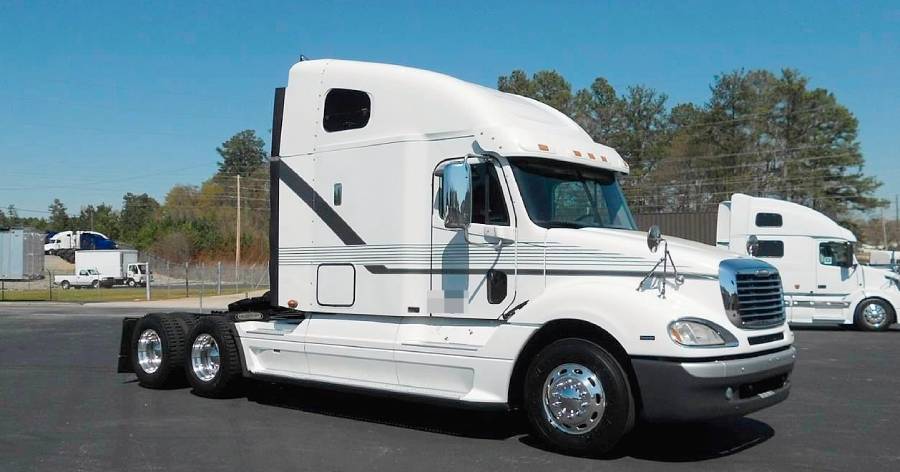
To clear the check engine light on a Freightliner truck, identify the diagnostic trouble code (DTC), repair the underlying problem, and clear the fault code using a compatible heavy-duty diagnostic scanner. Some Freightliner warning lights turn off automatically after the engine control module (ECM) confirms that the fault is no longer present. However, clearing a code without fixing its cause will not prevent the warning from returning.
The reset procedure depends on the Freightliner model, engine configuration, and diagnostic system. Freightliner Cascadia and M2 trucks equipped with Detroit Diesel or Cummins engines may require different diagnostic software, such as Detroit Diesel DiagnosticLink or Cummins INSITE. Common causes of check engine warnings include faulty sensors, electrical problems, diesel particulate filter (DPF) issues, and diesel exhaust fluid (DEF) system malfunctions.
Before resetting the warning, drivers should distinguish between an active engine fault and a stored inactive code. An active fault may prevent successful code clearing, while an inactive code may remain in diagnostic memory after the problem has been resolved.
This guide explains how to diagnose and clear Freightliner check engine codes, reset the warning with or without a scanner, troubleshoot recurring faults, and determine when professional repair is necessary.
How Do You Clear the Check Engine Light on a Freightliner Truck?
To clear the check engine light on a Freightliner truck, read the diagnostic trouble codes, repair the detected fault, erase eligible codes using a compatible diagnostic scanner, and verify that the warning stays off. The procedure applies to Freightliner trucks equipped with Detroit Diesel or Cummins engines, although diagnostic software and clearing functions vary by engine model and electronic control system.
Follow these six steps to clear the Freightliner check engine light safely.
- Park the truck and check the warning indicators. Stop in a safe location, apply the parking brake, and check the dashboard for additional warnings. A Check Engine light indicates a detected engine or emissions-system problem, while a red Stop Engine warning requires immediate attention according to the vehicle’s operating instructions. Do not attempt to clear a critical warning simply to continue driving.
- Connect a compatible diagnostic scanner. Locate the truck’s diagnostic connector, which is commonly positioned beneath or near the driver’s dashboard. Connect a heavy-duty scanner that supports the vehicle’s communication protocol, such as SAE J1939. Turn the ignition on and establish communication with the appropriate control module.
- Read and record the diagnostic trouble codes. Retrieve the active and inactive fault codes stored in the engine control module (ECM). Freightliner trucks commonly report faults using Suspect Parameter Numbers (SPNs) and Failure Mode Identifiers (FMIs). Record the complete fault information before clearing anything because the codes provide evidence needed to identify the malfunction.
- Diagnose and repair the underlying problem. Use the fault codes, manufacturer diagnostic procedures, and inspection results to determine the actual cause. For example, a DPF-related warning may require inspection of the exhaust aftertreatment system, while a sensor-related fault may involve damaged wiring, poor electrical connections, or a defective component. A fault code identifies a detected condition but does not always identify the component that needs replacement.
- Clear the fault codes using the diagnostic software. After completing the repair, select the applicable clear-code or fault-reset function in the scanner’s software. Detroit Diesel engines may require Detroit Diesel DiagnosticLink, while supported Cummins engines can be serviced using Cummins INSITE. Some active faults and emissions-related diagnostic records cannot be cleared until specific repair or monitoring conditions are satisfied.
- Restart the engine and verify the reset. Disconnect the scanner according to its instructions, restart the truck, and inspect the dashboard. Recheck the ECM for active codes and confirm that the original fault does not return. Where required, complete the manufacturer’s specified operating or verification procedure to ensure the repair was successful.
The check engine light should remain off once the underlying malfunction has been corrected and the engine monitoring system confirms normal operation. If the warning returns immediately or after driving, the original problem may still be present, or another fault may have been detected. Read the new diagnostic information rather than repeatedly erasing the codes.
What Causes the Check Engine Light to Come On in a Freightliner?
The check engine light on a Freightliner truck comes on when the engine control module (ECM) or another monitoring system detects a fault affecting engine operation, emissions performance, or electronic controls. The five main causes are faulty engine sensors, electrical system problems, diesel particulate filter (DPF) issues, diesel exhaust fluid (DEF) system faults, and exhaust gas recirculation (EGR) malfunctions. The specific cause depends on the engine configuration and diagnostic trouble codes recorded by the truck.
Faulty engine sensors are a common source of Freightliner check engine warnings because the ECM relies on sensor measurements to control fuel delivery, engine performance, and emissions. For example, a malfunctioning manifold pressure sensor can provide incorrect intake pressure readings, while a defective coolant temperature sensor may report temperatures outside the expected operating range. The ECM compares these signals with programmed limits and other sensor readings, generating diagnostic codes when it detects abnormal conditions.
Electrical and wiring problems can also activate the check engine light by interrupting communication between sensors, actuators, and electronic control modules. Damaged wiring harnesses, corroded connectors, loose terminals, and unstable power connections can produce intermittent or persistent faults. For example, a loose connector on an exhaust temperature sensor may cause its signal to disappear temporarily, triggering a warning even when the sensor itself is functional. Inspecting the wiring and connector condition helps distinguish electrical failures from defective components.
Diesel particulate filter (DPF) problems occur when the exhaust aftertreatment system cannot maintain the required operating conditions. The DPF captures soot from diesel exhaust, while regeneration burns accumulated soot to help maintain filter performance. Excessive soot loading, failed regeneration events, or faulty exhaust pressure and temperature sensors can trigger diagnostic warnings. Depending on the fault and its severity, the truck may also display regeneration-related messages or enter a reduced-power operating mode.
Diesel exhaust fluid (DEF) system faults can illuminate the check engine light when the selective catalytic reduction (SCR) system detects problems with emissions control. Common examples include insufficient DEF supply, incorrect DEF concentration, malfunctioning DEF dosing components, and nitrogen oxide (NOx) sensor faults. The SCR system uses DEF to help reduce nitrogen oxide emissions, so failures affecting DEF delivery or emissions monitoring can generate fault codes and, under specified conditions, engine derate warnings.
Exhaust gas recirculation (EGR) malfunctions can trigger engine warnings when the system fails to regulate recirculated exhaust gas as expected. The EGR system redirects a controlled portion of exhaust gas into the intake to reduce combustion temperatures and nitrogen oxide formation. A sticking EGR valve, blocked passage, faulty actuator, or inaccurate position sensor can disrupt this process. The ECM detects discrepancies between commanded and measured operating conditions and records the corresponding fault.
Reading the stored diagnostic trouble codes is the most reliable starting point for identifying why a Freightliner check engine light is on. Similar dashboard warnings can result from different mechanical, electrical, or emissions-related problems. Diagnosing the recorded fault before replacing components prevents unnecessary repairs and helps ensure that the warning does not return after the codes are cleared.
How Do You Read Freightliner Check Engine Fault Codes?
To read Freightliner check engine fault codes, use a compatible heavy-duty diagnostic scanner or the truck’s built-in diagnostic display, if supported, to retrieve the fault information stored in its electronic control modules. Most modern Freightliner trucks use SAE J1939 communication for heavy-duty vehicle diagnostics. Fault information commonly includes a Suspect Parameter Number (SPN), Failure Mode Identifier (FMI), occurrence count, and fault status.
A diagnostic scanner provides access to fault information from the engine control module (ECM) and other supported vehicle systems. Connect the scanner to the truck’s diagnostic port, turn the ignition to the position specified by the diagnostic tool, and select the appropriate vehicle or engine configuration. Once communication is established, open the fault-code menu to retrieve active and previously recorded diagnostic trouble codes. Some Freightliner models also display fault information through dashboard menus, although the available details depend on the model year and instrument cluster.
SPN and FMI codes identify the affected parameter and the type of detected failure. The SPN identifies a specific monitored parameter or system condition, while the FMI describes how the reported value or operation differs from its expected state. For example, SPN 110 identifies engine coolant temperature, while FMI 0 indicates that valid data is above the normal operating range at the most severe level. Together, these identifiers provide more useful diagnostic information than a dashboard warning alone. However, the complete code must be interpreted using the appropriate engine manufacturer’s fault documentation because the same symptom can result from different underlying problems.
Freightliner diagnostic systems also distinguish between active and inactive fault codes. An active fault indicates that the control module currently detects the specified malfunction. An inactive fault indicates that the condition was previously detected but is not currently active. For example, an intermittent sensor connection may generate an active fault while the signal is interrupted, then leave an inactive fault record after the connection is restored. Inactive codes can provide valuable evidence when diagnosing problems that occur only under certain driving or operating conditions.
The occurrence count, when available, records how often a diagnostic fault has been registered according to the control module’s counting logic. A repeated fault may indicate an intermittent electrical connection, recurring emissions-system malfunction, or another unresolved condition. However, occurrence counts do not necessarily represent the exact number of times a driver noticed the warning light. Technicians should examine fault status, operating conditions, and manufacturer troubleshooting instructions together rather than relying on the count alone.
Record the complete fault information before attempting to clear the check engine light. Include the SPN, FMI, fault status, occurrence count, and any available diagnostic snapshots. These records help identify the underlying malfunction, select the correct repair procedure, and determine whether the same fault returns after the reset. Clearing codes before saving this information can remove diagnostic evidence needed for accurate troubleshooting.
How Do You Reset a Freightliner Check Engine Light With a Diagnostic Scanner?
To reset a Freightliner check engine light with a diagnostic scanner, connect a compatible heavy-duty scan tool, retrieve the engine fault codes, repair the underlying malfunction, and use the software’s clear-fault function to erase eligible diagnostic records. The engine control module (ECM) will turn off the warning when the relevant fault conditions and monitoring requirements have been satisfied. The exact procedure depends on the truck’s engine manufacturer, model year, and diagnostic software.
Begin by parking the Freightliner on level ground, applying the parking brake, and switching off the engine. Locate the diagnostic connector beneath or near the dashboard and connect the scanner using the appropriate adapter. Freightliner trucks commonly use heavy-duty diagnostic connections supporting SAE J1939 communication, although connector types vary between vehicle generations. Turn the ignition on as instructed by the diagnostic tool and establish communication with the ECM.
Once connected, select the engine control module and open the diagnostic trouble code menu. Review the active and inactive faults, including their SPN and FMI identifiers. Save the diagnostic report before performing any reset. After identifying and repairing the underlying problem, select the available clear-fault or erase-code command. Some control modules require additional repair verification, operating conditions, or manufacturer-specific procedures before a fault can become inactive or its warning can be cleared.
After completing the clearing procedure, restart the engine and check the instrument panel. Scan the ECM again to confirm that the original fault is no longer active. Some emissions-related warnings require additional monitoring or a specified verification procedure before the dashboard indicator turns off. A successful clear-code command alone does not confirm that the original malfunction has been repaired.
Which Diagnostic Tools Can Clear Freightliner Check Engine Codes?
Three diagnostic tool categories commonly used for Freightliner engine fault diagnosis are Detroit Diesel DiagnosticLink, Cummins INSITE, and compatible aftermarket heavy-duty diagnostic scanners. Each tool provides different levels of access depending on the engine, electronic control module, and supported functions.
Detroit Diesel DiagnosticLink is the manufacturer-specific diagnostic software used with supported Detroit Diesel engines, including DD13 and DD15 configurations found in Freightliner Cascadia trucks. It allows authorized users to retrieve engine fault codes, monitor operating parameters, perform supported diagnostic tests, and execute available fault-clearing functions. Some procedures require appropriate software access, compatible hardware, or specific operating conditions.
Cummins INSITE provides diagnostic and service functions for supported Cummins engines installed in Freightliner vehicles, including certain M2 configurations. Technicians use INSITE to identify engine faults, view operating data, perform supported tests, and clear eligible diagnostic codes after completing repairs. Its available functions depend on the engine control module, software version, and access permissions.
Aftermarket heavy-duty diagnostic scanners, such as compatible tools from Jaltest, TEXA, or Autel, offer diagnostic coverage across multiple commercial vehicle systems. Supported functions may include reading J1939 fault codes, viewing live sensor data, clearing eligible faults, and performing selected service procedures. However, not every scanner supports every Freightliner engine or manufacturer-specific reset function. Verify the scanner’s engine coverage and fault-clearing capabilities before purchasing or using it.
For Freightliner trucks equipped with Detroit Diesel engines, DiagnosticLink is a suitable manufacturer-specific option. For supported Cummins-powered trucks, INSITE provides the corresponding engine diagnostic functions. A compatible aftermarket scanner is an alternative when its coverage includes the truck’s engine and the required clearing procedure. Regardless of the tool, repairing the underlying fault remains necessary for a reliable check engine light reset.
Can You Clear a Freightliner Check Engine Light Without a Scanner?
You can sometimes get a Freightliner check engine light to turn off without a diagnostic scanner, but there is no universal manual reset procedure that works on every model. The warning may disappear automatically after the engine control module (ECM) determines that the original fault is no longer present and the required monitoring conditions have been satisfied. However, faults that remain active, require a dedicated reset command, or involve emissions-system malfunctions may need manufacturer-compatible diagnostic equipment.
The first step is to identify and correct the condition that triggered the warning. For example, if an intermittent electrical connection caused a temporary fault, repairing the connection may allow the warning to turn off after the ECM completes its checks. If the fault involves a defective sensor, a DPF malfunction, or a DEF dosing problem, the warning may remain illuminated until the underlying issue is repaired and the system verifies normal operation. Simply restarting the engine does not guarantee that the code will be cleared.
Some Freightliner trucks provide diagnostic information through dashboard displays or instrument-cluster menus. Depending on the model and configuration, these interfaces may allow drivers to view certain fault information, but they do not necessarily provide a function for erasing engine codes. The availability of dashboard diagnostics should not be confused with full access to the ECM’s service functions.
Avoid repeatedly cycling the ignition or attempting generic reset sequences found online unless the procedure is specifically approved for the truck’s model and engine. Such methods may have no effect on stored diagnostic codes and can delay identification of a fault that requires repair. If the check engine light remains on, retrieve the diagnostic codes using a compatible heavy-duty scanner or arrange for a qualified technician to diagnose the system.
Will the Freightliner Check Engine Light Turn Off After the Problem Is Fixed?
The Freightliner check engine light may turn off automatically after the underlying fault is corrected, but the timing depends on the fault type and the engine control module’s monitoring requirements. The ECM continually evaluates signals from sensors and other engine components. When the original abnormal condition disappears, the system may need to complete additional checks before changing the fault status or extinguishing the warning.
For example, an intermittent sensor fault may become inactive after the electrical connection is repaired and the sensor begins reporting plausible readings. The dashboard warning may then turn off after the system confirms normal operation. However, the corresponding inactive fault code may remain stored in diagnostic memory for later review.
Emissions-related faults can require more specific verification. A DPF, SCR, or DEF system warning may persist until the control module completes the required monitoring process or an applicable service procedure. Some conditions also require a manufacturer-specific reset or repair verification using diagnostic software.
If the warning remains illuminated after the repair, read the ECM fault information rather than assuming that the repair failed or that the light can simply be erased. Confirm whether the original fault is still active, whether a new code has appeared, and whether the system requires an additional verification procedure.
Does Disconnecting the Battery Reset a Freightliner Check Engine Light?
Disconnecting the battery is not a reliable universal method for clearing a Freightliner check engine light. Modern Freightliner trucks use electronic control modules that store diagnostic information in memory, and the behavior of that memory depends on the specific control system. Removing electrical power does not necessarily erase stored fault codes or resolve an active engine or emissions-system malfunction.
Battery disconnection can also introduce additional complications. Some electronic systems may require initialization or restoration of settings after power is interrupted. If the original fault remains, the ECM may detect it again when the engine restarts or when the relevant system resumes operation. For example, a persistent exhaust sensor fault can trigger the warning again even if the dashboard indicator temporarily disappears.
Before disconnecting a battery, follow the manufacturer’s service instructions for the particular truck and engine. Do not use battery disconnection as a substitute for retrieving diagnostic codes or repairing the underlying problem. When the warning requires a controlled reset, use the appropriate diagnostic equipment and procedure.
The most dependable scanner-free approach is to correct the fault and allow the truck’s monitoring system to determine whether the warning can clear automatically. If the light remains on or returns, a compatible diagnostic scanner is the appropriate next step.
How Do Check Engine Light Reset Procedures Differ Between Freightliner Models?
Check engine light reset procedures differ between Freightliner models because the engine manufacturer, electronic control module (ECM), model year, and diagnostic software determine how faults are retrieved, repaired, and cleared. A Freightliner Cascadia equipped with a Detroit Diesel DD15 engine may use Detroit Diesel DiagnosticLink, while an M2 equipped with a supported Cummins engine may require Cummins INSITE. Both trucks can use heavy-duty diagnostic communication, but the available service functions and reset requirements are not necessarily identical.
The first step is to identify the truck’s exact model year, engine type, and active diagnostic codes. The model badge alone does not establish which diagnostic procedure is appropriate because Freightliner vehicles have been offered with different engine configurations and electronic systems. The same dashboard warning can also represent different problems depending on the engine and aftertreatment equipment.
For example, a fault involving the diesel particulate filter (DPF) may require inspection of exhaust pressure readings, temperature sensors, and regeneration history before the warning can be cleared. A communication fault may instead require inspection of wiring, connectors, and the affected control module. Using the correct engine-specific diagnostic procedure helps technicians identify the cause instead of repeatedly attempting to erase the warning.
After the underlying problem is repaired, use diagnostic software compatible with the truck’s engine and ECM to clear eligible fault codes. Restart the engine, inspect the dashboard, and scan the system again to verify that the fault is no longer active. If the warning remains illuminated, follow the manufacturer’s troubleshooting instructions rather than applying a generic reset sequence.
How Do You Clear the Check Engine Light on a Freightliner Cascadia?
To clear the check engine light on a Freightliner Cascadia, identify the installed engine, retrieve its diagnostic trouble codes, repair the detected fault, and use the corresponding diagnostic procedure to clear eligible codes. Many Cascadia trucks use Detroit Diesel engines, including DD13 and DD15 configurations, although the correct procedure depends on the specific vehicle and powertrain.
For a Cascadia equipped with a supported Detroit Diesel engine, Detroit Diesel DiagnosticLink provides access to engine fault information and applicable service functions. Connect compatible diagnostic hardware, establish communication with the engine control module, and retrieve the active and inactive codes. Record the complete fault details before clearing any codes so that the original diagnostic evidence remains available.
Next, diagnose the fault using the applicable Detroit Diesel service information. For example, a DPF-related code may require examination of exhaust pressure measurements, temperature sensor signals, and the aftertreatment system’s operating condition. Repair the identified problem before using the available clear-code function. Certain emissions faults may require additional verification or a manufacturer-specified service procedure.
After clearing eligible codes, restart the engine and confirm whether the warning has disappeared. Recheck the ECM for active faults and follow any required verification instructions. If the light returns, investigate the new or recurring fault instead of repeatedly clearing the same code.
Cascadia trucks with other engine configurations may require different diagnostic tools and procedures. Confirm the engine model and diagnostic requirements before selecting software or attempting a reset.
How Do You Clear the Check Engine Light on a Freightliner M2?
To clear the check engine light on a Freightliner M2, retrieve the diagnostic codes from the installed engine control module, correct the underlying problem, and use compatible diagnostic equipment to clear eligible faults. The M2 series includes multiple engine and model-year configurations, so the exact procedure cannot be determined from the M2 designation alone.
Some Freightliner M2 trucks use supported Cummins engines, for which Cummins INSITE provides engine diagnostic and service functions. Other configurations may use different engine platforms and require their corresponding diagnostic software. Before connecting a scanner, verify the engine manufacturer, engine model, diagnostic connector, and tool compatibility.
Once the scanner communicates with the ECM, record the active and inactive fault codes. Use the SPN and FMI information, together with the engine manufacturer’s troubleshooting documentation, to identify the suspected fault. For example, an electrical fault may require inspection of a sensor connector or wiring harness, while an emissions-system fault may require additional checks of the DPF, DEF, or SCR components.
After completing the repair, execute the applicable code-clearing procedure and verify the result by restarting the engine and rescanning the ECM. Some faults will clear only after the system confirms normal operation or completes a required service procedure. If the warning persists, use the remaining diagnostic information to determine whether the original problem remains active or a separate fault has occurred.
For both Cascadia and M2 trucks, the correct reset procedure depends on the installed engine and electronic control system, not just the model name. Identifying the configuration before clearing codes reduces the risk of using incompatible software or overlooking a fault that requires further repair.
Why Does the Freightliner Check Engine Light Stay On After Resetting?
The Freightliner check engine light stays on after resetting when the underlying fault remains active, the engine control module (ECM) detects the same problem again, or the system has not completed the required verification procedure. The four main causes are unresolved engine faults, recurring electrical or sensor problems, emissions-system malfunctions, and incomplete diagnostic verification. Clearing a diagnostic trouble code removes an eligible fault record, but it does not repair the component or operating condition that triggered the warning.
An unresolved engine fault is a common reason for an unsuccessful reset. For example, if a faulty exhaust pressure sensor continues to send readings outside the expected range, the ECM may register the same diagnostic code shortly after the engine restarts. Similarly, a malfunctioning actuator or an engine operating condition outside manufacturer specifications can cause the warning to remain illuminated. The correct response is to retrieve the fault code again and follow the relevant troubleshooting procedure.
Recurring electrical problems can also cause the check engine light to return intermittently. Loose connectors, damaged wiring, corrosion, and unstable electrical connections can interrupt sensor signals or communication between control modules. For example, a sensor may function normally while the truck is stationary but lose its signal when vibration affects a damaged connector. Inspecting the electrical circuit and reviewing the diagnostic information helps identify intermittent faults that a simple code reset cannot resolve.
Emissions-system problems are another important cause, particularly on diesel Freightliner trucks equipped with diesel particulate filters (DPFs), selective catalytic reduction (SCR) systems, and diesel exhaust fluid (DEF) dosing equipment. A DPF pressure fault, a malfunctioning NOx sensor, or an unresolved DEF delivery problem may continue to trigger warnings after a reset attempt. Depending on the fault, the system may also require a manufacturer-specified test, repair verification, or service procedure before the warning clears.
Finally, some faults require additional monitoring before the ECM can confirm that normal operation has been restored. A repaired component may not immediately satisfy every diagnostic monitor, particularly when the relevant condition occurs only under specific engine loads or temperatures. Follow the engine manufacturer’s verification instructions instead of repeatedly clearing codes without checking the results.
Why Does the Freightliner Check Engine Light Come Back After Clearing Codes?
The Freightliner check engine light comes back after clearing codes when the engine or emissions system detects the same fault again, or when a separate malfunction activates another warning. The ECM continuously monitors sensor signals, operating parameters, and supported emissions-control functions. If a monitored condition remains outside its acceptable limits, the control module can record the fault again and reactivate the warning.
For example, clearing a code related to a DPF pressure sensor will not resolve a blocked pressure line, damaged electrical circuit, or actual aftertreatment restriction. If the ECM continues to detect the abnormal condition, the warning may return when the relevant diagnostic test runs. The code therefore provides a starting point for diagnosis rather than proof that a particular component must be replaced.
Intermittent faults may take longer to reappear because they depend on specific operating conditions. A damaged wiring connection might work normally during startup but fail after the engine warms up or the truck encounters vibration. Similarly, some emissions-related faults may be detected only after the truck completes a particular operating cycle. The absence of an immediate warning does not always confirm that the repair was successful.
When the light returns, reconnect a compatible heavy-duty diagnostic scanner and retrieve the current fault information. Compare the new SPN and FMI codes with the original diagnostic report, check whether the faults are active or inactive, and follow the manufacturer’s diagnostic steps. This comparison helps determine whether the original fault remains unresolved or a new problem has developed.
A successful Freightliner check engine light reset requires verification that the underlying fault has been corrected. If the warning returns repeatedly, stop treating code clearing as the repair and investigate the cause. Seek qualified service when the fault involves critical engine protection, complex aftertreatment diagnostics, or a warning that affects safe vehicle operation.
Read more: How to Reset Freightliner Coronado Check Engine Light
Can You Drive a Freightliner With the Check Engine Light On?
You can sometimes continue driving a Freightliner with an illuminated check engine light, but whether it is safe depends on the warning severity, engine behavior, and diagnostic fault. A steady warning without noticeable performance problems may indicate a fault that requires prompt diagnosis but does not necessarily demand an immediate roadside stop. A flashing warning, significant power loss, abnormal engine temperature, low oil pressure, or a red Stop Engine warning requires a more cautious response and may indicate a condition that makes continued driving unsafe.
The first step is to distinguish the check engine light from other dashboard warnings. The check engine light indicates that the engine or a monitored emissions system has detected a problem. A separate Stop Engine warning may indicate a serious condition that threatens engine operation. Because warning strategies vary by Freightliner model and engine, drivers should consult the vehicle’s operator manual and follow the displayed instructions rather than assuming every warning has the same severity.
A Freightliner may also enter an engine derate when the control system detects certain faults. An engine derate limits available power to protect the engine or comply with emissions-system requirements. For example, a qualifying aftertreatment fault may cause reduced engine power or a progressive warning sequence. If acceleration becomes limited, the truck struggles to maintain speed, or additional critical warnings appear, the driver should prioritize a safe location and obtain appropriate assistance.
A compatible diagnostic scanner can help identify whether the warning relates to an engine sensor, an electrical fault, or an emissions-control problem. However, drivers should not delay responding to a critical warning simply because diagnostic equipment is unavailable. Continuing to operate a truck with a serious unresolved fault can increase the risk of engine damage, breakdown, or unsafe vehicle operation.
What Should You Do When the Freightliner Stop Engine Light Comes On?
When a Freightliner Stop Engine light comes on, safely bring the truck to a stop as soon as road and traffic conditions permit, and follow the instructions in the vehicle’s operator manual. This warning can indicate a serious engine condition that requires immediate attention. Continuing to drive solely to reach a workshop may increase the risk of mechanical damage.
After stopping, secure the vehicle and review any accompanying dashboard messages or warnings. Depending on the engine and fault, the underlying condition may involve low oil pressure, excessive coolant temperature, or another engine-protection issue. Do not assume the warning is harmless because the engine still appears to run normally.
Avoid repeatedly restarting the engine or attempting to clear the warning before identifying the cause. If the truck displays a critical engine-protection warning, exhibits abnormal noises, overheats, or shows other signs of a serious malfunction, arrange professional assistance or towing as appropriate. Check fluid levels only when it is safe to do so and follow the manufacturer’s procedures for inspecting a hot engine or cooling system.
Once the immediate safety concern has been addressed, retrieve the diagnostic codes using compatible equipment and follow the engine manufacturer’s troubleshooting instructions. The code information can help a qualified technician determine whether the problem involves lubrication, cooling, electronic controls, or another system.
Never clear a Stop Engine warning simply to suppress the dashboard indicator and continue driving. The correct priority is to protect the driver, other road users, and the engine before attempting any diagnostic reset.
How Can You Prevent the Freightliner Check Engine Light From Coming Back?
You can reduce the risk of a Freightliner check engine light returning by maintaining the engine, inspecting electrical connections, servicing the emissions system, and diagnosing warning codes as soon as they appear. Preventive maintenance helps identify developing problems before they trigger repeated warnings or cause more serious mechanical damage. However, maintenance alone cannot prevent every fault because sensors, electronic components, and mechanical parts can fail unexpectedly.
Follow the engine manufacturer’s maintenance schedule to keep the engine operating within its specified conditions. Regular inspections should include engine oil, coolant, air filtration, fuel filtration, and other service items specified for the truck’s engine. For example, a restricted air filter or an engine operating outside its normal temperature range may affect performance and contribute to diagnostic warnings. Use the correct fluids and replacement parts for the specific Freightliner model and engine configuration.
Inspect electrical connections and engine sensors when performing routine maintenance or investigating intermittent warnings. Loose connectors, damaged wiring insulation, corrosion, and poor electrical contact can interrupt sensor signals and trigger diagnostic trouble codes. For example, a damaged connector near an engine temperature sensor may produce an intermittent fault that disappears temporarily and returns when the truck experiences vibration. Repairing the electrical problem is more effective than repeatedly clearing the resulting code.
Maintain the diesel emissions system according to the manufacturer’s recommendations. Freightliner trucks equipped with a diesel particulate filter (DPF), selective catalytic reduction (SCR), and diesel exhaust fluid (DEF) system require appropriate maintenance and operation. Monitor dashboard messages related to regeneration, DEF supply, and aftertreatment performance. Ignoring these warnings can allow a developing emissions-system fault to worsen or trigger an engine derate. Never attempt an unapproved emissions-system bypass or reset procedure to suppress a warning.
Investigate check engine warnings promptly instead of waiting for the light to return repeatedly. Record the diagnostic trouble codes, including their SPN and FMI identifiers when available, and preserve the diagnostic report before clearing eligible faults. For example, if a NOx sensor fault returns after a reset, further testing may be needed to distinguish a defective sensor from a wiring problem or another aftertreatment-system issue. Accurate diagnosis reduces unnecessary parts replacement and helps confirm that the actual cause has been corrected.
Verify every repair before returning the truck to normal service. After repairing a detected fault, clear eligible codes using compatible diagnostic equipment, restart the engine, and check for recurring warnings. Complete any manufacturer-required verification procedure and confirm that no critical warnings remain. If the same code returns, investigate the cause instead of repeating the reset.
Consistent maintenance, early diagnosis, and repair verification provide the most reliable way to reduce recurring Freightliner check engine warnings. If a fault involves engine protection, complex emissions controls, or a problem that cannot be identified with available diagnostic equipment, consult a qualified heavy-duty truck technician.