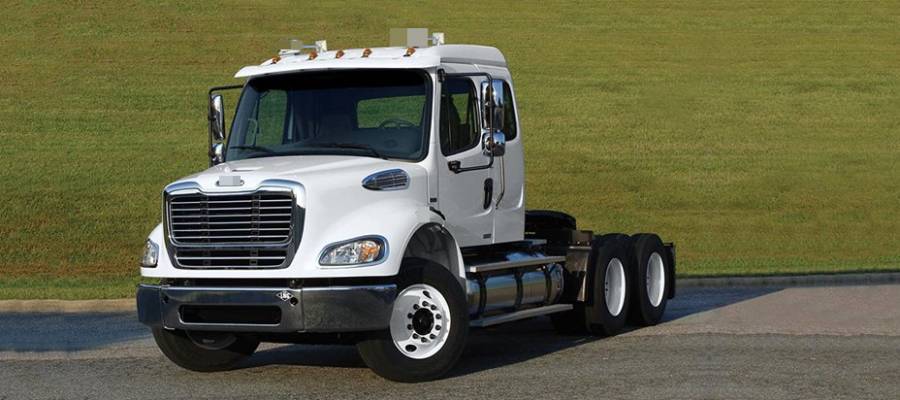
Freightliner M2 106 transmission problems include hard shifting, gear slipping, delayed engagement, failure to shift, and transmission overheating. These issues can result from low or contaminated transmission fluid, faulty sensors, electrical malfunctions, worn internal components, or transmission control system failures. The exact cause depends on the installed transmission, operating conditions, and maintenance history.
The Freightliner Business Class M2 106 uses different transmission configurations, including Allison automatic transmissions and Eaton automated manual transmissions. Allison units rely on hydraulic pressure, electronic controls, and internal clutch assemblies to manage gear changes, while Eaton automated manual systems use electronically controlled clutch and shift mechanisms. Consequently, similar symptoms can indicate different mechanical or electrical faults depending on the transmission type.
Identifying transmission problems early helps prevent additional component damage, unexpected downtime, and expensive repairs. For example, delayed gear engagement may indicate a hydraulic pressure problem in an automatic transmission, while an automated manual transmission may experience engagement failures because of clutch actuator or control system faults. Accurate diagnosis requires checking the transmission configuration, fluid condition where applicable, diagnostic trouble codes, and relevant electrical components.
This guide explains the common Freightliner M2 106 transmission problems, their causes, diagnostic procedures, repair options, estimated repair costs, and preventive maintenance practices.
What Are the Most Common Freightliner M2 106 Transmission Problems?
The most common Freightliner M2 106 transmission problems reported by owners include hard shifting, transmission slipping, delayed gear engagement, failure to shift, overheating, and transmission warning indicators. These symptoms can originate from mechanical wear, hydraulic pressure irregularities, electronic control faults, or inadequate maintenance. Their causes vary according to whether the truck uses an Allison automatic transmission, an Eaton automated manual transmission, or another gearbox configuration.
Hard shifting occurs when the transmission changes gears with noticeable jolts, harsh engagement, or abnormal hesitation. In Allison automatic transmissions, potential causes include incorrect fluid levels, valve body problems, pressure-control faults, or inaccurate sensor inputs. In Eaton automated manual transmissions, clutch wear, actuator malfunctions, or incorrect clutch calibration can produce similar symptoms. For example, a truck that jerks when accelerating from a stop may require an inspection of its transmission controls and engagement system rather than an immediate transmission replacement.
Transmission slipping occurs when engine speed increases without a corresponding increase in vehicle speed or when the transmission fails to maintain the intended gear. In automatic transmissions, slipping can result from insufficient hydraulic pressure, worn internal clutch packs, or deteriorated transmission fluid. In manual and automated manual systems, a worn clutch can produce comparable symptoms. Continued operation under heavy loads can increase heat generation and accelerate friction-component damage.
Delayed gear engagement describes a noticeable pause between selecting a driving range and the transmission delivering power to the wheels. Automatic transmissions may experience this problem because of low fluid levels, hydraulic pressure loss, or internal sealing problems. Automated manual transmissions may fail to engage promptly because of clutch actuator faults, shift mechanism problems, or electronic control errors. A delay when selecting Drive or Reverse should be investigated before the truck returns to demanding service.
Failure to shift gears can prevent the Freightliner M2 106 from accelerating normally or selecting the requested gear. Potential causes include speed sensor faults, damaged wiring, transmission control module communication problems, and internal mechanical failures. Certain transmission control systems also restrict available gears when they detect faults that could compromise operation. The specific restriction depends on the transmission model and the fault detected.
Transmission overheating occurs when the transmission generates more heat than its lubrication and cooling systems can manage. Heavy loads, repeated stop-and-go operation, insufficient fluid, and cooling system problems can contribute to excessive temperatures. Sustained overheating accelerates fluid deterioration and damages heat-sensitive components, including seals and friction materials. Trucks operating in demanding delivery or towing applications require particular attention to temperature-related warnings.
Transmission warning indicators signal that a control system has detected an abnormal operating condition. Depending on the installed transmission and instrument configuration, the driver may encounter a warning lamp, diagnostic message, or gear-selection fault indication. These warnings do not identify a failed component by themselves. Retrieving the relevant diagnostic trouble codes is necessary to determine which system requires further testing.
What Causes Freightliner M2 106 Transmission Problems?
Freightliner M2 106 transmission problems primarily result from five categories of faults: transmission fluid problems, electrical system failures, defective sensors, hydraulic control malfunctions, and internal mechanical wear. Each category affects how the transmission transfers engine power, selects gears, or responds to operating conditions. Identifying the underlying cause is essential because replacing components without confirming the fault can increase repair costs without resolving the problem.
1. Low, contaminated, or incorrect transmission fluid
Transmission fluid problems can cause abnormal shifting, overheating, and premature component wear in automatic transmissions. Automatic transmission fluid provides lubrication, supports hydraulic pressure, transfers heat, and enables the operation of internal clutch assemblies. Insufficient fluid can reduce hydraulic pressure, while contaminated or deteriorated fluid can interfere with lubrication and hydraulic control.
For example, a leaking transmission cooler line or damaged seal can gradually reduce fluid volume and contribute to delayed engagement or slipping. Using fluid that does not meet the transmission manufacturer’s specification can also affect shift performance and component durability. Fluid requirements and inspection procedures must be verified for the exact transmission model because automated manual and conventional manual transmissions use different lubrication and engagement systems.
2. Electrical wiring and connection failures
Electrical faults can interrupt communication between the transmission control system, sensors, and electronically controlled components. Damaged wiring harnesses, corroded connectors, loose terminals, and unstable electrical supply can produce intermittent shifting problems or prevent gear engagement.
Commercial trucks operate in environments involving vibration, moisture, road debris, and temperature changes. These conditions can damage wiring insulation or electrical connections over time. For example, an intermittent connection at a transmission sensor may cause inaccurate signals that affect shift scheduling. A proper diagnosis includes inspecting the relevant wiring and connectors and testing circuit integrity rather than replacing the control module immediately.
3. Faulty transmission sensors
Transmission sensors provide operating information that electronic control systems use to manage gear changes. Depending on the transmission configuration, these inputs can include input shaft speed, output shaft speed, fluid temperature, and gear-selection position. Incorrect sensor readings can cause abnormal shifting, delayed engagement, warning indicators, or restricted transmission operation.
For example, an output speed sensor that provides an intermittent signal may prevent the transmission controller from accurately determining vehicle or shaft speed. The resulting fault can affect gear selection or trigger a protective operating mode. However, a sensor-related diagnostic trouble code does not automatically confirm sensor failure because wiring defects, connector problems, and related mechanical conditions can produce similar indications.
4. Hydraulic pressure and control system malfunctions
Hydraulic control problems affect automatic transmissions by disrupting the pressure required to engage internal clutch assemblies and control gear changes. Potential causes include malfunctioning pressure-control solenoids, valve body wear, internal leakage, and pump-related problems. These faults can produce harsh shifts, delayed engagement, slipping, or failure to engage a driving range.
For example, a malfunctioning pressure-control solenoid may prevent the transmission from regulating clutch application pressure correctly. Insufficient pressure can cause clutch slippage, while inappropriate pressure application can produce harsh engagement. Diagnosing hydraulic problems requires transmission-specific procedures, including electronic data analysis and pressure testing when directed by the manufacturer.
5. Internal mechanical wear and component damage
Internal mechanical wear develops as transmission components experience repeated loading, friction, and thermal stress. In automatic transmissions, affected components may include clutch packs, bearings, seals, and planetary gear assemblies. In automated manual transmissions, wear can affect the clutch assembly, synchronizing components where fitted, and gear-selection mechanisms.
Heavy-duty operating conditions can accelerate existing wear, particularly when a truck repeatedly carries substantial loads or operates with unresolved transmission faults. For example, worn clutch friction material can reduce the ability to transfer engine torque, producing slipping during acceleration or under load. Severe internal damage may require component replacement, transmission rebuilding, or installation of a compatible replacement unit.
The correct repair depends on confirming the failed system through fault-code analysis, physical inspection, and transmission-specific diagnostic testing. Similar symptoms do not necessarily indicate the same failure, especially when comparing Allison automatic and Eaton automated manual transmissions.
Which Transmissions Are Used in the Freightliner M2 106?
The Freightliner M2 106 has been offered with Allison automatic transmissions, Eaton automated manual transmissions, and conventional manual gearboxes, depending on the model year, engine, and vehicle configuration. These transmissions use different gear-selection mechanisms, electronic controls, and maintenance procedures. Identifying the installed transmission is essential because the same symptom can have different causes across transmission types.
Allison automatic transmissions use hydraulic pressure, planetary gearsets, and electronically controlled clutch engagement to change gears. Eaton automated manual transmissions use a mechanical gearbox with automated clutch and shift controls. Conventional manual transmissions require the driver to operate the clutch and select gears. Owners can identify the transmission through the vehicle build information, transmission identification plate, or manufacturer service records.
What Problems Affect the Allison Automatic Transmission?
Allison automatic transmission problems in the Freightliner M2 106 can include harsh shifting, delayed engagement, slipping, overheating, and electronic control faults. Potential causes include insufficient hydraulic pressure, deteriorated transmission fluid, malfunctioning solenoids, valve body problems, and worn internal clutch components. The specific failure pattern depends on the Allison transmission model and its operating condition.
Hydraulic pressure is essential for engaging the internal clutch assemblies that control gear changes. When pressure becomes insufficient or unstable, the transmission may hesitate before engaging Drive or Reverse, shift harshly, or allow internal clutch slippage. For example, a pressure-control problem can produce delayed engagement even when the driver selects the correct driving range. Diagnosing this condition requires checking applicable fluid levels, reviewing diagnostic data, and performing manufacturer-specified hydraulic tests.
Electronic faults can also interfere with Allison transmission operation. The transmission control module processes information from speed sensors, temperature sensors, and other vehicle systems to determine appropriate gear changes. Incorrect sensor signals, wiring defects, or control-system communication failures can cause abnormal shifting or trigger protective operating strategies. Technicians should retrieve diagnostic trouble codes and verify the associated circuits before replacing sensors, solenoids, or control modules.
What Problems Affect the Eaton Automated Manual Transmission?
Eaton automated manual transmission problems in the Freightliner M2 106 can include failure to engage gears, harsh gear changes, clutch engagement problems, and transmission communication faults. Unlike a conventional automatic transmission, an automated manual gearbox relies on electronically controlled mechanisms to operate the clutch and select gears. Problems with these mechanisms can interrupt power delivery even when the internal gears remain mechanically functional.
Clutch actuator malfunctions are one potential cause of engagement problems. The actuator must operate the clutch according to commands from the transmission control system. If the actuator cannot achieve the required clutch position, the transmission may hesitate, fail to engage a gear, or display a fault indication. Worn clutch components and incorrect clutch calibration can produce related symptoms, making actuator testing and clutch condition assessment important diagnostic steps.
Gear-selection faults can develop when the shift actuator, position sensors, electrical connections, or control system fails to operate correctly. For example, an incorrect gear-position signal may prevent the controller from confirming that the requested gear has engaged. Depending on the Eaton transmission model, the system may remain in Neutral or restrict shifting until the fault is addressed. Diagnosis requires identifying the exact transmission model, retrieving applicable fault codes, and following its service procedures.
How Do You Diagnose Freightliner M2 106 Transmission Problems?
To diagnose Freightliner M2 106 transmission problems, identify the installed transmission, document the symptoms, inspect relevant fluid and electrical systems, retrieve diagnostic trouble codes, and test the components indicated by the findings. This sequence helps distinguish mechanical damage from hydraulic faults and electronic control problems. Diagnosis should follow the service information for the specific transmission rather than relying on symptoms alone.
Step 1: Identify the transmission model and operating symptoms. Check the transmission identification plate, vehicle build records, or manufacturer documentation. Record whether the problem occurs during acceleration, deceleration, cold starts, gear selection, or operation under load. For example, delayed engagement when selecting Drive points toward a different diagnostic path than a transmission that unexpectedly shifts to Neutral while driving.
Step 2: Inspect visible leaks, fluid condition, and electrical connections. Check accessible transmission components for fluid leakage, damaged wiring, loose connectors, and signs of overheating. Fluid inspection methods vary by transmission model. Burnt-smelling or visibly contaminated fluid can indicate overheating or internal wear, but fluid appearance alone cannot establish the condition of internal components. Electrical inspection should include relevant harnesses and connectors associated with transmission control.
Step 3: Retrieve transmission diagnostic trouble codes. Use a diagnostic tool compatible with the truck’s electronic systems and installed transmission. Record active and inactive fault codes before clearing anything. Active faults indicate conditions currently detected by the control system, while inactive or historical faults can help identify intermittent problems. Diagnostic codes should be interpreted using the correct manufacturer documentation because definitions and troubleshooting procedures vary between transmission families.
Step 4: Perform targeted component tests. Use the recorded symptoms, diagnostic codes, and inspection findings to determine which tests are necessary. These may include checking sensor signals, verifying electrical supply and ground circuits, testing actuator operation, or measuring hydraulic pressure on applicable automatic transmissions. Internal mechanical inspection becomes appropriate when external and electronic tests indicate possible component damage. Road testing should only be performed when the truck can operate safely.
How Do You Check Freightliner M2 106 Transmission Fluid?
To check Freightliner M2 106 transmission fluid, first identify the transmission model and follow its specified fluid-level inspection procedure. Allison automatic transmissions, Eaton automated manual transmissions, and conventional manual gearboxes have different fluid requirements and checking methods. Using an incorrect procedure can produce an inaccurate level reading or lead to improper servicing.
For Allison automatic transmissions, fluid-level verification depends on the particular model and its approved checking method. Certain Allison configurations support electronic fluid-level checks under specified operating conditions, while others use a dipstick or designated service procedure. Transmission temperature, vehicle position, engine operation, and fluid stabilization requirements can affect the result. The applicable Allison service documentation provides the correct conditions and fluid specification.
Eaton automated manual transmissions use gearbox lubrication systems that differ from the hydraulic fluid systems of conventional automatic transmissions. Depending on the model, technicians check lubricant levels through designated inspection or fill openings using the prescribed procedure. The truck must be secured against movement, and the specified lubricant must be used. Low lubricant levels can increase gear and bearing wear, but adding lubricant will not correct a defective clutch actuator or electronic control fault.
During inspection, look for leaks around accessible seals, housings, cooler connections where fitted, and service openings. Unusual fluid discoloration, contamination, or metallic debris warrants further investigation. Do not mix transmission fluids or lubricants without manufacturer approval, and do not assume that fluid specifications are interchangeable between Allison and Eaton units.
How Do You Read Freightliner M2 106 Transmission Fault Codes?
To read Freightliner M2 106 transmission fault codes, connect a compatible commercial vehicle diagnostic tool, identify the relevant transmission controller, and retrieve the stored and active diagnostic information. Fault codes help identify the system reporting a malfunction, but they do not automatically establish which component requires replacement.
Commercial vehicle diagnostic systems may report faults through SAE J1939 parameters, including Suspect Parameter Numbers (SPNs) and Failure Mode Identifiers (FMIs). Transmission manufacturers can also use proprietary diagnostic codes and procedures. The correct interpretation depends on the transmission controller, communication protocol, and installed equipment. A generic engine-code reader may not provide the transmission-specific information needed for diagnosis.
For example, a diagnostic fault associated with transmission speed information may indicate an implausible or missing signal. Possible causes include a defective speed sensor, damaged wiring, connector corrosion, or a related mechanical problem. The technician must compare the reported fault with live sensor data and perform the prescribed electrical tests before determining whether the sensor itself has failed.
Record the complete fault information, including code identifiers, active or inactive status, and operating conditions when available. Manufacturer-compatible diagnostic software may also provide live data, actuator tests, and transmission-specific troubleshooting instructions. After the underlying fault is repaired, clear codes only as directed by the service procedure and verify that the problem does not return during an appropriate operational test.
How Do You Fix Freightliner M2 106 Transmission Problems?
To fix Freightliner M2 106 transmission problems, identify the underlying fault and perform the appropriate repair, such as correcting fluid levels, repairing electrical connections, replacing defective sensors or solenoids, servicing clutch components, or rebuilding damaged internal assemblies. The correct solution depends on the installed transmission and diagnostic findings. Allison automatic transmissions require different repair procedures from Eaton automated manual transmissions because their hydraulic, mechanical, and electronic control systems operate differently.
1. Correct transmission fluid problems.
Transmission fluid service can resolve shifting problems caused by incorrect fluid levels, contaminated lubricant, or maintenance-related fluid deterioration. In Allison automatic transmissions, fluid supports hydraulic pressure, clutch engagement, lubrication, and heat transfer. Insufficient fluid can contribute to delayed engagement, slipping, and overheating. However, replacing fluid cannot restore worn clutch packs or repair damaged hydraulic components.
The repair process begins with identifying the transmission model, locating leaks, and checking fluid condition according to the manufacturer’s procedure. Technicians should repair leaking seals, cooler lines, or other affected components before restoring the correct fluid level. Fluid and filter replacement must follow the applicable service specifications. For example, an Allison transmission experiencing delayed engagement because of a fluid leak may recover normal operation after the leak is repaired and the correct fluid level is restored, provided no secondary internal damage has occurred.
2. Repair damaged wiring and electrical connections.
Electrical repairs address transmission faults caused by interrupted power supply, damaged wiring harnesses, corroded connectors, or communication problems. Electronic transmission controllers rely on accurate signals from sensors and other vehicle systems to coordinate gear changes. An unstable connection can produce intermittent shifting problems even when the mechanical transmission components remain functional.
Technicians should inspect the affected circuits, verify power and ground connections, and perform continuity or voltage-drop tests according to the appropriate wiring diagram. Damaged wiring sections and terminals should be repaired using suitable automotive electrical repair methods. For example, restoring a corroded speed sensor connection may eliminate intermittent signal loss and the associated shifting malfunction without replacing the sensor or transmission control module.
3. Replace defective transmission sensors or solenoids.
Transmission sensors and solenoids should be replaced when diagnostic testing confirms that they are defective. Speed sensors, temperature sensors, and position sensors provide information used by the transmission control system. Solenoids in applicable automatic transmissions regulate hydraulic functions associated with gear engagement and shifting. A malfunction in either system can affect transmission performance.
The repair procedure depends on the component and transmission model. Technicians should compare diagnostic codes with live operating data, inspect electrical connections, and test component operation before authorizing replacement. For example, a confirmed pressure-control solenoid failure in an Allison automatic transmission may require solenoid replacement and additional inspection of the associated hydraulic control system. Replacing a solenoid without verifying the fault may leave the original shifting problem unresolved.
4. Repair clutch and actuator problems.
Clutch and actuator repairs are particularly relevant to Freightliner M2 106 trucks equipped with Eaton automated manual transmissions. These systems use electronically controlled mechanisms to engage the clutch and select gears. A worn clutch, malfunctioning actuator, or incorrect clutch calibration can cause harsh engagement, hesitation, or failure to select a driving gear.
Technicians must determine whether the fault originates from clutch wear, actuator operation, position feedback, or transmission control commands. Depending on the transmission model and confirmed failure, repairs may involve replacing clutch components, repairing an actuator, correcting electrical faults, or performing manufacturer-specified calibration procedures. For example, replacing a worn clutch assembly may restore proper torque transfer, but the installation must also satisfy the transmission manufacturer’s adjustment and calibration requirements.
5. Repair or rebuild damaged internal transmission components.
Internal transmission repairs become necessary when diagnostic testing identifies damaged clutch packs, bearings, gears, seals, or other mechanical assemblies. In automatic transmissions, worn friction components and internal hydraulic leakage can prevent reliable torque transfer. In manual and automated manual gearboxes, damaged gears, bearings, or clutch-related components can interfere with normal operation.
A transmission rebuild involves disassembling the unit, inspecting internal components, replacing damaged or worn parts, and reassembling the transmission according to manufacturer specifications. The extent of the rebuild depends on the damage found during inspection. For example, severe clutch deterioration in an automatic transmission may require replacement of friction components and inspection of the hydraulic system for contamination. Rebuilding is appropriate when the transmission housing and other major assemblies remain serviceable and the repair is economically justified.
6. Replace the transmission when major damage makes repair impractical.
Transmission replacement is appropriate when extensive internal damage, repeated failures, or repair economics make rebuilding less practical. Replacement options may include a new, remanufactured, or compatible used transmission. Each option differs in condition, warranty coverage, installation requirements, and expected reliability.
Compatibility must be verified before installation. The replacement transmission must match the vehicle’s applicable mechanical interfaces, electronic controls, and configuration requirements. Depending on the transmission, installation may also require programming, calibration, or additional component replacement. For example, installing a compatible remanufactured Allison transmission may be preferable to rebuilding a severely damaged unit when the replacement offers a suitable warranty and reduces vehicle downtime.
After any major transmission repair, technicians should verify fluid or lubricant levels, inspect for leaks, check diagnostic fault status, and perform the manufacturer’s required operational tests. A successful repair restores proper gear engagement and shifting without recurring faults under the specified test conditions.
Can You Drive a Freightliner M2 106 With Transmission Problems?
Driving a Freightliner M2 106 with transmission problems is unsafe when the truck experiences severe slipping, unexpected gear disengagement, loss of drive, overheating warnings, or unpredictable shifting. These conditions can compromise vehicle control and cause additional transmission damage. Minor shifting irregularities also require prompt diagnosis because their severity cannot be determined reliably from symptoms alone.
Stop driving when the transmission loses power delivery or unexpectedly disengages. A truck that suddenly shifts into Neutral or fails to maintain gear engagement may lose the ability to accelerate when required. This creates a serious hazard during merging, climbing grades, or crossing intersections. Move the vehicle to a safe location if it can be done without increasing the risk, activate the appropriate warning signals, and arrange professional assistance. Do not repeatedly attempt to force gear engagement.
Transmission slipping requires immediate attention because continued operation can increase internal damage. In an automatic transmission, slipping generates friction and heat when clutch assemblies fail to maintain the required engagement. In an automated manual transmission, clutch slippage can accelerate friction material wear. For example, a loaded delivery truck that experiences rising engine RPM without proportional acceleration may develop additional clutch damage if the operator continues driving under heavy load.
Overheating warnings require following the transmission manufacturer’s protective operating instructions. Excessive transmission temperatures can degrade lubricant, damage seals, and accelerate internal component wear. Heavy loads, cooling system faults, and existing transmission problems can contribute to overheating. When a serious temperature warning appears, stop in a safe location and follow the applicable vehicle and transmission instructions. Do not open hot cooling-system components or attempt repairs around moving drivetrain parts.
A truck displaying a transmission warning indicator should be inspected even when it continues to move normally. Some electronic transmission systems restrict gear selection or modify operation after detecting a fault. These protective strategies do not establish that continued driving is safe. The operator should consult the applicable warning instructions and arrange diagnosis based on the severity of the fault.
Professional towing or roadside assistance is the safest option when transmission operation becomes unreliable. Commercial trucks require transmission-specific towing precautions, and improper towing can damage drivetrain components. The correct procedure depends on the transmission, driveline arrangement, and vehicle configuration. Operators should follow Freightliner and transmission manufacturer instructions rather than assuming that placing the gear selector in Neutral makes every towing method safe.
How Much Does It Cost to Repair a Freightliner M2 106 Transmission?
Freightliner M2 106 transmission repair costs depend on the transmission model, failed components, labor requirements, and extent of internal damage. Minor repairs involving electrical connections or external sensors generally require less labor than valve body repairs, clutch replacement, or complete transmission rebuilding. Allison automatic transmissions and Eaton automated manual transmissions also have different component designs, diagnostic requirements, and repair procedures, which affect the final service cost.
Diagnostic expenses are the first consideration when estimating transmission repair costs. Commercial truck technicians use specialized diagnostic equipment to retrieve transmission fault codes, examine live operating data, and test electrical or mechanical components. Complex problems may require additional hydraulic pressure testing, wiring inspections, or transmission removal. A complete diagnosis helps prevent unnecessary component replacement and provides a more accurate repair estimate.
Fluid and filter service costs depend on the transmission’s fluid capacity, approved lubricant, and maintenance requirements. Allison automatic transmissions may require transmission fluid, filters, and related service materials, while Eaton automated manual transmissions follow different lubrication procedures. Additional expenses arise when technicians must repair leaking seals, damaged cooler lines, or other components before restoring the correct fluid level. Fluid service alone will not resolve shifting problems caused by worn internal components or defective electronic controls.
Electrical and electronic repairs vary according to component accessibility and diagnostic complexity. Replacing an accessible sensor or repairing a damaged connector may require limited disassembly. In contrast, repairing an internal wiring harness, replacing a transmission control module, or addressing multiple communication faults can involve more extensive labor and additional programming. For example, a confirmed external speed sensor failure is generally less complex to repair than a fault requiring transmission disassembly to access internal electronic components.
Clutch, valve body, and internal component repairs involve greater labor requirements. Eaton automated manual transmissions may require clutch assembly replacement, actuator repairs, and manufacturer-specified calibration. Allison automatic transmissions may require hydraulic control repairs, solenoid replacement, or internal clutch work. Repair costs increase when the transmission must be removed or disassembled to reach damaged components.
Transmission rebuilding and replacement are major repair options when internal damage is extensive. A rebuild requires disassembly, component inspection, replacement of damaged parts, reassembly, and operational testing. Replacement involves sourcing a compatible transmission, removing the existing unit, installing the replacement, and completing any required programming or calibration. New and remanufactured transmissions may provide different warranty coverage, while used units introduce additional uncertainty about maintenance history and internal wear.
A reliable repair estimate should separate diagnostic labor, replacement parts, installation labor, fluids, programming, and warranty coverage. Exact dollar amounts cannot be established from the truck model alone because transmission specifications, local labor rates, parts availability, and damage severity differ. Owners should obtain a written, transmission-specific estimate before approving major repairs.
Read more: Freightliner M2 AC Not Working: Causes & Fixes
How Long Does a Freightliner M2 106 Transmission Last?
A Freightliner M2 106 transmission can remain serviceable for several hundred thousand miles under suitable operating and maintenance conditions, but there is no single verified lifespan that applies to every transmission configuration. Actual service life depends on transmission design, vehicle load, duty cycle, maintenance history, operating temperature, and the condition of related drivetrain components. Allison automatic transmissions, Eaton automated manual transmissions, and conventional manual gearboxes experience different wear patterns.
Transmission type influences which components are most likely to require service during the truck’s operating life. Allison automatic transmissions use hydraulically applied internal clutch assemblies, planetary gearsets, and electronic controls. Their durability depends partly on maintaining proper fluid condition, hydraulic pressure, and operating temperature. Eaton automated manual transmissions use mechanical gear assemblies and automated clutch controls, making clutch condition, actuator performance, and calibration important maintenance considerations. A clutch replacement does not necessarily indicate that the entire gearbox has reached the end of its service life.
Vehicle load and operating conditions directly affect transmission wear. Freightliner M2 106 trucks are used in applications such as local delivery, utility service, towing, and vocational operations. Repeated acceleration, frequent gear changes, heavy loads, and extended operation in demanding conditions place different stresses on transmission components. For example, a delivery truck operating in stop-and-go traffic experiences a different transmission duty cycle from a truck that spends most of its operating time traveling at steady highway speeds.
Maintenance history is a stronger indicator of transmission condition than mileage alone. Proper fluid and filter service, leak repairs, cooling system maintenance, and timely fault diagnosis help protect internal components. Inadequate lubrication, prolonged overheating, and unresolved slipping can accelerate wear even when a truck has relatively low mileage. Conversely, a higher-mileage transmission with documented maintenance and normal operating performance may remain serviceable without requiring a complete rebuild.
Early warning signs help determine whether a transmission needs repair before reaching the end of its usable life. Increasing shift harshness, delayed engagement, recurring diagnostic faults, abnormal noises, and transmission overheating warrant investigation. These symptoms can result from repairable external components or more serious internal deterioration. Diagnostic testing is necessary to distinguish the two conditions.
For used Freightliner M2 106 trucks, buyers should review transmission service records, identify the installed gearbox, inspect for leaks, retrieve available diagnostic information, and arrange a qualified mechanical inspection. A road test conducted under safe operating conditions can reveal abnormal engagement or shifting behavior, but it cannot confirm the remaining lifespan of internal transmission components. Maintenance records and diagnostic findings provide a more useful basis for evaluating transmission reliability than an unsupported mileage estimate.
How Can You Prevent Freightliner M2 106 Transmission Problems?
To prevent Freightliner M2 106 transmission problems, follow the manufacturer’s maintenance schedule, use the correct transmission fluid or lubricant, monitor operating temperatures, avoid excessive drivetrain stress, and address shifting abnormalities promptly. Preventive maintenance reduces avoidable wear and helps identify developing faults before they cause major component damage. The specific requirements depend on whether the truck uses an Allison automatic transmission, an Eaton automated manual transmission, or a conventional manual gearbox.
1. Follow the correct transmission maintenance schedule.
Transmission service intervals depend on the installed gearbox, operating conditions, fluid specification, and manufacturer recommendations. Allison automatic transmissions have model-specific fluid and filter maintenance requirements, while Eaton automated manual transmissions use different lubrication and service procedures. Trucks operating under demanding conditions may require maintenance schedules that account for their duty cycle.
Fleet operators should identify the transmission model and consult the applicable maintenance documentation before scheduling service. For example, a Freightliner M2 106 used for frequent urban deliveries may experience different operating stresses from a truck primarily used for highway transportation. Maintenance decisions should reflect the manufacturer’s duty-cycle classifications rather than relying on a universal mileage interval.
2. Maintain proper transmission fluid levels and lubricant condition.
Correct fluid levels and approved lubricants protect transmission components from excessive friction, overheating, and premature wear. Allison automatic transmissions rely on transmission fluid for lubrication, hydraulic pressure, and heat transfer. Eaton automated manual transmissions require lubricants suited to their mechanical gearbox designs. Using an incorrect fluid or lubricant can interfere with component protection and transmission performance.
Inspect the transmission for visible leaks during routine maintenance and follow the manufacturer’s procedure when checking fluid levels. Leaks around seals, housings, and applicable cooler connections should be investigated before significant fluid loss occurs. For example, repairing a leaking transmission cooler line can prevent low-fluid conditions that might otherwise contribute to hydraulic pressure loss and clutch damage in an automatic transmission.
3. Prevent excessive transmission temperatures.
Transmission overheating accelerates lubricant deterioration and increases the risk of damage to seals, bearings, and friction components. Heavy loads, prolonged stop-and-go operation, cooling system faults, and existing transmission malfunctions can contribute to excessive heat generation. Maintaining the transmission’s cooling and lubrication systems helps protect internal components during demanding commercial operations.
Inspect applicable transmission cooler lines, connections, and related cooling components according to the vehicle’s maintenance requirements. Drivers should also respond promptly to transmission temperature warnings and unusual shifting behavior. For example, continuing to operate a heavily loaded truck after a serious overheating warning can increase internal damage. The correct response is to stop safely and follow the transmission manufacturer’s instructions.
4. Reduce unnecessary drivetrain stress during operation.
Proper driving practices help limit avoidable stress on transmission clutches, gears, and engagement mechanisms. Operators should respect the truck’s applicable weight ratings, avoid excessive throttle during gear engagement, and follow manufacturer instructions for shifting and maneuvering. Overloading increases the torque demand placed on drivetrain components and can contribute to higher operating temperatures.
Driving techniques should match the installed transmission. For example, drivers of trucks equipped with automated manual transmissions should follow the manufacturer’s guidance for low-speed maneuvering, hill starts, and clutch engagement. Repeatedly holding a truck on an incline using engine power instead of the appropriate braking method can increase clutch stress in systems that permit clutch slip. Automatic transmission operators should also avoid shifting between forward and reverse ranges while the vehicle is moving unless the manufacturer specifically permits the maneuver.
5. Inspect electrical connections and transmission control components.
Electrical system maintenance helps prevent intermittent transmission faults caused by damaged wiring, loose connectors, corrosion, or unstable power supply. Electronically controlled transmissions depend on reliable communication between sensors, actuators, control modules, and other vehicle systems. Electrical problems can affect gear selection even when the transmission’s internal mechanical components remain serviceable.
During scheduled inspections, technicians should examine accessible transmission wiring harnesses and connectors for abrasion, moisture intrusion, loose mounting points, and damaged insulation. Connections should be repaired using appropriate service procedures. For example, identifying a wiring harness that rubs against a mounting bracket can prevent future signal interruptions and intermittent transmission fault codes.
6. Investigate shifting abnormalities before they become severe.
Early diagnosis is one of the most effective ways to prevent a minor transmission fault from developing into a major repair. Delayed engagement, harsh shifting, unexpected gear changes, slipping, abnormal noises, and recurring warning indicators should not be ignored. These symptoms can indicate electrical faults, lubrication problems, hydraulic malfunctions, or developing mechanical wear.
Record when the symptom occurs, including vehicle speed, load, operating temperature, and selected gear when safely observable. A qualified technician can use this information alongside diagnostic trouble codes and manufacturer-specific tests to identify the cause. For example, diagnosing an intermittent speed sensor signal before it causes repeated shifting interruptions may prevent unnecessary downtime and component replacement.
7. Maintain accurate transmission service records.
Transmission maintenance records help owners and fleet managers track fluid services, component repairs, diagnostic faults, and recurring operating problems. Consistent documentation makes it easier to identify repeated failures and determine whether previous repairs resolved the original symptoms. Records also provide useful information when evaluating a used Freightliner M2 106 or planning future maintenance.
A complete service history should identify the transmission model, service date, odometer reading, lubricant specification, replaced components, and relevant diagnostic findings. For example, documenting repeated transmission overheating events can help technicians investigate an unresolved cooling or operating problem rather than treating each event as an isolated failure.
Preventing Freightliner M2 106 transmission problems requires maintenance practices matched to the installed transmission and the truck’s operating conditions. Correct lubrication, temperature management, appropriate driving techniques, electrical inspections, and early fault diagnosis help reduce avoidable transmission damage. Following the applicable Freightliner and transmission manufacturer service documentation remains essential because maintenance requirements differ across model years and transmission configurations.