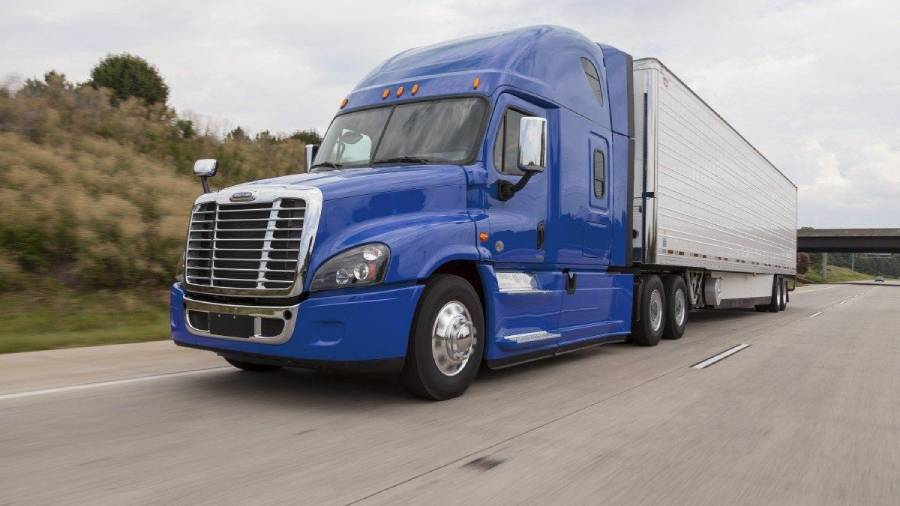
Low oil pressure in a Freightliner Cascadia can result from insufficient engine oil, a faulty oil pressure sensor, incorrect oil viscosity, a worn oil pump, or excessive engine bearing clearance. This condition occurs when the engine’s lubrication system cannot maintain the oil pressure required to protect moving components. If the pressure drops below the manufacturer’s specified operating range, critical parts such as crankshaft bearings, camshaft components, and turbocharger bearings may suffer accelerated wear or severe damage.
A Freightliner Cascadia low oil pressure warning may appear during engine startup, at idle, or while driving. Common warning signs include a low oil pressure message, an illuminated STOP engine light, unusually low dashboard gauge readings, and abnormal engine noises. However, a faulty pressure sensor or damaged wiring can also produce an inaccurate warning even when actual oil pressure remains within specification.
Drivers should safely stop and shut down the engine when a low oil pressure or STOP engine warning indicates a critical condition. Continuing to operate the truck without confirming adequate oil pressure risks expensive engine damage.
This guide explains the causes and symptoms of low oil pressure in Freightliner Cascadia trucks, how to diagnose the problem, what repairs may be necessary, and how proper maintenance helps prevent future lubrication system failures.
What Does Low Oil Pressure Mean on a Freightliner Cascadia?
Low oil pressure in a Freightliner Cascadia means the engine’s lubrication system is operating below the oil pressure required for safe engine operation. Engine oil pressure is generated by an engine-driven oil pump that circulates lubricant through oil galleries to critical components, including crankshaft bearings, connecting rod bearings, camshaft components, and turbocharger bearings. When pressure becomes insufficient, these components may lose the protective oil film that prevents direct metal-to-metal contact.
The lubrication system relies on several interconnected components: the oil pickup tube draws oil from the sump, the oil pump pressurizes the lubricant, the oil filter removes contaminants, and internal oil passages distribute oil throughout the engine. An oil pressure sensor monitors system pressure and transmits readings to the engine’s electronic control system. A malfunction in the oil supply, pressure regulation, or monitoring system can result in an actual pressure drop or an inaccurate dashboard warning.
Low oil pressure is different from low engine oil level. Oil level refers to the quantity of lubricant in the oil pan, while oil pressure indicates the pressure maintained within the lubrication circuit. An engine can have the correct oil level and still experience low pressure because of excessive bearing clearance, oil pump wear, or a faulty pressure relief valve.
Insufficient oil pressure can cause accelerated bearing wear, increased friction, overheating of lubricated components, and eventual engine failure. Detroit DD13, DD15, and DD16 engines use pressurized lubrication systems, but their operating specifications and diagnostic procedures must be checked against the applicable engine service documentation. A confirmed pressure reading below the manufacturer’s minimum specification requires immediate attention to prevent mechanical damage.
What Are the Symptoms of Low Oil Pressure in a Freightliner Cascadia?
The main symptoms of low oil pressure in a Freightliner Cascadia include dashboard oil pressure warnings, abnormally low gauge readings, STOP engine alerts, and unusual mechanical noises. These symptoms vary depending on the engine model, operating temperature, engine speed, and severity of the pressure loss.
A low oil pressure warning is the most direct indication of a potential lubrication problem. The engine control system monitors oil pressure through an electronic sensor and can activate a dashboard warning when a monitored condition exceeds its programmed limits. Depending on the model year and instrument configuration, the driver may see a low oil pressure message, an illuminated warning indicator, or an engine protection alert. A critical STOP engine warning requires the driver to stop safely and follow the manufacturer’s shutdown instructions.
An unusually low oil pressure gauge reading can indicate inadequate lubrication or a measurement problem. Oil pressure normally changes with engine speed and oil temperature. Pressure is generally lower at hot idle because the oil is less viscous and the pump rotates more slowly. However, readings below the applicable engine specification, sudden pressure drops, or pressure that fails to rise appropriately with engine speed require investigation. A faulty sensor or damaged electrical connection can also produce incorrect readings.
Engine knocking or ticking can indicate mechanical damage associated with insufficient lubrication. Low oil pressure can reduce the protective oil film between bearings and rotating engine components, increasing friction and mechanical contact. Deep knocking noises may indicate crankshaft or connecting rod bearing damage, while abnormal ticking can originate from components affected by inadequate lubrication. These noises are not exclusive to oil pressure problems, but they warrant immediate mechanical inspection when accompanied by a pressure warning.
A sudden loss of oil pressure during operation is a critical warning sign. Rapid pressure loss can result from severe oil leakage, oil pump failure, or another major lubrication-system malfunction. Continuing to operate the engine under these conditions can quickly damage internal components. The safest response is to pull over when safe, shut down the engine, and arrange appropriate diagnostic testing before returning the truck to service.
What Is Normal Oil Pressure for a Freightliner Cascadia?
Normal oil pressure for a Freightliner Cascadia depends on the engine model, engine speed, oil temperature, and operating conditions. Detroit DD13, DD15, and DD16 engines have manufacturer-defined oil pressure specifications that must be evaluated under the correct testing conditions. A single pressure value cannot accurately represent every Cascadia engine configuration.
Engine oil pressure is generally lower at idle and increases as engine RPM rises because the oil pump delivers more lubricant at higher speeds. Oil temperature also affects pressure. Cold engine oil has higher viscosity and creates greater resistance to flow, while hot oil flows more easily and produces lower pressure under comparable operating conditions.
The following table explains how operating conditions influence oil pressure in Freightliner Cascadia engines.
| Engine Operating Condition | Expected Oil Pressure Behavior |
|---|---|
| Cold engine startup | Oil pressure generally rises quickly because cold oil has higher viscosity. |
| Warm engine at idle | Oil pressure decreases as oil temperature increases and pump speed remains low. |
| Engine at higher RPM | Oil pressure generally increases as pump output rises, subject to pressure regulation. |
| Engine under normal driving conditions | Oil pressure should remain within the manufacturer’s specified operating range. |
| Sudden pressure drop | An unexpected decrease may indicate oil supply problems, mechanical wear, or a faulty pressure reading. |
For a Freightliner Cascadia equipped with a Detroit DD15 engine, acceptable oil pressure must be checked against the service specifications for the particular engine configuration. The same principle applies to DD13 and DD16 engines. Exact minimum pressure values should be verified using the applicable Detroit service documentation rather than relying on generic diesel engine pressure ranges.
Low oil pressure at hot idle is not automatically evidence of engine failure. As engine oil reaches operating temperature, its viscosity decreases, allowing it to flow more easily through bearings and internal oil passages. At the same time, the oil pump operates at a lower speed during idle. These conditions naturally reduce oil pressure compared with cold startup or higher-RPM operation.
However, oil pressure that falls below the manufacturer’s minimum specification, drops suddenly, or remains abnormally low as engine speed increases requires immediate investigation. A calibrated mechanical pressure gauge can help a qualified technician distinguish an actual lubrication problem from an inaccurate sensor or dashboard reading. The measured pressure must be compared with the engine-specific specification at the required oil temperature and RPM.
How Do You Diagnose Low Oil Pressure on a Freightliner Cascadia?
Diagnosing low oil pressure on a Freightliner Cascadia involves checking the engine oil level, inspecting the oil pressure sensor and wiring, retrieving diagnostic trouble codes, and measuring actual oil pressure with a mechanical gauge. These checks help determine whether the warning results from insufficient lubrication, an electrical malfunction, or internal engine wear.
The first priority is to prevent engine damage before performing diagnostic tests. If a low oil pressure or STOP engine warning appears while driving, move the truck to a safe location and shut down the engine according to the manufacturer’s instructions. Do not restart an engine with suspected critically low oil pressure simply to observe the dashboard gauge. A qualified technician should confirm that further testing can be performed safely.
How Do You Check the Engine Oil Level and Oil Pressure Sensor?
Checking the engine oil level is the first physical inspection when diagnosing a Freightliner Casciadia low oil pressure warning. Park the truck on level ground, shut down the engine, and follow the engine manufacturer’s specified waiting period before checking the dipstick. Remove the dipstick, wipe it clean, reinsert it fully, and check whether the oil level falls within the indicated operating range.
An oil level below the minimum mark requires investigation for external leaks, excessive oil consumption, or incorrect servicing. Inspect accessible areas around the oil pan, oil filter housing, oil cooler connections, and engine seals for visible leakage. Add only engine oil that meets the applicable Detroit engine specifications, and avoid overfilling. Correcting a low oil level does not establish that the engine is safe to restart if a critical pressure warning has occurred.
The oil pressure sensor should be inspected after the initial oil level and leak checks. The sensor measures lubrication-system pressure and sends an electrical signal to the engine control module. A defective sensor, corroded connector, damaged wiring harness, or electrical circuit fault can produce inaccurate pressure readings.
A technician can examine the sensor connector for corrosion, oil contamination, loose terminals, and damaged wiring. Electronic diagnostic equipment can also display the oil pressure value reported to the engine control module and retrieve related fault codes. Detroit DiagnosticLink or another compatible diagnostic platform may be used, depending on the engine configuration.
Oil pressure-related diagnostic trouble codes can indicate pressure readings outside expected limits or faults in the sensor circuit. However, a fault code does not automatically identify the failed component. The technician must interpret the applicable SPN and FMI information using the correct engine service documentation and verify whether the reported pressure matches the engine’s actual operating condition.
How Do You Test Actual Engine Oil Pressure With a Mechanical Gauge?
Testing actual engine oil pressure with a calibrated mechanical gauge is a key method for distinguishing genuine low oil pressure from an inaccurate electronic sensor reading. A mechanical gauge measures pressure directly at an approved lubrication-system test point, allowing the technician to compare the result with the value reported by the engine control module.
The technician must identify the correct pressure test location and follow the Detroit service procedure for the specific engine. The gauge and its fittings must be compatible with the test port and expected operating pressure. Incorrect installation can create oil leaks, damage components, or expose the technician to hot pressurized oil.
Before running the engine for a pressure test, the technician should verify that the oil level is correct and assess whether the engine can be operated without risking additional damage. An engine with severe knocking, substantial oil loss, or suspected critical lubrication failure should not be restarted solely for diagnostic convenience.
When engine operation is safe and permitted by the applicable service procedure, the technician measures oil pressure under the specified temperature and RPM conditions. The results are compared with the manufacturer’s minimum pressure requirements and the electronic readings displayed through diagnostic equipment.
If the mechanical gauge indicates acceptable pressure while the electronic system reports low pressure, the diagnosis should focus on the sensor, wiring, electrical connections, and control-system inputs. If both measurements confirm pressure below specification, the technician should investigate the oil pump, pickup tube, pressure relief valve, oil condition, and internal bearing clearances.
Additional inspections may include examining the oil filter for metallic debris, checking for oil contamination, and evaluating abnormal engine noises. Metallic particles can indicate internal component wear, but identifying the damaged component may require further inspection or engine disassembly.
A confirmed low mechanical oil pressure reading requires correction of the underlying problem before the truck returns to service. Replacing the pressure sensor, clearing fault codes, or resetting dashboard warnings will not restore lubrication pressure when the cause is mechanical.
How Do You Fix Low Oil Pressure on a Freightliner Cascadia?
Fixing low oil pressure on a Freightliner Cascadia requires correcting the underlying cause, which may involve restoring the proper oil level, replacing a defective pressure sensor, repairing the oil pump, removing oil pickup restrictions, or addressing worn engine bearings. The correct repair depends on diagnostic results because electrical faults and mechanical lubrication failures require different solutions.
Actual engine oil pressure must be verified before replacing major components. A faulty sensor can produce an incorrect warning without affecting lubrication, while a damaged oil pump or excessive bearing clearance can reduce pressure even when the engine contains the correct amount of oil. Repairs should follow the applicable Detroit engine service procedures, and the truck should not return to service until the lubrication problem has been resolved.
How Do You Fix Low Oil Pressure Caused by Oil or Sensor Problems?
Low oil pressure caused by insufficient engine oil is corrected by restoring the proper oil level and addressing the reason for oil loss. Check for leaks around the oil pan, filter housing, oil cooler connections, and engine seals. If the oil level is below the manufacturer’s specified range, add an approved engine oil until the correct level is reached. An engine that has experienced critical oil starvation also requires inspection for possible internal damage before normal operation resumes.
Incorrect oil viscosity or degraded lubricant requires an oil service using the manufacturer-approved oil grade and performance specification. Oil that is excessively diluted with fuel or contaminated with coolant can lose its ability to maintain an adequate lubricating film. When contamination is present, replacing the oil alone is insufficient; the source of fuel dilution or coolant intrusion must also be identified and repaired.
A defective oil pressure sensor should be replaced only after testing confirms a sensor or circuit fault. The replacement procedure involves locating the sensor, disconnecting its electrical connector, removing the defective component, and installing a compatible replacement according to the engine manufacturer’s instructions. The technician must use the specified installation procedure and torque requirements to prevent leaks or damage to the sensor mounting point.
After replacing the sensor, the technician should inspect the electrical connection, check for oil leakage, and confirm that the electronic pressure reading agrees with the actual measured pressure. Related diagnostic trouble codes can then be addressed according to the applicable service procedure. Clearing a warning without confirming correct oil pressure does not establish that the engine is safe to operate.
How Do You Repair Oil Pump or Internal Engine Problems?
Low oil pressure caused by a damaged oil pump requires inspection and repair of the oil delivery system. A worn pump may fail to supply sufficient oil at the pressure required by the engine, particularly when the lubricant reaches operating temperature. The technician must inspect the pump, pressure regulation components, oil pickup tube, and related passages to determine whether the problem involves mechanical wear, a stuck relief valve, restricted oil flow, or air entering the pump inlet.
Repairing an oil pump problem may require removing engine components to access the lubrication system. A damaged pump must be repaired or replaced according to the applicable Detroit service instructions. If sludge or debris restricts the pickup tube, the restriction must be removed and its source investigated. Installing a replacement pump without correcting contamination or pickup restrictions can leave the original lubrication problem unresolved.
Worn crankshaft or connecting rod bearings require a different repair approach. Excessive bearing clearance allows pressurized oil to escape through enlarged internal spaces, reducing system pressure. A technician may need to inspect bearing surfaces, measure clearances, and evaluate crankshaft journals to determine the extent of internal wear. Depending on the damage, repairs may involve bearing replacement, crankshaft repair, or a more extensive engine overhaul.
Severe internal engine wear cannot be corrected by installing a new oil pressure sensor or switching to thicker engine oil. Higher-viscosity oil may change the displayed pressure, but it does not restore damaged bearing surfaces or correct excessive mechanical clearances. Using oil outside the manufacturer’s approved specifications can also introduce additional lubrication problems.
After completing mechanical repairs, the technician must verify oil pressure under the operating conditions specified by the engine manufacturer. The final inspection should include checking for leaks, confirming stable pressure readings, reviewing relevant diagnostic faults, and evaluating the engine for abnormal noises. The Freightliner Cascadia should return to service only after testing confirms that the lubrication system operates within the applicable specifications.
Can You Drive a Freightliner Cascadia With Low Oil Pressure?
No, you should not continue driving a Freightliner Cascadia with confirmed low engine oil pressure. Insufficient oil pressure can prevent critical engine components from receiving adequate lubrication, increasing the risk of bearing damage, turbocharger failure, and complete engine seizure. Even a short period of operation under severe oil starvation can cause expensive mechanical damage.
When a low oil pressure warning appears while driving, safely pull over as soon as possible and shut down the engine according to the manufacturer’s instructions. If the dashboard displays a STOP engine warning, treat it as a critical condition. Do not continue driving to a repair shop or truck stop simply because the engine still appears to operate normally.
After stopping, inspect the engine oil level using the manufacturer’s recommended procedure and check for visible oil leaks when it is safe to do so. A critically low oil level may indicate a major leak or excessive oil consumption. However, a normal dipstick reading does not rule out oil pump failure, excessive bearing clearance, or another lubrication-system problem.
Do not restart the engine until the cause of the warning has been evaluated and adequate oil pressure can be established safely. A qualified diesel technician can use diagnostic equipment and a mechanical pressure gauge to determine whether the warning reflects actual pressure loss or an electrical malfunction. If genuine low oil pressure is confirmed, the truck should remain out of service until the necessary repairs are completed.
A faulty oil pressure sensor can trigger a warning even when actual pressure is normal, but this possibility does not justify continued driving without verification. When the truck cannot be safely operated, arrange an appropriate heavy-duty towing or recovery service to transport it to a qualified repair facility.
Read more: Freightliner Cascadia DD15 Engine Problems & Fixes
How Much Does It Cost to Fix Low Oil Pressure on a Freightliner Cascadia?
The cost to fix low oil pressure on a Freightliner Cascadia depends on the failed component, engine configuration, labor requirements, and extent of internal engine damage. Replacing a faulty oil pressure sensor or correcting an oil level problem generally costs less than repairing an oil pump or rebuilding an engine with damaged bearings. The final repair cost must be determined after confirming the cause of the pressure loss.
Oil pressure sensor replacement is generally one of the less expensive repairs because it typically involves replacing an external electrical component rather than disassembling major engine assemblies. However, diagnostic testing, sensor accessibility, replacement part selection, and labor rates affect the total bill. A technician should verify actual engine oil pressure before recommending sensor replacement to avoid unnecessary repairs.
Oil-related repairs vary according to the underlying problem. An oil and filter change involves routine service costs, while repairing a leaking oil cooler, damaged seal, or contaminated lubrication system requires additional parts and labor. Oil pump repairs are more complex because accessing the pump or pickup assembly may require removing other engine components. The total expense depends on the engine model and the amount of disassembly required.
Internal engine damage represents the most expensive repair category. Worn crankshaft bearings, damaged connecting rod bearings, or scored crankshaft journals may require extensive disassembly, precision measurements, replacement components, and machine work. Severe lubrication failure can make a partial engine repair impractical, requiring a major overhaul or engine replacement.
Repair estimates also depend on whether the truck uses a Detroit DD13, DD15, DD16, or another supported engine configuration. Dealership labor rates, independent diesel repair shop pricing, parts availability, and regional differences further influence costs. Truck owners should request an itemized estimate that separates diagnostic charges, replacement parts, labor, and additional repairs before authorizing major work.
Accurate diagnosis is the most effective way to avoid unnecessary repair expenses. Replacing an oil pump when the problem is a faulty sensor wastes money, while continuing to operate an engine with confirmed low oil pressure can turn a manageable repair into a major engine failure. Comparing repair estimates is useful, but restoring proper lubrication pressure must remain the primary objective.
How Can You Prevent Low Oil Pressure in a Freightliner Cascadia?
Preventing low oil pressure in a Freightliner Cascadia requires maintaining the correct engine oil level, using manufacturer-approved lubricants, following scheduled oil and filter changes, inspecting for leaks, and responding promptly to abnormal pressure readings. These maintenance practices protect the lubrication system from oil starvation, contamination, and premature component wear.
Checking engine oil levels regularly is one of the most effective preventive measures. Drivers should inspect the dipstick according to the engine manufacturer’s instructions, particularly during routine pre-trip maintenance. Low oil levels can result from external leaks, excessive oil consumption, or improper servicing. Identifying these problems early helps prevent the oil pump from drawing air and interrupting lubrication to critical engine components.
Using the correct engine oil is equally important. Detroit DD13, DD15, and DD16 engines require lubricants that meet the applicable Detroit specifications for their engine generation and operating conditions. Incorrect viscosity, fuel dilution, and coolant contamination can affect oil film strength and lubrication performance. Engine oil should be selected according to the manufacturer’s recommendations rather than dashboard pressure readings alone.
Oil and filter changes must follow the maintenance schedule specified for the engine and its operating conditions. Service intervals depend on factors such as engine configuration, duty cycle, operating environment, oil specification, and maintenance history. Trucks operating under severe conditions may require different maintenance intervals from those used primarily for long-distance highway transportation. Replacing oil filters with approved components also helps maintain proper filtration and reduces the risk of lubrication-system contamination.
Routine inspections should include checking the oil pan, oil filter housing, oil cooler connections, and accessible engine seals for leaks. Drivers should also monitor oil pressure behavior during normal operation and report sudden changes, repeated warnings, or unusual engine noises. A pressure reading that becomes progressively lower under comparable operating conditions may indicate developing lubrication-system problems that require professional diagnosis.
Preventive maintenance reduces the risk of low oil pressure but cannot eliminate failures caused by defective sensors, worn oil pumps, or internal engine damage. Keeping accurate maintenance records, investigating recurring warnings, and correcting oil leaks before they become severe help protect the engine and reduce unexpected downtime. Any confirmed oil pressure reading below the applicable manufacturer specification must be addressed before the truck returns to normal service.