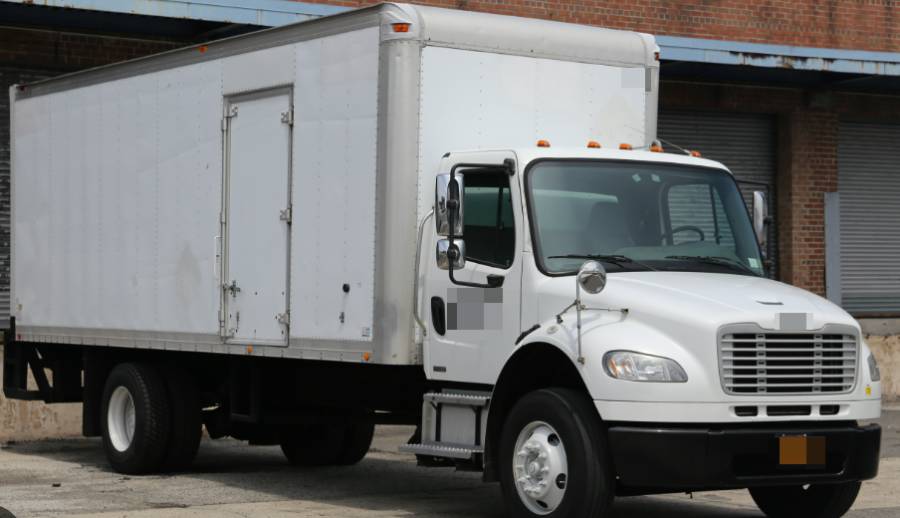
Freightliner M2 box truck common problems include engine power loss, transmission shifting issues, electrical malfunctions, diesel emissions system faults, air brake problems, and engine overheating. These issues can affect vehicle performance, increase repair costs, and cause unexpected downtime. The severity and frequency of each problem depend on the truck’s model year, engine configuration, mileage, operating conditions, and maintenance history.
Engine-related problems include hard starting, rough idling, and reduced power caused by fuel delivery restrictions, sensor malfunctions, or air intake faults. Transmission issues may involve delayed engagement or harsh shifting, particularly when fluid conditions or electronic controls are compromised. Electrical problems can trigger dashboard warning lights, intermittent component failures, and starting difficulties. Freightliner M2 trucks equipped with diesel particulate filters (DPF) and diesel exhaust fluid (DEF) systems may also experience regeneration failures, emissions warnings, and engine derating.
Identifying these problems early helps truck owners and fleet operators avoid secondary damage and unnecessary component replacements. This guide explains the major Freightliner M2 box truck problems, their symptoms, underlying causes, diagnostic procedures, and repair options. It also covers repair cost considerations, overall reliability, and preventive maintenance practices that help reduce breakdowns and extend vehicle service life.
What Are the Most Common Freightliner M2 Box Truck Problems?
The most common problems reported with Freightliner M2 box trucks fall into six major categories: engine performance issues, transmission malfunctions, electrical system failures, DPF and DEF system faults, air brake problems, and cooling system failures. These problems can cause reduced engine power, difficult shifting, dashboard warning lights, unexpected shutdowns, and increased vehicle downtime. The specific failure patterns vary by model year, engine type, transmission configuration, and maintenance history.
The following table summarizes the major Freightliner M2 box truck problems, their typical symptoms, possible causes, and initial diagnostic checks.
| Common Problem | Typical Symptoms | Possible Causes | Initial Diagnostic Check |
|---|---|---|---|
| Engine performance problems | Loss of power, rough idling, hard starting | Fuel restrictions, injector faults, boost leaks, sensor malfunctions | Check engine fault codes and fuel delivery |
| Transmission problems | Hard shifting, delayed engagement, slipping | Fluid problems, electronic control faults, internal wear | Check transmission fault codes and fluid condition |
| Electrical system failures | Warning lights, intermittent power loss, starting difficulties | Loose connections, damaged wiring, weak batteries, faulty grounds | Test battery voltage and inspect electrical connections |
| DPF and DEF system faults | Regeneration warnings, reduced power, engine derating | Excessive soot, DEF dosing faults, NOx sensor problems | Retrieve emissions-related diagnostic trouble codes |
| Air brake problems | Low air pressure warnings, slow pressure buildup, ABS lights | Air leaks, compressor faults, damaged sensors | Check air pressure and inspect for leaks |
| Cooling system failures | Engine overheating, coolant loss, temperature warnings | Radiator restrictions, coolant leaks, thermostat or fan faults | Inspect coolant level and cooling system condition |
Engine performance problems can reduce acceleration and prevent the truck from maintaining normal power under load. Fuel supply restrictions, turbocharger boost leaks, and electronic control faults can produce similar symptoms, making diagnostic trouble codes and component testing necessary to identify the actual cause. For example, a leaking charge-air hose can reduce boost pressure and cause poor acceleration without an internal engine failure.
Transmission and electrical problems can interfere with normal vehicle operation even when the engine remains mechanically sound. Allison automatic transmissions used in certain Freightliner M2 configurations rely on electronic controls and hydraulic pressure to manage gear engagement. Low system voltage, damaged wiring, or communication faults can also affect electronic modules and produce intermittent warning messages. A truck that refuses to shift into gear may require electrical diagnosis before transmission components are replaced.
Emissions, braking, and cooling system problems present additional operational and safety concerns. A malfunctioning DPF or DEF system can trigger warning lights and eventually reduce engine power through an emissions-related derate. Air leaks can prevent the braking system from maintaining adequate pressure, while coolant leaks or cooling fan failures can cause engine overheating. Trucks displaying unsafe air pressure or severe overheating warnings should be stopped and inspected rather than driven until a component fails.
These six problem categories provide a starting point for troubleshooting. Identifying the affected system, recording the symptoms, and checking applicable fault codes helps narrow the diagnosis before repairs begin.
What Engine Problems Affect Freightliner M2 Box Trucks?
Freightliner M2 box truck engine problems include loss of power, hard starting, rough idling, excessive exhaust smoke, and abnormal engine temperatures. These symptoms can result from restricted fuel delivery, malfunctioning injectors, turbocharger boost leaks, defective sensors, or engine control system faults. The underlying causes vary between Cummins ISB 6.7, Cummins B6.7, Detroit DD5, and Detroit DD8 engines used in different Freightliner M2 configurations.
Engine power loss occurs when the engine cannot deliver the fuel, airflow, or combustion efficiency required to maintain normal performance. A clogged fuel filter can restrict diesel flow under heavy acceleration, while a leaking charge-air cooler hose reduces the compressed air entering the engine. Both conditions can cause sluggish acceleration and difficulty maintaining speed on hills. Engine control modules may also limit power when critical operating parameters exceed programmed thresholds. Diagnosing power loss requires checking fuel pressure, turbocharger boost, intake connections, and stored diagnostic trouble codes.
Hard starting can result from weak batteries, faulty starter connections, fuel supply restrictions, or inadequate fuel rail pressure. Diesel engines require sufficient cranking speed and fuel pressure to initiate combustion. A weak battery may cause slow cranking, while air entering the fuel system or a malfunctioning fuel pressure regulator can prevent an engine from starting despite normal cranking speed. Technicians should distinguish electrical starting problems from fuel delivery faults before replacing injectors or other expensive components.
Rough idling develops when combustion becomes inconsistent between engine cylinders or the engine management system cannot maintain stable operating conditions. Possible causes include injector performance problems, contaminated fuel, intake leaks, and faulty engine sensors. Symptoms include noticeable vibration, fluctuating engine speed, and uneven exhaust output. For example, an injector delivering an incorrect fuel quantity can cause irregular combustion and increased vibration at idle. Injector balance testing, fuel system inspection, and electronic diagnostics help determine whether the problem originates from fuel delivery or engine controls.
Excessive exhaust smoke provides additional clues about engine condition. Persistent black smoke can indicate incomplete combustion associated with excessive fueling or insufficient intake air, while blue smoke can indicate engine oil entering the combustion chamber. White smoke may result from unburned fuel or coolant-related problems, depending on operating conditions. Smoke color alone cannot confirm a specific failure, so technicians must evaluate engine temperature, fluid consumption, fuel injection performance, and related symptoms.
Repairing Freightliner M2 engine problems requires identifying the defective system rather than replacing components based on symptoms alone. Fuel filter replacement may resolve a confirmed restriction, while damaged charge-air hoses require repair or replacement to restore boost pressure. Injector, turbocharger, and engine control faults require further testing with diagnostic equipment compatible with the installed engine. Addressing these issues promptly helps prevent additional mechanical damage and reduces unexpected downtime.
What Transmission Problems Occur in Freightliner M2 Box Trucks?
Freightliner M2 box truck transmission problems include hard shifting, delayed gear engagement, transmission slipping, failure to shift, and overheating. These issues can result from degraded transmission fluid, hydraulic pressure problems, electronic control faults, or worn internal components. Many Freightliner M2 trucks use Allison automatic transmissions, although transmission configurations vary by model year and vehicle specifications.
Hard shifting occurs when the transmission engages gears with excessive force, causing noticeable jerking or sudden changes in vehicle speed. In Allison automatic transmissions, hydraulic pressure and electronically controlled solenoids regulate clutch engagement. Incorrect fluid levels, contaminated fluid, malfunctioning solenoids, or transmission control module (TCM) faults can disrupt this process. For example, a defective pressure control solenoid may prevent smooth clutch application, producing harsh shifts during acceleration or deceleration. Technicians should inspect transmission fluid condition, retrieve diagnostic trouble codes, and evaluate hydraulic pressure before replacing internal components.
Delayed gear engagement occurs when the transmission takes longer than expected to respond after the driver selects Drive or Reverse. Possible causes include insufficient hydraulic pressure, low transmission fluid, valve body problems, and electronic control malfunctions. Automatic transmissions depend on pressurized fluid to activate internal clutch assemblies. When hydraulic pressure is inadequate, clutch engagement can become delayed or inconsistent. A Freightliner M2 that hesitates before moving after selecting Drive may require fluid level verification, transmission pressure testing, and electronic diagnostics.
Transmission slipping happens when engine speed increases without a corresponding increase in vehicle speed. This condition can indicate worn clutch components, insufficient hydraulic pressure, or internal transmission damage. Continued operation with slipping clutches generates excessive heat and accelerates friction material deterioration. For example, a truck carrying a heavy cargo load may exhibit rising engine RPM without normal acceleration when its transmission cannot maintain proper clutch engagement. Diagnosing slipping requires evaluating transmission operating data, fluid condition, and internal clutch performance.
Transmission overheating can develop from excessive loads, inadequate cooling, restricted transmission fluid circulation, or prolonged operation under demanding conditions. Elevated fluid temperatures reduce lubrication effectiveness and accelerate deterioration of transmission components. Symptoms include transmission temperature warnings, abnormal shifting, and protective operating modes. Technicians should inspect the transmission cooling circuit, verify fluid specifications and levels, and identify any restrictions affecting heat dissipation.
Electronic transmission faults can prevent gear selection or trigger transmission warning messages even when internal mechanical components remain functional. Damaged wiring, poor electrical connections, faulty shift selectors, and communication problems between control modules can interrupt transmission operation. For example, a malfunctioning shift selector or wiring circuit may prevent an Allison transmission from recognizing a requested gear. Diagnostic equipment capable of communicating with the transmission control module helps distinguish electronic faults from hydraulic or mechanical failures.
Repairing Freightliner M2 transmission problems requires identifying the installed transmission model and following its specific diagnostic procedures. Fluid servicing can address confirmed fluid-related issues, while faulty solenoids, damaged wiring, and worn internal components require targeted repairs. Drivers should avoid operating a truck with severe slipping, persistent overheating, or unreliable gear engagement because continued use can increase transmission damage and create unsafe driving conditions.
What Electrical Problems Are Common in Freightliner M2 Box Trucks?
Common Freightliner M2 box truck electrical problems include battery failures, alternator malfunctions, damaged wiring harnesses, poor ground connections, faulty sensors, and dashboard warning light issues. These faults can cause intermittent starting problems, flickering lights, malfunctioning accessories, and communication failures between electronic control modules. Electrical system reliability depends on battery condition, charging system performance, wiring integrity, and the truck’s operating environment.
Battery and charging system problems can prevent the engine from starting or cause electrical components to operate inconsistently. Freightliner M2 trucks rely on batteries to supply starting power and an alternator to maintain electrical voltage while the engine runs. Weak batteries, corroded terminals, loose connections, or a failing alternator can interrupt this process. For example, a truck that starts normally after a jump-start but repeatedly develops a discharged battery may have a charging system fault or excessive electrical draw while parked. Technicians should perform battery load testing, inspect terminal connections, and measure charging voltage under appropriate operating conditions.
Wiring harness failures can cause intermittent electrical problems that are difficult to reproduce during inspections. Commercial trucks experience continuous vibration, temperature changes, moisture exposure, and movement around engine and chassis components. These conditions can damage wire insulation, loosen connectors, or allow corrosion to develop inside electrical terminals. A damaged wiring harness near the engine compartment may interrupt signals between sensors and the engine control module, resulting in warning lights, inconsistent engine performance, or temporary communication faults. Visual inspections, circuit continuity checks, and voltage drop testing help identify damaged wiring and high-resistance connections.
Poor ground connections can produce multiple electrical symptoms because electronic components require a stable return path to the battery. Corrosion, loose mounting points, or damaged ground straps increase electrical resistance and interfere with current flow. Symptoms may include dim headlights, intermittent dashboard operation, slow cranking, and irregular electronic module behavior. For example, a corroded engine ground strap can create excessive voltage drop during starting, reducing the power available to the starter motor. Inspecting battery-to-chassis and engine-to-chassis ground connections helps identify these faults before unnecessary component replacement.
Dashboard warning light problems occur when the instrument cluster receives fault information from vehicle control modules or detects an electrical communication issue. Freightliner M2 trucks use electronic control systems to monitor engine performance, transmission operation, braking functions, and other vehicle systems. Warning indicators such as Check Engine, ABS, and transmission alerts can signal mechanical faults, sensor circuit problems, or communication interruptions. A warning light that remains illuminated after restarting the truck should be investigated using compatible diagnostic equipment. Replacing a sensor without verifying its circuit and associated fault codes may leave the original problem unresolved.
Electronic control module communication faults can interfere with engine operation, transmission shifting, instrument cluster functions, and diagnostic communication. Vehicle modules exchange information through communication networks, including SAE J1939 on applicable Freightliner M2 configurations. Damaged network wiring, loose connectors, unstable power supplies, or defective modules can interrupt these signals. For example, a communication failure between the engine control module and transmission control module may trigger fault messages or affect transmission operation. Technicians can investigate these problems by retrieving network-related diagnostic trouble codes, checking module power and grounds, and testing network wiring according to manufacturer procedures.
Repairing Freightliner M2 electrical problems requires systematic circuit testing rather than replacing components based solely on warning lights. Battery testing, charging system inspection, voltage drop measurements, wiring examinations, and electronic diagnostics help isolate the source of electrical failures. Damaged connectors should be repaired using suitable automotive electrical procedures, while defective batteries, alternators, and electronic components should be replaced only after testing confirms the fault. Maintaining clean electrical connections and protecting wiring from moisture, vibration, and abrasion helps reduce recurring electrical problems.
What DPF and DEF Problems Affect Freightliner M2 Box Trucks?
Freightliner M2 box truck DPF and DEF problems include failed diesel particulate filter regeneration, excessive soot accumulation, DEF quality warnings, malfunctioning NOx sensors, and emissions-related engine derating. These issues affect trucks equipped with diesel aftertreatment systems and can trigger dashboard warnings, reduced engine performance, and operating restrictions. The specific components and fault conditions depend on the engine model, emissions certification year, and aftertreatment configuration.
The diesel particulate filter (DPF) captures soot particles from engine exhaust, while the selective catalytic reduction (SCR) system uses diesel exhaust fluid (DEF) to reduce nitrogen oxide emissions. These systems perform different functions but rely on sensors, electronic controls, and suitable operating conditions to maintain emissions performance. A fault in either system can generate diagnostic trouble codes and require specialized troubleshooting.
What Causes Freightliner M2 DPF Regeneration Problems?
Freightliner M2 DPF regeneration problems result from excessive soot accumulation, interrupted regeneration cycles, faulty exhaust temperature sensors, or engine conditions that prevent the exhaust system from reaching the required operating temperature. Regeneration burns accumulated soot inside the diesel particulate filter to restore exhaust flow. When this process cannot finish successfully, exhaust backpressure can increase and the engine control system may activate warning indicators or power restrictions.
Frequent short-distance driving and prolonged low-load operation can interfere with passive regeneration because exhaust temperatures may remain too low for effective soot oxidation. Box trucks operating on urban delivery routes often experience repeated stops, extended idling, and limited highway operation. These conditions can increase the need for active regeneration, during which the engine management system raises exhaust temperature to remove accumulated soot. Repeatedly interrupting active regeneration can contribute to additional soot buildup and more frequent regeneration requests.
Faulty exhaust sensors and underlying engine problems can also prevent successful DPF regeneration. Exhaust gas temperature sensors provide information used to control regeneration, while differential pressure sensors help monitor restrictions across the filter. Incorrect sensor readings, exhaust leaks, fuel injection problems, or excessive engine soot production can disrupt normal aftertreatment operation. For example, a malfunctioning differential pressure sensor may report an incorrect filter restriction, causing the control system to generate warnings even when the actual soot loading differs from the reported condition.
Diagnosing DPF regeneration problems requires retrieving engine and aftertreatment fault codes, evaluating soot load estimates, checking exhaust temperature readings, and inspecting the exhaust system for leaks or restrictions. A service regeneration may be appropriate when permitted by the manufacturer and supported by the diagnostic findings. However, repeated regeneration attempts will not correct defective sensors, excessive engine soot production, or a filter restricted by noncombustible ash. Ash accumulation requires appropriate filter servicing or replacement rather than regeneration alone.
Why Does the Freightliner M2 DEF System Trigger Warning Lights?
Freightliner M2 DEF system warning lights activate when the emissions control system detects conditions such as low DEF level, incorrect fluid quality, dosing system malfunctions, sensor failures, or SCR performance problems. The DEF system injects a controlled quantity of urea-based fluid into the exhaust stream, where it supports chemical reactions that convert nitrogen oxides into nitrogen and water. Incorrect DEF delivery or ineffective SCR operation can prevent the system from meeting its programmed emissions performance requirements.
Low DEF levels and contaminated DEF are two possible causes of emissions warnings. Diesel exhaust fluid must meet the applicable ISO 22241 quality specification, which defines requirements for its urea concentration and purity. Contamination from diesel fuel, dirt, or other substances can damage DEF system components and interfere with proper dosing. For example, adding an unsuitable fluid to the DEF tank can produce quality-related faults and require inspection of the tank, supply lines, and dosing equipment.
DEF pump, injector, and sensor malfunctions can prevent the system from delivering the correct amount of fluid. The DEF pump supplies fluid to the dosing injector, while temperature, pressure, and NOx sensors provide information used to monitor aftertreatment performance. A defective dosing injector may deliver insufficient DEF, allowing nitrogen oxide emissions to remain above expected levels. Similarly, an inaccurate NOx sensor can trigger SCR efficiency warnings even when other components are functioning correctly. Diagnostic testing must distinguish between an actual dosing failure and an incorrect sensor signal.
Engine derating can occur when the control system detects certain unresolved emissions faults. Depending on the engine and emissions configuration, the truck may experience reduced engine torque, speed limitations, or other operating restrictions. These measures are designed to enforce emissions system requirements and protect equipment under specified fault conditions. A Freightliner M2 displaying a DEF warning together with reduced engine power requires prompt diagnosis because continued operation may lead to additional restrictions.
Repairing Freightliner M2 DEF system problems requires identifying the active fault codes and testing the affected components. Technicians should verify DEF level and quality, inspect electrical connections, evaluate dosing system operation, and review NOx sensor data before replacing parts. Using approved DEF, preventing contamination during refilling, and addressing emissions warnings promptly help maintain aftertreatment system performance. Emissions controls should be repaired according to manufacturer procedures rather than disabled or bypassed.
What Brake Problems Affect Freightliner M2 Box Trucks?
Freightliner M2 box truck brake problems include low air pressure, air system leaks, slow pressure buildup, ABS warning lights, and reduced braking performance. These issues can result from malfunctioning air compressors, damaged air lines, defective valves, worn brake components, or faulty wheel speed sensors. Freightliner M2 trucks may use different braking configurations depending on their specifications, so troubleshooting procedures must match the installed system.
Low air pressure is a serious problem in Freightliner M2 trucks equipped with air brakes because compressed air is required to release spring parking brakes and operate the service braking system. Air pressure can drop due to leaking hoses, damaged fittings, faulty valves, or inadequate compressor output. For example, a leaking air line may cause the pressure gauge to fall while the truck is stationary, while a worn compressor may struggle to restore pressure during operation. Drivers should monitor air pressure gauges and warning indicators before moving the vehicle. A truck with insufficient air pressure must remain out of service until the braking system is inspected and restored to safe operating condition.
Slow air pressure buildup can indicate compressor wear, air dryer restrictions, excessive leakage, or air system control problems. The compressor supplies pressurized air to storage reservoirs, while the air dryer removes moisture and contaminants that could damage pneumatic components. When the compressor cannot supply enough air or the system loses pressure faster than it can recover, the reservoirs take longer to reach normal operating pressure. Technicians can evaluate compressor performance, inspect the air dryer, and conduct air leakage and pressure buildup tests according to the applicable Freightliner maintenance procedures.
ABS warning lights indicate that the anti-lock braking system has detected a fault requiring diagnosis. The ABS uses wheel speed sensors and an electronic control module to monitor wheel rotation and regulate braking pressure during conditions that could cause wheel lockup. Damaged sensor wiring, incorrect sensor positioning, contaminated sensor components, or electronic module faults can interrupt this function. For example, a damaged wheel speed sensor cable near a wheel assembly can prevent the ABS controller from receiving reliable speed information. The conventional braking system may remain functional during certain ABS faults, but anti-lock protection can be reduced or unavailable. Technicians should retrieve ABS diagnostic trouble codes and inspect the affected circuits before replacing components.
Reduced braking performance can result from worn brake linings, incorrect brake adjustment, damaged brake chambers, air leaks, or mechanical problems within the foundation brakes. Air brake systems convert pneumatic pressure into mechanical force through brake chambers and associated components. Excessive component wear or improper adjustment can reduce effective braking force and increase stopping distance. A truck that pulls to one side during braking may have unequal braking force caused by mechanical defects or differences in brake condition. Brake inspections should include lining condition, brake chamber operation, adjustment measurements, and related hardware using manufacturer-approved procedures.
Preventing Freightliner M2 brake problems requires regular inspections of air system components, brake linings, hoses, fittings, and ABS wiring. Drivers should perform required pre-trip brake checks, including air pressure buildup and leakage checks on air-brake-equipped vehicles. Warning lights, unusual air loss, excessive stopping distances, or abnormal brake operation require immediate attention. Because brake system failures can cause loss of vehicle control, repairs and safety-critical adjustments should be performed by qualified technicians following the specifications for the truck’s braking configuration.
What Causes a Freightliner M2 Box Truck to Overheat?
Freightliner M2 box truck overheating can result from coolant leaks, radiator restrictions, thermostat malfunctions, cooling fan failures, or defective water pumps. These problems interfere with the cooling system’s ability to remove heat from the engine, causing coolant temperatures to rise above the normal operating range. Common symptoms include high temperature gauge readings, coolant loss, engine temperature warnings, reduced engine power, and steam escaping from the engine compartment.
Coolant leaks reduce the amount of fluid available to absorb and transfer engine heat. Leaks can develop in radiator hoses, hose connections, coolant reservoirs, radiator assemblies, and water pump seals. As coolant levels decrease, air can enter the cooling system and disrupt circulation, creating localized hot spots inside the engine. For example, a damaged radiator hose may leak coolant primarily when the system reaches operating pressure, making the problem less noticeable during a cold inspection. Technicians can identify external leaks through visual examination and cooling system pressure testing.
Radiator restrictions and cooling fan failures prevent the cooling system from releasing heat efficiently. Dirt, road debris, and damaged radiator fins can restrict airflow through the cooling package, while internal deposits can reduce coolant circulation. A malfunctioning cooling fan or fan clutch may also prevent sufficient airflow when the truck operates at low speeds or remains stationary. For example, a Freightliner M2 that overheats during extended idling but maintains normal temperatures at highway speeds may have an airflow-related cooling problem. Inspecting radiator surfaces, fan operation, and cooling system performance helps identify the cause.
Thermostat and water pump failures interfere with coolant circulation between the engine and radiator. A thermostat stuck closed can restrict coolant flow to the radiator, causing engine temperature to increase rapidly. A damaged water pump impeller, worn drive components, or internal pump failure can also reduce coolant circulation. These problems may produce overheating even when the coolant reservoir appears full. Technicians should evaluate coolant temperature behavior, thermostat operation, and water pump performance before replacing cooling system components.
Engine overheating under heavy loads can also occur when cooling system performance is insufficient for the truck’s operating conditions. Carrying heavy cargo, climbing steep grades, and operating in high ambient temperatures increase the amount of heat the engine must dissipate. A partially restricted radiator or weakened cooling fan may maintain acceptable temperatures during light driving but fail to provide adequate cooling under sustained load. This pattern helps technicians distinguish cooling capacity problems from faults that cause overheating under all operating conditions.
Repairing Freightliner M2 overheating problems requires locating coolant leaks, verifying coolant circulation, inspecting radiator airflow, and testing cooling system components. Drivers should stop the truck safely and shut down the engine according to the applicable manufacturer guidance when severe overheating occurs. Never remove the radiator cap or coolant reservoir pressure cap while the system is hot, because pressurized coolant can cause serious burns. Correcting overheating problems promptly helps prevent cylinder head damage, gasket failure, and other expensive engine repairs.
How Can You Diagnose Freightliner M2 Box Truck Problems?
Diagnosing Freightliner M2 box truck problems requires retrieving diagnostic trouble codes, identifying the affected vehicle system, inspecting related components, and performing targeted mechanical or electrical tests. A systematic diagnostic process helps distinguish engine, transmission, electrical, emissions, and braking faults that produce similar symptoms. The correct procedure depends on the truck’s model year, engine configuration, electronic control modules, and installed diagnostic systems.
How Do You Read Freightliner M2 Diagnostic Trouble Codes?
Freightliner M2 diagnostic trouble codes can be retrieved using a compatible heavy-duty diagnostic scanner connected to the truck’s diagnostic port. Many Freightliner M2 configurations use the SAE J1939 communication protocol, which allows electronic control modules to exchange operating information and report detected faults. Diagnostic equipment such as Detroit Diesel DiagnosticLink or Cummins INSITE may be used for supported engine configurations, while Allison DOC provides transmission diagnostics for compatible Allison transmissions.
Diagnostic trouble codes identify detected operating conditions or electrical faults, but they do not always identify the component responsible for the problem. Heavy-duty vehicle fault information commonly includes a Suspect Parameter Number (SPN) and Failure Mode Identifier (FMI). The SPN identifies the affected parameter or system, while the FMI describes the type of detected fault, such as an abnormal reading, voltage problem, or communication failure. For example, an FMI indicating voltage below normal may result from damaged wiring, poor electrical connections, or a defective sensor rather than a failed control module.
Technicians should record active and previously active fault codes before clearing them. Active codes indicate faults currently detected by the monitoring system, while previously active codes provide information about conditions detected during earlier operation. Reviewing engine speed, coolant temperature, battery voltage, and other available operating data helps establish the circumstances associated with a fault. Manufacturer-specific diagnostic procedures are necessary to interpret codes accurately because identical symptoms can have different causes across engine and vehicle configurations.
How Do You Troubleshoot Freightliner M2 Warning Lights?
Troubleshooting Freightliner M2 warning lights begins by identifying the illuminated indicator, retrieving associated diagnostic codes, and checking the components monitored by the affected system. Common warning indicators include Check Engine, Stop Engine, ABS, transmission, and emissions system lights. Each warning has a different operational significance, so the required response depends on the fault severity and the manufacturer’s instructions.
Check Engine warnings indicate that the engine management system has detected a condition requiring attention. Possible causes include fuel system faults, sensor malfunctions, intake air problems, or emissions-related issues. Technicians should retrieve the stored codes and examine relevant operating data before testing suspected components. A Check Engine light accompanied by reduced power may indicate an engine protection or emissions-related derate, but the warning alone does not establish the underlying cause.
Stop Engine warnings require immediate attention because they can indicate operating conditions that threaten engine integrity. Depending on the engine configuration, these warnings may be associated with excessive coolant temperature, low engine oil pressure, or other critical faults. Drivers should follow the vehicle’s shutdown instructions and stop in a safe location when a Stop Engine warning activates. Continuing to operate the truck during a critical engine protection event can cause severe mechanical damage.
ABS and transmission warning lights require system-specific diagnostics. An ABS warning may result from wheel speed sensor faults, damaged wiring, or control module communication problems. Transmission warnings can indicate electronic control faults, abnormal operating temperatures, or hydraulic performance problems. Technicians should use compatible diagnostic equipment to identify the affected system and verify the suspected failure through appropriate electrical or mechanical testing.
A complete Freightliner M2 troubleshooting procedure follows six steps: identify the symptoms, verify the truck’s configuration, retrieve diagnostic trouble codes, inspect the affected components, perform targeted tests, and confirm the repair. For example, a truck displaying an engine warning with reduced acceleration may require fuel pressure testing, charge-air system inspection, and emissions fault analysis before the actual cause becomes clear. After completing repairs, technicians should verify normal operation and confirm that the original fault does not return under appropriate operating conditions.
Accurate diagnosis reduces unnecessary parts replacement and helps prevent recurring breakdowns. Critical brake, steering, and engine protection faults require immediate professional evaluation rather than continued operation. Using manufacturer-approved diagnostic procedures also ensures that repairs address the underlying failure instead of temporarily clearing warning messages.
Read more: Freightliner Cascadia Hard Shifting: Causes & Fixes
How Much Does It Cost to Repair Freightliner M2 Box Truck Problems?
Freightliner M2 box truck repair costs depend on the failed component, engine configuration, labor requirements, parts availability, and severity of the damage. Minor repairs involving sensors, electrical connections, or routine service components generally cost less than major engine, transmission, or emissions system repairs. The total expense also depends on diagnostic time, regional labor rates, and whether the truck requires original equipment manufacturer (OEM) or aftermarket replacement parts.
Engine repair costs vary according to whether the problem involves fuel delivery, turbocharger performance, cooling components, or internal engine damage. Replacing a restricted fuel filter generally requires fewer labor hours than repairing a defective fuel injection system or turbocharger. Internal engine failures involving pistons, cylinder heads, or crankshaft components require extensive disassembly and specialized labor, increasing the total repair expense. For example, an engine experiencing reduced power from a damaged charge-air hose will generally cost less to repair than one requiring turbocharger replacement. Accurate diagnosis is necessary before estimating parts and labor expenses.
Transmission repair costs depend on whether the failure involves fluid servicing, electronic controls, hydraulic components, or internal mechanical damage. Replacing a defective shift selector or repairing damaged wiring typically requires less labor than rebuilding an automatic transmission. Allison transmissions used in certain Freightliner M2 configurations contain electronically controlled hydraulic systems that require specialized diagnostic equipment. A truck experiencing harsh shifts from an electrical control fault may need a targeted repair, while slipping caused by worn internal clutches can require major transmission work. Identifying the transmission model and confirming the failure helps prevent unnecessary replacement expenses.
Electrical system repairs range from relatively straightforward battery and connection repairs to complex wiring and electronic module diagnostics. Corroded battery terminals or damaged ground straps can often be repaired without replacing expensive electronic components. However, intermittent wiring faults may require additional diagnostic labor because technicians must locate damaged circuits and reproduce operating conditions that trigger the problem. For example, tracing a communication fault through multiple wiring connections can take longer than replacing a visibly damaged battery cable. Diagnostic complexity therefore contributes significantly to electrical repair costs.
DPF and DEF system repair costs depend on whether the problem involves sensors, fluid delivery components, filter restrictions, or aftertreatment assemblies. Replacing a defective exhaust temperature sensor generally involves less work than replacing a damaged diesel particulate filter or SCR catalyst. A DPF restricted by accumulated ash may require professional cleaning or replacement, while DEF system faults can involve pumps, dosing injectors, heaters, or NOx sensors. Replacing an expensive aftertreatment component without confirming the underlying fault can result in repeated warnings and additional repair expenses.
Brake and cooling system repair costs vary according to component accessibility, system configuration, and the extent of the failure. Replacing a leaking air fitting or damaged coolant hose is generally less complex than replacing an air compressor, radiator, or water pump. Brake repairs may also require additional inspection and testing to verify safe operation. For example, replacing worn brake linings without correcting a defective brake chamber or adjustment problem may leave the underlying braking issue unresolved.
Repair expenses should also account for vehicle downtime, especially when a Freightliner M2 box truck is used for commercial deliveries. A truck awaiting parts or major repairs may generate additional costs through missed deliveries, replacement vehicle rentals, towing, and interrupted business operations. Fleet operators can reduce avoidable expenses by addressing warning signs early, maintaining accurate service records, and requesting itemized repair estimates that separate diagnostic labor, replacement parts, and installation costs.
Before approving major repairs, owners should compare the estimated repair expense with the truck’s mileage, maintenance history, overall mechanical condition, and remaining service requirements. A professional inspection helps determine whether repairing the affected component is economically reasonable or whether additional mechanical problems could increase future ownership costs.
Is the Freightliner M2 Box Truck Reliable?
The Freightliner M2 box truck is a viable choice for commercial transportation when properly maintained, but its reliability depends on engine configuration, mileage, operating conditions, and service history. The M2 platform is designed for medium-duty applications, including local deliveries, freight distribution, and moving services. However, engine faults, transmission problems, electrical failures, and emissions system issues can reduce dependability and increase operating costs. There is no single reliability rating that accurately represents every Freightliner M2 model year and mechanical configuration.
Engine configuration plays a significant role in Freightliner M2 reliability because different powertrains have distinct maintenance requirements and potential failure points. Cummins ISB 6.7, Cummins B6.7, Detroit DD5, and Detroit DD8 engines have been offered in different M2 configurations and production periods. Their fuel injection systems, electronic controls, and emissions equipment differ, affecting diagnostic procedures and repair requirements. For example, an emissions-related power loss in a Cummins-powered truck may require different diagnostic software and service procedures than a similar complaint in a Detroit-powered model. Reliability assessments should therefore consider the installed engine rather than treating all Freightliner M2 trucks as mechanically identical.
Mileage and maintenance history strongly influence the condition of major mechanical components. Commercial box trucks accumulate wear through repeated acceleration, braking, cargo loading, and extended operating hours. High mileage alone does not establish that a truck is unreliable, but neglected oil changes, contaminated fuel, overdue transmission servicing, and unresolved cooling system problems increase the risk of component damage. A higher-mileage Freightliner M2 with documented maintenance and timely repairs may be in better mechanical condition than a lower-mileage truck with an incomplete service history. Reviewing maintenance records, engine operating hours, and previous repair invoices provides a more useful assessment than odometer mileage alone.
Operating conditions also affect long-term reliability. Freightliner M2 box trucks used for urban deliveries experience frequent stops, low-speed operation, and extended idling, while trucks operating on regional routes may spend more time at steady highway speeds. Repeated stop-and-go operation increases demands on braking systems and can interfere with diesel particulate filter regeneration under certain conditions. Heavy cargo loads and steep terrain place additional demands on engines, transmissions, and cooling systems. For example, a truck operating near its rated capacity on mountainous routes may experience greater thermal stress than a lightly loaded vehicle traveling on level highways.
Electrical and emissions system condition is another important factor in evaluating a used Freightliner M2. Damaged wiring, corroded connectors, faulty sensors, and unresolved electronic control faults can cause intermittent failures that are difficult to identify during a short test drive. DPF and DEF problems can also lead to repeated warning lights and engine derating, particularly when the underlying cause has not been corrected. Buyers should check for active diagnostic trouble codes, review previous emissions repairs, and verify that warning indicators function correctly during the vehicle’s startup checks.
A reliable Freightliner M2 should demonstrate consistent engine performance, smooth transmission engagement, stable operating temperatures, normal braking operation, and no unresolved critical fault codes. Before purchasing a used truck, buyers should arrange a professional inspection that includes engine diagnostics, transmission evaluation, cooling system checks, brake inspection, and examination of the chassis and box body. A loaded road test, when safe and practical, can reveal performance problems that are not apparent during stationary inspections.
Overall, Freightliner M2 box truck reliability is better evaluated through the condition of the individual vehicle than through the model name alone. Consistent preventive maintenance, appropriate operating practices, and timely repairs help reduce unexpected breakdowns and support long-term commercial use. Owners who maintain detailed service records and address developing mechanical problems early are better positioned to control repair expenses and keep their trucks available for daily operations.
How Can You Prevent Common Freightliner M2 Box Truck Problems?
Preventing common Freightliner M2 box truck problems requires regular engine servicing, transmission maintenance, electrical inspections, emissions system monitoring, brake checks, and cooling system maintenance. A preventive maintenance program helps identify developing mechanical faults before they cause breakdowns or expensive component damage. Service intervals should follow the applicable Freightliner, engine, and transmission manufacturer recommendations, with adjustments based on mileage, engine hours, operating conditions, and vehicle duty cycle.
Regular engine maintenance helps prevent fuel delivery problems, lubrication failures, and premature component wear. Diesel engines require clean engine oil, properly functioning filters, and an adequate fuel supply to maintain reliable operation. Contaminated oil increases friction between moving components, while restricted fuel filters can reduce engine performance and contribute to hard starting. For example, replacing fuel filters at the specified intervals and checking for water contamination can help protect fuel injection components. Owners should also inspect charge-air hoses, monitor oil consumption, and investigate unusual engine noises or changes in exhaust smoke.
Transmission maintenance reduces the risk of shifting problems, overheating, and internal component damage. Allison automatic transmissions used in certain Freightliner M2 configurations require approved transmission fluid and filters that meet the specifications for the installed model. Fluid deterioration, incorrect fluid levels, and cooling system restrictions can affect hydraulic pressure and clutch operation. Checking for leaks, monitoring transmission temperature, and following the correct fluid and filter replacement schedule help maintain consistent shifting performance. Unusual engagement delays or harsh shifts should be investigated before continued operation causes additional wear.
Electrical system inspections help prevent intermittent starting failures, dashboard malfunctions, and communication problems between vehicle control modules. Battery terminals, ground connections, wiring harnesses, and electrical connectors should be inspected for corrosion, looseness, moisture intrusion, and physical damage. Commercial truck vibration can gradually loosen connections or damage wiring insulation, creating electrical resistance and intermittent faults. For example, identifying a deteriorating engine ground strap during routine servicing can prevent future starting difficulties and voltage-related warning messages. Battery condition and alternator performance should also be tested when charging problems are suspected.
DPF and DEF system maintenance helps reduce emissions-related warnings, unsuccessful regeneration cycles, and engine derating. Trucks equipped with diesel aftertreatment systems require suitable operating conditions for DPF regeneration and DEF that meets ISO 22241 specifications. Excessive idling, repeated short trips, and unresolved engine faults can contribute to soot accumulation and interrupted regeneration. Drivers should follow manufacturer instructions when regeneration is requested, maintain adequate DEF levels, and investigate recurring emissions warnings. Persistent DPF restrictions or SCR faults require diagnostic testing rather than repeated regeneration attempts or unnecessary component replacement.
Brake system inspections are essential for maintaining safe stopping performance and preventing air pressure problems. Freightliner M2 trucks equipped with air brakes require regular checks of air lines, fittings, reservoirs, brake chambers, and related pneumatic components. Air leaks can reduce available braking pressure, while worn linings or improperly functioning mechanical components can increase stopping distance. Drivers should complete required pre-trip brake inspections and report abnormal air pressure loss, unusual braking behavior, or ABS warning lights. Qualified technicians should perform brake adjustments, component replacement, and system testing according to the installed brake system specifications.
Cooling system maintenance helps prevent overheating and temperature-related engine damage. Coolant levels, radiator surfaces, hoses, clamps, cooling fans, and water pump components should be inspected for leaks, restrictions, and deterioration. Cooling systems also require coolant that meets the engine manufacturer’s chemical and performance specifications. Using incompatible coolant or neglecting coolant condition can contribute to corrosion, deposits, and reduced heat transfer. For example, cleaning debris from the radiator and charge-air cooling package can improve airflow and reduce overheating risk during heavy-load operation. Cooling system pressure caps should never be removed while the system is hot.
Daily vehicle inspections and maintenance records provide an additional layer of protection against unexpected failures. Drivers should monitor fluid levels, visible leaks, warning indicators, tire condition, and braking performance before beginning commercial operations. Fleet operators should document service dates, mileage, engine hours, diagnostic fault codes, and completed repairs to identify recurring problems. For example, repeated coolant additions between scheduled services may indicate a developing leak that requires investigation before the engine overheats.
A consistent preventive maintenance program reduces avoidable mechanical failures by identifying wear, contamination, leaks, and electronic faults before they become severe. Freightliner M2 owners should combine manufacturer-recommended servicing with regular inspections and prompt diagnostic testing whenever abnormal symptoms appear. This approach supports reliable truck operation, improves maintenance planning, and helps limit unexpected repair costs and commercial vehicle downtime.