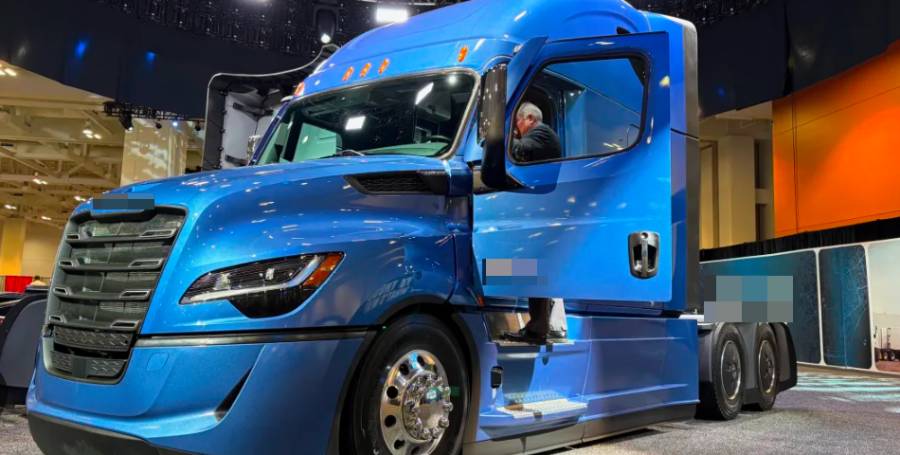
Freightliner Cascadia transmission shifting problems can result from worn clutch components, faulty shift actuators, malfunctioning transmission sensors, electrical failures, low air pressure, or internal gearbox damage. These issues can cause hard shifting, delayed gear engagement, unexpected shifts into neutral, or complete failure to select a gear. The exact cause depends on the transmission model, operating conditions, and diagnostic fault codes.
The Freightliner Cascadia uses different transmission configurations, including the Detroit DT12 automated manual transmission and Eaton manual or automated transmissions. Each system has distinct shifting mechanisms and diagnostic requirements. For example, a DT12 transmission may fail to engage a gear because of a clutch actuator fault, while an Eaton manual transmission may experience shifting difficulty due to clutch adjustment problems or worn mechanical components.
Diagnosing Freightliner Cascadia shifting problems requires identifying the symptoms, retrieving transmission fault codes, and inspecting the affected mechanical, electrical, or pneumatic components. Ignoring recurring shifting problems can lead to additional drivetrain damage, unexpected vehicle downtime, and expensive repairs.
This guide explains the common symptoms and causes of Freightliner Cascadia transmission shifting problems, how to diagnose them, which repairs address specific failures, and how preventive maintenance helps reduce transmission problems.
What Are the Common Symptoms of Freightliner Cascadia Transmission Shifting Problems?
The most common Freightliner Cascadia transmission shifting symptoms include hard shifting, delayed gear engagement, unexpected neutral, failure to select gears, and transmission warning messages. These symptoms indicate that the transmission may not be engaging or changing gears correctly because of mechanical, electrical, or control-system faults. Their severity depends on the transmission type, the affected components, and the conditions under which the problem occurs.
Hard shifting occurs when the transmission engages a gear with an unusually strong jerk, vibration, or impact. In Detroit DT12 and Eaton automated transmissions, inconsistent clutch engagement, actuator malfunctions, or incorrect sensor feedback can disrupt smooth gear changes. In manual transmissions, clutch release problems or worn internal components can produce similar symptoms. Repeated harsh engagement can place additional stress on drivetrain components.
Delayed gear engagement occurs when the transmission takes longer than expected to respond after the driver selects Drive, Reverse, or another gear. The truck may remain stationary briefly before engaging, or an automated transmission may hesitate between shifts while driving. Possible causes include clutch actuator problems, transmission control faults, and incorrect speed or position sensor signals. Persistent delays require diagnosis because they can progress to complete engagement failure.
Unexpected neutral or a transmission stuck in neutral prevents engine power from reaching the drive wheels. A Freightliner Cascadia equipped with an automated transmission may refuse to engage Drive or return to neutral after detecting a fault. Problems involving shift actuators, electrical communication, or pneumatic controls on applicable systems can interrupt gear selection. Unexpected neutral while driving creates a safety risk because the truck loses propulsion.
Failure to shift into gear occurs when the transmission cannot engage the requested gear despite receiving a driver command. This condition may be accompanied by a flashing gear indicator, a transmission warning message, or a diagnostic trouble code. Severe clutch actuator failures, electrical faults, or internal mechanical damage can prevent normal operation.
Transmission warning messages and stored fault codes provide additional diagnostic evidence. However, a shifting symptom alone cannot identify the failed component. Accurate diagnosis requires checking the transmission model, operating conditions, and fault information before replacing parts.
What Causes Freightliner Cascadia Transmission Shifting Problems?
Freightliner Cascadia transmission shifting problems result from clutch and shift actuator failures, faulty transmission sensors, electrical malfunctions, insufficient air pressure, or internal gearbox damage. These faults interfere with clutch operation, gear selection, or communication between transmission components. The exact failure mechanism depends on whether the truck uses a Detroit DT12, Eaton automated transmission, or conventional manual gearbox.
How Do Clutch and Shift Actuator Problems Affect Gear Shifting?
Clutch and shift actuator problems cause hard shifting, delayed gear engagement, and failure to select gears by disrupting the mechanical movements required for transmission operation. In automated manual transmissions such as the Detroit DT12, electronically controlled actuators coordinate clutch engagement and gear changes without requiring the driver to operate a clutch pedal.
A malfunctioning clutch actuator may fail to disengage the clutch completely or engage it at the correct time. This can produce jerking during gear changes, delayed shifts, or an inability to engage Drive or Reverse. Clutch wear can also affect engagement accuracy because changes in friction material thickness alter the clutch’s operating characteristics.
Shift actuator failures create similar symptoms through a different mechanism. The shift actuator moves transmission components into the positions required for gear engagement. When its movement becomes restricted or its position feedback is incorrect, the transmission may reject a gear command or remain in neutral. Diagnostic testing is necessary to distinguish actuator failure from clutch wear or control-system faults.
How Do Transmission Sensors and Electrical Faults Cause Shifting Problems?
Transmission sensor and electrical faults disrupt gear shifting by providing incorrect operating information or interrupting communication between control components. Automated transmissions rely on signals from speed sensors, position sensors, and electronic control modules to determine when and how gears should change.
Input and output shaft speed sensors help the transmission controller monitor rotational speeds during gear selection. Incorrect speed readings can interfere with shift timing and clutch coordination, resulting in delayed shifts, harsh engagement, or fault-related gear restrictions. Position sensor faults can prevent the controller from confirming whether a requested gear or actuator position has been achieved.
Electrical problems can produce similar failures even when the sensors and actuators are mechanically functional. Corroded connectors, damaged wiring harnesses, poor grounding, and unstable electrical supply can interrupt control signals. For example, an intermittent wiring connection may cause shifting problems only when the truck encounters vibration or changing operating temperatures. Stored diagnostic trouble codes and electrical testing help identify the affected circuit.
How Do Low Air Pressure and Internal Transmission Damage Affect Shifting?
Low air pressure can prevent proper gear selection in Freightliner Cascadia transmissions that use pneumatic shift or clutch-control components. These systems require sufficient compressed air to operate their actuators. Air leaks, restricted supply lines, or malfunctioning pneumatic valves can reduce actuator performance, causing delayed engagement, incomplete shifts, or failure to select a gear.
The effect of low air pressure depends on the transmission configuration. Detroit DT12 and Eaton transmission variants have different pneumatic control arrangements, so air-pressure requirements and diagnostic procedures must follow the specifications for the installed gearbox.
Internal transmission damage causes shifting problems when worn or damaged mechanical components interfere with gear engagement or power transfer. Damaged gears, bearings, shafts, or synchronizing mechanisms where fitted can produce grinding noises, abnormal vibration, difficult shifting, or complete gear engagement failure. These symptoms may worsen under load as damaged components experience additional mechanical stress.
Mechanical damage cannot be corrected through electronic calibration or fault-code clearing. Confirming internal gearbox failure requires appropriate mechanical inspection after external actuator, electrical, and control-system faults have been evaluated.
How Do You Diagnose Freightliner Cascadia Transmission Shifting Problems?
Diagnosing Freightliner Cascadia transmission shifting problems requires checking diagnostic trouble codes, inspecting electrical connections, testing transmission sensors and actuators, and verifying air pressure where applicable. The diagnostic process should begin by identifying the installed transmission model and documenting when the shifting problem occurs. Hard shifting during acceleration, delayed engagement from a stop, and failure to select Drive may indicate different faults.
Before performing physical inspections, park the truck on level ground, apply the parking brake, secure the wheels, and follow the manufacturer’s safety procedures. Transmission components can move unexpectedly during automated diagnostic tests, so actuator testing and calibration should be performed by qualified technicians using approved equipment.
How Do You Check Transmission Fault Codes on a Freightliner Cascadia?
To check Freightliner Cascadia transmission fault codes, connect a compatible diagnostic tool to the truck’s diagnostic connector and retrieve active and stored faults from the transmission control system. Diagnostic codes help identify electrical, mechanical, and communication problems that may prevent normal gear shifting.
Detroit DT12 transmissions are diagnosed using compatible Detroit diagnostic software, such as DiagnosticLink, while supported Eaton automated transmissions use Eaton ServiceRanger. The appropriate software depends on the transmission model and electronic control configuration.
Heavy-duty truck diagnostic information commonly includes Suspect Parameter Numbers (SPNs) and Failure Mode Identifiers (FMIs). An SPN identifies the affected parameter or system, while an FMI describes the reported failure condition, such as an abnormal signal, voltage problem, or mechanical response. The complete fault information must be interpreted using the correct manufacturer documentation because similar shifting symptoms can originate from different components.
For example, a fault indicating that an actuator failed to reach its commanded position does not automatically prove that the actuator is defective. The underlying cause may involve inadequate air supply, damaged wiring, restricted mechanical movement, or an internal actuator malfunction. Technicians should review fault status, occurrence history, and associated operating conditions before selecting further tests.
Clearing diagnostic codes without correcting the underlying problem does not repair the transmission. Codes should be cleared only when appropriate under the manufacturer’s repair procedure, followed by verification that the fault does not return.
How Do You Inspect Transmission Sensors, Actuators, and Air Pressure?
To inspect Freightliner Cascadia transmission sensors, actuators, and air pressure, check electrical connections first, evaluate component operation with compatible diagnostic equipment, and verify pneumatic supply against transmission-specific specifications. This sequence helps distinguish control-system failures from mechanical problems without replacing functional components.
Begin with a visual inspection of the transmission wiring harness, connectors, and related electrical components. Look for damaged insulation, corrosion, loose terminals, moisture intrusion, and wiring that contacts hot or moving parts. Verify power supply and ground integrity using the manufacturer’s electrical specifications. Intermittent connections can disrupt sensor signals and actuator commands, particularly during vibration or temperature changes.
Next, evaluate transmission speed sensors, position sensors, and actuator feedback through the diagnostic software. Compare reported values with expected operating conditions and investigate readings that are missing, inconsistent, or outside manufacturer limits. Where supported, manufacturer-approved actuator tests can determine whether the commanded movement matches the reported position. A failed test requires further investigation because wiring faults, insufficient air pressure, and mechanical restrictions can produce similar results.
For transmissions with pneumatic controls, inspect the air supply for leaks, damaged lines, restrictions, and pressure loss. Measure pressure at the manufacturer-specified test location rather than relying solely on the dashboard air-pressure gauge. Adequate vehicle system pressure does not necessarily confirm that every transmission actuator receives the required pressure during operation.
Finally, inspect for transmission fluid leaks, abnormal mechanical noise, and signs of clutch or gearbox damage. If electronic and pneumatic systems pass their prescribed tests but shifting problems remain, further mechanical diagnosis may be necessary. The correct repair should be based on confirmed test results rather than the shifting symptom alone.
How Do You Fix Freightliner Cascadia Transmission Shifting Problems?
Fixing Freightliner Cascadia transmission shifting problems requires repairing faulty electrical connections, replacing defective sensors or actuators, correcting pneumatic faults, or repairing damaged clutch and gearbox components. The correct solution depends on the transmission model and the failure confirmed during diagnosis. Replacing components without verifying the cause can increase repair costs without restoring normal shifting.
Electrical and sensor repairs involve restoring reliable communication between transmission components and their control modules. Damaged wiring should be repaired using manufacturer-approved methods, while corroded connectors, loose terminals, and defective sensors require appropriate repair or replacement. After completing electrical repairs, technicians should verify signal accuracy, check for active fault codes, and confirm that the transmission responds correctly to gear-selection commands.
Clutch and shift actuator repairs depend on whether the problem involves mechanical wear, actuator malfunction, or incorrect control feedback. A defective actuator may require replacement, while a worn clutch assembly may need mechanical repair or replacement. On Detroit DT12 and Eaton automated transmissions, actuator installation and clutch service can require model-specific adjustments or electronic procedures. Technicians must follow the service instructions for the installed transmission rather than applying the same repair method to every Cascadia.
Pneumatic system repairs address insufficient air supply to transmission components that rely on compressed air. Leaking air lines, damaged fittings, faulty valves, and restricted supply connections must be repaired before normal actuator operation can be verified. Restoring air pressure is necessary when inadequate pneumatic supply prevents the transmission from completing a shift.
Internal transmission repairs become necessary when inspection confirms damaged gears, bearings, shafts, or other mechanical components. Minor external faults do not justify replacing the entire gearbox. However, extensive internal damage may require a transmission overhaul or replacement, particularly when repair costs approach the cost of a suitable replacement unit.
When Does a Freightliner Cascadia Transmission Need Calibration?
A Freightliner Cascadia transmission needs calibration when the manufacturer specifies a clutch or transmission learning procedure after certain repairs, component replacements, or confirmed adaptation-related faults. Calibration allows an automated transmission controller to establish or verify operating parameters used for clutch engagement and gear selection.
For example, a Detroit DT12 transmission may require a specified clutch-related learning procedure following qualifying clutch or actuator service. Compatible diagnostic software guides the technician through the required process. Eaton automated transmissions have their own service procedures, which must be selected according to the exact transmission model and control system.
Calibration does not repair worn clutch components, damaged actuators, defective sensors, or internal gearbox damage. Attempting calibration while mechanical or electrical faults remain unresolved may cause the procedure to fail or leave the original shifting problem unchanged.
Before calibration, technicians should verify that the required mechanical repairs are complete, electrical supply is stable, applicable pneumatic conditions meet specifications, and no unresolved faults prevent the procedure. The truck must also be secured according to manufacturer instructions because automated clutch and shift components may operate during testing.
After completing repairs and any required calibration, verify the transmission through fault-code checks, gear-engagement testing, and a controlled road test when safe. Successful repair means the transmission engages the requested gears correctly, shifts consistently under appropriate operating conditions, and does not reproduce the original fault.
Can You Drive a Freightliner Cascadia With Transmission Shifting Problems?
Driving a Freightliner Cascadia with transmission shifting problems is unsafe when the truck experiences unexpected neutral, loss of gear engagement, severe shifting impacts, or unpredictable gear changes. These conditions can interrupt power delivery, reduce vehicle control, and increase the risk of drivetrain damage. The severity depends on the transmission fault and whether the truck can maintain reliable gear engagement.
Unexpected neutral is particularly dangerous because the transmission disconnects engine power from the drive wheels. A loaded Freightliner Cascadia may lose propulsion while climbing a grade, entering traffic, or maneuvering through an intersection. Although the service brakes remain the primary means of stopping the vehicle, losing propulsion can create hazardous situations that require immediate driver response.
Severe hard shifting and repeated gear engagement failures also indicate that continued operation may worsen mechanical damage. Abrupt clutch engagement places additional stress on drivetrain components, while incomplete gear engagement can accelerate wear inside the transmission. Warning messages, abnormal grinding noises, or repeated failures to select Drive or Reverse require prompt professional diagnosis.
Stop the truck in a safe location and arrange professional assistance when shifting becomes unpredictable or the transmission cannot reliably engage gears. Do not attempt to force gear engagement or repeatedly operate a malfunctioning transmission. Even when the truck remains drivable, recurring shifting abnormalities should be diagnosed before continued service. Towing or recovery procedures must follow Freightliner and transmission manufacturer requirements to prevent additional drivetrain damage.
Do Freightliner Cascadia DT12 and Eaton Transmissions Have Different Shifting Problems?
Detroit DT12 and Eaton transmissions can develop similar shifting symptoms, but their control systems, clutch mechanisms, and diagnostic procedures differ. The Freightliner Cascadia has been equipped with different transmission configurations depending on model year and vehicle specifications. Identifying the installed gearbox is essential because a repair procedure designed for one transmission may not apply to another.
The Detroit DT12 is an automated manual transmission that uses electronic controls to coordinate clutch operation and gear selection. Eaton Fuller manual transmissions rely on driver-operated clutch and gear-selection mechanisms, while Eaton UltraShift PLUS automated transmissions use electronically controlled shifting. These differences affect how faults develop and how technicians diagnose them.
What Shifting Problems Affect the Detroit DT12 Transmission?
Detroit DT12 shifting problems include delayed gear engagement, harsh shifts, failure to select gears, unexpected neutral, and transmission fault warnings. These symptoms can result from clutch actuator faults, shift-control problems, incorrect sensor feedback, electrical failures, or mechanical damage.
The DT12 transmission relies on coordinated communication between its electronic control system and transmission actuators. During a gear change, the controller manages clutch operation and gear selection using sensor information. A fault that interrupts this sequence can delay engagement or prevent the transmission from completing a shift. For example, an actuator position fault may cause the transmission to reject a requested gear when the controller cannot verify the expected mechanical position.
Eaton UltraShift PLUS transmissions can exhibit comparable automated shifting symptoms, including delayed engagement and clutch-related faults. However, their actuator arrangements, diagnostic codes, and service procedures differ from those of the DT12. Eaton Fuller manual transmissions present a different diagnostic context because clutch release problems, shift linkage issues, and internal mechanical wear can affect driver-controlled gear changes.
Detroit DT12 diagnosis requires compatible Detroit diagnostic software and the correct service documentation. Eaton automated transmission diagnosis requires the applicable Eaton procedures and compatible tools, such as ServiceRanger. Transmission identification must precede component testing, calibration, or replacement to ensure that the selected repair procedure matches the installed system.
Read more: Freightliner Cascadia Transmission Problems & Fixes
How Much Does It Cost to Fix Freightliner Cascadia Transmission Shifting Problems?
Freightliner Cascadia transmission repair costs depend on the failed component, transmission model, labor requirements, and extent of mechanical damage. Minor electrical repairs generally cost less than clutch actuator replacement or internal gearbox repairs. A complete transmission replacement is typically the most expensive option because it involves a major assembly, installation labor, and additional service procedures.
The following table provides illustrative US repair budget ranges rather than verified current shop quotes. Actual prices must be confirmed with a qualified repair facility using the truck’s VIN and transmission identification.
| Repair Type | Estimated Cost (USD) |
|---|---|
| Transmission diagnostic testing | $150–$400 |
| Sensor or wiring repair | $150–$800 |
| Pneumatic system repair | $200–$1,000 |
| Clutch or shift actuator replacement | $1,000–$3,500 |
| Clutch assembly replacement | $2,000–$5,000 |
| Internal transmission repair | $3,000–$8,000+ |
| Complete transmission replacement | $7,000–$15,000+ |
Repair expenses vary because Detroit DT12, Eaton Fuller, and Eaton UltraShift PLUS transmissions use different components and service procedures. For example, replacing a damaged electrical connector requires less disassembly than replacing an automated clutch actuator. Major gearbox repairs may require transmission removal, specialized equipment, and additional labor for inspection and reinstallation.
Accurate diagnosis is the most effective way to avoid unnecessary transmission repair expenses. A truck that refuses to shift because of a damaged wiring harness does not necessarily need a replacement actuator or gearbox. Technicians should confirm the failure through diagnostic testing before recommending expensive component replacement.
How Can You Prevent Freightliner Cascadia Transmission Shifting Problems?
Preventing Freightliner Cascadia transmission shifting problems requires following the manufacturer’s maintenance schedule, maintaining electrical and pneumatic systems, monitoring transmission fault codes, and addressing abnormal shifting early. These practices reduce the likelihood of avoidable failures and help identify developing problems before they cause major drivetrain damage.
Maintain the correct transmission fluid level and condition. Transmission lubricant protects gears, bearings, and other internal components against friction and wear. Low fluid levels, contamination, or incorrect lubricant specifications can accelerate mechanical damage. Fluid type, inspection procedures, and service intervals depend on the installed transmission and operating conditions. Follow the applicable Detroit or Eaton maintenance documentation rather than using one universal interval for every Freightliner Cascadia.
Inspect transmission wiring and electrical connections during scheduled maintenance. Heavy-duty trucks operate under vibration, moisture exposure, and changing temperatures that can damage wiring insulation and connector terminals. Checking harness routing, connector security, and corrosion helps prevent intermittent communication faults that interfere with electronic shifting controls.
Maintain the vehicle’s compressed-air system where transmission operation depends on pneumatic controls. Air leaks, moisture contamination, and inadequate supply pressure can affect actuator performance. Regular inspection of air lines, fittings, and related components helps maintain reliable gear engagement. Pneumatic maintenance requirements must match the truck’s transmission configuration.
Investigate shifting abnormalities and diagnostic warnings promptly. Delayed engagement, repeated harsh shifts, unexpected neutral, and recurring transmission fault messages should not be treated as normal operating behavior. Early diagnosis can identify electrical, actuator, or clutch problems before continued operation causes additional damage.
Driver operating practices also influence transmission reliability. Avoid forcing gear engagement, shifting between forward and reverse while the truck is moving, or continuing to operate the vehicle after serious transmission warnings. Following manufacturer-approved operating procedures reduces unnecessary mechanical stress.
Consistent maintenance cannot eliminate every transmission failure, but it helps preserve reliable shifting performance, reduce unplanned downtime, and extend the service life of properly maintained transmission components.