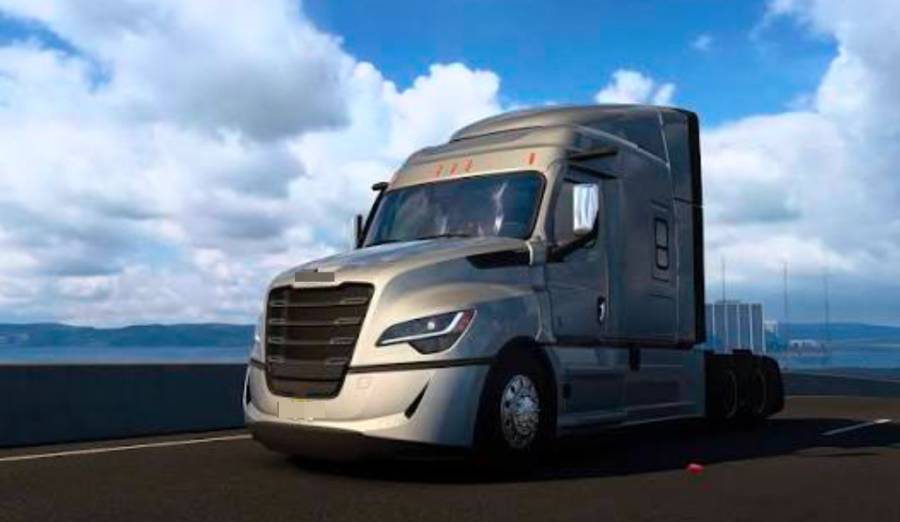
Freightliner Cascadia transmission problems include failure to shift gears, getting stuck in neutral, delayed gear engagement, hard shifting, and transmission warning messages. These issues can result from faulty clutch actuators, worn clutch components, malfunctioning sensors, damaged wiring, or transmission control system faults. The exact cause depends on the truck’s model year, transmission type, and operating conditions.
The Detroit DT12 automated manual transmission uses electronic controls and automated clutch operation to manage gear changes. Problems with these systems can prevent the transmission from engaging the correct gear or cause inconsistent shifting. Cascadia trucks equipped with Eaton Fuller manual or automated transmissions may experience different mechanical and electronic failures. Identifying the transmission type is essential before diagnosing the problem or replacing components.
Transmission problems can lead to unexpected downtime, reduced vehicle performance, and expensive repairs when underlying faults remain unresolved. Early diagnosis involves checking dashboard warnings, retrieving diagnostic trouble codes, inspecting electrical connections, and evaluating clutch and actuator operation. This guide explains the most common Freightliner Cascadia transmission problems, their causes, diagnostic procedures, repair options, estimated repair costs, and preventive maintenance practices.
What Are the Most Common Freightliner Cascadia Transmission Problems?
The six common Freightliner Cascadia transmission problems are failure to shift gears, getting stuck in neutral, delayed gear engagement, hard shifting, transmission warning messages, and overheating. These problems affect gear selection, power delivery, and driving performance. Their causes vary depending on whether the truck uses a Detroit DT12 automated manual transmission or an Eaton Fuller transmission.
Failure to shift gears occurs when the transmission cannot engage the requested gear or complete a gear change. In Detroit DT12-equipped Cascadia trucks, possible causes include clutch actuator malfunctions, shift actuator faults, damaged wiring, and incorrect sensor feedback. A truck may remain stationary even when the driver selects Drive or Reverse. Diagnostic testing is necessary to identify which component prevents gear engagement.
Getting stuck in neutral means the transmission cannot engage a driving gear after entering Neutral. This problem can result from actuator faults, inadequate air pressure in systems that require pneumatic actuation, electrical failures, or transmission control errors. The transmission may display a warning message or refuse to respond to gear selection commands. Repeatedly attempting to engage a gear without identifying the fault can delay proper diagnosis.
Delayed gear engagement and hard shifting occur when gear changes take longer than expected or produce noticeable jolts. Worn clutch components, incorrect clutch calibration, actuator response problems, and faulty speed or position sensors can contribute to these symptoms. Hard shifting is particularly noticeable during acceleration, deceleration, or low-speed maneuvering.
Transmission warning messages indicate that the vehicle’s electronic control systems have detected an operating condition or malfunction requiring attention. These warnings may accompany shifting restrictions, gear engagement failures, or reduced drivetrain performance. Retrieving active diagnostic trouble codes helps determine whether the issue involves electronic communication, clutch operation, or another transmission component.
Transmission overheating occurs when operating temperatures exceed the transmission’s acceptable range. Excessive clutch slipping, heavy-duty operating conditions, lubrication problems, or internal mechanical damage can contribute to elevated temperatures. Persistent overheating can accelerate component wear and lead to more extensive transmission damage.
The table below summarizes the main symptoms and initial diagnostic checks.
| Transmission problem | Possible causes | Initial diagnostic check |
|---|---|---|
| Not shifting into gear | Actuator, sensor, or wiring faults | Retrieve transmission fault codes |
| Stuck in neutral | Shift control fault or insufficient system air pressure | Check fault codes and applicable air supply |
| Delayed engagement | Clutch wear or actuator response problems | Evaluate clutch and actuator operation |
| Hard shifting | Calibration issues or incorrect sensor feedback | Check fault history and calibration status |
| Transmission warning | Electronic or mechanical system faults | Identify active SPN/FMI codes |
| Overheating | Clutch slipping or lubrication problems | Check operating temperatures and service history |
A transmission symptom does not confirm a specific failed component. Accurate diagnosis requires matching the symptom with fault-code information, operating conditions, and component test results before selecting a repair procedure.
What Causes Freightliner Cascadia Transmission Problems?
Freightliner Cascadia transmission problems result from six main causes: clutch actuator failures, worn clutch components, faulty transmission sensors, damaged electrical wiring, transmission control system malfunctions, and lubrication problems. These faults interfere with clutch engagement, gear selection, or power transfer between the engine and drivetrain. Detroit DT12 automated manual transmissions rely on electronic controls and automated shifting components, making electrical and actuator-related faults important diagnostic considerations.
Clutch actuator failures can prevent the transmission from engaging or disengaging the clutch correctly. The actuator operates the clutch according to commands from the transmission control system. When actuator movement becomes restricted or its position feedback is incorrect, the transmission may delay gear engagement, shift roughly, or refuse to select a gear. A malfunctioning actuator can also trigger transmission fault codes and prevent normal vehicle operation.
Worn clutch components cause engagement problems when friction surfaces deteriorate or clutch operation becomes inconsistent. Excessive clutch slipping generates heat and accelerates wear, particularly during repeated low-speed maneuvering, heavy-load starts, and demanding operating conditions. A worn clutch may produce shuddering, delayed engagement, or reduced power transfer. Clutch condition must be evaluated before assuming the transmission’s internal gears are damaged.
Faulty transmission sensors disrupt shifting by sending incorrect speed or position information to the transmission control system. Input speed sensors, output speed sensors, and position sensors help the controller coordinate gear changes. Incorrect sensor readings can cause delayed shifting, gear selection restrictions, or transmission warning messages. Diagnostic fault codes and live sensor data help distinguish sensor failures from mechanical transmission problems.
Damaged wiring and electrical connections can interrupt communication between transmission components and electronic control modules. Corroded connectors, loose terminals, damaged wiring insulation, and unstable power supplies may produce intermittent faults. These problems can become more noticeable during vibration, temperature changes, or wet operating conditions. Inspecting wiring integrity and electrical connections helps prevent unnecessary replacement of functioning actuators or sensors.
Transmission control system malfunctions can affect gear selection and clutch coordination. The transmission control module processes sensor information and manages automated shifting operations. Software faults, communication errors, incorrect calibration, or control module hardware failures can interfere with normal operation. However, a transmission fault code does not automatically indicate a defective control module. Power supply, wiring, communication networks, and connected components must be checked before module replacement.
Lubrication problems contribute to internal transmission wear and overheating. Low lubricant levels, incorrect fluid specifications, contaminated oil, or overdue service can reduce lubrication effectiveness and increase friction between moving components. These conditions may accelerate bearing and gear wear, eventually causing abnormal noise, excessive heat, or mechanical failure. Transmission fluid requirements and inspection procedures depend on the specific transmission model.
Identifying the underlying cause requires examining fault codes, clutch operation, actuator response, electrical integrity, and maintenance history together. Replacing components based only on shifting symptoms can leave the original problem unresolved and increase repair costs.
How Do You Diagnose Freightliner Cascadia Transmission Problems?
To diagnose Freightliner Cascadia transmission problems, check dashboard warnings, retrieve diagnostic trouble codes, inspect electrical connections, evaluate clutch and shift actuator operation, and test mechanical components. The diagnostic procedure depends on the transmission model and the symptoms reported by the driver. Detroit DT12 automated manual transmissions require electronic diagnostics because clutch engagement and gear selection are controlled automatically.
Begin by identifying when the transmission problem occurs. A truck that refuses to engage Drive or Reverse may have a different fault from one that shifts harshly during acceleration. Record the displayed gear position, dashboard messages, operating temperature, and conditions surrounding the failure. Intermittent problems should also be documented because some electrical faults disappear after the vehicle is restarted.
Next, inspect the transmission’s electrical supply and visible connections. Low battery voltage, loose ground connections, corroded terminals, and damaged wiring can interrupt communication between electronic control modules and transmission components. Check the vehicle’s air pressure and applicable pneumatic circuits when the transmission configuration uses compressed air for actuation. These preliminary checks help identify external faults before more extensive mechanical testing.
Transmission-specific diagnostic software is necessary for advanced procedures, including actuator testing, clutch calibration, and evaluation of electronic control commands. Detroit DT12-equipped vehicles may require Detroit DiagnosticLink or another manufacturer-approved diagnostic platform. Technicians should follow the service procedures for the exact transmission model rather than applying generic automated transmission repair instructions.
How Do You Check Freightliner Cascadia Transmission Fault Codes?
To check Freightliner Cascadia transmission fault codes, connect a compatible heavy-duty diagnostic scanner to the vehicle’s diagnostic connector, access the relevant control modules, and retrieve active and stored faults. The scanner must support the vehicle’s communication protocols and transmission control system.
Record each diagnostic trouble code, its status, and any available operating information before clearing faults. Active codes indicate currently detected conditions, while previously logged or inactive codes provide evidence of earlier malfunctions. For example, a fault involving clutch position feedback may direct the technician toward actuator operation, sensor readings, or associated wiring. It does not independently confirm that the clutch actuator requires replacement.
Review live transmission data when supported by the diagnostic tool. Gear selection status, input and output shaft speeds, clutch position, actuator commands, and supply voltage can help identify inconsistencies between requested and actual transmission operation. Compare these readings with manufacturer specifications before determining the cause of the malfunction.
How Do You Tell if a Transmission Problem Is Electrical or Mechanical?
To distinguish electrical from mechanical transmission problems, compare diagnostic fault information with component test results, physical symptoms, and operating conditions. Electrical faults often involve communication interruptions, inconsistent sensor signals, or actuator control problems. Mechanical faults involve physical wear, damaged components, or restricted movement within the clutch and transmission assemblies.
Electrical problems may produce intermittent shifting failures, unexpected warning messages, or incorrect gear position readings. For example, a damaged wiring harness can interrupt a position sensor signal and prevent the transmission controller from confirming gear engagement. Inspecting connector condition, circuit continuity, power supply, and live sensor readings helps determine whether the problem originates in the electrical system.
Mechanical problems may produce persistent grinding noises, abnormal vibration, clutch shudder, or difficulty transferring engine power to the drivetrain. A worn clutch can cause slipping during acceleration, while damaged internal transmission components may generate noise that changes with gear selection or vehicle speed. Mechanical inspection is required when electronic diagnostics do not adequately explain the symptoms.
Some transmission failures involve both systems. A mechanically restricted actuator can generate an electrical or position-related fault because the commanded movement does not match the measured response. Therefore, technicians should confirm the physical condition of components before replacing electronic modules or performing calibration procedures.
What Do Freightliner Cascadia Transmission Fault Codes Mean?
Freightliner Cascadia transmission fault codes identify operating conditions or malfunctions detected by the vehicle’s electronic control systems. These codes help technicians narrow the diagnostic process to systems such as clutch actuation, gear selection, speed sensing, power supply, and electronic communication. The exact interpretation depends on the transmission model, control module, and diagnostic software.
Heavy-duty vehicles commonly use diagnostic information based on Suspect Parameter Numbers (SPNs) and Failure Mode Identifiers (FMIs). An SPN identifies the parameter or system associated with a fault, while an FMI describes the type of detected abnormal condition. For example, an FMI may indicate that a signal is outside its expected range, that data is incorrect, or that a mechanical system is not responding as expected.
The table below summarizes transmission fault categories and their diagnostic significance.
| Fault category | Possible symptoms | Diagnostic direction |
|---|---|---|
| Clutch actuator fault | Delayed engagement or failure to shift | Test actuator movement, feedback, and related circuits |
| Gear selection fault | Stuck in neutral or unable to select a gear | Inspect shift control components and position feedback |
| Speed sensor fault | Irregular shifting or transmission warning | Compare shaft speed readings and inspect sensor circuits |
| Power supply fault | Intermittent shifting or control system errors | Check battery voltage, grounds, and electrical connections |
| Communication fault | Missing gear information or shifting restrictions | Inspect control module communication and wiring |
| Calibration-related fault | Rough engagement or unsuccessful gear selection | Verify calibration status and investigate underlying faults |
A fault code identifies a diagnostic direction rather than a guaranteed repair. For example, a clutch actuator-related code can result from a defective actuator, damaged wiring, insufficient power supply, or mechanical resistance. Replacing the actuator without testing these conditions may fail to resolve the transmission problem.
The correct diagnostic procedure is to identify the complete fault code, confirm its meaning using transmission-specific service information, and test the associated components before making repairs. Clearing codes without correcting their causes does not repair the transmission and may remove useful diagnostic history.
How Do You Fix Freightliner Cascadia Transmission Problems?
To fix Freightliner Cascadia transmission problems, identify the underlying fault and repair the affected actuator, sensor, electrical circuit, clutch assembly, or internal transmission component. The correct repair depends on the transmission type, diagnostic trouble codes, and results of mechanical and electrical testing. Detroit DT12 automated manual transmissions may also require manufacturer-approved calibration procedures after certain component repairs.
Electrical repairs address damaged wiring, corroded connectors, loose terminals, and unstable power supplies that interfere with transmission control. Technicians should inspect the affected circuits, repair damaged wiring, and verify proper voltage and communication before replacing electronic components. For example, a broken clutch position sensor wire can prevent gear engagement even when the actuator itself functions correctly.
Sensor and actuator repairs restore accurate position feedback and controlled movement during gear changes. A defective speed sensor may require replacement after testing confirms incorrect readings or circuit failure. A malfunctioning clutch or shift actuator may require repair or replacement according to manufacturer procedures. After installation, technicians must verify component operation and perform any required initialization or calibration.
Mechanical repairs address worn clutch components, damaged bearings, internal gear damage, and other physical failures. A worn clutch assembly may require replacement when inspection confirms excessive wear or engagement problems. Internal transmission damage may require disassembly, rebuilding, or replacement, depending on the severity of the failure and the availability of serviceable components.
How Do You Fix a Freightliner Cascadia Transmission That Won’t Shift?
To fix a Freightliner Cascadia transmission that won’t shift, retrieve transmission fault codes, verify electrical power and applicable air supply, test clutch and shift actuators, and repair the confirmed failure. A transmission that refuses to engage Drive or Reverse should not be forced into gear or operated until the cause is identified.
Start by checking dashboard warnings and confirming that the vehicle has adequate electrical power. On transmission configurations that use pneumatic actuation, verify that system air pressure meets the manufacturer’s requirements. Insufficient air pressure, low voltage, or communication faults can prevent automated gear selection even when internal transmission components are undamaged.
Next, use compatible diagnostic software to compare commanded gear changes with actual actuator and sensor responses. If the controller requests a gear change but the actuator does not respond correctly, inspect the actuator, wiring, and associated mechanical components. Replace parts only after testing confirms the fault. A qualified technician should perform any required calibration and verify successful gear engagement before returning the truck to service.
When Does a Freightliner Cascadia Transmission Need Calibration?
A Freightliner Cascadia transmission needs calibration when the applicable manufacturer service procedure requires clutch or shift system adaptation, particularly after certain actuator, clutch, or transmission control repairs. Calibration allows the control system to establish operating reference values used during automated clutch engagement and gear selection.
On compatible Detroit DT12 systems, clutch-related calibration procedures may be necessary after replacing specified components or when diagnostic instructions identify an adaptation problem. The procedure requires approved diagnostic equipment, suitable vehicle conditions, and the correct transmission-specific service instructions. Calibration requirements vary by transmission generation and installed components.
Calibration cannot correct worn clutch friction material, broken wiring, defective actuators, or damaged internal gears. If the procedure fails or shifting problems return, technicians must investigate the underlying mechanical or electrical condition rather than repeatedly attempting calibration.
How Much Does It Cost to Repair a Freightliner Cascadia Transmission?
Freightliner Cascadia transmission repair costs depend on the failed component, transmission model, labor requirements, parts pricing, and whether the repair involves an external component or internal transmission damage. Sensor and wiring repairs generally require less extensive mechanical work than clutch replacement or transmission rebuilding. However, diagnostic complexity and component accessibility can substantially affect the final bill.
The following figures are broad, illustrative U.S. repair-budget ranges rather than verified Freightliner dealer quotes. Actual costs should be confirmed with a repair facility using the truck’s VIN, transmission identification, and diagnostic findings.
| Repair type | Illustrative cost (USD) |
|---|---|
| Transmission diagnostic inspection | $150–$400 |
| Sensor or wiring repair | $200–$900 |
| Clutch or shift actuator replacement | $1,000–$3,500 |
| Clutch assembly replacement | $2,500–$6,000 |
| Transmission rebuild | $5,000–$12,000 |
| Complete transmission replacement | $8,000–$18,000+ |
Diagnostic inspection costs depend on the time required to retrieve fault codes, reproduce symptoms, inspect wiring, and perform component tests. Intermittent electrical problems may require additional diagnostic labor because the malfunction is not always present during inspection.
Actuator and clutch replacement costs vary according to parts availability, labor time, and required calibration. Replacing an external sensor is generally less labor-intensive than removing the transmission to access the clutch assembly. Additional repairs may be necessary when related components show wear or damage.
Transmission rebuilding or replacement becomes a consideration when inspection confirms extensive internal damage or when individual component repairs are no longer economical. A rebuilt transmission may reduce parts expenditure compared with a new assembly, but warranty coverage, compatibility, downtime, and installation costs must also be considered.
The most cost-effective repair is the one that corrects the verified failure without replacing functioning components. Obtaining a written estimate that separates diagnostic labor, parts, installation, calibration, and warranty coverage helps truck owners compare repair options and avoid unnecessary expenses.
Which Transmission Types Are Used in Freightliner Cascadia Trucks?
Freightliner Cascadia trucks use Detroit DT12 automated manual transmissions, Eaton Fuller manual transmissions, and selected Eaton automated transmission configurations, depending on the model year, engine, and vehicle specifications. These transmission systems differ in clutch operation, gear selection, electronic controls, and diagnostic requirements. Identifying the installed transmission is essential because the same shifting symptom can have different causes across transmission types.
The Detroit DT12 is an automated manual transmission that combines a mechanical gearbox with electronically controlled clutch operation and gear selection. Instead of requiring the driver to operate a conventional clutch pedal, the system coordinates shifting through electronic controls and actuators. This design reduces manual shifting demands but introduces potential failures involving clutch actuators, position sensors, wiring, and control system communication. A DT12 transmission that becomes stuck in neutral, for example, may require actuator testing and electronic diagnostics rather than conventional manual linkage adjustments.
Eaton Fuller manual transmissions use driver-operated clutch and gear selection mechanisms. Common mechanical concerns include clutch wear, synchronizer-related issues where applicable, shift linkage problems, and internal gear or bearing damage. Traditional non-synchronized heavy-duty manual transmissions also require appropriate shifting techniques to prevent gear grinding and excessive component wear. Unlike automated systems, conventional manual transmissions do not rely on electronic clutch actuation to perform every gear change.
Eaton automated transmissions combine mechanical transmission components with electronic shifting controls. Depending on the installed model, these systems may experience actuator faults, sensor failures, electrical communication problems, or clutch engagement issues. Their diagnostic procedures and component designs differ from those of the Detroit DT12.
Truck owners can identify the transmission through the vehicle build information, transmission identification label, or manufacturer service records. The exact model determines the applicable fault-code definitions, lubricant specifications, maintenance intervals, and repair procedures.
Read more: Freightliner Cascadia Overheating: Causes & Fixes
How Long Does a Freightliner Cascadia Transmission Last?
A Freightliner Cascadia transmission can remain operational for several hundred thousand miles, but its actual service life depends on transmission design, operating conditions, maintenance history, and component wear. There is no single mileage limit that applies to every Detroit DT12 or Eaton Fuller transmission. Clutches, actuators, sensors, bearings, and internal gears also have different wear characteristics and replacement requirements.
Driving conditions directly influence transmission longevity. Long-distance highway operation generally involves fewer gear changes than urban delivery routes, construction work, or repeated stop-and-go driving. Frequent starts under heavy loads increase clutch engagement demands, while steep grades and repeated low-speed maneuvering can generate additional heat and mechanical stress. These conditions may accelerate clutch wear even when the transmission’s internal gears remain serviceable.
Maintenance practices affect the condition of internal transmission components. Using manufacturer-approved lubricants, following the specified service schedule, inspecting for leaks, and addressing abnormal operating temperatures help protect gears and bearings. On automated transmissions, maintaining electrical connections and investigating recurring fault codes also reduces the risk of unresolved control problems causing additional downtime.
Early warning signs of transmission deterioration include increasingly harsh shifts, repeated engagement delays, unusual drivetrain noises, clutch shudder, lubricant leaks, and recurring transmission fault messages. These symptoms do not necessarily indicate that the entire transmission has reached the end of its service life. A defective sensor or actuator may be repairable without replacing the gearbox, while severe internal damage may justify rebuilding or replacement.
Transmission condition should therefore be evaluated through service records, diagnostic results, operating history, and mechanical inspection rather than mileage alone. A properly maintained high-mileage transmission may remain functional, while a lower-mileage unit exposed to excessive heat, poor lubrication, or severe operating conditions may require substantial repairs.
How Can You Prevent Freightliner Cascadia Transmission Problems?
To prevent Freightliner Cascadia transmission problems, follow manufacturer-recommended maintenance schedules, use approved transmission lubricants, monitor warning messages, inspect electrical connections, and avoid driving habits that accelerate clutch wear. These preventive measures reduce the risk of lubrication-related damage, shifting malfunctions, and premature component failure. Maintenance requirements differ between Detroit DT12 automated manual transmissions and Eaton Fuller transmission configurations.
Maintain the correct transmission lubricant level and specification to protect internal gears, bearings, and other moving components. Insufficient lubrication increases friction and operating temperatures, while contaminated or incorrect lubricants can reduce component protection. Inspect the transmission for leaks around seals, housings, and service connections. Lubricant selection and replacement procedures must follow the specifications for the installed transmission model.
Inspect electrical connections and respond promptly to transmission warnings to prevent minor faults from developing into operational failures. Automated transmissions depend on reliable communication between sensors, actuators, and electronic control modules. Damaged wiring, loose connectors, and unstable voltage can interfere with gear selection. Investigating recurring fault codes helps identify developing problems before they cause unexpected downtime.
Reduce unnecessary clutch slipping during vehicle operation to limit heat generation and friction material wear. Repeatedly holding a loaded truck on an incline using engine power, excessive low-speed creeping, and aggressive maneuvering can increase clutch stress. Use the vehicle’s braking systems when stopped on grades and follow the transmission manufacturer’s operating recommendations for low-speed movement and heavy-load starts.
How Often Should You Service a Freightliner Cascadia Transmission?
Freightliner Cascadia transmission service intervals depend on the transmission model, approved lubricant, operating conditions, and manufacturer maintenance schedule. Detroit DT12 and Eaton Fuller transmissions do not share one universal fluid replacement interval. The correct schedule must be confirmed using the vehicle’s maintenance documentation and transmission identification information.
For Detroit DT12 transmissions, follow the applicable Detroit maintenance schedule for lubricant replacement, inspection, and transmission-related service procedures. Service requirements may differ according to transmission generation, lubricant specification, and operating duty cycle. Vehicles operating under severe conditions may require additional inspections or maintenance according to manufacturer guidance.
For Eaton Fuller transmissions, maintenance requirements depend on the specific transmission model and approved lubricant type. Conventional manual and automated configurations may have different service procedures. Check lubricant condition, inspect for leaks, and follow the relevant Eaton service documentation rather than applying DT12 maintenance intervals to an Eaton transmission.
Perform additional inspections when transmission symptoms appear between scheduled services. Delayed engagement, abnormal shifting, unusual noises, lubricant leaks, and recurring warning messages warrant diagnostic attention regardless of mileage. Early identification of actuator faults, electrical problems, or lubrication deficiencies can reduce the likelihood of more extensive transmission damage.
Consistent maintenance, correct driving techniques, and timely diagnostic testing help preserve transmission performance and reduce avoidable repair expenses. Preventive maintenance cannot eliminate every mechanical or electronic failure, but it provides a practical way to identify developing problems and maintain reliable drivetrain operation.