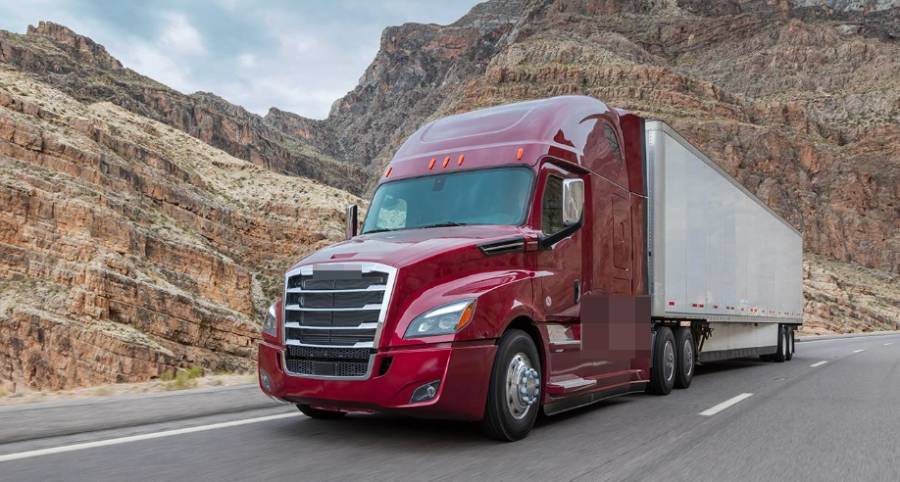
Freightliner Cascadia transmission shifting problems are commonly associated with faulty clutch actuators, malfunctioning transmission sensors, electrical connection issues, transmission control faults, or worn clutch components. These problems can cause hard shifting, delayed gear engagement, unexpected shifts into neutral, or failure to engage drive or reverse. The specific cause depends on the transmission model, operating conditions, and diagnostic fault codes.
The Freightliner Cascadia uses different transmission configurations, including the Detroit DT12 automated manual transmission, Eaton automated transmissions, and conventional manual gearboxes. Each system has distinct shifting mechanisms and diagnostic requirements. For example, a DT12 transmission relies on electronically controlled clutch and gear selection operations, meaning actuator malfunctions or incorrect sensor feedback can prevent proper gear engagement. In contrast, conventional manual transmissions depend more directly on driver-operated clutch and shift components.
Diagnosing a Freightliner Cascadia transmission shifting issue requires identifying the symptoms, checking transmission fault codes, inspecting relevant electrical and mechanical components, and confirming the underlying failure before replacing parts. This guide explains the common symptoms, primary causes, diagnostic procedures, repair options, and preventive maintenance practices that help restore reliable transmission operation and reduce unexpected truck downtime.
What Are the Common Symptoms of Freightliner Cascadia Transmission Shifting Problems?
The four common symptoms of Freightliner Cascadia transmission shifting problems are hard shifting, delayed gear engagement, getting stuck in neutral, and failure to engage drive or reverse. These symptoms indicate that the transmission is not completing gear changes as expected. The underlying problem may involve clutch operation, gear selection components, electronic controls, or internal mechanical wear.
Hard shifting occurs when the transmission engages a gear with an unusually strong jolt, vibration, or abrupt change in vehicle movement. In Freightliner Cascadia trucks equipped with the Detroit DT12 automated manual transmission, harsh shifts may result from inconsistent clutch engagement, actuator performance problems, or incorrect transmission adaptation values. For example, a driver may experience a noticeable jerk when the truck shifts between lower gears during acceleration. Repeated harsh shifts require diagnosis because they can increase stress on drivetrain components.
Delayed gear engagement happens when the transmission takes longer than expected to complete a gear change or respond to a drive or reverse selection. This delay may occur when the clutch actuator responds slowly, transmission speed signals are inconsistent, or the control system cannot confirm the required operating conditions. For example, a Cascadia may remain in neutral briefly after the driver selects drive before the transmission engages a forward gear. The duration and operating conditions of the delay help technicians distinguish normal automated transmission behavior from a malfunction.
Getting stuck in neutral means the transmission cannot engage or maintain a requested gear. In automated transmissions such as the Detroit DT12, the control system uses information from sensors and actuators to coordinate clutch disengagement and gear selection. A malfunction affecting this process can prevent successful engagement or cause the transmission to remain in neutral. Drivers may notice that the engine responds to the accelerator while the truck does not move. This symptom requires prompt attention because unexpected loss of propulsion creates a safety risk.
Failure to engage drive or reverse occurs when the transmission does not respond to a selected driving direction. Potential causes include actuator faults, electrical communication problems, gear-selection issues, or mechanical failures. For example, a Freightliner Cascadia may display a selected gear without producing the expected vehicle movement. However, the displayed gear position alone does not confirm that the transmission has mechanically engaged. Technicians must compare fault codes, actual gear-position feedback, and clutch operation to identify the cause.
These symptoms can overlap because the same faulty component may affect multiple stages of the shifting process. A malfunctioning clutch actuator, for instance, can contribute to delayed engagement, harsh shifts, or an inability to select a gear. Identifying when the symptom occurs and retrieving transmission fault codes are essential steps in determining the actual failure.
What Causes Freightliner Cascadia Transmission Shifting Problems?
Freightliner Cascadia transmission shifting problems are primarily caused by clutch actuator malfunctions, shift actuator faults, inaccurate transmission sensor signals, electronic control problems, and worn clutch components. These failures interfere with the transmission’s ability to disengage the clutch, select the correct gear, or complete a smooth gear change. The exact failure mechanisms depend on whether the truck uses a Detroit DT12, Eaton automated manual transmission, or conventional manual gearbox.
How Do Clutch and Shift Actuator Problems Affect Gear Shifting?
Clutch and shift actuator problems cause shifting difficulties by disrupting clutch engagement and gear selection. In automated manual transmissions, these components perform operations that drivers control manually in conventional gearboxes. The transmission control system coordinates their movements to complete gear changes without requiring a clutch pedal.
The clutch actuator controls clutch disengagement and engagement, while the gear-selection mechanism moves the transmission into the requested gear. A malfunctioning clutch actuator can prevent complete clutch disengagement, resulting in delayed shifts, harsh engagement, or difficulty selecting gears. Similarly, a shift actuator or its position-feedback system can prevent the transmission from confirming that a requested gear has engaged.
For example, a Freightliner Cascadia equipped with a Detroit DT12 may remain in neutral when the transmission cannot complete the required clutch or gear-selection sequence. Actuator-related diagnostic trouble codes, abnormal actuator responses, and inconsistent position feedback help technicians determine whether the problem involves the actuator itself, its electrical connections, or the associated control system.
Can Transmission Sensors Cause Shifting Problems?
Faulty transmission sensors can cause Freightliner Cascadia shifting problems by providing inaccurate speed or position information to the transmission control system. Automated transmissions depend on sensor feedback to coordinate engine speed, clutch operation, and gear engagement.
Transmission input and output speed sensors provide rotational speed information used to evaluate operating conditions and gear changes. Gear-position feedback allows the control system to determine whether the transmission has reached the requested position. Missing, inconsistent, or implausible signals can interrupt a shift or trigger a transmission fault response.
For example, an intermittent speed sensor signal may cause inconsistent shifting behavior or prevent a gear change from completing. However, an abnormal sensor reading does not automatically indicate a defective sensor. Damaged wiring, loose connectors, electrical interference, or mechanical problems affecting the measured component can produce similar diagnostic symptoms.
How Do Transmission Control Module Problems Affect Shifting?
Transmission control problems affect shifting by interrupting the electronic coordination of clutch operation, gear selection, and engine torque management. In electronically controlled Freightliner Cascadia transmissions, the transmission controller communicates with other vehicle systems to determine when and how a gear change should occur.
Electrical faults, unstable power supply, damaged wiring, communication interruptions, and controller-related software problems can interfere with this process. For example, a communication fault between the transmission and engine control systems may prevent the transmission from receiving information needed to complete a requested shift.
Transmission control faults can produce symptoms such as delayed engagement, unsuccessful gear selection, or transmission warning messages. Diagnosis should include checking battery and charging-system voltage, relevant power and ground circuits, connector condition, communication fault codes, and applicable software information. Replacing the transmission controller without confirming a controller failure can leave the original problem unresolved.
Can Clutch Wear Cause Hard Shifting or Delayed Engagement?
Clutch wear can cause hard shifting and delayed engagement by reducing the clutch assembly’s ability to transfer engine torque smoothly and consistently. This problem affects both conventional manual transmissions and automated manual transmissions, although the symptoms and diagnostic procedures differ.
The clutch friction components experience wear during engagement and disengagement. As wear progresses, the clutch may develop engagement irregularities, slipping, vibration, or difficulty transmitting torque under load. In automated transmissions, clutch wear can also affect the relationship between commanded actuator movement and actual clutch engagement.
For example, a Freightliner Cascadia with a worn clutch may exhibit shuddering during takeoff, inconsistent engagement, or engine speed increasing without a corresponding increase in vehicle speed. These symptoms can also result from clutch contamination, actuator problems, or other drivetrain faults. Confirming clutch wear requires inspection or transmission-specific diagnostic measurements rather than relying on symptoms alone.
The most reliable way to identify the cause of a Freightliner Cascadia shifting issue is to match the symptoms with transmission fault codes, live diagnostic data, and component testing. Actuator failures, sensor faults, electronic communication problems, and mechanical wear can produce overlapping symptoms, making accurate diagnosis necessary before repair or component replacement.
How Do You Diagnose a Freightliner Cascadia Transmission Shifting Issue?
To diagnose a Freightliner Cascadia transmission shifting issue, identify the transmission model, document the symptoms, retrieve diagnostic trouble codes, inspect electrical connections, and test the components associated with the detected faults. This process helps distinguish actuator malfunctions, sensor failures, electronic control problems, and internal mechanical damage without replacing functional components unnecessarily.
Start by identifying whether the truck uses a Detroit DT12, Eaton automated manual transmission, or conventional manual gearbox. The transmission model determines which diagnostic tools, fault-code definitions, and component tests apply. Record when the shifting problem occurs, including during acceleration, deceleration, initial gear engagement, or operation under load. Check dashboard warnings, battery voltage, accessible electrical connections, and maintenance records before proceeding with specialized testing.
How Do You Read Freightliner Cascadia Transmission Fault Codes?
Freightliner Cascadia transmission fault codes are read using a compatible heavy-duty diagnostic tool that communicates with the truck’s electronic control systems. Detroit-powered vehicles equipped with supported transmission configurations can be diagnosed using Detroit DiagnosticLink, while Eaton transmissions may require Eaton-compatible diagnostic software and service procedures.
Connect the diagnostic interface to the vehicle’s diagnostic connector and identify the installed transmission controller. Retrieve active and stored diagnostic trouble codes, recording their complete identifiers and descriptions. Heavy-duty vehicle diagnostics commonly use Suspect Parameter Numbers (SPNs) and Failure Mode Identifiers (FMIs), although code presentation varies by controller and diagnostic application.
An SPN identifies the parameter or component associated with a reported condition, while an FMI describes the type of detected failure, such as an abnormal signal, electrical condition, or mechanical response. For example, a fault associated with clutch actuator position feedback may indicate that the commanded and measured positions do not agree. The actual cause could involve actuator movement, position sensing, wiring, or another condition affecting clutch operation.
Active fault codes indicate currently detected conditions, while stored or previously active codes provide information about earlier faults. Both categories require interpretation using the correct transmission service documentation. Record the codes before clearing them because clearing diagnostic information can remove evidence needed to identify intermittent failures.
How Do You Check Transmission Actuators and Sensors?
Transmission actuators and sensors are checked by inspecting their electrical connections, reviewing live diagnostic data, and performing manufacturer-approved functional tests. These procedures determine whether a component responds correctly to commands and whether its feedback signals match the expected operating conditions.
Begin with a visual inspection of accessible wiring harnesses, connectors, and mounting points. Look for damaged insulation, corrosion, loose terminals, fluid contamination, or evidence of overheating. Electrical connection problems can interrupt actuator commands or distort sensor signals, producing symptoms similar to internal component failure.
Next, use the appropriate diagnostic software to monitor available parameters, such as commanded gear, actual gear position, clutch position, transmission input speed, and output speed. For example, a transmission that receives a gear-selection command but fails to confirm the requested gear position may have an actuator, position-feedback, electrical, or mechanical problem. Comparing commanded values with actual feedback helps narrow the diagnosis.
Actuator functional tests and clutch calibration procedures must follow the service instructions for the installed transmission. Some tests command mechanical movement and require specific vehicle conditions, safety precautions, and diagnostic equipment. Do not disconnect pressurized components, operate exposed actuators, or perform calibration procedures without the applicable manufacturer instructions.
Mechanical and electronic transmission faults can be distinguished by combining diagnostic results with physical inspection. Electrical circuit faults, communication errors, and inconsistent sensor readings support further electronic testing, while confirmed clutch damage, abnormal mechanical resistance, or internal gear damage requires mechanical investigation. Neither category should be diagnosed from a single symptom alone.
After identifying and correcting the suspected failure, verify the repair by checking for recurring fault codes and confirming proper gear engagement under approved test conditions. A controlled operational test should confirm that the transmission engages the requested gears, completes shifts consistently, and operates without abnormal warnings. This final verification helps establish that the underlying shifting problem has been resolved rather than temporarily masked.
How Do You Fix Freightliner Cascadia Transmission Shifting Problems?
Fixing Freightliner Cascadia transmission shifting problems requires correcting the specific mechanical, electrical, or control-system fault identified during diagnosis. Common repairs include restoring damaged wiring connections, replacing defective sensors or actuators, performing clutch calibration, updating applicable transmission software, and repairing worn clutch or internal transmission components. The correct repair depends on the installed transmission, active fault codes, and results of component testing.
Electrical problems should be addressed before replacing expensive transmission components. Damaged wiring, corroded connectors, unstable voltage, and poor ground connections can interrupt communication between the transmission controller, sensors, and actuators. For example, repairing an intermittent actuator wiring connection may restore normal gear engagement without replacing the actuator assembly. Technicians should verify circuit integrity and component operation after completing the repair.
Mechanical repairs are necessary when diagnostic testing confirms clutch damage, gear-selection mechanism failure, or internal transmission wear. A slipping clutch may require replacement, while damaged internal components may require transmission disassembly and specialized repair. Software updates are appropriate when manufacturer service information identifies a relevant calibration or control-system issue. Updating software does not repair physically damaged components or defective electrical circuits.
When Does a Freightliner Cascadia Need Clutch Calibration?
A Freightliner Cascadia equipped with a compatible automated manual transmission may require clutch calibration after clutch-related repairs, actuator replacement, or when manufacturer diagnostic procedures identify incorrect clutch adaptation values. Calibration allows the transmission control system to establish the operating positions and engagement characteristics needed for coordinated clutch operation.
Automated manual transmissions use electronically controlled clutch mechanisms instead of relying entirely on driver-operated clutch engagement. The controller must coordinate clutch movement with engine torque and gear selection. Incorrect adaptation values can contribute to inconsistent engagement, harsh shifts, or delayed vehicle movement, although these symptoms do not independently confirm a calibration problem.
For example, after replacing a clutch assembly or applicable clutch actuator on a Detroit DT12 transmission, the manufacturer may require a clutch teach-in or adaptation procedure using compatible diagnostic software. The exact procedure depends on the transmission generation, installed components, and service instructions. Calibration must be performed under the specified vehicle conditions because the process involves controlled clutch or actuator movement.
Clutch calibration cannot correct a worn clutch, seized actuator, damaged wiring harness, or internal mechanical failure. Technicians should resolve active hardware faults before attempting adaptation and confirm successful completion using the diagnostic software. Proper gear engagement and shifting behavior must then be verified under approved operating conditions.
How Do You Fix Transmission Actuator Problems?
Transmission actuator problems are fixed by identifying whether the failure originates from the actuator assembly, its electrical supply, position feedback, control signals, or associated mechanical components. Replacing the actuator is appropriate only when testing confirms that the component cannot operate within the manufacturer’s specifications.
Start by checking actuator-related fault codes and inspecting accessible wiring connections. Corroded terminals, damaged harnesses, and loose connectors can interrupt electrical commands or feedback signals. A faulty electrical connection may cause intermittent shifting problems that resemble actuator failure. Repairing the affected circuit and confirming proper voltage, ground, and signal integrity can restore operation when the actuator itself remains functional.
When electrical circuits are operating correctly, technicians can use transmission-specific diagnostic software to evaluate actuator commands and available position feedback. For example, a clutch actuator that consistently fails to reach its commanded position may have an internal mechanical or electrical fault. However, excessive mechanical resistance in the clutch mechanism can produce similar results, making additional inspection necessary before replacement.
A confirmed defective actuator must be replaced according to the applicable transmission service procedure. Certain automated transmission actuator systems involve spring-loaded mechanisms, pressurized air, or controlled mechanical movement that can cause injury when handled incorrectly. Replacement and adjustment procedures should therefore be performed by qualified technicians using the required equipment.
After actuator replacement, the transmission may require calibration, adaptation, or other initialization procedures. Technicians should clear resolved fault codes according to service instructions, verify actuator operation, and confirm successful gear engagement. A complete repair restores consistent shifting without recurring actuator faults or abnormal transmission behavior.
Transmission shifting repairs should conclude with a controlled operational test and a final diagnostic scan. If the truck continues to experience unexpected neutral conditions, severe shifting impacts, or failure to engage gears, it should remain out of service until the underlying fault is identified and corrected.
What Shifting Problems Affect the Freightliner Cascadia DT12 Transmission?
The main shifting problems affecting the Freightliner Cascadia Detroit DT12 transmission include delayed gear engagement, hard shifting, failure to engage drive or reverse, and getting stuck in neutral. These problems can originate from clutch actuator faults, gear-selection malfunctions, inaccurate sensor feedback, electronic communication errors, or internal mechanical wear. Because the DT12 is an automated manual transmission, its shifting operation depends on coordinated electronic and mechanical controls.
The Detroit DT12 uses an electronically controlled shifting system that coordinates clutch operation, gear selection, and engine torque during gear changes. Unlike a conventional manual transmission, the DT12 does not require the driver to operate a clutch pedal. Instead, its control system processes vehicle operating conditions and commands the appropriate clutch and gear-selection movements. A malfunction in any part of this sequence can interrupt shifting or prevent the transmission from engaging the requested gear.
Failure to engage a gear occurs when the DT12 cannot complete the required clutch and gear-selection sequence. Potential causes include clutch actuator problems, gear-selection mechanism faults, incorrect position feedback, and electrical communication failures. For example, a driver may select drive while the transmission remains in neutral because the control system cannot verify successful gear engagement. Technicians must examine active fault codes, commanded gear position, actual gear feedback, and clutch operation to identify the specific failure.
Hard shifting in a Detroit DT12 transmission occurs when gear changes produce excessive jolting, vibration, or abrupt torque transfer. This behavior may result from irregular clutch engagement, incorrect clutch adaptation, actuator performance problems, or worn mechanical components. For example, a truck may experience noticeable jerking during low-speed acceleration when clutch engagement is inconsistent. However, shift feel also depends on operating conditions, including vehicle load, road grade, and throttle input. Persistent harsh shifting requires diagnostic evaluation rather than assuming every noticeable shift indicates a defective component.
A DT12 transmission stuck in neutral cannot engage or maintain a requested driving gear. This condition may occur when the transmission detects a fault that prevents it from safely completing a shift or when a mechanical or electrical failure interrupts gear selection. The driver may notice that the engine accelerates without moving the truck, accompanied by a transmission warning or an unexpected neutral indication. Because the truck may lose propulsion, the driver should secure the vehicle in a safe location and avoid repeatedly attempting gear engagement when the fault persists.
DT12 troubleshooting should begin with a compatible diagnostic scan using Detroit DiagnosticLink and the applicable manufacturer service information. Technicians should identify active and stored transmission fault codes, inspect relevant electrical circuits, and compare commanded clutch or gear positions with available feedback data. Actuator functional tests, clutch adaptation procedures, and mechanical inspections should follow the instructions for the specific DT12 transmission generation.
The correct DT12 repair depends on the confirmed failure rather than the shifting symptom alone. Electrical faults require circuit repairs, defective actuators require appropriate component service or replacement, and incorrect clutch adaptation may require calibration after underlying hardware problems are resolved. Internal mechanical damage requires specialized transmission inspection and repair. Completing the repair with fault-code verification and an approved operational test helps confirm that the DT12 shifts consistently and engages gears correctly.
How Much Does It Cost to Fix Freightliner Cascadia Transmission Shifting Problems?
Freightliner Cascadia transmission shifting repair costs depend on the failed component, transmission model, labor requirements, and extent of mechanical damage. Minor electrical repairs generally cost less than clutch actuator replacement, while internal transmission repairs or complete transmission replacement involve substantially higher expenses. The Detroit DT12 and Eaton transmission systems also have different parts, diagnostic procedures, and labor requirements.
Transmission diagnosis is the first expense because similar shifting symptoms can result from different failures. A truck that remains in neutral, for example, may have a damaged wiring connection, defective actuator, or internal mechanical problem. These conditions require different repairs, making fault-code analysis and component testing essential before estimating the total cost.
Sensor and electrical repairs are generally less expensive when the problem involves accessible wiring, connectors, or replaceable sensors. Costs increase when technicians must trace intermittent electrical faults through multiple circuits or remove surrounding components to access the damaged area. Replacing a sensor without confirming the cause of an abnormal signal can result in unnecessary expenses.
Clutch actuator and shift actuator repairs typically involve higher costs because automated transmission components require specialized diagnostic procedures and may need calibration after replacement. The final expense depends on actuator availability, component design, labor time, and whether related mechanical problems are discovered during inspection.
Clutch replacement and internal transmission repairs are among the more expensive solutions because they can require substantial disassembly, specialized equipment, and additional replacement components. A worn clutch may require clutch assembly replacement and adaptation, while damaged gears, bearings, or internal shifting mechanisms can require transmission removal and extensive repair work.
Repair estimates should include diagnostic labor, replacement parts, installation, required calibration, and post-repair testing. Towing and vehicle downtime may add further costs for commercial operators. Obtaining a written estimate after confirming the transmission fault provides a more reliable repair budget than selecting a repair based only on shifting symptoms.
How Can You Prevent Freightliner Cascadia Transmission Shifting Problems?
Preventing Freightliner Cascadia transmission shifting problems requires regular transmission maintenance, electrical system inspections, proper driving practices, and early diagnosis of abnormal shifting behavior. These measures help reduce avoidable clutch wear, actuator malfunctions, sensor-related faults, and mechanical damage. Maintenance requirements depend on the transmission model, vehicle configuration, operating conditions, and manufacturer service schedule.
Follow the recommended transmission maintenance schedule to maintain proper lubrication and component operation. The Detroit DT12 and Eaton transmission systems have specific fluid requirements, inspection procedures, and service intervals. Using the correct transmission lubricant helps protect gears, bearings, and other internal components against excessive friction and wear. Incorrect fluid specifications, contamination, or neglected maintenance can contribute to mechanical deterioration and reduced transmission reliability. Owners should follow the service documentation for their specific transmission rather than applying a universal fluid-change interval.
Inspect transmission wiring and electrical connections to reduce shifting problems caused by interrupted control signals. Automated manual transmissions rely on communication between electronic controllers, sensors, and actuators. Damaged wiring insulation, corroded connectors, and loose electrical terminals can interfere with clutch operation or gear-selection feedback. For example, an intermittent connection at a transmission actuator may cause occasional gear engagement failures before developing into a persistent shifting problem. Routine inspections should focus on accessible harnesses, connectors, mounting points, and areas exposed to vibration, moisture, or road debris.
Use appropriate driving practices to reduce clutch and drivetrain stress. Freightliner Cascadia trucks equipped with automated manual transmissions manage clutch engagement electronically, but driving conditions still influence component wear. Repeated abrupt acceleration, excessive maneuvering under heavy loads, and holding the truck on an incline using engine power instead of the service brakes can increase clutch heat and mechanical stress. Drivers should follow the transmission manufacturer’s operating recommendations, use the appropriate braking systems on grades, and avoid unnecessary drivetrain loading during low-speed maneuvers.
Investigate transmission warnings and unusual shifting behavior promptly to prevent unresolved faults from causing additional damage or unexpected downtime. Delayed engagement, recurring hard shifts, transmission warning messages, and intermittent neutral conditions should be documented and evaluated using compatible diagnostic equipment. For example, identifying a damaged sensor connection during an early inspection may prevent repeated gear-selection interruptions and unnecessary component replacement.
Preventive maintenance cannot eliminate every transmission failure, particularly those caused by unexpected electronic defects or internal component damage. However, consistent servicing, proper operating practices, and timely fault diagnosis help maintain reliable gear engagement and reduce the risk of avoidable transmission repairs.
Read more: Freightliner Cascadia Stuck in Low Gears: Causes & Fixes
Can You Drive a Freightliner Cascadia With Transmission Shifting Problems?
Driving a Freightliner Cascadia with unresolved transmission shifting problems is unsafe when the truck experiences unexpected gear disengagement, severe hard shifting, failure to engage gears, or loss of propulsion. These symptoms can interfere with vehicle control, increase drivetrain damage, and create dangerous situations in traffic. Whether the truck can be moved safely depends on the severity of the malfunction and the transmission’s operating condition.
Minor shifting irregularities still require diagnostic attention, particularly when they occur repeatedly or are accompanied by transmission warning messages. For example, occasional delayed engagement may indicate an actuator response problem, inconsistent sensor feedback, or an emerging clutch issue. Continuing normal commercial operation without identifying the cause increases the risk of an unexpected transmission failure. A qualified technician should determine whether the vehicle is safe to operate.
Unexpected neutral conditions and failure to engage drive or reverse require immediate attention. A Freightliner Cascadia that unexpectedly shifts into neutral can lose engine-driven propulsion, making it difficult to maintain speed when merging, climbing grades, or traveling through heavy traffic. If the transmission fails to engage a requested gear, repeated attempts to accelerate or force gear engagement can worsen the underlying problem. Drivers should avoid continuing the trip when reliable gear engagement cannot be confirmed.
When a serious shifting malfunction occurs, the driver should move the truck to a safe location if it remains controllable, activate the hazard warning lights, and secure the vehicle using the appropriate parking procedures. The transmission should not be repeatedly cycled through gears in an attempt to overcome a persistent fault. If the truck cannot be operated safely, arrange professional roadside assistance or heavy-duty towing using the manufacturer’s approved procedures.
A Freightliner Cascadia should return to service only after the shifting problem has been diagnosed, necessary repairs have been completed, and proper transmission operation has been verified. This includes confirming reliable gear engagement, checking for recurring diagnostic trouble codes, and completing an appropriate operational test. Resolving the fault before returning to normal operation helps protect the driver, surrounding traffic, and transmission components.
Do Freightliner Cascadia Shifting Problems Differ Between Automatic and Manual Transmissions?
Freightliner Cascadia shifting problems differ between automated manual and conventional manual transmissions because each system uses different clutch controls, gear-selection mechanisms, and diagnostic procedures. Automated manual transmissions, including the Detroit DT12 and Eaton UltraShift, rely on electronic controllers and actuators to manage shifting. Conventional manual transmissions depend on driver-operated clutch and gear-selection components.
Automated manual transmission shifting problems commonly involve clutch actuators, gear-selection mechanisms, transmission sensors, electrical connections, and electronic control systems. The Detroit DT12, for example, coordinates clutch engagement and gear changes using electronically controlled components. A faulty actuator, inconsistent position signal, or communication problem can cause delayed engagement, hard shifting, or failure to select a gear. Diagnosing these problems requires compatible diagnostic software, fault-code analysis, and component testing.
Conventional manual transmission shifting problems are more directly associated with clutch operation, mechanical linkage, synchronizer condition where applicable, and internal transmission wear. A worn clutch, incomplete clutch disengagement, or damaged shift linkage can make gear selection difficult. For example, a Freightliner Cascadia equipped with a non-synchronized Eaton Fuller manual transmission may experience gear grinding when engine speed and transmission speed are not properly matched during a shift. This symptom requires a different diagnostic approach from an electronically controlled DT12 gear-selection failure.
The distinction also affects repair procedures. Automated manual transmissions may require actuator replacement, electrical repairs, software verification, or clutch calibration after certain repairs. Conventional manual transmissions may require clutch adjustment where supported, linkage repairs, clutch replacement, or internal mechanical service. Identifying the installed transmission model is essential because a repair procedure designed for one transmission system may not apply to another.
Regardless of transmission type, persistent hard shifting, delayed engagement, and difficulty selecting gears require inspection before further damage occurs. Accurate diagnosis should combine operating symptoms, maintenance history, applicable diagnostic information, and mechanical inspection to determine the appropriate repair.