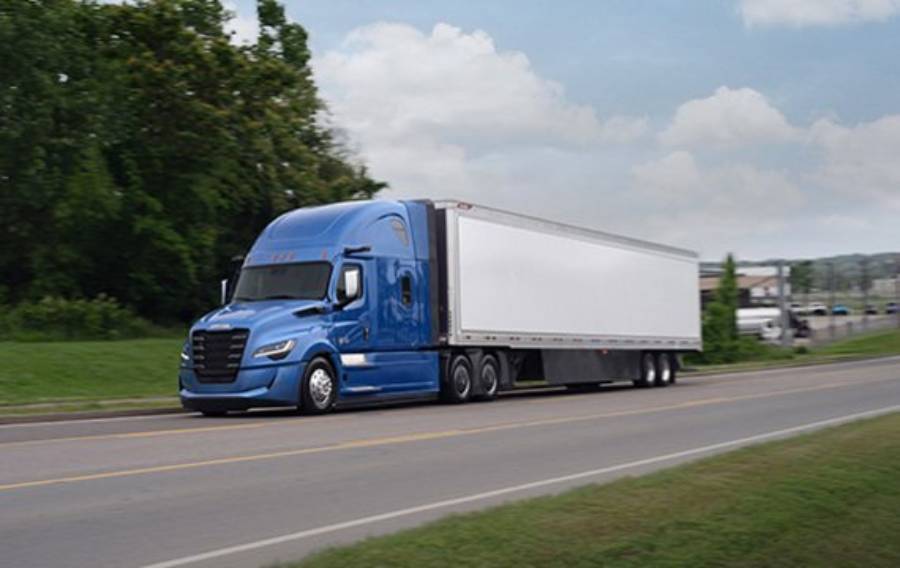
A Freightliner Cascadia that won’t start usually has a problem with its batteries, starter motor, electrical connections, fuel delivery system, or engine controls. The exact cause depends on whether the engine fails to crank, cranks without starting, or starts briefly before shutting down. Identifying the starting symptom is the first step toward finding the faulty component and avoiding unnecessary repairs.
If your Freightliner Cascadia won’t crank, check the battery condition, battery cables, ground connections, starter circuit, and transmission neutral status. Dashboard lights may still work even when the batteries cannot deliver enough current to operate the starter. A clicking sound during a starting attempt can indicate insufficient electrical power or a starter circuit problem, but further testing is necessary to confirm the cause.
If the engine cranks but won’t start, the problem may involve restricted fuel delivery, air in the fuel system, faulty engine sensors, or an engine control module (ECM) fault. Cold temperatures can also make starting difficult by reducing battery performance or restricting diesel fuel flow.
This guide explains the common causes of Freightliner Cascadia starting problems, how to diagnose each condition, and which repairs or professional diagnostic procedures may be necessary to get your truck running again.
Why Won’t My Freightliner Cascadia Start?
A Freightliner Cascadia may fail to start because of six main problems: weak batteries, faulty electrical connections, starter system failure, fuel delivery problems, engine control faults, or transmission start interlock issues. These failures affect either the engine’s ability to crank or its ability to start running after cranking. Identifying which condition occurs helps narrow down the cause before replacing components.
Weak or discharged batteries are a common cause of starting failure. The Freightliner Cascadia uses a heavy-duty electrical system that requires sufficient battery power to operate the starter and electronic controls. Batteries with inadequate charge or deteriorated internal capacity may illuminate the dashboard but fail to deliver enough current to crank the engine. Slow cranking, repeated clicking, and dimming lights during a starting attempt are signs of possible battery trouble.
Loose or corroded electrical connections can interrupt power delivery even when the batteries are charged. Battery terminals, ground straps, and starter cables carry substantial current during engine cranking. Corrosion, damaged wiring, or loose connections increase electrical resistance and cause voltage drops. A poor ground connection may produce intermittent starting problems or prevent the starter from operating entirely.
A faulty starter motor or starter control circuit can prevent the engine from turning over. The starter motor converts electrical energy into mechanical rotation to crank the engine. A defective solenoid, failed starter relay, damaged wiring, or worn starter motor can interrupt this process. A single click without engine rotation may indicate a starter-related fault, although battery and cable problems must be ruled out first.
Fuel delivery problems become more likely when the engine cranks normally but fails to start. Restricted fuel filters, insufficient fuel supply, air entering the fuel system, or inadequate fuel pressure can prevent the engine from receiving the fuel needed for combustion. These problems may develop after fuel filter replacement, fuel system maintenance, or operation with a very low fuel level.
Engine control system faults can also prevent a Freightliner Cascadia from starting. The engine control module (ECM) relies on information from sensors, including engine speed and position signals, to manage fuel injection. Missing sensor signals, interrupted ECM power, or control system faults may prevent proper injection timing or fuel delivery. Diagnostic trouble codes and live engine data help identify these conditions.
Transmission start interlock problems can prevent starter engagement when the truck does not recognize an authorized starting condition. Depending on the model year and transmission configuration, the starting system may require confirmation that the transmission is in neutral. A transmission control fault, incorrect gear-position signal, or related electrical problem can block the starter command even when the batteries and starter motor are functional.
The most effective first diagnostic step is to determine whether the engine does not crank, cranks without starting, or starts and immediately stalls. Each symptom points toward a different group of components and determines which electrical, mechanical, or fuel-system checks should follow.
How Can You Diagnose a Freightliner Cascadia That Won’t Start?
To diagnose a Freightliner Cascadia that won’t start, identify whether the engine fails to crank, cranks without starting, or starts and immediately stalls. These symptoms help distinguish electrical starting failures from fuel delivery and engine management problems. Begin by observing the dashboard, listening for starter operation, and checking for warning messages before testing individual components.
The following table identifies common starting symptoms and the systems that should be inspected first.
| Starting Symptom | Possible Causes | First Diagnostic Check |
|---|---|---|
| No crank and no dashboard lights | Discharged batteries, disconnected cables, or main power supply failure | Check battery voltage and main connections |
| Dashboard lights work but engine won’t crank | Weak batteries, starter circuit fault, or start interlock problem | Test battery voltage during a starting attempt |
| Single click without cranking | Starter solenoid, battery cable, or starter motor problem | Check voltage at the starter circuit |
| Rapid clicking when starting | Low battery voltage or excessive connection resistance | Load-test batteries and inspect terminals |
| Engine cranks but won’t start | Fuel delivery restriction, sensor fault, or engine control problem | Check fuel supply and diagnostic fault codes |
| Engine starts and immediately stalls | Interrupted fuel delivery or engine control fault | Inspect fuel supply and active fault codes |
Park the truck on level ground, apply the parking brake, and confirm the transmission is in neutral before beginning diagnosis. Keep clear of moving engine components and avoid bypassing electrical safety interlocks.
What Does It Mean When a Freightliner Cascadia Won’t Crank?
A Freightliner Cascadia that won’t crank has a starting system problem that prevents the starter motor from rotating the engine. The primary components to inspect are the batteries, battery cables, starter motor, starter relay, and start authorization circuit. A no-crank condition does not automatically indicate a failed starter because insufficient electrical power can produce the same symptom.
Start by checking whether the dashboard and interior lights illuminate when the ignition is switched on. If the electrical system appears completely inactive, inspect the battery connections and main power supply. If the dashboard operates normally but the starter remains silent, check the starter control circuit and transmission neutral indication.
Measure battery voltage using a digital multimeter. A fully charged conventional 12-volt lead-acid battery typically measures approximately 12.6 volts at rest, although readings vary with battery type, temperature, and recent charging activity. Resting voltage alone cannot confirm battery health. A battery load test and voltage measurements during a starting attempt provide better information about its ability to supply starting current.
Listen carefully when attempting to start the engine. Rapid clicking commonly indicates inadequate voltage reaching the starter solenoid. A single click may indicate that the solenoid is engaging without successfully turning the engine. Complete silence can point toward a missing starter command, failed relay, electrical interruption, or start interlock problem.
If battery condition and cable connections are satisfactory, a technician can check whether the starter receives the required power and control signals. This separates a defective starter motor from an upstream electrical fault and reduces unnecessary component replacement.
Why Does a Freightliner Cascadia Crank but Fail to Start?
A Freightliner Cascadia that cranks but won’t start has enough starter operation to rotate the engine, but the engine is not achieving the conditions required for sustained combustion. The main diagnostic areas include fuel delivery, engine speed and position signals, ECM operation, and mechanical engine condition.
Begin by confirming that the truck has an adequate diesel fuel supply. A low fuel level, restricted fuel filter, or air entering the fuel system can interrupt fuel delivery. If the problem appeared immediately after replacing fuel filters or servicing fuel lines, inspect the serviced connections and follow the engine manufacturer’s approved fuel priming procedure.
Next, observe the engine’s cranking speed. An engine that turns unusually slowly may still have insufficient battery power, excessive electrical resistance, or a mechanical problem. Slow cranking can prevent the engine from reaching the conditions needed for reliable starting, particularly in cold weather.
Check the dashboard for engine warnings and retrieve active diagnostic trouble codes using compatible diagnostic equipment. On Detroit-powered Cascadia models, the engine control system monitors operating conditions through sensors and electronic modules. A missing crankshaft position signal, ECM power supply problem, or fuel-system control fault may prevent successful starting.
Diagnostic scanners can also provide live information, including engine speed during cranking and available fuel-system parameters. For example, an absent engine-speed reading during cranking may justify checking the crankshaft position sensor, its wiring, and the associated control circuit. However, a missing reading alone does not prove that the sensor has failed.
If the engine starts briefly and then stalls, investigate interruptions in fuel delivery and engine control rather than assuming the starter motor is defective. The starter has already performed its initial function, so further diagnosis should focus on why the engine cannot continue running.
The key diagnostic distinction is whether the starter can rotate the engine. No-crank symptoms require electrical starting-system checks, while normal cranking without combustion requires fuel, sensor, and engine-management diagnosis. Following this sequence helps identify the actual failure before attempting repairs.
How Do You Fix a Freightliner Cascadia That Won’t Crank?
To fix a Freightliner Cascadia that won’t crank, check the batteries, clean and tighten electrical connections, test the starter circuit, and verify transmission start authorization. A no-crank condition occurs when the starter cannot rotate the engine, making the electrical starting system the primary diagnostic focus. The correct repair depends on which component fails testing rather than which part appears most likely to be defective.
Begin with the battery cables and ground connections because these components can prevent starter operation even when the batteries are charged. Inspect terminals for corrosion, loose fasteners, damaged insulation, and overheated connections. Clean or repair defective connections according to Freightliner’s service specifications, then repeat the starting test. If the engine still does not crank, proceed with battery load testing and starter circuit measurements.
How Do You Check the Batteries on a Freightliner Cascadia?
To check the batteries on a Freightliner Cascadia, measure their resting voltage, perform a battery load test, and inspect voltage behavior during a starting attempt. These tests help determine whether the battery bank can supply sufficient electrical power to operate the starter motor.
A Freightliner Cascadia typically uses multiple 12-volt batteries connected in parallel to support its 12-volt electrical system. The number and arrangement of batteries vary by model year and configuration. A fully charged conventional lead-acid battery generally measures approximately 12.6 volts at rest. A reading near 12.2 volts indicates a substantially reduced state of charge under typical conditions, although temperature and battery chemistry affect the interpretation.
Resting voltage does not establish whether a battery can deliver adequate starting current. A deteriorated battery may show acceptable voltage without a load but experience a substantial voltage drop when the starter is activated. Use a battery tester rated for heavy-duty applications to evaluate each battery according to its specifications. Follow the manufacturer’s testing procedure and isolate batteries when required to obtain accurate individual results.
Inspect the battery terminals, interconnecting cables, and chassis ground connections. High electrical resistance at these points can reduce voltage reaching the starter. For example, a corroded ground connection may allow dashboard lights to function while preventing the starter from receiving sufficient current. A voltage-drop test performed during a starting attempt can help identify resistance in the positive or ground circuit.
Recharge discharged batteries and retest them before deciding whether replacement is necessary. Replace batteries that fail the applicable load or conductance test, following the battery manufacturer’s recommendations for matched battery banks. If the batteries repeatedly discharge, inspect the charging system and investigate excessive electrical loads while the truck is parked.
How Do You Check the Starter Motor on a Freightliner Cascadia?
To check the starter motor on a Freightliner Cascadia, verify that the starter receives adequate battery power and the correct start command before determining whether the motor or solenoid has failed. A starter that does not operate may be defective, but a faulty relay, damaged cable, or interrupted control signal can produce identical symptoms.
First, listen for starter activity while attempting to start the engine. A single click without engine rotation may indicate solenoid engagement, insufficient electrical current, or an internal starter problem. Complete silence may indicate that the starter control circuit is not delivering an activation signal. These sounds provide diagnostic clues but do not confirm a specific failed component.
Inspect the starter’s main power cable and accessible electrical connections for looseness, corrosion, and visible damage. Qualified technicians can measure voltage at the starter’s main supply terminal and control terminal during an authorized starting attempt. The starter must receive sufficient power under load, and the control circuit must provide the appropriate activation signal for the vehicle configuration.
If the starter receives the required electrical supply and activation command but cannot rotate an otherwise mechanically sound engine, the starter motor or solenoid may require replacement. If the activation command is missing, inspect the starter relay, associated fuses, wiring, ignition control circuit, and transmission start authorization system.
The transmission neutral interlock is particularly important on Cascadia trucks equipped with automated transmissions. The vehicle’s control system must recognize the required starting conditions before allowing starter engagement. A transmission fault or incorrect neutral-position signal can prevent cranking even when the starter and batteries are functional.
Starter testing must be performed with the parking brake applied, the transmission secured in neutral, and the vehicle protected against unintended movement. Do not bridge starter terminals or bypass transmission safety interlocks. Starter cables carry high current, and testing exposed terminals requires appropriate electrical safety procedures.
Complete the repair by repeating the starting test and confirming that the original fault has been corrected. If the starter operates normally after repairing a cable, relay, or control circuit, replacement of the starter motor is unnecessary. If electrical tests show normal power delivery but the engine remains unable to crank, further mechanical and professional diagnostic checks are required.
How Do You Fix a Freightliner Cascadia That Cranks but Won’t Start?
To fix a Freightliner Cascadia that cranks but won’t start, inspect the fuel supply, check for fuel system restrictions, retrieve engine fault codes, and verify the signals required for fuel injection. A crank-no-start condition means the starter rotates the engine, but the engine cannot establish sustained combustion. The problem may involve inadequate fuel delivery, incorrect engine sensor signals, ECM electrical faults, or insufficient cranking speed.
Start by confirming that the fuel tank contains enough diesel and that the engine cranks at a normal speed. Inspect accessible fuel lines, filter housings, and connections for visible leaks or damage. If the problem developed after fuel system maintenance, check for improperly installed filters, loose connections, or air introduced during servicing. Avoid repeated extended cranking because it can discharge the batteries and overheat the starter.
If the basic checks reveal no obvious problem, use compatible diagnostic equipment to retrieve active fault codes and examine available engine operating data. Detroit-powered Cascadia models require diagnostic procedures appropriate to their engine generation and electronic control system. The correct repair should address a verified fuel supply, sensor, wiring, or control system fault rather than relying on symptoms alone.
How Do You Check the Fuel System on a Freightliner Cascadia?
To check the fuel system on a Freightliner Cascadia, verify fuel availability, inspect the fuel filters and supply lines, and test fuel pressure using the procedure specified for the installed engine. Diesel engines require an adequate supply of clean fuel at the correct pressure to support injection and combustion.
Begin with the fuel level and inspect the fuel filter assemblies. A clogged fuel filter restricts fuel flow and can cause difficult starting, reduced engine power, or stalling. Check for evidence of fuel leakage, damaged seals, and incorrectly installed filter components. Replace restricted filters with parts that meet the engine manufacturer’s specifications, and follow the prescribed priming procedure before attempting to restart the engine.
Air entering the fuel system can also prevent successful starting. Air may enter through leaking connections, damaged seals, or maintenance procedures that open the fuel circuit. If the truck stopped starting immediately after fuel filter replacement, inspect the serviced components before investigating unrelated electrical systems. Use the approved priming method for the specific Detroit engine rather than relying on prolonged starter operation to remove air.
Fuel pressure testing provides additional evidence when the engine continues to crank without starting. Detroit DD13, DD15, and DD16 engines use electronically controlled fuel injection systems, but fuel system designs and diagnostic specifications differ across engine generations. A technician should compare measured fuel supply and injection-related parameters against the applicable service information.
Low fuel pressure does not automatically indicate a defective fuel pump. Restricted filters, inadequate supply, air intrusion, damaged lines, and fuel control problems can produce similar results. Identifying the location of the restriction or pressure loss is necessary before replacing expensive fuel system components.
High-pressure diesel fuel can penetrate skin and cause severe injury. Do not loosen high-pressure fuel lines to check whether fuel is reaching the injectors. Use manufacturer-approved diagnostic equipment and procedures for high-pressure system testing.
Can a Faulty Sensor Prevent a Freightliner Cascadia From Starting?
Yes, a faulty engine sensor can prevent a Freightliner Cascadia from starting when the ECM cannot obtain the information required to control fuel injection. The crankshaft position sensor is particularly relevant because engine speed and crankshaft position information are used to coordinate engine operation.
The crankshaft position sensor provides signals that allow the engine control system to determine crankshaft movement and position. If the signal is missing or invalid, the ECM may be unable to establish the operating conditions needed for injection. A damaged sensor, defective connector, wiring fault, or related electrical problem can interrupt the signal.
Use a compatible diagnostic scanner to inspect engine speed data while the engine is cranking. If the scanner reports no engine speed despite visible engine rotation, investigate the crankshaft position sensing circuit and confirm that the diagnostic equipment is communicating correctly. An absent reading is a diagnostic clue, not proof that the sensor itself requires replacement.
Other engine control inputs and electrical faults can also contribute to starting failure. For example, an interrupted ECM power supply or ground connection may prevent normal communication and engine control. Check applicable fuses, electrical connections, module communication, and active fault codes before considering ECM replacement.
A stored diagnostic trouble code identifies a condition detected by the control system, but it does not necessarily identify the failed component. A sensor-related code may result from damaged wiring, poor connector contact, inadequate supply voltage, or the sensor itself. Testing the complete circuit helps distinguish these causes.
After repairing a confirmed sensor or electrical fault, repeat the starting test and verify that the engine operates normally. Review active fault codes and relevant live data to confirm that the original condition has been corrected. If fuel delivery and electronic controls test correctly but the engine still fails to start, professional diagnosis may be needed to investigate mechanical engine condition and other less accessible faults.
What Should You Check When a Freightliner Cascadia Won’t Start but the Lights Work?
When a Freightliner Cascadia won’t start but the dashboard lights work, check the battery voltage under load, battery cable connections, starter control circuit, and transmission neutral status. Working lights confirm that some electrical power is available, but they do not prove the batteries can deliver enough current to crank the engine. The starter requires substantially more electrical current than dashboard lights and other low-power accessories.
Battery voltage under load is the first measurement to examine. A weakened battery bank may supply enough power for the instrument cluster while experiencing a significant voltage drop when the starter is activated. Measure battery voltage during an attempted start and compare the result with the applicable battery testing specifications. If voltage drops excessively, test the batteries individually and inspect the charging system after restoring normal starting operation.
Battery cables and ground connections are another important inspection point. Corroded terminals, loose ground straps, or damaged starter cables increase electrical resistance and reduce the voltage available to the starter motor. A voltage-drop test across the positive and ground circuits during a starting attempt can reveal excessive resistance that a resting voltage measurement would miss. Repair damaged connections and tighten fasteners to the manufacturer’s specified torque.
Starter relay and control circuit faults should be investigated when battery power and cable connections test correctly. The starter relay helps control starter activation, while the solenoid engages the starter mechanism. A failed relay, interrupted control wire, or defective solenoid can prevent engine cranking even when the dashboard operates normally. Check the applicable fuses and verify starter command signals using the electrical diagram for the truck’s model year.
Transmission neutral recognition can also prevent starting on Cascadia models equipped with electronic transmission controls. If the vehicle does not recognize the required neutral condition, the starting system may block starter engagement. Confirm the displayed gear position and inspect relevant transmission fault messages before attempting further repairs.
If the engine cranks normally while the lights remain on, the problem is no longer classified as a no-crank failure. Fuel delivery and engine management checks become the appropriate next diagnostic steps. The presence of dashboard power alone cannot identify the faulty component; electrical testing and observation of starter behavior are necessary to determine the cause.
What Do Freightliner Cascadia Fault Codes Reveal About Starting Problems?
Freightliner Cascadia fault codes help identify electrical, fuel system, sensor, and engine control problems that may prevent the truck from starting. These codes are generated when electronic control modules detect operating conditions outside their expected parameters. Reading the codes with compatible diagnostic equipment helps narrow down the affected system and determine which components require further testing.
Freightliner Cascadia trucks use electronic diagnostic systems that report faults through identifiers such as Suspect Parameter Number (SPN) and Failure Mode Identifier (FMI). The SPN identifies the parameter or component associated with a detected fault, while the FMI describes the type of abnormal condition, such as voltage outside an expected range, an invalid signal, or a communication problem. The combination of these identifiers provides more useful diagnostic information than either number alone.
Active fault codes indicate conditions currently detected by the vehicle’s control system, while previously active or stored codes record faults detected during earlier operation. Active codes associated with engine speed signals, fuel system controls, or ECM communication deserve particular attention during a crank-no-start diagnosis. Stored codes can provide useful historical information, but they should not automatically be treated as the cause of the current starting failure.
A compatible diagnostic scanner can also display live engine data during a starting attempt. For example, engine speed readings help determine whether the ECM is receiving information about crankshaft rotation. Fuel system parameters, module supply voltage, and communication status can provide additional diagnostic evidence when supported by the installed engine and diagnostic software. Detroit-powered Cascadia models may require Detroit Diesel DiagnosticLink or other approved equipment for detailed troubleshooting.
A fault code does not automatically confirm that a component needs replacement. A code associated with a crankshaft position sensor may result from a damaged connector, broken wiring, electrical interference, or an actual sensor failure. Similarly, an ECM communication fault may originate from a power supply interruption, poor ground connection, or network wiring problem rather than a defective control module.
The correct diagnostic procedure is to record the active and stored codes, identify the affected system, inspect the relevant connections, and perform the tests specified in the applicable service information. Fault code definitions and troubleshooting procedures can differ by model year, engine generation, and electronic control configuration. After completing the repair, verify normal starting operation and confirm that the original active fault no longer occurs.
Why Won’t a Freightliner Cascadia Start in Cold Weather?
A Freightliner Cascadia may fail to start in cold weather because low temperatures reduce battery performance, increase engine cranking resistance, and cause diesel fuel flow restrictions. These conditions make starting more difficult, particularly when the truck has weak batteries, unsuitable winter fuel, or existing fuel system problems. Identifying whether the engine cranks slowly or cranks normally without starting helps determine which cold-weather condition requires attention.
Reduced battery performance is a major cause of cold-weather starting problems. Low temperatures slow the chemical reactions inside lead-acid batteries, reducing their ability to deliver high starting current. At the same time, colder engine oil increases resistance during cranking, placing additional demand on the starter motor. A battery bank that starts the truck reliably in warm weather may struggle when temperatures fall below freezing. Test battery condition and charging performance before replacing components, and verify that the installed batteries meet the truck’s required cold cranking specifications.
Diesel fuel gelling can prevent a Freightliner Cascadia from starting when fuel temperatures fall below the fuel’s cold-flow limits. As diesel cools, paraffin wax crystals begin forming and can accumulate in fuel filters, restricting fuel delivery. The temperature at which this becomes a problem depends on the fuel formulation and its cold filter plugging characteristics. Winter-grade diesel and manufacturer-approved cold-weather fuel treatments help reduce the risk of filter blockage. If fuel gelling is suspected, move the truck to a suitably heated environment when practical and inspect the fuel filters before attempting another start.
Incorrect engine oil viscosity can also contribute to difficult cold starts. Oil becomes more resistant to flow as temperatures decrease, increasing the effort required to rotate the engine. Using an engine oil viscosity approved for the installed Detroit engine and expected ambient temperature helps maintain appropriate lubrication and starting performance. Follow the applicable Detroit engine specifications rather than selecting oil based solely on outside temperature.
Cold-weather starting problems may also involve the engine’s intake air heating or other cold-start assistance systems, depending on the engine configuration. A malfunction in an equipped starting aid can make combustion more difficult at low temperatures. Check for relevant fault codes and inspect the system according to the engine manufacturer’s service procedures. Do not use starting fluid unless the manufacturer explicitly authorizes its use for the specific engine and starting system.
To prevent cold-weather starting failures, maintain properly charged batteries, use suitable winter diesel fuel, follow the recommended engine oil specifications, and inspect fuel filters before severe temperatures arrive. If the truck still fails to start after these checks, determine whether the remaining problem involves insufficient cranking speed, restricted fuel delivery, or an electronic engine control fault. Cold weather increases starting demands, but the underlying failure should still be confirmed through diagnostic testing before repairs are made.
Read more: Freightliner 12V Outlet Not Working? Causes & Fixes
How Can You Prevent Freightliner Cascadia Starting Problems?
To prevent Freightliner Cascadia starting problems, maintain the batteries, inspect electrical connections, replace fuel filters at the recommended intervals, monitor engine fault codes, and prepare the truck for seasonal temperature changes. Preventive maintenance reduces the risk of unexpected no-crank and crank-no-start failures by identifying deteriorating components before they interrupt engine operation.
Battery maintenance is essential for reliable starting. Test the battery bank periodically, particularly before winter or when the engine begins cranking more slowly than normal. Inspect battery terminals for corrosion, loose connections, and damaged cables. A battery load test helps identify deteriorating batteries that may still display normal resting voltage. Check charging system performance when repeated battery discharge occurs, and investigate excessive electrical loads if the truck loses battery charge while parked.
Electrical system inspections help prevent starter circuit failures. Examine accessible starter cables, chassis ground straps, fuse connections, and wiring harnesses for corrosion, abrasion, and heat damage. Loose or damaged connections increase electrical resistance and can interrupt the high current required during engine cranking. Repair defective wiring and tighten electrical connections according to Freightliner’s service specifications. Inspecting these components during scheduled maintenance can reveal problems before they cause an unexpected no-crank condition.
Fuel system maintenance reduces the risk of crank-no-start problems caused by restricted fuel delivery. Replace fuel filters according to the applicable Detroit engine maintenance schedule, accounting for operating conditions and fuel quality. Inspect fuel filter housings, seals, and accessible fuel lines for leaks or damage. After replacing fuel filters, follow the engine manufacturer’s approved priming procedure to prevent air from interfering with fuel delivery. Avoid operating the truck with an extremely low fuel level, particularly in conditions where fuel supply interruptions are more likely.
Engine diagnostic monitoring helps identify developing electronic problems. Review active fault codes when warning messages appear, and investigate recurring faults involving engine sensors, module power supplies, or communication systems. A diagnostic code does not always indicate immediate component failure, but repeated electrical or sensor-related faults can provide early evidence of deteriorating connections or malfunctioning components. Record fault information before clearing codes so that useful diagnostic history is preserved.
Seasonal maintenance is particularly important for trucks operating in freezing temperatures. Use diesel fuel suitable for the expected climate, verify battery cold cranking performance, and select engine oil that meets the manufacturer’s viscosity and performance requirements. Inspect fuel filters and confirm that any equipped cold-start assistance systems operate correctly. These precautions reduce the likelihood of slow cranking, fuel filter blockage, and difficult cold starts.
Follow the maintenance intervals specified for the truck’s model year, engine configuration, and operating conditions rather than applying a single schedule to every Freightliner Cascadia. A consistent maintenance program helps prevent starting failures by addressing battery deterioration, electrical resistance, fuel restrictions, and electronic faults before they leave the truck unable to start.
When Should You Call a Mechanic for a Freightliner Cascadia That Won’t Start?
You should call a qualified diesel mechanic when your Freightliner Cascadia won’t start after basic battery, electrical connection, and fuel supply checks, or when the problem involves complex electrical faults, high-pressure fuel system failures, ECM communication problems, or suspected mechanical engine damage. These conditions require specialized diagnostic equipment and technical procedures that go beyond routine roadside troubleshooting.
Repeated starting failures are a clear reason to seek professional assistance. If the truck continues to experience no-crank problems despite having charged batteries and secure electrical connections, a technician can perform starter circuit voltage-drop tests, inspect start authorization signals, and evaluate the starter motor under the appropriate operating conditions. Intermittent failures require particular attention because a damaged wire, loose connection, or failing relay may function normally during some starting attempts.
High-pressure fuel system problems require professional diagnosis because diesel injection components operate under extremely high pressure. A technician can use manufacturer-approved equipment to evaluate fuel supply pressure, injection-related parameters, and electronic fuel control operation. Attempting to loosen high-pressure fuel lines or disassemble injection components without proper training creates a serious injury risk and may introduce contamination into the fuel system.
ECM communication failures and persistent diagnostic fault codes also justify professional inspection. Detroit-powered Freightliner Cascadia trucks use interconnected electronic control systems that may require Detroit Diesel DiagnosticLink or other compatible diagnostic software. A technician can inspect module communication, verify power and ground circuits, analyze live engine data, and follow manufacturer-specific troubleshooting procedures. These tests help distinguish faulty sensors and wiring from actual control module failures.
Unusual mechanical symptoms require immediate attention. Stop attempting to start the engine if it produces abnormal grinding noises, cannot rotate normally, shows evidence of severe fluid leakage, or develops smoke from electrical components. Continued starting attempts under these conditions can damage the starter, electrical wiring, or internal engine components. Suspected engine seizure or significant mechanical resistance should be investigated before further cranking.
Before contacting a repair service, record the truck’s model year, engine model, transmission type, dashboard warnings, and active fault codes. Explain whether the engine does not crank, cranks without starting, or starts and stalls. Include any recent battery replacement, fuel filter service, electrical repairs, or cold-weather operating conditions. Providing these details helps the mechanic select the appropriate diagnostic procedure and identify the starting failure more efficiently.